

Free Mrauk U Travel Guide & Mobile App
Plan your Mrauk U trip with Evendo. Get free guides to top attractions, restaurants, hotels, and bars. Web access or download the mobile app.


Discover the enchanting ruins and rich history of Mrauk U in Myanmar, a hidden gem offering serene landscapes, ancient temples, and a glimpse into local traditions.
Read more about Mrauk U
When is the best time to visit Mrauk U?
Best: December–February · 31–32°C| Month | High (°C) | Rainfall (mm) |
|---|---|---|
| January (best) | 31 | 9 |
| February (best) | 32 | 8 |
| March | 34 | 8 |
| April | 36 | 10 |
| May | 37 | 20 |
| June | 36 | 43 |
| July | 36 | 97 |
| August | 36 | 87 |
| September | 35 | 70 |
| October | 35 | 38 |
| November | 32 | 19 |
| December (best) | 31 | 8 |
Getting to and around Mrauk U
How to get there
Transportation
Best attractions in Mrauk U
Mrauk U, a hidden gem in Myanmar, offers visitors a unique blend of history, culture, and stunning architecture. Explore ancient temples and pagodas that date back to the 15th century, marvel at intricate stone carvings and sculptures, and witness breathtaking sunsets over the rolling hills. Immerse yourself in the local way of life by visiting bustling markets, sampling traditional Burmese cuisine, and interacting with friendly locals. With its rich history and charm, Mrauk U is a must-visit destination for history buffs and adventure seekers alike.
-
Historical landmark
Mrauk-U Palace
Explore the rich history and stunning architecture of Mrauk-U Palace, a hidden gem in Myanmar's cultural landscape.
2 min walk · 0.2 km from city centre
-
Archaeological museum
မြောက်ဦးရှေးဟောင်းသုသေတနပြတိုက်
Explore the rich heritage of the Arakan civilization at the Archaeological Museum in Mrauk-U, a must-visit for history enthusiasts.
1 min walk · 0.1 km from city centre
-
Tourist attraction
Mrauk-U Jetty
Explore the stunning Mrauk-U Jetty, your gateway to ancient temples and breathtaking landscapes in Myanmar's historic city.
13 min walk · 1.1 km from city centre
-
Buddhist temple
Lawka Man Aung Pagoda
Explore the serene beauty of Lawka Man Aung Pagoda, a stunning Buddhist temple in Mrauk-U, where history and spirituality intertwine.
13 min walk · 1.0 km from city centre
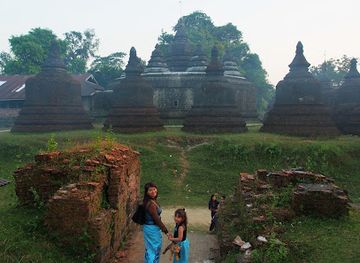
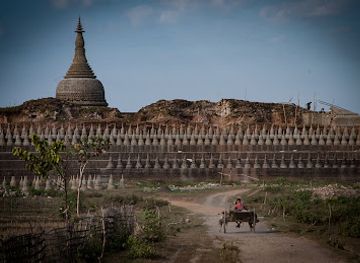
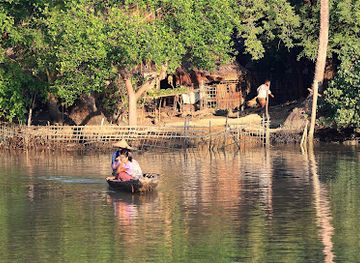
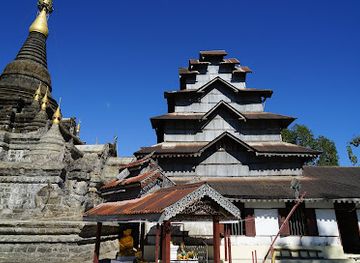
Best landmarks in Mrauk U
Mrauk U, an ancient city in Myanmar, offers visitors a unique blend of history, culture, and architecture. From the majestic temples and pagodas scattered throughout the area to the intricate stone carvings and ancient ruins, there is something for every history buff to explore. The city's rich heritage and stunning landscapes create a sense of awe and wonder, making it a must-visit destination for anyone looking to immerse themselves in the beauty of Myanmar's past.
-
Buddhist temple
Shaitthaung Phayar
Discover the beauty and tranquility of Shaitthaung Phayar, a historical Buddhist temple in Mrauk-U showcasing Rakhine State's rich cultural heritage.
11 min walk · 0.8 km from city centre
-
Pagoda
Koe Thaung Pagoda
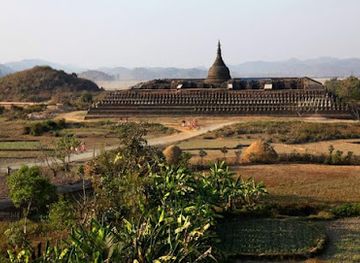
Discover Koe Thaung Pagoda in Mrauk-U, where history and spirituality converge in a breathtaking display of architecture and artistry.
6 min drive · 2.1 km from city centre
-
Historical landmark
Mrauk-U Palace
Explore Mrauk-U Palace, a historical landmark that embodies the grandeur of Myanmar's Arakan Kingdom, rich with culture and ancient architecture.
2 min walk · 0.2 km from city centre
-
Buddhist temple
Htukkant Thein Temple
Discover Htukkant Thein Temple in Mrauk-U, a serene Buddhist sanctuary rich in history and architectural beauty, set amidst lush landscapes.
11 min walk · 0.9 km from city centre
Explore Mrauk U on the map
Plan your Mrauk U trip on one map. See where the top attractions, landmarks, restaurants, bars and hotels are, find what's near where you're staying, and book hotels and experiences in a few clicks.
Best hotels in Mrauk U
Best restaurants in Mrauk U
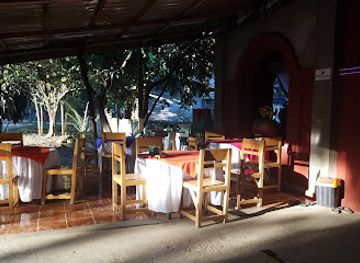
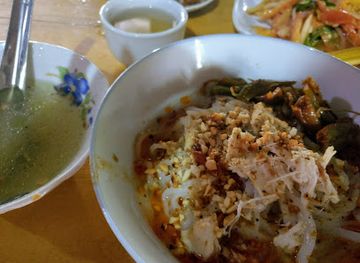
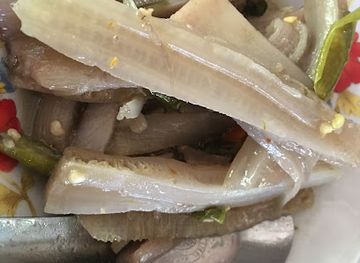
The dining scene of Mrauk U offers a unique blend of traditional Burmese cuisine and influences from various neighboring countries, resulting in a diverse and flavorful culinary experience for visitors. From street food stalls serving up spicy curries and fresh seafood to charming family-owned restaurants offering authentic Rakhine dishes, visitors can expect to indulge in a wide range of delicious flavors and textures. With many dining establishments located within historical buildings or overlooking ancient temples, the ambiance adds an extra layer of enchantment to the dining experience in this ancient city.
-
Restaurant
Moe Cherry Restaurant
Discover authentic Burmese cuisine at Moe Cherry Restaurant in Mrauk-U—where every dish tells a story.
6 min walk · 0.5 km from city centre
-
Restaurant
Shan Noodle Tea Shop
Savor authentic Shan cuisine at Shan Noodle Tea Shop, where every bowl tells a story of Myanmar's rich culinary heritage.
8 min walk · 0.7 km from city centre
-
Restaurant
Rakhine Mote Ti Stand
Experience authentic Rakhine cuisine at Rakhine Mote Ti Stand in Mrauk-U - where every dish tells a story.
1 min walk · 0.1 km from city centre
-
Restaurant
Pyae Wa Restaurant
Discover authentic Burmese cuisine at Pyae Wa Restaurant in Mrauk-U, where tradition meets affordability in every delicious dish.
4 min walk · 0.3 km from city centre
Best bars in Mrauk U
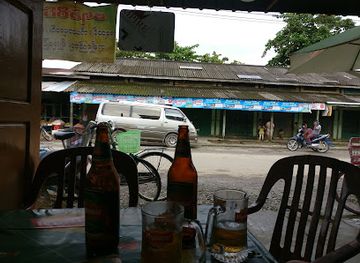
Mrauk U may be known for its ancient temples and historical sites, but when the sun sets, the city comes alive with a vibrant nightlife scene. Visitors can enjoy a variety of bars and nightclubs offering a mix of traditional and modern entertainment. From sipping cocktails on rooftop bars with stunning views of the city to dancing the night away to local music at lively clubs, there is something for everyone to enjoy in Mrauk U after dark.
-
Restaurant
Moe Cherry Restaurant
Discover the authentic tastes of Myanmar at Moe Cherry Restaurant in Mrauk-U, where rich culinary traditions meet a welcoming atmosphere.
6 min walk · 0.5 km from city centre
-
Hostel
Happy Garden
Discover the vibrant charm of Mrauk-U at Happy Garden, your cozy hostel retreat for affordable and unforgettable travel experiences.
5 min walk · 0.4 km from city centre
-
Restaurant
Rakhine Mote Ti Stand
Discover the authentic taste of Rakhine culture at Mrauk-U's beloved Rakhine Mote Ti Stand, where every dish is a taste of tradition.
1 min walk · 0.1 km from city centre
-
Restaurant
Shwe Moe
Experience the authentic flavors of Myanmar at Shwe Moe in Mrauk-U, where local ingredients meet traditional recipes in a cozy setting.
6 min walk · 0.5 km from city centre

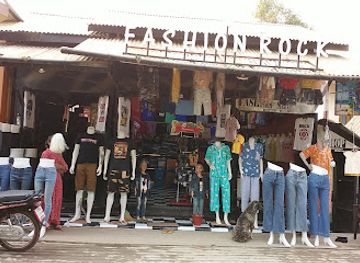


Best nightclubs in Mrauk U
Mrauk U may be known for its ancient temples and historical sites, but when the sun sets, the city comes alive with a vibrant nightlife scene. Visitors can enjoy a variety of bars and nightclubs offering a mix of traditional and modern entertainment. From sipping cocktails on rooftop bars with stunning views of the city to dancing the night away to local music at lively clubs, there is something for everyone to enjoy in Mrauk U after dark.
-
 Hotel
HotelMrauk-U Princess Resort
Discover the serene beauty and rich cultural heritage of Mrauk-U at the exquisite Mrauk-U Princess Resort, a perfect blend of comfort and adventure.
5 min drive · 1.7 km from city centre
-
Restaurant
River Valley Restaurant
Discover authentic Burmese flavors and stunning riverside views at River Valley Restaurant in Mrauk-U, the perfect dining experience for every traveler.
7 min walk · 0.6 km from city centre
-
Grill
The Chef Mini Bar and Restaurant
Savor the authentic flavors of Myanmar at The Chef Mini Bar and Restaurant, where grilling meets local tradition in Mrauk-U.
8 min walk · 0.7 km from city centre
-
Bar
Shwe Yoe Yar
Discover the lively Shwe Yoe Yar karaoke bar in Mrauk-U, where music and culture intertwine for an unforgettable night out.
10 min drive · 3.5 km from city centre
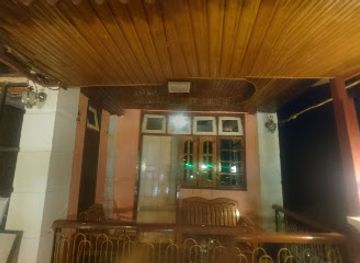
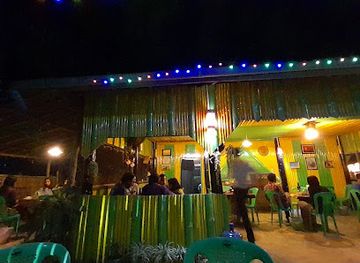
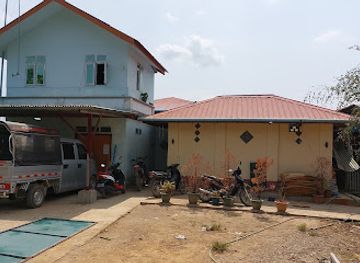
Best shops in Mrauk U
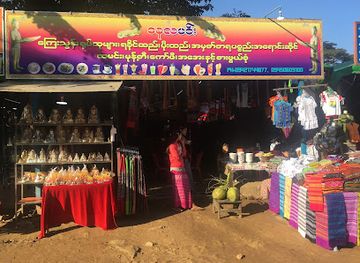
In Mrauk U, visitors can expect a unique shopping experience filled with traditional Burmese handicrafts, such as intricate wood carvings, colorful textiles, and beautiful lacquerware. The local markets are bustling with activity as vendors sell a variety of souvenirs, spices, and local produce. Visitors can also explore the surrounding villages to purchase handmade pottery, silver jewelry, and other authentic treasures. Bargaining is common practice, so visitors should be prepared to haggle for the best prices. Overall, the shopping scene in Mrauk U offers a glimpse into the rich cultural heritage of Myanmar and provides the perfect opportunity to take home a piece of this historical city.
-
Liquor store
Triple One
Explore the finest selection of liquors at Triple One in Mrauk-U, where local flavors meet international favorites in a welcoming atmosphere.
9 min walk · 0.8 km from city centre
-
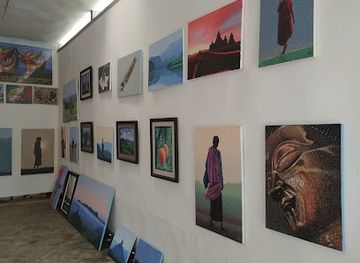
Gift shop
L’amitie Art Gallery
Discover the essence of Myanmar's art and culture at L’amitie Art Gallery in Mrauk-U, a treasure trove of unique local artworks and handcrafted gifts.
12 min walk · 1.0 km from city centre
-
Home goods store
Mrauk U
Explore Mrauk U, Myanmar’s hidden jewel, where ancient temples meet vibrant culture and stunning landscapes await your discovery.
9 min walk · 0.7 km from city centre
-
Souvenir store
Nay Lamin Teashop & Souvenir Shop
Experience the essence of Myanmar at Nay Lamin Teashop & Souvenir Shop in Mrauk-U with delightful teas and unique souvenirs.
10 min walk · 0.8 km from city centre
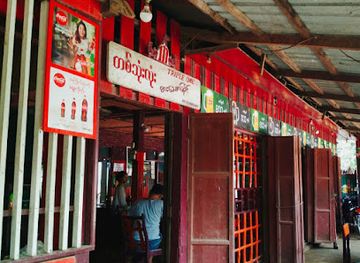
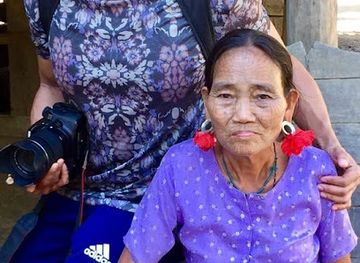
Get your free copy of our complete guide to Mrauk U, delivered straight to you.
Everything on this page, from attractions and restaurants to essentials and local phrases, in one PDF you can read offline, print or share.
Already have an account? Sign in
Your Mrauk U guide is ready.
We'll send it to · Not you? Sign out

Getting your guide ready…
We are putting together a fresh copy of the Mrauk U guide. This can take up to a minute.
This can take a few moments. If your browser asks, choose Allow so the download can start. You'll find the guide in your Downloads folder.
Nothing happened? Download it again
Sorry, the guide is taking longer than usual. Please try again in a minute, or get it by email instead.
Mrauk U essentials
Currency and Payment
Safety
Emergency Situations
Do's and Don'ts
Local Tips
From Eve
Local phrases worth knowing
You don't need to get them perfect. A few words go a long way, and locals appreciate the effort.
Basics
| English | Local | Say it |
|---|---|---|
| Hello | မင်္ဂလာပါ | [mangala pa] |
| Goodbye | ရေးသားပါ | [yei tha pa] |
| Yes | ဟုတ်ပါ | [hote pa] |
| No | မဟုတ်ပါ | [ma hote pa] |
| Please/You're welcome | ကျေးဇူးပါ | [kye zu pa] |
| Thank you | ကျေးဇူးပါ | [kye zu pa] |
| Excuse me/Sorry | မောင်းပါ | [maung pa] |
| How are you? | နေလုိ့လဲပါ | [ne lo le pya] |
| Fine. And you? | ကောင်း နင့်ဘွဲ့ပါ | [kaung ne bwe pa] |
| Do you speak English? | အဂၤလီ ဘာလို့လဲပါ | [agyi bali lo le pya] |
| I don't understand | မဟုတ်ဘဲ | [ma hote bae] |
Eating & Drinking
| English | Local | Say it |
|---|---|---|
| I'd like to see the menu, please | မှာယူရပါတယ် | [hmar yu ra pa] |
| I don't eat meat | အသက်မဟုတ်တယ် | [a thame ma hote ta] |
| Cheers! | အုပ်ပါယ် | [u pa ya] |
| I would like to pay, please | ငွေလောင်းရန်ပါတယ် | [ngwe laung nan pa] |
Emergencies
| English | Local | Say it |
|---|---|---|
| Help! | ကူညီပါ | [ku ni pa] |
| Go away! | လှလှလှ | [hla hla hla] |
| Call the Police! | ရုပ်နှင့်လောင်းပါ | [rup hngin laung pa] |
| Call a doctor! | ဆရာဝန်ပါ | [sha ya wan pa] |
| I'm lost | ဆိုင်းလားပါ | [saung la pa] |
| I'm ill | ကျန်ပါပြီ | [kun pa pi] |
Shopping
| English | Local | Say it |
|---|---|---|
| I'd like to buy... | ဝယ်ရမယ် | [wai ma ye] |
| I'm just looking | ဘာကြောင့်လဲမယ် | [bagaung lo le ma ye] |
| How much is it? | ဘယ်သူကြီးလဲပါ | [ba se ku le pa] |
| That's too expensive | သူ့ကြီးကိုပါဘူး | [se ku ko pa bhu] |
| Can you lower the price? | စျေးရွက်ပါလို့ | [se ywek pa loe] |
Time & Numbers
| English | Local | Say it |
|---|---|---|
| What time is it? | နာရီကြီးလဲ | [na ri ku le] |
| It's one o'clock | တစ်ဖက်ရှင် | [tachet hsaung] |
| Half past (10) | ဆယ်လို့ထောက် | [sa le loe tauk] |
| Morning | မနက် | [ma nak] |
| Afternoon | မနက်ဆုံး | [ma nak hsum] |
| Evening | ည | [nye] |
| Yesterday | မနေ့ | [ma ne] |
| Today | ယနေ့ | [ya ne] |
| Tomorrow | မနက်ဖြန် | [ma nak pyan] |
| 1 | တစ် | [tachet] |
| 2 | နှစ် | [hna chet] |
| 3 | သုံး | [su nge] |
| 4 | လေး | [lei] |
| 5 | ငါး | [nga] |
| 6 | ခြောက် | [hre auk] |
| 7 | ခုံ | [hun] |
| 8 | ရှစ် | [ha chet] |
| 9 | ကိုး | [ko] |
| 10 | ဆယ် | [sa le] |
Transport & Directions
| English | Local | Say it |
|---|---|---|
| Where's a/the...? | ဘယ်သူနဲ့လဲပါ | [ba se ne lei pa] |
| What's the address? | လိပ်စာဘဲလဲ | [lip sa bae le] |
| Can you show me (on the map)? | လို့ပြန်တယ်လို့ | [lo pya ta le loe] |
| When's the next (bus)? | ရောက်လားလဲ | [yeau la le] |
| A ticket (to ....) | လက်ဆောင်းလို့ | [lak saung loe] |
History of Mrauk U
The Founding of Mrauk U
Mrauk U, located in the Rakhine State of Myanmar, was founded in 1430 CE by King Min Saw Mon. It became the capital of the powerful Arakanese Kingdom. The city's strategic location between the Bay of Bengal and the hinterlands made it a significant trading hub, linking it to both the Indian subcontinent and Southeast Asia.
The Golden Age of Mrauk U
During the 16th and 17th centuries, Mrauk U experienced its Golden Age. Under the reigns of kings like Min Bin and Min Phalaung, the city flourished as a center of commerce, culture, and religion. The period was marked by the construction of numerous temples and pagodas, which showcased the architectural ingenuity of the Arakanese people.
The Arrival of the Portuguese
In the early 16th century, Portuguese mercenaries and traders arrived in Mrauk U. Their presence influenced the local culture and politics. The Portuguese played a crucial role in the Arakanese military campaigns and contributed to the city's cosmopolitan atmosphere. However, their relationship with the Arakanese rulers was complex and often tumultuous.
The Decline of Mrauk U
Mrauk U's decline began in the late 17th century. Internal strife, coupled with external threats from the Burmese and Mughal empires, weakened the Arakanese Kingdom. In 1784, the Burmese King Bodawpaya invaded and captured Mrauk U, marking the end of its status as a major political and cultural center.
Colonial Era and Modern Times
During the British colonial period, Mrauk U became less prominent as the British focused on other parts of Burma. However, the city retained its historical significance and continued to be a site of archaeological interest. In recent years, efforts have been made to preserve its ancient structures and promote Mrauk U as a key tourist destination, highlighting its rich history and cultural heritage.
Religious and Cultural Significance
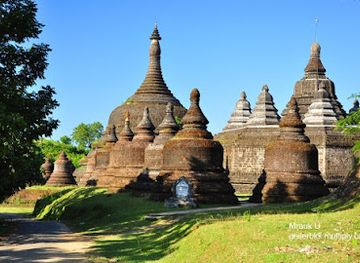
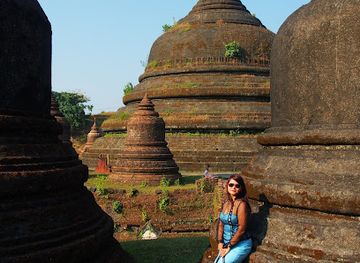
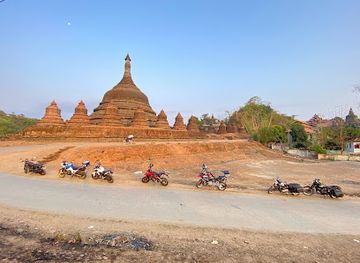
Mrauk U is renowned for its religious monuments, including the Shittaung Pagoda, Htukkanthein Temple, and the Koe-thaung Temple. These structures are not only architectural marvels but also reflect the spiritual life of the Arakanese people. The city remains a pilgrimage site for Buddhists and a testament to the region's historical devotion to Theravada Buddhism.
Mrauk U in Photos
Browse through our photo collection highlighting the charm and character of the destination.
Cities near Mrauk U
The closest cities to Mrauk U, if you have time for more than one stop.
-

-

-

-

-


Swipe for more cities
Explore more

Explore more of Myanmar (Burma)
Discover Myanmar: A land of golden pagodas, ancient temples, and breathtaking natural beauty, where warm hospitality and rich culture await every traveler.
Explore Myanmar (Burma)