

Denigomodu District Travel Guide - Free Web & App
Your ultimate guide to Denigomodu District. Discover top landmarks, proposed trips, and local tips. Free on the web or via the Evendo companion app.


Discover Denigomodu District in Nauru: A serene coastal haven offering pristine beaches, rich culture, and a warm local community.
Read more about Denigomodu District
When is the best time to visit Denigomodu District?
Best: June–August · 31–32°C| Month | High (°C) | Rainfall (mm) |
|---|---|---|
| January | 30 | 113 |
| February | 30 | 106 |
| March | 31 | 93 |
| April | 31 | 75 |
| May | 31 | 60 |
| June (best) | 31 | 47 |
| July (best) | 31 | 45 |
| August (best) | 32 | 48 |
| September | 32 | 62 |
| October | 32 | 78 |
| November | 32 | 96 |
| December | 32 | 110 |
Getting to and around Denigomodu District
How to get there
Transportation
Best landmarks in Denigomodu District
Denigomodu District in Nauru offers visitors a unique blend of cultural and natural attractions. From the ancient Moqua Well, a historical site dating back to the early settlement of the island, to the picturesque Buada Lagoon, a tranquil oasis perfect for birdwatching and picnicking, visitors can immerse themselves in the rich history and natural beauty of the area. The district also boasts the lively Denigomodu Market, where visitors can sample local produce and handmade crafts, as well as interact with friendly locals. Whether exploring the rugged coastline, learning about Nauruan traditions at the local cultural center, or simply relaxing on the pristine beaches, Denigomodu District offers a truly unforgettable experience for travelers seeking an off-the-beaten-path destination.
-
Historical landmark
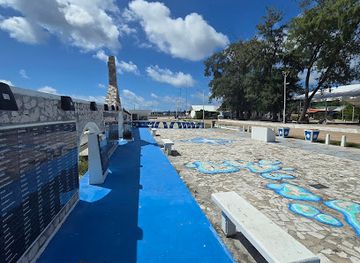
WWII Memorial Monument
Explore the WWII Memorial Monument in Orro, a significant historical landmark honoring the sacrifices of World War II with serene landscapes and educational insights.
-
 Ground self defense force
Download
Explore the serene Ground Self Defense Force in Yhb, where military history meets stunning natural beauty in a peaceful setting.
Explore Denigomodu District on the map
Plan your trip on one map. See where the top attractions, landmarks, restaurants and hotels are, and book hotels and experiences in a few clicks.
Best hotels in Denigomodu District
Best restaurants in Denigomodu District
Denigomodu District offers a unique dining scene for visitors to experience, with a variety of local eateries serving traditional Nauruan cuisine such as coconut crab, banana pudding, and fish dishes. Visitors can immerse themselves in the culture by trying dishes made with fresh, locally sourced ingredients and enjoying the hospitality of the friendly locals. From casual beachside cafes to bustling market stalls, there is something for every palate in Denigomodu District's vibrant dining scene.
-
Restaurant
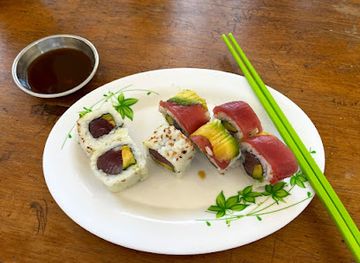
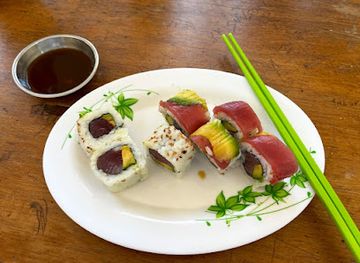
OMG Sushi Restaurant
Experience the freshest sushi at OMG Sushi Restaurant in Orro - a must-visit culinary destination for food lovers.
-
Restaurant
Somewhere Else in Nauru
Discover authentic Nauruan cuisine at Somewhere Else in Arijejen - a must-visit restaurant for tourists craving local flavors.
-
Breakfast
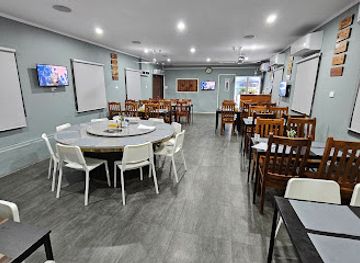
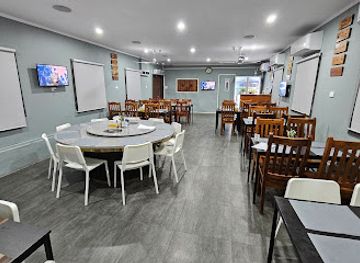
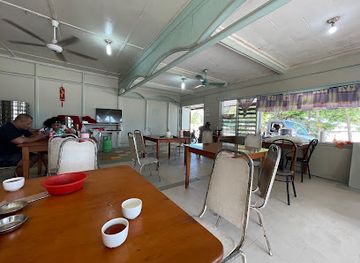
Lucky Tigeress Yum Cha
Experience the vibrant flavors of breakfast at Lucky Tigeress Yum Cha in Arijejen – a culinary gem perfect for every traveler.
-
Chinese
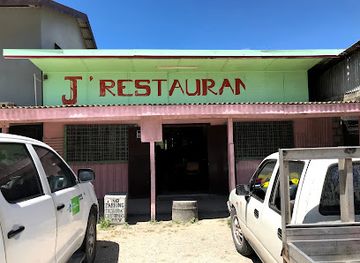
J’ RESTAURANT
Discover J’ RESTAURANT: Your Destination for Authentic Chinese Cuisine in Arijejen, Nauru.

Best bars in Denigomodu District
Experience the vibrant nightlife of Denigomodu District in Nauru, where visitors can enjoy cozy local bars serving up refreshing cocktails and traditional drinks, as well as lively nightclubs with pulsating music and energetic dance floors. Join the friendly locals in their favorite hangout spots, where you can mingle, dance, and create unforgettable memories in this lively and welcoming community.
-
Bar
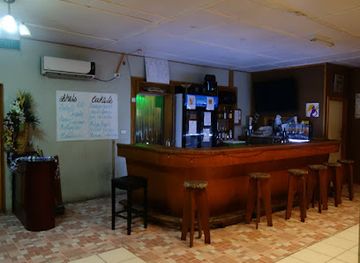
Jules On The Deck
Experience the best of Nibok at Jules On The Deck, where breathtaking views and a relaxed bar atmosphere meet.
-
Restaurant
OMG Sushi Restaurant
Savor the authentic taste of Japan at OMG Sushi Restaurant in Orro, where fresh ingredients meet culinary artistry.
-
Restaurant
Somewhere Else in Nauru
Experience authentic Nauruan cuisine at Somewhere Else in Nauru, where culinary traditions meet a welcoming atmosphere.
-
Breakfast
Lucky Tigeress Yum Cha
Discover the culinary delight of Lucky Tigeress Yum Cha, where every breakfast is a flavorful journey in the heart of Arijejen.
Best nightclubs in Denigomodu District
Experience the vibrant nightlife of Denigomodu District in Nauru, where visitors can enjoy cozy local bars serving up refreshing cocktails and traditional drinks, as well as lively nightclubs with pulsating music and energetic dance floors. Join the friendly locals in their favorite hangout spots, where you can mingle, dance, and create unforgettable memories in this lively and welcoming community.
Best shops in Denigomodu District
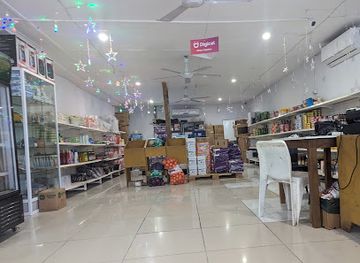
Denigomodu District boasts a charming shopping scene that offers visitors a unique opportunity to explore local handicrafts and artisanal products. From intricately woven baskets and traditional pottery to colorful textiles and handmade jewelry, the marketplaces in Denigomodu District are a treasure trove of cultural souvenirs. Visitors can immerse themselves in the vibrant atmosphere of the markets, interacting with local vendors and learning about the rich history and traditions of Nauruan craftsmanship. Whether browsing for gifts or simply indulging in some retail therapy, the shopping scene in Denigomodu District promises a memorable and authentic experience for tourists seeking a taste of local culture.
-
Grocery store
Pacific store
Discover the flavors of Nibok at the Pacific Store, your one-stop destination for local groceries and unique souvenirs.
-
Grocery store
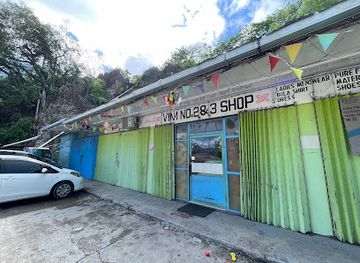
Vim No.1 Store
Experience local life at Vim No.1 Store, Arijejen's favorite grocery spot for fresh produce and local delicacies in Nauru.
-
Convenience store
Rainbow Store
Explore local culture and everyday essentials at Rainbow Store, Baiti's vibrant convenience store offering snacks, drinks, and unique souvenirs.
-
General store
Halo Store
Experience the essence of Arenibek at Halo Store, your go-to spot for local treasures, unique crafts, and delicious delicacies.
Get your free copy of our complete guide to Denigomodu District, delivered straight to you.
Everything on this page, from attractions and restaurants to essentials and local phrases, in one PDF you can read offline, print or share.
Already have an account? Sign in
Your Denigomodu District guide is ready.
We'll send it to · Not you? Sign out

Getting your guide ready…
We are putting together a fresh copy of the Denigomodu District guide. This can take up to a minute.
This can take a few moments. If your browser asks, choose Allow so the download can start. You'll find the guide in your Downloads folder.
Nothing happened? Download it again
Sorry, the guide is taking longer than usual. Please try again in a minute, or get it by email instead.
Denigomodu District essentials
Currency and Payment
Safety
Emergency Situations
Do's and Don'ts
Local Tips
From Eve
Local phrases worth knowing
You don't need to get them perfect. A few words go a long way, and locals appreciate the effort.
Basics
| English | Local | Say it |
|---|---|---|
| Hello | Iaorana | [YOW-rah-nah] |
| Goodbye | Narim | [NAH-reem] |
| Yes | E | [EH] |
| No | Ae | [AH-eh] |
| Please/You're welcome | Tangio | [TAHN-gee-oh] |
| Thank you | Kamawane | [Kah-mah-WAH-neh] |
| Excuse me/Sorry | Tae | [TAH-eh] |
| How are you? | Ko koa iko? | [KOH koh-ah EE-koh?] |
| Fine. And you? | Kamakii. Iko ke? | [Kah-mah-KEE. EE-koh keh?] |
| Do you speak English? | E ake ingirisi ake? | [EH AH-keh in-gee-REE-see AH-keh?] |
| I don't understand | Ae koa au hina | [AH-eh koh-ah ow HEE-nah] |
Eating & Drinking
| English | Local | Say it |
|---|---|---|
| I'd like to see the menu, please | Ko koua au te mana, tangio | [KOH koh-WAH ow teh MAH-nah, TAHNG-ee-oh] |
| I don't eat meat | Ae koa au hina aai | [AH-eh koh-ah ow HEE-nah AH-eye] |
| Cheers! | Mauri! | [MAU-ree] |
| I would like to pay, please | Ko koua au te utu, tangio | [KOH koh-WAH ow teh OO-too, TAHNG-ee-oh] |
Emergencies
| English | Local | Say it |
|---|---|---|
| Help! | Auri! | [OW-ree] |
| Go away! | Ake ou haere atu! | [AH-keh oh hah-eh-REH AH-too] |
| Call the Police! | Ake ou karanga ki te puni! | [AH-keh oh kah-RAHN-gah kee teh POO-nee] |
| Call a doctor! | Ake ou karanga ki te taaatai! | [AH-keh oh kah-RAHN-gah kee teh TAH-ah-tah-ee] |
| I'm lost | Ko au te ngaro | [KOH ow teh NGAH-roh] |
| I'm ill | Ko au te mate | [KOH ow teh MAH-teh] |
Shopping
| English | Local | Say it |
|---|---|---|
| I'd like to buy... | Ko koua au te hoko... | [KOH koh-WAH ow teh HOH-koh...] |
| I'm just looking | Ko au te matau | [KOH ow teh mah-TAH-oo] |
| How much is it? | Ko te moni e taha? | [KOH teh MOH-nee eh TAH-hah?] |
| That's too expensive | Ko te moni e kehe | [KOH teh MOH-nee eh KEH-heh] |
| Can you lower the price? | E ake ou amene te moni? | [EH AH-keh oh ah-MEH-neh teh MOH-nee?] |
Time & Numbers
| English | Local | Say it |
|---|---|---|
| What time is it? | Ko te taimi e aha? | [KOH teh TAH-ee-mee eh AH-hah?] |
| It's one o'clock | Ko te taimi e tahi | [KOH teh TAH-ee-mee eh TAH-hee] |
| Half past (10) | I te taimi e akau | [EE teh TAH-ee-mee eh ah-KOW] |
| Morning | Te ata | [TEH AH-tah] |
| Afternoon | Te ao | [TEH AH-oh] |
| Evening | Te po | [TEH poh] |
| Yesterday | Te raanei | [TEH rah-AHN-eh] |
| Today | Te nei | [TEH neh-ee] |
| Tomorrow | Te apopo | [TEH ah-POH-poh] |
| 1 | Tahi | [TAH-hee] |
| 2 | Rua | [ROO-ah] |
| 3 | Toru | [TOH-roo] |
| 4 | Wha | [FAH] |
| 5 | Rima | [REE-mah] |
| 6 | Ono | [OH-no] |
| 7 | Whitu | [FEE-too] |
| 8 | Waru | [WAH-roo] |
| 9 | Iwa | [EE-wah] |
| 10 | Tekau | [TEH-kow] |
Transport & Directions
| English | Local | Say it |
|---|---|---|
| Where's a/the...? | Kei hea te...? | [KEH heh-AH teh...?] |
| What's the address? | He aha te waa? | [HEH AH-hah teh WAH?] |
| Can you show me (on the map)? | E ake koe ki te whakaaturanga i ahau? | [EH AH-keh KOH-eh kee teh fah-KAH-too-rah-ngah ee AH-hoh?] |
| When's the next (bus)? | Ahea te (autobusu) e whai atu? | [AH-heh-AH teh (ow-toh-BOO-soo) eh FIGH AH-too?] |
| A ticket (to ....) | He tiketi (ki ...) | [HEH tee-keh-tee (kee ...)] |
History of Denigomodu District
Ancient Settlements
Denigomodu District, like much of Nauru, has been inhabited for thousands of years by Micronesian and Polynesian peoples. Archaeological evidence suggests that the early settlers engaged in fishing, agriculture, and the construction of unique coral structures. These early communities laid the foundation for the rich cultural tapestry seen in Denigomodu today.
Colonial Era
During the late 19th and early 20th centuries, Nauru experienced a series of colonial administrations, starting with the Germans in 1888. Denigomodu, like other districts, was influenced by European customs and infrastructure development. The German colonial period introduced new agricultural practices and also marked the beginning of phosphate mining, which would later become central to Nauru's economy.
Phosphate Mining Boom
The discovery of phosphate in Nauru had a profound impact on Denigomodu District. Mining operations began in earnest in the early 20th century under German, and later Australian, British, and New Zealand administration. Denigomodu saw significant economic and infrastructural growth as a result. Housing developments and community facilities were constructed for the workers, many of whom were brought in from other parts of the Pacific.
World War II
During World War II, Nauru was occupied by Japanese forces, and Denigomodu District, like the rest of the island, experienced significant upheaval. The local population suffered from food shortages, forced labor, and bombardments. The district bears the scars of the conflict, with remnants of wartime bunkers and fortifications still visible today.
Post-Independence Development
Nauru gained independence in 1968, and Denigomodu District saw a new era of self-governance and national identity. The district continued to benefit from the wealth generated by phosphate mining, which funded the development of modern infrastructure, including schools, hospitals, and recreational facilities. However, the eventual decline in phosphate reserves led to economic challenges that the community continues to navigate.
Cultural Heritage and Modern Life
Today, Denigomodu District is a vibrant community that reflects both its ancient heritage and modern influences. Traditional practices, such as weaving and fishing, coexist with contemporary lifestyles. The district hosts cultural festivals and events that celebrate Nauruan identity, providing visitors with a unique insight into the island's rich history and dynamic culture.
Denigomodu District in Photos
Browse through our photo collection highlighting the charm and character of the destination.
Cities in Denigomodu District
The towns and cities of Denigomodu District, and the easiest places to base yourself.
-
 Aiwo
Discover Aiwo, the heart of Nauru, where pristine beaches, rich history, and a warm community await to create an unforgettable island experience.
Aiwo
Discover Aiwo, the heart of Nauru, where pristine beaches, rich history, and a warm community await to create an unforgettable island experience.
-
 Buada
Discover Buada in Nauru: A tranquil haven with the serene Buada Lagoon, lush greenery, and an authentic glimpse into the island's traditional way of life.
Buada
Discover Buada in Nauru: A tranquil haven with the serene Buada Lagoon, lush greenery, and an authentic glimpse into the island's traditional way of life.
-
 Denigomodu
Discover the unspoiled beauty and rich culture of Denigomodu, Nauru's hidden treasure on the western coast, perfect for an off-the-beaten-path adventure.
Denigomodu
Discover the unspoiled beauty and rich culture of Denigomodu, Nauru's hidden treasure on the western coast, perfect for an off-the-beaten-path adventure.
-
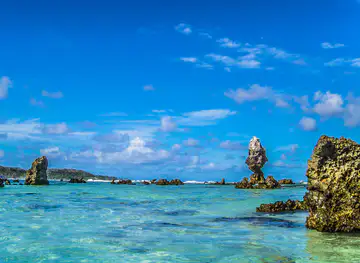 Uaboe
Discover Uaboe, Nauru's serene coastal district, where natural beauty meets rich cultural heritage. Perfect for beach lovers, history buffs, and adventure seekers.
Uaboe
Discover Uaboe, Nauru's serene coastal district, where natural beauty meets rich cultural heritage. Perfect for beach lovers, history buffs, and adventure seekers.
Swipe for more cities
Neighbouring destination travel guides
The closest destinations to Denigomodu District, if you have time for more than one.
-
 Nibok District
Discover the tranquility of Nibok District in Nauru, where serene beaches, vibrant marine life, and rich local culture await you.
Nibok District
Discover the tranquility of Nibok District in Nauru, where serene beaches, vibrant marine life, and rich local culture await you.
-
 Buada District
Discover Buada District in Nauru: A tranquil inland escape with lush landscapes, a picturesque lagoon, and rich cultural experiences.
Buada District
Discover Buada District in Nauru: A tranquil inland escape with lush landscapes, a picturesque lagoon, and rich cultural experiences.
-
 Uaboe District
Discover Uaboe District, Nauru's hidden gem, where stunning coastal beauty meets rich cultural heritage and tranquil island life.
Uaboe District
Discover Uaboe District, Nauru's hidden gem, where stunning coastal beauty meets rich cultural heritage and tranquil island life.
-
 Boe District
Discover Boe District in Nauru: A treasure trove of culture, history, and natural beauty on the serene southwestern coast of the island.
Boe District
Discover Boe District in Nauru: A treasure trove of culture, history, and natural beauty on the serene southwestern coast of the island.
-
 Yaren District
Discover Yaren District in Nauru: A serene coastal hub with rich cultural heritage, political landmarks, and natural beauty in the heart of the Pacific.
Yaren District
Discover Yaren District in Nauru: A serene coastal hub with rich cultural heritage, political landmarks, and natural beauty in the heart of the Pacific.
Swipe for more destinations
Explore more

Explore more of Nibok
Discover Nibok, a peaceful coastal district in Nauru, where pristine beaches, vibrant marine life, and warm local culture await every traveler.
Explore Nibok
Explore more of Nauru
Discover Nauru, the serene island nation in Micronesia, offering pristine beaches, rich history, and vibrant marine life for an unforgettable tropical escape.
Explore Nauru