

Free Auki Travel Guide & Mobile App
Plan your Auki trip with Evendo. Get free guides to top attractions, restaurants, hotels, and bars. Web access or download the mobile app.


Auki, Solomon Islands, offers Malaitan markets, lagoon culture, shell money traditions, coastal scenery and an authentic gateway to island communities.
Harbour Town on Malaita
Auki is the provincial capital of Malaita and a compact harbour town on the north-western coast of Malaita Island in the Solomon Islands. Its setting is defined by sea travel, forested hills and the busy relationship between town and surrounding villages. Rather than a city of grand monuments, Auki offers an accessible introduction to everyday life in the country: market stalls open with local produce, small shops line the main streets, and boats connect the waterfront with communities scattered along the coast and nearby lagoons.Read more about Auki
Markets, Water and Custom
A Base for Malaita
When is the best time to visit Auki?
Best: June–August · 27°C| Month | High (°C) | Rainfall (mm) |
|---|---|---|
| January | 28 | 300 |
| February | 28 | 300 |
| March | 28 | 300 |
| April | 28 | 300 |
| May | 28 | 250 |
| June (best) | 27 | 200 |
| July (best) | 27 | 200 |
| August (best) | 27 | 200 |
| September | 27 | 200 |
| October | 28 | 250 |
| November | 28 | 300 |
| December | 28 | 300 |
Getting to and around Auki
How to get there
Transportation
Best attractions in Auki
Auki’s principal attractions lie in its everyday waterfront and in the communities of nearby Malaita rather than in a large collection of formal monuments. Auki Market is the town’s most engaging place for observing local commerce, with seasonal fruit, vegetables, fish, betel nut and handmade goods arranged among lively conversations. The harbour offers a view of the boats that connect the provincial capital with coastal settlements and islands. Nearby Langa Langa Lagoon provides an opportunity, when arranged through local hosts, to learn about lagoon life and the making of shell money, one of Malaita’s best-known cultural traditions. Small churches, roadside stalls and the surrounding hills add texture to walks around town, while village visits reveal gardening, fishing, weaving and customary exchange. These experiences require patience and permission rather than a conventional sightseeing itinerary, and conditions can be rustic outside the provincial centre.
-
 Tourist attraction
Fishermans Point
Experience the breathtaking coastal views and vibrant marine life at Fisherman's Point, a natural paradise in Auki, Solomon Islands.
2 min walk · 0.2 km from city centre
-
Tourist attraction
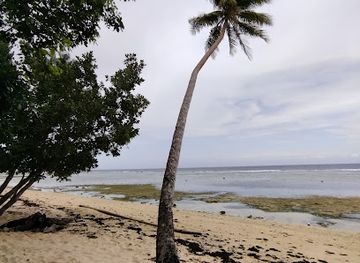
Osi Beach side
Discover the tranquility and beauty of Osi Beach Side in Auki, a perfect retreat for relaxation and cultural exploration in the Solomon Islands.
16 min walk · 1.3 km from city centre
Best landmarks in Auki
Auki’s most meaningful landmarks are functional and cultural rather than monumental. The provincial government buildings represent the town’s role as the administrative capital of Malaita, while Auki Market is a civic landmark where products, news and people from across the island meet. The harbour and its jetties are equally significant, reflecting the maritime geography that links Auki with Honiara, coastal villages and lagoon communities. Churches throughout the town and surrounding settlements speak to the influence of Christian missions and the continuing importance of congregational life. In nearby Langa Langa Lagoon, the landscape itself is inseparable from the cultural significance of shell money and lagoon communities. These places are best understood through local explanations, since their importance comes from administration, movement, faith and customary exchange rather than grand architectural design.
-
Lodge
Auki Lodge
Experience the tranquility of Auki Lodge, your serene retreat in the heart of the Solomon Islands, perfect for exploring local culture and natural beauty.
4 min walk · 0.3 km from city centre
-
Motel
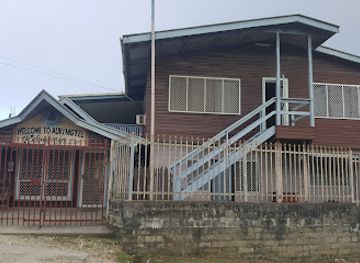
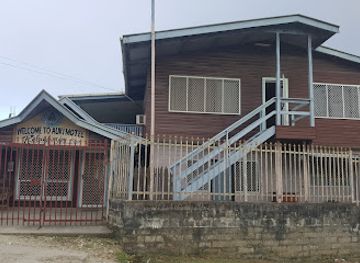
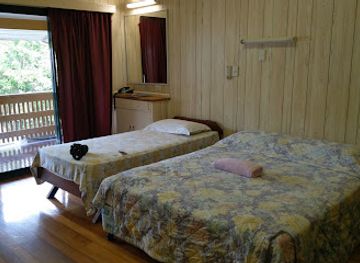
Auki Motel
Discover comfort and convenience at Auki Motel, your ideal base for exploring the stunning landscapes and vibrant culture of Auki, Solomon Islands.
4 min walk · 0.3 km from city centre
-
Motel
Rarasu Motel
Discover the charm of Auki at Rarasu Motel, your cozy retreat in the heart of the Solomon Islands, perfect for experiencing local culture and adventure.
8 min walk · 0.6 km from city centre

Explore Auki on the map
Plan your Auki trip on one map. See where the top attractions, landmarks, restaurants, bars and hotels are, find what's near where you're staying, and book hotels and experiences in a few clicks.
Best hotels in Auki
Best bars in Auki
Auki has a modest evening scene rather than a concentrated district of nightclubs and late-opening venues. Social life is more likely to centre on small local bars, guesthouse facilities, informal gatherings, churches and community events than on specialist cocktail or music venues. Evenings become quiet relatively early, and options can be especially limited outside the town centre. Visitors should ask accommodation staff about appropriate places to spend the evening and avoid walking alone in poorly lit or unfamiliar areas after dark. Alcohol should be consumed discreetly and respectfully, while village or community events require attention to local invitations and customs. Cultural performances, when organised for a community or visitors, offer a more characteristic evening experience than conventional nightlife, but schedules and availability should never be assumed.
-
Market
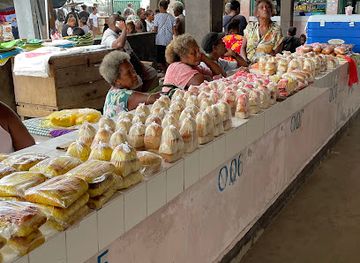
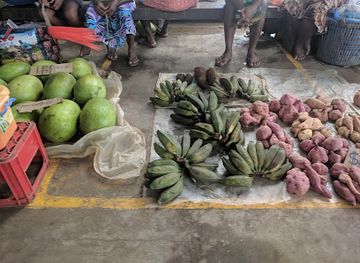
Auki Central Market
Discover the colors and flavors of Solomon Islands at Auki Central Market, a vibrant hub of local culture and craftsmanship.
8 min walk · 0.6 km from city centre
-
Lodge
Auki Lodge
Discover tranquility at Auki Lodge, your perfect retreat in the heart of Auki, Solomon Islands, surrounded by stunning natural beauty.
4 min walk · 0.3 km from city centre
-
Motel
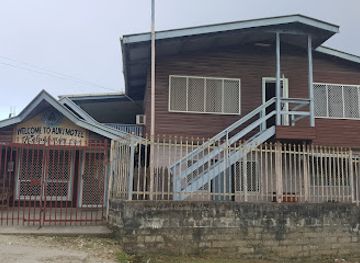
Auki Motel
Discover comfort and hospitality at Auki Motel, the perfect base for your adventures in the heart of Auki, Solomon Islands.
4 min walk · 0.3 km from city centre
-
Motel
Rarasu Motel
Discover comfort and local charm at Rarasu Motel, your serene retreat in the heart of Auki, Solomon Islands.
8 min walk · 0.6 km from city centre

Best nightclubs in Auki
Auki has a modest evening scene rather than a concentrated district of nightclubs and late-opening venues. Social life is more likely to centre on small local bars, guesthouse facilities, informal gatherings, churches and community events than on specialist cocktail or music venues. Evenings become quiet relatively early, and options can be especially limited outside the town centre. Visitors should ask accommodation staff about appropriate places to spend the evening and avoid walking alone in poorly lit or unfamiliar areas after dark. Alcohol should be consumed discreetly and respectfully, while village or community events require attention to local invitations and customs. Cultural performances, when organised for a community or visitors, offer a more characteristic evening experience than conventional nightlife, but schedules and availability should never be assumed.
-
Lodge
Auki Lodge
Discover the serene charm of Auki Lodge, your perfect retreat in the Solomon Islands blending comfort with local culture and natural beauty.
4 min walk · 0.3 km from city centre
-
Motel
Auki Motel
Discover comfort and convenience at Auki Motel, your ideal base for exploring the stunning landscapes and rich culture of the Solomon Islands.
4 min walk · 0.3 km from city centre
-
Motel
Rarasu Motel
Discover comfort and convenience at Rarasu Motel, your perfect base for exploring the natural beauty and rich culture of Auki, Solomon Islands.
8 min walk · 0.6 km from city centre
Best shops in Auki
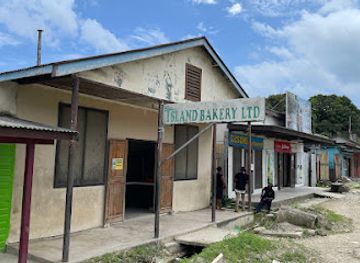
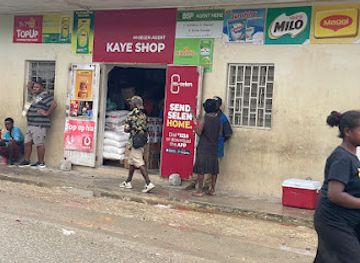
Shopping in Auki is concentrated around the market, small general stores and informal roadside stalls rather than formal retail streets or large shopping centres. Auki Market is the main place to look for locally grown produce, fish, betel nut and seasonal foods, while vendors and community makers may offer woven articles, shell ornaments, carvings and other handmade goods. Shell money associated with Malaita has cultural significance and should be purchased only through an appropriate local source, with respect for its ceremonial value and workmanship. Imported household goods and basic supplies are sold in town, but selection can be narrower than in Honiara and replenishment depends on shipping and road connections. Ask before photographing products, workshops or sellers, and avoid buying coral, protected wildlife or objects whose provenance is unclear.
-
Market
Auki Central Market
Discover the vibrant Auki Central Market, where local flavors, crafts, and culture come together to create an unforgettable experience for every traveler.
8 min walk · 0.6 km from city centre
-
Grocery store
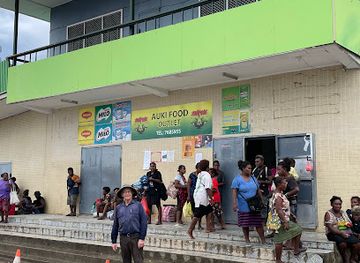
Auki Food Outlet
Explore local flavors and essential goods at Auki Food Outlet, your convenient grocery hub in the heart of Auki, Solomon Islands.
7 min walk · 0.6 km from city centre
-
Bakery
Island Bakery
Explore the flavors of Auki at Island Bakery, where every bite tells a story of local tradition and culinary passion.
6 min walk · 0.5 km from city centre
-
General store
Kaye Shop
Discover the heart of Auki at Kaye Shop, where local culture meets charming retail in a delightful general store experience.
6 min walk · 0.5 km from city centre
Get your free copy of our complete guide to Auki, delivered straight to you.
Everything on this page, from attractions and restaurants to essentials and local phrases, in one PDF you can read offline, print or share.
Already have an account? Sign in
Your Auki guide is ready.
We'll send it to · Not you? Sign out

Getting your guide ready…
We are putting together a fresh copy of the Auki guide. This can take up to a minute.
This can take a few moments. If your browser asks, choose Allow so the download can start. You'll find the guide in your Downloads folder.
Nothing happened? Download it again
Sorry, the guide is taking longer than usual. Please try again in a minute, or get it by email instead.
Auki essentials
Currency and Payment
Safety
Emergency Situations
Do's and Don'ts
Local Tips
From Eve
Local phrases worth knowing
You don't need to get them perfect. A few words go a long way, and locals appreciate the effort.
Basics
| English | Local | Say it |
|---|---|---|
| Hello | Alu | [ah-loo] |
| Goodbye | Tata | [tah-tah] |
| Yes | Io | [ee-oh] |
| No | Tia | [tee-ah] |
| Please/You're welcome | Tangio/Manaoa | [tang-yoh/ma-nah-oh-ah] |
| Thank you | Tangio tumas | [tang-yoh too-mahs] |
| Excuse me/Sorry | Tangio | [tang-yoh] |
| How are you? | Ol kolim yu? | [ohl koh-leem yoo] |
| Fine. And you? | Good talem. Na yu? | [good tah-lehm. nah yoo] |
| Do you speak English? | Yu save toktok long Inglis? | [yoo sah-veh tohk-tohk long een-glees] |
| I don't understand | Mi no save | [mee noh sah-veh] |
Eating & Drinking
| English | Local | Say it |
|---|---|---|
| I'd like to see the menu, please | Mi laekem lukim menu, plis | [mee lie-kem loo-keem meh-noo, plees] |
| I don't eat meat | Mi no save kaikai mit | [mee noh sah-veh kai-kai meet] |
| Cheers! | Gudfala! | [good-fah-lah] |
| I would like to pay, please | Mi laekem pei, plis | [mee lie-kem pay, plees] |
Emergencies
| English | Local | Say it |
|---|---|---|
| Help! | Helpem! | [help-em] |
| Go away! | Go lusim! | [goh loo-seem] |
| Call the Police! | Kolem Polis! | [koh-lem poh-lees] |
| Call a doctor! | Kolem dokta! | [koh-lem dohk-tah] |
| I'm lost | Mi lusim | [mee loo-seem] |
| I'm ill | Mi sik | [mee seek] |
Shopping
| English | Local | Say it |
|---|---|---|
| I'd like to buy... | Mi laekem baem... | [mee lie-kem bah-em...] |
| I'm just looking | Mi jes lukim | [mee jehs loo-keem] |
| How much is it? | Hao moa? | [hah-oh moh-ah] |
| That's too expensive | Iu moa fo plenti | [yoo moh-ah foh plehn-tee] |
| Can you lower the price? | Iu karem daon prais? | [yoo kah-rehm dahn prah-ees] |
Time & Numbers
| English | Local | Say it |
|---|---|---|
| What time is it? | Hao taem nao? | [hah-oh tah-em now] |
| It's one o'clock | Iuwan taem | [yoo-wahn tah-em] |
| Half past (10) | Hap pasten (10) | [hah-pah-stehn (10)] |
| Morning | Moning | [moh-ning] |
| Afternoon | Apinun | [ah-pee-noon] |
| Evening | Ivinin | [ee-vee-neen] |
| Yesterday | Dei las | [deh lahss] |
| Today | Dei | [deh] |
| Tomorrow | Tomoro | [toh-moh-roh] |
| 1 | Wan | [wahn] |
| 2 | Tu | [too] |
| 3 | Tri | [tree] |
| 4 | Foa | [foh-ah] |
| 5 | Faiv | [fah-eev] |
| 6 | Sikis | [see-kees] |
| 7 | Seven | [seh-vehn] |
| 8 | Eit | [ayt] |
| 9 | Nain | [nayn] |
| 10 | Ten | [tehn] |
Transport & Directions
| English | Local | Say it |
|---|---|---|
| Where's a/the...? | Hao finis...? | [hah-oh fee-nees...?] |
| What's the address? | Wanem address? | [wah-nehm address?] |
| Can you show me (on the map)? | Iu save soemim mi (long map)? | [yoo sah-veh soh-ehm-im mee (long map)?] |
| When's the next (bus)? | Hao taim bus i kam? | [hah-oh tah-eem boos ee kahm?] |
| A ticket (to ....) | Wan tiket (long ....) | [wahn tee-keht (long ....)] |
History of Auki
Malaitan Communities Before Colonial Rule
The history of Auki belongs to the much older history of Malaita, where numerous coastal and inland communities developed their own languages, customary authorities and systems of exchange. Villages were connected by kinship, gardening, fishing and seafaring, while shell valuables became important in ceremonial and economic life in parts of the island. The cultural landscape around Auki therefore predates the town itself by many generations. Langa Langa Lagoon, close to the provincial capital, remains particularly associated with shell-money production, an enduring expression of local knowledge and social relationships.
Missionaries and Colonial Administration
Christian missions expanded their influence in Malaita during the late nineteenth and early twentieth centuries, alongside the growing reach of the British Solomon Islands Protectorate, established in 1893. Mission stations, schools and new forms of administration gradually altered patterns of settlement and authority, although customary practice continued to shape community life. Auki developed as an administrative and commercial centre on the island’s north-western coast, benefiting from its harbour and its position among coastal villages. Colonial rule also brought labour recruitment, taxation and new political pressures that affected Malaitan communities far beyond the emerging town.
Labour, Migration and Social Change
During the colonial period, many Malaitans travelled for wage labour on plantations and in other parts of the Solomon Islands. This movement created strong connections between Malaita and wider island networks, while also exposing workers to difficult conditions and unequal colonial systems. The experience contributed to changing ideas about education, Christianity, employment and political representation. Auki’s growth reflected these wider transformations: it became a centre where government services, trade, schooling and transport linked rural communities with the administrative world of the protectorate.
War in the Solomon Islands
The Second World War brought the Solomon Islands into the Pacific conflict after Japanese forces occupied parts of the archipelago in 1942 and Allied campaigns were fought across the region. Malaita was not the principal battlefield associated with the Guadalcanal campaign, yet the war altered movement, communications and colonial administration throughout the islands. Wartime experience accelerated political change and widened contact with the outside world. For Malaita, the period formed part of the longer transition from protectorate government towards greater local participation in public affairs and, eventually, national independence.
Provincial Capital in an Independent Nation
The Solomon Islands became independent in 1978, and Auki continued as the capital of Malaita Province. Its role is chiefly administrative and service-oriented, connecting the provincial government, markets, schools, churches and harbour with communities across the island. Contemporary Auki reflects both national change and strong local continuity: imported goods and modern communications sit alongside customary exchange, subsistence gardening, fishing and community obligations. The town’s importance lies less in monumental architecture than in its position within Malaita’s social, commercial and maritime life.
Auki in Photos
Browse through our photo collection highlighting the charm and character of the destination.
Cities near Auki
The closest cities to Auki, if you have time for more than one stop.
-
-

-

-

-


Swipe for more cities
Explore more
Explore more of Solomon Islands
Discover the Solomon Islands: An unspoiled tropical paradise with pristine beaches, vibrant coral reefs, rich history, and unique cultural experiences.
Explore Solomon Islands