

Chitwan National Park, Makalu Base Camp Travel Guide
Discover the breathtaking Chitwan National Park, a wildlife sanctuary in Nepal, where adventure and natural beauty await at every turn.
Chitwan National Park, a UNESCO World Heritage Site, offers tourists an unparalleled opportunity to experience Nepal's rich biodiversity. From thrilling jungle safaris to serene canoe rides on the Rapti River, this stunning national park is a must-visit for wildlife enthusiasts and nature lovers alike. Explore the lush landscapes, spot rare species such as the one-horned rhinoceros, and immerse yourself in the vibrant culture of the Tharu people.
A brief summary to Chitwan National Park

Know before you go
Hi, I'm Eve. Here are a few practical things to know before exploring Chitwan National Park.
- Book your safari in advance, especially during peak seasons, to secure your preferred time slot.
- Bring binoculars for bird watching and a good camera to capture the stunning wildlife.
- Consider visiting a Tharu village for a cultural experience and to learn about their traditions.
- Wear comfortable clothing and sturdy shoes suitable for walking in the park's varied terrain.
- Stay hydrated and carry snacks during your excursions, as amenities inside the park can be limited.
Do you manage this location?
Take control to get all the benefits, like improved information, better appearance, and stronger visibility across AI-powered discovery. Learn more about listing your business on Evendo
Activate your presenceOther nearby places you may find interesting
The closest places of the same kind, if this one is not quite what you had in mind.
Explore Chitwan National Park on the Map
A handpicked selection of must-see spots near Chitwan National Park, mapped for you.
Unlock the Best of Chitwan National Park
Buy tickets
-
No tickets available
Book tours with entry


Getting There
-
Car
From Makalu Base Camp, you will need to trek back to the nearest road access point, which is typically in the town of Tumlingtar. This trek can take several days, so plan accordingly. Once you reach Tumlingtar, you can hire a private car or take a local bus to Chitwan National Park. The drive from Tumlingtar to Chitwan National Park takes approximately 12-14 hours depending on road conditions. The route will take you through scenic landscapes towards Bharatpur, then follow signs towards Sauraha, the main entry point to Chitwan National Park.
-
Public Transportation
After trekking back to Tumlingtar from Makalu Base Camp, you can take a local bus or jeep to Kathmandu. From Kathmandu, you can catch a tourist bus to Chitwan National Park, which takes around 5-6 hours. Buses leave from various terminals in Kathmandu, including the Tourist Bus Park. Make sure to buy your ticket in advance, especially during peak tourist seasons. The bus will drop you off in Sauraha, the popular gateway to the park. Expect to pay around NPR 1,500 to NPR 2,000 for the bus ride from Kathmandu to Chitwan.
-
Combination of Trekking and Transportation
Start by trekking from Makalu Base Camp to the nearest road access point in Tumlingtar. Once in Tumlingtar, you can take a bus or hire a private vehicle to head towards Chitwan National Park. This journey typically involves traveling back to Kathmandu first and then taking a dedicated bus to Chitwan. This route might take longer but provides an opportunity to experience local culture and scenery along the way.
Discover more about Chitwan National Park













Your all‑in‑one travel companion app
Explore expert travel guides, compare and book tours, experiences, hotels, and more—all from the palm of your hand. Download now for seamless trip planning wherever your wanderlust takes you.


Explore More of Makalu Base Camp
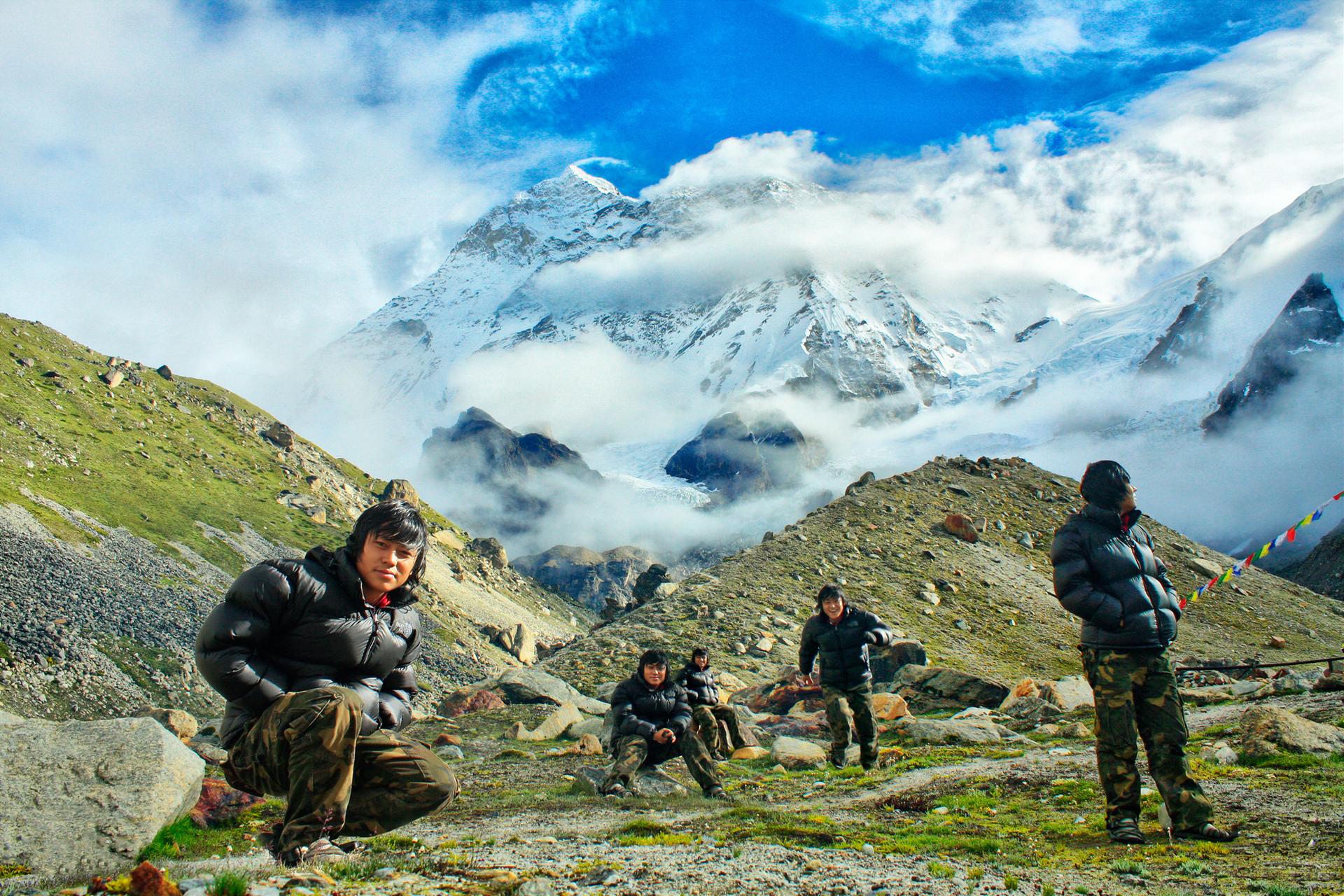
Looking beyond Chitwan National Park? Discover Makalu Base Camp for broader travel guides, local hot-spots, and regional highlights.
Explore Makalu Base Camp
Discover the charm of rural life at Tarakari Bari in Bharatpur, a serene farm offering organic produce, sustainable practices, and a peaceful escape.

Explore Butwal, a vibrant Nepalese city, where rich culture meets stunning natural landscapes, perfect for travelers seeking adventure and tranquility.
