

Delfshaven (Rotterdam) Travel Guide - Free
Explore Delfshaven in Rotterdam with Evendo's free guide. Find the best shops, historic streets, restaurants, and gems on web or mobile.


Delfshaven in Rotterdam pairs a preserved historic harbour with Pilgrim Fathers history, windmills, galleries, cafés and waterside walks for curious visitors.
Harbour History and Character
Delfshaven feels markedly different from Rotterdam’s modern centre. Around the old inner harbour, Voorhaven and Achterhaven retain a compact cluster of gabled warehouses, painted façades, traditional quays and narrow streets that recall the settlement’s maritime past. Once a separate port town serving Delft, Delfshaven was absorbed into Rotterdam in 1886, yet its historic core still has a strong local identity. The water, bridges and working harbour structures give the neighbourhood a slower, more intimate rhythm than the city’s high-rise centre.Read more about Delfshaven
Pilgrims, Privateers and Windmills
Waterfront Culture and Everyday Delfshaven
Best attractions in Delfshaven
Delfshaven’s principal attraction is the historic harbour itself, where Aelbrechtskolk, Voorhaven and Achterhaven form a walkable ensemble of old quays, warehouses, bridges and waterside façades. The Pelgrimvaderskerk is central to the story of the Pilgrim Fathers’ 1620 departure, while the nearby Piet Heynsplein recalls the local birthplace of naval commander Piet Hein. De Distilleerketel, a restored windmill associated with the area’s former distilling industry, provides a striking industrial landmark above the surrounding roofs. The Dutch Pinball Museum adds a more playful attraction in the wider Delfshaven area, presenting a large collection of playable machines. Small galleries, studios, cafés and occasional cultural activities occupy former commercial buildings around the harbour, making the pleasure of visiting less about a long list of monuments than about observing how historic architecture is used in everyday Rotterdam life.
-
Tourist attraction
Dutch Pinball Museum
Explore the Dutch Pinball Museum in Rotterdam, where pinball history comes alive with over 2000 playable machines, perfect for all ages and enthusiasts.
5 min drive · 1.7 km from neighbourhood centre
-
Tourist attraction
Dakpark Rotterdam
Explore Dakpark Rotterdam: A unique elevated park offering stunning city views, lush green spaces, and a perfect escape for tourists in the heart of the city.
7 min drive · 2.2 km from neighbourhood centre
-
Tourist attraction
Museum Rotterdam
Discover the rich tapestry of Rotterdam's history and culture at Museum Rotterdam, a must-visit destination for every traveler.
16 min walk · 1.3 km from neighbourhood centre
-
Tourist attraction
Voorhaven Delfshaven
Explore the historic Voorhaven Delfshaven in Rotterdam, where maritime heritage meets picturesque charm and vibrant culture.
6 min drive · 1.9 km from neighbourhood centre


Best landmarks in Delfshaven
The Pelgrimvaderskerk, formerly the Oude Kerk, is Delfshaven’s most important historical landmark because the Pilgrim Fathers worshipped there before their 1620 transatlantic departure. Its position beside the old harbour connects religious history directly with the waterway that shaped the settlement. The De Distilleerketel windmill represents Delfshaven’s distilling and industrial past, while the surviving quays of Voorhaven and Achterhaven preserve the spatial logic of the former port. Piet Heynsplein and its monument commemorate Piet Hein, the seventeenth-century naval commander born in Delfshaven. Together, these places show several layers of local history: faith, maritime commerce, industry and civic memory. Their importance lies not only in individual buildings but also in their relationship to the compact harbour landscape, where warehouses, bridges, façades and water remain legible as parts of one historic ensemble.
-
Tourist attraction
Euromast
Discover the breathtaking views and rich history of Rotterdam from the iconic Euromast, where adventure meets culinary delight.
5 min drive · 1.6 km from neighbourhood centre
-
Park
Dakpark Rotterdam
Discover the serene beauty of Dakpark Rotterdam, an elevated urban park offering stunning views, lush gardens, and artistic charm in the heart of the city.
7 min drive · 2.2 km from neighbourhood centre
-
Historical landmark
Historisch Delfshaven
Immerse yourself in the rich history of Rotterdam at Historisch Delfshaven, a stunning historical landmark showcasing 17th-century architecture and maritime heritage.
5 min drive · 1.6 km from neighbourhood centre
-
Church of Christ
Pilgrim Fathers Church
Discover the Pilgrim Fathers Church in Rotterdam, a historic site showcasing the journey of the Pilgrim Fathers towards freedom and a new life.
5 min drive · 1.7 km from neighbourhood centre


Explore Delfshaven on the map
A handpicked selection of must-see spots in Delfshaven, mapped for you.
Best hotels in Delfshaven
Best restaurants in Delfshaven
Eating in Delfshaven is closely tied to the waterfront atmosphere, with cafés, restaurants, breweries and informal places to eat concentrated around the old harbour and the streets leading towards Coolhaven. Stadsbrouwerij De Pilgrim gives the quarter a locally rooted beer tradition, while venues around Aelbrechtskolk and Voorhaven offer settings ranging from relaxed café meals to contemporary dining in converted historic buildings. The surrounding neighbourhood is more culturally mixed than the preserved harbour façades alone suggest, and visitors will find international as well as Dutch-influenced food rather than a single defining cuisine. Independent businesses and changing menus are part of the character, so current opening arrangements are best checked directly. The historic core is particularly suited to a slow lunch, coffee or early evening meal beside the water, whereas broader restaurant choices extend along the busier roads beyond the old port.
-
Restaurant
Het Wapen Van Delfshaven
Discover culinary delights and local flavors at Het Wapen Van Delfshaven in Rotterdam's historic district.
5 min drive · 1.7 km from neighbourhood centre
-
Restaurant
GOUD
Experience exquisite flavors at GOUD, Rotterdam's premier restaurant offering innovative dishes in a charming setting.
6 min drive · 1.9 km from neighbourhood centre
-
Restaurant
Café Soif
Discover Café Soif in Rotterdam: where seasonal ingredients meet exquisite flavors in a cozy dining atmosphere.
5 min drive · 1.6 km from neighbourhood centre
-
Lebanese
Le Souq Delfshaven
Savor authentic Lebanese cuisine in a charming setting at Le Souq Delfshaven – where every dish tells a story.
5 min drive · 1.8 km from neighbourhood centre


Best bars in Delfshaven
Delfshaven’s evening life is generally sociable and local rather than dominated by large nightclubs. Historic harbour cafés and brown-café-style bars provide places for Dutch beer, conversation and a waterside drink, with Stadsbrouwerij De Pilgrim offering a clear connection between the neighbourhood’s maritime setting and contemporary brewing culture. Café Soif is another established name associated with the old Delfshaven area, while restaurants and small venues around the quays contribute to a relaxed evening circuit. More expansive clubbing is found elsewhere in Rotterdam, not in the historic harbour itself. After dark, the quarter becomes atmospheric but quieter between venues, so visitors should respect nearby homes, take care on dimmer stretches and check current event information rather than assuming that every listed venue operates late every night.
-
Bar
Melief Bender
Experience the vibrant atmosphere of Melief Bender, a top bar in Rotterdam offering delightful drinks and a cozy ambiance perfect for socializing.
8 min walk · 0.6 km from neighbourhood centre
-
Pool hall
Poolcafé Delfshaven
Discover Poolcafé Delfshaven: A charming pool hall and café in Rotterdam, perfect for leisurely games, delicious food, and a vibrant atmosphere.
5 min drive · 1.7 km from neighbourhood centre
-
Diner
Pub Verhip
Experience the local flavors of Rotterdam at Pub Verhip, a cozy diner in the heart of Delfshaven offering delicious meals and a warm atmosphere.
5 min drive · 1.7 km from neighbourhood centre
-
Restaurant
Het Wapen Van Delfshaven
Experience authentic Dutch cuisine at Het Wapen Van Delfshaven, a charming restaurant and pub in Rotterdam's historic Delfshaven district.
5 min drive · 1.7 km from neighbourhood centre


Best nightclubs in Delfshaven
Delfshaven’s evening life is generally sociable and local rather than dominated by large nightclubs. Historic harbour cafés and brown-café-style bars provide places for Dutch beer, conversation and a waterside drink, with Stadsbrouwerij De Pilgrim offering a clear connection between the neighbourhood’s maritime setting and contemporary brewing culture. Café Soif is another established name associated with the old Delfshaven area, while restaurants and small venues around the quays contribute to a relaxed evening circuit. More expansive clubbing is found elsewhere in Rotterdam, not in the historic harbour itself. After dark, the quarter becomes atmospheric but quieter between venues, so visitors should respect nearby homes, take care on dimmer stretches and check current event information rather than assuming that every listed venue operates late every night.
-
Disco club
Munch
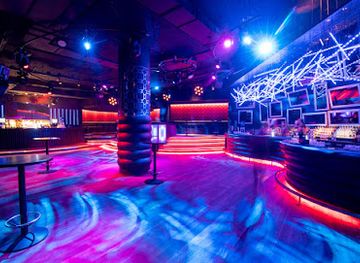
Dive into Rotterdam's electrifying nightlife at Munch, a premier disco club on the scenic Maasboulevard, perfect for unforgettable dance experiences.
6 min drive · 1.9 km from neighbourhood centre
-
Restaurant
BIRD
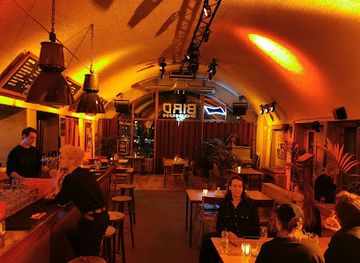
Discover the rhythm of Rotterdam at BIRD, where delicious dining meets live jazz in a vibrant atmosphere.
15 min walk · 1.2 km from neighbourhood centre
-
Gay bar
Ferry
Discover the vibrant nightlife at Ferry, Rotterdam's premier gay bar and nightclub, where fun and inclusivity come together for an unforgettable experience.
9 min walk · 0.7 km from neighbourhood centre
-
Club
Cultuurpodium Perron
Dive into Rotterdam's nightlife at Cultuurpodium Perron, where electrifying techno beats and vibrant crowds create an unforgettable experience.
11 min walk · 0.9 km from neighbourhood centre


Best shops in Delfshaven
Shopping in Delfshaven is primarily independent and small-scale rather than centred on department stores or a large retail district. Around the historic harbour, visitors can browse galleries, studios, design-led businesses, specialist shops and places selling vintage or locally distinctive goods, though the exact mix changes as small enterprises open and close. The old quays are particularly rewarding for architectural browsing, with former warehouses now used for commercial and creative purposes. Everyday shopping and a wider range of retailers are found along the larger roads and in neighbouring parts of Rotterdam, while the historic core is better suited to finding an unusual object, artwork or locally made item than to conventional high-street shopping. Markets and temporary events may add activity at particular times, but visitors should check current local listings rather than expect a permanent market in the old harbour.
-
Shopping mall
Big Shops
Discover the ultimate shopping experience at Big Shops in Rotterdam, featuring a blend of local boutiques and popular brands for every shopper's delight.
7 min drive · 2.3 km from neighbourhood centre
-
Hookah store
souvenir and more
Explore Rotterdam's vibrant hookah culture at 'souvenir and more', where quality meets tradition in the heart of Delfshaven.
5 min drive · 1.7 km from neighbourhood centre
-
Gift shop
VOORLOPIG ROTTERDAM
Explore the charm of Voorlopig Rotterdam, your go-to destination for unique gifts and handcrafted treasures that capture the essence of local artistry.
7 min walk · 0.6 km from neighbourhood centre
-
Gift shop
Swan Market Store Rotterdam
Experience the charm of Rotterdam at Swan Market Store, your destination for unique gifts and local craftsmanship.
7 min walk · 0.6 km from neighbourhood centre


Delfshaven essentials
Getting There
Getting Around
Safety
Emergency Situations
Do's and Don'ts
Local Tips

From Eve
Local phrases worth knowing
You don't need to get them perfect. A few words go a long way, and locals appreciate the effort.
Basics
| English | Local | Say it |
|---|---|---|
| Hello | Hallo | [hah-loh] |
| Goodbye | Tot ziens | [tot zeens] |
| Yes | Ja | [yah] |
| No | Nee | [nay] |
| Please/You're welcome | Alsjeblieft | [ahls-yuh-bleeft] |
| Thank you | Dank je wel | [dahnk yuh vel] |
| Excuse me/Sorry | Sorry | [soh-ree] |
| How are you? | Hoe gaat het? | [hoo gaat het] |
| Fine. And you? | Goed. En met jou? | [khoot. en met yow] |
| Do you speak English? | Spreek je Engels? | [spreyk yuh eng-uhls] |
| I don't understand | Ik begrijp het niet | [ik buh-ghrayp het neet] |
Eating & Drinking
| English | Local | Say it |
|---|---|---|
| I'd like to see the menu, please | Mag ik de menukaart zien, alsjeblieft | [makh ik duh meh-noo-kahrt seen, ahls-yuh-bleeft] |
| I don't eat meat | Ik eet geen vlees | [ik eet khayn vlays] |
| Cheers! | Proost! | [prohst] |
| I would like to pay, please | Ik wil graag betalen, alsjeblieft | [ik vil khrahg buh-tah-lun, ahls-yuh-bleeft] |
Emergencies
| English | Local | Say it |
|---|---|---|
| Help! | Help! | [help] |
| Go away! | Ga weg! | [ga wekh] |
| Call the Police! | Bel de politie! | [bel duh poh-lee-tee] |
| Call a doctor! | Bel een dokter! | [bel ayn dohk-tur] |
| I'm lost | Ik ben verdwaald | [ik ben vuhr-dwahld] |
| I'm ill | Ik ben ziek | [ik ben zik] |
Shopping
| English | Local | Say it |
|---|---|---|
| I'd like to buy... | Ik wil graag kopen... | [ik vil khrahg koh-pun] |
| I'm just looking | Ik ben alleen aan het kijken | [ik ben ah-leyn ahn het kee-kuhn] |
| How much is it? | Hoeveel kost het? | [hoo-vale kost het] |
| That's too expensive | Dat is te duur | [dat is tuh duhr] |
| Can you lower the price? | Kunt u de prijs verlagen? | [kunt yu duh prays vur-lah-ghun] |
Time & Numbers
| English | Local | Say it |
|---|---|---|
| What time is it? | Hoe laat is het? | [hoo laht is het] |
| It's one o'clock | Het is een uur | [het is ayn uhr] |
| Half past (10) | Half elf | [hahlf elf] |
| Morning | Ochtend | [okh-tuhnt] |
| Afternoon | Middag | [mid-dahkh] |
| Evening | Avond | [ah-vohnt] |
| Yesterday | Gisteren | [khist-ur-un] |
| Today | Vandaag | [vahn-dahkh] |
| Tomorrow | Morgen | [mor-khun] |
| 1 | Een | [ayn] |
| 2 | Twee | [tweh] |
| 3 | Drie | [dree] |
| 4 | Vier | [veer] |
| 5 | Vijf | [vayf] |
| 6 | Zes | [zehs] |
| 7 | Zeven | [zay-vun] |
| 8 | Acht | [akht] |
| 9 | Negen | [nay-khun] |
| 10 | Tien | [teen] |
Transport & Directions
| English | Local | Say it |
|---|---|---|
| Where's a/the...? | Waar is een/de...? | [vahr is ayn/deh] |
| What's the address? | Wat is het adres? | [vaht is het ah-dress] |
| Can you show me (on the map)? | Kunt u mij laten zien (op de kaart)? | [kunt yu may laht-un seen (op duh kahrt)] |
| When's the next (bus)? | Wanneer is de volgende (bus)? | [vuhn-nayr is duh fohl-hun-duh (bus)] |
| A ticket (to ....) | Een kaartje (naar ....) | [ayn kahrt-yuh (nar)] |
History of Delfshaven
A Port for Delft
Delfshaven originated as Delft’s harbour on the Nieuwe Maas, connected to the inland city by waterways and serving its trade despite being several kilometres away. The settlement developed around a sheltered harbour basin and became associated with fishing, shipping and maritime commerce. Its separate identity was reinforced by the distance from Delft and by the practical importance of its quays, warehouses and ship-related businesses. The historic harbour layout visible today, particularly around Voorhaven and Achterhaven, reflects this long relationship between urban life and waterborne trade.
Pilgrims Depart for America
In July 1620, English Separatists known as the Pilgrim Fathers travelled from Leiden to Delfshaven, where they boarded the ship Speedwell before continuing towards America. Their departure took place in the harbour and has given the neighbourhood an international historical association. The Pelgrimvaderskerk, then the Oude Kerk, is linked to the group’s worship and farewell. Although the later voyage and settlement belong to a much wider history, the departure remains physically rooted in Delfshaven’s waterfront and is commemorated through the church and local interpretation.
Shipyards, Distilleries and Trade
During the seventeenth and eighteenth centuries, Delfshaven prospered through maritime activity, including fishing, shipbuilding, distilling and related trades. The port was also associated with the Dutch West India Company and with sailors and merchants moving through the harbour. The neighbourhood’s surviving warehouses, quays and the De Distilleerketel windmill evoke this industrial and commercial period, although the present streets are quieter than the working port once was. Piet Hein, the naval commander born in Delfshaven in 1577, is remembered locally by Piet Heynsplein.
Absorption into Rotterdam
Delfshaven was incorporated into Rotterdam in 1886 as the expanding industrial city increasingly surrounded the former port town. Modern docks, railways and industrial development altered the wider area, while the old harbour retained its historic street pattern. Much of Rotterdam was destroyed during the Second World War, but Delfshaven’s central historic cluster survived comparatively well. Later restoration and changing uses brought homes, cafés, cultural venues and creative businesses into former maritime buildings, preserving the quarter’s appearance while giving it a contemporary social and economic role.
Delfshaven in Photos
Browse through our photo collection highlighting the charm and character of the destination.
Neighbourhoods near Delfshaven
The closest neighbourhoods to Delfshaven, if you have time for more than one stop.
-

-

-


Swipe for more neighbourhoods
Explore more

Explore more of Rotterdam
Rotterdam, Netherlands, pairs bold modern architecture with Europe’s largest port, world-class museums, waterside districts and inventive urban culture.
Explore Rotterdam