

Free Rotterdam Travel Guide & Mobile App
Plan your Rotterdam trip with Evendo. Get free guides to top attractions, restaurants, hotels, and bars. Web access or download the mobile app.


Rotterdam, Netherlands, pairs bold modern architecture with Europe’s largest port, world-class museums, waterside districts and inventive urban culture.
A Port City Reimagined
Rotterdam occupies the Nieuwe Maas, a broad tidal branch of the Rhine–Meuse delta, where ocean-going ships, river traffic and dense urban life meet. The Netherlands’ second-largest city is defined by reinvention. Much of its historic centre was destroyed during the Second World War, and the rebuilding that followed produced an unusually experimental cityscape of high-rise towers, angular civic buildings and ambitious public spaces. The result is a city that feels more open, vertical and architecturally adventurous than many Dutch destinations.Read more about Rotterdam
Architecture and Urban Life
Harbour, Neighbourhoods and Open Space
When is the best time to visit Rotterdam?
Best: June–August · 19–21°C| Month | High (°C) | Rainfall (mm) |
|---|---|---|
| January | 5 | 55 |
| February | 5 | 40 |
| March | 7 | 43 |
| April | 12 | 35 |
| May | 16 | 45 |
| June (best) | 19 | 57 |
| July (best) | 21 | 65 |
| August (best) | 21 | 65 |
| September | 19 | 58 |
| October | 16 | 65 |
| November | 11 | 68 |
| December | 8 | 58 |
Getting to and around Rotterdam
How to get there
Transportation
Best attractions in Rotterdam
Rotterdam’s principal attractions reveal a city built through layers of maritime trade, wartime destruction and architectural experimentation. At the Markthal, a monumental arched building surrounds a colourful indoor food market, while the adjacent Cube Houses turn residential architecture into an urban curiosity. The Museumpark concentrates major cultural institutions, including the Kunsthal Rotterdam, the Chabot Museum and the striking Depot Boijmans Van Beuningen, whose mirrored exterior contains a publicly accessible art storehouse. At the Maritime Museum, historic vessels and harbour installations explain the city’s relationship with shipping. Delfshaven offers a markedly older atmosphere, with canals, gabled buildings and a preserved harbour, while the Euromast gives elevated views across the Maas and port landscape. The Erasmus Bridge and Wilhelminapier are especially rewarding at dusk, when the waterfront’s mixture of offices, former warehouses, hotels and public promenades becomes a study in contemporary Rotterdam.
-
Zoo
Rotterdam Zoo
Discover the enchanting world of wildlife at Rotterdam Zoo, where thrilling animal encounters meet lush landscapes and educational experiences.
12 min drive · 4.0 km from city centre
-
Tourist attraction
De Pier
Discover De Pier in Scheveningen: a stunning seaside attraction with dining, shopping, and breathtaking views of the North Sea.
47 min drive · 27 km from city centre
-
Theme park
Madurodam
Discover Madurodam, the enchanting miniature park in The Hague, showcasing the beauty and culture of the Netherlands in stunning detail.
45 min drive · 25 km from city centre
-
Stadium
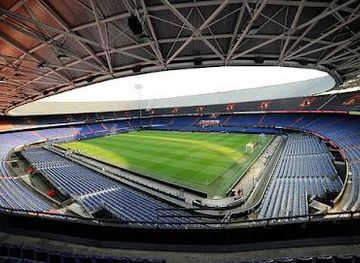
Feyenoord Stadium
Discover the historic Feyenoord Stadium, an iconic venue where football passion comes alive in Rotterdam. Experience thrilling matches and rich football history.
9 min drive · 3.0 km from city centre


Best landmarks in Rotterdam
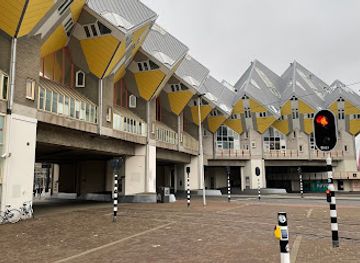
Rotterdam’s landmarks embody the city’s modern identity as much as its maritime past. The Erasmus Bridge, designed by Ben van Berkel and opened in 1996, links the northern and southern parts of the city with a dramatic steel pylon and sweeping cable arrangement. The Cube Houses, designed by Piet Blom, question conventional ideas of domestic space through tilted, tree-like dwellings above Blaak. Rotterdam Centraal’s angular roof and broad concourse express the importance of rail travel in the rebuilt city, while the nearby St Lawrence Church is a rare major survivor of the medieval centre and a symbol of Rotterdam’s pre-war history. Across the Maas, the Hotel New York occupies the former headquarters of the Holland America Line, connecting the waterfront to generations of European emigration. The historic white ships and warehouses at Leuvehaven add a tangible record of the port’s working heritage.
-
Museum
Cube Houses
Explore Rotterdam's Cube Houses, a stunning architectural marvel that redefines urban living and offers a unique glimpse into innovative design.
9 min walk · 0.8 km from city centre
-
Tourist attraction
Euromast
Discover the breathtaking views and rich history of Rotterdam from the iconic Euromast, the city's tallest observation tower and a remarkable dining experience.
8 min drive · 2.6 km from city centre
-
Bridge
Erasmusbrug
Discover the stunning Erasmusbrug, a symbol of Rotterdam's innovative spirit, connecting the city with breathtaking views and vibrant surroundings.
15 min walk · 1.2 km from city centre
-
Art museum
Kunsthal Rotterdam
Explore contemporary art at Kunsthal Rotterdam, a vibrant museum showcasing rotating exhibitions in a stunning architectural masterpiece.
6 min drive · 1.9 km from city centre


Explore Rotterdam on the map
Plan your Rotterdam trip on one map. See where the top attractions, landmarks, restaurants, bars and hotels are, find what's near where you're staying, and book hotels and experiences in a few clicks.
Neighbourhoods in Rotterdam
-

-

-

-


Swipe for more neighbourhoods
Best hotels in Rotterdam
Best restaurants in Rotterdam
Rotterdam’s dining scene reflects its port, migration history and willingness to experiment. The city’s international population has brought Indonesian, Surinamese, Cape Verdean, Chinese, Turkish, Moroccan and other culinary traditions into everyday neighbourhood life, while Dutch staples such as herring, kibbeling, pea soup and cheeses remain available at markets and casual counters. The area around the Markthal and Binnenrotte provides a broad introduction to produce, snacks and prepared food, while Katendrecht, Oude Noorden and the centre offer restaurants ranging from informal cafés to contemporary kitchens. Indonesian food has a particularly strong place in Dutch urban dining, often appearing through rijsttafel, an assortment of rice and side dishes shaped by colonial-era exchange. Bakeries, coffee bars and food halls add to the city’s informal rhythm, and the former docklands bring dining into converted warehouses and waterfront settings.
-
Middle Eastern
Restaurant Bazar
Experience the vibrant flavors of Middle Eastern cuisine at Restaurant Bazar in Rotterdam's lively Witte de Withstraat.
18 min walk · 1.5 km from city centre
-
Vietnamese
Little V Rotterdam
Experience the authentic taste of Vietnam at Little V Rotterdam, where vibrant flavors meet contemporary dining in a welcoming atmosphere.
15 min walk · 1.2 km from city centre
-
Restaurant
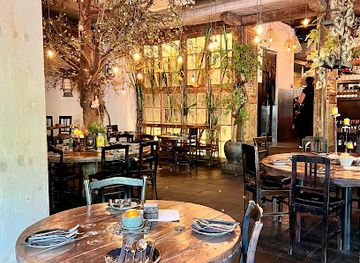
Restaurant De Tuin van de Vier Windstreken - Restaurant in Rotterdam
Discover Rotterdam's hidden gem at Restaurant De Tuin van de Vier Windstreken - where culinary artistry meets enchanting surroundings.
7 min drive · 2.3 km from city centre
-
Cafe
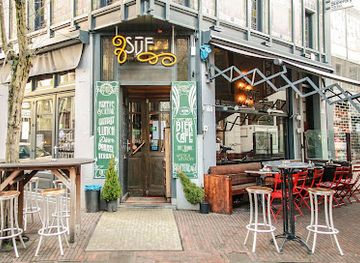
Bar Restaurant Sijf
Experience the best of Rotterdam's dining scene at Bar Restaurant Sijf—where café culture meets diner comfort in an inviting atmosphere.
5 min drive · 1.8 km from city centre

Best bars in Rotterdam
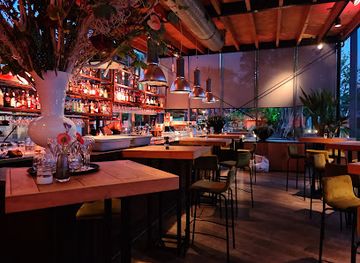
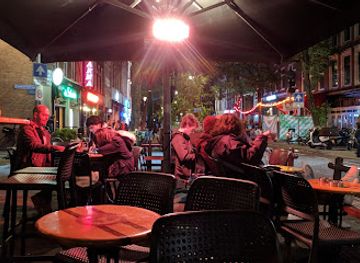
Rotterdam’s evening life is concentrated rather than limitless, with the centre, Witte de Withstraat, Oude Haven and parts of the Nieuwe Binnenweg providing the broadest choice of bars and late venues. Witte de Withstraat is known for its closely spaced cafés, cocktail bars, galleries and restaurants, while Oude Haven combines waterside terraces with a younger social scene around the historic harbour. The city also has established live-music venues and clubs, with programmes ranging from electronic music and hip-hop to jazz and international touring acts. De Doelen and other cultural institutions add concerts, theatre and dance to the night-time calendar, and Rotterdam’s diverse communities support events beyond conventional club culture. Some districts become quiet quickly after office hours, so nightlife is best approached as a selection of distinct areas rather than a continuous entertainment zone.
-
Pub
Bokaal Rotterdam
Experience the lively atmosphere and diverse menu at Bokaal Rotterdam, a must-visit pub and restaurant in the heart of the city.
13 min walk · 1.0 km from city centre
-
Irish pub
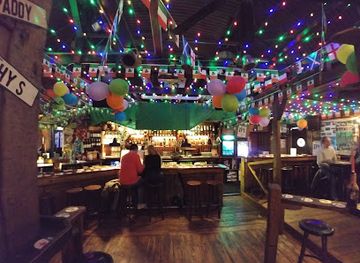
Paddy Murphy's Irish Pub
Discover the charm of Irish culture at Paddy Murphy's, Rotterdam's beloved pub for hearty meals, drinks, and lively music.
17 min walk · 1.4 km from city centre
-
Bar
Cornelis Bar & Kitchen
Experience the vibrant culinary scene at Cornelis Bar & Kitchen, a must-visit hotspot for food lovers and nightlife enthusiasts in Rotterdam.
5 min drive · 1.7 km from city centre
-
Bar
De Witte Aap
Discover Rotterdam's nightlife at De Witte Aap, a lively bar known for its eclectic atmosphere and diverse drink selection.
5 min drive · 1.6 km from city centre


Best nightclubs in Rotterdam
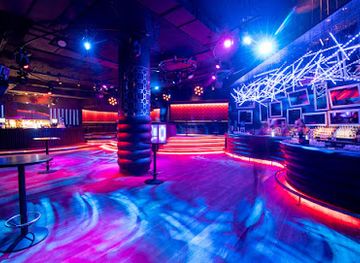
Rotterdam’s evening life is concentrated rather than limitless, with the centre, Witte de Withstraat, Oude Haven and parts of the Nieuwe Binnenweg providing the broadest choice of bars and late venues. Witte de Withstraat is known for its closely spaced cafés, cocktail bars, galleries and restaurants, while Oude Haven combines waterside terraces with a younger social scene around the historic harbour. The city also has established live-music venues and clubs, with programmes ranging from electronic music and hip-hop to jazz and international touring acts. De Doelen and other cultural institutions add concerts, theatre and dance to the night-time calendar, and Rotterdam’s diverse communities support events beyond conventional club culture. Some districts become quiet quickly after office hours, so nightlife is best approached as a selection of distinct areas rather than a continuous entertainment zone.
-
Disco club
Munch
Dance the night away at Munch, Rotterdam's hottest disco club featuring top DJs and an unforgettable nightlife experience along the Maasboulevard.
6 min walk · 0.5 km from city centre
-
Restaurant
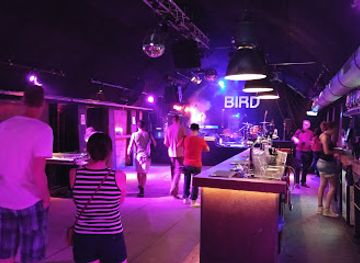
BIRD
Experience the vibrant culinary and musical scene at BIRD, Rotterdam's premier restaurant and live music venue, where entertainment meets exquisite dining.
5 min drive · 1.8 km from city centre
-
Club
Cultuurpodium Perron
Discover the electrifying nightlife of Rotterdam at Cultuurpodium Perron, a premier disco club offering unforgettable music and vibrant atmosphere.
6 min drive · 2.0 km from city centre
-
Night club
Club BLU ROTTERDAM
Dive into the nightlife at Club BLU ROTTERDAM, the ultimate destination for dancing, live music, and unforgettable experiences in Rotterdam.
16 min drive · 5.3 km from city centre


Best shops in Rotterdam
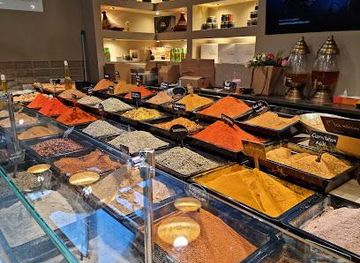
Shopping in Rotterdam ranges from mainstream retail around Lijnbaan and Koopgoot to independent design, vintage clothing and specialist food shops in districts such as Oude Noorden, Nieuwe Binnenweg and Witte de Withstraat. The city’s rebuilt centre has broad pedestrian routes and familiar Dutch and international retailers, while smaller streets reveal local labels, galleries and lifestyle shops. The Binnenrotte market, held on designated market days, is one of the best places to browse produce, flowers, cheese, snacks and household goods amid the city’s high-rise architecture. Markthal adds a permanent, highly designed food-shopping experience, with stalls representing Dutch and international tastes. Visitors looking for Rotterdam-related gifts may find architectural prints, locally designed objects and maritime souvenirs, while Dutch foods such as cheese, stroopwafels and liquorice are practical edible reminders of the country rather than specifically Rotterdam-made crafts.
-
Food court
Markthal
Explore the iconic Markthal in Rotterdam, where delicious flavors, vibrant culture, and stunning architecture come together in a unique food court experience.
12 min walk · 1.0 km from city centre
-
Shopping mall
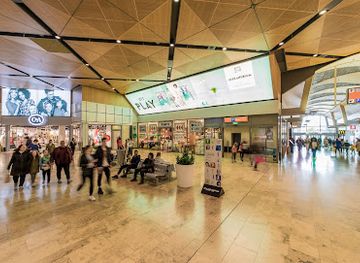
Alexandrium Shopping Center
Explore the Alexandrium Shopping Center in Rotterdam, a shopping haven with diverse stores, delicious dining, and family-friendly fun.
15 min drive · 5.2 km from city centre
-
Shopping mall
The Passage
Explore The Passage, The Hague's historic shopping center blending stunning architecture with a vibrant shopping experience.
42 min drive · 22 km from city centre
-
Shopping mall
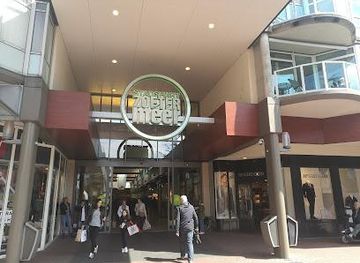
Shopping Center Stadshart Zoetermeer
Explore Stadshart Zoetermeer, a dynamic shopping haven filled with fashion, dining delights, and entertainment for all ages.
36 min drive · 16 km from city centre

Get your free copy of our complete guide to Rotterdam, delivered straight to you.
Everything on this page, from attractions and restaurants to essentials and local phrases, in one PDF you can read offline, print or share.
Already have an account? Sign in
Your Rotterdam guide is ready.
We'll send it to · Not you? Sign out

Getting your guide ready…
We are putting together a fresh copy of the Rotterdam guide. This can take up to a minute.
This can take a few moments. If your browser asks, choose Allow so the download can start. You'll find the guide in your Downloads folder.
Nothing happened? Download it again
Sorry, the guide is taking longer than usual. Please try again in a minute, or get it by email instead.
Rotterdam essentials
Currency and Payment
Safety
Emergency Situations
Do's and Don'ts
Local Tips
From Eve
Local phrases worth knowing
You don't need to get them perfect. A few words go a long way, and locals appreciate the effort.
Basics
| English | Local | Say it |
|---|---|---|
| Hello | Hallo | [ha-loh] |
| Goodbye | Tot ziens | [tot zeens] |
| Yes | Ja | [ya] |
| No | Nee | [nee] |
| Please/You're welcome | Alsjeblieft | [als-ye-bleeft] |
| Thank you | Dank je wel | [dank ye vel] |
| Excuse me/Sorry | Sorry | [soh-ree] |
| How are you? | Hoe gaat het? | [hoo gat het] |
| Fine. And you? | Goed. En met jou? | [goed. en met yow] |
| Do you speak English? | Spreek je Engels? | [spreyk ye engels] |
| I don't understand | Ik begrijp het niet | [ik be-greyp het neet] |
Eating & Drinking
| English | Local | Say it |
|---|---|---|
| I'd like to see the menu, please | Mag ik de menukaart zien, alsjeblieft | [mahk ik de me-nu-kart seen, als-ye-bleeft] |
| I don't eat meat | Ik eet geen vlees | [ik ayt khayn vleys] |
| Cheers! | Proost! | [prohst] |
| I would like to pay, please | Ik wil graag betalen, alsjeblieft | [ik vil khrahkh buh-tah-luhn, als-ye-bleeft] |
Emergencies
| English | Local | Say it |
|---|---|---|
| Help! | Help! | [help] |
| Go away! | Ga weg! | [ga vekh] |
| Call the Police! | Bel de politie! | [bel de po-lee-tee] |
| Call a doctor! | Bel een dokter! | [bel ayn dohk-ter] |
| I'm lost | Ik ben verdwaald | [ik ben fer-dwahld] |
| I'm ill | Ik ben ziek | [ik ben zik] |
Shopping
| English | Local | Say it |
|---|---|---|
| I'd like to buy... | Ik wil graag kopen... | [ik vil khrahkh koh-puhn] |
| I'm just looking | Ik kijk alleen rond | [ik kayk a-layn rond] |
| How much is it? | Hoeveel kost het? | [hoo-vel kost het] |
| That's too expensive | Dat is te duur | [dat is tuh dur] |
| Can you lower the price? | Kunt u de prijs verlagen? | [kunt u de preys vuh-rah-khun] |
Time & Numbers
| English | Local | Say it |
|---|---|---|
| What time is it? | Hoe laat is het? | [hoo laht is het] |
| It's one o'clock | Het is een uur | [het is ayn ur] |
| Half past (10) | Half elf | [hahlf elf] |
| Morning | Ochtend | [okh-tuhnt] |
| Afternoon | Middag | [mid-dahkh] |
| Evening | Avond | [ah-vohnt] |
| Yesterday | Gisteren | [khist-uh-run] |
| Today | Vandaag | [fahn-dahkh] |
| Tomorrow | Morgen | [mohr-khun] |
| 1 | Een | [ayn] |
| 2 | Twee | [twey] |
| 3 | Drie | [dree] |
| 4 | Vier | [veer] |
| 5 | Vijf | [vayf] |
| 6 | Zes | [zehs] |
| 7 | Zeven | [zay-ven] |
| 8 | Acht | [ahkht] |
| 9 | Negen | [nay-khun] |
| 10 | Tien | [teen] |
Transport & Directions
| English | Local | Say it |
|---|---|---|
| Where's a/the...? | Waar is een/de...? | [var is ayn/de] |
| What's the address? | Wat is het adres? | [vat is het ah-dres] |
| Can you show me (on the map)? | Kunt u het me laten zien (op de kaart)? | [kunt u het me la-ten seen (op de kart)] |
| When's the next (bus)? | Wanneer is de volgende (bus)? | [ven-er is de vol-hen-duh (bus)] |
| A ticket (to ....) | Een kaartje (naar ....) | [ayn kart-yuh (nar)] |
History of Rotterdam
A Settlement on the Rotte
Rotterdam began as a settlement beside a dam built in the Rotte River in the thirteenth century, probably around 1270. The dam controlled water at the river’s meeting with the Nieuwe Maas and gave the emerging community its name: Rotterdam, the dam on the Rotte. Fishing, river trade and reclamation shaped its early development, while the surrounding landscape remained vulnerable to flooding. In 1340, Count Willem IV granted Rotterdam city rights, helping it develop civic institutions and commercial privileges. The settlement’s position within the delta was decisive: it was connected to inland waterways while remaining linked to the North Sea, establishing the geographic foundations of the port city visible today.
Medieval Trade and Urban Growth
During the late medieval period, Rotterdam expanded as a market and shipping centre within the county of Holland. Its harbour network supported trade in fish, grain, timber and other goods, while canals and waterways connected the town to neighbouring communities. The city’s importance grew gradually rather than through a single royal foundation, and its built environment developed around quays, merchants’ houses, churches and civic buildings. In the sixteenth century, Rotterdam was drawn into the political and religious upheavals of the Dutch Revolt against Spanish rule. These conflicts affected trade and governance, but the city’s access to inland routes allowed commerce to remain central to its identity.
The Dutch Republic and Maritime Commerce
Rotterdam prospered during the Dutch Republic, particularly in the seventeenth century, when the Netherlands became a major maritime and commercial power. The city handled goods moving between the North Sea, Holland’s interior and overseas trading networks, and its population and harbour infrastructure expanded. Shipbuilding, fisheries and merchant activity supported a more substantial urban culture, while waterways remained the practical framework of daily life. The historic district of Delfshaven, once a separate settlement associated with Delft, preserves part of this maritime past through its canal-side buildings and old harbour. Rotterdam did not rival Amsterdam in every field, but its commercial character and river position became increasingly distinctive.
Industrialisation and the New Waterway
Nineteenth-century industrialisation transformed Rotterdam from a regional harbour into a major international port. The most important change was the construction of the Nieuwe Waterweg, opened in 1872, which created a direct navigable route from the North Sea to Rotterdam’s inner waterways. Railways, docks, warehouses and factories followed, and the city expanded southwards across the Maas. New harbour districts, including areas that later formed part of the modern port complex, accommodated larger vessels and increasing volumes of raw materials and manufactured goods. This industrial growth brought employment and migration, but it also produced sharp contrasts between wealthy commercial interests, working-class neighbourhoods and the heavily engineered waterfront.
War, Destruction and Reconstruction
On 14 May 1940, the German bombing of Rotterdam destroyed much of the city centre during the invasion of the Netherlands. The devastation ended the old central streetscape, although parts of historic Rotterdam survived elsewhere, especially in Delfshaven. After the war, planners chose reconstruction rather than a literal rebuilding of the pre-war city. Broad roads, separated traffic routes, modern offices and new civic buildings expressed post-war confidence and functional urban planning. This decision explains why Rotterdam has relatively little continuous historic fabric in its centre and why twentieth-century architecture is so central to its identity. The rebuilt city became a testing ground for modern design and large-scale infrastructure.
A Contemporary Global Port City
From the later twentieth century onwards, Rotterdam continued to grow as a port, logistics centre and multicultural industrial city. The harbour extended westwards towards the North Sea, including the Maasvlakte, while former inner-city docklands were given new residential, cultural and commercial roles. The Erasmus Bridge, the redevelopment of Kop van Zuid and the revival of areas such as Katendrecht reshaped the relationship between centre and river. Contemporary Rotterdam is home to communities with roots in Europe, the Caribbean, Africa, Asia and elsewhere, reflecting the movement of people and goods through the port. Its present character combines maritime infrastructure, post-war planning, experimental architecture and an increasingly diverse cultural scene.
Travel experiences inspired by this city


Swipe for more travel diaries
Rotterdam in Photos
Browse through our photo collection highlighting the charm and character of the destination.
Cities near Rotterdam
The closest cities to Rotterdam, if you have time for more than one stop.
-

-

-

-

-


Swipe for more cities
Explore more

Explore more of Netherlands
Discover the Netherlands: A blend of historic charm, artistic treasures, and scenic landscapes, perfect for an enriching travel experience.
Explore Netherlands