From Eve
Know before you go
Hi, I'm Eve. Here are a few practical things to know before exploring Shane Confectionery.
Local know-how to help you travel smarter and make the most of every moment.

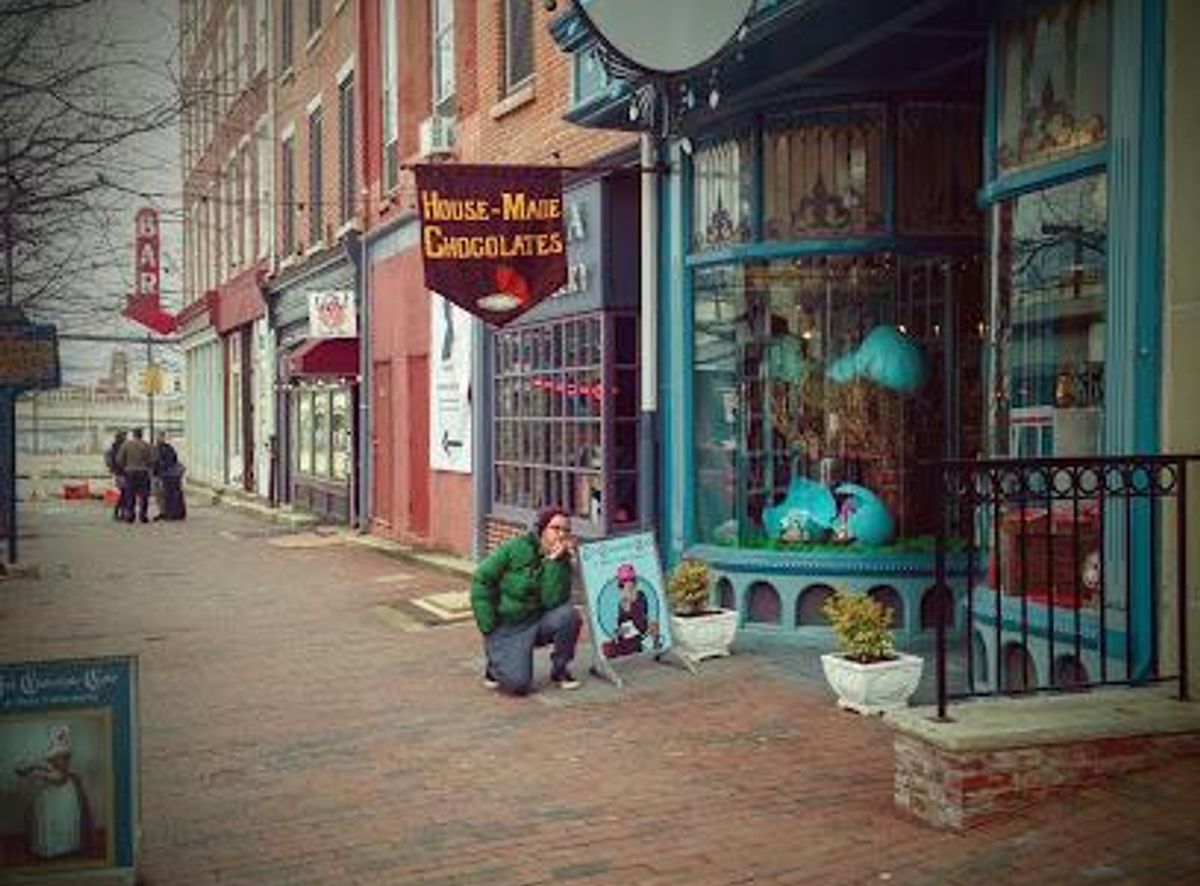
America's oldest continuously operating candy store since 1863, handcrafting sweets with century-old traditions.
America's oldest continuously operating candy store, established in 1863 at 110 Market Street in Philadelphia's Old City. This historic confectionery features hand-crafted sweets, ethically sourced bean-to-bar chocolates, and a beautifully preserved Victorian interior with original 1910s fixtures. The Berley Brothers maintain traditional candy-making methods using century-old equipment and recipes, offering everything from classic buttercreams to seasonal creations in an immersive step-back-in-time experience.
Opening times, essentials, and a few local tips gathered into one calmer, easier-to-scan planning section.
Hi, I'm Eve. Here are a few practical things to know before exploring Shane Confectionery.
Local know-how to help you travel smarter and make the most of every moment.
Public Transit
SEPTA regional rail and bus lines serve Center City East. The Market-Frankford Line (Blue Line) stops at Market Street Station, approximately 2-3 blocks away. Multiple bus routes traverse Market Street directly. Journey time from major transit hubs: 10-20 minutes.
Automobile
Street parking is available on Market Street and surrounding blocks in Old City, though availability varies by time and day. Several paid parking garages operate within 1-2 blocks. Driving time from Philadelphia International Airport: approximately 25-35 minutes depending on traffic.
Walking
Shane Confectionery is located in Philadelphia's pedestrian-friendly Old City neighborhood. The shop sits mid-block on Market Street between 2nd and 3rd Streets. Nearby attractions including Independence Hall, The Franklin Fountain, and Franklin Ice Cream Bar are within 5-10 minute walks.
Rideshare
Uber and Lyft service the Old City area extensively. Drop-off is convenient directly on Market Street. Typical cost from downtown Philadelphia: $8-15 depending on origin point and demand.
 Restrooms
 Food Options
 Drinking Water
 Seating Areas
 Information Boards
Use Tower Bridge as your starting point for nearby food, family ideas, nightlife, and more local discoveries.
A quick look at seasonal patterns and peak visiting hours.

Explore expert travel guides, compare and book tours, experiences, hotels, and more—all from the palm of your hand. Download now for seamless trip planning wherever your wanderlust takes you.
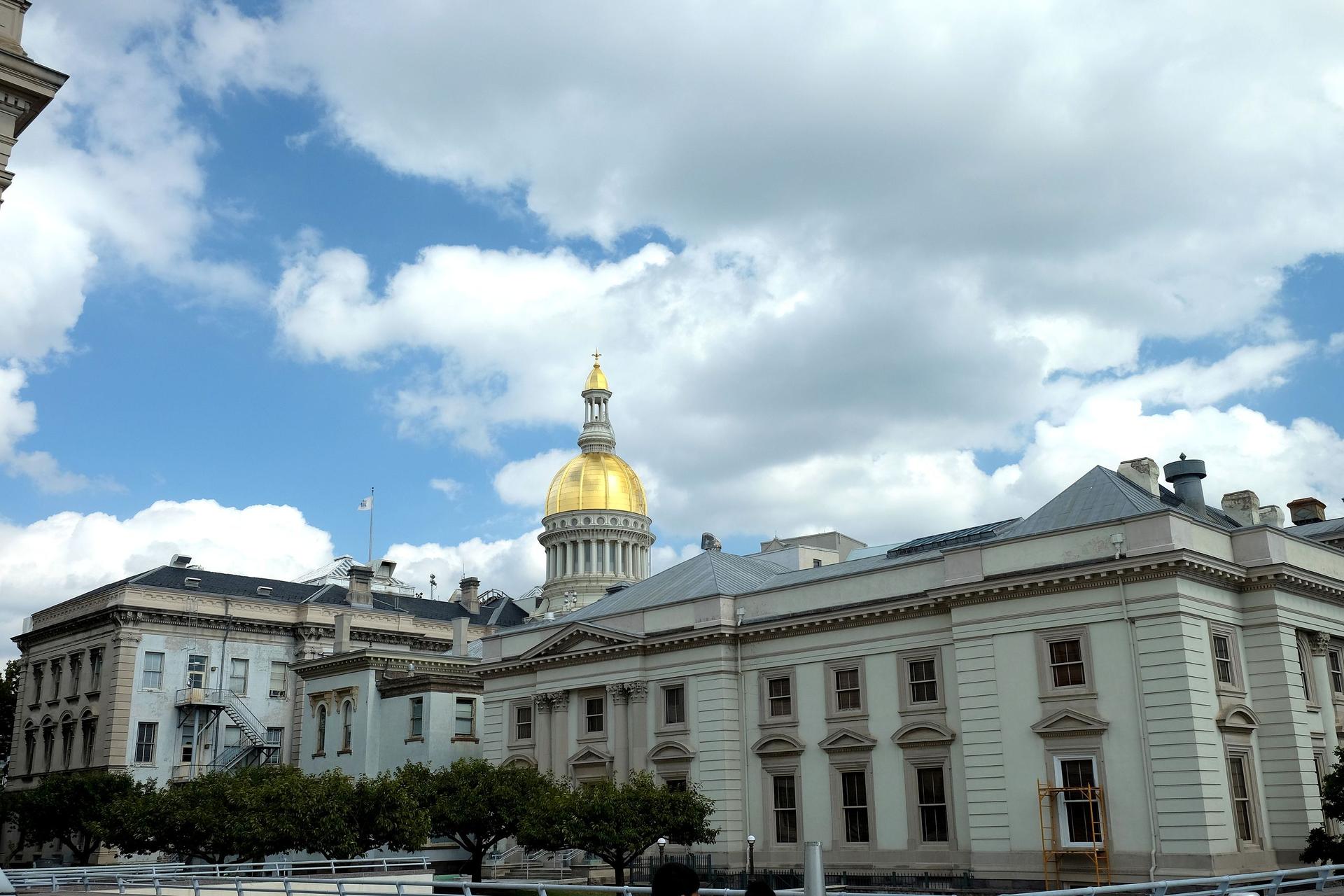
Discover Trenton: New Jersey's historical heartland, where rich history, vibrant arts, and scenic parks converge to create an unforgettable travel experience.
Tell me more about Trenton