

Parnell (Auckland) Travel Guide - Free
Explore Parnell in Auckland with Evendo's free guide. Find the best shops, historic streets, restaurants, and gems on web or mobile.


Parnell Auckland blends Victorian villas, galleries, cafés, Holy Trinity Cathedral, rose gardens and easy access to the Domain and waterfront walks.
Village Streets and Historic Houses
Parnell occupies a rise immediately east of Auckland’s city centre, extending from the leafy slopes above the harbour towards the Domain and Newmarket. Its principal spine, Parnell Road, combines nineteenth-century timber villas and restored commercial buildings with galleries, restaurants, boutiques and design shops. Side streets climb and dip through one of Auckland’s oldest settled areas, where wooden cottages, mature gardens and newer apartments sit close together. The result is less a single architectural style than a layered neighbourhood shaped by successive periods of domestic, commercial and cultural development.Read more about Parnell
Gardens, Faith and Culture
Everyday Parnell
Best attractions in Parnell
Parnell’s attractions are closely connected to its streets, gardens and cultural institutions. The Parnell Rose Gardens, officially part of Dove-Myer Robinson Park, provide formal planting, seasonal colour and a sloping outlook towards Judges Bay, while the surrounding parkland offers a quieter counterpoint to Parnell Road. Holy Trinity Cathedral is notable for its architecture, stained glass and active religious life, and Kinder House introduces visitors to an early colonial residence and educational history. Browse the galleries, design shops and restored buildings along Parnell Road, then walk through the older residential streets towards the Domain. The Auckland War Memorial Museum sits immediately beyond the neighbourhood in the Auckland Domain and makes a natural nearby addition, but it should not be confused with a Parnell attraction itself. Lower Parnell leads towards the harbour and waterfront paths around Judges Bay.
-
 Tourist attraction
Auckland War Memorial Museum
Explore the rich history and military heritage of New Zealand at the stunning Auckland War Memorial Museum, a must-visit for every traveler.
13 min walk · 1.0 km from neighbourhood centre
-
Tourist attraction
Auckland Domain
Explore the lush landscapes and historical treasures of Auckland Domain, the ultimate urban park offering relaxation and cultural insights.
13 min walk · 1.0 km from neighbourhood centre
-
Tourist attraction
Domain Wintergardens
Discover the beauty of nature at the Domain Wintergardens, Auckland's serene botanical haven filled with exotic plants and vibrant floral displays.
15 min walk · 1.2 km from neighbourhood centre
-
Tourist attraction
Dove Myer Robinson Park (Parnell Rose Garden)
Explore the vibrant floral displays and serene landscapes of Dove Myer Robinson Park, a tranquil escape in the heart of Auckland's Parnell suburb.
5 min walk · 0.4 km from neighbourhood centre


Best landmarks in Parnell
Holy Trinity Cathedral is Parnell’s most prominent religious landmark, bringing together a long Anglican history, a distinctive modern cathedral design and significant stained-glass work on St Stephen’s Avenue. Nearby Kinder House is a modest but important surviving building associated with the Reverend John Kinder, an educator, clergyman and artist whose work helps illuminate early colonial Auckland. Parnell Road itself functions as a heritage streetscape, where timber villas, older shopfronts and mature trees record the neighbourhood’s transformation from settler suburb to commercial village. At the lower end, the Parnell Rose Gardens and Judges Bay connect the built environment with the harbour landscape. The Auckland War Memorial Museum and Wintergarden complex are important landmarks immediately beyond Parnell in the Domain; their close proximity enriches a visit but does not place them on Parnell Road.
-
Park
Auckland Domain
Discover Auckland Domain, a lush, historical park in the heart of Auckland, offering breathtaking landscapes and rich cultural experiences for every visitor.
13 min walk · 1.0 km from neighbourhood centre
-
Botanical garden
Domain Wintergardens
Explore the stunning Domain Wintergardens in Auckland – a botanical paradise featuring Victorian glasshouses and vibrant gardens perfect for nature lovers.
15 min walk · 1.2 km from neighbourhood centre
-
Park
Dove Myer Robinson Park (Parnell Rose Garden)
Explore the breathtaking Dove Myer Robinson Park, a floral haven in Parnell, Auckland, perfect for nature lovers and families seeking tranquility.
5 min walk · 0.4 km from neighbourhood centre
-
Cathedral
Holy Trinity Cathedral
Explore the architectural beauty and serene atmosphere of Holy Trinity Cathedral, a must-see spiritual landmark in the heart of Auckland's Parnell district.
9 min walk · 0.7 km from neighbourhood centre


Explore Parnell on the map
A handpicked selection of must-see spots in Parnell, mapped for you.
Best hotels in Parnell
Best restaurants in Parnell
Parnell’s dining scene follows the neighbourhood’s polished village character, with restaurants, cafés, bakeries and wine-led venues concentrated along Parnell Road and its adjoining streets. The historic building stock gives many premises a more intimate setting than the larger venues of central Auckland, while contemporary interiors occupy converted shops and newer developments. Menus reflect Auckland’s broad food culture, including New Zealand produce alongside European, Asian and Pacific influences, rather than a single cuisine identified exclusively with the suburb. Coffee and daytime dining are particularly easy to combine with gallery and boutique browsing, while the evening offers more formal restaurants and relaxed places for drinks with food. Independent businesses change over time, so visitors should check current listings before travelling; the long-running French market culture associated with La Cigale on St Georges Bay Road also adds a continental accent to the wider neighbourhood’s food landscape.
-
Restaurant
La Porchetta Restaurant Parnell
Experience authentic Italian flavors at La Porchetta Restaurant in Parnell – perfect for families and food lovers alike.
5 min walk · 0.4 km from neighbourhood centre
-
Greek
Gerome
Discover authentic Greek flavors at Gerome in Parnell – where tradition meets exquisite Mediterranean cuisine.
6 min walk · 0.5 km from neighbourhood centre
-
Italian
Non Solo Pizza
Experience authentic Italian cuisine at Non Solo Pizza in Parnell, Auckland – where every meal is a celebration of flavor.
6 min walk · 0.4 km from neighbourhood centre
-
Nepalese
Everest Dine, Nepalese Restaurant in Auckland
Experience authentic Nepalese and Indian cuisine at Everest Dine in Auckland's charming Parnell suburb - where every meal is a culinary journey.
5 min walk · 0.4 km from neighbourhood centre


Best bars in Parnell
Parnell is not a major clubbing district, and its evenings are generally shaped by restaurants, wine bars, traditional pubs and relaxed social venues rather than large late-night dance floors. Parnell Road remains the main focus after dark, with activity spilling into side streets where the neighbourhood’s older buildings provide a more intimate setting. The historic Windsor Castle pub is one of the area’s recognisable drinking places, while other bars and eateries change as leases and businesses evolve. Live entertainment and larger nightlife options are easier to find in central Auckland, which is nearby, but Parnell suits visitors looking for dinner followed by a drink without the intensity of a dedicated entertainment quarter. Residential streets become quieter away from the commercial strip, and considerate noise levels matter around homes and apartment buildings.
-
Sports bar
The Paddington
Experience the vibrant atmosphere of The Paddington, Auckland's beloved sports bar with delicious food, drinks, and live sports action.
4 min walk · 0.3 km from neighbourhood centre
-
Tapas Bar
Barulho
Explore Barulho in Parnell for an unforgettable tapas and cocktail experience in Auckland's vibrant culinary scene.
3 min walk · 0.2 km from neighbourhood centre
-
Bar
46 & York
Experience the best of Auckland at 46 & York, a lively bar and restaurant offering unique cocktails, delicious food, and a vibrant atmosphere.
7 min walk · 0.5 km from neighbourhood centre
-
Bar
Pineapple on Parnell
Discover the vibrant nightlife of Parnell at Pineapple on Parnell, where exotic cocktails and fine wines await in a lively atmosphere.
5 min walk · 0.4 km from neighbourhood centre


Best nightclubs in Parnell
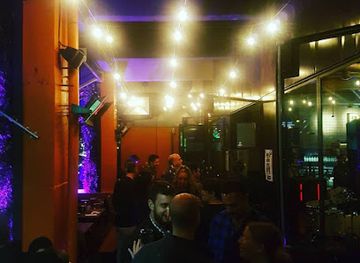
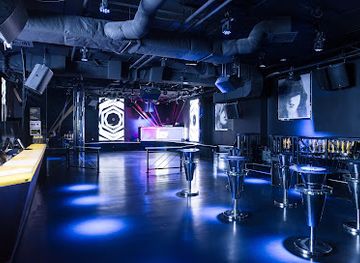
Parnell is not a major clubbing district, and its evenings are generally shaped by restaurants, wine bars, traditional pubs and relaxed social venues rather than large late-night dance floors. Parnell Road remains the main focus after dark, with activity spilling into side streets where the neighbourhood’s older buildings provide a more intimate setting. The historic Windsor Castle pub is one of the area’s recognisable drinking places, while other bars and eateries change as leases and businesses evolve. Live entertainment and larger nightlife options are easier to find in central Auckland, which is nearby, but Parnell suits visitors looking for dinner followed by a drink without the intensity of a dedicated entertainment quarter. Residential streets become quieter away from the commercial strip, and considerate noise levels matter around homes and apartment buildings.
-
Bar
Pineapple on Parnell
Experience Auckland’s nightlife at Pineapple on Parnell, a lively bar offering exquisite cocktails and a welcoming atmosphere in the heart of Parnell.
5 min walk · 0.4 km from neighbourhood centre
-
Disco club
Pointers
Discover the vibrant nightlife at Pointers, Auckland's premier disco club offering live music and an electrifying atmosphere for unforgettable nights.
6 min drive · 2.1 km from neighbourhood centre
-
Night club
Bar 101 Auckland
Experience Auckland's nightlife at Bar 101, a lively night club and bar offering affordable drinks, great music, and an unforgettable atmosphere.
5 min drive · 1.8 km from neighbourhood centre
-
Night club
Face Club
Discover Face Club: Auckland's premier night club for cocktails, dancing, and unforgettable nightlife experiences.
5 min drive · 1.5 km from neighbourhood centre


Best shops in Parnell
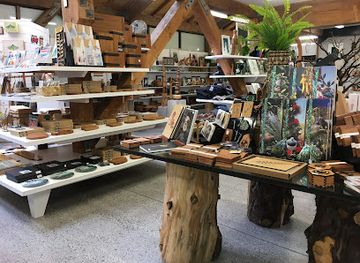
Shopping in Parnell centres on browsing rather than large-scale retail, with independent boutiques, galleries, homeware and design shops distributed along Parnell Road and nearby streets. The neighbourhood has long attracted businesses concerned with New Zealand art, interiors, fashion and craft, although individual retailers and stock change regularly. Small galleries and specialist stores sit alongside cafés, making the commercial strip easy to explore in short sections rather than as one enclosed shopping centre. The historic French market associated with La Cigale, on St Georges Bay Road, has helped give the wider area a food-oriented retail identity, with imported delicacies and market produce traditionally forming part of its appeal. Visitors should distinguish these village businesses from the larger shopping precincts of Newmarket and the city centre, which are nearby but outside Parnell.
-
Gift shop
The Fantail House
Discover The Fantail House in Parnell, Auckland: Your destination for unique gifts, local art, and handcrafted treasures.
5 min walk · 0.4 km from neighbourhood centre
-
Souvenir store
KIWA ART
Explore KIWA ART in Parnell, Auckland – your destination for unique souvenirs, local art, and exquisite jewelry that capture the essence of New Zealand.
6 min walk · 0.5 km from neighbourhood centre
-
Gift shop
Masala Bazaar
Discover unique gifts and local artistry at Masala Bazaar in Parnell - a must-visit gift shop for every traveler in Auckland.
5 min walk · 0.4 km from neighbourhood centre
-
Clothing store
Trelise Cooper
Explore the artistic flair of Trelise Cooper, a premier clothing store in Auckland, showcasing unique fashion designs that inspire and delight.
15 min walk · 1.2 km from neighbourhood centre


Parnell essentials
Getting There
Getting Around
Safety
Emergency Situations
Do's and Don'ts
Local Tips

From Eve
Local phrases worth knowing
You don't need to get them perfect. A few words go a long way, and locals appreciate the effort.
Basics
| English | Local | Say it |
|---|---|---|
| Hello | Kia ora | [key-ah ora] |
| Goodbye | Haere rā | [high-reh rah] |
| Yes | Āe | [eye] |
| No | Kāo | [kah-oh] |
| Please/You're welcome | Whakawhetai | [fah-kah-feh-tie] |
| Thank you | Kia ora | [key-ah ora] |
| Excuse me/Sorry | Whakama | [fah-kah-mah] |
| How are you? | Kei te pēhea koe? | [key teh pay-ha koi] |
| Fine. And you? | Kei te pai. Ā, ka pēhea koe? | [key teh pie. eye, kah pay-ha koi] |
| Do you speak English? | Kei te korero i te reo Pākehā? | [key teh core-air-oh ee teh reh-oh pah-keh-ha] |
| I don't understand | Kaore au e mohio | [kah-oh-reh ow eh moh-hee-oh] |
Eating & Drinking
| English | Local | Say it |
|---|---|---|
| I'd like to see the menu, please | Ka hiahia au ki te kite i te wharangi kai, mea rawa atu | [kah hee-ah-hee-ah ow kee teh key-teh ee teh fah-rung-ee kai, meh-ah rah-wah ah-too] |
| I don't eat meat | Ka kai au i te kai hē | [kah kai ow ee teh kai hay] |
| Cheers! | Kia ora! | [key-ah ora] |
| I would like to pay, please | Ka hiahia au ki te utu, mea rawa atu | [kah hee-ah-hee-ah ow kee teh oo-too, meh-ah rah-wah ah-too] |
Emergencies
| English | Local | Say it |
|---|---|---|
| Help! | Āwhina! | [eye-fee-nah] |
| Go away! | Haere atu! | [high-reh ah-too] |
| Call the Police! | Karanga ki te Pirihimana! | [kah-rung-ah kee teh pee-ree-hee-mah-nah] |
| Call a doctor! | Karanga ki te Rata! | [kah-rung-ah kee teh rah-tah] |
| I'm lost | I wareware ahau | [ee wah-reh-wah-reh ah-how] |
| I'm ill | Kei ahau i te mate | [key ah-how ee teh mah-teh] |
Shopping
| English | Local | Say it |
|---|---|---|
| I'd like to buy... | Ka hiahia au ki te hoko... | [kah hee-ah-hee-ah ow kee teh hoe-kaw] |
| I'm just looking | Kei te titiro ahau | [key teh tee-tee-row ah-how] |
| How much is it? | He aha te utu? | [hey ah-hah teh oo-too] |
| That's too expensive | He roa rawa te utu | [hey row-ah rah-wah teh oo-too] |
| Can you lower the price? | Ka taea e koe te whakaiti i te utu? | [kah tie-ah eh koi teh fah-kigh-tee ee teh oo-too] |
Time & Numbers
| English | Local | Say it |
|---|---|---|
| What time is it? | He aha te wa? | [hey ah-hah teh wah] |
| It's one o'clock | Kotahi te hāora | [kaw-tah-hee teh hah-oh-rah] |
| Half past (10) | Tekau mā toru | [teh-kow mah tore-oo] |
| Morning | Ahiahi | [ah-hee-ah-hee] |
| Afternoon | Ahiahi | [ah-hee-ah-hee] |
| Evening | Ahiahi | [ah-hee-ah-hee] |
| Yesterday | Ināianei | [ee-nah-ee-ah-neh-ee] |
| Today | A tēnei rā | [ah tay-neh-ee rah] |
| Tomorrow | Āpōpō | [eye-paw-paw] |
| 1 | Tahi | [tah-hee] |
| 2 | Rua | [roo-ah] |
| 3 | Toru | [tore-oo] |
| 4 | Whā | [fah] |
| 5 | Rima | [ree-mah] |
| 6 | Ono | [aw-no] |
| 7 | Whitu | [fee-too] |
| 8 | Waru | [wah-roo] |
| 9 | Iwa | [ee-wah] |
| 10 | Tekau | [teh-kow] |
Transport & Directions
| English | Local | Say it |
|---|---|---|
| Where's a/the...? | Kei hea te... | [key hey-ah teh] |
| What's the address? | Ko wai te wāhitau? | [kaw why teh wah-hee-tow] |
| Can you show me (on the map)? | Ka taea e koe te whakaatu mai ki ahau (i te mahere)? | [kah tie-ah eh koi teh fah-kah-ah-too my key ah-how ee teh mah-heh-reh] |
| When's the next (bus)? | Āhea te tāone kotahi? | [eye-hey-ah teh tay-oh-neh kaw-tah-hee] |
| A ticket (to ....) | He tiki (ki ....) | [hey tee-kee key] |
History of Parnell
Māori Land Before Parnell
Before colonial settlement, the wider Parnell and Auckland Domain area formed part of the Māori landscape around the Tāmaki isthmus, with access to fertile volcanic soils, waterways and the Waitematā Harbour. The name Parnell derives from Samuel Kempthorne Parnell, an early settler and carpenter who arrived in Auckland in the 1840s; the colonial name eventually became attached to the developing district. As with much of Auckland, nineteenth-century expansion occurred on land whose earlier Māori histories were often marginalised in settler accounts, while nearby Maungawhau and other volcanic sites retained deep significance.
An Early Settler Suburb
Parnell developed during Auckland’s rapid colonial expansion in the nineteenth century, when its elevated position east of the commercial centre attracted houses, churches and institutions. Parnell Road became the local commercial route, linking the settlement with the city and surrounding bays, while St Stephen’s Avenue and nearby streets acquired religious and educational associations. Timber villas, cottages and substantial residences reflected the building practices and social hierarchy of the period. The suburb’s proximity to the Domain, harbour and early transport routes helped it remain connected without losing its primarily residential character.
Churches, Schools and Civic Institutions
Religious and educational buildings gave Parnell a durable cultural identity. Holy Trinity Cathedral grew from Anglican foundations in the nineteenth century, although the present cathedral complex was developed over a much longer period. Kinder House, associated with the Reverend John Kinder, preserves a connection with early missionary education and colonial art. The Domain, established as a public reserve in the nineteenth century, brought open space and civic institutions close to Parnell, while the Auckland Museum later became one of the principal cultural anchors of the adjoining parkland.
A Changing Commercial Village
During the twentieth century, Parnell combined established homes with small shops, workshops and increasingly prominent service businesses. Parts of the neighbourhood experienced decline and redevelopment before historic buildings and the village atmosphere became valuable assets in their own right. From the late twentieth century onwards, Parnell Road attracted galleries, restaurants, design retailers and professional offices, bringing a more affluent commercial identity while leaving much of the older housing fabric intact. Contemporary Parnell therefore reflects both preservation and change: colonial-era buildings and mature gardens coexist with apartments, offices and modern hospitality venues.
Parnell in Photos
Browse through our photo collection highlighting the charm and character of the destination.
Neighbourhoods near Parnell
The closest neighbourhoods to Parnell, if you have time for more than one stop.
-

-

-

-

-


Swipe for more neighbourhoods
Explore more

Explore more of Auckland
Auckland blends volcanic landscapes, Māori and Pacific culture, harbour views, art, food and island adventures in New Zealand’s largest city for curious travellers.
Explore Auckland