

Devonport (Auckland) Travel Guide - Free
Explore Devonport in Auckland with Evendo's free guide. Find the best shops, historic streets, restaurants, and gems on web or mobile.


Devonport Auckland pairs Victorian streets, harbour ferries, volcanic hills, naval history, beaches, galleries, and relaxed dining across the Waitematā.
A Historic Peninsula by the Waitematā
\n\nDevonport occupies a broad peninsula on Auckland’s North Shore, facing the city across the Waitematā Harbour. Its compact village centre, reached by a short ferry ride from downtown Auckland or by road across the Harbour Bridge, has a markedly different rhythm from the central city: tree-lined streets, low-rise Victorian and Edwardian houses, independent shops and a waterfront shaped by maritime history. The area is still closely associated with the Royal New Zealand Navy, whose Devonport Naval Base occupies land east of the village.\n\nVolcanic Landscapes and Coastal Walks
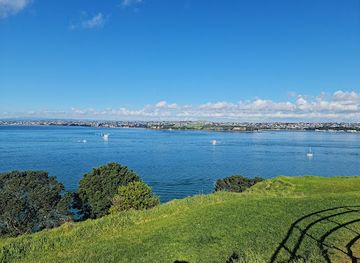
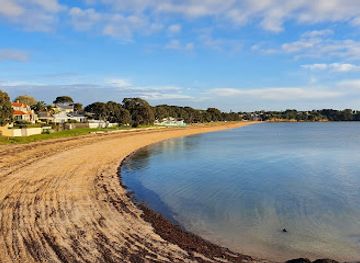
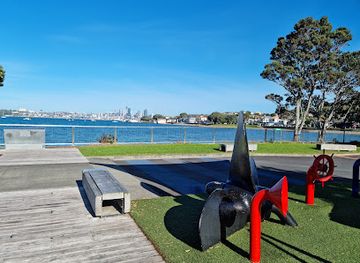
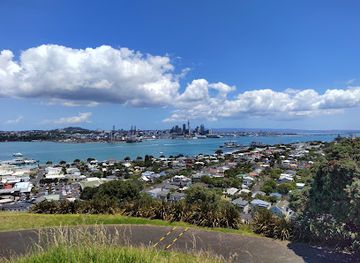
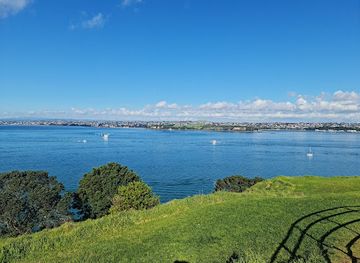
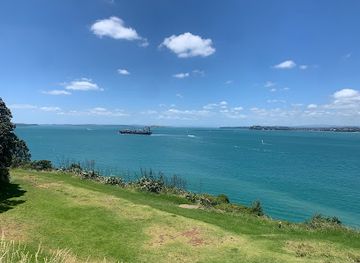
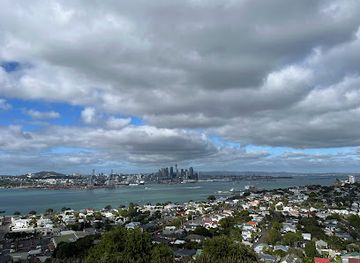
\n\nTwo volcanic cones give Devonport its defining topography. Takarunga/Mount Victoria rises behind the village, with open slopes and wide views over the harbour, Rangitoto and Auckland’s skyline. At the peninsula’s northern end, Maungauika/North Head combines coastal scenery with a network of historic military paths, tunnels and gun emplacements. The summit reserves are places for walking, photography and quiet observation rather than amusement-park sightseeing. Along the shore, King Edward Parade, Windsor Reserve and Cheltenham Beach provide accessible spaces for a waterside stroll, while narrower residential streets reveal the neighbourhood’s architectural character.\n\nVillage Life and Navy Connections
\n\nDevonport’s cultural attractions include the Torpedo Bay Navy Museum, the Devonport Museum and galleries and small businesses around Victoria Road. Cafés, restaurants and traditional pubs cluster near the ferry terminal and village centre, with a modest evening scene rather than a late-night club district. The result is a neighbourhood where a naval museum, a volcanic reserve, a beach and a well-preserved townscape can be encountered within a manageable walking area, while the harbour keeps Auckland’s wider landscape constantly in view.Best attractions in Devonport
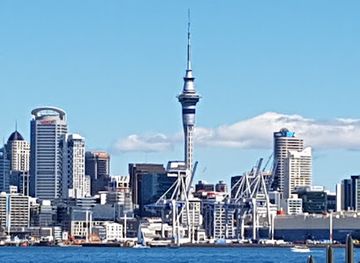
Devonport’s principal attractions are concentrated within a walkable peninsula. Takarunga/Mount Victoria offers broad views across the Waitematā Harbour, Rangitoto and Auckland’s central skyline, with tracks crossing open volcanic slopes and historic defence sites. At the eastern end, Maungauika/North Head combines a coastal reserve with tunnels, gun emplacements and interpretation connected to Auckland’s harbour defences. The Torpedo Bay Navy Museum on King Edward Parade presents New Zealand’s naval history through objects, displays and waterfront context, while the Devonport Museum explores local stories in a former fire-station setting. King Edward Parade, Windsor Reserve and Cheltenham Beach supply gentler experiences, from harbour walks to swimming and views towards the Hauraki Gulf. The village itself is also an attraction, with Victoria Road’s independent shops, galleries, cafés and surviving timber houses creating a strong sense of place.
-
Tourist attraction
Takarunga / Mount Victoria
Discover Takarunga / Mount Victoria: A Scenic Park with Panoramic Views and Rich History in Devonport, Auckland.
6 min walk · 0.5 km from neighbourhood centre
-
Tourist attraction
Maungauika / North Head Historic Reserve
Discover the breathtaking views and rich history at Maungauika, North Head Historic Reserve in Auckland's Devonport.
16 min walk · 1.3 km from neighbourhood centre
-
Tourist attraction
Cheltenham Beach
Discover the serene beauty of Cheltenham Beach, a perfect blend of relaxation and recreation in Auckland's stunning Devonport.
18 min walk · 1.4 km from neighbourhood centre
-
Tourist attraction
Torpedo Bay Navy Museum
Explore New Zealand's naval history at the Torpedo Bay Navy Museum in Devonport, featuring captivating exhibits and stunning waterfront views.
14 min walk · 1.1 km from neighbourhood centre

Best landmarks in Devonport
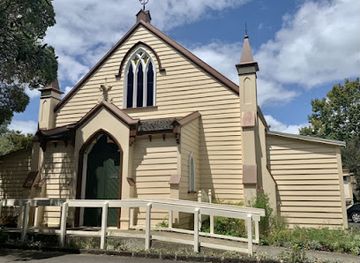
Devonport’s landmarks express its relationship with harbour defence, the navy and volcanic geology. Takarunga/Mount Victoria is the most prominent natural landmark, rising directly behind the village and carrying both Māori significance and surviving military structures. Maungauika/North Head is an equally important historic landscape, where defence tunnels, gun positions and coastal paths reveal the strategic role of the peninsula. The Torpedo Bay Navy Museum on King Edward Parade gives the neighbourhood a visible institutional link to the Royal New Zealand Navy, while the nearby naval base remains an active presence rather than a conventional visitor attraction. Victoria Road and the surrounding residential streets contain a substantial collection of timber villas, Edwardian houses and older commercial buildings that help explain Devonport’s development as a ferry-linked settlement. Windsor Reserve and the Devonport ferry terminal complete the waterfront landmarks that frame daily movement through the village.
-
Park
Takarunga / Mount Victoria
Explore Takarunga / Mount Victoria in Auckland, a scenic park offering panoramic views, historical significance, and lush walking trails for nature lovers.
6 min walk · 0.5 km from neighbourhood centre
-
Park
Maungauika / North Head Historic Reserve
Discover the historic charm and stunning views at Maungauika / North Head Historic Reserve, a must-visit park in Auckland's Devonport.
16 min walk · 1.3 km from neighbourhood centre
-
Tourist attraction
The Summit
Explore The Summit at Maungauika for breathtaking views, rich history, and scenic trails in the heart of Auckland's stunning landscape.
18 min walk · 1.4 km from neighbourhood centre
-
Museum
Devonport Museum
Explore the captivating history of Devonport at its local museum, where the stories of Auckland's coastal heritage come alive through engaging exhibits.
10 min walk · 0.8 km from neighbourhood centre
Explore Devonport on the map
A handpicked selection of must-see spots in Devonport, mapped for you.
Best hotels in Devonport
Best restaurants in Devonport
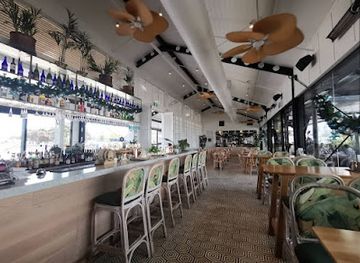
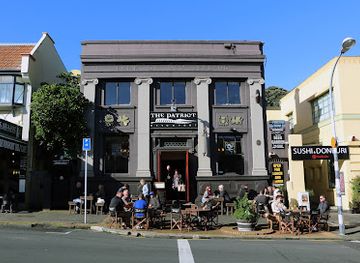
Devonport’s dining scene is centred on Victoria Road, the ferry-terminal area and the waterfront, with cafés and restaurants suited to a neighbourhood that receives both day visitors and local residents. Menus range from café breakfasts and cabinet food to contemporary New Zealand cooking, Mediterranean-influenced dishes, pub meals and casual takeaway options. Established venues such as The Patriot and Vic Road Kitchen contribute to the village’s food-and-drink identity, while bakeries, coffee shops and small eateries provide practical stops before or after the volcanic reserves and museums. The neighbourhood does not present itself as a formal food district; its appeal lies in combining independent hospitality with harbour views and an easy walking circuit. Visitors should check current opening arrangements, especially outside the busiest daytime and weekend periods, as the smaller local dining scene is more limited than that of central Auckland.
-
Persian
AKDENIZ BAR CAFE RESTAURANT PERSIAN
Discover exquisite Persian flavors at Akdeniz Bar Cafe Restaurant in Devonport – a delightful culinary haven for tourists seeking authentic Mediterranean cuisine.
1 min walk · 0.1 km from neighbourhood centre
-
Restaurant
Devon On The Wharf
Discover delicious cuisine at Devon On The Wharf while enjoying breathtaking waterfront views in beautiful Devonport.
2 min walk · 0.2 km from neighbourhood centre
-
Mediterranean
Manuka Restaurant
Experience Mediterranean cuisine at its finest in Devonport's Manuka Restaurant – where every meal is a celebration of flavor.
1 min walk · 0.1 km from neighbourhood centre
-
Gastropub
The Patriot-Your Devonport Pub
Discover The Patriot in Devonport: A gastropub offering delicious food and local brews amidst charming coastal vibes.
2 min walk · 0.1 km from neighbourhood centre


Best bars in Devonport
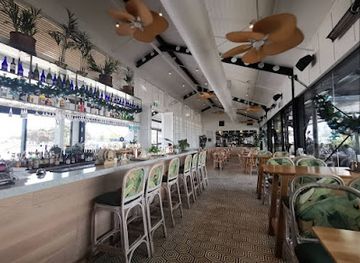
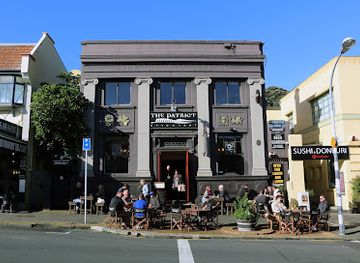
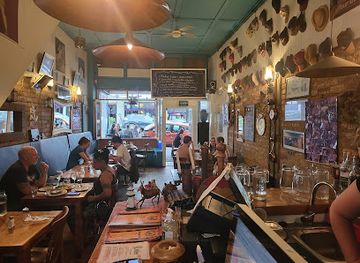
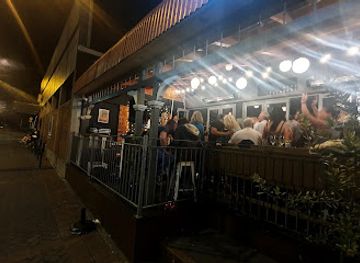
Devonport’s evening life is modest, sociable and largely village-based rather than focused on nightclubs. Traditional pub culture is represented by places such as The Patriot, while restaurants and bars around Victoria Road provide options for dinner, a drink or a relaxed conversation after the ferries become quieter. The waterfront and Windsor Reserve are pleasant for an early evening walk, but Devonport is primarily residential and many visitors come for its daytime heritage, beaches and views rather than late-night entertainment. Live music and cultural events may appear through individual venues or local programmes, but schedules vary and should be checked before travelling. Those seeking a larger club scene will need to continue into central Auckland or other nightlife districts rather than expecting a dense concentration of venues on the peninsula.
-
Restaurant
Devon On The Wharf
Discover the culinary delights of Devon On The Wharf, where fresh, local seafood meets stunning waterfront views in Devonport, Auckland.
2 min walk · 0.2 km from neighbourhood centre
-
Gastropub
The Patriot-Your Devonport Pub
Discover the flavors of New Zealand at The Patriot, a beloved gastropub in Devonport offering a vibrant atmosphere and delightful local cuisine.
2 min walk · 0.1 km from neighbourhood centre
-
 Bar
The Esplanade Hotel
Experience the charm and coastal beauty of The Esplanade Hotel in Devonport, Auckland, where history meets modern comfort.
1 min walk · 0.1 km from neighbourhood centre
-
Bar
The Nicolino Restaurant & Cube Bar
Discover the culinary delights of The Nicolino Restaurant & Cube Bar in Devonport, where Mediterranean and Italian flavors come alive.
3 min walk · 0.2 km from neighbourhood centre
Best nightclubs in Devonport
Devonport’s evening life is modest, sociable and largely village-based rather than focused on nightclubs. Traditional pub culture is represented by places such as The Patriot, while restaurants and bars around Victoria Road provide options for dinner, a drink or a relaxed conversation after the ferries become quieter. The waterfront and Windsor Reserve are pleasant for an early evening walk, but Devonport is primarily residential and many visitors come for its daytime heritage, beaches and views rather than late-night entertainment. Live music and cultural events may appear through individual venues or local programmes, but schedules vary and should be checked before travelling. Those seeking a larger club scene will need to continue into central Auckland or other nightlife districts rather than expecting a dense concentration of venues on the peninsula.
-
Bar
Tiny Triumphs
Discover Tiny Triumphs in Devonport, Auckland, where delightful drinks and a cozy ambiance create the perfect escape for tourists and locals alike.
1 min walk · 0.1 km from neighbourhood centre
-
Live Music
The Bunker
Discover the vibrant live music scene at The Bunker in Devonport, Auckland, where local talent shines amidst a stunning backdrop.
7 min walk · 0.5 km from neighbourhood centre
Best shops in Devonport
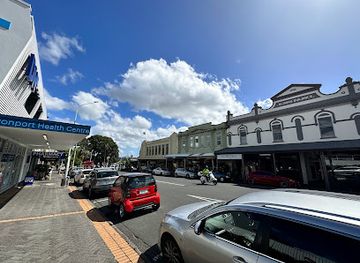
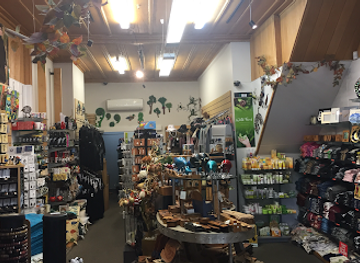
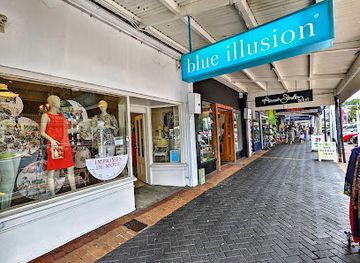
Shopping in Devonport is concentrated around Victoria Road and nearby streets, where independent retailers, cafés, galleries, gift shops, clothing businesses, book-related outlets and practical local services occupy a compact village centre. The character is more personal and specialist than that of a large suburban mall, with visitors browsing art, homewares, souvenirs and small design-led goods alongside everyday provisions. The waterfront and ferry arrival area are convenient for combining shopping with a walk, while the side streets reward attention to older shopfronts and small businesses that reflect the neighbourhood’s established residential community. Devonport is not primarily a destination for large-scale retail or a permanent produce market, so expectations should remain focused on independent browsing and locally oriented services rather than extensive commercial variety. Stock, opening arrangements and individual businesses change, making a current local check useful.
-
Gift shop
Aotearoa.co.nz
Explore Aotearoa in Devonport for unique Kiwi gifts, artistic treasures, and personalized photography that capture the essence of New Zealand.
6 min walk · 0.5 km from neighbourhood centre
-
Shop
Cosi Fan Tutte
Discover unique artisanal goods and local crafts at Cosi Fan Tutte, a charming shop in Devonport, Auckland, perfect for memorable souvenirs.
2 min walk · 0.1 km from neighbourhood centre
-
Souvenir store
Devonport Arts and Gifts
Explore Devonport Arts and Gifts for unique New Zealand souvenirs and local artistry in a charming setting.
1 min walk · 0.1 km from neighbourhood centre
-
Women's clothing store
Blue Illusion Devonport NZ
Discover the latest women's fashion and accessories at Blue Illusion, a stylish boutique in the heart of Devonport, New Zealand.
1 min walk · 0.1 km from neighbourhood centre
Devonport essentials
Getting There
Getting Around
Safety
Emergency Situations
Do's and Don'ts
Local Tips

From Eve
Local phrases worth knowing
You don't need to get them perfect. A few words go a long way, and locals appreciate the effort.
Basics
| English | Local | Say it |
|---|---|---|
| Hello | Gidday | [gid-day] |
| Goodbye | Cheers | [cheers] |
| Yes | Aye | [eye] |
| No | Nah | [nah] |
| Please/You're welcome | Please/You're welcome | [please/yer welcome] |
| Thank you | Cheers | [cheers] |
| Excuse me/Sorry | Sorry | [sore-ree] |
| How are you? | How's it going? | [hows it goin] |
| Fine. And you? | Sweet as. You? | [sweet az. yoo] |
| Do you speak English? | You speak English? | [yoo speak ingl-lish] |
| I don't understand | I don't get ya | [i dont get ya] |
Eating & Drinking
| English | Local | Say it |
|---|---|---|
| I'd like to see the menu, please | Can I check out the menu, mate? | [can i check out the menu, mate] |
| I don't eat meat | I'm vege, mate | [im vege, mate] |
| Cheers! | Chur! | [chur] |
| I would like to pay, please | Can I settle up, mate? | [can i settle up, mate] |
Emergencies
| English | Local | Say it |
|---|---|---|
| Help! | Help! | [help] |
| Go away! | Piss off! | [piss off] |
| Call the Police! | Ring the Cops! | [ring the cops] |
| Call a doctor! | Get a Doc! | [get a doc] |
| I'm lost | I'm bloody lost | [im bloody lost] |
| I'm ill | I'm crook | [im crook] |
Shopping
| English | Local | Say it |
|---|---|---|
| I'd like to buy... | Keen to buy... | [keen to buy] |
| I'm just looking | Just browsing, mate | [just browsing, mate] |
| How much is it? | How much, mate? | [how much, mate] |
| That's too expensive | Bit steep, mate | [bit steep, mate] |
| Can you lower the price? | Any chance for a discount, mate? | [any chance for a discount, mate] |
Time & Numbers
| English | Local | Say it |
|---|---|---|
| What time is it? | What's the time, mate? | [whats the time, mate] |
| It's one o'clock | It's one | [its one] |
| Half past (10) | Half ten | [half ten] |
| Morning | Mornin' | [mornin] |
| Afternoon | Arvo | [arvo] |
| Evening | Evenin' | [evenin] |
| Yesterday | Yesty | [yesty] |
| Today | Today | [today] |
| Tomorrow | Tomorra | [tomorra] |
| 1 | 1 | [1] |
| 2 | 2 | [2] |
| 3 | 3 | [3] |
| 4 | 4 | [4] |
| 5 | 5 | [5] |
| 6 | 6 | [6] |
| 7 | 7 | [7] |
| 8 | 8 | [8] |
| 9 | 9 | [9] |
| 10 | 10 | [10] |
Transport & Directions
| English | Local | Say it |
|---|---|---|
| Where's a/the...? | Where's the... | [wheres the] |
| What's the address? | What's the addy? | [whats the addy] |
| Can you show me (on the map)? | Can you show me here (on the map)? | [can you show me here on the map] |
| When's the next (bus)? | When's the next bus? | [whens the next bus] |
| A ticket (to ....) | A ticket to ... | [a ticket to] |
History of Devonport
Māori Landscapes of Takarunga
Before European settlement, the Devonport peninsula formed part of a Māori cultural landscape associated with the volcanic cones now known as Takarunga/Mount Victoria and Maungauika/North Head. The cones offered commanding views across the Waitematā Harbour and were important strategic locations, while the surrounding shoreline provided access to coastal resources. The name Takarunga means “the hill standing above”, reflecting the prominence of Mount Victoria in the local landscape. European place names later replaced or stood alongside Māori names, but the dual naming of Takarunga and Maungauika now makes the area’s deeper history more visible in public interpretation and reserve signage.
A Ferry-Linked European Settlement
European settlement developed on the peninsula during the nineteenth century, supported by its harbour position and regular water connections with Auckland. The settlement was initially known as Flagstaff, a reference to the signal station on Mount Victoria, before the name Devonport became established in the mid-nineteenth century. Streets, wharves, shops and houses grew around the waterfront and what is now Victoria Road. Ferry travel remained central to local life, linking residents with Auckland’s commercial centre before bridge and road connections transformed movement across the region.
The Naval and Defensive Peninsula
Devonport’s strategic position gave it an important military role as Auckland’s harbour was fortified during the late nineteenth century. Battery and defence works were developed at North Head, Mount Victoria and other harbour positions, and the peninsula became increasingly connected with New Zealand’s naval establishment. The naval base expanded in the twentieth century and remains a major presence, although much of its operational area is not open to visitors. Surviving fortifications, tunnels and gun positions on Maungauika/North Head and Takarunga/Mount Victoria are the most visible reminders of the period when harbour defence shaped local land use.
A Preserved Village in a Changing City
Devonport’s residential streets acquired much of their present character through late nineteenth- and early twentieth-century development, when timber villas, shops and public buildings formed a compact harbour settlement. Improved roads and the opening of the Auckland Harbour Bridge in 1959 made North Shore travel more convenient, but the ferry continued to give Devonport a distinctive relationship with the city centre. In recent decades, heritage conservation, tourism and rising property demand have accompanied changes in local retail and housing. The neighbourhood’s identity now rests on the coexistence of a working naval base, historic buildings, volcanic reserves and an active but relatively small village centre.
Devonport in Photos
Browse through our photo collection highlighting the charm and character of the destination.
Neighbourhoods near Devonport
The closest neighbourhoods to Devonport, if you have time for more than one stop.
-

-

-

-

-


Swipe for more neighbourhoods
Explore more

Explore more of Auckland
Auckland blends volcanic landscapes, Māori and Pacific culture, harbour views, art, food and island adventures in New Zealand’s largest city for curious travellers.
Explore Auckland