

Hamilton East (Hamilton) Travel Guide - Free
Explore Hamilton East in Hamilton with Evendo's free guide. Find the best shops, historic streets, restaurants, and gems on web or mobile.


Hamilton East, Hamilton: explore Hamilton Gardens, Grey Street cafés, village shops, riverside walks and local heritage in New Zealand’s Waikato.
Village Character and Riverside Setting
Hamilton East occupies the eastern side of the Waikato River, where older residential streets, small shops and leafy public spaces give the suburb a distinct identity within Hamilton. Grey Street forms the neighbourhood’s social spine, lined with cafés, restaurants, everyday services and independent businesses, while nearby Cambridge Road carries the practical rhythm of local traffic. The area is close to the river but not uniformly waterfront-facing: its character is found in the transition between compact village streets, established houses, school grounds and green spaces such as Steele Park and Hayes Paddock.Read more about Hamilton East
Gardens, Heritage and Everyday Life
Grey Street After Dark
Best attractions in Hamilton East
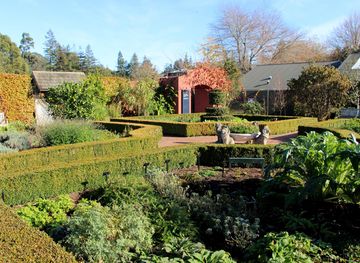
Hamilton Gardens is Hamilton East’s defining visitor attraction, presenting a sequence of themed garden environments that explore different cultural and historical approaches to garden design; its extensive grounds merit more time than a quick photo stop. Within the suburb itself, Grey Street offers a more local form of sightseeing, with independent businesses, cafés and restaurants shaping a compact village atmosphere. Steele Park and Hayes Paddock provide open green spaces used for recreation, while the Waikato River and its associated paths bring water, mature vegetation and broad views into the neighbourhood’s landscape. The surrounding residential streets are worth exploring for their established trees and mixture of older and newer houses, although they are lived-in areas rather than formal heritage precincts. Visitors can also use Hamilton East as a base for short walks towards river crossings and nearby central Hamilton, carefully distinguishing those city-centre attractions from the suburb’s own quieter character.
-
Tourist attraction
Te Parapara
Discover Te Parapara, a stunning Maori garden showcasing traditional horticultural practices and native flora in the heart of Hamilton, New Zealand.
15 min walk · 1.2 km from neighbourhood centre
-
Tourist attraction
Mansfield Garden
Explore the enchanting Mansfield Garden in Hamilton East, a serene oasis of themed gardens and vibrant flora perfect for relaxation and inspiration.
14 min walk · 1.1 km from neighbourhood centre
-
Tourist attraction
Modernist Garden
Discover the Modernist Garden in Hamilton, where art meets nature in a stunning display of design and tranquility.
15 min walk · 1.2 km from neighbourhood centre


Best landmarks in Hamilton East
Hamilton Gardens is the neighbourhood’s principal landmark, not because it represents one historic building but because its carefully composed garden collections have made landscape design a defining cultural feature of southern Hamilton East. Grey Street Village is a smaller, everyday landmark: its concentration of low-rise commercial premises gives the suburb a recognisable local centre and preserves a sense of neighbourhood commerce. The Waikato River forms the area’s most important natural landmark, establishing the eastern side of Hamilton’s relationship with the city across the water. Steele Park and Hayes Paddock are significant local open spaces, marking the suburb’s recreational infrastructure and providing relief from its roads and houses. The surrounding streets, mature trees and mixture of older timber dwellings and later homes complete a built landscape whose importance is local and cumulative rather than concentrated in a single monumental structure.
-
 Garden
Hamilton Gardens
Explore the stunning Hamilton Gardens in New Zealand, a vibrant blend of themed gardens, culture, and tranquility in an urban oasis.
14 min walk · 1.1 km from neighbourhood centre
-
Park
Parana Park
Explore the lush landscapes of Parana Park in Hamilton, a family-friendly destination offering playgrounds, trails, and serene natural beauty.
18 min walk · 1.4 km from neighbourhood centre
-
Tourist attraction
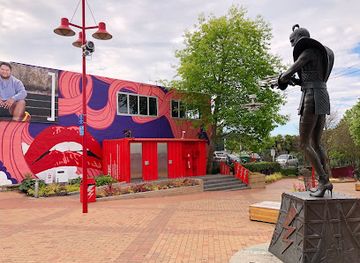
Riff Raff Statue - Celebrating Richard O'Brien & The Rocky Horror Show
Discover the Riff Raff Statue in Hamilton Central, celebrating Richard O'Brien and the iconic Rocky Horror Show in a vibrant urban setting.
17 min walk · 1.3 km from neighbourhood centre
-
Garden
Indian Char Bagh Garden
Experience the serene beauty and cultural richness of the Indian Char Bagh Garden in Hamilton, a perfect escape for nature lovers and cultural enthusiasts.
15 min walk · 1.2 km from neighbourhood centre


Explore Hamilton East on the map
A handpicked selection of must-see spots in Hamilton East, mapped for you.
Best hotels in Hamilton East
Best restaurants in Hamilton East
Eating in Hamilton East centres on Grey Street and its surrounding village blocks, where cafés, casual restaurants, takeaway options and bars create a useful local dining cluster. The scene is varied rather than tied to one defining cuisine, reflecting Hamilton’s wider mix of New Zealand, Asian and international influences. Coffee, brunch and relaxed evening meals are particularly well suited to the neighbourhood’s scale, while nearby residential streets mean the commercial area feels more local than city-centre oriented. Hamilton Gardens adds another food stop to the broader outing, though visitors should treat the gardens and Grey Street as separate destinations rather than one continuous restaurant precinct. Independent operators and small businesses are central to the area’s appeal, and menus, opening patterns and individual venues change, so checking current information is sensible before making a dedicated visit.
-
Restaurant
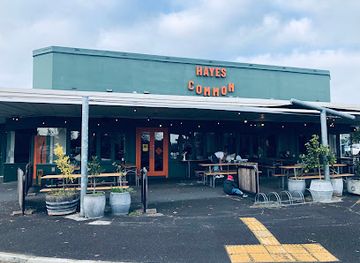
Hayes Common
Experience the best of Hamilton East's dining scene at Hayes Common – where delicious breakfast meets cozy café vibes.
10 min walk · 0.8 km from neighbourhood centre
-
Chicken
Winner Winner Hamilton East
Discover the ultimate chicken experience at Winner Winner in Hamilton East – where flavor meets comfort.
9 min walk · 0.8 km from neighbourhood centre
-
Turkish
Babaganush Turkish Restaurant and Cafe
Experience authentic Turkish cuisine at Babaganush Turkish Restaurant and Cafe in Hamilton – where flavor meets tradition in every dish.
8 min walk · 0.6 km from neighbourhood centre
-
Restaurant
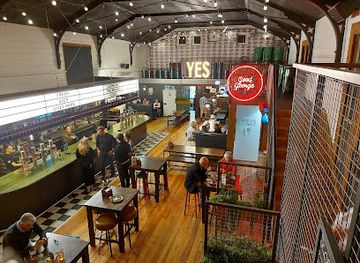
The Cook
Experience delectable cuisine and vibrant nightlife at The Cook, Hamilton's premier restaurant and bar destination.
7 min walk · 0.5 km from neighbourhood centre


Best bars in Hamilton East
Hamilton East’s nightlife is concentrated around the Grey Street village and is better described as sociable dining, local bars and relaxed evening gatherings than as a major club district. Restaurants and bar-restaurant venues provide the main after-dark activity, with conversation and food more prominent than large-scale dancing or late-night entertainment. The neighbourhood’s established residential setting keeps the atmosphere comparatively contained, and quieter streets extend quickly beyond the commercial strip. Visitors seeking theatre, concerts or larger nightlife venues may need to continue into central Hamilton, across the river, rather than assuming they are within Hamilton East. After an evening on Grey Street, use well-lit routes and arrange a bus, taxi or other suitable transport if walking back to accommodation beyond the immediate village feels inconvenient.
-
Bar
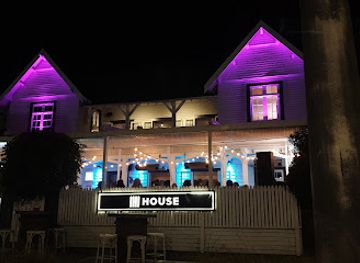
House on Hood
Experience the vibrant nightlife at House on Hood, where exceptional cocktails and lively entertainment meet in Hamilton Central.
17 min walk · 1.4 km from neighbourhood centre
-
Bar
Keystone Bar and Restaurant
Discover Keystone Bar and Restaurant: A lively spot in Hamilton Central for great food, drinks, and a vibrant atmosphere.
18 min walk · 1.4 km from neighbourhood centre
-
Bar
Mr. Pickles Bar & Eatery
Discover Hamilton's vibrant dining scene at Mr. Pickles Bar & Eatery, where gourmet cuisine meets a lively cocktail bar atmosphere.
5 min drive · 1.6 km from neighbourhood centre
-
Bar
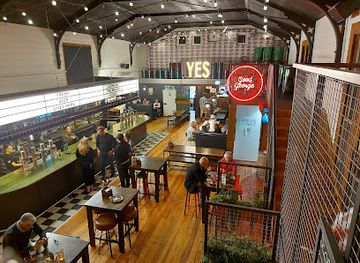
The Cook
Experience the vibrant culinary scene at The Cook, Hamilton East's popular bar and restaurant, offering modern dishes and a lively atmosphere.
7 min walk · 0.5 km from neighbourhood centre


Best nightclubs in Hamilton East
Hamilton East’s nightlife is concentrated around the Grey Street village and is better described as sociable dining, local bars and relaxed evening gatherings than as a major club district. Restaurants and bar-restaurant venues provide the main after-dark activity, with conversation and food more prominent than large-scale dancing or late-night entertainment. The neighbourhood’s established residential setting keeps the atmosphere comparatively contained, and quieter streets extend quickly beyond the commercial strip. Visitors seeking theatre, concerts or larger nightlife venues may need to continue into central Hamilton, across the river, rather than assuming they are within Hamilton East. After an evening on Grey Street, use well-lit routes and arrange a bus, taxi or other suitable transport if walking back to accommodation beyond the immediate village feels inconvenient.
-
Night club
House on Hood
Experience the vibrant nightlife of Hamilton at House on Hood, a premier night club offering dining, dancing, and unforgettable moments.
17 min walk · 1.4 km from neighbourhood centre
-
Lounge
Nivara Lounge
Discover Hamilton's vibrant nightlife at Nivara Lounge, a cozy spot for live music, local drinks, and a welcoming atmosphere.
5 min drive · 1.6 km from neighbourhood centre
-
Social club
Hamilton Cosmopolitan Club
Discover the vibrant atmosphere of Hamilton Cosmopolitan Club, your go-to spot for dining, live music, and community events in Hamilton East, New Zealand.
6 min drive · 2.0 km from neighbourhood centre
-
Night club
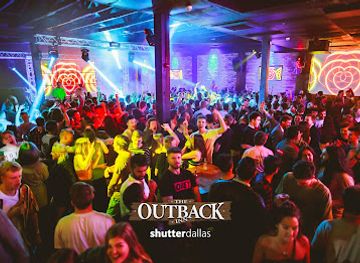
The Outback Inn
Discover the energetic nightlife of Hamilton at The Outback Inn, a vibrant night club and bar offering an unforgettable experience.
18 min walk · 1.4 km from neighbourhood centre


Best shops in Hamilton East
Shopping in Hamilton East is centred on the Grey Street village, where independent retailers, food businesses, cafés, personal services and small specialist shops create a neighbourhood-scale alternative to Hamilton’s larger commercial centres. The area is useful for everyday purchases and browsing local businesses rather than for department-store shopping or a single large market. Food shops and hospitality venues contribute strongly to the street’s identity, while the surrounding residential streets contain comparatively little visitor-oriented retail. Hamilton Gardens may also have garden-related or visitor merchandise, but it should not be confused with a dedicated shopping district. Stock and businesses change, so the most rewarding approach is to explore Grey Street at a relaxed pace and look for locally operated shops rather than expecting a fixed catalogue of souvenirs, fashion outlets or craft markets.
-
Department store
The Warehouse Hillcrest
Discover an unbeatable shopping experience at The Warehouse Hillcrest, offering everything from fashion to home essentials in Hamilton.
16 min walk · 1.3 km from neighbourhood centre
-
Clothing store
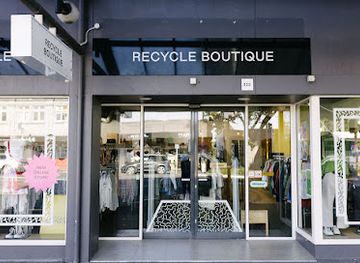
Recycle Boutique Hamilton
Explore sustainable fashion at Recycle Boutique Hamilton, where pre-loved clothing meets unique style in a vibrant shopping experience.
8 min walk · 0.6 km from neighbourhood centre
-
Gift shop
Yakeda's Party + Giftware
Explore Yakeda's Party + Giftware in Hamilton East for unique gifts and vibrant party supplies that capture the essence of celebration.
15 min walk · 1.2 km from neighbourhood centre
-
Clothing store
Found Store
Explore Hamilton's fashion scene at Found Store, where unique clothing and accessories await every style enthusiast.
9 min walk · 0.7 km from neighbourhood centre



Hamilton East essentials
Getting There
Getting Around
Safety
Emergency Situations
Do's and Don'ts
Local Tips

From Eve
Local phrases worth knowing
You don't need to get them perfect. A few words go a long way, and locals appreciate the effort.
Basics
| English | Local | Say it |
|---|---|---|
| Hello | Kia ora | [Kee-ah or-ah] |
| Goodbye | Haere rā | [High-deh rah] |
| Yes | Āe | [Eye] |
| No | Kāo | [Kah-oh] |
| Please/You're welcome | Whakawhetai | [Fah-kah-feh-tie] |
| Thank you | Kia ora | [Kee-ah or-ah] |
| Excuse me/Sorry | Aroha mai | [Ah-roh-hah my] |
| How are you? | Kei te pēhea koe? | [Kay teh pay-ha koi] |
| Fine. And you? | Ka pai. Ā koe? | [Kah pie. Eye koi] |
| Do you speak English? | Kōrerotia koe i te reo Pākehā? | [Koh-reh-roh-tee-ah koi ee teh reh-oh pah-keh-hah] |
| I don't understand | Kaore au i te mohio | [Kah-oh-reh ow ee teh moh-hee-oh] |
Eating & Drinking
| English | Local | Say it |
|---|---|---|
| I'd like to see the menu, please | Me tiro i te tahuhu, tēnā | [Meh tee-roh ee teh tah-hoo-hoo, teh-nah] |
| I don't eat meat | Kaore au e kai kau | [Kah-oh-reh ow eh kai kow] |
| Cheers! | Ēā! | [Eh-ah] |
| I would like to pay, please | Ka hiahia au ki te utu, tēnā | [Kah hee-ah-hee-ah ow kee teh oo-too, teh-nah] |
Emergencies
| English | Local | Say it |
|---|---|---|
| Help! | Āwhina! | [Eye-fee-nah] |
| Go away! | Haere atu! | [High-deh ah-too] |
| Call the Police! | Karanga atu ki te Pirihimana! | [Kah-rah-ngah ah-too kee teh Pee-ree-hee-mah-nah] |
| Call a doctor! | Karanga atu ki te rata! | [Kah-rah-ngah ah-too kee teh rah-tah] |
| I'm lost | Waiho au kua ngaro | [Why-hoh ow koo-ah nah-roh] |
| I'm ill | Kei ahau te tāngata | [Kay ah-hou teh tah-ngah-tah] |
Shopping
| English | Local | Say it |
|---|---|---|
| I'd like to buy... | Ka hiahia au ki te hoko... | [Kah hee-ah-hee-ah ow kee teh ho-kow] |
| I'm just looking | Kei te titiro ahau | [Kay teh tee-tee-roh ah-hou] |
| How much is it? | E hia te utu? | [Eh hee-ah teh oo-too] |
| That's too expensive | He nui rawa te utu | [Heh noo-ee rah-wah teh oo-too] |
| Can you lower the price? | Ka taea e koe te whakaiti i te utu? | [Kah tie-ah eh koi teh fah-kai-tee ee teh oo-too] |
Time & Numbers
| English | Local | Say it |
|---|---|---|
| What time is it? | He aha te wā? | [Heh ah-hah teh wah] |
| It's one o'clock | Ko te taitahi | [Kaw teh tah-ee-tah-hee] |
| Half past (10) | Tekau mā rua | [Teh-kow mah roo-ah] |
| Morning | Ahiahi | [Ah-hee-ah-hee] |
| Afternoon | Ahiahi | [Ah-hee-ah-hee] |
| Evening | Ahiahi | [Ah-hee-ah-hee] |
| Yesterday | Ināianei | [Ee-nah-ee-ah-nay] |
| Today | Ināianei | [Ee-nah-ee-ah-nay] |
| Tomorrow | Āpōpō | [Eye-paw-paw] |
| 1 | Tahi | [Tah-hee] |
| 2 | Rua | [Roo-ah] |
| 3 | Toru | [Toh-roo] |
| 4 | Whā | [Fah] |
| 5 | Rima | [Ree-mah] |
| 6 | Ono | [Oh-no] |
| 7 | Whitu | [Fee-too] |
| 8 | Waru | [Wah-roo] |
| 9 | Iwa | [Ee-wah] |
| 10 | Tekau | [Teh-kow] |
Transport & Directions
| English | Local | Say it |
|---|---|---|
| Where's a/the...? | Kei hea te...? | [Kay heh-ah teh] |
| What's the address? | Ko wai te wāhitau? | [Kaw why teh wah-hee-tow] |
| Can you show me (on the map)? | Ka taea e koe te whakaatu i ahau (ki te mahere)? | [Kah tie-ah eh koi teh fah-kah-ah-too ee ah-hou (kee teh mah-heh-reh)] |
| When's the next (bus)? | Āhea te wā roa (autobus)? | [Eye-heh teh wah row-ah (ow-toe-boo-s)] |
| A ticket (to ....) | He tiki (ki ....) | [Heh tee-kee (kee)] |
History of Hamilton East
Military Settlement on the East Bank
Hamilton East developed as part of the post-1864 settlement established on the Waikato River after the New Zealand Wars, when military settlers were placed in the emerging town of Hamilton. The eastern bank was commonly distinguished from Hamilton West, the older settlement across the river, and the name Hamilton East reflects that practical geographic division. Early development combined small-scale farming, homes and the basic services of a growing settlement rather than a purpose-built commercial centre. The river was central to the town’s location, although movement between the two sides depended on crossings and later bridges, helping each bank retain a measure of local identity.
Streets, Farms and Suburban Growth
As Hamilton expanded during the late nineteenth and twentieth centuries, Hamilton East changed from a semi-rural edge into an established residential suburb. Roads including Grey Street and Cambridge Road became important local corridors, linking houses and institutions with the town centre and the wider Waikato. The neighbourhood’s built character developed incrementally, leaving a mixture of older timber homes, later suburban architecture, small commercial premises and public reserves. This gradual growth is why Hamilton East often feels like a village embedded within a larger city: its commercial life is concentrated around familiar local streets rather than arranged as a large central shopping district.
Parks and Civic Landscapes
Public parks became important to Hamilton East’s social and physical character as the suburb matured. Steele Park and Hayes Paddock provided open ground for recreation and community life, while the Waikato River corridor offered a natural edge to the built-up area. These spaces also illustrate the contrast between planned urban development and the river landscape that shaped Hamilton’s settlement. Hamilton Gardens, developed on land beside the Waikato River in the city’s southern area, later added a major horticultural destination near Hamilton East. Its themed gardens changed the way visitors encounter this part of the city, presenting landscape design as a cultural and educational attraction rather than simply a municipal park.
The Modern Grey Street Village
In recent decades, Hamilton East’s local identity has increasingly centred on the Grey Street village area, where cafés, restaurants, services and independent retailers occupy a neighbourhood-scale commercial strip. This activity has complemented rather than erased the suburb’s residential character, bringing more evening dining and visitor interest while leaving much of the surrounding area comparatively quiet. The neighbourhood’s contemporary appeal lies in this combination of mature streets, accessible green spaces and a concentrated local centre. Its evolution reflects Hamilton’s wider growth: a former settlement area has become an established inner suburb that retains a recognisable community focus within the expanding city.
Hamilton East in Photos
Browse through our photo collection highlighting the charm and character of the destination.
Neighbourhoods near Hamilton East
The closest neighbourhoods to Hamilton East, if you have time for more than one stop.
-

-

-

-


Swipe for more neighbourhoods
Explore more
Explore more of Hamilton
Hamilton, New Zealand, pairs Waikato River gardens, Māori heritage, museums and cafés with easy access to Hobbiton and nearby regional adventures.
Explore Hamilton