

Free Hamilton Travel Guide & Mobile App
Plan your Hamilton trip with Evendo. Get free guides to top attractions, restaurants, hotels, and bars. Web access or download the mobile app.


Hamilton, New Zealand, pairs Waikato River gardens, Māori heritage, museums and cafés with easy access to Hobbiton and nearby regional adventures.
A River City in the Waikato
Hamilton lies beside the broad Waikato River on the fertile plains of New Zealand’s central North Island. Known in Māori as Kirikiriroa, it is the country’s fourth-largest urban area and the principal centre of the Waikato, a region shaped by dairy farming, research, education and river landscapes. The city’s scale is approachable: the river corridor, central streets, gardens and cultural institutions are close enough to connect easily by foot, bicycle or short drive.Read more about Hamilton
Gardens, Culture and Everyday Life
A Base for Waikato Experiences
When is the best time to visit Hamilton?
Best: January–March · 24–25°C| Month | High (°C) | Rainfall (mm) |
|---|---|---|
| January (best) | 25 | 90 |
| February (best) | 25 | 90 |
| March (best) | 24 | 80 |
| April | 21 | 70 |
| May | 19 | 60 |
| June | 17 | 50 |
| July | 16 | 50 |
| August | 16 | 50 |
| September | 18 | 60 |
| October | 20 | 70 |
| November | 22 | 80 |
| December | 24 | 90 |
Getting to and around Hamilton
How to get there
Transportation
Best attractions in Hamilton
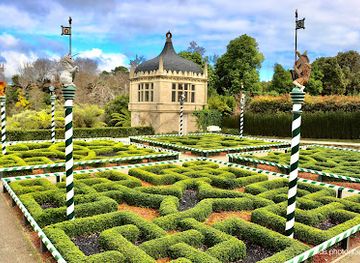
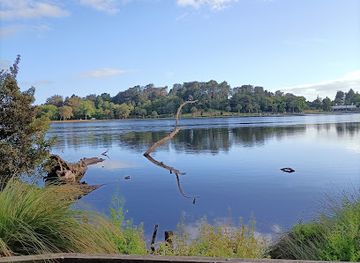
Hamilton Gardens is the city’s principal sightseeing experience, with themed landscapes that interpret gardening traditions from around the world alongside Māori and productive gardens. At the Waikato Museum, exhibitions explore local art, science, social history and the stories of the Waikato, while the central city’s public art and riverfront paths provide an accessible introduction to Hamilton’s urban character. Lake Rotoroa, a short distance from the centre, combines lakeside walking with wetland and birdlife habitats, and Hamilton Zoo offers a larger green-space attraction on the city’s western edge. The Waikato River forms a natural thread through many visits, with parks, bridges and viewpoints revealing how the city developed around the water. Families and nature-minded travellers can also explore the extensive walking areas around Taitua Arboretum, on the outskirts of the city, where mature trees create a quieter rural setting.
-
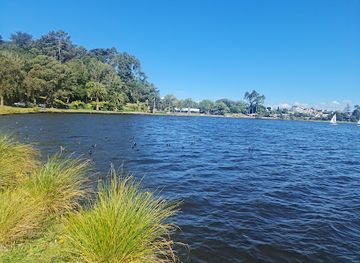
Hamilton Lake Domain
Explore Hamilton Lake Domain, a picturesque park offering serene landscapes, recreational activities, and a delightful escape in the heart of Hamilton.
-
Tourist attraction
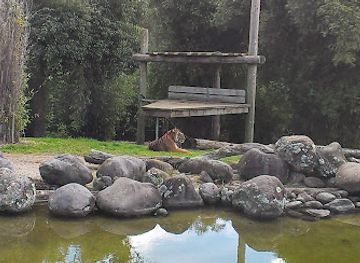
Hamilton Zoo
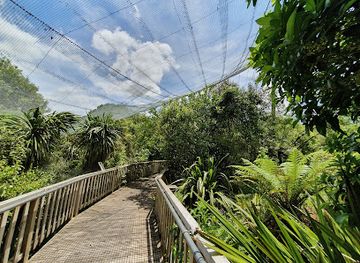
Discover the charm of Hamilton Zoo, a family-friendly animal park in New Zealand, perfect for wildlife enthusiasts and adventure seekers.
17 min drive · 5.6 km from city centre
-
Tourist attraction
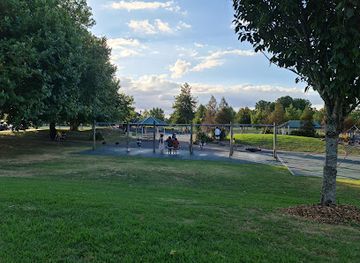
Claudelands Park
Discover the beauty of Claudelands Park, Hamilton's lush urban park featuring playgrounds, scenic walks, and peaceful picnic spots for the whole family.
18 min walk · 1.4 km from city centre
-
Tourist attraction
Waikato Museum
Explore the Waikato Museum in Hamilton, New Zealand, a cultural landmark showcasing art, history, and science exhibits that celebrate local heritage.
9 min walk · 0.7 km from city centre
Best landmarks in Hamilton
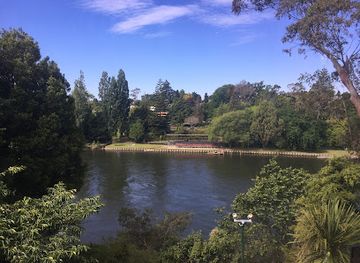
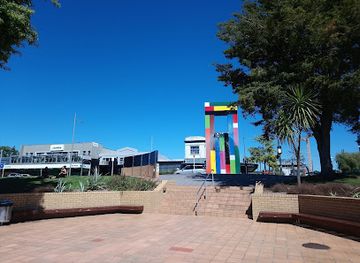
The Waikato River is Hamilton’s defining geographical landmark, its bridges and landscaped banks marking the waterway that shaped both Māori life and the later military settlement. In the central city, St Peter’s Cathedral is a prominent Anglican building overlooking the river, while the nearby Hamilton Central Library and civic buildings represent the city’s public and institutional development. The Garden Place precinct and the Riff Raff statue, commemorating the city’s connection with the film and creative industries, add contemporary points of reference. Hamilton Gardens is also a landmark in the broader cultural sense: its designed landscapes use architecture, planting and symbolism to interpret different civilisations and gardening traditions. For historical context, memorials and interpretation associated with the Waikato War and the military settlement help connect present-day streets with the region’s contested nineteenth-century transformation.
-
Garden
Hamilton Gardens
Explore the enchanting beauty of Hamilton Gardens, a horticultural haven showcasing diverse themed gardens and cultural heritage in Hamilton, New Zealand.
9 min drive · 3.1 km from city centre
-
Park
Hamilton Lake Domain
Explore the serene beauty of Hamilton Lake Domain, a picturesque park in Hamilton, New Zealand, perfect for relaxation and outdoor adventures.
14 min walk · 1.1 km from city centre
-
Zoo
Hamilton Zoo
Discover Hamilton Zoo, a premier tourist attraction in New Zealand, where diverse wildlife and conservation efforts create an unforgettable family experience.
17 min drive · 5.6 km from city centre
-
Museum
Waikato Museum
Explore art, history, and science at Waikato Museum, Hamilton's cultural treasure that brings local stories to life in an engaging environment.
9 min walk · 0.7 km from city centre
Explore Hamilton on the map
Plan your Hamilton trip on one map. See where the top attractions, landmarks, restaurants, bars and hotels are, find what's near where you're staying, and book hotels and experiences in a few clicks.
Neighbourhoods in Hamilton
-

-

-

-

-


Swipe for more neighbourhoods
Best hotels in Hamilton
Best restaurants in Hamilton
Hamilton’s dining scene reflects the Waikato’s agricultural economy and its increasingly diverse urban population. Central Hamilton and Hamilton East provide the broadest choice of cafés, casual restaurants, bakeries and international cuisines, with Grey Street particularly associated with independent dining and relaxed evening meals. Menus commonly draw on New Zealand produce, including dairy products, lamb, beef, seafood and seasonal vegetables, while modern restaurants combine local ingredients with Asian, Pacific and European influences. Coffee culture is well established, and farmers’ markets and food stalls offer opportunities to find regional produce when operating. Māori food traditions are best encountered through a specific cultural experience rather than assumed to represent every local menu; visitors should also distinguish contemporary New Zealand cooking from older colonial dishes. The city’s student and research communities add affordable, international and vegetarian choices to the more traditional café and restaurant landscape.
-
Restaurant
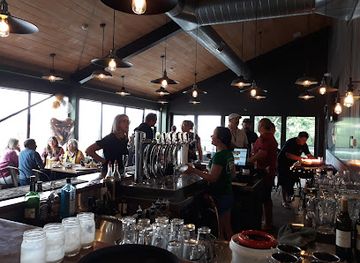
The Roaming Giant
Experience culinary excellence at The Roaming Giant in Hamilton – where local flavors meet modern dining in a vibrant atmosphere.
13 min walk · 1.1 km from city centre
-
Restaurant
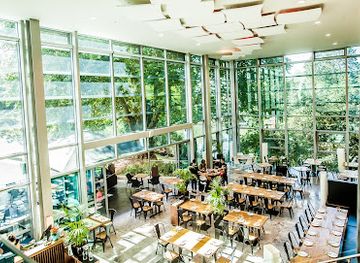
Gothenburg Restaurant
Discover the exquisite flavors at Gothenburg Restaurant in Hamilton - where culinary excellence meets inviting ambiance.
10 min walk · 0.8 km from city centre
-
Restaurant
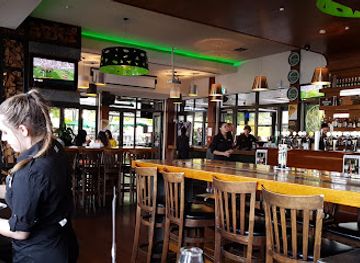
The Helm Bar & Kitchen
Discover the flavors of New Zealand at The Helm Bar & Kitchen in Hamilton – where great food meets warm hospitality.
12 min walk · 0.9 km from city centre
-
Restaurant
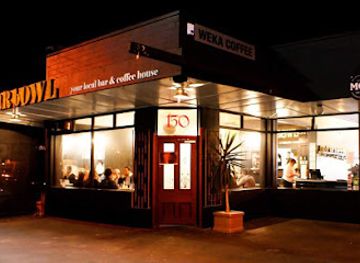
The Sugar Bowl Cafe
Discover delightful breakfasts and live music at The Sugar Bowl Cafe in Hamilton - A culinary gem for every food lover!
6 min drive · 2.1 km from city centre
Best bars in Hamilton
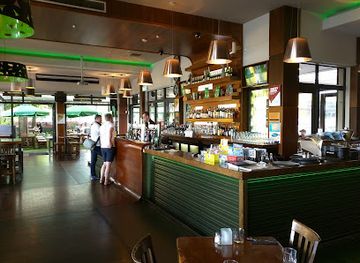
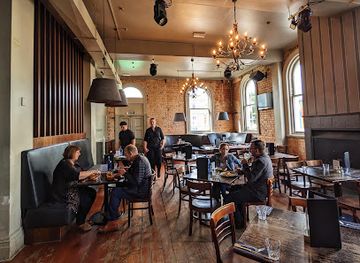
Hamilton’s evening life is concentrated mainly in the central city, especially around Victoria Street, Hood Street and Garden Place, with further bars and restaurants in Hamilton East. The atmosphere ranges from relaxed cafés and pubs to late-evening venues aimed at students and younger crowds, reflecting the presence of the University of Waikato and a sizeable regional workforce. Live music, comedy, theatre and touring performances provide alternatives to clubbing, while the city’s arts institutions and event spaces contribute occasional cultural programmes after dark. Nightlife is active rather than metropolitan in scale, and the choice of venues can change over time, so current local listings are useful. As elsewhere in New Zealand, licensed premises operate under national alcohol laws and responsible-service expectations; walking with awareness and arranging transport in advance are sensible after late events.
-
Pub
The Helm Bar & Kitchen
Discover the charm of The Helm Bar & Kitchen in Hamilton—your destination for local cuisine, great atmosphere, and fantastic service.
12 min walk · 0.9 km from city centre
-
Bar
Iguana Street Bar & Restaurant
Experience the vibrant atmosphere and diverse menu at Iguana Street Bar & Restaurant in Hamilton, where cocktails and delicious cuisine meet.
7 min walk · 0.5 km from city centre
-
Bar
The Bank Bar & Brasserie
Discover Hamilton's vibrant dining scene at The Bank Bar & Brasserie, where culinary delights meet a lively atmosphere for an unforgettable experience.
8 min walk · 0.6 km from city centre
-
Gastropub
Foundation Bar
Discover the vibrant flavors and relaxed atmosphere of Foundation Bar, Hamilton's top gastropub for food enthusiasts and craft beer lovers alike.
18 min drive · 6.0 km from city centre


Best nightclubs in Hamilton
Hamilton’s evening life is concentrated mainly in the central city, especially around Victoria Street, Hood Street and Garden Place, with further bars and restaurants in Hamilton East. The atmosphere ranges from relaxed cafés and pubs to late-evening venues aimed at students and younger crowds, reflecting the presence of the University of Waikato and a sizeable regional workforce. Live music, comedy, theatre and touring performances provide alternatives to clubbing, while the city’s arts institutions and event spaces contribute occasional cultural programmes after dark. Nightlife is active rather than metropolitan in scale, and the choice of venues can change over time, so current local listings are useful. As elsewhere in New Zealand, licensed premises operate under national alcohol laws and responsible-service expectations; walking with awareness and arranging transport in advance are sensible after late events.
-
Night club
House on Hood
Experience the vibrant nightlife at House on Hood, Hamilton's top night club, bar, and restaurant, offering delicious food and electrifying entertainment.
8 min walk · 0.7 km from city centre
-
Lounge
Nivara Lounge
Experience the vibrant nightlife at Nivara Lounge in Hamilton, where live music and delicious bites create unforgettable memories.
6 min walk · 0.5 km from city centre
-
Social club
Hamilton Cosmopolitan Club
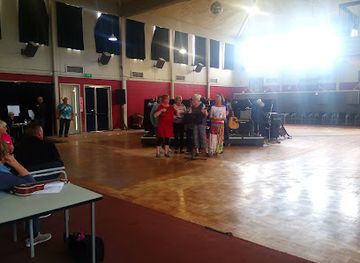
Discover the Hamilton Cosmopolitan Club: a lively social hub featuring dining, live music, and a welcoming atmosphere perfect for families and friends.
19 min walk · 1.5 km from city centre
-
Night club
The Outback Inn
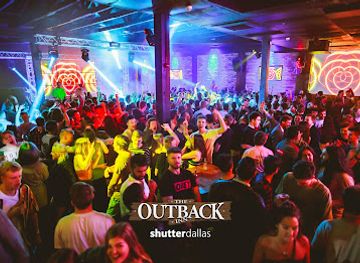
Experience the vibrant nightlife of Hamilton at The Outback Inn, where great music and a lively atmosphere await you.
8 min walk · 0.6 km from city centre


Best shops in Hamilton
Hamilton’s principal shopping areas include the central city around Victoria Street and Centre Place, the independent shops and cafés of Hamilton East, and larger retail concentrations at The Base in Te Rapa. The central streets combine national retailers with smaller businesses, while Hamilton East is better suited to browsing boutiques, gifts, books and local lifestyle goods. Markets, when operating, are useful for seasonal produce, baking and artisan products, although schedules vary. Visitors looking for distinctive souvenirs can consider New Zealand-made ceramics, textiles, artwork, Māori design and Waikato food products, checking provenance rather than assuming that a locally themed item was made locally. The city’s retail character is practical and regional rather than centred on luxury shopping, with supermarkets and shopping centres serving residents alongside the more visitor-oriented craft, gift and food offerings.
-
Shopping mall
The Base
Experience the ultimate shopping and dining adventure at The Base, Hamilton's bustling retail hub offering something for everyone.
17 min drive · 5.8 km from city centre
-
Shopping mall
Chartwell Shopping Centre
Explore Chartwell Shopping Centre in Hamilton, New Zealand, where shopping, dining, and entertainment come together in a vibrant atmosphere.
12 min drive · 4.1 km from city centre
-
Shopping mall
Centre Place
Discover Centre Place, Hamilton's vibrant shopping mall featuring diverse stores, delectable dining, and lively events in the heart of the city.
3 min walk · 0.2 km from city centre
-
Craft store
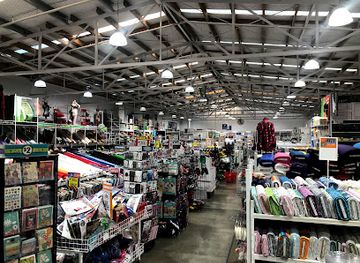
Spotlight Hamilton
Explore Spotlight Hamilton for a treasure trove of crafting supplies, home goods, and creative inspiration in the heart of Te Rapa.
10 min drive · 3.3 km from city centre



Get your free copy of our complete guide to Hamilton, delivered straight to you.
Everything on this page, from attractions and restaurants to essentials and local phrases, in one PDF you can read offline, print or share.
Already have an account? Sign in
Your Hamilton guide is ready.
We'll send it to · Not you? Sign out

Getting your guide ready…
We are putting together a fresh copy of the Hamilton guide. This can take up to a minute.
This can take a few moments. If your browser asks, choose Allow so the download can start. You'll find the guide in your Downloads folder.
Nothing happened? Download it again
Sorry, the guide is taking longer than usual. Please try again in a minute, or get it by email instead.
Hamilton essentials
Currency and Payment
Safety
Emergency Situations
Do's and Don'ts
Local Tips
From Eve
Local phrases worth knowing
You don't need to get them perfect. A few words go a long way, and locals appreciate the effort.
Basics
| English | Local | Say it |
|---|---|---|
| Hello | Kia ora | [kee-ah or-ah] |
| Goodbye | Haere rā | [high-ree rah] |
| Yes | Āe | [eye] |
| No | Kāo | [ka-oh] |
| Please/You're welcome | Tēnā koa | [ten-ah koh-ah] |
| Thank you | Ngā mihi | [nah mee-hee] |
| Excuse me/Sorry | Whakapāha | [fah-kah-pa-ha] |
| How are you? | Kei te pēhea koe? | [kay teh pay-hay-ah koh-eh] |
| Fine. And you? | Kei te pai. Ā, koe? | [kay teh pie. eye, koh-eh] |
| Do you speak English? | Ka korero koe i te reo Pākehā? | [ka kor-air-oh koh-eh ee teh reh-oh pah-keh-hah] |
| I don't understand | Kaore au e mohio | [ka-or-eh oh eh moh-hee-oh] |
Eating & Drinking
| English | Local | Say it |
|---|---|---|
| I'd like to see the menu, please | Me tirohia te wharangi, tēnā | [meh tee-roh-hee-ah teh fah-rang-ee, ten-ah] |
| I don't eat meat | Kaore au e kai kau | [ka-or-eh oh eh kai kow] |
| Cheers! | Ārahi! | [eye-rah-hee] |
| I would like to pay, please | Me utu ahau, tēnā | [meh oo-too ah-how, ten-ah] |
Emergencies
| English | Local | Say it |
|---|---|---|
| Help! | Āwhina! | [eye-fee-nah] |
| Go away! | Haere atu! | [high-ree ah-too] |
| Call the Police! | Karanga ki te Pirihimana! | [kah-rung-ah kee teh pee-ree-hee-mah-nah] |
| Call a doctor! | Karanga ki te Rata! | [kah-rung-ah kee teh rah-tah] |
| I'm lost | I wareware au | [ee wah-reh-wah-reh oh] |
| I'm ill | Kei te he mate au | [kay teh heh mah-teh oh] |
Shopping
| English | Local | Say it |
|---|---|---|
| I'd like to buy... | Ka hiahia au ki te hoko... | [ka hee-ah-hee-ah oh kee teh hoh-koh] |
| I'm just looking | Ka titiro ahau | [ka tee-tee-roh ah-how] |
| How much is it? | He aha te utu? | [he ah-hah teh oo-too] |
| That's too expensive | He roa rawa te utu | [he roh-ah rah-wah teh oo-too] |
| Can you lower the price? | Ka taea e koe te whakaiti i te utu? | [ka tie-ah eh koh-eh teh fah-kai-tee ee teh oo-too] |
Time & Numbers
| English | Local | Say it |
|---|---|---|
| What time is it? | He aha te wa? | [he ah-hah teh wah] |
| It's one o'clock | Ko te tahi te haora | [koh teh tah-hee teh how-rah] |
| Half past (10) | Tekau me te toru | [teh-kow meh teh tor-roo] |
| Morning | Ata | [ah-tah] |
| Afternoon | Ahiahi | [ah-hee-ah-hee] |
| Evening | Pō | [paw] |
| Yesterday | Tūwhena | [too-feh-nah] |
| Today | Tēnei rā | [ten-ay rah] |
| Tomorrow | Āpōpō | [eye-paw-paw] |
| 1 | Tahi | [tah-hee] |
| 2 | Rua | [roo-ah] |
| 3 | Toru | [tor-roo] |
| 4 | Whā | [fah] |
| 5 | Rima | [ree-mah] |
| 6 | Ono | [oh-no] |
| 7 | Whitu | [fee-too] |
| 8 | Waru | [wah-roo] |
| 9 | Iwa | [ee-wah] |
| 10 | Tekau | [teh-kow] |
Transport & Directions
| English | Local | Say it |
|---|---|---|
| Where's a/the...? | Kei hea te...? | [kay heh-ah teh] |
| What's the address? | Ko te wāhitau hea? | [koh teh wah-hee-tow heh-ah] |
| Can you show me (on the map)? | Taea e koe te whakaatu mai ki ahau (i runga i te mahere)? | [tie-ah eh koh-eh teh fah-kah-ah-too my kih ah-how ee roon-gah ee teh mah-heh-reh] |
| When's the next (bus)? | Āhea te taha? | [eye-heh-ah teh tah-hah] |
| A ticket (to ....) | He tiketi (ki ...) | [heh ti-keh-tee kee] |
History of Hamilton
Kirikiriroa and Waikato Māori
The area now occupied by Hamilton formed part of the traditional rohe, or tribal territory, of Waikato-Tainui. The Māori name Kirikiriroa is commonly translated as ‘long stretch of gravel’, reflecting an established place beside the Waikato River rather than an empty site awaiting European settlement. Pā, cultivations, transport routes and river connections shaped life across the district. The Waikato River was a source of food, movement and identity, linking communities with settlements farther north and south. Although later urban development altered the landscape, the name Kirikiriroa and the continuing role of Waikato-Tainui remain central to Hamilton’s cultural identity.
The Waikato War and Its Consequences
Hamilton’s modern colonial history is closely connected with the Waikato War of 1863–64, fought between Crown forces and Māori communities, principally Waikato-Tainui, amid disputes over sovereignty, land and the authority of the Kīngitanga, or Māori King movement. British and colonial troops advanced into the Waikato, and major engagements took place at sites including Rangiriri and Ōrākau, outside present-day Hamilton. The conflict was followed by extensive confiscation of Waikato-Tainui land under Crown legislation. These events transformed settlement patterns and remain a significant and contested part of the region’s history, commemorated through local interpretation and Māori-led historical work.
A Military Settlement on the River
Hamilton was established as a military settlement in 1864, when members of the Waikato Militia were allocated land following the war. The settlement was named Hamilton after Captain John Charles Fane Hamilton, a naval officer killed at the Battle of Gate Pā in Tauranga in 1864. Early Hamilton developed around the river and included small farms, military allotments and basic civic buildings. Growth was slow at first, reflecting the difficulties of transport and the uncertain economics of a frontier settlement. Its position beside the Waikato River nevertheless gave it a strategic and commercial role as European settlement expanded through the surrounding district.
Railways and Municipal Growth
Improved transport altered Hamilton’s prospects in the late nineteenth century. The railway reached the town in 1877, strengthening links with Auckland and other Waikato settlements and helping agricultural produce reach wider markets. River transport had already supported regional movement, but the railway offered greater reliability as the town expanded. Hamilton became a service centre for farming communities, with shops, banks, schools, churches and civic institutions developing around the central streets. Municipal incorporation followed in 1877, and the town was proclaimed a borough in 1878. These changes established the administrative and commercial foundations of the modern city.
Education, Industry and Urban Expansion
During the twentieth century Hamilton grew from a provincial town into the Waikato’s principal urban centre. Dairy farming and agricultural processing remained fundamental to the regional economy, while manufacturing, retail, health services and public administration broadened the city’s employment base. The opening of the University of Waikato in 1964 introduced a major centre for teaching and research, including work connected with the region’s environmental, agricultural and Māori studies. Suburban development spread beyond the original river settlement, and the city increasingly functioned as a regional hub. Public institutions, parks and cultural facilities such as Waikato Museum reflected this expanding civic identity.
A Contemporary Waikato Centre
Hamilton’s recent history has been marked by continued population growth, redevelopment of the central city and renewed attention to the Waikato River and connections with Waikato-Tainui. The river corridor has become an important focus for walking, recreation, public space and environmental restoration, while Hamilton Gardens has developed into an internationally recognised cultural and horticultural attraction. The city’s identity now combines its colonial-era plan and agricultural hinterland with Māori history, university life, scientific research and a growing cultural scene. Contemporary Hamilton is therefore both a regional service city and a place where the consequences of the Waikato’s past remain visible in public life and landscape.
Hamilton in Photos
Browse through our photo collection highlighting the charm and character of the destination.
Cities near Hamilton
The closest cities to Hamilton, if you have time for more than one stop.
-

-

-

-

-


Swipe for more cities
Explore more

Explore more of New Zealand
New Zealand: Discover awe-inspiring landscapes, vibrant Maori culture, and thrilling adventures in a land of breathtaking natural beauty and welcoming locals.
Explore New Zealand