Free Benin City Travel Guide & Mobile App
Plan your Benin City trip with Evendo. Get free guides to top attractions, restaurants, hotels, and bars. Web access or download the mobile app.


Benin City, Nigeria, reveals the legacy of the Benin Kingdom through royal history, bronze art, museums, markets and living Edo culture.
Royal Origins and Living Heritage
Benin City, capital of Edo State in southern Nigeria, is the historic centre of the Benin Kingdom, one of West Africa’s most influential precolonial states. The city grew around the royal palace and a court renowned for its sophisticated administration, ceremonial life and bronze casting tradition. Today, the broad urban landscape combines busy commercial streets with reminders of this royal past, from the palace precinct to the workshops of Igun Street, where artisans continue to work in metal and other crafts.Read more about Benin City
Art, Memory and the City
Everyday Edo Life
When is the best time to visit Benin City?
Best: December–February · 32–33°C| Month | High (°C) | Rainfall (mm) |
|---|---|---|
| January (best) | 32 | 50 |
| February (best) | 33 | 40 |
| March | 33 | 60 |
| April | 33 | 120 |
| May | 32 | 200 |
| June | 30 | 300 |
| July | 29 | 250 |
| August | 29 | 200 |
| September | 29 | 200 |
| October | 30 | 200 |
| November | 31 | 100 |
| December (best) | 32 | 60 |
Getting to and around Benin City
How to get there
Transportation
Best attractions in Benin City
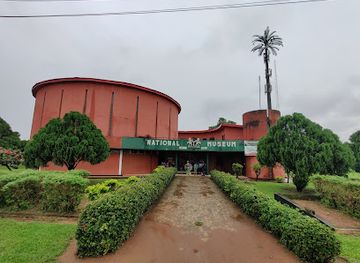
Benin City’s principal attractions illuminate the history of the former Benin Kingdom and the life of modern Edo State. The National Museum introduces visitors to royal traditions and the artistic achievements associated with Benin court culture, while Igun Street offers a closer look at the continuing brass-casting tradition through working artisan studios. The Oba’s Palace is the city’s most important royal institution, although access to interior spaces and photography can depend on protocol. Remnants of the Benin earthworks, scattered through the expanding urban fabric, suggest the scale of the historic capital’s defensive system. Oba Market and New Benin Market provide a more everyday experience, with food, fabrics and household goods moving through busy trading environments. For recreation, Ogba Zoological Garden and Nature Park offers green space and a family-oriented setting, while the city’s churches, mosques and cultural events reveal the religious and social diversity of contemporary Benin City.
-
Museum
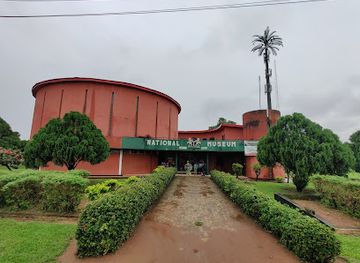
National Museum Benin City
Discover the treasures of the Benin Kingdom at the National Museum in Benin City, a cultural hub showcasing Africa's rich heritage.
8 min walk · 0.6 km from city centre
-
Tourist attraction
Ogba Zoo, Benin City.
Explore the captivating Ogba Zoo in Benin City, where wildlife meets conservation in a lush and vibrant setting, perfect for families and nature lovers.
21 min drive · 6.9 km from city centre
-
Cultural landmark
Oba Palace
Explore the majestic Oba Palace in Benin City, a cultural landmark rich in history and tradition, reflecting the royal heritage of Nigeria's Edo State.
11 min walk · 0.9 km from city centre
-
Park
Agbor Park
Discover the serene beauty of Agbor Park in Benin City, a perfect blend of nature, relaxation, and local culture. A must-visit for every tourist.
21 min drive · 6.9 km from city centre
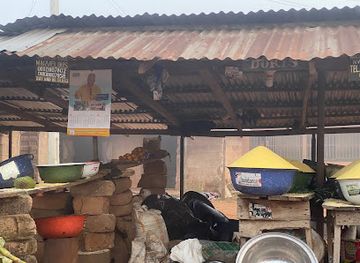
Best landmarks in Benin City
The Oba’s Palace is Benin City’s defining landmark, representing the continuing cultural authority of the Benin monarchy and the royal court whose institutions shaped the historic kingdom. The nearby National Museum occupies an important place in the city’s heritage landscape by preserving and interpreting objects connected with Benin history and court art. Igun Street is a living cultural landmark: its brass-casting guilds maintain a craft association traditionally linked to royal patronage. The extensive Benin earthworks, although fragmented by modern construction, remain a significant archaeological and historical feature and indicate the scale of the old capital. Ring Road, or King Square, functions as a modern civic reference point at the centre of the city, while the Benin Moat and associated remnants help connect contemporary streets with the protective landscape of the precolonial kingdom.
-
Movie theater
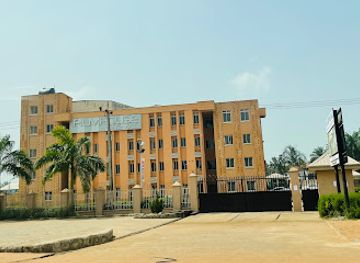
Filmhouse Cinemas Benin
Discover the magic of movies at Filmhouse Cinemas Benin – your ultimate destination for entertainment in Edo State.
25 min drive · 8.2 km from city centre
-
Movie theater
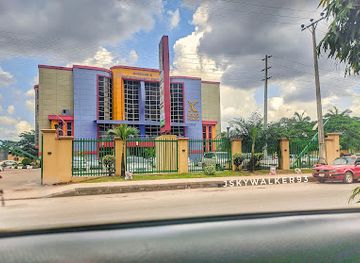
Kada Plaza Cinema & Entertainment Centre
Discover the ultimate entertainment experience at Kada Plaza Cinema & Entertainment Centre in Benin City, featuring movies, dining, and arcade fun.
7 min drive · 2.2 km from city centre
-
Domestic airport
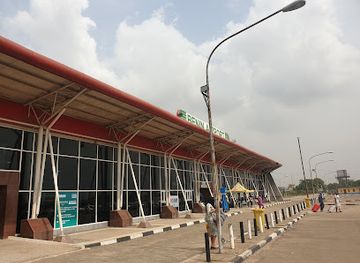
Benin City Airport
Discover the heart of Edo State through Benin City Airport, your key to exploring Nigeria's rich culture and heritage.
10 min drive · 3.3 km from city centre
-
Museum
National Museum Benin City
Explore the National Museum Benin City, where the rich history and cultural heritage of the Benin Kingdom come alive through fascinating artifacts and exhibits.
8 min walk · 0.6 km from city centre
Explore Benin City on the map
Plan your Benin City trip on one map. See where the top attractions, landmarks, restaurants, bars and hotels are, find what's near where you're staying, and book hotels and experiences in a few clicks.
Best hotels in Benin City
Best restaurants in Benin City
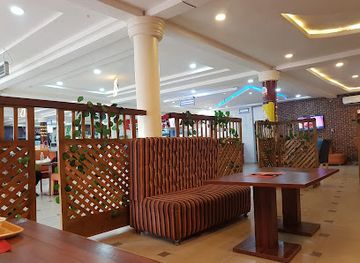
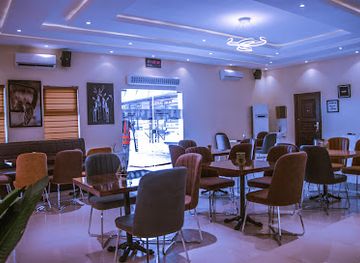
Benin City’s food culture is rooted in Edo cooking, with filling dishes built around yam, plantain, cassava, rice, leafy vegetables, fish and meat. Local specialities include black soup, a dark, aromatic dish made with leafy ingredients and regional seasoning, as well as pounded yam or starch served with rich soups and stews. Banga soup, prepared with palm fruit, is also found in the wider southern Nigerian culinary landscape, while pepper soup and grilled meats are common choices in informal eateries. Restaurants, bukas, cafés and roadside food sellers range from simple local meals to broader Nigerian menus, with busy commercial districts offering the greatest variety. Markets such as Oba Market and New Benin Market provide an impression of the ingredients and trading culture behind the city’s kitchens. Dining customs vary, but meals are often social and generously portioned.
-
Fast Food
GT food plus (New Q)
Experience the vibrant flavors of fast food at GT Food Plus in Benin City, where every meal is crafted for satisfaction.
17 min drive · 5.8 km from city centre
-
Restaurant
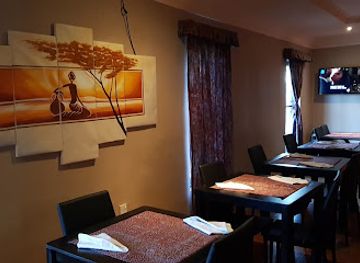
Barcode Station
Discover the flavors of Nigeria at Barcode Station - where local meets international cuisine in an inviting atmosphere.
14 min drive · 4.6 km from city centre
-
Family-friendly
Home & away Restaurant
Experience family-friendly dining at Home & Away Restaurant in Benin City – where authentic flavors meet warm hospitality.
7 min drive · 2.4 km from city centre
-
Chinese
Kateri's Bamboo House (Restaurant)
Discover Kateri's Bamboo House in Benin City for an unforgettable dining experience featuring Chinese, Asian fusion & Indian cuisines.
8 min drive · 2.8 km from city centre
Best bars in Benin City
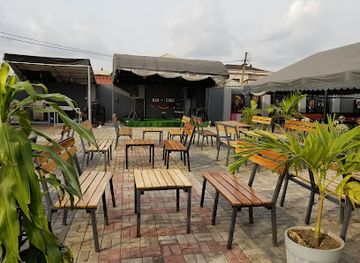
Benin City’s evening life is concentrated in restaurants, lounges, beer parlours, hotel bars and music venues rather than in a single dedicated club district. Airport Road, the Government Reservation Area and busy commercial corridors have many of the city’s more established evening options, although individual venues and operating patterns change. Afrobeats, Nigerian pop, highlife and contemporary Edo music commonly shape the soundscape, while football screenings and informal social gatherings are important parts of nightlife. Some hotels provide quieter spaces for visitors seeking a controlled setting, and local cultural events may offer music or dance beyond conventional bar entertainment. Visitors should use arranged transport at night, keep valuables discreet and confirm the current atmosphere and access arrangements through trusted local contacts rather than relying on outdated listings.
-
Bar
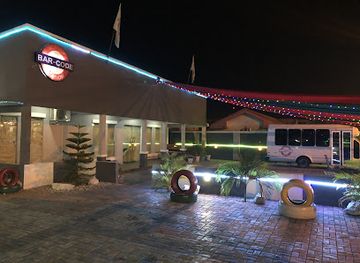
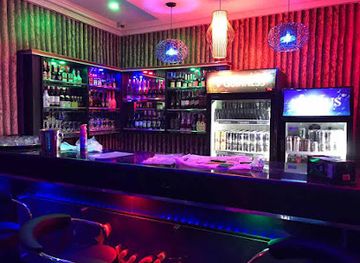
Barcode Station
Discover Barcode Station, a lively bar and lounge in Benin City, perfect for unwinding with drinks and local delicacies in a vibrant atmosphere.
14 min drive · 4.6 km from city centre
-
Grill
Luciano Bar And Lounge
Experience the vibrant flavors of Benin City at Luciano Bar And Lounge, where grill meets groove in a lively atmosphere.
20 min drive · 6.8 km from city centre
-
Bar
First Bar Bénin
Discover the lively nightlife and local flavors at First Bar Bénin, where every night is filled with music, dance, and delicious cuisine.
21 min drive · 6.8 km from city centre
-
Lounge
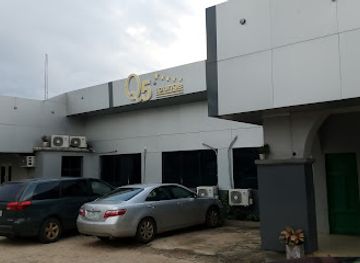
Q5 Lounge
Discover the vibrant ambiance and delightful cuisine at Q5 Lounge, Benin City’s premier destination for relaxation and entertainment.
7 min drive · 2.2 km from city centre
Best nightclubs in Benin City
Benin City’s evening life is concentrated in restaurants, lounges, beer parlours, hotel bars and music venues rather than in a single dedicated club district. Airport Road, the Government Reservation Area and busy commercial corridors have many of the city’s more established evening options, although individual venues and operating patterns change. Afrobeats, Nigerian pop, highlife and contemporary Edo music commonly shape the soundscape, while football screenings and informal social gatherings are important parts of nightlife. Some hotels provide quieter spaces for visitors seeking a controlled setting, and local cultural events may offer music or dance beyond conventional bar entertainment. Visitors should use arranged transport at night, keep valuables discreet and confirm the current atmosphere and access arrangements through trusted local contacts rather than relying on outdated listings.
-
Disco club
Club Zigi
Discover the vibrant nightlife of Benin City at Club Zigi, where music and culture create unforgettable memories in a lively disco atmosphere.
21 min drive · 6.8 km from city centre
-
Night club
Club truth
Discover the pulse of Benin City's nightlife at Club Truth, where music, dance, and unforgettable moments await every visitor.
18 min drive · 6.0 km from city centre
-
Night club
Empire Underground Nightlife
Discover the electrifying nightlife of Benin City at Empire Underground Nightlife, where great food, drinks, and music come together for an unforgettable experience.
21 min drive · 6.9 km from city centre
-
Night club
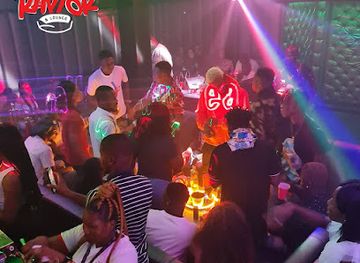
CLUB RAPTOR & LOUNGE
Discover the vibrant nightlife of Benin City at Club Raptor & Lounge, where unforgettable memories and electrifying music await you.
6 min drive · 2.1 km from city centre


Best shops in Benin City
Shopping in Benin City ranges from traditional open markets to specialist craft workshops and modern supermarkets. Oba Market and New Benin Market are important places to encounter foodstuffs, fabrics, household goods and the practical commerce of the city, though visitors should expect crowds, negotiation and changing stall arrangements. Igun Street is the principal destination for brass and bronze-style work produced by local artisans, including plaques, figures and decorative objects inspired by Benin’s court-art heritage. Buyers should distinguish contemporary craft from archaeological or historic material and use reputable, authorised sellers when purchasing art for export. Tailors and fabric retailers provide access to colourful Nigerian textiles and made-to-measure clothing, while smaller independent shops around central commercial roads sell gifts and everyday goods. Payment, packaging and export documentation should be clarified before completing a substantial purchase.
-
 Shopping mall
Comfort Plaza Benin City
Discover the vibrant shopping and dining experience at Comfort Plaza in Benin City, where local culture meets modern retail.
11 min drive · 3.5 km from city centre
-
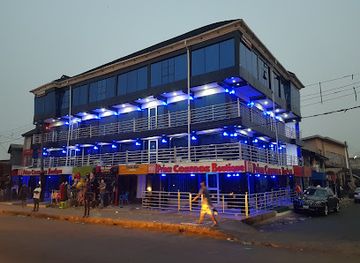
Boutique
Cosmos Boutique Africa
Explore the essence of African fashion at Cosmos Boutique Africa, where vibrant styles and local craftsmanship come together in Benin City.
4 min walk · 0.3 km from city centre
-
Shopping mall
1k Shop
Explore the 1k Shop in Benin City for an authentic shopping experience with affordable prices and a vibrant local atmosphere.
16 min drive · 5.5 km from city centre
-
Clothing store
ROOOM XIX Benin City
Explore unique fashion and vibrant styles at ROOOM XIX, the premier clothing store in Benin City, offering a delightful shopping experience.
21 min drive · 7.1 km from city centre

Get your free copy of our complete guide to Benin City, delivered straight to you.
Everything on this page, from attractions and restaurants to essentials and local phrases, in one PDF you can read offline, print or share.
Already have an account? Sign in
Your Benin City guide is ready.
We'll send it to · Not you? Sign out

Getting your guide ready…
We are putting together a fresh copy of the Benin City guide. This can take up to a minute.
This can take a few moments. If your browser asks, choose Allow so the download can start. You'll find the guide in your Downloads folder.
Nothing happened? Download it again
Sorry, the guide is taking longer than usual. Please try again in a minute, or get it by email instead.
Benin City essentials
Currency and Payment
Safety
Emergency Situations
Do's and Don'ts
Local Tips
From Eve
Local phrases worth knowing
You don't need to get them perfect. A few words go a long way, and locals appreciate the effort.
Basics
| English | Local | Say it |
|---|---|---|
| Hello | Ekaaro | [eh-kah-ah-roh] |
| Goodbye | Odabo | [oh-dah-boh] |
| Yes | Bẹẹni | [beh-eh-nee] |
| No | Bẹẹkọ | [beh-eh-koh] |
| Please/You're welcome | Ẹ dáà | [eh dah-ah] |
| Thank you | Ose | [oh-seh] |
| Excuse me/Sorry | E ma binu | [eh mah bee-noo] |
| How are you? | Bawo ni? | [bah-woh nee] |
| Fine. And you? | Daadaa. Ni nko? | [dah-dah. nee en-koh] |
| Do you speak English? | Ṣe o mọ èdè yi? | [sheh oh moh eh-deh yee] |
| I don't understand | Kò náa rẹ | [koh nah-ah reh] |
Eating & Drinking
| English | Local | Say it |
|---|---|---|
| I'd like to see the menu, please | Maa fẹran làfurẹ, jọwọ | [mah feh-rah la-foo-reh, joh-woh] |
| I don't eat meat | Maa kọ ẹran | [mah koh eh-rahn] |
| Cheers! | Gbọdọ | [gboh-doh] |
| I would like to pay, please | Maa fẹran sọ, jọwọ | [mah feh-rah soh, joh-woh] |
Emergencies
| English | Local | Say it |
|---|---|---|
| Help! | Ọrọ! | [oh-roh] |
| Go away! | Lọ sọ | [loh soh] |
| Call the Police! | Wọ ilẹẹsi | [woh ee-leh-eh-see] |
| Call a doctor! | Wọ dokita | [woh doh-kee-tah] |
| I'm lost | Mo jẹ lọ | [moh jeh loh] |
| I'm ill | Mo jẹ ọjọ | [moh jeh oh-jo] |
Shopping
| English | Local | Say it |
|---|---|---|
| I'd like to buy... | Maa fẹran ra... | [mah feh-rah rah] |
| I'm just looking | Maa n sọ | [mah en soh] |
| How much is it? | Ẹ pe lọ? | [eh peh loh] |
| That's too expensive | Yẹn lọsọ | [yehn loh-soh] |
| Can you lower the price? | Ṣe ọ le kọọ iwe rẹ? | [sheh oh leh koh-koh ee-weh reh] |
Time & Numbers
| English | Local | Say it |
|---|---|---|
| What time is it? | Kini ọkan? | [kee-nee oh-kahn] |
| It's one o'clock | Ọkan lẹhin | [oh-kahn leh-heen] |
| Half past (10) | Aabọ lẹhin (10) | [ah-boh leh-heen] |
| Morning | Ọsan | [oh-sahn] |
| Afternoon | Ọjọrọ | [oh-joh-roh] |
| Evening | Ọsẹ | [oh-seh] |
| Yesterday | Aibọ | [ah-ee-boh] |
| Today | Ọn | [ohn] |
| Tomorrow | Ọla | [oh-lah] |
| 1 | Okan | [oh-kahn] |
| 2 | Meji | [meh-jee] |
| 3 | Mẹta | [meh-tah] |
| 4 | Merin | [meh-reen] |
| 5 | Marun | [mah-roon] |
| 6 | Meefa | [meh-fah] |
| 7 | Meje | [meh-jeh] |
| 8 | Mejo | [meh-joh] |
| 9 | Meje | [meh-jeh] |
| 10 | Mẹwa | [meh-wah] |
Transport & Directions
| English | Local | Say it |
|---|---|---|
| Where's a/the...? | Nibo ni ...? | [nee-boh nee] |
| What's the address? | Kini adirẹsi? | [kee-nee ah-dee-reh-see] |
| Can you show me (on the map)? | Ṣe ọ le mu mi (ni iwe)? | [sheh oh leh moo mee nee ee-weh] |
| When's the next (bus)? | Nibo lẹhin ti o n jẹkọ? | [nee-boh leh-heen tee oh en jeh-koh] |
| A ticket (to ....) | Ọfẹ (si ....) | [oh-feh see] |
History of Benin City
Early Edo Kingdoms
The history of Benin City reaches back to the communities and rulers associated with the Edo-speaking region of southern Nigeria. Edo tradition preserves the memory of the Ogiso, or early kings, before the emergence of the Oba dynasty. Over time, authority became increasingly concentrated around the royal court, while farming, craft production and regional exchange supported an expanding settlement. The city was not simply a residential capital: it developed as a ceremonial, administrative and productive centre whose organisation reflected the power of the monarchy. Although early dates are difficult to establish with precision, archaeological and oral evidence confirms a long history of urban settlement and political development before European intervention.
The Oba Dynasty and Imperial Benin
The Oba dynasty transformed Benin into a centralised kingdom with influence extending across much of the forest zone of present-day Edo State and beyond. Royal institutions regulated court life, tribute, diplomacy and specialist guilds, including the hereditary associations of brass casters, woodworkers, ivory carvers and other artists. Benin City became known for its palace complex, ceremonial avenues and defensive earthworks, while Portuguese contact from the late fifteenth century brought the kingdom into wider Atlantic networks. European accounts often viewed Benin through limited outside perspectives, but the kingdom maintained its own political systems and artistic conventions. The court’s metal plaques, commemorative heads and other works recorded royal authority, history and ritual.
City Walls and Royal Culture
The historic city was protected and structured by extensive earthworks, commonly described as the Benin City walls or Iya, consisting of banks and ditches that marked defensive and territorial boundaries. Their scale reflected the resources of the kingdom and the importance of the capital, although much of the system has been altered or absorbed by modern development. Within the city, palace ceremonies, guild activity and religious practices connected political power with artistic production. Igun Street remains associated with the brass-casting guilds that served the royal court, preserving a link with a specialised tradition that made Benin art internationally recognised. The historic urban form therefore joined defence, administration, craft and ritual.
The 1897 British Expedition
Relations between Benin and Britain deteriorated during the late nineteenth century as British imperial expansion pressed into the region. In 1897, a British punitive expedition attacked Benin City after the deaths of members of a British mission. British forces captured and burned the city, destroyed or occupied parts of the palace and removed large quantities of royal artworks, now widely known as the Benin Bronzes. The invasion ended the kingdom’s political independence and placed its territory within the expanding colonial order. The episode remains central to debates about cultural property, restitution and the legacy of colonial violence, while the surviving palace traditions and court art continue to shape Benin City’s identity.
Colonial Rule and Nigerian Independence
After the 1897 conquest, Benin was incorporated into British colonial administration, and the city developed within new systems of taxation, transport, education and government. Colonial rule altered the authority of the Oba, though the institution retained important cultural and local significance. The settlement later became part of independent Nigeria in 1960 and continued to grow as a regional administrative and commercial centre. Modern roads and expanded neighbourhoods reshaped the historic landscape, while population growth connected the old royal centre with newer districts. The creation of Edo State in 1991 established Benin City as its capital, reinforcing its role as the principal political and cultural centre of the Edo region.
Contemporary Edo Identity
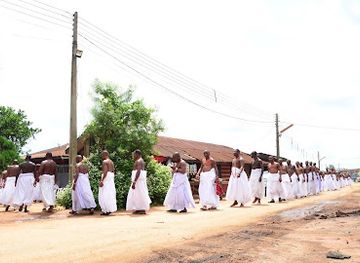
In the contemporary city, Benin history is expressed through the palace institution, festivals, craft guilds, museums, family traditions and public discussions about the return of looted artworks. The Benin Royal Palace remains an important focus of cultural authority, while the National Museum and Igun Street help communicate different aspects of the kingdom’s artistic legacy. Modern Benin City is also a large Nigerian urban centre with universities, businesses, churches, mosques, markets and expanding residential districts. Its identity is therefore neither confined to a preserved historic quarter nor separated from the past: royal heritage, colonial memory and present-day Edo life coexist within a rapidly changing city.
Benin City in Photos
Browse through our photo collection highlighting the charm and character of the destination.
Cities near Benin City
The closest cities to Benin City, if you have time for more than one stop.
-

-

-

-

-


Swipe for more cities