

Free Burnt Pine Travel Guide & Mobile App
Plan your Burnt Pine trip with Evendo. Get free guides to top attractions, restaurants, hotels, and bars. Web access or download the mobile app.


Burnt Pine offers Norfolk Island history, island walks, local food and Pacific culture, with Kingston heritage and National Park landscapes close at hand.
A Compact Pacific Settlement
Burnt Pine is the commercial and everyday centre of Norfolk Island, a small South Pacific territory positioned between Australia, New Zealand and New Caledonia. Its streets bring together supermarkets, cafés, galleries, service businesses and island accommodation, while Norfolk Island pines rise throughout the surrounding countryside. The settlement is less a conventional town than a practical base from which to explore an island of rugged coastlines, rolling farmland and layered colonial history.Read more about Burnt Pine
History, Culture and Landscape
Exploring from Burnt Pine
When is the best time to visit Burnt Pine?
Best: April–May, December · 23–25°C| Month | High (°C) | Rainfall (mm) |
|---|---|---|
| January | 27 | 90 |
| February | 27 | 90 |
| March | 26 | 80 |
| April (best) | 25 | 70 |
| May (best) | 23 | 60 |
| June | 20 | 50 |
| July | 19 | 50 |
| August | 19 | 50 |
| September | 20 | 50 |
| October | 21 | 60 |
| November | 23 | 70 |
| December (best) | 25 | 80 |
Getting to and around Burnt Pine
How to get there
Transportation
Best attractions in Burnt Pine
Burnt Pine’s central shops and cafés provide an introduction to everyday Norfolk Island, but the principal attractions lie across the surrounding island. The Kingston and Arthur’s Vale Historic Area brings together convict-era buildings, the remains of the settlement, the Norfolk Island Museum and the evocative cemetery landscape beside Emily Bay. At the island’s centre, the Norfolk Island National Park offers forest trails, birdlife and viewpoints towards Phillip and Nepean islands. The Bounty Museum explores the island’s links with the mutiny on HMS Bounty and Pitcairn, while the Norfolk Island Cemetery and St Barnabas Chapel reveal later layers of community history. Visitors can also explore the Norfolk Island Botanic Garden, local galleries and the colourful Norfolk Island Glass floor Cyclorama, whose circular painting interprets the Bounty story. The attractions are modest in scale but unusually varied, moving from penal history and migration to ecology, art and living island culture.
-
Club
Norfolk Island RSL Memorial Club
Discover camaraderie and culture at the Norfolk Island RSL Memorial Club, a vibrant hub for dining, entertainment, and community spirit.
13 min walk · 1.0 km from city centre
-
Bottle Shop and Liquor Store
Norfolk Island Liquor Bond Store
Explore the unique flavors of Norfolk Island at the Liquor Bond Store, where local spirits and international delights await every traveler.
5 min walk · 0.4 km from city centre
-
Tourist attraction
Bloody Bridge
Explore the historic Bloody Bridge in Kingston, Norfolk Island - a captivating landmark rich in tales and surrounded by breathtaking scenery.
11 min drive · 3.6 km from city centre
-
Tourist attraction
Kingston UNESCO World Heritage Site
Discover the rich history and stunning beauty of Kingston, a UNESCO World Heritage Site on Norfolk Island, where nature and culture unite.
10 min drive · 3.3 km from city centre



Best landmarks in Burnt Pine
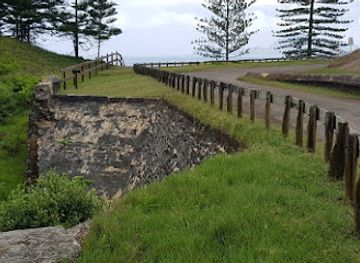
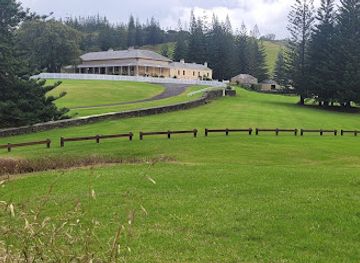
Norfolk Island’s most important landmarks are concentrated in the Kingston and Arthur’s Vale Historic Area, where the former Commissariat Store, convict barracks, colonial administrative buildings and the old gaol precinct express the island’s penal history. Kingston Pier, set beside Emily Bay, recalls the settlement’s maritime dependence, while the cemetery records convicts, administrators, Pitcairn families and later island residents in a dense landscape of memorials. St Barnabas Chapel, associated with the Melanesian Mission, brings a different religious and architectural chapter to the island’s story. In Burnt Pine and beyond, the Norfolk Island pine is a defining natural and cultural emblem, rising above roads, farms and historic views. The old military remains and government buildings around Kingston are significant not simply as ruins, but as evidence of the administrative, agricultural and social systems that shaped the island.
-
Restaurant
The Olive
Experience the flavors of Norfolk Island at The Olive, where fresh ingredients meet warm hospitality in a charming setting.
11 min walk · 0.8 km from city centre
-
Restaurant
The Bowlo Bistro
Experience the culinary delights of Norfolk Island at The Bowlo Bistro, where fresh local ingredients meet a cozy atmosphere for an unforgettable dining experience.
8 min walk · 0.6 km from city centre
-
Western
Bounty Bar & Grill
Experience the best of Western cuisine at Bounty Bar & Grill on Norfolk Island, where local flavors meet warm hospitality.
2 min walk · 0.1 km from city centre
-
National park
Norfolk Island National Park
Discover the breathtaking landscapes and rich history of Norfolk Island National Park, a natural oasis for tourists and nature enthusiasts alike.
5 min drive · 1.8 km from city centre
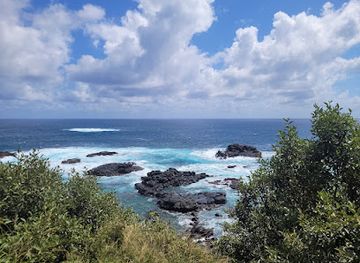
Explore Burnt Pine on the map
Plan your Burnt Pine trip on one map. See where the top attractions, landmarks, restaurants, bars and hotels are, find what's near where you're staying, and book hotels and experiences in a few clicks.
Best hotels in Burnt Pine
Best restaurants in Burnt Pine
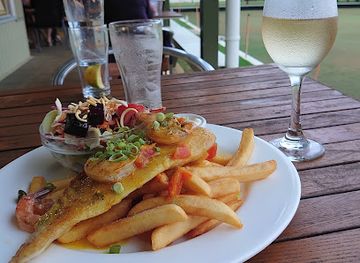
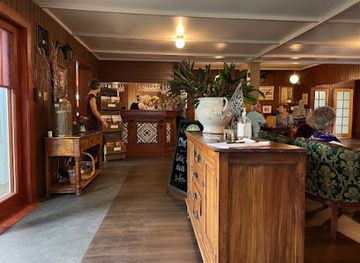
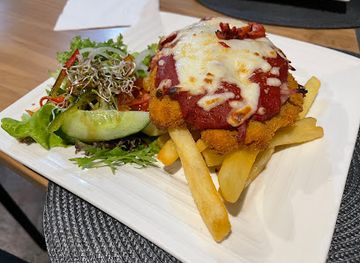
Dining around Burnt Pine reflects Norfolk Island’s distance from mainland supply chains and its mixture of Australian, Pacific and Pitcairn-descended influences. Cafés, bakeries, licensed restaurants and casual eateries form the main food scene, with menus often shaped by seasonal produce, seafood and locally grown ingredients. Traditional island cooking and family recipes provide an important cultural dimension, while Norfolk Island’s agricultural character can be tasted in produce sold through local outlets and community markets. Food-focused events and organised tastings may offer further insight into island flavours and the legacy of the Pitcairn community. Kingston and other scattered areas also have places to eat, but dining is distributed rather than concentrated in a single restaurant quarter. Booking ahead can be sensible for popular evening services, especially when visitor numbers rise, although availability and opening patterns are subject to island logistics.
-
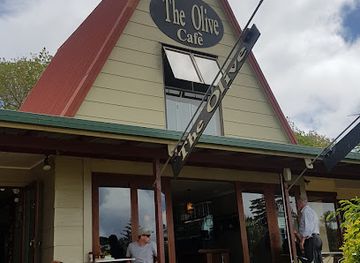
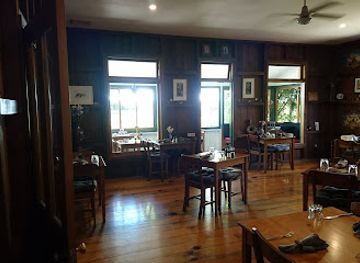
Restaurant
The Olive
Experience the flavors of Norfolk Island at The Olive – where fresh ingredients meet exceptional culinary artistry.
11 min walk · 0.8 km from city centre
-
Restaurant
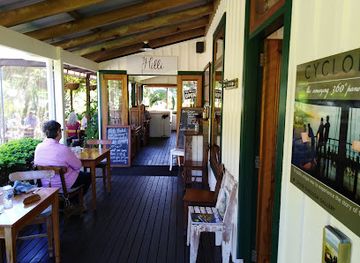
Hilli Restaurant & Cafe
Experience exquisite local cuisine with stunning views at Hilli Restaurant & Cafe on beautiful Norfolk Island.
5 min drive · 1.5 km from city centre
-
Restaurant
The Bowlo Bistro
Discover the flavors of Norfolk Island at The Bowlo Bistro – where local ingredients meet culinary creativity in a cozy atmosphere.
8 min walk · 0.6 km from city centre
-
Western
Bounty Bar & Grill
Experience exquisite Western cuisine at Bounty Bar & Grill on Norfolk Island - where every meal is a celebration of local flavors.
2 min walk · 0.1 km from city centre

Best bars in Burnt Pine
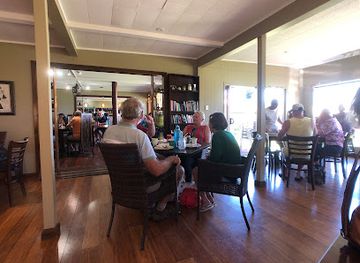
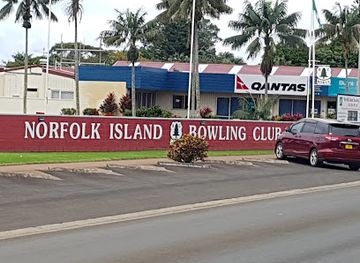
Nightlife in Burnt Pine is relaxed and community-oriented rather than club-focused. Licensed restaurants, hotel bars and local clubs provide places for an evening drink, conversation and occasional live entertainment, while organised cultural performances and heritage presentations offer alternatives to a late night out. The Bowling Club and other community venues can be part of the island’s social life, although schedules vary and the choice is small compared with a mainland city. Some evenings centre on music, dancing or traditional island entertainment, reflecting Norfolk Island’s close-knit culture and Pitcairn heritage. Outside Burnt Pine, the dark skies and quiet roads create an atmospheric setting for rural evenings, but visitors should not expect continuous late-night transport or a dense strip of bars. Checking local listings through accommodation providers is useful because events and venue arrangements can change.
-
Restaurant
The Olive
Experience the taste of Norfolk Island at The Olive, where fresh ingredients and a friendly atmosphere meet to create unforgettable dining moments.
11 min walk · 0.8 km from city centre
-
Restaurant
The Bowlo Bistro
Experience the taste of Norfolk Island at The Bowlo Bistro, where local flavors meet a vibrant culinary atmosphere.
8 min walk · 0.6 km from city centre
-
Western
Bounty Bar & Grill
Experience the vibrant flavors of Western cuisine at Bounty Bar & Grill, Norfolk Island's culinary treasure, where every meal is a celebration of local ingredients.
2 min walk · 0.1 km from city centre
-
 Resort hotel
Castaway Norfolk Island & Norfolk Island Brewing
Experience the perfect blend of relaxation and local craft beers at Castaway Norfolk Island & Norfolk Island Brewing.
12 min walk · 0.9 km from city centre
Best nightclubs in Burnt Pine
Nightlife in Burnt Pine is relaxed and community-oriented rather than club-focused. Licensed restaurants, hotel bars and local clubs provide places for an evening drink, conversation and occasional live entertainment, while organised cultural performances and heritage presentations offer alternatives to a late night out. The Bowling Club and other community venues can be part of the island’s social life, although schedules vary and the choice is small compared with a mainland city. Some evenings centre on music, dancing or traditional island entertainment, reflecting Norfolk Island’s close-knit culture and Pitcairn heritage. Outside Burnt Pine, the dark skies and quiet roads create an atmospheric setting for rural evenings, but visitors should not expect continuous late-night transport or a dense strip of bars. Checking local listings through accommodation providers is useful because events and venue arrangements can change.
-
Restaurant
The Bowlo Bistro
Experience Norfolk Island's culinary charm at The Bowlo Bistro, where local flavors meet friendly service in a cozy atmosphere.
8 min walk · 0.6 km from city centre
-
Club
Norfolk Island RSL Memorial Club
Discover the lively Norfolk Island RSL Memorial Club, where local culture, entertainment, and camaraderie come together for an unforgettable experience.
13 min walk · 1.0 km from city centre
-
Brewpub
Norfolk Island Brewing
Experience the local craft beer culture at Norfolk Island Brewing, where stunning views meet delicious wood-fired pizzas and handcrafted ales.
11 min walk · 0.9 km from city centre
-
Club
Norfolk Island Leagues Club
Discover the lively atmosphere of Norfolk Island Leagues Club, a hub of entertainment and local culture with sports, drinks, and vibrant events.
2 min walk · 0.2 km from city centre

Best shops in Burnt Pine
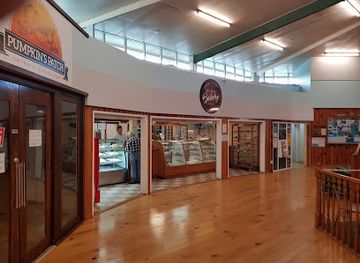
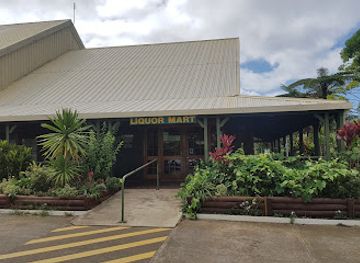
Shopping in Burnt Pine is practical, small-scale and closely connected with island life. The settlement contains the greatest concentration of general stores, galleries, craft outlets and specialist services, while Kingston and other areas offer additional local products and heritage-related souvenirs. Visitors may find Norfolk Island pine-themed crafts, locally made artworks, textiles, preserves, foods and gifts reflecting the island’s landscape and Pitcairn-descended culture. Community markets and farm-oriented outlets can provide seasonal produce and handmade goods when operating, but stock and schedules are influenced by shipping and local production. Rather than a conventional shopping district, Burnt Pine offers a loose collection of independent businesses where retail, tourism and everyday island services overlap. Souvenirs connected with the Bounty story, historic sites and Norfolk Island’s distinctive flora are especially characteristic, while purchases should be made with care around biosecurity restrictions affecting food, plants and other materials.
-
Supermarket
Foodland Supermarket
Discover local delicacies and fresh produce at Foodland Supermarket, the heart of culinary shopping on Norfolk Island.
7 min walk · 0.6 km from city centre
-
Bottle Shop and Liquor Store
Norfolk Island Liquor Bond Store
Explore the Norfolk Island Liquor Bond Store for an exceptional selection of local and international spirits in a charming, welcoming atmosphere.
5 min walk · 0.4 km from city centre
-
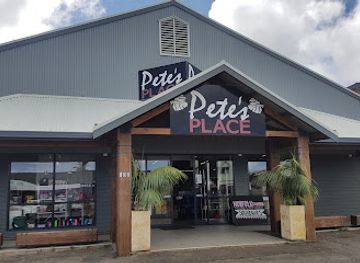
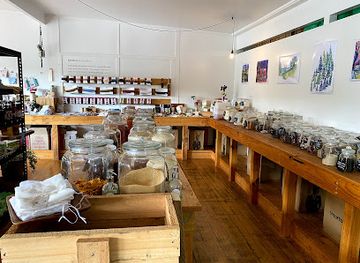
General store
Pete's Place
Experience the charm of Pete's Place, a timeless general store in Norfolk Island where local treasures and warm hospitality await.
12 min walk · 1.0 km from city centre
-
Coffee store
Prinke Eco Store
Discover the charm of Prinke Eco Store in Norfolk Island, where sustainability meets delightful local coffee and fresh produce.
4 min walk · 0.3 km from city centre
Get your free copy of our complete guide to Burnt Pine, delivered straight to you.
Everything on this page, from attractions and restaurants to essentials and local phrases, in one PDF you can read offline, print or share.
Already have an account? Sign in
Your Burnt Pine guide is ready.
We'll send it to · Not you? Sign out

Getting your guide ready…
We are putting together a fresh copy of the Burnt Pine guide. This can take up to a minute.
This can take a few moments. If your browser asks, choose Allow so the download can start. You'll find the guide in your Downloads folder.
Nothing happened? Download it again
Sorry, the guide is taking longer than usual. Please try again in a minute, or get it by email instead.
Burnt Pine essentials
Currency and Payment
Safety
Emergency Situations
Do's and Don'ts
Local Tips
From Eve
Local phrases worth knowing
You don't need to get them perfect. A few words go a long way, and locals appreciate the effort.
Basics
| English | Local | Say it |
|---|---|---|
| Hello | Wataweh | [Wa-ta-weh] |
| Goodbye | Gudbai | [Gud-bai] |
| Yes | Ya | [Ya] |
| No | Nao | [Nao] |
| Please/You're welcome | Plis | [Plis] |
| Thank you | Fankyu | [Fan-kyu] |
| Excuse me/Sorry | Sari | [Sa-ri] |
| How are you? | Haw yu duwin? | [Haw yu du-win] |
| Fine. And you? | Fain. En yu? | [Fain. En yu] |
| Do you speak English? | Du yu spiik Inglish? | [Du yu spiik Ing-lish] |
| I don't understand | Ai dong gudastan | [Ai dong gu-da-stan] |
Eating & Drinking
| English | Local | Say it |
|---|---|---|
| I'd like to see the menu, please | Ai laik tu si di myunu, plis | [Ai laik tu si di myu-nu, plis] |
| I don't eat meat | Ai dong iit miit | [Ai dong iit miit] |
| Cheers! | Chiaz! | [Chiaz] |
| I would like to pay, please | Ai wud laik tu pei, plis | [Ai wud laik tu pei, plis] |
Emergencies
| English | Local | Say it |
|---|---|---|
| Help! | Elp! | [Elp] |
| Go away! | Go aweh! | [Go a-weh] |
| Call the Police! | Kol di Polis! | [Kol di Polis] |
| Call a doctor! | Kol a dokta! | [Kol a dok-ta] |
| I'm lost | Ai'm los | [Ai-m los] |
| I'm ill | Ai'm il | [Ai-m il] |
Shopping
| English | Local | Say it |
|---|---|---|
| I'd like to buy... | Ai laik tu bai... | [Ai laik tu bai] |
| I'm just looking | Ai'm jas lukin | [Ai-m jas lu-kin] |
| How much is it? | Ha moch iz it? | [Ha moch iz it] |
| That's too expensive | Dats tu ekspenziv | [Dats tu ek-spen-ziv] |
| Can you lower the price? | Kan yu lowa di prais? | [Kan yu low-a di prais] |
Time & Numbers
| English | Local | Say it |
|---|---|---|
| What time is it? | Wat taim iz it? | [Wat taim iz it] |
| It's one o'clock | Itz wan aklak | [Itz wan a-k-lak] |
| Half past (10) | Haf past (10) | [Haf past (10)] |
| Morning | Mawnin | [Maw-nin] |
| Afternoon | Aftanun | [Af-ta-nun] |
| Evening | Ivinin | [Iv-i-nin] |
| Yesterday | Yestadei | [Yes-ta-dei] |
| Today | Tudei | [Tu-dei] |
| Tomorrow | Tamara | [Ta-ma-ra] |
| 1 | Wan | [Wan] |
| 2 | Tu | [Tu] |
| 3 | Tri | [Tri] |
| 4 | Fo | [Fo] |
| 5 | Faiv | [Fai-v] |
| 6 | Siks | [Siks] |
| 7 | Seven | [Sev-en] |
| 8 | Eit | [Eit] |
| 9 | Nain | [Nain] |
| 10 | Ten | [Ten] |
Transport & Directions
| English | Local | Say it |
|---|---|---|
| Where's a/the...? | Wea iz a/di...? | [Wea iz a/di] |
| What's the address? | Watz di adres? | [Wat-z di a-dres] |
| Can you show me (on the map)? | Kan yu shu mi (on di map)? | [Kan yu shu mi (on di map)] |
| When's the next (bus)? | Wenz di neks (bas)? | [Wenz di neks (bas)] |
| A ticket (to ....) | A tiket (tu ....) | [A tik-et (tu ....)] |
History of Burnt Pine
Polynesian Settlement Before Europe
Norfolk Island was settled by Polynesian voyagers centuries before European arrival, with archaeological evidence indicating communities connected to the wider Polynesian world. They cultivated food, used the island’s timber and coastal resources, and established links with neighbouring islands, although the settlement was later abandoned. Norfolk Island’s European name entered the record after James Cook sighted and charted it in 1774 during his second Pacific voyage. The island’s pre-European history remains an important part of its identity, even though the most visible historic buildings today belong to the later colonial period.
The First Penal Settlement
Britain established its first settlement on Norfolk Island in 1788, soon after the founding of New South Wales, to secure the island’s resources and create another penal site. Convicts, marines and free settlers developed farming and milling, but distance from the mainland, difficult communications and shortages made the settlement challenging to sustain. The initial settlement was abandoned in 1814. Its remains, particularly around Kingston and Arthur’s Vale, form part of the island’s historic landscape and help explain why Norfolk Island became associated with both strategic colonisation and penal administration.
The Second Convict Era
A second penal settlement operated from 1825 until 1855, when Norfolk Island was used for convicts considered especially difficult to control. Administration under commanders including Captain Joseph Childs and John Price became associated with harsh discipline, overcrowding and resistance, while the settlement also produced substantial roads, buildings and agricultural infrastructure. Structures such as the Commissariat Store and remnants of the Kingston complex date from this broader colonial period. The settlement closed shortly before a new community arrived, leaving a concentrated group of ruins and civic buildings that now define Kingston’s historic character.
The Pitcairn Community Arrives
In 1856, the entire population of Pitcairn Island, descendants of the Bounty mutineers and Polynesian women, moved to Norfolk Island because Pitcairn could no longer support the growing community. Their arrival marked a decisive change in the island’s social history. Families brought their own language, religious traditions, maritime culture and oral histories, many of which remain part of Norfolk Island life. Some residents later returned to Pitcairn, but the community that stayed became the foundation of the island’s distinctive present-day cultural identity.
Administration and Modern Island Life
Norfolk Island was transferred to the Australian Commonwealth in 1914, after periods of administration connected with New South Wales and Tasmania. Aviation, tourism and improved communications gradually altered the island’s economy, while its historic sites gained greater recognition as places of national and international significance. An elected administration operated under self-government from 1979 until reforms took effect in 2016, when the island’s governmental arrangements were integrated more closely with Australia’s. Burnt Pine developed as the principal service and commercial centre as communities, visitors and public services became concentrated away from the older Kingston precinct.
Burnt Pine in Photos
Browse through our photo collection highlighting the charm and character of the destination.
Cities near Burnt Pine
The closest cities to Burnt Pine, if you have time for more than one stop.
-
-

-


Swipe for more cities

