

Downtown Raleigh (Raleigh) Travel Guide - Free
Explore Downtown Raleigh in Raleigh with Evendo's free guide. Find the best shops, historic streets, restaurants, and gems on web or mobile.


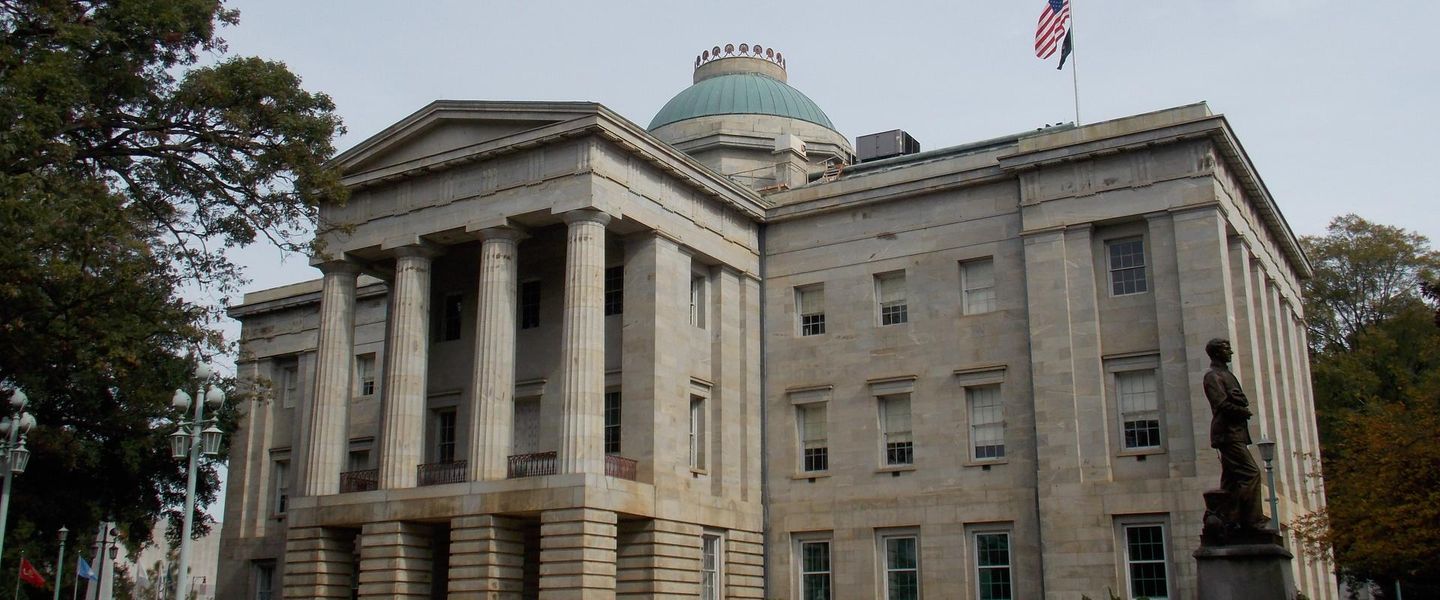


Downtown Raleigh blends North Carolina history, museums, live performance, City Market dining, craft beer and walkable urban culture in the state capital.
A Planned Capital with Several Urban Faces
Downtown Raleigh occupies the historic core of North Carolina's capital, where the original grid of broad streets now connects government buildings, museums, theatres, restaurants and renovated commercial districts. The area is commonly understood through several overlapping quarters: the Capitol District around Union Square, Fayetteville Street, Moore Square, the Warehouse District south of the railway tracks, and Glenwood South to the west. Each has a different rhythm, from the formal lawns and colonnades near the State Capitol to the galleries, restaurants and converted industrial spaces of the Warehouse District.Read more about Downtown Raleigh
Museums, Performance and Public Life
Neighbourhoods within the Centre
Best attractions in Downtown Raleigh
Downtown Raleigh's attractions are concentrated enough to form a rewarding walking circuit. The North Carolina Museum of Natural Sciences combines extensive natural-history displays with science-focused exhibitions, while the neighbouring North Carolina Museum of History interprets the state's cultural and political past. The North Carolina State Capitol offers a close look at the civic heart of the city, and the Legislative Building represents a later phase of state government architecture nearby. South of the government quarter, Fayetteville Street leads towards the Martin Marietta Center for the Performing Arts and the Raleigh Convention Center, while Moore Square provides a landscaped urban pause. The Warehouse District adds galleries, public art, restaurants and converted industrial spaces, and City Market contributes historic commercial streets and evening activity. Visitors should check current access arrangements for museums, public buildings and event venues before relying on a particular programme.
-
Children's museum
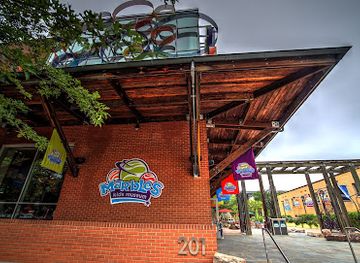
Marbles Kids Museum
Explore creativity and knowledge at Marbles Kids Museum, a top children's museum featuring interactive exhibits and an IMAX theater in Raleigh, NC.
3 min walk · 0.2 km from neighbourhood centre
-
Museum
City of Raleigh Museum
Discover Raleigh's captivating history and culture at the City of Raleigh Museum, showcasing the city's rich heritage through engaging exhibits and artifacts.
3 min walk · 0.2 km from neighbourhood centre
-
Museum
Pope House Museum
Uncover the legacy of African American history at the Pope House Museum in Raleigh, a vital cultural landmark showcasing the life of Dr. Manassa Thomas Pope.
8 min walk · 0.7 km from neighbourhood centre
-
Tourist attraction
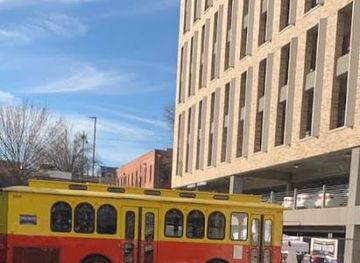
The Trolley Lot
Experience the vibrant atmosphere of The Trolley Lot, a unique tourist attraction in downtown Raleigh with colorful trolleys and community events.
8 min walk · 0.6 km from neighbourhood centre
Best landmarks in Downtown Raleigh
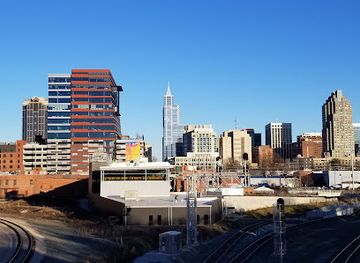
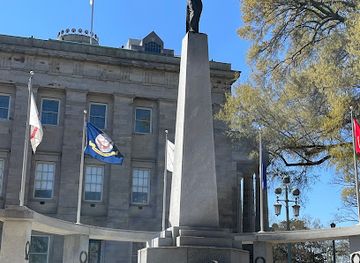
The North Carolina State Capitol is Downtown Raleigh's defining landmark, with its 1840 Greek Revival building and central position at Union Square linking present-day government to the planned capital established in the eighteenth century. Nearby, the North Carolina Legislative Building represents the modern expansion of state administration, while the North Carolina Museum of Natural Sciences and North Carolina Museum of History form a substantial institutional cluster on the northern side of the core. Fayetteville Street functions as both a historic commercial corridor and a civic public space, with the Martin Marietta Center for the Performing Arts marking its southern cultural end. Moore Square, City Market's older commercial fabric and the exposed brick warehouses of the Warehouse District provide contrasting reminders of downtown's market, transport and redevelopment histories. The railway corridor remains an important physical divider between the central core and southern downtown.
-
Historical landmark
Boylan Bridge
Explore Boylan Bridge, a historical landmark in Raleigh, NC, offering stunning views, rich heritage, and a perfect spot for relaxation and photography.
13 min walk · 1.1 km from neighbourhood centre
-
Historical landmark
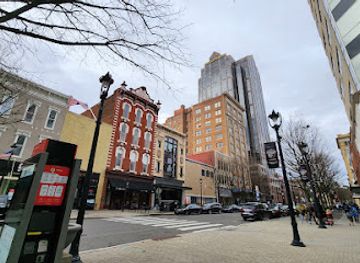
Downtown Raleigh
Discover Downtown Raleigh, a vibrant destination brimming with history, culture, and culinary delights in the heart of North Carolina.
4 min walk · 0.4 km from neighbourhood centre
-
Museum
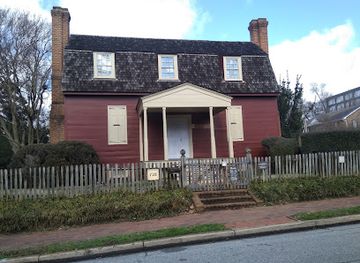
Joel Lane Museum House
Explore the Joel Lane Museum House, a historical treasure in Raleigh, NC, offering a glimpse into 18th-century life and culture.
14 min walk · 1.1 km from neighbourhood centre
-
Historical place
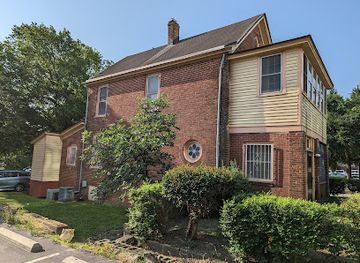
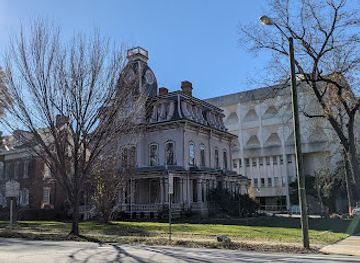
Heck-Andrews House
Explore the historical beauty of Heck-Andrews House in Raleigh, a Victorian treasure that captivates with its architecture and rich past.
7 min walk · 0.5 km from neighbourhood centre
Explore Downtown Raleigh on the map
A handpicked selection of must-see spots in Downtown Raleigh, mapped for you.
Best hotels in Downtown Raleigh
Best restaurants in Downtown Raleigh
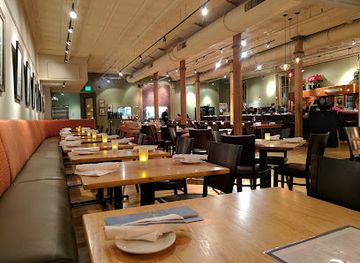
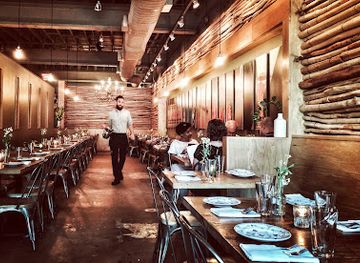
Downtown Raleigh has one of the city's broadest concentrations of independent and chef-led dining, spread across Fayetteville Street, the Warehouse District, City Market and nearby Glenwood South. Poole's Diner is associated with contemporary Southern cooking in a historic downtown setting, while Beasley's Chicken + Honey presents a modern interpretation of familiar regional comfort food. Bida Manda and Brewery Bhavana reflect Raleigh's interest in Southeast Asian flavours, craft brewing and social dining, and Sitti, Centro and Death & Taxes add further Mediterranean, Mexican and contemporary American influences. Cafés, bakeries, food counters and the broader selection at Transfer Co. Food Hall extend the range beyond formal restaurants. The scene is shaped less by one signature dish than by a willingness to combine North Carolina ingredients and traditions with international techniques. Reservations and current opening arrangements vary, particularly around performances and major downtown events.
-
Lebanese
Sitti
Experience exquisite Lebanese cuisine at Sitti in Downtown Raleigh, where every dish tells a story of tradition and flavor.
2 min walk · 0.1 km from neighbourhood centre
-
Laotian
Bida Manda
Experience authentic Laotian cuisine at Bida Manda in Raleigh - where vibrant flavors meet warm hospitality.
4 min walk · 0.3 km from neighbourhood centre
-
American
The Big Easy NC
Discover the essence of Cajun culture at The Big Easy NC - where delicious food meets vibrant nightlife in downtown Raleigh.
3 min walk · 0.3 km from neighbourhood centre
-
American
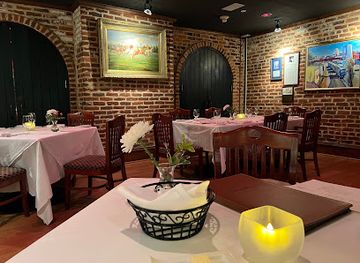
Second Empire Restaurant and Tavern
Experience exquisite American cuisine at Second Empire Restaurant & Tavern in Raleigh - where fine dining meets warm hospitality.
8 min walk · 0.6 km from neighbourhood centre

Best bars in Downtown Raleigh
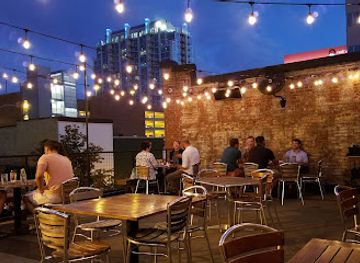
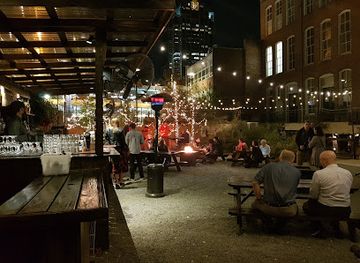
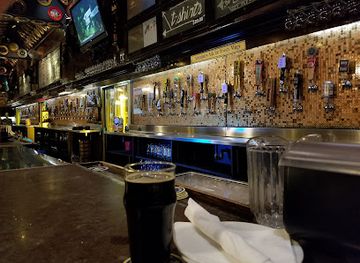
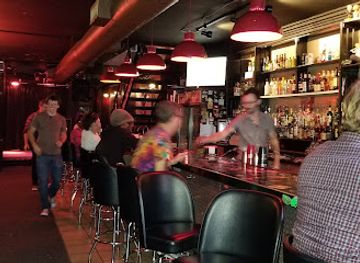
Evening life differs sharply between Downtown Raleigh's several quarters. Glenwood South is the most concentrated nightlife area, with bars, music-oriented venues and late-evening crowds along Glenwood Avenue, while the Warehouse District offers a more mixed programme of restaurants, breweries, cocktail bars and event spaces. Around Fayetteville Street and Moore Square, nightlife tends to follow theatre performances, festivals, conventions and sporting occasions rather than operating as one continuous strip. Long-established names such as Raleigh Times, Foundation, Watts & Ward and C. Grace are associated with different aspects of the downtown bar scene, from rooftop or street-facing drinking spaces to basement-style cocktails and live entertainment. Visitors should expect noise, queues and changing door policies in the busiest areas, and should distinguish the more polished evening venues from the quieter residential streets adjoining downtown.
-
Bar
The Raleigh Times
Discover the lively charm of The Raleigh Times, a historic bar and grill in downtown Raleigh, where local flavors and vibrant atmosphere await.
2 min walk · 0.2 km from neighbourhood centre
-
Bar
Watts & Ward
Experience the vibrant nightlife at Watts & Ward, Raleigh's premier bar and cocktail destination, perfect for casual and upscale evenings alike.
3 min walk · 0.2 km from neighbourhood centre
-
Bar
The Ugly Monkey Party Bar
Discover the lively nightlife at The Ugly Monkey Party Bar in downtown Raleigh, where great drinks and unforgettable experiences await.
8 min walk · 0.7 km from neighbourhood centre
-
Bar
Slims Raleigh Downtown
Discover the vibrant atmosphere of Slim's Raleigh Downtown, a premier bar and grill in the heart of Raleigh offering delicious food and drinks.
3 min walk · 0.2 km from neighbourhood centre
Best nightclubs in Downtown Raleigh
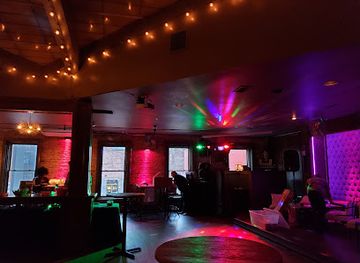
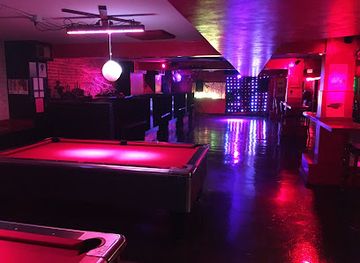
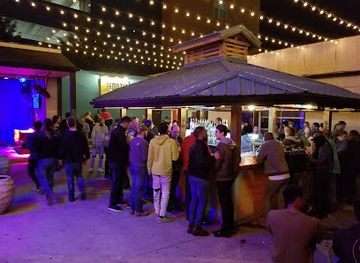
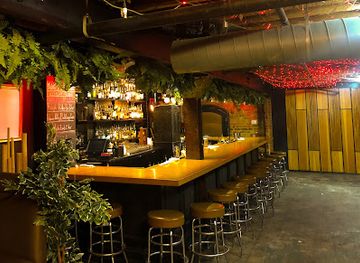
Evening life differs sharply between Downtown Raleigh's several quarters. Glenwood South is the most concentrated nightlife area, with bars, music-oriented venues and late-evening crowds along Glenwood Avenue, while the Warehouse District offers a more mixed programme of restaurants, breweries, cocktail bars and event spaces. Around Fayetteville Street and Moore Square, nightlife tends to follow theatre performances, festivals, conventions and sporting occasions rather than operating as one continuous strip. Long-established names such as Raleigh Times, Foundation, Watts & Ward and C. Grace are associated with different aspects of the downtown bar scene, from rooftop or street-facing drinking spaces to basement-style cocktails and live entertainment. Visitors should expect noise, queues and changing door policies in the busiest areas, and should distinguish the more polished evening venues from the quieter residential streets adjoining downtown.
-
Night club
The Architect Bar & Social House
Experience vibrant nightlife at The Architect Bar & Social House, Raleigh's premier destination for fun, drinks, and live entertainment.
2 min walk · 0.2 km from neighbourhood centre
-
Night club
Ruby Deluxe
Discover Ruby Deluxe, Raleigh's premier night club known for its inclusive atmosphere, fun events, and vibrant nightlife.
6 min walk · 0.5 km from neighbourhood centre
-
Gay night club
Legends Nightclub
Experience the vibrant energy of Legends Nightclub, Raleigh's premier LGBTQ+ venue, offering unforgettable nights filled with music, fun, and community.
8 min walk · 0.6 km from neighbourhood centre
-
Bar
Neptunes Parlour
Experience the vibrant nightlife at Neptune's Parlour in Raleigh, NC, featuring karaoke, events, and a diverse drink menu in a lively atmosphere.
4 min walk · 0.3 km from neighbourhood centre
Best shops in Downtown Raleigh
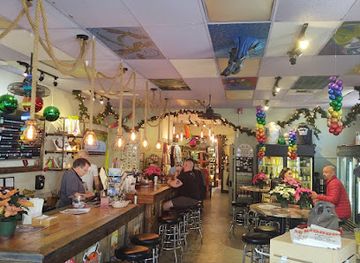
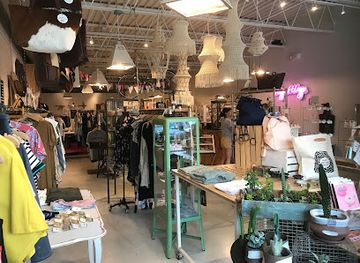
Shopping in Downtown Raleigh is more independent and destination-oriented than department-store based. City Market provides the most historic retail setting, with small businesses, food-led enterprises and event activity occupying or surrounding older commercial buildings near Moore Square. Fayetteville Street and the adjacent central blocks contain cafés, galleries, gift shops and specialist retailers, while the Warehouse District adds design-conscious stores, creative businesses and food destinations in former industrial spaces. Deco Raleigh is a notable stop for North Carolina-themed prints, gifts and locally minded design, and nearby independent businesses periodically change as downtown development evolves. Transfer Co. Food Hall is primarily a place to eat, but its small-scale vendors contribute to the area's contemporary retail and food culture. Visitors seeking large mainstream shopping centres will find stronger choices elsewhere in the metropolitan area; downtown shopping is chiefly about local design, souvenirs, art, books, food and browsing between architectural landmarks.
-
Gift shop
Deco Raleigh
Discover unique gifts and local treasures at Deco Raleigh, your go-to boutique gift shop in Downtown Raleigh, North Carolina.
3 min walk · 0.2 km from neighbourhood centre
-
Gift shop
The Green Monkey
Experience the charm of Raleigh at The Green Monkey, a unique gift shop and bar offering local treasures and delightful drinks.
3 min walk · 0.2 km from neighbourhood centre
-
Gift shop
Edge of Urge
Explore Edge of Urge in Raleigh, NC - Your go-to boutique for unique gifts, stylish accessories, and local treasures that capture the essence of North Carolina.
15 min walk · 1.2 km from neighbourhood centre
-
Gift shop
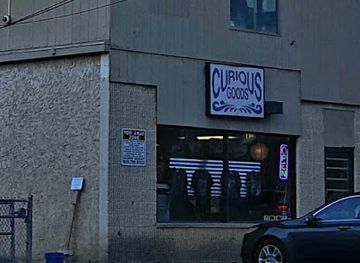
Curious Goods
Explore Curious Goods in Raleigh, NC, for a unique gift shopping experience featuring local artisans and eclectic treasures.
6 min drive · 1.9 km from neighbourhood centre

Downtown Raleigh essentials
Getting There
Getting Around
Safety
Emergency Situations
Do's and Don'ts
Local Tips

From Eve
Local phrases worth knowing
You don't need to get them perfect. A few words go a long way, and locals appreciate the effort.
Basics
| English | Local | Say it |
|---|---|---|
| Hello | Hey y'all | [Hey y'all] |
| Goodbye | See ya later | [See ya later] |
| Yes | Yup | [Yup] |
| No | Nah | [Nah] |
| Please/You're welcome | Please/No problem | [Please/No problem] |
| Thank you | Thanks | [Thanks] |
| Excuse me/Sorry | Excuse me/My bad | [Excuse me/My bad] |
| How are you? | How y'all doin'? | [How y'all doin'?] |
| Fine. And you? | Fine. How 'bout you? | [Fine. How 'bout you?] |
| Do you speak English? | Y'all speak English? | [Y'all speak English?] |
| I don't understand | I don't git it | [I don't git it] |
Eating & Drinking
| English | Local | Say it |
|---|---|---|
| I'd like to see the menu, please | Can I see the menu, please | [Can I see the menu, please] |
| I don't eat meat | I don't eat meat | [I don't eat meat] |
| Cheers! | Cheers! | [Cheers!] |
| I would like to pay, please | I need to pay, please | [I need to pay, please] |
Emergencies
| English | Local | Say it |
|---|---|---|
| Help! | Help! | [Help!] |
| Go away! | Go away! | [Go away!] |
| Call the Police! | Call the 5-0! | [Call the 5-0!] |
| Call a doctor! | Get a doc! | [Get a doc!] |
| I'm lost | I'm lost | [I'm lost] |
| I'm ill | I'm feelin' bad | [I'm feelin' bad] |
Shopping
| English | Local | Say it |
|---|---|---|
| I'd like to buy... | I wanna buy... | [I wanna buy...] |
| I'm just looking | I'm just lookin' | [I'm just lookin'] |
| How much is it? | How much does it cost? | [How much does it cost?] |
| That's too expensive | That's too pricey | [That's too pricey] |
| Can you lower the price? | Can ya bring the price down? | [Can ya bring the price down?] |
Time & Numbers
| English | Local | Say it |
|---|---|---|
| What time is it? | What time is it? | [What time is it?] |
| It's one o'clock | It's one o'clock | [It's one o'clock] |
| Half past (10) | Half past (10) | [Half past (10)] |
| Morning | Mornin' | [Mornin'] |
| Afternoon | Afternoon | [Afternoon] |
| Evening | Evenin' | [Evenin'] |
| Yesterday | Yestiddy | [Yestiddy] |
| Today | Today | [Today] |
| Tomorrow | Tomorra | [Tomorra] |
| 1 | 1 | [1] |
| 2 | 2 | [2] |
| 3 | 3 | [3] |
| 4 | 4 | [4] |
| 5 | 5 | [5] |
| 6 | 6 | [6] |
| 7 | 7 | [7] |
| 8 | 8 | [8] |
| 9 | 9 | [9] |
| 10 | 10 | [10] |
Transport & Directions
| English | Local | Say it |
|---|---|---|
| Where's a/the...? | Where's a/the...? | [Where's a/the...?] |
| What's the address? | What's the address? | [What's the address?] |
| Can you show me (on the map)? | Can you show me (on the map)? | [Can you show me (on the map)?] |
| When's the next (bus)? | When's the next (bus)? | [When's the next (bus)?] |
| A ticket (to ....) | A ticket (to ....) | [A ticket (to ....)] |
History of Downtown Raleigh
A New Capital in Wake County
Raleigh was chosen as North Carolina's permanent capital in 1792, and the new town was laid out around a central square and a rational street grid on land near the existing settlement of Wake Court House. Its name commemorated Sir Walter Raleigh, whose earlier colonial enterprise gave the state a symbolic connection with English exploration. The plan established the basic structure of present-day Downtown Raleigh: a civic centre surrounded by streets intended for government, commerce and residential growth. Raleigh developed as an administrative capital rather than a port or manufacturing city, and public institutions remained central to downtown identity from the beginning.
The Capitol and Civic Raleigh
The North Carolina State Capitol, completed in 1840 after the earlier statehouse was destroyed by fire, gave the young capital a substantial architectural and political centre. Its Greek Revival form and position at Union Square helped formalise the civic landscape around which Raleigh expanded. During the nineteenth century, hotels, offices, shops, churches and houses filled the surrounding blocks, while rail connections strengthened the town's role as a centre for state administration and regional trade. The Civil War and its aftermath brought political upheaval, but Raleigh avoided the level of physical destruction experienced by several larger Southern cities, leaving much of the historic street pattern intact.
Railways, Commerce and Black Business
Nineteenth- and early twentieth-century transport improvements altered the relationship between downtown's civic core and its commercial edges. Rail lines and depots supported wholesale trade, warehouses and hotels, while Fayetteville Street became a principal shopping and business corridor. African American residents built businesses, churches and civic institutions in and around the eastern side of downtown, with East Hargett Street becoming particularly associated with Black commerce and professional life. Raleigh's segregated urban geography restricted access to many establishments, yet these businesses created an important local commercial network whose legacy remains part of the city's downtown history.
Urban Decline and Downtown Renewal
After the Second World War, suburban expansion, automobile-oriented development and the movement of retail activity away from the central city weakened downtown's traditional commercial role. Some historic buildings were demolished or underused, and Fayetteville Street lost much of its former retail activity. Public and private redevelopment gathered momentum late in the twentieth century, with investment in cultural institutions, government facilities, streetscapes and the convention district. The reopening of Fayetteville Street as a pedestrian-friendly civic corridor in 2006, followed by renewed activity in the Warehouse District, Moore Square and Glenwood South, helped create the mixed-use downtown familiar today while also bringing continuing debates about development, housing and local identity.
Downtown Raleigh in Photos
Browse through our photo collection highlighting the charm and character of the destination.
Neighbourhoods near Downtown Raleigh
The closest neighbourhoods to Downtown Raleigh, if you have time for more than one stop.
-

-

-


Swipe for more neighbourhoods
Explore more

Explore more of Raleigh
Raleigh, North Carolina blends oak-lined streets, museums, craft beer, Southern food and easy access to the wider Research Triangle, culture and events.
Explore Raleigh