

Free Cleveland Travel Guide & Mobile App
Plan your Cleveland trip with Evendo. Get free guides to top attractions, restaurants, hotels, and bars. Web access or download the mobile app.


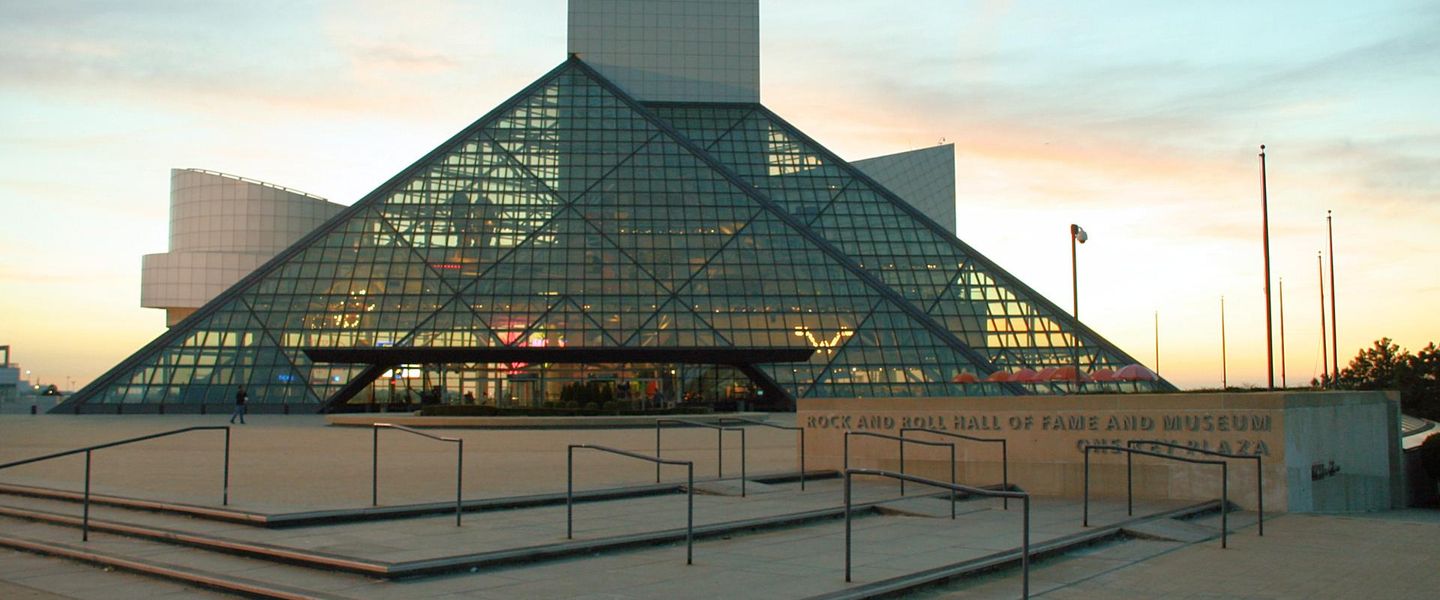


Cleveland blends Lake Erie views, world-class museums, rock history, grand architecture and neighbourhood dining into a rewarding Ohio city break.
A City Shaped by Lake Erie
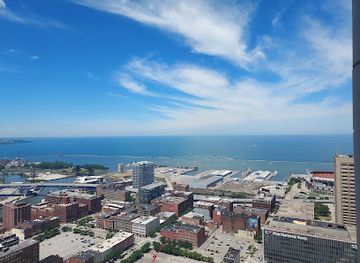
Cleveland occupies the southern shore of Lake Erie, where the Cuyahoga River reaches the lake and divides the city into east and west sides. Its setting combines broad waterfront views with a compact urban core, wooded ravines and neighbourhoods that developed around factories, immigrant communities and streetcar lines. The skyline rises above the lakefront, while the river valley and industrial flats reveal the commercial geography that made Cleveland one of the great manufacturing centres of the American Midwest.Read more about Cleveland
Museums, Music and Major Institutions
Neighbourhoods with Distinctive Character
When is the best time to visit Cleveland?
Best: May–June, September · 21–26°C| Month | High (°C) | Rainfall (mm) |
|---|---|---|
| January | 2 | 55 |
| February | 3 | 52 |
| March | 9 | 66 |
| April | 16 | 76 |
| May (best) | 21 | 88 |
| June (best) | 26 | 97 |
| July | 29 | 98 |
| August | 28 | 95 |
| September (best) | 24 | 85 |
| October | 18 | 75 |
| November | 11 | 79 |
| December | 4 | 67 |
Getting to and around Cleveland
How to get there
Transportation
Best attractions in Cleveland
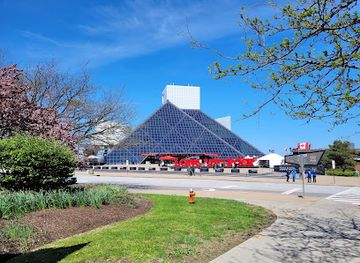
Cleveland's principal attractions range from internationally recognised cultural institutions to places that reveal the city's working history. At the lakefront, the Rock & Roll Hall of Fame traces the music's artists, recordings and social impact through multimedia exhibitions, while the nearby Great Lakes Science Center explores science and technology and displays the NASA Glenn Visitor Center's spacecraft collection. In University Circle, the Cleveland Museum of Art holds a wide-ranging collection in an impressive neoclassical setting, complemented by the Cleveland Museum of Natural History and the Cleveland Botanical Garden. Ohio City's West Side Market is both a historic food hall and a lively neighbourhood meeting place. Sports fans can see the exteriors and event-day atmosphere around Progressive Field and Rocket Mortgage FieldHouse, while Playhouse Square offers restored theatres and a full programme of live performance. Lake View Cemetery adds landscaped paths, sculpture and civic history.
-
Tourist attraction
Rock & Roll Hall of Fame
Uncover the rich history of rock music at the Rock & Roll Hall of Fame in Cleveland, a must-see destination for music lovers and tourists alike.
13 min walk · 1.0 km from city centre
-
Tourist attraction
Rock & Roll Hall of Fame
Discover the legacy of rock music at the Rock & Roll Hall of Fame in Cleveland, where legends come to life through iconic exhibits and unforgettable experiences.
13 min walk · 1.0 km from city centre
-
 Tourist attraction
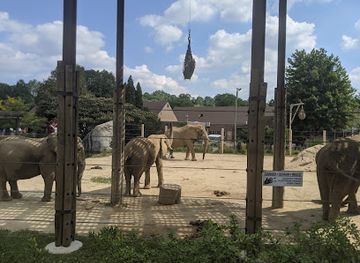
Cleveland Metroparks Zoo
Explore the Cleveland Metroparks Zoo - a vibrant sanctuary of wildlife with engaging exhibits for all ages, right in the heart of Ohio.
18 min drive · 6.1 km from city centre
-
Tourist attraction
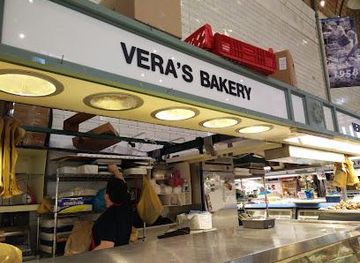
West Side Market
Discover the historic West Side Market in Cleveland, a vibrant hub of fresh food, local flavors, and rich cultural heritage in the heart of Ohio City.
5 min drive · 1.8 km from city centre

Best landmarks in Cleveland
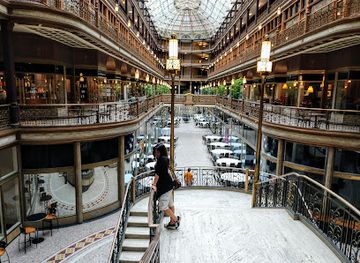
Cleveland's landmarks express the city's commercial ambition, civic history and relationship with industry. Terminal Tower, rising above Public Square, was the centrepiece of the former Terminal Group complex and remains the most recognisable element of the skyline. The Soldiers' and Sailors' Monument on Public Square commemorates Cuyahoga County residents who served in the American Civil War, while the Old Stone Church records the early religious history of the city centre. The Arcade, opened in 1890, is an ornate glass-roofed commercial interior that illustrates Gilded Age confidence. West Side Market's arched market hall reflects the importance of food distribution and immigrant commerce in Ohio City. Severance Music Center represents Cleveland's long investment in orchestral culture, and the Guardians of Traffic sculptures on the Hope Memorial Bridge connect the city to its bridges, roads and industrial-era movement.
-
Zoo
Cleveland Metroparks Zoo
Discover the Cleveland Metroparks Zoo: an affordable family adventure filled with wildlife, immersive exhibits, and educational experiences for all ages.
18 min drive · 6.1 km from city centre
-
Park
Edgewater Park
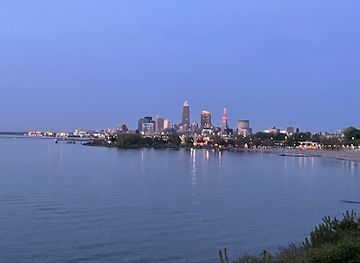
Explore Edgewater Park, Cleveland's lakeside gem, perfect for relaxation, recreation, and stunning views of Lake Erie and the skyline.
11 min drive · 3.6 km from city centre
-
Casino
JACK Cleveland Casino
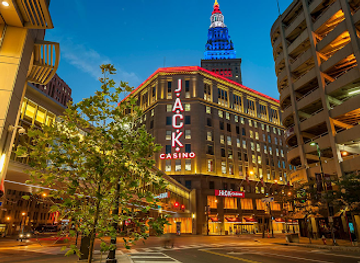
Discover the excitement of JACK Cleveland Casino, a vibrant hub of gaming, dining, and entertainment in downtown Cleveland, Ohio.
2 min walk · 0.1 km from city centre
-
Shopping mall
Tower City Center
Explore Tower City Center, a vibrant shopping and dining destination in downtown Cleveland, showcasing local culture and historical charm.
3 min walk · 0.2 km from city centre
Explore Cleveland on the map
Plan your Cleveland trip on one map. See where the top attractions, landmarks, restaurants, bars and hotels are, find what's near where you're staying, and book hotels and experiences in a few clicks.
Neighbourhoods in Cleveland
-

-

-


Swipe for more neighbourhoods
Best hotels in Cleveland
Best restaurants in Cleveland
Cleveland's food culture reflects Lake Erie, industrial-era immigration and successive waves of migration. The West Side Market remains a useful introduction, with stalls selling produce, meat, cheese, baked goods and prepared foods in a landmark market hall. Polish and eastern European traditions appear in pierogi, kielbasa and the city's celebrated Polish Boy sandwich, while corned beef sandwiches, local sausages and bakery specialities belong to the broader neighbourhood food story. Ohio City, Tremont, Downtown, University Circle and Gordon Square offer restaurants ranging from casual counters and breweries to contemporary dining rooms. Lake Erie walleye and perch may appear seasonally, alongside Midwestern comfort food and dishes shaped by Greek, Italian, Middle Eastern and Asian communities. Cleveland's dining identity is therefore less a single cuisine than a layered urban table, with old family traditions and inventive modern cooking existing close together.
-
Health Food
TownHall
Discover TownHall in Ohio City: A premier health food destination offering organic dishes, craft drinks, and an inviting atmosphere.
5 min drive · 1.7 km from city centre
-
Cajun
The Bourbon Street Barrel Room
Experience authentic Cajun and Creole cuisine at The Bourbon Street Barrel Room in Cleveland's Tremont neighborhood.
7 min drive · 2.3 km from city centre
-
Diner
My Friends Restaurant
Experience authentic Brazilian and Latin American cuisine at My Friends Restaurant, where every meal is a celebration of flavor in Cleveland's Edgewater.
19 min drive · 6.4 km from city centre
-
Barbecue
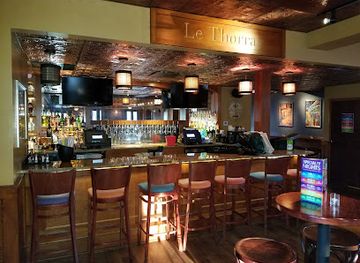
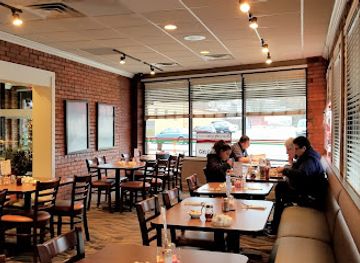
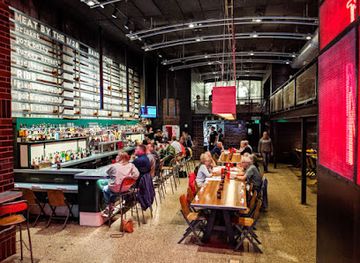
Mabel's BBQ
Experience the best of Cleveland's barbecue at Mabel's BBQ with mouthwatering smoked meats and a vibrant dining atmosphere.
4 min walk · 0.3 km from city centre
Best bars in Cleveland
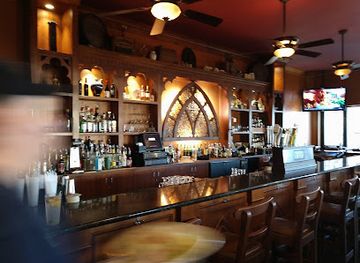
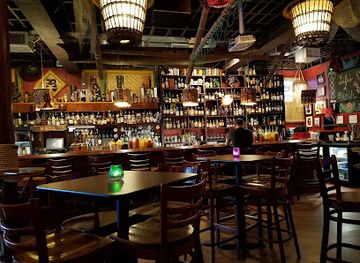
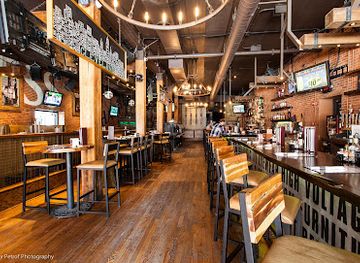
Cleveland's evening life is distributed across several districts rather than concentrated in one continuous club strip. East 4th Street provides a lively downtown setting for bars, restaurants and sports crowds, while Warehouse District venues attract late-evening socialising around games and events. Ohio City and Tremont offer breweries, cocktail bars and relaxed neighbourhood pubs, and Gordon Square combines independent bars with the theatres of the Detroit-Shoreway area. Playhouse Square and Severance Music Center add theatre, orchestral concerts and touring performances for evenings that do not centre on drinking. The city also has a strong live-music tradition, from intimate rooms to larger concert venues, with programming that spans rock, jazz and other genres. Atmosphere varies sharply by event calendar and district, so nightlife is best understood through the particular neighbourhood being visited.
-
Irish pub
The Harp
Experience the vibrant spirit of Ireland at The Harp, a lively Irish pub in Cleveland offering delicious food, great drinks, and live music.
7 min drive · 2.3 km from city centre
-
Cocktail bar
Porco Lounge & Tiki Room
Discover Porco Lounge & Tiki Room, Cleveland's vibrant cocktail bar for exotic drinks and a fun tropical atmosphere.
7 min drive · 2.4 km from city centre
-
Bar
Barley House
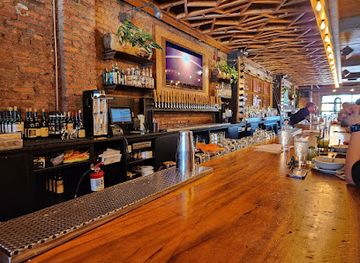
Experience the vibrant atmosphere of Barley House in Downtown Cleveland, a perfect blend of American cuisine, craft drinks, and lively nightlife.
5 min walk · 0.4 km from city centre
-
Bar
The Fairmount Cocktail Bar
Discover The Fairmount Cocktail Bar, a hub of creativity and flavor in Cleveland, offering unique cocktails and a vibrant atmosphere for all.
25 min drive · 8.5 km from city centre
Best nightclubs in Cleveland
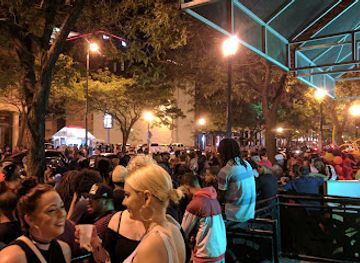
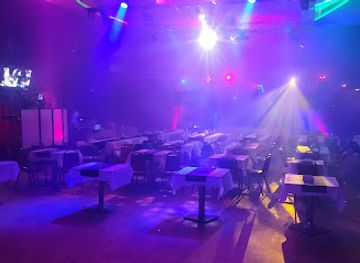
Cleveland's evening life is distributed across several districts rather than concentrated in one continuous club strip. East 4th Street provides a lively downtown setting for bars, restaurants and sports crowds, while Warehouse District venues attract late-evening socialising around games and events. Ohio City and Tremont offer breweries, cocktail bars and relaxed neighbourhood pubs, and Gordon Square combines independent bars with the theatres of the Detroit-Shoreway area. Playhouse Square and Severance Music Center add theatre, orchestral concerts and touring performances for evenings that do not centre on drinking. The city also has a strong live-music tradition, from intimate rooms to larger concert venues, with programming that spans rock, jazz and other genres. Atmosphere varies sharply by event calendar and district, so nightlife is best understood through the particular neighbourhood being visited.
-
Night club
FWD Day + Nightclub
Discover Cleveland's nightlife at FWD Day + Nightclub, where day parties meet electrifying nights with top DJs and vibrant atmospheres.
14 min walk · 1.1 km from city centre
-
Night club
Rumor Bar & Lounge
Dive into Cleveland's nightlife at Rumor Bar & Lounge, where great music and vibrant energy create unforgettable evenings.
6 min walk · 0.4 km from city centre
-
Night club
The Velvet Dog
Discover Cleveland's nightlife at The Velvet Dog, a vibrant nightclub perfect for dancing, cocktails, and unforgettable experiences in Downtown.
5 min walk · 0.4 km from city centre
-
Night club
Mayans Belindas Latin Night Club
Discover the heart of Latin nightlife at Mayans Belindas Latin Night Club in Cleveland, where music, dance, and culture converge for an unforgettable experience.
16 min drive · 5.3 km from city centre


Best shops in Cleveland
Shopping in Cleveland ranges from food and crafts to independent neighbourhood retail rather than a single dominant luxury avenue. West Side Market is the best-known destination for regional produce, meats, cheeses, baked goods and prepared specialities, while nearby Ohio City has independent shops, galleries and businesses in converted commercial and industrial spaces. Coventry Village in Cleveland Heights has a long association with alternative retail, music and vintage-oriented shops, and University Circle offers museum shops connected with its cultural institutions. Downtown shopping is more limited than in the city's historic department-store era, but Public Square and East 4th Street remain useful for browsing alongside restaurants and entertainment. Visitors may find locally made ceramics, prints, clothing, books and food products in neighbourhood boutiques and museum shops; availability changes as independent businesses open and close.
-
Shopping mall
The Arcade
Explore Cleveland's historic Arcade, a shopping mall that blends architectural beauty with diverse retail and dining experiences in a vibrant atmosphere.
4 min walk · 0.4 km from city centre
-
Grocery store
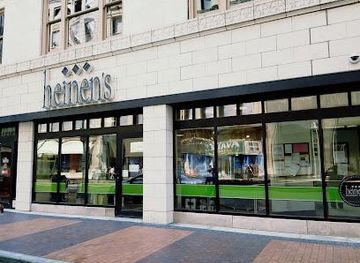
Heinen's Grocery Store
Experience the best of gourmet grocery shopping at Heinen's in Downtown Cleveland, featuring fresh produce, a bakery, deli, and more.
9 min walk · 0.7 km from city centre
-
Shopping mall
5th Street Arcades
Experience the vibrant blend of shopping and dining at 5th Street Arcades in Downtown Cleveland, where local flavors and unique finds await.
5 min walk · 0.4 km from city centre
-
Tourist attraction
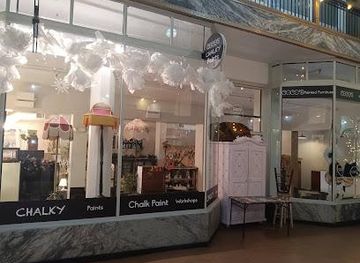
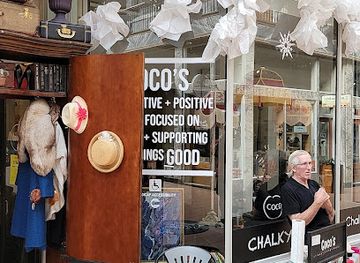
Coco’s Selfie Space
Discover the creative heart of Cleveland at Coco's Selfie Space, where every corner offers a picture-perfect backdrop for your memories.
6 min walk · 0.4 km from city centre
Get your free copy of our complete guide to Cleveland, delivered straight to you.
Everything on this page, from attractions and restaurants to essentials and local phrases, in one PDF you can read offline, print or share.
Already have an account? Sign in
Your Cleveland guide is ready.
We'll send it to · Not you? Sign out

Getting your guide ready…
We are putting together a fresh copy of the Cleveland guide. This can take up to a minute.
This can take a few moments. If your browser asks, choose Allow so the download can start. You'll find the guide in your Downloads folder.
Nothing happened? Download it again
Sorry, the guide is taking longer than usual. Please try again in a minute, or get it by email instead.
Cleveland essentials
Currency and Payment
Safety
Emergency Situations
Do's and Don'ts
Local Tips
From Eve
Local phrases worth knowing
You don't need to get them perfect. A few words go a long way, and locals appreciate the effort.
Basics
| English | Local | Say it |
|---|---|---|
| Hello | Hey there | [Hey th-air] |
| Goodbye | See ya | [See yuh] |
| Yes | Yeah | [Yeh] |
| No | Nah | [Nah] |
| Please/You're welcome | Please/No problem | [Pleez/No prob-lem] |
| Thank you | Thanks | [Thanks] |
| Excuse me/Sorry | Pardon me/My bad | [Pardon me/My bad] |
| How are you? | How ya doin'? | [How ya doin'?] |
| Fine. And you? | Good. You? | [Good. You?] |
| Do you speak English? | Ya speak English? | [Ya speak English?] |
| I don't understand | I don't get it | [I don't get it] |
Eating & Drinking
| English | Local | Say it |
|---|---|---|
| I'd like to see the menu, please | Can I check out the menu? | [Can I check out the menu?] |
| I don't eat meat | I'm vegetarian | [I'm ve-ji-tear-ee-an] |
| Cheers! | Cheers! | [Cheers!] |
| I would like to pay, please | I'll pay now, thanks | [I'll pay now, thanks] |
Emergencies
| English | Local | Say it |
|---|---|---|
| Help! | Help! | [Help!] |
| Go away! | Get lost! | [Get lost!] |
| Call the Police! | Call the Cops! | [Call the Cops!] |
| Call a doctor! | Get a doc! | [Get a doc!] |
| I'm lost | I'm lost | [I'm lost] |
| I'm ill | I'm sick | [I'm sick] |
Shopping
| English | Local | Say it |
|---|---|---|
| I'd like to buy... | I wanna buy... | [I wanna buy...] |
| I'm just looking | Just browsing | [Just browsing] |
| How much is it? | How much does it cost? | [How much does it cost?] |
| That's too expensive | That's pricey | [That's pricey] |
| Can you lower the price? | Can you give me a discount? | [Can you give me a discount?] |
Time & Numbers
| English | Local | Say it |
|---|---|---|
| What time is it? | What's the time? | [What's the time?] |
| It's one o'clock | It's one | [It's one] |
| Half past (10) | Half past ten | [Half past ten] |
| Morning | Mornin' | [Mornin'] |
| Afternoon | Afternoon | [Afternoon] |
| Evening | Evenin' | [Evenin'] |
| Yesterday | Yest'day | [Yest'day] |
| Today | Today | [Today] |
| Tomorrow | Tomorra | [Tomorra] |
| 1 | One | [One] |
| 2 | Two | [Two] |
| 3 | Three | [Three] |
| 4 | Four | [Four] |
| 5 | Five | [Five] |
| 6 | Six | [Six] |
| 7 | Seven | [Seven] |
| 8 | Eight | [Eight] |
| 9 | Nine | [Nine] |
| 10 | Ten | [Ten] |
Transport & Directions
| English | Local | Say it |
|---|---|---|
| Where's a/the...? | Where's the...? | [Where's the...?] |
| What's the address? | What's the addy? | [What's the addy?] |
| Can you show me (on the map)? | Can ya show me (on the map)? | [Can ya show me (on the map)?] |
| When's the next (bus)? | When's the next (bus)? | [When's the next (bus)?] |
| A ticket (to ....) | A ticket (to ....) | [A ticket (to ....)] |
History of Cleveland
Indigenous Lands and the Western Reserve
Before the establishment of Cleveland, the region around the Cuyahoga River was home to Indigenous peoples, including communities associated with the Erie, Seneca and Wyandot, among others, through changing periods of settlement and political influence. In the late eighteenth century, the area became part of the Connecticut Western Reserve, a tract claimed by Connecticut after the American Revolution. The Treaty of Greenville in 1795 opened much of present-day northeastern Ohio to increased United States settlement, although Indigenous dispossession and removal accompanied that expansion. The river and lake remained the area's defining geographical assets, shaping travel, trade and later industrial development.
Moses Cleaveland and the New Settlement
In 1796, surveyor General Moses Cleaveland led a group representing the Connecticut Land Company to the mouth of the Cuyahoga River. The settlement that grew there was named Cleaveland, later commonly written Cleveland. Early growth was modest, but the location offered access to Lake Erie and an inland river route. The town's position within the Western Reserve connected it to settlements spreading across northeastern Ohio, while the surrounding agricultural region supplied food and raw materials. Cleveland was incorporated as a village in 1814 and as a city in 1836, establishing the municipal framework for rapid nineteenth-century expansion.
Canals, Railways and Commercial Growth
The opening of the Ohio and Erie Canal in 1832 transformed Cleveland's prospects by linking Lake Erie with the Ohio River system and markets farther south. Grain, coal, timber and other goods moved through the port, and the city became a significant centre for warehousing, shipping and commerce. Railways strengthened that position later in the nineteenth century, connecting Cleveland with eastern cities and the interior. Industrial districts developed along the river and lakefront, while downtown gained banks, offices, hotels and civic buildings. The Arcade, completed in 1890, reflects the confidence and commercial sophistication of this period.
Industry, Immigration and Urban Expansion
By the late nineteenth and early twentieth centuries, Cleveland had become a major manufacturing city, with iron and steel, engineering, chemicals, machinery and oil refining among its important industries. Industrial employment drew large numbers of migrants and immigrants, including communities from central and eastern Europe, Italy and Ireland, as well as African Americans arriving during the Great Migration. Neighbourhoods developed distinctive churches, shops, social clubs and food traditions. Industrial wealth funded institutions such as the Cleveland Museum of Art and the Cleveland Orchestra, while civic reformers addressed sanitation, housing and public amenities in a rapidly expanding city.
Reform, Culture and the Modern City
Cleveland's early twentieth-century history included major reform movements and ambitious public works. Tom L. Johnson's mayoralty is associated with municipal reform, public ownership debates and efforts to make urban services more accessible. The Group Plan, developed in the 1900s, established a monumental civic centre around Public Square and later influenced buildings including Cleveland City Hall and the Cuyahoga County Courthouse. The same era saw the growth of the city's orchestral, theatrical and educational institutions. New immigration, African American cultural life and labour activism continued to reshape Cleveland's politics and neighbourhoods.
Industrial Decline and Urban Renewal
After the Second World War, manufacturing employment declined as industries mechanised, relocated or closed, while suburbanisation reduced the population and commercial dominance of the central city. Cleveland became nationally known for the 1969 Cuyahoga River fire, an event that helped galvanise environmental awareness and contributed to stronger federal water protections, although the river had burned on earlier occasions. From the late twentieth century, investment in downtown, the lakefront, University Circle and former industrial districts supported a gradual cultural and economic revival. The Rock & Roll Hall of Fame, expanded arts institutions and neighbourhood redevelopment now form part of a more diversified urban identity.
Cleveland in Photos
Browse through our photo collection highlighting the charm and character of the destination.
Cities near Cleveland
The closest cities to Cleveland, if you have time for more than one stop.
-

-

-

-

-


Swipe for more cities
Explore more

Explore more of Ohio
Explore Ohio's vibrant cities, rich history, and stunning natural landscapes. From bustling urban centers to serene state parks, Ohio offers diverse attractions for every traveler.
Explore Ohio