

Qurum (Muscat) Travel Guide - Free
Explore Qurum in Muscat with Evendo's free guide. Find the best shops, historic streets, restaurants, and gems on web or mobile.


Qurum, Muscat’s leafy coastal district, pairs mangrove wetlands and beach walks with the Royal Opera House, cafés, restaurants and relaxed Omani city life.
Coastal Setting and Everyday Character
Qurum occupies a broad stretch of Muscat’s coast between the sea and the city’s low, rugged mountains. Often written as Al Qurum or Al Khuwair? No—Qurum is a distinct district, recognised for its beach, mangrove wetlands, landscaped public spaces and concentration of restaurants, cafés, offices and hotels. The neighbourhood’s name is associated with the qurum, or mangrove, a useful reminder that its identity is tied to the coastal ecology as much as to urban life. Qurum Beach is open and spacious, while Qurum Natural Park brings lawns, walking paths and family recreation into a city shaped by desert and stone.Read more about Qurum
Culture, Architecture and Public Space
Food, Leisure and the Shoreline
Best attractions in Qurum
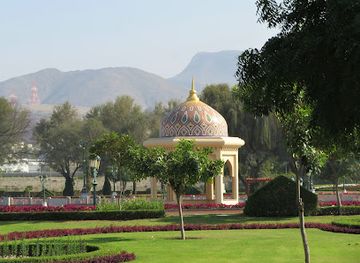
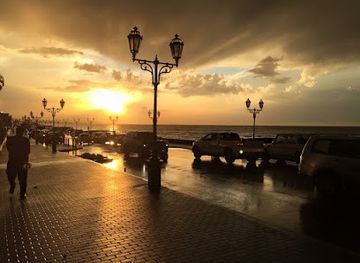
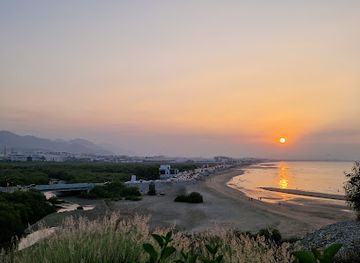
Qurum’s principal attractions are its coastal landscape and the public spaces built around it. Qurum Natural Park provides lawns, shaded areas, walking routes and family recreation, while the adjoining mangrove reserve offers a glimpse of the tidal habitat reflected in the neighbourhood’s name; access and movement should follow local signs and conservation guidance. Qurum Beach is a broad, open place for a shoreline stroll and sunset views rather than a heavily commercialised resort strip. The Royal Opera House Muscat, in the Shati Al Qurum area, adds an important cultural dimension through its architecture, gardens and performance programme. Visitors can also explore the district’s cafés, restaurants and commercial centres, where the experience is less about a single monument than about seeing how Muscat combines carefully landscaped urban space, coastal nature and contemporary public life.
-
Tourist attraction
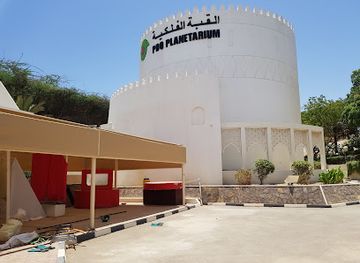
PDO Planetarium
Discover the universe at PDO Planetarium in Muscat, Oman: An enlightening experience for the curious mind.
6 min drive · 2.0 km from neighbourhood centre
-
Garden
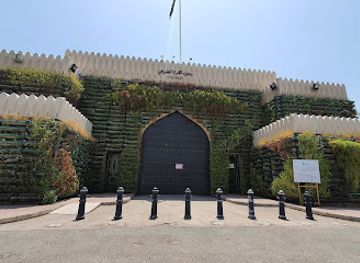
Qurum Natural Park Gate
Discover the lush landscapes and tranquil ambiance of Qurum Natural Park Gate in Muscat, a perfect escape for nature lovers and families alike.
17 min walk · 1.3 km from neighbourhood centre
-
Tourist attraction
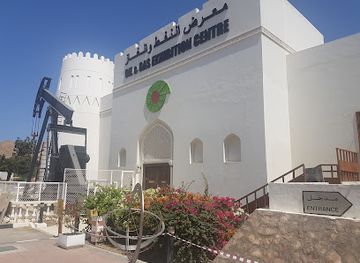
Oil and Gas Exhibition Centre
Explore the Oil and Gas Exhibition Centre in Muscat for an enlightening journey through Oman's energy history and technological advancements.
6 min drive · 2.0 km from neighbourhood centre
-
Tourist attraction
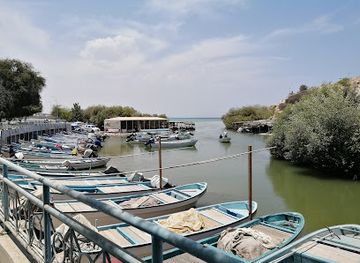
Marsa Qurum
Discover the captivating beauty of Marsa Qurum, a serene coastal gem in Muscat, Oman, perfect for relaxation and cultural experiences.
7 min drive · 2.3 km from neighbourhood centre
Best landmarks in Qurum
The Royal Opera House Muscat is Qurum’s most prominent cultural landmark, recognised for its white Omani-inspired architecture, formal landscaping and role as a national venue for opera, concerts and other performing arts. Qurum Natural Park is a landmark of a different kind: its lawns, paths and landscaped setting represent the neighbourhood’s public investment in accessible green space within a dry coastal city. The adjacent mangrove reserve is an environmental landmark, preserving a habitat closely associated with Qurum’s name and coastal history. Qurum Beach provides the district’s defining natural edge, while the surrounding hotels, commercial complexes and broad roads express its modern urban development. These places together tell a more local story than a conventional monument list, linking culture, ecology, recreation and the planned expansion of Muscat.
-
Country park
Qurum Natural Park
Explore the serene landscapes of Qurum Natural Park in Muscat, Oman, a perfect blend of nature and relaxation for all visitors.
15 min walk · 1.2 km from neighbourhood centre
-
Beach
Qurum Beach
Discover the beauty of Qurum Beach in Muscat, where golden sands meet azure waters for a perfect beach getaway.
7 min drive · 2.5 km from neighbourhood centre
-
Tourist attraction
Marsa Qurum
Discover the serene beauty of Marsa Qurum, a coastal paradise in Muscat, where relaxation meets vibrant Omani culture and stunning sea views.
7 min drive · 2.3 km from neighbourhood centre
-
Tourist attraction
Sea View
Experience the serene beauty of Sea View in Muscat, where breathtaking coastal panoramas meet tranquility in a stunning natural setting.
7 min drive · 2.4 km from neighbourhood centre
Explore Qurum on the map
A handpicked selection of must-see spots in Qurum, mapped for you.
Best hotels in Qurum
Best restaurants in Qurum
Qurum has one of Muscat’s more varied concentrations of restaurants and cafés, spread through commercial compounds, hotel properties and the streets around Shati Al Qurum rather than gathered in a single traditional souq. Dining choices commonly reflect the capital’s international character, with Omani and wider Arabian flavours alongside South Asian, European and other global cuisines. Cafés are part of the neighbourhood’s everyday rhythm, particularly around the commercial areas and the routes leading towards the beach and Royal Opera House. Hotel restaurants provide some of the district’s more formal settings, while independent eateries and casual venues suit visitors looking for a less ceremonial meal. The food scene is best understood as modern Muscat dining: convenient, mixed and social, with evening meals often combined with a walk along the coast or a visit to the park. Menus, licensing and opening arrangements vary by venue.
-
Restaurant
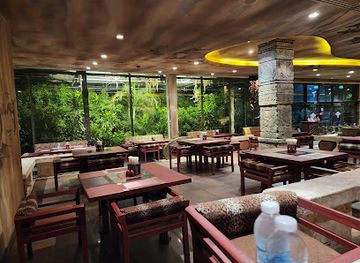
The Jungle Restaurant
Discover the exotic flavors and vibrant ambiance at The Jungle Restaurant in Muscat - an unforgettable dining experience awaits.
18 min walk · 1.4 km from neighbourhood centre
-
Restaurant
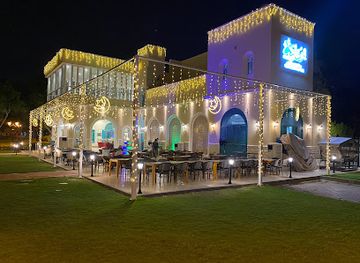
Zuwadeh Restaurant
Experience the rich flavors of Oman at Zuwadeh Restaurant in Muscat - where tradition meets modernity in every bite.
17 min walk · 1.3 km from neighbourhood centre
-
Restaurant
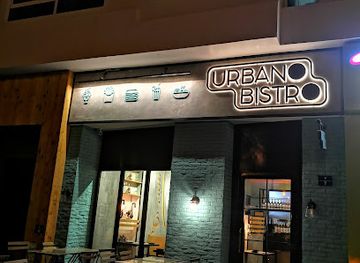
Urbano Bistro Qurum
Discover exquisite cuisine at Urbano Bistro Qurum - where local flavors meet international flair in a vibrant setting.
15 min walk · 1.2 km from neighbourhood centre
-
Restaurant
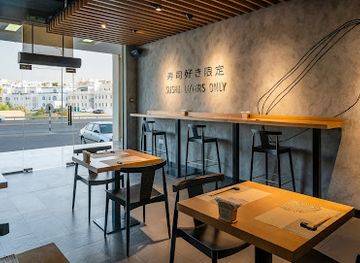
WABI SABI QURUM
Experience authentic Japanese cuisine at Wabi Sabi Qurum in Muscat—where tradition meets innovation in every bite.
16 min walk · 1.3 km from neighbourhood centre
Best bars in Qurum
Qurum’s evening life is more oriented towards restaurants, cafés, hotel lounges and cultural performances than towards a dense club district. After sunset, the beach, Qurum Natural Park and the commercial streets attract residents and visitors for walking, conversation and late meals, while licensed hotel venues provide the principal settings for alcoholic drinks. The Royal Opera House Muscat brings a more formal evening audience when performances are scheduled, adding concerts, opera and other productions to the area’s cultural calendar. Some hotels and larger venues may offer live entertainment, but programmes and access change, so current details should be checked directly. Compared with the dedicated nightlife quarters of some international cities, Qurum’s character is measured and dispersed: evenings move between dining, the shoreline, cafés and organised performances rather than a single strip of nightclubs.
-
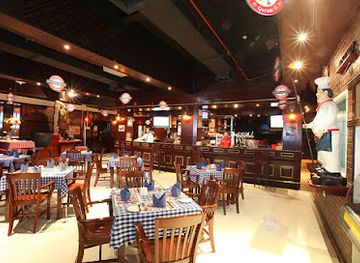
Grill
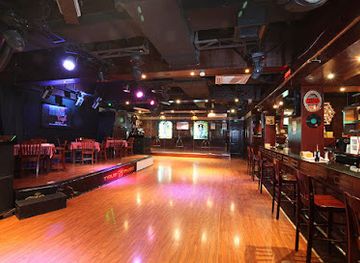
Rock Bottom Cafe Muscat
Experience the vibrant nightlife and delicious American grill cuisine at Rock Bottom Cafe Muscat, the perfect blend of dining and entertainment.
7 min drive · 2.2 km from neighbourhood centre
-
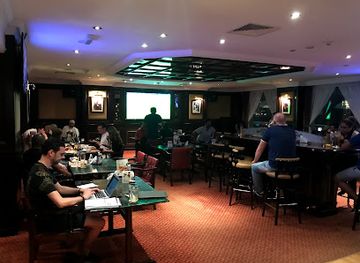
Gastropub
Duke's
Experience the culinary delights of Duke's, Muscat's premier gastropub, blending gourmet flavors with a vibrant pub atmosphere.
8 min drive · 2.5 km from neighbourhood centre
-
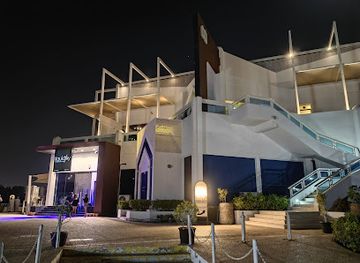
Restaurant
Liquidsky Restaurant And Lounge
Experience a sensational mix of exquisite cuisine and breathtaking views at Liquidsky Restaurant And Lounge in Muscat's Shati Al Qurum.
5 min drive · 1.5 km from neighbourhood centre
-
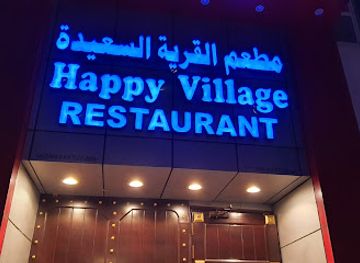
Pub
Happy Village
Discover the vibrant atmosphere of Happy Village, a lively pub in Muscat offering a unique blend of local beers, delicious food, and unforgettable experiences.
3 min walk · 0.2 km from neighbourhood centre
Best nightclubs in Qurum
Qurum’s evening life is more oriented towards restaurants, cafés, hotel lounges and cultural performances than towards a dense club district. After sunset, the beach, Qurum Natural Park and the commercial streets attract residents and visitors for walking, conversation and late meals, while licensed hotel venues provide the principal settings for alcoholic drinks. The Royal Opera House Muscat brings a more formal evening audience when performances are scheduled, adding concerts, opera and other productions to the area’s cultural calendar. Some hotels and larger venues may offer live entertainment, but programmes and access change, so current details should be checked directly. Compared with the dedicated nightlife quarters of some international cities, Qurum’s character is measured and dispersed: evenings move between dining, the shoreline, cafés and organised performances rather than a single strip of nightclubs.
-
Grill
Rock Bottom Cafe Muscat
Discover the vibrant nightlife and delicious American cuisine at Rock Bottom Cafe in Muscat, where every night is a celebration of flavor and fun.
7 min drive · 2.2 km from neighbourhood centre
Best shops in Qurum
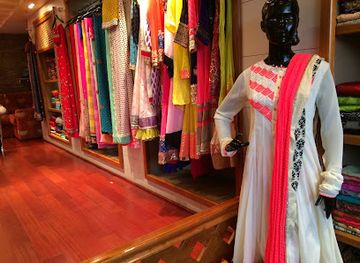
Shopping in Qurum is largely modern, local and service-oriented rather than based on one historic bazaar. Commercial centres such as Al Qurum Complex and the retail areas around Shati Al Qurum bring together cafés, restaurants, everyday services, boutiques and specialist businesses, while smaller shops are distributed along the district’s main roads. Visitors may find fashion, beauty, gifts, books, electronics and Omani-oriented souvenirs, but stock and business identities change more readily than in an established souq. For a stronger traditional-market experience, Muttrah Souq lies elsewhere in Muscat and should not be confused with Qurum’s retail scene. In Qurum, browsing is usually combined with dining or a coastal outing, and the atmosphere is contemporary and practical, reflecting a district shaped by offices, villas, hotels and leisure destinations rather than by a single historic trading street.
-
Home goods store
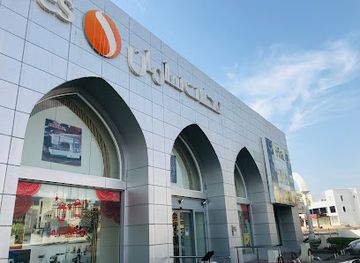
Salman Stores Al Qurum Complex محلات سلمان مجمع القرم التجاري
Explore the diverse offerings of Salman Stores Al Qurum Complex in Muscat, a shopping haven for home goods, cosmetics, and unique gifts.
6 min walk · 0.5 km from neighbourhood centre
-
Variety store
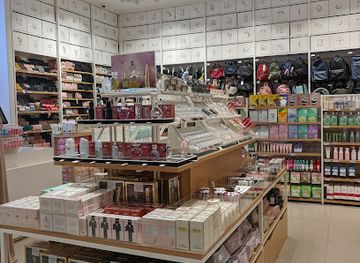
Miniso Lifestyle Store, Qurum
Explore Miniso Lifestyle Store in Qurum for trendy and affordable finds that reflect the vibrant local culture of Muscat.
10 min walk · 0.8 km from neighbourhood centre
-
Furniture store
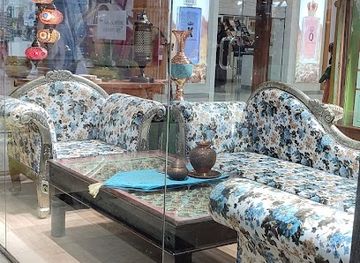
Ethnic Furniture
Explore the charm of antique craftsmanship at Ethnic Furniture, where unique designs meet cultural heritage in the heart of Oman.
7 min walk · 0.5 km from neighbourhood centre
-
Fashion designer
Mrunal's Boutique
Discover unique fashion and exquisite embroidery at Mrunal's Boutique in Muscat, where tradition meets modern style.
11 min walk · 0.9 km from neighbourhood centre
Qurum essentials
Getting There
Getting Around
Safety
Emergency Situations
Do's and Don'ts
Local Tips

From Eve
Local phrases worth knowing
You don't need to get them perfect. A few words go a long way, and locals appreciate the effort.
Basics
| English | Local | Say it |
|---|---|---|
| Hello | مرحبا | [marhaba] |
| Goodbye | وداعا | [wadaa'an] |
| Yes | نعم | [naam] |
| No | لا | [la] |
| Please/You're welcome | من فضلك | [min fadlik] |
| Thank you | شكرا | [shukran] |
| Excuse me/Sorry | عذرا | [athara] |
| How are you? | كيف حالك؟ | [kayf halak?] |
| Fine. And you? | بخير. وأنت؟ | [bikhayr. wa'ant?] |
| Do you speak English? | هل تتكلم الإنجليزية؟ | [hal tatakallam al'inglizia?] |
| I don't understand | لا أفهم | [la afham] |
Eating & Drinking
| English | Local | Say it |
|---|---|---|
| I'd like to see the menu, please | أرغب في رؤية القائمة، من فضلك | [urghib fi ru'yat alqa'imah, min fadlik] |
| I don't eat meat | أنا لا آكل اللحم | [ana la akl allahm] |
| Cheers! | في صحتك! | [fi sahtak!] |
| I would like to pay, please | أود الدفع، من فضلك | [awad aldaf', min fadlik] |
Emergencies
| English | Local | Say it |
|---|---|---|
| Help! | النجدة! | [alnajdah!] |
| Go away! | ارحل! | [irhal!] |
| Call the Police! | اتصل بالشرطة! | [atassil bialsurata!] |
| Call a doctor! | اتصل بطبيب! | [atassil bitalib!] |
| I'm lost | لقد ضللت الطريق | [laqad dalalt altariq] |
| I'm ill | أنا مريض | [ana mareed] |
Shopping
| English | Local | Say it |
|---|---|---|
| I'd like to buy... | أرغب في شراء... | [urghib fi shira...] |
| I'm just looking | أنا فقط أتطلع | [ana faqat attalaa] |
| How much is it? | كم سعره؟ | [kam sa'ruh?] |
| That's too expensive | هذا غالي جدا | [hatha ghali jiddan] |
| Can you lower the price? | هل يمكنك خفض السعر؟ | [hal yumkinuk khafr alsa'ur?] |
Time & Numbers
| English | Local | Say it |
|---|---|---|
| What time is it? | كم الساعة؟ | [kam alsaa'ah?] |
| It's one o'clock | الواحدة | [alwahidah] |
| Half past (10) | العاشرة والنصف | [al'ashirah walnisf] |
| Morning | صباح | [sabah] |
| Afternoon | مساء | [masa'] |
| Evening | مساء | [masa'] |
| Yesterday | أمس | [ams] |
| Today | اليوم | [alyawm] |
| Tomorrow | غدا | [ghadan] |
| 1 | واحد | [wahid] |
| 2 | اثنان | [ithnan] |
| 3 | ثلاثة | [thalaatha] |
| 4 | أربعة | [arba'ah] |
| 5 | خمسة | [khamsah] |
| 6 | ستة | [sittah] |
| 7 | سبعة | [sab'ah] |
| 8 | ثمانية | [thamaaniyah] |
| 9 | تسعة | [tis'ah] |
| 10 | عشرة | [asharah] |
Transport & Directions
| English | Local | Say it |
|---|---|---|
| Where's a/the...? | أين الـ...؟ | [ayn al...?] |
| What's the address? | ما هو العنوان؟ | [ma huwa al'anaan?] |
| Can you show me (on the map)? | هل يمكنك أن تريني (على الخريطة)؟ | [hal yumkinuk 'an tureeni (ala alkharyata)?] |
| When's the next (bus)? | متى الحافلة القادمة؟ | [mata alhafalat alqadimah?] |
| A ticket (to ....) | تذكرة (إلى ....) | [tazkirat (ila ....)] |
History of Qurum
A Coast Named for Mangroves
Qurum’s name is linked to the mangrove, or qurum, that grows in sheltered coastal environments around Oman. Before the district became a familiar part of modern Muscat, this low-lying shore was defined by tidal water, sandy ground and the ecological transition between sea and land. The surviving mangrove habitat is historically important because it records a coastal landscape that urban development has substantially reshaped elsewhere. Qurum Natural Park and the protected wetland area preserve that association, giving the neighbourhood a living connection to the environmental conditions behind its name.
From Coastal Edge to City District
Qurum developed as Muscat expanded along the coastal plain during the rapid urban growth of the modern sultanate. Roads, villas, public institutions, offices, hotels and commercial compounds gradually transformed an area once experienced chiefly as open shore and wetland into a mixed urban district. Unlike the compact historic settlements of Old Muscat and Muttrah, Qurum reflects planned, low-rise expansion, with separated buildings, landscaped verges and broad routes shaped around the private car. Its growth also strengthened the role of the coast as a place for leisure rather than only local resource use.
The Park and Protected Wetland
The creation of Qurum Natural Park established a substantial public green space within the expanding capital and made the neighbourhood a destination for families, walkers and informal recreation. The nearby mangrove reserve added an ecological dimension to Qurum’s urban identity, protecting habitat for coastal birds and other forms of wetland life. Together, park and reserve demonstrate the balancing act that has shaped the district: Muscat’s modern development has advanced around sensitive coastal environments rather than erasing every trace of them. Their presence remains one of Qurum’s clearest distinctions from the city’s more densely built commercial areas.
A Modern Cultural Address
The arrival of major cultural institutions and hospitality venues further broadened Qurum’s role within Muscat. The Royal Opera House Muscat, opened in the early twenty-first century, established a formal setting for opera, concerts and other performances, while the surrounding Shati Al Qurum area became associated with cultural events, dining and international visitors. Qurum’s contemporary identity consequently rests on several overlapping layers: a mangrove coast, a public park, a residential and commercial district, and a carefully planned cultural quarter. These layers explain why the neighbourhood feels both recreational and institutional rather than purely residential.
Qurum in Photos
Browse through our photo collection highlighting the charm and character of the destination.
Neighbourhoods near Qurum
The closest neighbourhoods to Qurum, if you have time for more than one stop.
-

-

-

-


Swipe for more neighbourhoods
Explore more

Explore more of Muscat
Muscat reveals Oman through grand mosques, Mutrah’s harbour, mountain-backed forts, coastal scenery, traditional souqs, local cuisine and living Arabian culture.
Explore Muscat