

Free Nizwa Travel Guide & Mobile App
Plan your Nizwa trip with Evendo. Get free guides to top attractions, restaurants, hotels, and bars. Web access or download the mobile app.


Nizwa, Oman, brings forts, souqs, date palms and mountain heritage together in a historic inland city shaped by Ibadi culture and trade traditions.
Fortified Heritage
Nizwa lies in the interior of Oman, beneath the northern Hajar Mountains and within a broad landscape of date plantations, villages and dry river valleys. Once the country’s capital and a major centre of Ibadi religious learning, it remains one of Oman’s most rewarding cities for understanding the sultanate beyond the coast. The massive Nizwa Fort dominates the old town, while the adjoining souq preserves the commercial traditions of an inland market city. Its ochre walls, arcaded lanes and palm-filled gardens create a setting shaped as much by water management and agriculture as by defensive architecture.Read more about Nizwa
Markets and Local Life
Mountains and Oasis Landscapes
When is the best time to visit Nizwa?
Best: December–February · 30–32°C| Month | High (°C) | Rainfall (mm) |
|---|---|---|
| January (best) | 30 | 5 |
| February (best) | 32 | 5 |
| March | 35 | 4 |
| April | 39 | 3 |
| May | 43 | 2 |
| June | 45 | 0 |
| July | 45 | 0 |
| August | 43 | 0 |
| September | 41 | 0 |
| October | 37 | 0 |
| November | 33 | 1 |
| December (best) | 30 | 3 |
Getting to and around Nizwa
How to get there
Transportation
Best attractions in Nizwa
Nizwa Fort is the city’s principal visitor attraction, combining a vast defensive tower with courtyards, storage rooms, wells and exhibitions that explain the political life of Oman’s interior. Beside it, Nizwa Souq offers a more immediate encounter with local commerce, from date sellers and pottery workshops to Omani silver, spices and the early Friday livestock market. The old market quarter rewards slow exploration, particularly where shaded passages open towards the fort walls. Outside the centre, Falaj Daris presents the agricultural foundations of the oasis through one of Oman’s important traditional irrigation systems, with channels feeding date plantations and gardens. The surrounding region adds further heritage sites rather than city-centre attractions: Bahla Fort and Jabrin Castle are separate excursions, while the villages and mountain roads of the Hajar foothills reveal the landscape that sustained Nizwa’s historic wealth.
-
Tourist attraction
Mutrah Souq
Discover the vibrant culture and rich history of Muscat at Mutrah Souq, a bustling market filled with treasures and authentic Omani experiences.
2 h 30 min drive · 130 km from city centre
-
Fortress
Nizwa Fort
Discover the rich heritage and stunning architecture of Nizwa Fort, a must-visit historical site that showcases the cultural essence of Oman.
4 min walk · 0.3 km from city centre
-
Tourist attraction
Qurum Natural Park
Discover the beauty of Qurum Natural Park in Muscat, a green paradise offering relaxation, recreation, and stunning landscapes for all travelers.
2 h 24 min drive · 124 km from city centre
-
 Tourist attraction
Royal Opera House Muscat
Experience the grandeur of the Royal Opera House Muscat, where Omani culture meets world-class performances in a stunning architectural setting.
2 h 22 min drive · 122 km from city centre


Best landmarks in Nizwa
Nizwa Fort is the city’s defining architectural landmark, particularly its enormous circular tower, whose mass was designed for defence and to command the surrounding oasis. Beside it, Nizwa Souq represents the civic and commercial structure of the historic town, with specialist sections for livestock, dates, pottery and metalwork. The traditional Friday livestock market is also a cultural landmark of local trade, though it remains a working market rather than a monument. Falaj Daris, an extensive irrigation system near Nizwa, expresses the engineering that made permanent settlement and date cultivation possible in the region and forms part of Oman’s internationally recognised aflaj irrigation heritage. The nearby Al Qala’a Mosque and older mud-brick urban fabric add religious and civic context, while the fort’s position shows how authority, water and commerce were concentrated within the oasis settlement.
-
Fortress
Nizwa Fort
Explore Nizwa Fort, a historical gem in Oman, where ancient architecture meets vibrant culture and stunning landscapes.
4 min walk · 0.3 km from city centre
-
Opera house
Royal Opera House Muscat
Explore the Royal Opera House Muscat, a stunning fusion of tradition and modernity, offering world-class performances in the heart of Oman.
2 h 22 min drive · 122 km from city centre
-
Market
Nizwa Souq
Discover vibrant local culture and unique handcrafted treasures at Nizwa Souq, the heart of Nizwa's market life in Oman.
2 min walk · 0.2 km from city centre
-
Tourist attraction
Al Alam Palace
Discover the opulent Al Alam Palace in Muscat, a stunning symbol of Oman's heritage and royal history, perfect for travelers seeking culture and beauty.
2 h 32 min drive · 132 km from city centre


Explore Nizwa on the map
Plan your Nizwa trip on one map. See where the top attractions, landmarks, restaurants, bars and hotels are, find what's near where you're staying, and book hotels and experiences in a few clicks.
Best hotels in Nizwa
Best restaurants in Nizwa
Nizwa’s food culture reflects the agricultural abundance of its oasis and the broader traditions of Omani home cooking. Dates, rice, spiced meat, fish, yoghurt and flatbreads appear in everyday meals, while shuwa—meat slow-cooked for many hours, traditionally in an underground oven—is associated with festive occasions rather than a quick restaurant dish. Omani halwa, flavoured with ingredients such as rosewater, saffron, cardamom and nuts, is widely associated with hospitality and makes a distinctive market purchase. Around the souq and central streets, visitors find casual restaurants serving Omani, Indian, Pakistani and other South Asian dishes, reflecting the communities that shape contemporary Oman’s working towns. Tea, coffee and dates are central to social hospitality, and simple cafés provide useful pauses between the fort, market and nearby plantations.
-
Restaurant
Italian Barrista Cafe
Experience authentic Italian cuisine at Italian Barrista Cafe in Nizwa - where every bite feels like a trip to Italy.
11 min drive · 3.8 km from city centre
-
Modern Indian restaurant
Farzi Cafe Oman
Discover Farzi Cafe Oman: A modern Indian restaurant offering innovative cuisine and stunning waterfront views in Muscat.
2 h 21 min drive · 121 km from city centre
-
Family-friendly
Barbeque Nation Nizwa
Discover delightful family dining at Barbeque Nation Nizwa - where grilling meets tradition in a vibrant atmosphere.
22 min drive · 7.5 km from city centre
-
Vegetarian
Kamat Restaurant مطعم كامات النباتي
Discover the flavors of India at Kamat Restaurant in Muscat – A paradise for vegetarian cuisine lovers!
2 h 27 min drive · 127 km from city centre


Best bars in Nizwa
Nizwa does not have a concentrated bar or nightclub scene, and evening life is shaped more by family gatherings, cafés, hotel restaurants and quiet walks than by late-night entertainment. After sunset, the fort and souq area can take on a cooler, sociable atmosphere, while local coffee shops and restaurants serve as informal meeting places. Licensed alcoholic drinks are generally limited to authorised hotel venues in Oman and are not part of ordinary public life; public drinking is inappropriate. Cultural evenings may include traditional music or celebrations, although these are often occasion-specific rather than scheduled nightlife attractions. Visitors seeking a lively club scene should adjust expectations, while those interested in the city’s character after dark will find its cafés, illuminated heritage buildings and relaxed social rhythm more representative.
-
Turkish
Al Masharef For Turkish Food
Explore the rich flavors of authentic Turkish cuisine at Al Masharef in Nizwa, where every meal is a delicious journey through Turkey.
14 min drive · 4.8 km from city centre
-
Restaurant
Trader Vic's Muscat
Indulge in the vibrant flavors of Trader Vic's Muscat, a culinary gem blending Polynesian charm and exquisite cuisine in the heart of Oman.
2 h 22 min drive · 122 km from city centre
-
Restaurant
Boom Burger
Discover the vibrant flavors of Boom Burger in Nizwa, Oman - where every bite is a delicious adventure for burger lovers.
13 min drive · 4.5 km from city centre
-
Grill
Rock Bottom Cafe Muscat
Experience the vibrant mix of American grill cuisine and nightlife at Rock Bottom Cafe Muscat, where every visit is a celebration of flavor and fun.
2 h 24 min drive · 124 km from city centre


Best nightclubs in Nizwa
Nizwa does not have a concentrated bar or nightclub scene, and evening life is shaped more by family gatherings, cafés, hotel restaurants and quiet walks than by late-night entertainment. After sunset, the fort and souq area can take on a cooler, sociable atmosphere, while local coffee shops and restaurants serve as informal meeting places. Licensed alcoholic drinks are generally limited to authorised hotel venues in Oman and are not part of ordinary public life; public drinking is inappropriate. Cultural evenings may include traditional music or celebrations, although these are often occasion-specific rather than scheduled nightlife attractions. Visitors seeking a lively club scene should adjust expectations, while those interested in the city’s character after dark will find its cafés, illuminated heritage buildings and relaxed social rhythm more representative.
-
Fortress
Nizwa Fort
Discover the grandeur of Nizwa Fort, a historic fortress in Oman that offers stunning views and a glimpse into the country’s rich cultural heritage.
4 min walk · 0.3 km from city centre
-
Market
Nizwa Souq
Explore Nizwa Souq: A vibrant marketplace in Oman showcasing traditional crafts, spices, and local delicacies amidst a rich cultural backdrop.
2 min walk · 0.2 km from city centre
-
Hypermarket
LuLu Hypermarket - Nizwa
Experience the vibrant shopping culture at LuLu Hypermarket in Nizwa, featuring fresh produce, global brands, and local delicacies.
19 min drive · 6.3 km from city centre
-
Hypermarket
Carrefour
Explore Carrefour in Nizwa for a diverse shopping experience, featuring local specialties and international brands in a modern hypermarket setting.
21 min drive · 6.9 km from city centre


Best shops in Nizwa
Shopping in Nizwa centres on the souq beside the fort, one of the best places in Oman to encounter the products and skills of the interior. Specialist sections sell dates, spices, pottery, woven goods, traditional textiles, Omani silver jewellery and khanjars, the curved ceremonial daggers worn with formal dress. Nizwa is also associated with halwa and other date-based treats, which are commonly purchased as gifts. The market is more atmospheric than a modern shopping centre, with workshops and family businesses occupying compact, shaded spaces; quality and design vary, so buyers should examine silver, metalwork and textiles carefully. Bargaining can be appropriate for some goods, though fixed prices are also common. Contemporary shops and supermarkets serve everyday needs beyond the historic core, but the souq remains the city’s most distinctive retail setting.
-
Shopping mall
Muscat Grand Mall
Experience the best of shopping and dining at Muscat Grand Mall, Oman’s premier shopping destination with diverse brands and delicious cuisine.
2 h 16 min drive · 116 km from city centre
-
Traditional market
Nizwa Central Souq
Explore Nizwa Central Souq: A Traditional Market Bursting with Culture, Omani Handicrafts, and Culinary Delights in the Heart of Oman.
2 min walk · 0.2 km from city centre
-
Shopping mall
Nizwa Grand Mall
Explore Nizwa Grand Mall, Oman’s premier shopping destination, combining retail therapy with rich local culture and diverse dining options.
21 min drive · 6.9 km from city centre
-
Hypermarket
LuLu Hypermarket - Nizwa
Explore the diverse offerings of LuLu Hypermarket in Nizwa, where local produce meets global brands in a vibrant shopping experience.
19 min drive · 6.3 km from city centre

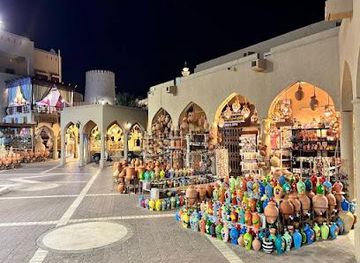


Get your free copy of our complete guide to Nizwa, delivered straight to you.
Everything on this page, from attractions and restaurants to essentials and local phrases, in one PDF you can read offline, print or share.
Already have an account? Sign in
Your Nizwa guide is ready.
We'll send it to · Not you? Sign out

Getting your guide ready…
We are putting together a fresh copy of the Nizwa guide. This can take up to a minute.
This can take a few moments. If your browser asks, choose Allow so the download can start. You'll find the guide in your Downloads folder.
Nothing happened? Download it again
Sorry, the guide is taking longer than usual. Please try again in a minute, or get it by email instead.
Nizwa essentials
Currency and Payment
Safety
Emergency Situations
Do's and Don'ts
Local Tips
From Eve
Local phrases worth knowing
You don't need to get them perfect. A few words go a long way, and locals appreciate the effort.
Basics
| English | Local | Say it |
|---|---|---|
| Hello | مرحبا | [marhaba] |
| Goodbye | وداعا | [wadaan] |
| Yes | نعم | [naam] |
| No | لا | [laa] |
| Please/You're welcome | من فضلك | [min fadlik] |
| Thank you | شكرا | [shukran] |
| Excuse me/Sorry | عذرا | [aadhara] |
| How are you? | كيف حالك؟ | [kayf halak?] |
| Fine. And you? | بخير. وأنت؟ | [bikhayr. wa ant?] |
| Do you speak English? | هل تتحدث الإنجليزية؟ | [hal tatahadath al'injlizia?] |
| I don't understand | لا أفهم | [laa afham] |
Eating & Drinking
| English | Local | Say it |
|---|---|---|
| I'd like to see the menu, please | أريد رؤية القائمة، من فضلك | [urid ru'ya alqaima, min fadlik] |
| I don't eat meat | أنا لا آكل اللحم | [ana la aakul allaham] |
| Cheers! | في صحتك! | [fi sahtak!] |
| I would like to pay, please | أريد أن أدفع، من فضلك | [urid an adfae, min fadlik] |
Emergencies
| English | Local | Say it |
|---|---|---|
| Help! | النجدة! | [alnajda!] |
| Go away! | انصرف! | [ansarif!] |
| Call the Police! | اتصل بالشرطة! | [atsal bialshurta!] |
| Call a doctor! | اتصل بطبيب! | [atsal tabib!] |
| I'm lost | لقد ضللت الطريق | [laqad dalalt altariq] |
| I'm ill | أنا مريض | [ana mareed] |
Shopping
| English | Local | Say it |
|---|---|---|
| I'd like to buy... | أود أن أشتري... | [awad an ashtari...] |
| I'm just looking | أنا فقط أتطلع | [ana faqat atatala] |
| How much is it? | كم هو ثمنه؟ | [kam huw thamanuh?] |
| That's too expensive | هذا غالي جدا | [hatha ghali jiddan] |
| Can you lower the price? | هل يمكنك خفض السعر؟ | [hal yumkinuk khafd alsu'r?] |
Time & Numbers
| English | Local | Say it |
|---|---|---|
| What time is it? | كم الساعة؟ | [kam alsaa'a?] |
| It's one o'clock | الساعة الواحدة | [alsaa'a alwahida] |
| Half past (10) | الساعة والنصف | [alsaa'a walnusf] |
| Morning | الصباح | [assabah] |
| Afternoon | بعد الظهر | [ba'd aldhuhur] |
| Evening | المساء | [almasa] |
| Yesterday | البارحة | [albariha] |
| Today | اليوم | [alyawm] |
| Tomorrow | غدا | [ghadan] |
| 1 | واحد | [wahid] |
| 2 | اثنان | [ithnan] |
| 3 | ثلاثة | [thalatha] |
| 4 | أربعة | [arba'a] |
| 5 | خمسة | [khamsa] |
| 6 | ستة | [sitta] |
| 7 | سبعة | [sab'a] |
| 8 | ثمانية | [thamania] |
| 9 | تسعة | [tis'a] |
| 10 | عشرة | [ashara] |
Transport & Directions
| English | Local | Say it |
|---|---|---|
| Where's a/the...? | أين...؟ | [ayn...?] |
| What's the address? | ما هو العنوان؟ | [ma huwa al'anaan?] |
| Can you show me (on the map)? | هل يمكنك أن تريني (على الخريطة)؟ | [hal yumkinuk an tarini (ala alkharita)?] |
| When's the next (bus)? | متى الحافلة التالية؟ | [mata alhafilat altalia?] |
| A ticket (to ....) | تذكرة (إلى...) | [tazkira (ila...)] |
History of Nizwa
Early Oasis Settlement
Nizwa developed around a fertile oasis supported by falaj irrigation, the traditional system of underground channels and open waterways that distributes mountain water to farms and settlements. Its position between the interior valleys and routes crossing northern Oman encouraged agriculture, pastoralism and trade. Date cultivation became central to the local economy, while the surrounding mountains supplied stone and provided defensible terrain. The settlement’s history is therefore closely tied to the management of scarce water and to the growth of an organised oasis community rather than to a coastal port. Elements of this agricultural landscape, including the extensive Falaj Daris system near Nizwa, still demonstrate how engineering shaped the city’s settlement pattern.
Ibadi Scholarship and Imamate
Nizwa became an important centre of Ibadi Islam, the branch of Islam that has shaped Oman’s religious and political traditions for centuries. Religious scholars, judges and teachers gave the city influence well beyond its size, while the election of an imam and the authority of local communities formed a distinctive political tradition in Oman’s interior. Nizwa served at different periods as a seat of the imamate and as a centre from which religious and political affairs were administered. The city’s mosques, scholarly associations and fortified urban form reflect this combination of learning, communal authority and the need to protect the oasis from rival powers.
Capital of the Interior
Nizwa was Oman’s capital for significant periods, particularly under the imamate, before political power became more firmly concentrated on the coast. Its inland position made it a natural centre for tribal negotiations, religious administration and trade between agricultural settlements. The souq grew around exchanges in livestock, dates, grain, pottery, metalwork and textiles. Defensive construction also expanded as rulers sought to secure the city’s water resources and political importance. The large fort visible today belongs principally to a later phase of this history, but it occupies a site whose strategic and civic significance long predated the present structure.
The Great Fort and Ya’rubi Rule
Nizwa Fort took its present monumental form during the Ya’rubi dynasty. Imam Sultan bin Saif al-Ya’rubi began the principal construction in the seventeenth century, creating a massive defensive complex with a monumental tower, thick earthen walls and internal chambers. The fort was intended to protect the town and its water supply while expressing the authority of the imam. Its design combined military functions with administrative and domestic spaces, including storage areas and rooms for officials. The building’s unusual scale reflects Nizwa’s position as a political centre and remains one of the clearest architectural records of Oman’s early modern interior state.
Modern Oman and Heritage Preservation
During the twentieth century, Oman’s political and economic centre of gravity shifted towards Muscat and the coast, while Nizwa continued as a major regional town serving the interior. Roads, education and public services altered the relationship between the oasis city and surrounding villages, yet traditional farming, markets and handicrafts remained visible. From the late twentieth century onwards, restoration and heritage protection gave renewed attention to Nizwa Fort, the souq and historic water systems. The city’s contemporary identity combines a functioning agricultural and commercial centre with a carefully preserved record of Oman’s religious, political and architectural history.
Travel experiences inspired by this city
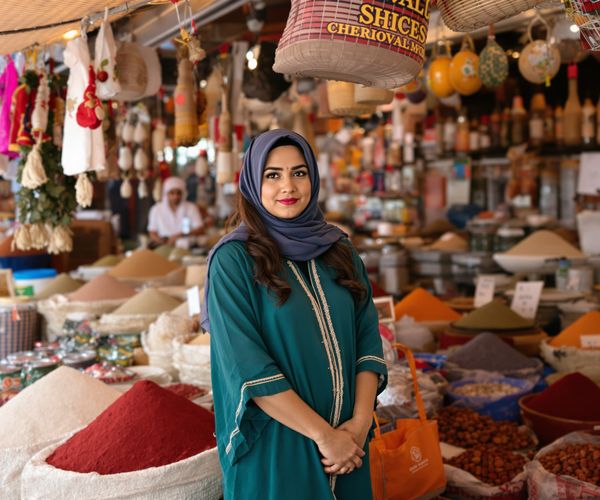

Swipe for more travel diaries
Nizwa in Photos
Browse through our photo collection highlighting the charm and character of the destination.
Cities near Nizwa
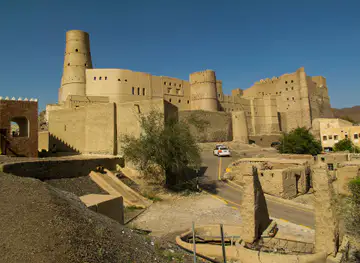
The closest cities to Nizwa, if you have time for more than one stop.
-
-

-

-

-


Swipe for more cities
Explore more
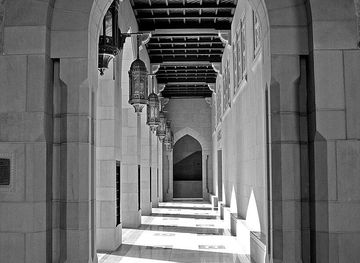
Explore more of Oman
Discover Oman: A land of ancient forts, golden deserts, and warm hospitality, offering a perfect blend of adventure and tranquility.
Explore Oman