

Clifton (Karachi) Travel Guide - Free
Explore Clifton in Karachi with Evendo's free guide. Find the best shops, historic streets, restaurants, and gems on web or mobile.


Clifton Karachi blends Arabian Sea promenades, Mohatta Palace, historic shrines, family beaches, galleries, cafés and Boat Basin dining for food and culture.
Sea, Streets and Social Life
\n\nClifton occupies Karachi’s southwestern seafront, where the city loosens into broad roads, sandy shores and open views across the Arabian Sea. It is not a single-style historic quarter but a large, layered urban area: older residential streets and institutional buildings sit alongside apartment towers, shopping complexes, restaurants, shrines and family recreation spaces. The district’s best-known coastal stretch is Clifton Beach, commonly called Sea View, where Karachi residents come for evening air, informal walks and the spectacle of the sunset.\n\nHeritage Along the Coast
\n\nClifton’s historical identity is especially visible around the Abdullah Shah Ghazi shrine, the landscaped Bagh Ibn-e-Qasim and Jehangir Kothari Parade, a monumental seaside promenade associated with the colonial-era development of Karachi’s coastal suburb. Nearby Mohatta Palace, built in the 1920s as a summer residence, adds an elegant architectural counterpoint to the shore. The district also contains the Three Swords Monument and surviving villas and civic structures that reveal how Clifton changed from a relatively open seaside retreat into a major urban neighbourhood.\n\nCulture, Food and Contemporary Karachi
\n\nBeyond its heritage sites, Clifton is one of the city’s most useful places for encountering contemporary Karachi. Dolmen Mall Clifton provides modern retail and dining, while Boat Basin is associated with late meals, tea, casual cafés and longstanding local food habits. Galleries, cultural institutions and the grounds around Mohatta Palace contribute to the area’s artistic life, while the shrine remains an important devotional destination. Clifton can feel spacious in daylight and crowded around the beach and dining areas later on; its character lies in this contrast between sea-facing leisure, residential city life and highly visible layers of Karachi’s past.Best attractions in Clifton
Clifton’s attractions are concentrated around the coast and its major cultural institutions. Mohatta Palace is the district’s most distinctive visitor site, with ornate architecture and exhibitions that illuminate Karachi’s social and artistic history. From there, Bagh Ibn-e-Qasim provides a broad public landscape leading towards Jehangir Kothari Parade and the Lady Lloyd Pier, where the city’s relationship with the Arabian Sea becomes architectural as well as recreational. Clifton Beach, usually called Sea View, is primarily an urban promenade and sunset setting rather than a conventional swimming resort, and its evening crowds offer a lively glimpse of local leisure. The Abdullah Shah Ghazi shrine adds a deeply rooted religious dimension, while the Three Swords Monument and nearby streets provide smaller-scale landmarks for a walking itinerary. Dolmen Mall Clifton, though contemporary and commercial, is also a useful point of reference for the neighbourhood’s modern identity.
-
Tourist attraction
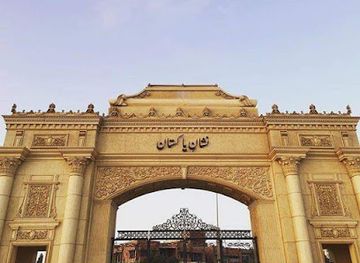
Clifton SeaView Karachi
Experience the enchanting Clifton SeaView in Karachi, where stunning beaches, vibrant culture, and unforgettable sunsets await.
12 min drive · 3.9 km from neighbourhood centre
-
 Tourist attraction
Mohatta Palace Museum
Explore the exquisite Mohatta Palace Museum, a cultural gem in Karachi showcasing heritage, art, and history amid stunning architecture.
18 min walk · 1.4 km from neighbourhood centre
-
Tourist attraction
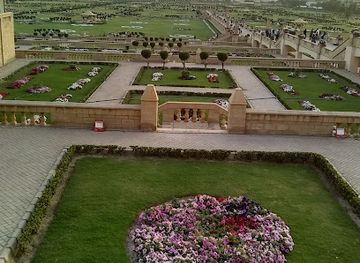
Beach View Park
Discover the natural beauty and serene ambiance of Beach View Park, a perfect getaway along Karachi's stunning coastline.
6 min drive · 1.9 km from neighbourhood centre
-
Tourist attraction
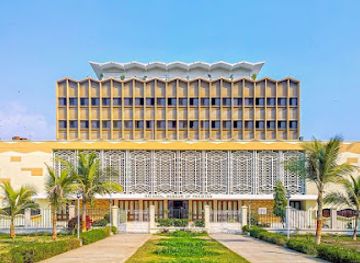
National Museum Of Pakistan
Explore Pakistan's diverse history and culture at the National Museum of Pakistan in Karachi, a captivating journey through time and heritage.
11 min drive · 3.7 km from neighbourhood centre
Best landmarks in Clifton
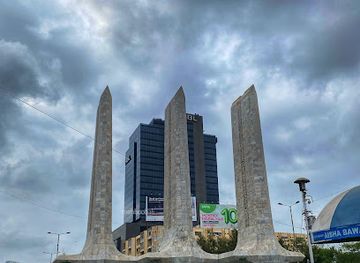
Clifton’s landmarks record several different eras of Karachi’s development. The Abdullah Shah Ghazi shrine is the area’s most important religious landmark, its elevated presence and continuing pilgrimage tradition giving the coastal district a spiritual centre. Jehangir Kothari Parade and the Lady Lloyd Pier express the civic ambitions of the colonial-era seaside suburb, creating a formal architectural relationship with the shore. Mohatta Palace, built in the 1920s for Shivratan Chandraratan Mohatta, is significant for both its Indo-Islamic architectural vocabulary and its connection with Karachi’s pre-Partition mercantile society and Pakistan’s later political history. Bagh Ibn-e-Qasim functions as a major public landscape around these sites, while the Three Swords Monument is a recognisable modern marker on the district’s roads. Together, these places show Clifton as more than a beach frontage.
-
Park
Aunty and Uncle Park
Discover the serenity of Aunty and Uncle Park in Karachi—an urban oasis perfect for relaxation, family fun, and enjoying nature's beauty.
10 min walk · 0.8 km from neighbourhood centre
-
Historical landmark
Do Talwar Monument
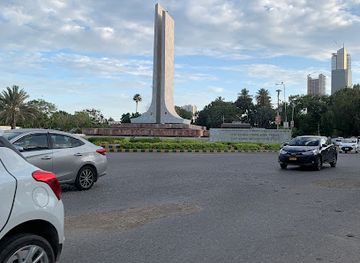
Explore Karachi’s cultural heritage at Do Talwar Monument, featuring iconic twin swords that symbolize bravery and local history.
18 min walk · 1.4 km from neighbourhood centre
-
Historical landmark
Teen Talwar Monument
Explore the Teen Talwar Monument, an iconic symbol of Karachi's rich history and cultural heritage, set in a vibrant urban landscape.
6 min drive · 2.1 km from neighbourhood centre
-
Historical landmark
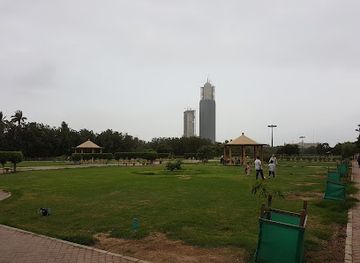
Jehangir Kothari Parade
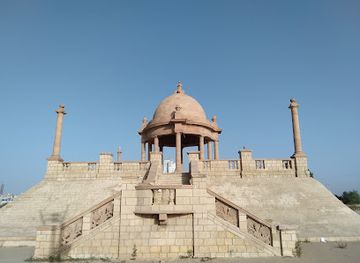
Discover the historical allure and scenic beauty of Jehangir Kothari Parade in Karachi, a perfect blend of nature and culture for every traveler.
12 min walk · 0.9 km from neighbourhood centre
Explore Clifton on the map
A handpicked selection of must-see spots in Clifton, mapped for you.
Best hotels in Clifton
Best restaurants in Clifton
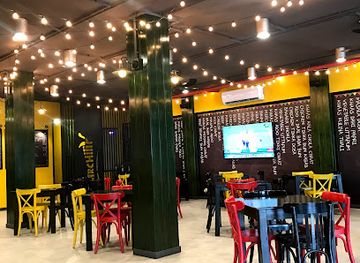
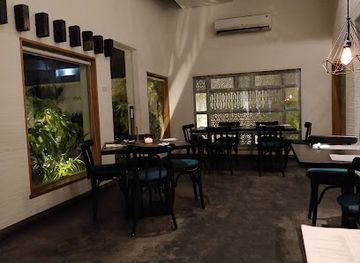
Clifton has one of Karachi’s broadest dining landscapes, ranging from long-established Pakistani and South Asian eateries to cafés, bakeries, dessert shops and contemporary restaurants. Boat Basin is the most recognisable food destination within the area, known for casual late meals, tea and a dense concentration of restaurants serving local favourites, grilled dishes and familiar urban comfort food. Around Sea View and the major commercial roads, dining is more closely tied to family outings, cafés and modern retail than to a single traditional cuisine. Clifton’s history as a cosmopolitan, wealthy and rapidly expanding district is reflected in this mixture: heritage surroundings, multinational retail settings and informal food culture exist within a short drive of one another. Visitors should distinguish the neighbourhood’s established restaurant clusters from temporary stalls and confirm current menus and arrangements locally.
-
Restaurant
Xander's Clifton
Discover Xander's Clifton - where modern cuisine meets exceptional ambiance in the heart of Karachi.
7 min drive · 2.2 km from neighbourhood centre
-
Restaurant
Mirchili @ Clifton
Experience authentic Pakistani flavors at Mirchili @ Clifton – where every dish tells a story amidst Karachi's vibrant culture.
5 min drive · 1.7 km from neighbourhood centre
-
Restaurant
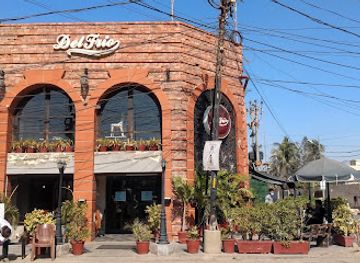
Del Frio
Experience the rich flavors of Pakistan at Del Frio in Karachi – where culinary artistry meets inviting ambiance.
15 min walk · 1.2 km from neighbourhood centre
-
Restaurant
Koel Cafe
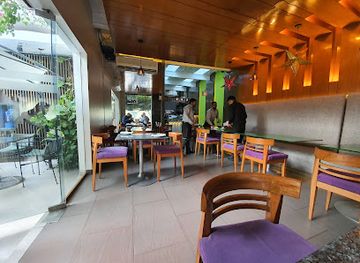
Experience the perfect blend of modern ambiance and traditional flavors at Koel Cafe in Karachi's Clifton area.
6 min drive · 2.0 km from neighbourhood centre
Best bars in Clifton
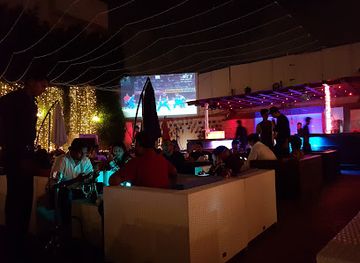
Clifton does not have a conventional bar-and-nightclub culture comparable with many international seaside districts, reflecting Pakistan’s laws and social conventions around alcohol. Its evening life is instead centred on restaurants, tea and coffee cafés, dessert venues, shopping complexes, family outings and the long public rhythm of Sea View. Boat Basin is particularly associated with late dining and casual conversation, while the seafront attracts visitors for drives and walks rather than organised clubbing. Cultural evenings, exhibitions and occasional performances connected with institutions such as Mohatta Palace may provide more formal entertainment, subject to current programming. The atmosphere changes by location: commercial areas remain sociable and busy, whereas residential streets are quieter and should be treated considerately. Visitors should not assume that an establishment described as a lounge operates as a licensed international-style bar.
-
Restaurant
Irish Night
Discover the vibrant ambiance and authentic Irish cuisine at Irish Night, Karachi's premier dining destination for food lovers.
6 min walk · 0.4 km from neighbourhood centre
-
Bar
Cosmopolitan
Dive into the vibrant nightlife of Karachi at Cosmopolitan Bar, where innovative drinks and delectable bites await you in the heart of Dolmen Mall.
7 min drive · 2.2 km from neighbourhood centre
-
Bar
Frizzela Clifton
Experience the vibrant nightlife at Frizzela Clifton, Karachi's premier bar with an extensive drink menu and delicious food.
12 min walk · 0.9 km from neighbourhood centre
-
Lounge
Supreme Court Judges Rest House
Experience relaxation and elegance at the Supreme Court Judges Rest House, a luxurious lounge in the heart of Karachi's Clifton area.
17 min walk · 1.4 km from neighbourhood centre
Best nightclubs in Clifton
Clifton does not have a conventional bar-and-nightclub culture comparable with many international seaside districts, reflecting Pakistan’s laws and social conventions around alcohol. Its evening life is instead centred on restaurants, tea and coffee cafés, dessert venues, shopping complexes, family outings and the long public rhythm of Sea View. Boat Basin is particularly associated with late dining and casual conversation, while the seafront attracts visitors for drives and walks rather than organised clubbing. Cultural evenings, exhibitions and occasional performances connected with institutions such as Mohatta Palace may provide more formal entertainment, subject to current programming. The atmosphere changes by location: commercial areas remain sociable and busy, whereas residential streets are quieter and should be treated considerately. Visitors should not assume that an establishment described as a lounge operates as a licensed international-style bar.
-
Lounge
Supreme Court Judges Rest House
Experience tranquility and charm at the Supreme Court Judges Rest House, a serene lounge offering a unique escape in the heart of Karachi.
17 min walk · 1.4 km from neighbourhood centre
-
Bar
Clifton Chaseup Sheesha Bar
Discover the essence of Karachi nightlife at Clifton Chaseup Sheesha Bar, where flavorful sheesha meets a vibrant social scene.
5 min drive · 1.7 km from neighbourhood centre
-
Night club
Memories cafe & Hooka Lounge
Experience the vibrant nightlife of Karachi at Memories Cafe & Hooka Lounge, where relaxation meets entertainment in a stylish setting.
12 min walk · 1.0 km from neighbourhood centre
-
Night club
SAC Sindh Headquarters
SAC Sindh Headquarters: Dive into Karachi's electrifying nightlife at this vibrant night club, perfect for dancing and socializing with locals.
15 min drive · 4.9 km from neighbourhood centre
Best shops in Clifton
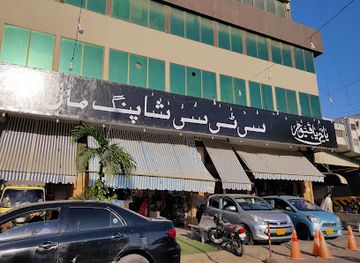
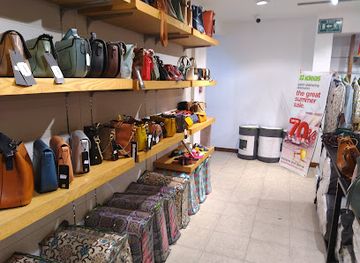
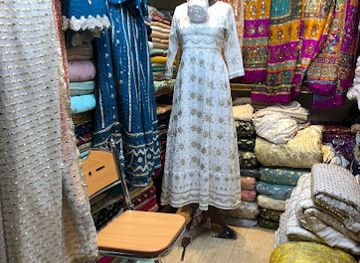
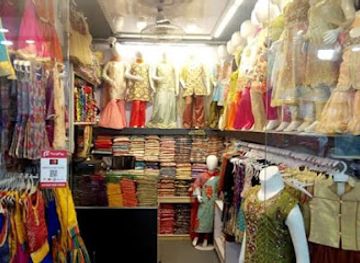
Shopping in Clifton ranges from modern mall retail to food-led commercial streets and smaller independent businesses. Dolmen Mall Clifton is the area’s most prominent contemporary shopping complex, bringing fashion, household retail, cafés and restaurants into a large air-conditioned setting. Around Boat Basin and other busy roads, visitors encounter bakeries, dessert shops, casual food outlets, pharmacies, salons and everyday services rather than a single traditional bazaar. The district is also a useful place to look for galleries, design-oriented goods and locally made or Pakistani-branded products, although individual stock changes and specialist businesses open or relocate over time. Clifton’s retail identity is therefore mixed: formal shopping and branded outlets sit alongside informal food culture and neighbourhood commerce. It is not primarily an antique market district, so visitors seeking old objects or traditional crafts may need to explore other parts of Karachi.
-
Boutique
Dawn's Collection
Explore Dawn's Collection in Karachi for an exquisite boutique experience featuring local and contemporary fashion, perfect for every traveler.
6 min drive · 1.9 km from neighbourhood centre
-
Clothing store
Ideas - Clifton Block 9 Razi Towers
Explore the vibrant clothing store at Clifton Block 9 Razi Towers, offering unique fashion for men, women, and children in Karachi.
5 min drive · 1.7 km from neighbourhood centre
-
Clothing store
Aziz Banarsi Clifton
Discover the exquisite blend of tradition and modernity at Aziz Banarsi Clifton, Karachi's premier clothing destination for fashion lovers.
6 min drive · 2.0 km from neighbourhood centre
-
Baby clothing store
Jennys Boutique
Discover stylish and comfortable baby clothing at Jennys Boutique in Karachi, where quality meets contemporary fashion for your little ones.
6 min drive · 2.1 km from neighbourhood centre

From Eve
Local phrases worth knowing
You don't need to get them perfect. A few words go a long way, and locals appreciate the effort.
Basics
| English | Local | Say it |
|---|---|---|
| Hello | سلام | [Salaam] |
| Goodbye | خُدا حافِظ | [Khuda Hafiz] |
| Yes | ہاں | [Haan] |
| No | نہیں | [Nahi] |
| Please/You're welcome | براہ کرم | [Barah-e-karam] |
| Thank you | شکریہ | [Shukriya] |
| Excuse me/Sorry | معاف کیجئے | [Maaf kijye] |
| How are you? | آپ کیسے ہیں؟ | [Aap kaise hain?] |
| Fine. And you? | ٹھیک ہوں۔ اور آپ؟ | [Theek hoon. Aur aap?] |
| Do you speak English? | کیا آپ انگریزی بولتے ہیں؟ | [Kya aap angrezi bolte hain?] |
| I don't understand | مجھے سمجھ نہیں آرہا | [Mujhe samajh nahi araha] |
Eating & Drinking
| English | Local | Say it |
|---|---|---|
| I'd like to see the menu, please | براہ کرم مینو دیکھنا چاہتا ہوں | [Barah-e-karam menu dekhna chahta hoon] |
| I don't eat meat | میں گوشت نہیں کھاتا | [Mein gosht nahi khata] |
| Cheers! | چیئرز! | [Cheers!] |
| I would like to pay, please | براہ کرم ادا کرنا چاہتا ہوں | [Barah-e-karam ada karna chahta hoon] |
Emergencies
| English | Local | Say it |
|---|---|---|
| Help! | مدد! | [Madad!] |
| Go away! | دور ہوجاؤ! | [Door ho jao!] |
| Call the Police! | پولیس کو بلاو! | [Police ko bulao!] |
| Call a doctor! | ڈاکٹر کو بلاو! | [Doctor ko bulao!] |
| I'm lost | میں گم ہوگیا ہوں | [Mein gum hogaya hoon] |
| I'm ill | مجھے بیماری ہوگئی ہے | [Mujhe bimari hogayi hai] |
Shopping
| English | Local | Say it |
|---|---|---|
| I'd like to buy... | میں ... خریدنا چاہتا ہوں | [Mein ... kharidna chahta hoon] |
| I'm just looking | میں صرف دیکھ رہا ہوں | [Mein sirf dekh raha hoon] |
| How much is it? | یہ کتنے کا ہے؟ | [Yeh kitne ka hai?] |
| That's too expensive | یہ بہت مہنگا ہے | [Yeh bohat mehnga hai] |
| Can you lower the price? | کیا آپ قیمت کم کرسکتے ہیں؟ | [Kya aap qeemat kam kar sakte hain?] |
Time & Numbers
| English | Local | Say it |
|---|---|---|
| What time is it? | وقت کیا ہوا ہے؟ | [Waqt kya hua hai?] |
| It's one o'clock | ایک بجے ہیں | [Ek baje hain] |
| Half past (10) | (10) کے بعد آدھا | [(Das) ke baad adha] |
| Morning | صبح | [Subah] |
| Afternoon | دوپہر | [Dopahar] |
| Evening | شام | [Shaam] |
| Yesterday | کل | [Kal] |
| Today | آج | [Aaj] |
| Tomorrow | کل | [Kal] |
| 1 | ایک | [Ek] |
| 2 | دو | [Do] |
| 3 | تین | [Teen] |
| 4 | چار | [Char] |
| 5 | پانچ | [Paanch] |
| 6 | چھے | [Chhe] |
| 7 | سات | [Saath] |
| 8 | آٹھ | [Aath] |
| 9 | نو | [No] |
| 10 | دس | [Das] |
Transport & Directions
| English | Local | Say it |
|---|---|---|
| Where's a/the...? | ... کہاں ہے؟ | [... kahan hai?] |
| What's the address? | پتہ کیا ہے؟ | [Pata kya hai?] |
| Can you show me (on the map)? | کیا آپ مجھے دکھا سکتے ہیں (نقشہ پر)؟ | [Kya aap mujhe dikhha sakte hain (naqsha par)?] |
| When's the next (bus)? | اگلی (بس) کب ہے؟ | [Agli (bus) kab hai?] |
| A ticket (to ....) | ایک ٹکٹ (.... کے لیے) | [Ek ticket (... ke liye)] |
History of Clifton
A Coastal Edge Before Urban Expansion
The Clifton area developed on Karachi’s southwestern coastal edge, close to the Arabian Sea and historically distinct from the older port and bazaar districts farther east. Its most enduring early association is the shrine of Abdullah Shah Ghazi, a major Sufi site traditionally linked with an eighth-century saint and still central to the area’s religious identity. For much of Karachi’s earlier history, the coastline and sandy land around Clifton were relatively open compared with the dense commercial city, giving the locality a distinctive relationship with sea air, seasonal recreation and pilgrimage.
The Colonial-Era Seaside Suburb
Under British rule, Clifton increasingly became a seaside suburb and leisure landscape for Karachi’s expanding population. Jehangir Kothari Parade, funded by the Parsi philanthropist Seth Jehangir Hormusji Kothari and opened in the 1920s, formalised public access to the coast through its elevated promenade and associated structures, including the Lady Lloyd Pier. The development reflected broader municipal efforts to provide civic spaces and improve Karachi’s waterfront while also marking Clifton as a desirable residential and recreational area beyond the older core.
Mohatta Palace and Interwar Karachi
Mohatta Palace was built in the 1920s by Shivratan Chandraratan Mohatta, a Hindu businessman, as a summer residence near the sea. Its stonework, shaded verandas and prominent domed forms represent the prosperous commercial world of interwar Karachi, when wealthy families built substantial homes in the city’s newer districts. After Partition, the palace entered Pakistan’s governmental and political history before becoming a museum and cultural venue. Its existence in Clifton preserves a direct link between the neighbourhood’s cosmopolitan pre-1947 society and its later national history.
Post-Partition Growth and Metropolitan Clifton
After the creation of Pakistan in 1947, Karachi expanded rapidly and Clifton changed from a comparatively low-density coastal suburb into a substantial urban neighbourhood. New residents, institutions, apartment buildings, commercial premises and roads altered its social and physical landscape, while the Abdullah Shah Ghazi shrine continued to draw worshippers from across the city. Public open spaces and the beach remained important recreational assets even as surrounding development intensified. In the late twentieth and early twenty-first centuries, shopping centres, restaurants and high-rise construction further established Clifton as a major residential, commercial and cultural address.
A Contemporary Cultural and Commercial District
Modern Clifton combines heritage conservation, large-scale retail and dense urban growth with an active public waterfront. Mohatta Palace’s use for exhibitions and cultural programming has helped keep the neighbourhood’s architectural history visible, while Bagh Ibn-e-Qasim and the seafront remain important public settings. Boat Basin and surrounding commercial areas reflect changing dining habits, and the district’s galleries, cafés and shopping venues serve a city-wide audience. This contemporary identity has brought investment and new amenities, but it also means that historic buildings, public access and the coastal environment remain part of ongoing debates about Karachi’s development.
Clifton in Photos
Browse through our photo collection highlighting the charm and character of the destination.
Neighbourhoods near Clifton
The closest neighbourhoods to Clifton, if you have time for more than one stop.
-

-

-

-


Swipe for more neighbourhoods

