

Model Town (Lahore) Travel Guide - Free
Explore Model Town in Lahore with Evendo's free guide. Find the best shops, historic streets, restaurants, and gems on web or mobile.


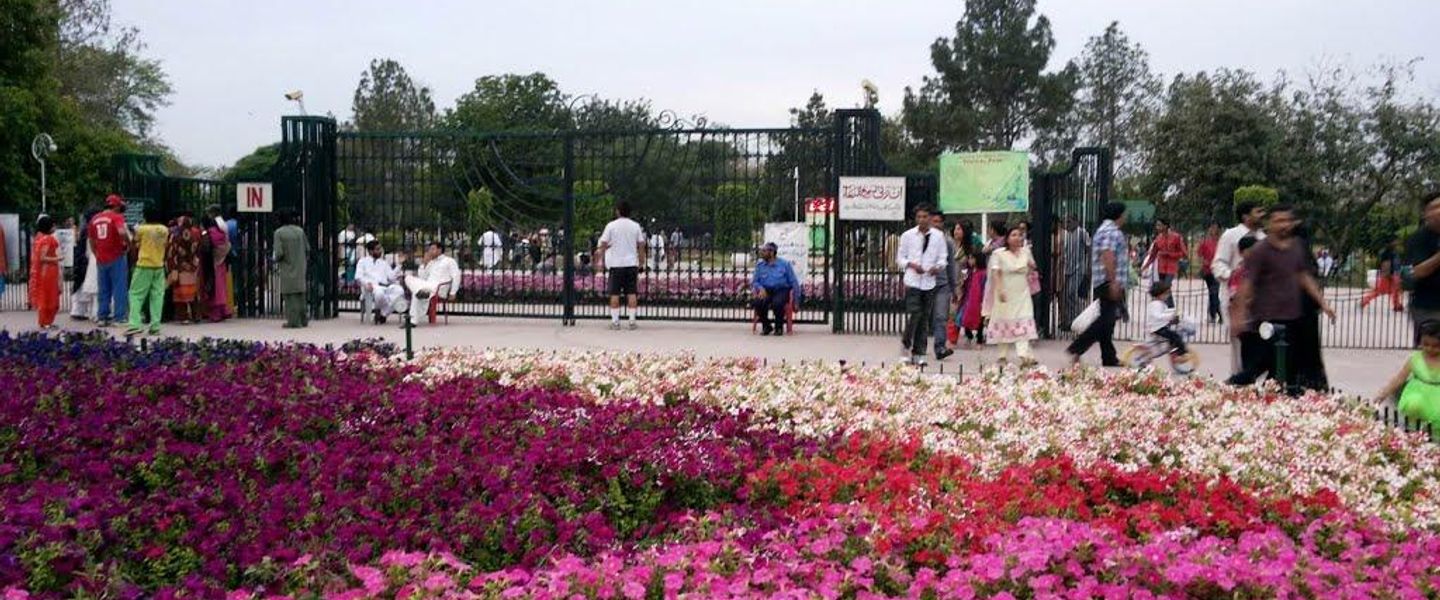


Model Town Lahore combines a leafy planned suburb, spacious Model Town Park, broad historic avenues, local cafés and convenient links to southern Lahore.
Planned Streets and Green Space
Model Town occupies a distinctive place in Lahore: neither an old walled quarter nor a conventional modern housing development, but a carefully planned garden suburb created around broad roads, generous plots and abundant trees. Its most recognisable feature is Model Town Park, a large green space encircled by the neighbourhood’s characteristic circular road and used by residents for walking, exercise and informal recreation. The surrounding avenues are quieter and leafier than Lahore’s principal commercial corridors, with mature shade trees, low-rise houses, mosques, schools and small local businesses shaping the everyday landscape.Read more about Model Town
Local Life and Lahore Connections
A Residential Cultural Landscape
Best attractions in Model Town
Model Town’s principal attraction is the neighbourhood itself: a planned landscape of tree-lined avenues, broad radial roads and generous residential plots arranged around Model Town Park. The park provides the clearest public experience of the district, with walking paths, lawns and open recreational areas used by residents for exercise and informal gatherings. A circuit of the surrounding circular road reveals changing views of the greenery and the varied houses that developed within the original plan. The central commercial areas, including Bank Square and nearby market streets, add a more active local dimension through bakeries, cafés, shops and everyday Lahore street life. Model Town Library and local civic institutions offer further insight into the area’s community character, although access and opening arrangements may vary. Visitors seeking grand Mughal or colonial monuments should travel elsewhere in Lahore; Model Town is chiefly an architectural and urban-planning experience.
-
Park
Arfa Karim Park
Experience tranquility at Arfa Karim Park, Lahore's lush green retreat, filled with scenic beauty, walking paths, and family-friendly spaces.
13 min walk · 1.1 km from neighbourhood centre
-
Park
Dongi Ground
Experience the charm of Dongi Ground, an urban park in Lahore perfect for relaxation, family fun, and engaging with local culture.
5 min drive · 1.8 km from neighbourhood centre
-
Tourist attraction
Saint Mary's Park
Explore the lush landscapes and family-friendly attractions of Saint Mary's Park, a tranquil oasis in the heart of Lahore, perfect for relaxation and recreation.
6 min drive · 2.1 km from neighbourhood centre
-
Park
Child Park R Block
Experience the serene beauty of Child Park R Block, a family-friendly oasis in Lahore offering lush greenery, playgrounds, and tranquil walking paths.
5 min drive · 1.8 km from neighbourhood centre


Best landmarks in Model Town
Model Town Park is the neighbourhood’s defining physical landmark, not only a recreational green space but also the central element that makes the original plan immediately understandable. The encircling circular road and radial avenues form a recognisable piece of Lahore’s twentieth-century urban design, with mature trees and long residential frontages reinforcing the garden-suburb character. Bank Square and the central commercial areas are important local landmarks because they show how the planned settlement developed a civic and commercial focus rather than remaining exclusively residential. Model Town Mosque and other neighbourhood institutions contribute to the area’s community identity, while Model Town Library represents the role of shared local amenities within the planned suburb. Individual houses are private and have changing architectural histories, so they are best appreciated from public streets rather than treated as open monuments. The significance of Model Town lies in this connected landscape of park, roads, housing and institutions.
-
Park
Model Town Park
Explore Model Town Park: A picturesque oasis in Lahore, offering lush greenery and a vibrant atmosphere for relaxation and cultural experiences.
5 min walk · 0.4 km from neighbourhood centre
-
Market
A-Block Circular Market (Model Town)
Experience the vibrant A-Block Circular Market in Model Town, Lahore, where local culture, shopping, and delicious street food await your discovery.
13 min walk · 1.1 km from neighbourhood centre
-
Historical landmark
Club Chowk
Experience the vibrant history of Lahore at Club Chowk, a cultural landmark that beautifully blends the old with the new.
12 min walk · 0.9 km from neighbourhood centre
-
Park
M Block Park
Explore the tranquil beauty of M Block Park in Lahore, a perfect escape for relaxation and leisure amidst the city's vibrant atmosphere.
5 min drive · 1.7 km from neighbourhood centre


Explore Model Town on the map
A handpicked selection of must-see spots in Model Town, mapped for you.
Best hotels in Model Town
Best restaurants in Model Town
Eating in Model Town is largely a local, residential experience, centred on commercial strips and market areas rather than a single restaurant quarter. Around Bank Square, the central markets and the approaches to Model Town Link Road, visitors can find the familiar Lahore mix of Pakistani meals, barbecue, karahi, biryani, burgers, bakeries, tea and coffee. Small cafés and family restaurants serve residents, while bakeries and sweet shops are useful for takeaway snacks and traditional confectionery. The dining scene reflects the neighbourhood’s long-established urban community: practical everyday food sits alongside newer cafés and informal contemporary venues. Menus, ownership and opening arrangements change, so it is sensible to inspect the immediate area rather than rely on old listings. Model Town is also within easy road reach of better-known dining clusters elsewhere in Lahore, but those should not be confused with the neighbourhood’s own modest, locally oriented food culture.
-
Restaurant
Malwari Paratha Kabab
Experience authentic Pakistani cuisine at Malwari Paratha Kabab in Lahore—delicious parathas and kebabs await your visit!
6 min drive · 2.0 km from neighbourhood centre
-
Restaurant
The Lost Tribe
Discover the flavors of Pakistan at The Lost Tribe in Lahore - where tradition meets modern culinary artistry.
6 min drive · 1.9 km from neighbourhood centre
-
Fast Food
Howdy Model Town
Experience the best of fast food at Howdy Model Town, where juicy burgers and crispy chicken wings await every foodie adventurer.
6 min drive · 2.0 km from neighbourhood centre
-
Restaurant
Sholay Restaurant
Experience authentic Pakistani cuisine at Sholay Restaurant in Lahore—where every dish tells a story.
1 min walk · 0.1 km from neighbourhood centre


Best bars in Model Town
Model Town is not a nightclub district, and its evening character remains predominantly residential. After sunset, activity concentrates on family restaurants, tea shops, cafés, bakeries and the local commercial areas, where residents meet for food and conversation rather than clubbing. The broad interior avenues are generally better suited to a quiet drive or early evening walk than to a late-night entertainment circuit, while busier roads such as Ferozepur Road and Model Town Link Road carry traffic towards other parts of Lahore. Pakistan’s licensing environment also means that visitors should not expect a conventional bar scene. Some restaurants and cafés may stay active later than the surrounding residential streets, but hours and entertainment offerings vary. For live music, theatre or more concentrated late-night venues, visitors normally need to travel to established entertainment areas elsewhere in the city rather than treat Model Town as a nightlife destination.
-
Cocktail bar
Malta Pan Shop
Experience Lahore's nightlife at Malta Pan Shop, a vibrant cocktail bar offering a creative drink menu and a welcoming atmosphere.
5 min drive · 1.7 km from neighbourhood centre
-
Bar
New Liberty Pan Shop
Discover the vibrant nightlife of Lahore at New Liberty Pan Shop - a lively bar with a rich selection of drinks and a welcoming atmosphere.
10 min walk · 0.8 km from neighbourhood centre
-
Bar
Nitty Gritty
Discover the lively vibe of Nitty Gritty, Lahore's premier bar, where great drinks and a vibrant atmosphere await you.
6 min drive · 1.9 km from neighbourhood centre
-
Bar
Raider Soda
Experience the vibrant nightlife of Lahore at Raider Soda, a lively bar in Model Town offering a unique blend of refreshing drinks and a welcoming atmosphere.
1 min walk · 0.1 km from neighbourhood centre


Best nightclubs in Model Town
Model Town is not a nightclub district, and its evening character remains predominantly residential. After sunset, activity concentrates on family restaurants, tea shops, cafés, bakeries and the local commercial areas, where residents meet for food and conversation rather than clubbing. The broad interior avenues are generally better suited to a quiet drive or early evening walk than to a late-night entertainment circuit, while busier roads such as Ferozepur Road and Model Town Link Road carry traffic towards other parts of Lahore. Pakistan’s licensing environment also means that visitors should not expect a conventional bar scene. Some restaurants and cafés may stay active later than the surrounding residential streets, but hours and entertainment offerings vary. For live music, theatre or more concentrated late-night venues, visitors normally need to travel to established entertainment areas elsewhere in the city rather than treat Model Town as a nightlife destination.
-
Country club
Model Town Club
Experience luxury and leisure at Model Town Club, Lahore's premier country club offering exquisite dining, sports, and serene surroundings.
9 min walk · 0.7 km from neighbourhood centre
-
Bar
Nitty Gritty
Experience the vibrant nightlife of Lahore at Nitty Gritty, a lively bar offering delectable drinks and an inviting atmosphere for tourists.
6 min drive · 1.9 km from neighbourhood centre
-
Night club
DeStrokes Snooker Club
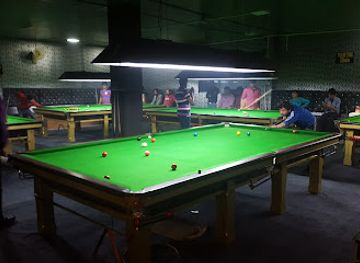
Experience the vibrant nightlife of Lahore at DeStrokes Snooker Club, where entertainment meets relaxation in a friendly atmosphere.
17 min walk · 1.4 km from neighbourhood centre
-
 Social club
Youtube
Experience the vibrant community spirit and cultural richness at Lahore's premier social club, a perfect spot for engagement and connection.
6 min drive · 2.0 km from neighbourhood centre


Best shops in Model Town
Shopping in Model Town is practical, local and closely tied to the needs of a long-established residential community. The central commercial areas around Bank Square and the local markets provide groceries, clothing, household goods, pharmacies, bakeries, sweets and everyday services, while smaller shops appear along the neighbourhood’s busier connecting roads. Visitors may also find cafés, gift items and familiar Pakistani food products, but Model Town is not primarily a specialist craft or luxury-retail destination. Its appeal lies in observing the rhythm of a Lahore neighbourhood where shopping streets serve residents rather than being arranged solely for tourists. Independent businesses and food retailers can change, so stock and opening patterns should not be assumed. For major malls, designer labels and a wider contemporary retail selection, visitors will need to travel beyond Model Town to other commercial districts of Lahore.
-
Shopping mall
Amanah Mall
Experience the vibrant shopping scene at Amanah Mall in Lahore, where retail therapy meets entertainment and local cuisine.
8 min drive · 2.6 km from neighbourhood centre
-
Supermarket
METRO Model Town, Lahore
Explore METRO Model Town, Lahore's top supermarket, for a diverse range of products and a unique shopping experience.
6 min drive · 1.9 km from neighbourhood centre
-
Shopping mall
zaibjaan clothing
Discover the latest fashion trends at Zaibjaan Clothing in Lahore, a premier shopping destination for style enthusiasts.
6 min drive · 2.1 km from neighbourhood centre
-
Shopping mall
Al Fatah - Model Town
Discover the heart of Lahore shopping at Al Fatah - Model Town, where local groceries meet international brands in a vibrant atmosphere.
19 min walk · 1.5 km from neighbourhood centre


Model Town essentials
Getting There
Getting Around
Safety
Emergency Situations
Do's and Don'ts
Local Tips

From Eve
Local phrases worth knowing
You don't need to get them perfect. A few words go a long way, and locals appreciate the effort.
Basics
| English | Local | Say it |
|---|---|---|
| Hello | سلام | [Salaam] |
| Goodbye | خدا حافظ | [Khuda Hafiz] |
| Yes | ہاں | [Haan] |
| No | نہیں | [Nahi] |
| Please/You're welcome | مہربانی | [Mehrbani] |
| Thank you | شکریہ | [Shukriya] |
| Excuse me/Sorry | معذرت چاہتا ہوں | [Mazrat chahta hoon] |
| How are you? | آپ کیسے ہیں؟ | [Aap kaise hain?] |
| Fine. And you? | ٹھیک ہوں، آپ؟ | [Theek hoon, aap?] |
| Do you speak English? | کیا آپ انگریزی بولتے ہیں؟ | [Kya aap angrezi bolte hain?] |
| I don't understand | مجھے سمجھ نہیں آیا | [Mujhe samajh nahi aya] |
Eating & Drinking
| English | Local | Say it |
|---|---|---|
| I'd like to see the menu, please | براہ کرم مینو دیکھنا چاہوں گا | [Barah-e-karam menu dekhna chahunga] |
| I don't eat meat | میں گوشت نہیں کھاتا | [Main gosht nahi khaata] |
| Cheers! | چیرز! | [Cheers!] |
| I would like to pay, please | براہ کرم ادا کرنا چاہوں گا | [Barah-e-karam ada karna chahunga] |
Emergencies
| English | Local | Say it |
|---|---|---|
| Help! | مدد! | [Madad!] |
| Go away! | چلے جاؤ! | [Chale jao!] |
| Call the Police! | پولیس کو بلاؤ! | [Police ko bulao!] |
| Call a doctor! | ڈاکٹر کو بلاؤ! | [Doctor ko bulao!] |
| I'm lost | میں گم ہو گیا ہوں | [Main gum ho gaya hoon] |
| I'm ill | میں بیمار ہوں | [Main bimaar hoon] |
Shopping
| English | Local | Say it |
|---|---|---|
| I'd like to buy... | میں خریدنا چاہتا ہوں... | [Main kharidna chahta hoon...] |
| I'm just looking | میں بس دیکھ رہا ہوں | [Main bas dekh raha hoon] |
| How much is it? | یہ کتنا ہے؟ | [Ye kitna hai?] |
| That's too expensive | یہ بہت مہنگا ہے | [Ye bohat mehnga hai] |
| Can you lower the price? | کیا آپ قیمت کم کرسکتے ہیں؟ | [Kya aap qeemat kam kar sakte hain?] |
Time & Numbers
| English | Local | Say it |
|---|---|---|
| What time is it? | کتنا بجا ہوا ہے؟ | [Kitna baja hua hai?] |
| It's one o'clock | ایک بجے ہیں | [Ek bajay hain] |
| Half past (10) | دس بج کر پندرہ منٹ ہو چکے ہیں | [Das baj kar pandra minute ho chuke hain] |
| Morning | صبح | [Subah] |
| Afternoon | دوپہر | [Dopahar] |
| Evening | شام | [Shaam] |
| Yesterday | کل | [Kal] |
| Today | آج | [Aaj] |
| Tomorrow | کل | [Kal] |
| 1 | ایک | [Ek] |
| 2 | دو | [Do] |
| 3 | تین | [Teen] |
| 4 | چار | [Char] |
| 5 | پانچ | [Paanch] |
| 6 | چھے | [Chhay] |
| 7 | سات | [Saat] |
| 8 | آٹھ | [Aath] |
| 9 | نو | [Nau] |
| 10 | دس | [Das] |
Transport & Directions
| English | Local | Say it |
|---|---|---|
| Where's a/the...? | کہاں ہے...؟ | [Kahan hai...?] |
| What's the address? | پتہ کیا ہے؟ | [Pata kya hai?] |
| Can you show me (on the map)? | کیا آپ مجھے دکھا سکتے ہیں؟ | [Kya aap mujhe dikha sakte hain?] |
| When's the next (bus)? | اگلی بس کب ہے؟ | [Agli bus kab hai?] |
| A ticket (to ....) | ایک ٹکٹ (کو...) | [Ek ticket (ko...)] |
History of Model Town
The Cooperative Garden Suburb
Model Town was established in the early 1920s by the Model Town Cooperative Society as a planned residential settlement on Lahore’s expanding southern edge. Its design reflected contemporary garden-suburb thinking: houses stood in relatively spacious plots, roads were laid out in an ordered pattern, and trees and open land were treated as essential parts of the residential environment. Rather than growing incrementally from a bazaar or village core, the neighbourhood was conceived as a coordinated development with shared infrastructure and a strong emphasis on civic order. The plan created the broad avenues, central open areas and distinctive circular organisation that remain visible today.
A Planned Community Takes Shape
During the interwar decades, Model Town developed as a substantial residential community linked to Lahore by improving roads and urban services. The cooperative structure influenced both the physical form of the locality and its social organisation, with shared concerns about roads, sanitation, landscaping and public amenities. Houses varied in design as new residents built over time, but the generous plots and tree-lined streets gave the neighbourhood a consistent character. Public and semi-public institutions, places of worship, schools and commercial spaces gradually made Model Town more self-contained, while its position beyond the older city allowed it to retain a suburban atmosphere.
Partition and Postcolonial Lahore
The Partition of 1947 transformed Lahore’s population and institutions, and Model Town, like other established residential areas, was drawn into the city’s wider reorganisation. Properties, schools, businesses and community networks changed as refugees arrived and administrative arrangements were reshaped. In the decades that followed, Lahore expanded around the older planned suburb, reducing its once peripheral position. New roads connected it to developing southern districts, while the neighbourhood’s established houses, markets and public spaces continued to serve a growing city. Its earlier cooperative layout survived even as the surrounding urban landscape became denser and more heavily trafficked.
A Mature Urban Neighbourhood
Model Town’s contemporary identity rests on the survival of its original spatial principles alongside continuous adaptation. Mature trees, the park, circular road and radial avenues remain major elements of the townscape, while commercial activity has intensified around selected corridors and local retail centres. Traffic, redevelopment and changing property patterns have altered the experience of some streets, yet the locality is still recognisable as a planned garden suburb rather than an undifferentiated extension of Lahore. Today its significance is both historical and practical: it demonstrates a formative stage in the city’s twentieth-century suburban development and remains an active residential district.
Model Town in Photos
Browse through our photo collection highlighting the charm and character of the destination.
Neighbourhoods near Model Town
The closest neighbourhoods to Model Town, if you have time for more than one stop.
-

-

-

-


Swipe for more neighbourhoods
Explore more

Explore more of Lahore
Lahore blends Mughal monuments, lively bazaars, Punjabi food and gracious gardens, offering deep history, art and culture in Pakistan's cultural capital.
Explore Lahore