

Free Murree Travel Guide & Mobile App
Plan your Murree trip with Evendo. Get free guides to top attractions, restaurants, hotels, and bars. Web access or download the mobile app.


Murree, Pakistan: explore pine forests, colonial heritage, Kashmir viewpoints, historic Mall Road and the cool-weather culture near Islamabad.
A Hill Station Above the Plains
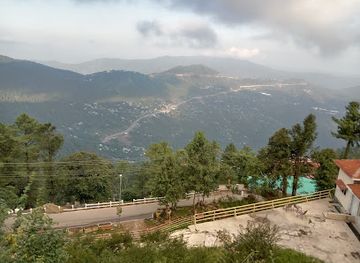
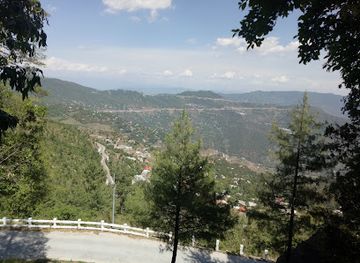
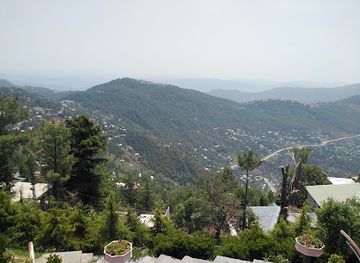
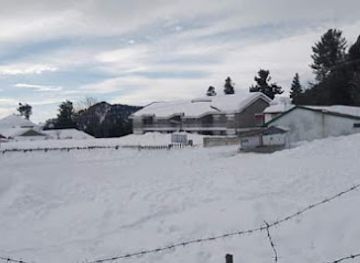
Murree rises through dense pine and oak woodland in Pakistan's Punjab province, around 60 kilometres north-east of Islamabad. At an elevation of roughly 2,291 metres, the town has long offered cooler air, forested slopes and expansive views towards the Kashmir mountains. Its narrow ridges and winding roads create a very different landscape from the plains below, while winter can bring snow to the upper hills.Read more about Murree
Colonial Streets and Mountain Views
Beyond the Town Centre
When is the best time to visit Murree?
Best: April–May, September · 22–27°C| Month | High (°C) | Rainfall (mm) |
|---|---|---|
| January | 9 | 80 |
| February | 10 | 70 |
| March | 16 | 60 |
| April (best) | 22 | 50 |
| May (best) | 27 | 40 |
| June | 30 | 50 |
| July | 29 | 60 |
| August | 28 | 70 |
| September (best) | 25 | 80 |
| October | 19 | 90 |
| November | 14 | 100 |
| December | 10 | 110 |
Getting to and around Murree
How to get there
Transportation
Best attractions in Murree
Murree's principal sightseeing begins on Mall Road, the pedestrian-focused centre where shops, cafés and old resort buildings give the town its busiest public atmosphere. Kashmir Point follows a wooded ridge towards broad views of the mountains, while Pindi Point looks across the slopes in the direction of Rawalpindi and Islamabad. The small but atmospheric Murree hills invite unhurried walks through pine-lined roads, with changing cloud and light providing much of the appeal. South of the main town, Patriata, or New Murree, offers a cable car and chairlift over forested terrain and is one of the area's most recognisable recreational attractions. Visitors interested in heritage can seek out the old churches and colonial-era buildings scattered around the settlement, although many are functioning institutions rather than formal museums. The surrounding Galyat landscape adds forest tracks, steep valleys and rural mountain scenery to the sightseeing experience.
-
Park
Lake View Park
Experience the natural beauty and recreational charm of Lake View Park in Islamabad, a perfect getaway for relaxation and adventure amidst stunning landscapes.
52 min drive · 32 km from city centre
-
Tourist attraction
Kashmir Point
Explore the breathtaking views of Kashmir Point in Murree, Pakistan, where nature's beauty unfolds in every direction.
18 min walk · 1.4 km from city centre
-
Tourist attraction
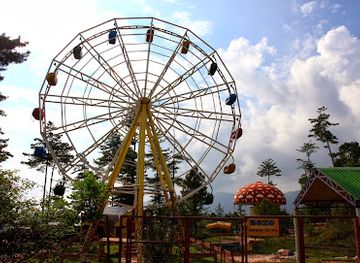
New Sozo Adventure Park Murree Pakistan
Discover the thrill of adventure at New Sozo Adventure Park, the ultimate amusement park in Murree, offering excitement and stunning scenery.
13 min drive · 4.4 km from city centre
-
Tourist attraction
PIA Park Murree
Discover the serene beauty of PIA Park Murree, a stunning park amidst the hills of Khyber Pakhtunkhwa, perfect for relaxation and breathtaking views.
13 min walk · 1.0 km from city centre

Best landmarks in Murree
Murree's landmarks express its development as a nineteenth-century British hill station and its later life as a Pakistani resort. The Holy Trinity Church, associated with the colonial settlement, is one of the town's most recognisable historic religious buildings, while the old cantonment area retains traces of the administrative and military framework that shaped the ridge. Mall Road is significant not only as a shopping street but as the historic civic and social spine of the resort. Kashmir Point and Pindi Point function as geographical landmarks as much as viewpoints, marking the ridges from which Murree is commonly understood. Scattered colonial-era residences, hotels and public buildings complete the architectural character, although some are altered, privately occupied or difficult to enter. Patriata's cable-car and chairlift structures represent a later recreational phase, extending the town's identity from colonial retreat to mass domestic hill tourism.
-
Tourist attraction
Pindi Point Chair Lift Murree
Discover the breathtaking views and serene experience of Pindi Point Chair Lift in Murree, a must-visit attraction for nature lovers.
6 min drive · 2.0 km from city centre
-
Hotel
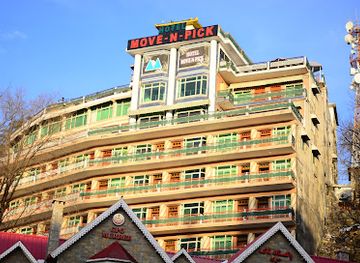
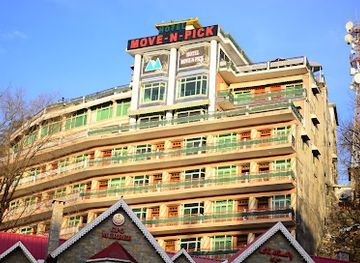
Move n Pick Murree
Experience the breathtaking beauty and serene comfort of Move n Pick Murree, a perfect retreat in the heart of Pakistan's stunning hill station.
6 min walk · 0.4 km from city centre
-
 Hotel
HotelMaisonette Firhill Villas Murree
Experience the serene beauty of Murree at Maisonette Firhill Villas, offering cozy accommodations and family-friendly amenities in a picturesque setting.
5 min drive · 1.7 km from city centre
-
Resort hotel
Shangrila Hotels And Resorts Murree
Experience luxury and nature at Shangrila Hotels and Resorts in Murree, where stunning views and exquisite dining await you in the heart of the mountains.
5 min drive · 1.5 km from city centre
Explore Murree on the map
Plan your Murree trip on one map. See where the top attractions, landmarks, restaurants, bars and hotels are, find what's near where you're staying, and book hotels and experiences in a few clicks.
Best hotels in Murree
Best restaurants in Murree
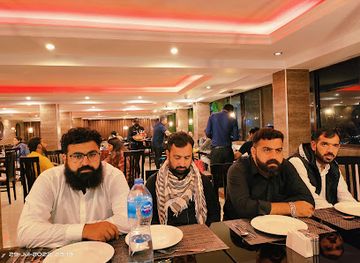
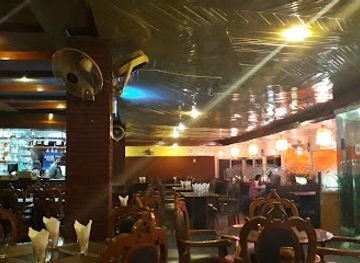
Murree's food scene is shaped by Pakistani comfort cooking, mountain weather and the needs of domestic holidaymakers. Restaurants around Mall Road and the central hotels serve familiar dishes such as biryani, karahi, kebabs, nihari, daal, naan and parathas, alongside tea, coffee and simple snacks. Pakoras, roasted corn and other informal foods are particularly appealing in cool weather, while Kashmiri influences are visible in some tea and rice traditions across the wider hill region. Cafés and hotel dining rooms provide more extensive seating than roadside stalls, but small local eateries can offer a more direct sense of everyday eating. Menus, opening patterns and payment methods vary, so it is wise to check details locally. Food shopping is generally concentrated around the commercial centre rather than in a single celebrated market, and the dining atmosphere is predominantly family-oriented.
-
Restaurant
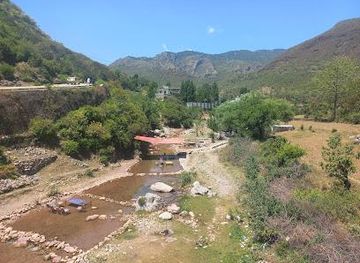
Shahdara Valley Restaurant
Mountain stream dining where hot tea meets cool water in Islamabad's most unconventional restaurant.
45 min drive · 25 km from city centre
-
Asian
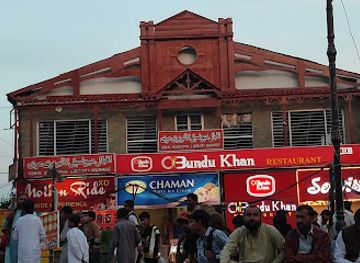
Bundu Khan Restaurant Murree
Experience authentic Asian cuisine amidst breathtaking views at Bundu Khan Restaurant in Murree.
5 min walk · 0.4 km from city centre
-
Asian
Red Onion
Discover the essence of Asian cuisine at Red Onion in Murree - where flavors meet hospitality amidst stunning mountain views.
5 min walk · 0.4 km from city centre
-
Restaurant
Terrace Grill Restaurant
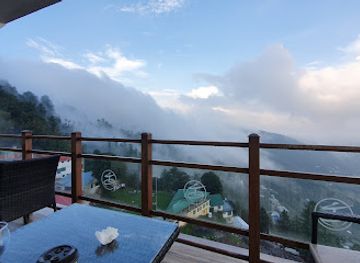
Experience fine dining amidst breathtaking views at Terrace Grill Restaurant in Murree - where every meal is a celebration of flavor and scenery.
18 min walk · 1.5 km from city centre
Best bars in Murree
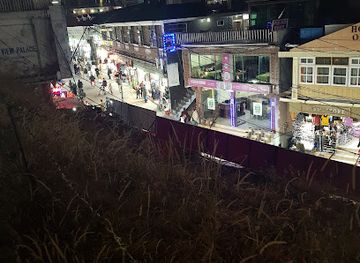
Murree is not known for a large club scene, and evening entertainment is generally quiet, social and family-oriented. After sunset, activity centres on Mall Road, where cafés, tea rooms, hotel lounges and casual restaurants remain the principal meeting places. Visitors may find live music or informal performances in some hotels during busy holiday periods, but these are not a dependable permanent nightlife programme. Evening walks can be atmospheric in clear weather, although steep side roads, traffic and limited lighting make care necessary away from the central streets. Pakistan's restrictions on alcohol mean that drinking-led nightlife is not a defining part of Murree's culture. For many visitors, the evening experience consists of mountain air, hot tea, local snacks and views of illuminated slopes rather than late-night clubs.
-
Asian
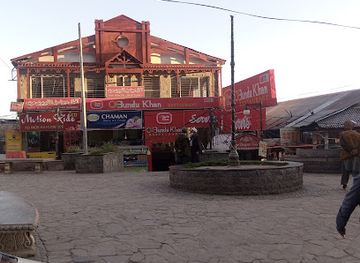
Bundu Khan Restaurant Murree
Discover the authentic taste of Asian cuisine at Bundu Khan, Murree's beloved restaurant offering breathtaking views and delightful dishes.
5 min walk · 0.4 km from city centre
-
Restaurant
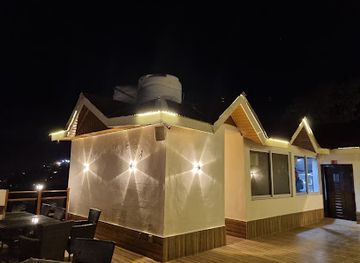
Terrace Grill Restaurant
Experience the stunning views and exquisite flavors at Terrace Grill Restaurant, a top dining destination in Murree, Pakistan.
18 min walk · 1.5 km from city centre
-
Restaurant
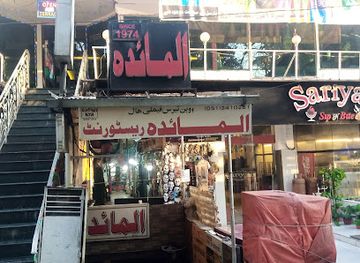
Al Maidah Restaurant Mall Road Murree
Experience the flavors of Pakistan with breathtaking views at Al Maidah Restaurant, a culinary gem in the heart of Murree.
5 min walk · 0.4 km from city centre
-
Asian
Murree Tabaq Restaurant
Discover the flavors of Asia at Murree Tabaq Restaurant, a must-visit culinary destination in the scenic hills of Murree, Pakistan.
5 min walk · 0.4 km from city centre
Best nightclubs in Murree
Murree is not known for a large club scene, and evening entertainment is generally quiet, social and family-oriented. After sunset, activity centres on Mall Road, where cafés, tea rooms, hotel lounges and casual restaurants remain the principal meeting places. Visitors may find live music or informal performances in some hotels during busy holiday periods, but these are not a dependable permanent nightlife programme. Evening walks can be atmospheric in clear weather, although steep side roads, traffic and limited lighting make care necessary away from the central streets. Pakistan's restrictions on alcohol mean that drinking-led nightlife is not a defining part of Murree's culture. For many visitors, the evening experience consists of mountain air, hot tea, local snacks and views of illuminated slopes rather than late-night clubs.
-
Hotel
Move n Pick Murree
Discover unparalleled luxury and comfort at Move n Pick Murree, nestled in the breathtaking hills of Khyber Pakhtunkhwa, Pakistan.
6 min walk · 0.4 km from city centre
-
Park
PIA Park Murree
Discover tranquility and stunning views at PIA Park Murree, a premier destination for nature lovers and tourists in Pakistan.
13 min walk · 1.0 km from city centre
-
Asian
Bundu Khan Restaurant Murree
Experience the best of Asian flavors at Bundu Khan Restaurant in Murree, where delicious food meets stunning mountain views.
5 min walk · 0.4 km from city centre
-
Hotel
Taj Mahal Murree
Discover the enchanting Taj Mahal Murree, a serene hotel nestled in the picturesque hills of Murree, offering comfort and breathtaking views.
5 min walk · 0.4 km from city centre
Best shops in Murree
Shopping in Murree is concentrated along Mall Road and nearby commercial streets, where visitors encounter winter clothing, shawls, woollen caps, carved wooden objects, embroidered goods, toys and practical mountain souvenirs. Small shops also sell dried fruit, nuts, local sweets and packaged foods associated with the hill region. The retail atmosphere is geared strongly towards domestic tourism, with stalls and family-run businesses standing alongside cafés and general stores rather than a large luxury-shopping sector. Bargaining may be possible in some independent shops, but it should be handled politely and not assumed in every business. Buyers interested in crafts should ask about materials and provenance, as not every item described as local is necessarily made in Murree. The most interesting browsing often comes from comparing the long-established Mall Road trade with smaller shops on the surrounding ridge roads.
-
Shopping mall
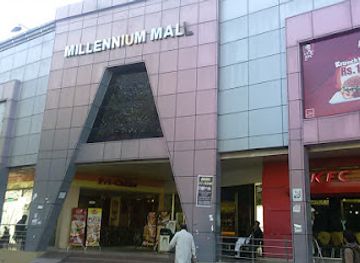
Millennium Mall Murree
Experience the best shopping and dining at Millennium Mall, nestled in the scenic hills of Murree, Pakistan.
6 min walk · 0.5 km from city centre
-
Shopping mall
Mall of Murree
Discover the Mall of Murree, where shopping meets stunning mountain views, offering a unique experience in the heart of Pakistan's beautiful hills.
5 min walk · 0.4 km from city centre
-
Shopping mall
Toys & Sport Ghulam Mohammad Brothers
Discover an exciting shopping experience at Toys & Sport Ghulam Mohammad Brothers in Murree, filled with toys, sports gear, and family fun.
5 min walk · 0.4 km from city centre
-
Clothing store
Ayubia Garments & Maniari Centre
Discover unique fashion at Ayubia Garments & Maniari Centre in Murree, where local craftsmanship meets modern style in a scenic hilltop setting.
6 min walk · 0.5 km from city centre
Get your free copy of our complete guide to Murree, delivered straight to you.
Everything on this page, from attractions and restaurants to essentials and local phrases, in one PDF you can read offline, print or share.
Already have an account? Sign in
Your Murree guide is ready.
We'll send it to · Not you? Sign out

Getting your guide ready…
We are putting together a fresh copy of the Murree guide. This can take up to a minute.
This can take a few moments. If your browser asks, choose Allow so the download can start. You'll find the guide in your Downloads folder.
Nothing happened? Download it again
Sorry, the guide is taking longer than usual. Please try again in a minute, or get it by email instead.
Murree essentials
Currency and Payment
Safety
Emergency Situations
Do's and Don'ts
Local Tips
From Eve
Local phrases worth knowing
You don't need to get them perfect. A few words go a long way, and locals appreciate the effort.
Basics
| English | Local | Say it |
|---|---|---|
| Hello | آداب | [aadaab] |
| Goodbye | خدا حافظ | [khuda hafiz] |
| Yes | ہاں | [haan] |
| No | نہیں | [nahin] |
| Please/You're welcome | براہ کرم | [bara e karam] |
| Thank you | شکریہ | [shukriya] |
| Excuse me/Sorry | معاف کیجیے | [maaf keejiye] |
| How are you? | آپ کیسے ہیں؟ | [aap kaise hain?] |
| Fine. And you? | ٹھیک ہوں۔ آپ سنہاں؟ | [theek hoon. aap kaisay hain?] |
| Do you speak English? | کیا آپ انگریزی بولتے ہیں؟ | [kya aap angrezi boltay hain?] |
| I don't understand | مجھے سمجھ نہیں آیا | [mujhe samajh nahi aya] |
Eating & Drinking
| English | Local | Say it |
|---|---|---|
| I'd like to see the menu, please | براہ کرم مینو دیکھنا چاہتا ہوں | [bara e karam menu dekhna chahta hoon] |
| I don't eat meat | میں گوشت نہیں کھاتا | [main gosht nahi khaata] |
| Cheers! | خوش رہیں! | [khush rahain] |
| I would like to pay, please | براہ کرم میں ادا کرنا چاہتا ہوں | [bara e karam mein ada karna chahta hoon] |
Emergencies
| English | Local | Say it |
|---|---|---|
| Help! | بچاؤ! | [bachao!] |
| Go away! | دور ہو جاؤ! | [door ho jao!] |
| Call the Police! | پولیس کو بلاؤ! | [police ko bulao!] |
| Call a doctor! | ڈاکٹر کو بلاؤ! | [doctor ko bulao!] |
| I'm lost | میں گم ہو گیا ہوں | [main gum ho gaya hoon] |
| I'm ill | میں بیمار ہوں | [main beemar hoon] |
Shopping
| English | Local | Say it |
|---|---|---|
| I'd like to buy... | میں خریدنا چاہتا ہوں... | [main khareedna chahta hoon...] |
| I'm just looking | میں صرف دیکھ رہا ہوں | [main sirf dekh raha hoon] |
| How much is it? | یہ کتنا ہے؟ | [ye kitna hai?] |
| That's too expensive | یہ بہت مہنگا ہے | [ye bohat mehnga hai] |
| Can you lower the price? | کیا آپ قیمت کم کرسکتے ہیں؟ | [kya aap qeemat kam kar sakte hain?] |
Time & Numbers
| English | Local | Say it |
|---|---|---|
| What time is it? | کتنا بجا ہوا ہے؟ | [kitna baja hua hai?] |
| It's one o'clock | ایک بج ہو چکا ہے | [aik baj ho chuka hai] |
| Half past (10) | (10) کے بعد آدھا | [(das) ke baad aadha] |
| Morning | صبح | [subah] |
| Afternoon | دوپہر | [dopehar] |
| Evening | شام | [shaam] |
| Yesterday | گزرے کل | [guzre kal] |
| Today | آج | [aaj] |
| Tomorrow | کل | [kal] |
| 1 | ایک | [aik] |
| 2 | دو | [do] |
| 3 | تین | [teen] |
| 4 | چار | [chaar] |
| 5 | پانچ | [paanch] |
| 6 | چھے | [chhe] |
| 7 | سات | [saat] |
| 8 | آٹھ | [aath] |
| 9 | نو | [no] |
| 10 | دس | [das] |
Transport & Directions
| English | Local | Say it |
|---|---|---|
| Where's a/the...? | ...کہاں ہے؟ | [...kahan hai?] |
| What's the address? | پتہ کیا ہے؟ | [pata kya hai?] |
| Can you show me (on the map)? | کیا آپ مجھے دکھا سکتے ہیں (نقشے پر)؟ | [kya aap mujhe dikhha sakte hain (naqshay par)?] |
| When's the next (bus)? | اگلی (بس) کب آ رہی ہے؟ | [agli (bus) kab aa rahi hai?] |
| A ticket (to ....) | ایک ٹکٹ (.... کے لیے) | [aik ticket (.... ke liye)] |
History of Murree
Before the Hill Station
The hills around present-day Murree formed part of the wider Potohar and Galyat landscape, inhabited and used by local communities before the British established a formal hill settlement. The area lay near routes linking the Punjab plains with the uplands towards Kashmir, and its forests, grazing grounds and mountain passes shaped local life. The name Murree is commonly connected with the local hill region, although explanations of its precise linguistic origin vary. Rather than developing as an ancient urban centre, Murree emerged as a modern highland settlement because of its elevation, climate and strategic position above the plains.
British Foundation in 1851
The British established Murree as a hill station in 1851, following the annexation of Punjab and the consolidation of colonial administration in the region. Its cooler climate made it useful as a seasonal retreat for officials and military personnel, while the ridgeline offered a defensible and healthy location away from the summer heat of the plains. Roads, administrative buildings, churches, residences and cantonment facilities gradually shaped the settlement. The steep terrain restricted expansion and produced the winding streets and dispersed hillside character that still distinguish Murree from a conventional planned town.
A Colonial Summer Retreat
During the later nineteenth century, Murree developed into an important resort and administrative retreat for the British in northern Punjab. Hotels, boarding houses, shops and churches catered to seasonal visitors, while Mall Road became the social and commercial centre of the town. Murree served for a period as the summer headquarters of the Punjab Government before that role moved to Shimla in the late nineteenth century. The surrounding hills were also mapped and connected by improving roads, linking Murree with Rawalpindi and other settlements. Much of the town's architectural inheritance and tourism identity dates from this period.
From Partition to Pakistani Resort
Partition in 1947 transformed Murree's administration, population and visitor culture as the new state of Pakistan inherited and adapted the former colonial hill station. Government offices, educational institutions, hotels and private residences continued to use the town as a summer retreat, while Pakistani families increasingly visited for cooler weather and mountain scenery. Murree's churches, old public buildings and hillside properties acquired new meanings within a national rather than imperial setting. Roads from Rawalpindi and Islamabad improved access, helping the town become one of Pakistan's best-known domestic holiday destinations.
Modern Tourism and Continuing Change
In recent decades, Murree has expanded beyond its historic core as hotels, housing and commercial activity spread along the ridges and approach roads. Seasonal tourism remains central to the local economy, with particularly heavy demand during summer breaks, winter holidays and periods of snowfall. New Murree and Patriata developed as additional recreation areas, extending the visitor circuit beyond Mall Road. At the same time, congestion, pressure on woodland, waste management and building on steep slopes have become important challenges. Murree's present character therefore reflects both its nineteenth-century resort foundations and the demands of mass domestic tourism.
Murree in Photos
Browse through our photo collection highlighting the charm and character of the destination.
Cities near Murree
The closest cities to Murree, if you have time for more than one stop.
-

-

-

-

-


Swipe for more cities
Explore more

Explore more of Pakistan
Discover Pakistan: A land of majestic mountains, rich history, and delicious cuisine, where every journey is an adventure and every moment is filled with wonder.
Explore Pakistan