

Ngardmau Waterfall, Palau Travel Guide
Discover the enchanting Ngardmau Waterfall in Palau, a natural wonder surrounded by lush jungles, rich biodiversity, and steeped in local legend.
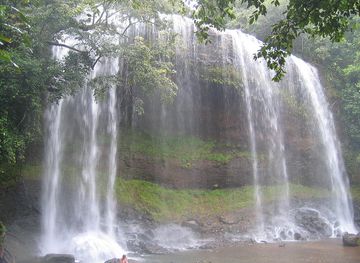
Ngardmau Waterfall, located on the island of Babeldaob in Palau, is a breathtaking destination that offers visitors an enchanting blend of natural beauty and tranquil serenity. This stunning waterfall is the tallest in Micronesia, cascading down a series of rocks and lush greenery, creating a mesmerizing sight and a soothing soundscape. The journey to the waterfall is an adventure in itself, with various trails leading through dense jungles, across streams, and over wooden bridges, providing a sense of immersion in nature's splendor. The area surrounding Ngardmau Waterfall is rich in biodiversity, with a myriad of plant species, birds, and other wildlife to observe. Visitors can take a refreshing dip in the cool waters at the base of the waterfall or simply relax on the rocks and enjoy the peaceful ambiance. The waterfall is also steeped in local legend, adding a touch of cultural depth to your visit. According to local folklore, the waterfall was created by a giant eel that carved its way through the landscape, leaving behind this magnificent natural wonder. For those looking to explore further, the nearby Ngardmau Ruins offer a glimpse into Palau's ancient history. These ruins, believed to be remnants of a historical village, provide an intriguing backdrop to the natural beauty of the area. Whether you are an adventure seeker, a nature lover, or a history enthusiast, Ngardmau Waterfall has something to captivate every traveler.

Know before you go
Hi, I'm Eve. Here are a few practical things to know before exploring Ngardmau Waterfall.
- Wear comfortable hiking shoes as the trails can be uneven and slippery.
- Bring insect repellent to protect yourself from mosquitoes and other insects.
- Don't forget your swimsuit if you plan to take a dip in the waterfall's pool.
- Carry plenty of water and snacks, as there are no facilities nearby.
- Visit early in the morning or late in the afternoon to avoid the midday heat.
- Hire a local guide to learn more about the folklore and history of the area.
Explore Ngardmau Waterfall: Things to Do, Places to Eat, Hotels & More
Handpicked recommendations for top attractions, local dining, accommodations, and more

Best attractions in Ngardmau Waterfall


Best landmarks in Ngardmau Waterfall
Top-rated picks
Best Landmarks

Ngardmau Waterfalls
Discover the enchanting beauty of Ngardmau Waterfalls in Palau, an unforgettable escape into nature's wonders amidst lush tropical landscapes.

Ngardmau Waterfalls Ticket, Parking Lot
Discover the stunning Ngardmau Waterfalls in Palau, where nature's beauty and tranquility come together in a breathtaking tropical paradise.

Best restaurants in Ngardmau Waterfall
Top-rated picks
Best Restaurants

Ngardmau Waterfalls
Experience nature's beauty at Ngardmau Waterfalls in Palau—an enchanting escape into lush landscapes and stunning cascades.

Ngardmau Waterfalls Ticket, Parking Lot
Explore Ngardmau Waterfalls: A breathtaking natural wonder in Palau offering stunning views and adventures amidst lush greenery.

Best shops in Ngardmau Waterfall
Top-rated picks
Best Shops

Ngardmau Waterfalls
Experience the breathtaking beauty of Ngardmau Waterfalls, a must-see natural wonder in Palau's lush landscapes.

Ngardmau Waterfalls Ticket, Parking Lot
Explore the stunning Ngardmau Waterfalls in Palau, where nature's beauty meets adventure in a tropical paradise.

Explore Ngardmau Waterfall on the Map
A handpicked selection of must-see spots in Ngardmau Waterfall, mapped for you.
Ngardmau Waterfall Essentials
-
Ngardmau Waterfall is located in Ngardmau State on Babeldaob Island in Palau. The nearest airport is Roman Tmetuchl International Airport (ROR) in Airai, approximately 25 kilometers south of Ngardmau. From the airport, you can rent a car, hire a taxi, or use pre-arranged shuttle services to reach the waterfall. The drive takes around 45 minutes and offers scenic views of the island.
-
While public transportation options are limited on Babeldaob Island, rental cars are available and are a popular choice for tourists. Taxis are another option, but they can be expensive for longer trips. Organized tours often include transportation to and from Ngardmau Waterfall. If you prefer to explore on your own, renting a car is the most convenient way to travel around the island.
-
The official currency in Palau is the United States Dollar (USD). Credit and debit cards are generally accepted in hotels, restaurants, and larger stores, but it is advisable to carry some cash for smaller vendors and rural areas. ATMs are available in Koror, the largest town, but may not be as accessible in remote areas like Ngardmau. Plan to withdraw sufficient cash before heading out.
-
Palau is considered a safe destination for tourists, with low crime rates. However, it is always wise to take standard precautions. Avoid leaving valuables unattended and be mindful of your surroundings. There are no specific high-crime areas targeting tourists in Ngardmau, but it is always good to stay vigilant, especially when traveling alone or at night.
-
In case of an emergency, dial 911 for immediate assistance. The nearest medical facilities are located in Koror, where you can find clinics and a hospital. It is highly recommended to have travel insurance that covers medical emergencies. For minor health issues, pharmacies in Koror offer a variety of over-the-counter medications.
-
Fashion: Do wear comfortable and appropriate clothing for hiking, as the trail to the waterfall can be slippery. Avoid wearing flip-flops. Religion: Palau is predominantly Christian, and while visiting local communities, do respect their customs and traditions. Public Transport: Public transport is limited; if you use it, be respectful to drivers and other passengers. Greetings: Do greet people with a friendly 'hello' or 'Alii' (a common Palauan greeting). Eating & Drinking: Do try local dishes and seafood. Don't refuse food or drink if offered, as it is considered impolite.
-
To experience Ngardmau Waterfall like a local, visit early in the morning to avoid tourist crowds and enjoy the tranquility. Engage with local guides who can share stories and insights about the area. Bring a picnic and enjoy it at designated areas near the waterfall. Don’t miss the chance to swim in the natural pools at the base of the waterfall for a refreshing experience.
When is the best time to visit Ngardmau Waterfall?
Useful Local Phrases for Ngardmau Waterfall
You don't need to speak the language perfectly. Even learning a few simple words can make conversations warmer—and locals usually appreciate the effort.
— Eve

Here are the phrases I use most often in Ngardmau Waterfall. Try a few—you'll be surprised how far they go! 😊
❤️
-
- HelloAlii
[ah-lee] - GoodbyeKedmesang
[ked-meh-sang] - YesOmelech
[oh-meh-lech] - NoCheldecheduch
[chel-deh-cheh-dooch] - Please/You're welcomeNgakid el chad
[ngah-keed ehl chad] - Thank youKmal mesulang
[kem-mahl meh-soo-lang] - Excuse me/SorryChad er a beluu
[chad er ah beh-loo] - How are you?Kemam er a reng
[kem-ahm er ah reng] - Fine. And you?Ngak a reng. A di mlechell mei?
[ngahk ah reng. ah dee mleh-chell may] - Do you speak English?Ngak a cheral a ngalek
[ngahk ah cheh-rahl ah ngah-lek] - I don't understandNg diak el kmo ngak
[ng dee-ahk ehl kmo ngahk]
- HelloAlii
-
- I'd like to see the menu, pleaseNgak a mlo melai er a beluu, ng diak el chad
[ngahk ah mlo meh-lai ehr ah beh-loo, ng dee-ahk ehl chad] - I don't eat meatNg diak el kmo meruul
[ng dee-ahk ehl kmo meh-rool] - Cheers!Ungil tutau
[oong-eel too-tow] - I would like to pay, pleaseNgak a mlo ousbech er a beluu, ng diak el chad
[ngahk ah mlo ows-bech ehr ah beh-loo, ng dee-ahk ehl chad]
- I'd like to see the menu, pleaseNgak a mlo melai er a beluu, ng diak el chad
-
- Help!Kmal meral meringel
[kem-mahl mehr-ahl meh-reen-gehl] - Go away!Kmal mesulang
[kem-mahl meh-soo-lang] - Call the Police!Kmangai er a beluu
[kman-gai ehr ah beh-loo] - Call a doctor!Kmangai er a dokter
[kman-gai ehr ah dohk-ter] - I'm lostNg diak el kmo merael
[ng dee-ahk ehl kmo mehr-ah-ehl] - I'm illNg diak el kmo merrengel
[ng dee-ahk ehl kmo mehr-rehn-gehl]
- Help!Kmal meral meringel
-
- I'd like to buy...Ngak a mlo ko er...
[ngahk ah mlo koh ehr] - I'm just lookingNg diak el kmo mekemad
[ng dee-ahk ehl kmo meh-keh-mahd] - How much is it?Oltobed er ngii?
[ohl-toh-behd ehr nghee] - That's too expensiveNg diak el kmo kau a ngerang
[ng dee-ahk ehl kmo kau ah ngheh-rahn] - Can you lower the price?Mla mo kau er a ngerang?
[mah-lah moh kau ehr ah ngheh-rahn]
- I'd like to buy...Ngak a mlo ko er...
-
- What time is it?Kemam er a uchul
[kem-ahm er ah oo-chool] - It's one o'clockUchul a rengul a klukuk
[oo-chool ah rehng-ool ah kloo-kook] - Half past (10)Uchul a rengul a obuch
[oo-chool ah rehng-ool ah oh-booch] - MorningNgalek a uchul a klukuk
[ngah-lek ah oo-chool ah kloo-kook] - AfternoonNgalek a uchul a obuch
[ngah-lek ah oo-chool ah oh-booch] - EveningNgalek a uchul a beluu
[ngah-lek ah oo-chool ah beh-loo] - YesterdayKemam er a etiu
[kem-ahm er ah eh-tee-oo] - TodayKemam er a klukuk
[kem-ahm er ah kloo-kook] - TomorrowKemam er a mekebud
[kem-ahm er ah meh-keh-bood] - 1Aked
[ah-ked] - 2Kesou
[keh-sow] - 3Klou
[klow] - 4Kokoad
[koh-koh-ad] - 5Kedam
[keh-dahm] - 6Kuor
[kwohr] - 7Kubek
[koo-bek] - 8Kued
[kwehd] - 9Kudou
[koo-doh] - 10Kedeou
[keh-doh]
- What time is it?Kemam er a uchul
-
- Where's a/the...?Ulang a...
[oo-lahng ah] - What's the address?Ulang a delal
[oo-lahng ah deh-lahl] - Can you show me (on the map)?Mengai er a mousobel
[men-gai ehr ah mow-so-bell] - When's the next (bus)?Kemam er a kmo ngar
[kem-ahm er ah kmo ngahr] - A ticket (to ....)Kmangai er a bilet (er...)
[kman-gai ehr ah bee-let (ehr)]
- Where's a/the...?Ulang a...
History of Ngardmau Waterfall
-
Ngardmau Waterfall, known locally as Taki Falls, is steeped in Palauan mythology. The waterfall is said to be the dwelling place of a powerful spirit named 'Ngardmau,' who watches over the land and its people. For centuries, local tribes have revered the waterfall as a sacred site, offering prayers and sacrifices to ensure bountiful harvests and protection from natural disasters.
-
During the early 20th century, Palau came under Japanese control as part of the South Seas Mandate. The Japanese influence in the region extended to Ngardmau, where they developed infrastructure and utilized the area for its abundant natural resources. The remnants of Japanese-era railways and mining equipment can still be found near the waterfall, serving as historical markers of this period.
-
Ngardmau Waterfall played a strategic role during World War II. As the Pacific theater heated up, both Japanese and Allied forces recognized the importance of Palau's natural resources. The waterfall's surrounding dense jungle provided cover and resources for troops. Artifacts such as bunkers and ammunition caches are still discovered in the area, offering a glimpse into the wartime activities that took place here.
-
After World War II, Palau transitioned under U.S. administration before gaining independence. Ngardmau Waterfall became a focal point for conservation and tourism efforts. The post-war era saw the construction of trails, viewing platforms, and other amenities to accommodate the growing number of tourists. The waterfall is now a major attraction, drawing visitors from around the world who come to experience its natural beauty and historical significance.
-
In recent years, efforts have been made to preserve both the natural environment and cultural heritage of Ngardmau Waterfall. Local organizations and government agencies work together to maintain the area's ecological balance while also educating visitors about its historical and cultural importance. Conservation programs aim to protect the flora and fauna unique to the region, ensuring that Ngardmau remains a pristine and revered site for future generations.
Cities in Ngardmau Waterfall
Browse our curated selection of top destinations, scenic points, and must-visit spots in the area.

Neighbouring destination travel guides
Browse our curated selection of top destinations, scenic points, and must-visit spots in the area.


Your all‑in‑one travel companion app
Explore expert travel guides, compare and book tours, experiences, hotels, and more—all from the palm of your hand. Download now for seamless trip planning wherever your wanderlust takes you.


Explore More of Babeldaob

Looking beyond Ngardmau Waterfall? Discover Babeldaob for broader travel guides, local hot-spots, and regional highlights.
Explore BabeldaobExplore More of Palau

Looking beyond Ngardmau Waterfall? Discover Palau for broader travel guides, local hot-spots, and regional highlights.
Explore PalauNgardmau Waterfall in Photos
Browse through our photo collection highlighting the charm and character of the destination.



Ngardmau Waterfall: Palau's Natural Gem
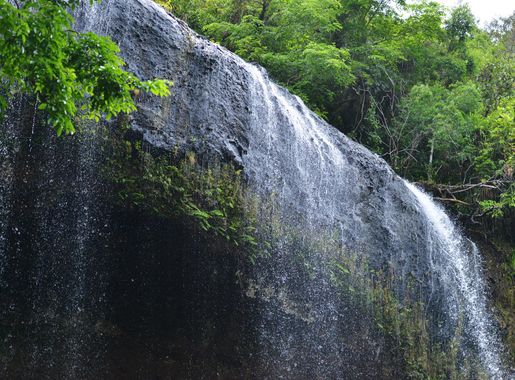
Ngardmau Waterfall, located on the island of Babeldaob in Palau, is a breathtaking destination that offers visitors an enchanting blend of natural beauty and tranquil serenity. This stunning waterfall is the tallest in Micronesia, cascading down a series of rocks and lush greenery, creating a mesmerizing sight and a soothing soundscape. The journey to the waterfall is an adventure in itself, with various trails leading through dense jungles, across streams, and over wooden bridges, providing a sense of immersion in nature's splendor. The area surrounding Ngardmau Waterfall is rich in biodiversity, with a myriad of plant species, birds, and other wildlife to observe. Visitors can take a refreshing dip in the cool waters at the base of the waterfall or simply relax on the rocks and enjoy the peaceful ambiance. The waterfall is also steeped in local legend, adding a touch of cultural depth to your visit. According to local folklore, the waterfall was created by a giant eel that carved its way through the landscape, leaving behind this magnificent natural wonder. For those looking to explore further, the nearby Ngardmau Ruins offer a glimpse into Palau's ancient history. These ruins, believed to be remnants of a historical village, provide an intriguing backdrop to the natural beauty of the area. Whether you are an adventure seeker, a nature lover, or a history enthusiast, Ngardmau Waterfall has something to captivate every traveler.