

Free Vanimo Travel Guide & Mobile App
Plan your Vanimo trip with Evendo. Get free guides to top attractions, restaurants, hotels, and bars. Web access or download the mobile app.


Vanimo, Papua New Guinea, pairs Pacific surf, uncrowded beaches, rainforest scenery and Sepik-region culture with a remote northern-border atmosphere.
Ocean on the Sandaun Coast
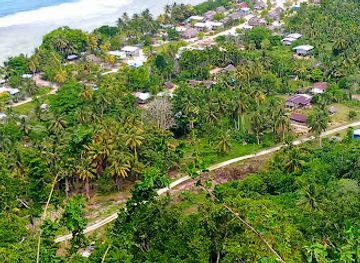
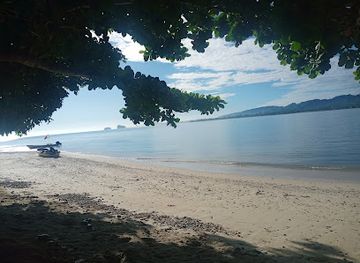
Vanimo is a small coastal town in Sandaun Province, on the far north-western shore of Papua New Guinea. Its setting is defined by the meeting of Pacific swells, forested hills and a narrow coastal plain, with beaches extending beyond the built-up centre. The town is best known for its surf, particularly during the season when swells reach the exposed northern coast, although the shoreline also offers quieter stretches for swimming, beach walks and watching village life. Vanimo’s remoteness is part of its character: visitor facilities are modest, distances are significant and plans benefit from local advice.Read more about Vanimo
Borderlands and Local Culture
A Remote Base for Exploration
When is the best time to visit Vanimo?
Best: June–August · 30°C| Month | High (°C) | Rainfall (mm) |
|---|---|---|
| January | 31 | 300 |
| February | 31 | 300 |
| March | 31 | 300 |
| April | 31 | 300 |
| May | 30 | 300 |
| June (best) | 30 | 300 |
| July (best) | 30 | 300 |
| August (best) | 30 | 300 |
| September | 30 | 300 |
| October | 30 | 300 |
| November | 31 | 300 |
| December | 31 | 300 |
Getting to and around Vanimo
How to get there
Transportation
Best attractions in Vanimo
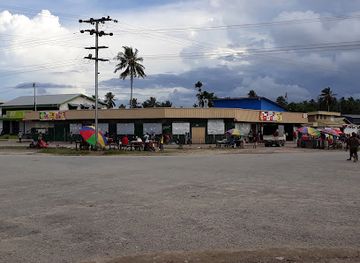
Vanimo’s principal attractions are coastal and experiential rather than museum-based. Vanimo Beach and the surrounding shoreline provide space for swimming where conditions permit, beach walks and observation of the north-coast landscape, while the area’s surf breaks draw experienced surfers during favourable swell periods. The town’s local markets and roadside stalls offer a grounded introduction to regional produce, informal commerce and everyday Sandaun life. Short excursions towards nearby villages reveal gardens, forest and coastal communities, but should be arranged with local guidance and customary permission. The road west towards Wutung is of interest for travellers curious about Papua New Guinea’s borderland geography, although the border settlement lies outside Vanimo and crossing formalities apply. Inland journeys introduce denser vegetation and rural landscapes rather than a sequence of developed visitor sites. Vanimo is therefore most rewarding for travellers seeking sea, scenery and cultural contact in a remote setting, with time allowed for changing weather and limited infrastructure.
-
Tourist attraction
New Pacific PNG View
Discover the stunning vistas of New Pacific PNG View, a must-visit destination in Musu, showcasing the breathtaking beauty of Papua New Guinea.
54 min drive · 34 km from city centre
-
Tourist attraction
Dali Beach
Experience the serene beauty and rich culture of Dali Beach, a tropical paradise in Papua New Guinea's Sandaun Province.
8 min walk · 0.6 km from city centre
-
Tourist attraction
VANIMO
Explore the beauty of Vanimo, Papua New Guinea – a coastal paradise with pristine beaches, vibrant culture, and unforgettable adventures.
37 min drive · 17 km from city centre
-
Fortress
HQ Bravo
Explore the historic HQ Bravo Fortress in Vanimo for stunning views and a journey through Papua New Guinea's military past.
8 min drive · 2.5 km from city centre
Best landmarks in Vanimo
Vanimo’s most recognisable landmarks are tied to its role as a provincial centre and its position on the north-western coast rather than to a dense historic core. The town’s administrative precinct expresses its importance as the capital of Sandaun Province, while churches and mission-linked institutions reflect the influence of Christianity on public and community life. Vanimo’s coastline is itself a defining geographical landmark, with beaches and open Pacific horizons shaping the town’s identity and economy. The route towards Wutung and the Indonesian frontier represents another significant feature of the local landscape, although the border settlement is outside Vanimo and subject to official controls. There are no grounds to treat the town as a conventional monument city: its significance lies in the relationship between coastal settlement, provincial administration, customary communities and a remote international boundary. Local guidance is essential when visiting community, religious or administrative sites.
-
Airport
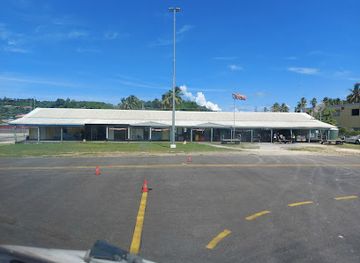
Vanimo Airport AYVN
Discover the gateway to Papua New Guinea's breathtaking landscapes and rich cultures at Vanimo Airport.
8 min walk · 0.6 km from city centre
-
 Hotel
Vanimo Beach Hotel
Discover paradise at Vanimo Beach Hotel, where stunning coastal views meet warm hospitality in beautiful Sandaun Province, Papua New Guinea.
7 min walk · 0.6 km from city centre
-
Picnic ground
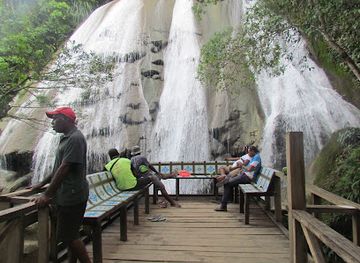
Awawi Waterfalls
Discover the tranquil beauty of Awawi Waterfalls in Papua New Guinea - a perfect picnic ground for nature lovers and adventure seekers.
28 min drive · 9.3 km from city centre
-
Tourist attraction
VANIMO
Explore the stunning natural beauty and rich cultural heritage of Vanimo, Papua New Guinea's hidden coastal gem.
37 min drive · 17 km from city centre

Explore Vanimo on the map
Plan your Vanimo trip on one map. See where the top attractions, landmarks, restaurants, bars and hotels are, find what's near where you're staying, and book hotels and experiences in a few clicks.
Best hotels in Vanimo
Best restaurants in Vanimo
Vanimo’s food scene is modest and practical, centred on small restaurants, guesthouse dining rooms, market stalls and informal roadside sellers rather than a large restaurant circuit. Local meals commonly draw on staples such as rice, sweet potato, taro, greens, fish and other seafood, reflecting the town’s coastal position and Papua New Guinea’s wider Melanesian food traditions. Fresh produce moves through markets and village networks, while imported packaged foods are also available in shops with variable stock. Menus and opening patterns may change, so accommodation staff are useful for identifying dependable places to eat. Food hygiene deserves sensible attention: choose busy stalls, ensure cooked food is served hot and carry safe drinking water. Dining is generally casual, and visitors should respect local customs when eating in villages or community settings, including accepting guidance about ingredients, shared meals and appropriate payment.
-
Ikan bakar restaurant
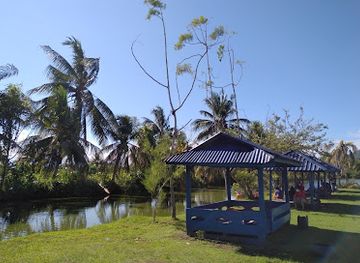
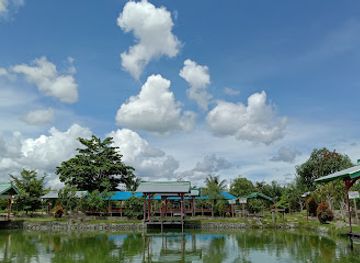
Pemancingan Aji Kencana
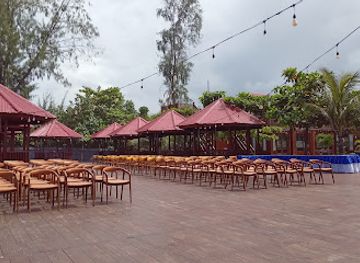
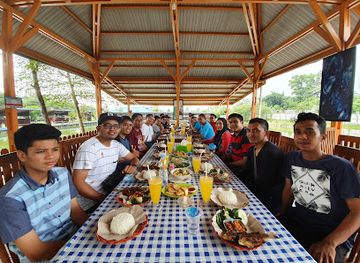
Experience authentic Papuan flavors at Pemancingan Aji Kencana, Jayapura's premier ikan bakar restaurant offering fresh grilled fish in a welcoming atmosphere.
1 h 12 min drive · 52 km from city centre
-
Ikan bakar restaurant
Pemancingan Valerio
Discover authentic Indonesian flavors at Pemancingan Valerio, Jayapura's premier ikan bakar restaurant offering fresh seafood in a vibrant setting.
1 h 13 min drive · 53 km from city centre
-
Family-friendly
Vtekya Beach Resto and Cafe Jayapura
Experience delightful family dining at Vtekya Beach Resto and Cafe in Jayapura, where stunning views meet exquisite local flavors.
1 h 23 min drive · 63 km from city centre
-
Ikan bakar restaurant
Pemancingan Harangan Bagot
Savor the authentic taste of Papua at Pemancingan Harangan Bagot – where fresh grilled fish meets cultural richness.
1 h 19 min drive · 59 km from city centre
Best bars in Vanimo
Vanimo does not have the concentrated nightlife of Port Moresby or a major regional capital. Evening social life is more likely to centre on hotel or guesthouse areas, local restaurants, small bars and community gatherings than on a purpose-built club district. Some venues may offer music and informal conversation, but opening arrangements and the availability of entertainment can change, particularly outside busy periods. Travellers should avoid walking alone after dark, arrange transport in advance and follow local advice about which areas to use in the evening. Cultural events, church gatherings and village occasions may provide more meaningful evening contact than commercial nightlife, but attendance should be by invitation or with appropriate local introduction. Alcohol should be consumed discreetly and responsibly, with respect for community expectations and local regulations.
-
Night club
BLUE ANGELS CLUB
Discover the electrifying nightlife at Blue Angels Club in Jayapura, where great music and karaoke await for an unforgettable experience.
1 h 28 min drive · 68 km from city centre
-
Shopping mall
Vanimo Supermarket
Experience the local flavors and vibrant culture at Vanimo Supermarket, your go-to shopping destination in Papua New Guinea's Sandaun Province.
6 min walk · 0.5 km from city centre
-
Airport
Vanimo Airport AYVN
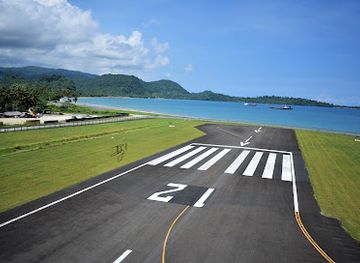
Discover the charm of Vanimo Airport, your gateway to the stunning landscapes and rich cultures of Papua New Guinea's Sandaun Province.
8 min walk · 0.6 km from city centre
-
Hotel
Vanimo Beach Hotel
Experience the tranquil allure of Vanimo Beach Hotel, your perfect escape in Papua New Guinea's stunning coastal paradise.
7 min walk · 0.6 km from city centre


Best nightclubs in Vanimo
Vanimo does not have the concentrated nightlife of Port Moresby or a major regional capital. Evening social life is more likely to centre on hotel or guesthouse areas, local restaurants, small bars and community gatherings than on a purpose-built club district. Some venues may offer music and informal conversation, but opening arrangements and the availability of entertainment can change, particularly outside busy periods. Travellers should avoid walking alone after dark, arrange transport in advance and follow local advice about which areas to use in the evening. Cultural events, church gatherings and village occasions may provide more meaningful evening contact than commercial nightlife, but attendance should be by invitation or with appropriate local introduction. Alcohol should be consumed discreetly and responsibly, with respect for community expectations and local regulations.
-
Airport
Vanimo Airport AYVN
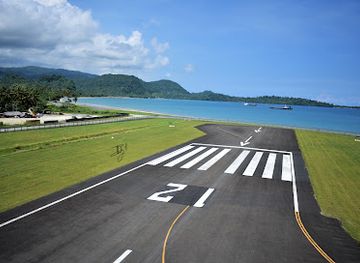
Vanimo Airport: Your gateway to the tropical paradise of Papua New Guinea's Sandaun Province, blending natural beauty with cultural richness.
8 min walk · 0.6 km from city centre
-
Bar
Leeghwah Beach
Experience the serene beauty and vibrant culture of Leeghwah Beach in Sandaun Province, a hidden gem in Papua New Guinea.
26 min drive · 8.7 km from city centre
-
Hostel
Vanimo Surf Lodge
Discover the laid-back surf culture and natural beauty of Vanimo at the charming Vanimo Surf Lodge, your gateway to adventure in Papua New Guinea.
11 min walk · 0.9 km from city centre
Best shops in Vanimo
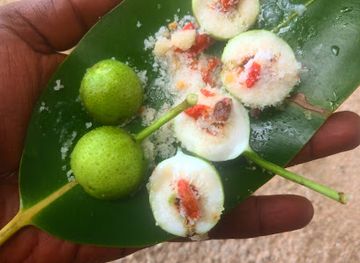
Shopping in Vanimo is focused on practical supplies, local markets and small independent businesses rather than large malls or specialist retail districts. Markets and roadside stalls are places to find seasonal fruit, vegetables, cooked food and everyday goods, while shops in the town centre carry basic provisions with stock that can vary. Locally made craft items may appear through community contacts or informal sellers, but visitors should ask about provenance and customary ownership before buying carvings, shells, woven goods or other cultural objects. Papua New Guinean artefacts should never be removed from archaeological or wartime sites, and export rules may apply to certain traditional materials. Carrying kina is important for market purchases, as smaller sellers may not accept cards. Retail activity is closely connected to daily life, so shopping is best approached as a respectful exchange rather than a packaged souvenir experience.
-
Shopping mall
Vanimo Supermarket
Experience the vibrant shopping scene at Vanimo Supermarket, offering a variety of local products and a taste of Sandaun Province's rich culture.
6 min walk · 0.5 km from city centre
-
Airport
Vanimo Airport AYVN
Explore the stunning landscapes of Papua New Guinea from Vanimo Airport, your gateway to adventure in Sandaun Province.
8 min walk · 0.6 km from city centre
-
Market
Vanimo Town Market
Discover the vibrant and authentic Vanimo Town Market, a hub of local culture, fresh produce, and handmade crafts in Papua New Guinea.
4 min walk · 0.3 km from city centre
-
Grocery store
Lucky Land Shopping Mall
Explore Lucky Land Shopping Mall in Vanimo – your go-to destination for local groceries, unique finds, and a taste of the vibrant culture of Sandaun Province.
3 min walk · 0.3 km from city centre


Get your free copy of our complete guide to Vanimo, delivered straight to you.
Everything on this page, from attractions and restaurants to essentials and local phrases, in one PDF you can read offline, print or share.
Already have an account? Sign in
Your Vanimo guide is ready.
We'll send it to · Not you? Sign out

Getting your guide ready…
We are putting together a fresh copy of the Vanimo guide. This can take up to a minute.
This can take a few moments. If your browser asks, choose Allow so the download can start. You'll find the guide in your Downloads folder.
Nothing happened? Download it again
Sorry, the guide is taking longer than usual. Please try again in a minute, or get it by email instead.
Vanimo essentials
Currency and Payment
Safety
Emergency Situations
Do's and Don'ts
Local Tips
From Eve
Local phrases worth knowing
You don't need to get them perfect. A few words go a long way, and locals appreciate the effort.
Basics
| English | Local | Say it |
|---|---|---|
| Hello | Kamap | [ka-mahp] |
| Goodbye | Lukim yu bihain | [loo-keem yoo bee-highn] |
| Yes | Yes | [Yes] |
| No | Nogat | [noh-gaht] |
| Please/You're welcome | Plis | [plees] |
| Thank you | Tenkyu | [ten-kyoo] |
| Excuse me/Sorry | Sori | [soh-ree] |
| How are you? | Yu stap gut? | [yoo stahp goot] |
| Fine. And you? | Gut. Na yu? | [goot. nah yoo] |
| Do you speak English? | Yu save toktok long Inglish? | [yoo sah-veh tohk-tohk long Ing-gleesh] |
| I don't understand | Mi nogat save | [mee noh-gaht sah-veh] |
Eating & Drinking
| English | Local | Say it |
|---|---|---|
| I'd like to see the menu, please | Mi laik lukim menu, plis | [mee like look-eem menu, plees] |
| I don't eat meat | Mi nogat kaikai kaukau | [mee noh-gaht kai-kai kow-kow] |
| Cheers! | Cheers! | [Cheers!] |
| I would like to pay, please | Mi laik peim, plis | [mee like paym, plees] |
Emergencies
| English | Local | Say it |
|---|---|---|
| Help! | Halivim mi! | [hah-lee-veem mee] |
| Go away! | Go lusim! | [goh loo-seem] |
| Call the Police! | Ringim Polis! | [ring-eem poh-lees] |
| Call a doctor! | Kolim dokta! | [koh-leem daw-kta] |
| I'm lost | Mi lusim | [mee loo-seem] |
| I'm ill | Mi sik | [mee seek] |
Shopping
| English | Local | Say it |
|---|---|---|
| I'd like to buy... | Mi laik baim... | [mee like bime...] |
| I'm just looking | Mi tasol lukim | [mee tah-sol look-eem] |
| How much is it? | Em i stap long hamas? | [em ee stahp long hah-mahs] |
| That's too expensive | Em i stap lo strongpela | [em ee stahp loh strong-peh-lah] |
| Can you lower the price? | Yu inap lusim pris? | [yoo ee-nahp loo-seem prees] |
Time & Numbers
| English | Local | Say it |
|---|---|---|
| What time is it? | Em i hap long taim? | [em ee hahp long tah-eem] |
| It's one o'clock | Em i wan taim | [em ee wahn tah-eem] |
| Half past (10) | Hap pasten | [hahp pahs-ten] |
| Morning | Maunin | [mah-oo-neen] |
| Afternoon | Apinun | [ah-pee-noon] |
| Evening | Evenin | [eh-veh-neen] |
| Yesterday | Isterde | [ees-tehr-deh] |
| Today | Tude | [too-deh] |
| Tomorrow | Tumoro | [too-moh-roh] |
| 1 | Wan | [wahn] |
| 2 | Tu | [too] |
| 3 | Tri | [tree] |
| 4 | Fo | [foh] |
| 5 | Faiv | [fah-eve] |
| 6 | Sikis | [sik-ees] |
| 7 | Seven | [seh-vehn] |
| 8 | Eit | [ayt] |
| 9 | Nain | [nyne] |
| 10 | Ten | [tehn] |
Transport & Directions
| English | Local | Say it |
|---|---|---|
| Where's a/the...? | Em i stap we? | [em ee stahp weh] |
| What's the address? | Em i stap long adres? | [em ee stahp long ah-dress] |
| Can you show me (on the map)? | Yu inap soim mi (long map)? | [yoo ee-nahp soy-mee mee (long map)] |
| When's the next (bus)? | Taim bai nambawan kaikai? | [tah-eem bai nahm-bah-wahn kai-kai] |
| A ticket (to ....) | Wan tiket (long ...) | [wahn tee-keht (long ...)] |
History of Vanimo
Sandaun’s Indigenous Communities
Long before the emergence of Vanimo as an administrative centre, the north-western coast was home to Papua New Guinean communities with enduring connections to the sea, forests and inland waterways. The area contains many languages and customary territories, and local identity is shaped by kinship, land and village obligations. Coastal communities traditionally relied on fishing, gardening, exchange and movement between settlements. These social and environmental relationships remain important in the region today, even as Vanimo has developed as a provincial town.
Missionaries and Colonial Administration
European influence expanded through missionary activity, trading contacts and the colonial administration of the former territories of New Guinea. Vanimo grew in importance as services and government functions were established on the north-western coast. Mission stations, schools and administrative institutions altered patterns of education, religion and commerce, while local communities continued to retain customary authority over land and social life. The town’s later role as the capital of Sandaun Province reflects this gradual development from a coastal settlement into a regional service centre.
The Pacific War in the Region
The north coast of New Guinea became a major theatre of the Pacific War after Japanese forces advanced through the region in the early 1940s. Fighting, military movement and wartime supply operations affected communities across the northern coast, although the best-known campaigns and surviving sites are concentrated elsewhere in Papua New Guinea. The war brought severe disruption, displacement and loss, and its traces remain part of the wider historical landscape. Visitors should treat wartime remnants and memorial places with respect and avoid removing objects from the ground.
A Border Province Takes Shape
After the war, improved administration and transport strengthened Vanimo’s position as a centre for the north-western districts of the territory. Its location near the boundary with the Indonesian-controlled western half of New Guinea gave the town strategic importance as well as a practical role in cross-border relations. The border itself passes through sparsely settled country, and movement has historically depended on official controls, local knowledge and changing political conditions. Vanimo’s identity today is therefore shaped both by its coastal setting and by its position on Papua New Guinea’s western frontier.
From Independence to Sandaun Capital
Papua New Guinea became independent from Australia in 1975, and Vanimo continued as the principal administrative centre of the province now known as Sandaun, meaning West Sepik. Government offices, schools, churches, businesses and transport services expanded the town’s regional role, while surrounding communities maintained strong customary and cultural ties. Contemporary Vanimo combines this provincial administrative function with a growing reputation among surfers and adventurous travellers. Its modern story is less one of rapid urbanisation than of adapting local life and public services to a remote but strategically placed coastal capital.
Vanimo in Photos
Browse through our photo collection highlighting the charm and character of the destination.
Cities near Vanimo
The closest cities to Vanimo, if you have time for more than one stop.
-

-

-

-

-


Swipe for more cities
Explore more

Explore more of Papua New Guinea
Discover Papua New Guinea, where ancient cultures meet untamed wilderness. From vibrant festivals to stunning natural landscapes, an adventure awaits in this Pacific gem.
Explore Papua New Guinea