

Station 1 (Boracay) Travel Guide - Free
Explore Station 1 in Boracay with Evendo's free guide. Find the best shops, historic streets, restaurants, and gems on web or mobile.


Station 1, Boracay pairs broad White Beach sands with relaxed resort life, sunset walks, island views and easy access to the Philippines’ coastal activities.
Beachfront Character
\n\nStation 1 occupies the northern end of Boracay’s famous White Beach, where the shoreline is notably broad and the pace generally more measured than around the island’s central commercial strip. Fine white sand, shallow turquoise water and long views across the Sibuyan Sea define the setting, while palms and resort gardens soften the line of development behind the beach. The area is associated with larger resorts, spacious beachfront properties and a more polished style of accommodation, although the public beach remains the defining landscape.\n\nFrom Daylight to Sunset
\n\nDays in Station 1 revolve around the coast: swimming in calm water, walking the full length of White Beach, arranging boat-based excursions, or simply finding shade near the resort frontage. The beach is especially atmospheric in the late afternoon, when the western-facing shore catches the sunset and paraws—traditional Filipino sailing boats—may appear offshore. Near the northern edge, Willy’s Rock is a familiar offshore formation with a small religious statue, visible from the beach and approachable on foot only when tidal conditions make the route safe.\n\nA Resort Quarter with Island Access
\n\nStation 1 is not a historic town centre or a dense local market district; its character comes from the relationship between Boracay’s celebrated beach and its visitor infrastructure. Inland paths lead towards the island’s main road, where electric tricycles connect the station with D’Mall, Bulabog Beach, the port transfer routes and other parts of Malay municipality. Its restaurants and evening venues are concentrated mainly within resorts, so the atmosphere is best suited to visitors seeking beach access, space and a comfortable base rather than continuous street activity.Best attractions in Station 1
Station 1’s principal attraction is its stretch of White Beach, where the sand is broad enough for long, uninterrupted walks and the water usually provides calm conditions for swimming when local guidance permits. The northern end offers a less commercial setting than the central beach, with resort gardens, palms and open views across the Sibuyan Sea. Willy’s Rock, a recognisable offshore limestone formation with a small statue of the Virgin Mary, is visible from the shore and has become one of Boracay’s most photographed coastal features, although access depends on tide and safety conditions. Sunset is a daily spectacle along this west-facing coastline, while traditional paraws and other boats add movement to the horizon. Station 1 also works as a starting point for island boat excursions, snorkelling trips and visits to other Boracay beaches, though these activities extend beyond the neighbourhood itself.
-
Tourist attraction
Diniwid Beach
Experience the tranquil charm of Diniwid Beach in Aklan, a hidden gem perfect for relaxation and exploration amidst stunning natural beauty.
5 min drive · 1.6 km from neighbourhood centre
-
Tourist attraction
Tambisaan Beach
Explore the serene beauty of Tambisaan Beach in Boracay, a tranquil haven perfect for relaxation and adventure amidst stunning natural landscapes.
10 min drive · 3.3 km from neighbourhood centre
-
Tourist attraction
Leaning Coconut Tree
Explore the Leaning Coconut Tree in Malay, Aklan—a stunning tourist attraction perfect for nature lovers and photography enthusiasts seeking unique experiences.
11 min walk · 0.9 km from neighbourhood centre
-
Tourist attraction
Boracay Island Philippines
Discover the breathtaking beauty of Boracay Island in the Philippines, where stunning beaches, vibrant nightlife, and unforgettable adventures await.
4 min walk · 0.3 km from neighbourhood centre


Best landmarks in Station 1
The most recognisable landmark associated with Station 1 is Willy’s Rock, an offshore rock formation near the northern part of White Beach that carries a small shrine to the Virgin Mary. Its religious image and unusual coastal setting make it a visual reference point, although the rock is reached, if at all, only under suitable tide and safety conditions. The wider landmark is the beach itself: White Beach’s pale sand, west-facing orientation and uninterrupted horizon have shaped Boracay’s identity and the development of Station 1 more than any single building. Behind the shore, the main road and resort compounds reflect the modern tourism infrastructure that replaced the area’s earlier low-density coastal character. Station 1 has fewer formal civic monuments than a historic city district, so its significance lies chiefly in the relationship between natural shoreline, public access and the resort architecture that developed along it.
-
 Resort hotel
Discovery Shores Boracay
Discover the ultimate beachfront luxury at Discovery Shores Boracay, where stunning accommodations meet exceptional service in a tropical paradise.
10 min walk · 0.8 km from neighbourhood centre
-
Scenic spot
Willy's Rock
Explore Willy's Rock, Boracay's iconic seaside landmark, known for breathtaking views, stunning sunsets, and crystal-clear waters.
5 min walk · 0.4 km from neighbourhood centre
-
Resort hotel
Sea Wind Boracay
Experience the ultimate beachfront retreat at Sea Wind Boracay, where luxury meets the natural beauty of the Philippines.
7 min walk · 0.6 km from neighbourhood centre
-
Beach
Station 1
Experience the breathtaking beauty of Station 1 Beach in Malay, where powdery sands and crystal-clear waters await your arrival.
6 min walk · 0.4 km from neighbourhood centre


Explore Station 1 on the map
A handpicked selection of must-see spots in Station 1, mapped for you.
Best hotels in Station 1
Best restaurants in Station 1
Dining in Station 1 is shaped by its resort setting, with beachfront restaurants, hotel dining rooms, cafés and bars providing much of the local choice. Menus commonly combine Filipino dishes with seafood, grilled food, Asian favourites and international resort cuisine, reflecting Boracay’s long relationship with visitors from the Philippines and abroad. The beach frontage is particularly suited to sunset meals, while restaurants closer to the main road may offer a more practical stop between tricycle journeys. Visitors seeking the widest selection of casual eateries, Filipino specialities, bakeries and small food outlets can travel south towards D’Mall and the more densely commercial central area, which is nearby but not part of Station 1. Because properties are distributed along a long shoreline, check whether a venue accepts outside guests and whether access is through the beach or the main road before setting out.
-
Restaurant
Smooth Cafe & Lounge Boracay @Ariel's House
Discover culinary bliss at Smooth Cafe & Lounge Boracay, where delightful flavors meet breathtaking views in the heart of paradise.
2 min walk · 0.2 km from neighbourhood centre
-
Moroccan
Kasbar Boracay
Experience authentic Moroccan cuisine at Kasbar Boracay while enjoying stunning beachfront views on White Beach.
10 min walk · 0.8 km from neighbourhood centre
-
Italian
Aplaya the Beach Bar & Italian Food
Experience delectable Italian dishes and vibrant nightlife at Aplaya the Beach Bar in beautiful Boracay – your tropical culinary escape.
3 min walk · 0.2 km from neighbourhood centre
-
Spanish
Dos Mestizos Restaurant
Experience authentic Spanish cuisine with a tropical twist at Dos Mestizos Restaurant on beautiful Boracay Island.
7 min walk · 0.5 km from neighbourhood centre


Best bars in Station 1
Station 1’s evenings are generally more restrained than the club-focused stretch around central White Beach. Resort bars and beachfront restaurants provide places for sunset drinks, cocktails, live background music and relaxed conversations, while the wide shore is suited to strolling after dinner rather than organised nightlife. Visitors seeking larger crowds, late entertainment and a denser concentration of bars can walk or take an electric tricycle south towards Station 2, where Boracay’s principal commercial nightlife is concentrated. Station 1 itself is better understood as a resort-led evening district: sound levels and access vary between properties, and some venues are primarily intended for their guests. The beach remains a public landscape, but local rules concerning alcohol, smoking, furniture and events should be followed, particularly after the island’s environmental rehabilitation and tighter management of beachfront activity.
-
Bar
Smooth Cafe & Lounge Boracay @Ariel's House
Experience culinary delight with breathtaking views at Smooth Cafe & Lounge Boracay - a must-visit for every traveler.
2 min walk · 0.2 km from neighbourhood centre
-
Italian
Aplaya the Beach Bar & Italian Food
Experience the perfect blend of Italian cuisine and stunning beachfront views at Aplaya the Beach Bar in Boracay.
3 min walk · 0.2 km from neighbourhood centre
-
Bar
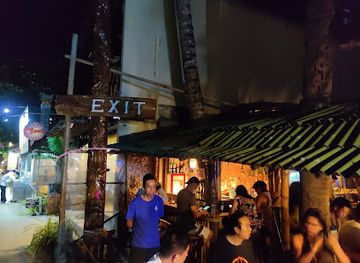
Exit Bar
Discover the vibrant nightlife at Exit Bar in Boracay, where great drinks and an exciting atmosphere await every traveler.
7 min walk · 0.5 km from neighbourhood centre
-
Bar
Hello, Sailor
Hello, Sailor: Your beachfront escape for cocktails, snacks, and stunning sunset views in the heart of Boracay.
4 min walk · 0.3 km from neighbourhood centre


Best nightclubs in Station 1
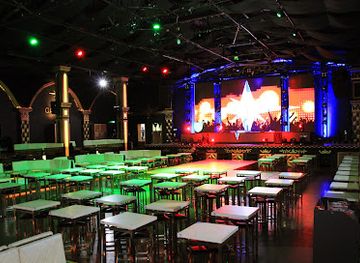
Station 1’s evenings are generally more restrained than the club-focused stretch around central White Beach. Resort bars and beachfront restaurants provide places for sunset drinks, cocktails, live background music and relaxed conversations, while the wide shore is suited to strolling after dinner rather than organised nightlife. Visitors seeking larger crowds, late entertainment and a denser concentration of bars can walk or take an electric tricycle south towards Station 2, where Boracay’s principal commercial nightlife is concentrated. Station 1 itself is better understood as a resort-led evening district: sound levels and access vary between properties, and some venues are primarily intended for their guests. The beach remains a public landscape, but local rules concerning alcohol, smoking, furniture and events should be followed, particularly after the island’s environmental rehabilitation and tighter management of beachfront activity.
-
Disco club
Club Galaxy
Immerse yourself in the electrifying nightlife of Boracay at Club Galaxy, where unforgettable moments are made on the dance floor.
18 min walk · 1.5 km from neighbourhood centre
-
Bar
Paraw Beach Club
Experience the vibrant nightlife at Paraw Beach Club in Boracay, where stunning beach views meet refreshing cocktails and lively entertainment.
2 min walk · 0.2 km from neighbourhood centre
-
Bar
Exit Bar
Experience Boracay's vibrant nightlife at Exit Bar, where cocktails flow, music plays, and unforgettable memories are made.
7 min walk · 0.5 km from neighbourhood centre
-
Cocktail bar
Mai Tai Beach Bar Boracay
Experience the vibrant atmosphere of Mai Tai Beach Bar in Boracay, where tropical cocktails and stunning beachfront views await.
1 min walk · 0.1 km from neighbourhood centre


Best shops in Station 1
Shopping in Station 1 is relatively limited and closely tied to resorts, with convenience outlets, beachwear, toiletries, souvenirs and small visitor services available around accommodation properties and access roads. The area is not Boracay’s main retail district, and its broad beachfront is more notable for open space than for a continuous line of independent shops. For a wider choice of souvenirs, casual clothing, pharmacies, convenience stores, crafts and everyday goods, visitors generally travel south towards D’Mall and the busier commercial sections of White Beach. Beach etiquette and environmental rules matter when buying island-themed products: do not purchase coral, shells or other materials that may have been removed from the marine environment. Retail stock and business access can change, particularly within resort premises, so Station 1 works best as a base for beach time rather than a dedicated shopping destination.
-
Shopping mall
D'Mall Boracay
Explore D'Mall Boracay for a vibrant shopping experience, delicious local cuisine, and unforgettable entertainment on this tropical paradise.
8 min walk · 0.6 km from neighbourhood centre
-
Supermarket
Robinsons Supermarket Station B Mall, Boracay
Experience the vibrant shopping scene at Robinsons Supermarket in Boracay, where local flavors and global brands meet for an unforgettable shopping experience.
14 min walk · 1.1 km from neighbourhood centre
-
Grocery store
Savemore Citymall Boracay
Explore Savemore Citymall Boracay for an authentic shopping experience with local products and everyday essentials in a tropical paradise.
18 min walk · 1.4 km from neighbourhood centre
-
Shopping mall
The Shoppes at Station B
Experience a shopping haven at The Shoppes at Station B, where retail therapy meets local flavors in the heart of Malay, Aklan.
13 min walk · 1.1 km from neighbourhood centre


Station 1 essentials
Getting There
Getting Around
Safety
Emergency Situations
Do's and Don'ts
Local Tips

From Eve
Local phrases worth knowing
You don't need to get them perfect. A few words go a long way, and locals appreciate the effort.
Basics
| English | Local | Say it |
|---|---|---|
| Hello | Kamusta | [ka-mu-sta] |
| Goodbye | Paalam | [pa-a-lam] |
| Yes | Oo | [o-o] |
| No | Hindi | [hin-di] |
| Please/You're welcome | Salamat | [sa-la-mat] |
| Thank you | Salamat | [sa-la-mat] |
| Excuse me/Sorry | Pasensya | [pa-sen-sya] |
| How are you? | Kamusta ka? | [ka-mu-sta ka] |
| Fine. And you? | Mabuti. Ikaw? | [ma-bu-ti i-kaw] |
| Do you speak English? | Marunong ka mag-English? | [ma-ru-nong ka mag-English] |
| I don't understand | Hindi ko maintindihan | [hin-di ko main-tin-di-han] |
Eating & Drinking
| English | Local | Say it |
|---|---|---|
| I'd like to see the menu, please | Pakita mo nga ang menu, pakiusap | [pa-ki-ta mo nga ang me-nu, pa-ki-u-sap] |
| I don't eat meat | Hindi ako kumakain ng karne | [hin-di a-ko ku-ma-ka-in ng kar-ne] |
| Cheers! | Mabuhay! | [ma-bu-hay] |
| I would like to pay, please | Gusto ko sanang magbayad, pakiusap | [gu-sto ko sa-nang mag-ba-ya-d, pa-ki-u-sap] |
Emergencies
| English | Local | Say it |
|---|---|---|
| Help! | Saklolo! | [sak-lo-lo] |
| Go away! | Lumayo ka! | [lu-ma-yo ka] |
| Call the Police! | Tawag sa pulis! | [ta-wag sa pu-lis] |
| Call a doctor! | Tawag sa doktor! | [ta-wag sa dok-tor] |
| I'm lost | Nawawala ako | [na-wa-wa-la a-ko] |
| I'm ill | Sakit ako | [sa-kit a-ko] |
Shopping
| English | Local | Say it |
|---|---|---|
| I'd like to buy... | Gusto ko bumili ng... | [gu-sto ko bu-mi-li ng] |
| I'm just looking | Titingin-tingin lang ako | [ti-ting-in-ting-in lang a-ko] |
| How much is it? | Magkano ito? | [mag-ka-no i-to] |
| That's too expensive | Mahal masyado ito | [ma-hal ma-sya-do i-to] |
| Can you lower the price? | Pwede bang bawasan ang presyo? | [pwe-de bang ba-wa-san ang pre-syo] |
Time & Numbers
| English | Local | Say it |
|---|---|---|
| What time is it? | Anong oras na? | [a-nong o-ras na] |
| It's one o'clock | Alas-una na | [a-las-u-na na] |
| Half past (10) | Alas-diyes y medya | [a-las-di-yes y med-ya] |
| Morning | Umaga | [u-ma-ga] |
| Afternoon | Hapon | [ha-pon] |
| Evening | Gabi | [ga-bi] |
| Yesterday | Kahapon | [ka-ha-pon] |
| Today | Ngayon | [nga-yon] |
| Tomorrow | Bukas | [bu-kas] |
| 1 | Isa | [i-sa] |
| 2 | Dalawa | [da-la-wa] |
| 3 | Tatlo | [tat-lo] |
| 4 | Apat | [a-pat] |
| 5 | Lima | [li-ma] |
| 6 | Anim | [a-nim] |
| 7 | Pito | [pi-to] |
| 8 | Walo | [wa-lo] |
| 9 | Siyam | [si-yam] |
| 10 | Sampu | [sam-pu] |
Transport & Directions
| English | Local | Say it |
|---|---|---|
| Where's a/the...? | Nasaan ang...? | [na-sa-an ang] |
| What's the address? | Ano ang address? | [a-no ang ad-dres] |
| Can you show me (on the map)? | Pwede mo ba akong ipakita (sa mapa)? | [pwe-de mo ba a-kong i-pa-ki-ta sa ma-pa] |
| When's the next (bus)? | Kailan ang susunod na (bus)? | [ka-i-lan ang su-su-nod na bus] |
| A ticket (to ....) | Isang tiket (papunta sa ....) | [i-sang ti-ket pa-pun-ta sa] |
History of Station 1
Before the Resort Coast
Before Boracay became an international seaside destination, the island was home to Ati and other local communities whose livelihoods were connected with fishing, farming and the coastal environment. The northern stretch now known as Station 1 formed part of this island landscape rather than a distinct urban quarter. Boracay’s name is commonly linked to local language traditions, although explanations vary, and the modern station numbering system is a tourism-era creation rather than an old village division.
Tourism Reaches White Beach
Small-scale tourism began developing on Boracay’s White Beach during the late twentieth century, as travellers were drawn to the island’s sand, clear water and relatively informal atmosphere. Station 1 gradually emerged as the northern section of the principal beach, with accommodation expanding behind the shore and along access roads. Its wider sands and quieter setting encouraged a different pattern from the busier central area, with resorts taking larger plots and giving the northern end a more spacious, upmarket identity.
Rapid Growth and Environmental Pressure
As Boracay’s visitor numbers increased, construction, wastewater management, traffic and beach activity placed growing pressure on the island’s limited land and marine environment. Station 1 shared in this transformation: small coastal accommodation was joined by larger resort developments, while the shoreline became one of the island’s most valuable visitor spaces. The changes brought employment and investment but also intensified debate about land use, public beach access and the responsibilities of tourism businesses.
Rehabilitation and Regulated Tourism
Boracay underwent a major temporary closure and rehabilitation programme in 2018, after national authorities identified serious environmental and infrastructure problems across the island. The reopening introduced stricter requirements affecting establishments, wastewater systems, construction, beach activity and visitor management. Station 1’s broad beachfront therefore sits within a more regulated tourism landscape than the informal resort coast that developed in earlier decades, with its present character shaped by the continuing effort to balance hospitality, public access and the protection of White Beach.
Station 1 in Photos
Browse through our photo collection highlighting the charm and character of the destination.
Neighbourhoods near Station 1
The closest neighbourhoods to Station 1, if you have time for more than one stop.
-

-

-

-


Swipe for more neighbourhoods
Explore more

Explore more of Boracay
Discover Boracay: A tropical paradise in the Philippines known for its white-sand beaches, vibrant nightlife, water sports, and rich cultural experiences.
Explore Boracay