

Station 3 (Boracay) Travel Guide - Free
Explore Station 3 in Boracay with Evendo's free guide. Find the best shops, historic streets, restaurants, and gems on web or mobile.


Station 3, Boracay offers a quieter White Beach escape with sunset walks, local seafood, relaxed cafés, island adventures and beachfront stays.
White Beach at Its Quietest
Station 3 occupies the southern stretch of Boracay’s celebrated White Beach, within the Manoc-Manoc area of the island. Its shoreline is generally associated with a slower, less commercial mood than Stations 1 and 2: the beach remains the main public space, while the inland side is a mixture of modest accommodation, restaurants, small shops, palms and local residential streets. The sand is broad in places, and the southern end gives visitors more room to walk, sit beneath the trees or watch the changing light over the Sibuyan Sea.Read more about Station 3
A Beach Neighbourhood, Not a Sightseeing District
Evenings by the Water
Best attractions in Station 3
Station 3’s principal attraction is its stretch of White Beach, where fine sand, west-facing views and a comparatively spacious shoreline create the setting for swimming, walking and sunset watching. The beach is also the starting point for many activities arranged across Boracay, including paddleboarding, diving, parasailing and boat excursions, although the routes and operating areas may extend well beyond the neighbourhood. Inland, the lanes of Manoc-Manoc offer a more local perspective than the resort frontage, with small shops, transport links and everyday community life rather than formal sightseeing venues. The southern end of White Beach is particularly suited to an unhurried walk, with palms and beachfront dining providing natural pauses along the way. Station 3 is not a museum district, and its appeal comes from observing the shoreline’s changing conditions, from calm early-morning water to the colours and breeze of late afternoon.
-
Tourist attraction
New Boracay
Explore New Boracay: A breathtaking tropical paradise with pristine beaches, vibrant nightlife, and unforgettable sunsets in Aklan, Philippines.
9 min walk · 0.7 km from neighbourhood centre
-
Tourist attraction
Bulabog Activity Floating Port
Explore the vibrant Bulabog Activity Floating Port in Boracay, a hub for thrilling water sports and relaxing beach vibes, all set against stunning natural beauty.
6 min drive · 1.9 km from neighbourhood centre
-
 Tourist attraction
Boracay Sa Panaginip
Experience the breathtaking beauty of Boracay Sa Panaginip, a tropical paradise perfect for relaxation, adventure, and unforgettable memories.
15 min walk · 1.2 km from neighbourhood centre


Best landmarks in Station 3
Station 3 has few monumental structures, and its most significant landmark is the physical shoreline of White Beach itself: a long west-facing coastal edge that shaped Boracay’s settlement, tourism economy and public identity. The beach’s southern reach, backed by palms and the low-rise development of Manoc-Manoc, helps distinguish this section from the denser commercial core farther north. The Main Road is another important piece of neighbourhood infrastructure, linking the beachfront area with Cagban Port, inland communities and the rest of Boracay. Smaller lanes leading away from the beach reveal the relationship between resort businesses and established local settlement. Station 3 should not be confused with famous Boracay landmarks such as Willy’s Rock, which lies much farther north near Station 1. Here, the meaningful landmarks are environmental and infrastructural rather than grand architectural monuments: the sand, sea, road network and community spaces that explain how the southern beach district functions.
-
Resort hotel
Casa Pilar Beach Resort
Experience the beauty of Boracay at Casa Pilar Beach Resort, where relaxation meets adventure on the stunning shores of Station 3.
2 min walk · 0.2 km from neighbourhood centre
-
Resort hotel
Boracay Sands
Discover the ultimate tropical paradise at Boracay Sands, a resort hotel on White Beach offering relaxation and adventure in the heart of Boracay.
1 min walk · 0.1 km from neighbourhood centre
-
Hotel
Crown Regency Beach Resort
Experience luxury and adventure at Crown Regency Beach Resort on Boracay Island, where stunning views and top-notch amenities await.
1 min walk · 0.1 km from neighbourhood centre
-
Beach
Station 3
Experience the tranquil charm of Station 3 in Aklan, a perfect beach getaway with soft sands, vibrant nightlife, and stunning sunset views.
2 min walk · 0.2 km from neighbourhood centre


Explore Station 3 on the map
A handpicked selection of must-see spots in Station 3, mapped for you.
Best hotels in Station 3
Best restaurants in Station 3
Eating in Station 3 is closely tied to the beach, with casual restaurants, cafés and resort dining rooms spread along or just behind the shoreline. Menus commonly combine Filipino favourites, seafood and familiar international dishes, reflecting Boracay’s long-established visitor economy and its local coastal setting. Grilled fish, rice-based meals, noodles, fruit drinks and snacks are useful choices for a relaxed day by the water, while independent cafés provide coffee and light food away from the busiest central strip. Some properties offer more polished dining, but the neighbourhood is better characterised by variety and convenience than by one defining culinary institution. Visitors can also find small eateries and shops along inland roads near Manoc-Manoc, where the atmosphere is more local and less oriented towards beachfront leisure. The selection, seating arrangements and operating patterns can change, so checking current details locally is sensible rather than relying on old listings.
-
Restaurant
Cafe Maruja
Experience culinary delights at Cafe Maruja on Boracay Island—where stunning beachfront views meet delicious food.
2 min walk · 0.2 km from neighbourhood centre
-
Steak
TGH The Grillhouse Sportsbar
Experience the best steaks and vibrant sports atmosphere at TGH The Grillhouse Sportsbar in Boracay Island's Station 3.
1 min walk · 0.1 km from neighbourhood centre
-
Restaurant
Giuseppe Boracay
Experience exquisite Italian dining at Giuseppe Boracay - where unique flavors meet breathtaking island views.
1 min walk · 0.1 km from neighbourhood centre
-
Restaurant
Tita Magz Home Kitchen
Discover Tita Magz Home Kitchen: where authentic Filipino cuisine meets stunning beachfront views in Boracay's vibrant Station 3.
3 min walk · 0.2 km from neighbourhood centre


Best bars in Station 3
Station 3’s evenings are generally more restrained than the concentrated nightlife around Station 2. The beachfront supports sunset drinks, casual bars and restaurant-based evening gatherings, with the open water and sand providing the strongest sense of place after dark. Some accommodation properties host low-key entertainment, while independent bars and cafés offer places to sit, talk and listen to music without the intensity associated with Boracay’s larger party venues elsewhere. Nightlife here is therefore more about the transition from sunset to dinner than about a dense club circuit. Visitors seeking larger late-night events can travel north, but should arrange a safe return along the Main Road and remember that Station 3 also contains homes and quieter accommodation. Sound, beach access and alcohol rules can change under local regulation, so follow current notices and venue guidance rather than assuming that every part of the shoreline remains open for informal gatherings.
-
Bar
OM Boracay
Discover the vibrant nightlife of OM Boracay, where stunning views, refreshing cocktails, and a lively atmosphere await you on your tropical getaway.
11 min walk · 0.8 km from neighbourhood centre
-
Restaurant
Cafe Maruja
Experience the vibrant flavors and stunning beachfront views at Cafe Maruja in Boracay, a must-visit destination for food lovers and beachgoers alike.
2 min walk · 0.2 km from neighbourhood centre
-
Bar
Summer Place
Discover the lively charm of Summer Place in Boracay, where vibrant nightlife meets tropical bliss, offering unforgettable dining and entertainment.
12 min walk · 1.0 km from neighbourhood centre
-
Bar
Wave Bar & Lounge at Henann Regency Resort & Spa
Wave Bar & Lounge at Henann Regency Resort & Spa offers stunning ocean views, refreshing cocktails, and live music for a perfect Boracay experience.
10 min walk · 0.8 km from neighbourhood centre


Best nightclubs in Station 3
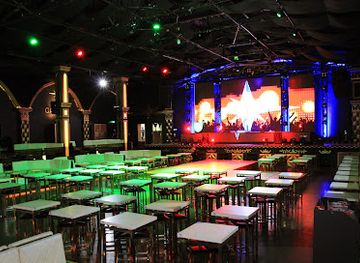
Station 3’s evenings are generally more restrained than the concentrated nightlife around Station 2. The beachfront supports sunset drinks, casual bars and restaurant-based evening gatherings, with the open water and sand providing the strongest sense of place after dark. Some accommodation properties host low-key entertainment, while independent bars and cafés offer places to sit, talk and listen to music without the intensity associated with Boracay’s larger party venues elsewhere. Nightlife here is therefore more about the transition from sunset to dinner than about a dense club circuit. Visitors seeking larger late-night events can travel north, but should arrange a safe return along the Main Road and remember that Station 3 also contains homes and quieter accommodation. Sound, beach access and alcohol rules can change under local regulation, so follow current notices and venue guidance rather than assuming that every part of the shoreline remains open for informal gatherings.
-
Disco club
Club Galaxy
Discover Boracay's nightlife at Club Galaxy – the ultimate disco destination with pulsating beats and an electric atmosphere.
11 min walk · 0.9 km from neighbourhood centre
-
Bar
Surf Beach Bar Boracay
Experience the vibrant nightlife and breathtaking ocean views at Surf Beach Bar Boracay, the ultimate destination for relaxation and entertainment.
2 min walk · 0.2 km from neighbourhood centre
-
Night club
Club Tropicana Boracay
Unleash your spirit and dance the night away at Club Tropicana Boracay, the ultimate destination for exhilarating nightlife and unforgettable beach vibes.
5 min drive · 1.6 km from neighbourhood centre
-
Bar
Samsam's BarBoracay
Experience the vibrant nightlife at Samsam's Bar in Boracay, where tropical drinks meet stunning beach views in a lively atmosphere.
3 min walk · 0.3 km from neighbourhood centre


Best shops in Station 3
Shopping in Station 3 is practical and visitor-oriented rather than concentrated in a major retail district. Small convenience shops, beachwear sellers, pharmacies, souvenir stalls and independent service businesses appear along the beachfront and nearby inland roads, serving both travellers and local residents. Visitors may find island-themed clothing, woven accessories, shell-free craft items, snacks, drinks and equipment associated with beach activities, though stock varies and environmental rules mean that collecting natural materials from the shore is inappropriate. The Main Road provides access to further everyday services and transport connections, while larger retail choices are located towards Station 2 and D’Mall, outside Station 3. A walk through the area is more useful for observing the mixed commercial character of Manoc-Manoc than for pursuing a particular shopping street. Bargaining, where it is accepted, should remain courteous, and prices and product availability are best confirmed at the point of purchase.
-
Jewelry store
Pick A Pearl Boracay
Explore the vibrant artistry of pearl jewelry at Pick A Pearl Boracay, a must-visit for tourists in search of unique treasures.
8 min walk · 0.6 km from neighbourhood centre
-
Gift shop
AT IZ Boracay Co. (GIFT MARKET)
Explore AT IZ Boracay Co. for unique gifts and souvenirs that capture the spirit of Boracay Island, perfect for every traveler.
15 min walk · 1.2 km from neighbourhood centre
-
Gift shop
Lampirong Collection
Explore the vibrant artistry of the Philippines at Lampirong Collection, where unique gifts and handcrafted treasures await in Boracay's D'Mall.
14 min walk · 1.1 km from neighbourhood centre
-
Store
ALL-IN Boracay
Discover authentic souvenirs and local crafts at ALL-IN Boracay, your ultimate shopping destination on the island.
3 min walk · 0.2 km from neighbourhood centre


Station 3 essentials
Getting There
Getting Around
Safety
Emergency Situations
Do's and Don'ts
Local Tips

From Eve
Local phrases worth knowing
You don't need to get them perfect. A few words go a long way, and locals appreciate the effort.
Basics
| English | Local | Say it |
|---|---|---|
| Hello | Kamusta | [ka-mus-ta] |
| Goodbye | Paalam | [pa-a-lam] |
| Yes | Oo | [o-o] |
| No | Hindi | [hin-di] |
| Please/You're welcome | Pakiusap/Pakiwala | [pa-kiu-sap/pa-ki-wa-la] |
| Thank you | Salamat | [sa-la-mat] |
| Excuse me/Sorry | Pasensya/Paumanhin | [pa-sen-sya/pa-u-man-hin] |
| How are you? | Kamusta ka? | [ka-mus-ta ka?] |
| Fine. And you? | Mabuti. Ikaw? | [ma-bu-ti. i-kaw?] |
| Do you speak English? | Marunong ka mag-Ingles? | [ma-ru-nong ka mag-ing-gles?] |
| I don't understand | Hindi ko maintindihan | [hin-di ko main-tin-di-han] |
Eating & Drinking
| English | Local | Say it |
|---|---|---|
| I'd like to see the menu, please | Gusto ko sanang makita ang menu, pakiusap | [gus-to ko sa-nang ma-ki-ta ang me-nu, pa-kiu-sap] |
| I don't eat meat | Hindi ako kumakain ng karne | [hin-di a-ko ku-ma-kain ng kar-ne] |
| Cheers! | Mabuhay! | [ma-bu-hay] |
| I would like to pay, please | Gusto ko sanang magbayad, pakiusap | [gus-to ko sa-nang mag-ba-ya-d, pa-kiu-sap] |
Emergencies
| English | Local | Say it |
|---|---|---|
| Help! | Tulong! | [tu-long!] |
| Go away! | Lumayo ka! | [lu-ma-yo ka!] |
| Call the Police! | Tumawag sa pulis! | [tu-ma-wag sa pu-lis!] |
| Call a doctor! | Tumawag ng doktor! | [tu-ma-wag ng dok-tor!] |
| I'm lost | Nawawala ako | [na-wa-wa-la a-ko] |
| I'm ill | May sakit ako | [may sa-kit a-ko] |
Shopping
| English | Local | Say it |
|---|---|---|
| I'd like to buy... | Gusto ko bumili ng... | [gus-to ko bu-mi-li ng...] |
| I'm just looking | Nagmamasid lang ako | [nag-ma-ma-sid lang a-ko] |
| How much is it? | Magkano ito? | [mag-ka-no i-to?] |
| That's too expensive | Masyadong mahal iyan | [ma-sya-dong ma-hal i-yan] |
| Can you lower the price? | Pwede bang magbaba ng presyo? | [pu-we-de bang mag-ba-ba ng pre-syo?] |
Time & Numbers
| English | Local | Say it |
|---|---|---|
| What time is it? | Anong oras na? | [a-nong o-ras na?] |
| It's one o'clock | Alas-uno na | [a-las-u-no na] |
| Half past (10) | Ala-una y medya | [a-la-u-na y med-ya] |
| Morning | Umaga | [u-ma-ga] |
| Afternoon | Hapon | [ha-pon] |
| Evening | Gabi | [ga-bi] |
| Yesterday | Kahapon | [ka-ha-pon] |
| Today | Ngayon | [nga-yon] |
| Tomorrow | Bukas | [bu-kas] |
| 1 | Isa | [i-sa] |
| 2 | Dalawa | [da-la-wa] |
| 3 | Tatlo | [tat-lo] |
| 4 | Apat | [a-pat] |
| 5 | Lima | [li-ma] |
| 6 | Anim | [a-nim] |
| 7 | Pito | [pi-to] |
| 8 | Walo | [wa-lo] |
| 9 | Siyam | [si-yam] |
| 10 | Sampu | [sam-pu] |
Transport & Directions
| English | Local | Say it |
|---|---|---|
| Where's a/the...? | Nasaan ang...? | [na-sa-an ang...?] |
| What's the address? | Ano ang address? | [a-no ang ad-dres?] |
| Can you show me (on the map)? | Pwede mo ba akong ipakita (sa mapa)? | [pu-we-de mo ba a-kong i-pa-ki-ta (sa ma-pa)?] |
| When's the next (bus)? | Kailan ang susunod (bus)? | [ka-i-lan ang su-su-nod (bus)?] |
| A ticket (to ....) | Isang tiket (papuntang ...) | [i-sang ti-ket (pa-pun-tang ...)] |
History of Station 3
Before the Resort Era
Before Boracay became an international holiday island, its coastal settlements supported fishing, small-scale farming and inter-island exchange. The southern part of the island, including the area now understood as Station 3, was connected to the communities of Manoc-Manoc rather than functioning as a separate tourist district. Ati communities and later generations of Visayan settlers formed part of Boracay’s wider human history, while the beach and surrounding waters remained working landscapes. The name Station 3 is a modern tourism-era label for a section of White Beach, not an ancient village name or formal historic quarter.
Tourism Reaches White Beach
Boracay’s tourism economy began to expand markedly from the 1970s, when domestic and foreign travellers were drawn to White Beach’s sand and clear coastal waters. Guesthouses, eateries and informal transport services gradually appeared along the beachfront and inland roads. Station 3 developed as the southern, comparatively less intensely commercial part of the White Beach resort corridor, while nearby Manoc-Manoc continued to retain local residential and community functions. As tourism grew, the labels Stations 1, 2 and 3 became useful visitor shorthand for navigating the long beach, even though the divisions are informal.
Rapid Development and Local Pressure
During the late twentieth and early twenty-first centuries, Boracay’s visitor economy brought hotels, restaurants, watersports and land-value changes to the island. Station 3 gained accommodation and dining businesses but generally remained less concentrated than the central area around Station 2. Growth also placed pressure on beaches, drainage, waste management, water quality and residents’ access to shared public spaces. These pressures affected the whole island rather than Station 3 alone, yet they shaped the neighbourhood’s gradual shift from a lightly developed beach settlement into part of a major resort destination.
The 2018 Closure and Rehabilitation
In 2018, the Philippine government temporarily closed Boracay to tourists for a large-scale rehabilitation programme addressing environmental and infrastructure problems. Businesses across Station 3 were affected, as they were elsewhere on White Beach, and the reopening introduced stricter requirements concerning wastewater, construction, beach use and commercial activity. The period changed the visitor experience throughout the neighbourhood: the shoreline remained a public landscape, but the resort economy operated within more clearly enforced environmental and regulatory frameworks. Station 3 today reflects both Boracay’s continuing popularity and the island’s ongoing effort to balance tourism with local life and coastal stewardship.
Station 3 in Photos
Browse through our photo collection highlighting the charm and character of the destination.
Neighbourhoods near Station 3
The closest neighbourhoods to Station 3, if you have time for more than one stop.
-

-

-

-


Swipe for more neighbourhoods
Explore more

Explore more of Boracay
Discover Boracay: A tropical paradise in the Philippines known for its white-sand beaches, vibrant nightlife, water sports, and rich cultural experiences.
Explore Boracay