

Embarcadero de Legazpi (Legazpi) Travel Guide - Free
Explore Embarcadero de Legazpi in Legazpi with Evendo's free guide. Find the best shops, historic streets, restaurants, and gems on web or mobile.


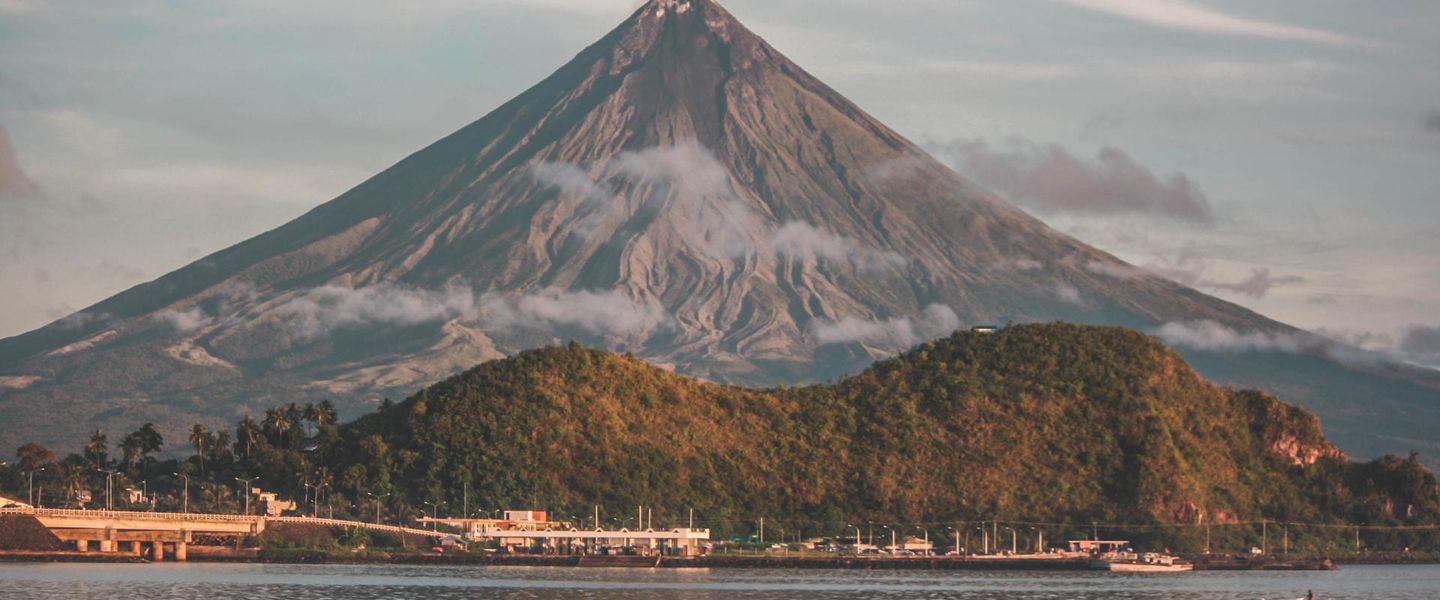


Embarcadero de Legazpi pairs a seafront promenade, Mayon views, harbour history and relaxed dining in Legazpi City, Albay, Philippines, near Mayon.
Waterfront Setting
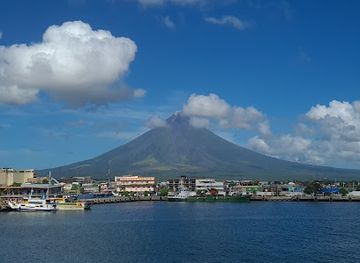
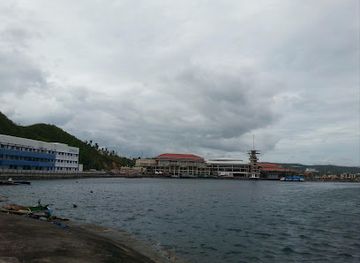
Embarcadero de Legazpi occupies a prominent position beside the harbour in Legazpi City, Albay, where the urban waterfront opens towards Albay Gulf and the volcanic cone of Mount Mayon. It is best understood as a compact waterfront leisure district rather than a conventional old neighbourhood: a cluster of promenades, commercial spaces, dining venues and recreational attractions built around the city's working maritime edge. The setting is especially atmospheric in the late afternoon, when boats, shoreline activity and changing light create a broad foreground for Mayon's famously symmetrical profile, weather permitting.Read more about Embarcadero de Legazpi
A Modern Face of Legazpi
Local Leisure and Mayon Views
Best landmarks in Embarcadero de Legazpi
Embarcadero de Legazpi's defining landmarks are its harbour setting, waterfront structures and relationship with Mount Mayon rather than a collection of old civic buildings. The complex occupies land beside Legazpi's port, making maritime infrastructure part of its visual identity and linking the development to the city's long role as a coastal commercial centre. Its open promenade and sea-facing façades provide recognisable points along the waterfront, while the broad view towards Albay Gulf gives the site symbolic importance as a public face of the city. Mayon is not inside the neighbourhood, but its volcanic cone forms the dominant distant landmark when weather permits. Nearby Legazpi Boulevard is another important element of the coastal landscape, though it should be treated as an adjoining route rather than as a structure within Embarcadero itself.
-
Business center
Embarcadero de Legazpi
Explore Embarcadero de Legazpi: A vibrant waterfront destination blending business, leisure, and breathtaking views of the Albay landscape.
3 min walk · 0.2 km from neighbourhood centre
Explore Embarcadero de Legazpi on the map
A handpicked selection of must-see spots in Embarcadero de Legazpi, mapped for you.
Best hotels in Embarcadero de Legazpi
Best restaurants in Embarcadero de Legazpi
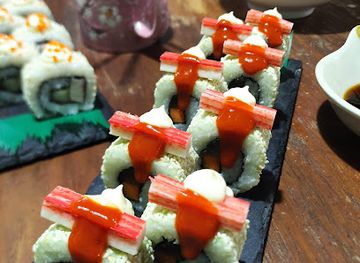
Dining at Embarcadero de Legazpi centres on a casual waterfront setting rather than a concentrated restaurant quarter. Visitors can look for cafés, fast-casual outlets and restaurants within or around the complex, with open views and breezes providing much of the appeal. Menus and individual occupiers change, so the most reliable expectation is a convenient meal or drink beside the harbour rather than a fixed list of signature establishments. The wider Legazpi area offers Bicolano cooking, including dishes associated with chilli and coconut, but not every restaurant near the waterfront represents a specifically local menu. For a more distinctly regional food search, compare current options in central Legazpi and nearby Daraga after visiting the seafront. Dining is generally best paired with the setting—an afternoon snack, an early evening meal or a drink while watching changing light over Albay Gulf—rather than treated as a standalone culinary district.
-
Japanese
Sousei Ryori Hauz
Experience authentic Japanese cuisine at Sousei Ryori Hauz in Legazpi City—where tradition meets taste in every bite.
3 min walk · 0.2 km from neighbourhood centre
-
Restaurant
Domeng's Diner
Experience authentic Filipino cuisine at Domeng's Diner in Legazpi City, where local flavors and warm hospitality come together.
3 min walk · 0.3 km from neighbourhood centre
-
Restaurant
Victory Village Legazpi Port
Savor exquisite local flavors with stunning harbor views at Victory Village Legazpi Port – your gateway to culinary bliss in Albay.
3 min walk · 0.2 km from neighbourhood centre
-
 Restaurant
Cisyd
Experience authentic Filipino cuisine at Cisyd in Legazpi City - where local flavors come alive in a welcoming atmosphere.
3 min walk · 0.2 km from neighbourhood centre
Best bars in Embarcadero de Legazpi
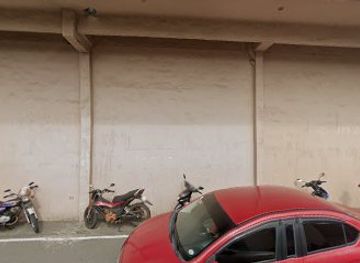
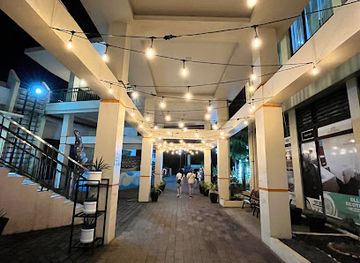
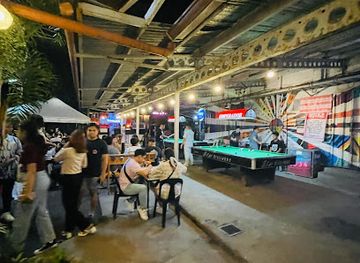
Embarcadero's evening character is generally relaxed and waterfront-oriented rather than centred on a large nightclub scene. Restaurants, cafés and casual drinking places may provide places to sit after sunset, with the harbour lights, sea breeze and views towards the darkened outline of Mayon shaping the atmosphere. Entertainment options and individual venues can change, so visitors should check what is operating locally instead of assuming that every unit in the complex remains open late. The area is suited to conversation, photography and a leisurely meal more than to intensive bar-hopping. For louder nightlife, live music or a broader choice of late venues, visitors may need to continue into Legazpi's central commercial areas, which are outside Embarcadero de Legazpi. After dark, remain in active public areas and arrange transport in advance if local rides become less frequent.
-
Business center
Embarcadero de Legazpi
Discover the vibrant Embarcadero de Legazpi, where stunning waterfront views meet dining, shopping, and cultural events in the heart of Albay.
3 min walk · 0.2 km from neighbourhood centre
-
Bar
Kapuntukan Resto Bar and Grille
Enjoy fresh seafood and vibrant atmosphere at Kapuntukan Resto Bar and Grille in Legazpi Port District, perfect for dining and socializing.
3 min walk · 0.3 km from neighbourhood centre
Best shops in Embarcadero de Legazpi
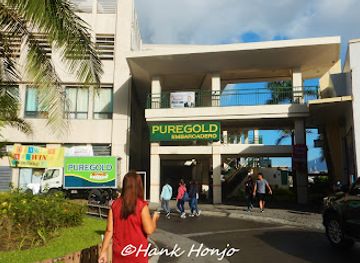
Shopping at Embarcadero de Legazpi is limited and convenience-led compared with Legazpi's larger commercial areas. The development may include changing retail units, small specialty outlets and leisure-related shops alongside its food and recreation businesses, but it is not primarily a traditional market or an established independent shopping street. Visitors looking for Bicolano food products, souvenirs, handicrafts or everyday goods will find a wider range by exploring central Legazpi, public markets and other commercial districts outside the waterfront. At Embarcadero, the main retail experience is browsing in a sea-facing leisure complex and combining purchases with a promenade walk. Stock, tenants and opening arrangements can change, so individual shops should be checked on arrival rather than assumed to be permanent attractions.
-
Supermarket
PUREGOLD
Discover affordable shopping at Puregold Supermarket in Legazpi City, where local flavors and goods await every tourist.
3 min walk · 0.2 km from neighbourhood centre
-
Cosmetics store
Flawless
Discover the ultimate beauty destination in Legazpi City at Flawless, offering top-tier cosmetics and skincare products tailored for every beauty enthusiast.
3 min walk · 0.2 km from neighbourhood centre
Embarcadero de Legazpi essentials
Getting There
Getting Around
Safety
Emergency Situations
Do's and Don'ts
Local Tips

From Eve
Local phrases worth knowing
You don't need to get them perfect. A few words go a long way, and locals appreciate the effort.
Basics
| English | Local | Say it |
|---|---|---|
| Hello | Kamusta | [ka-mu-sta] |
| Goodbye | Paalam | [pa-a-lam] |
| Yes | Oo | [o-o] |
| No | Hindi | [hin-di] |
| Please/You're welcome | Paki | [pa-ki] |
| Thank you | Salamat | [sa-la-mat] |
| Excuse me/Sorry | Pasensya | [pa-sen-sya] |
| How are you? | Kamusta ka? | [ka-mu-sta ka] |
| Fine. And you? | Mabuti. Ikaw? | [ma-bu-ti. i-kaw] |
| Do you speak English? | Nagsasalita ka ba ng Ingles? | [nag-sa-sa-li-ta ka ba ng in-gles] |
| I don't understand | Hindi ako nakakaintindi | [hin-di a-ko na-ka-ka-in-tin-di] |
Eating & Drinking
| English | Local | Say it |
|---|---|---|
| I'd like to see the menu, please | Gusto ko pong makita ang menu | [gus-to ko pong ma-ki-ta ang me-nu] |
| I don't eat meat | Hindi ako kumakain ng karne | [hin-di a-ko ku-ma-ka-in ng kar-ne] |
| Cheers! | Tagay! | [ta-gai] |
| I would like to pay, please | Gusto kong magbayad, pakiusap | [gus-to kong mag-ba-yad, pa-ki-u-sap] |
Emergencies
| English | Local | Say it |
|---|---|---|
| Help! | Tulong! | [tu-long] |
| Go away! | Lumayo ka! | [lu-ma-yo ka] |
| Call the Police! | Tumawag ng Pulis! | [tu-ma-wag ng pu-lis] |
| Call a doctor! | Tawag ng doktor! | [ta-wag ng dok-tor] |
| I'm lost | Nawawala ako | [na-wa-wa-la a-ko] |
| I'm ill | May sakit ako | [may sa-kit a-ko] |
Shopping
| English | Local | Say it |
|---|---|---|
| I'd like to buy... | Gusto ko pong bumili ng... | [gus-to ko pong bu-mi-li ng] |
| I'm just looking | Nagtitignan lang ako | [nag-ti-tig-nan lang a-ko] |
| How much is it? | Magkano ito? | [mag-ka-no i-to] |
| That's too expensive | Masyadong mahal iyan | [ma-sya-dong ma-hal i-yan] |
| Can you lower the price? | Pwede bang bumaba ang presyo? | [pu-we-de bang bu-ma-ba ang pres-yo] |
Time & Numbers
| English | Local | Say it |
|---|---|---|
| What time is it? | Anong oras na? | [a-nong o-ras na] |
| It's one o'clock | Alas-una na | [a-las-u-na na] |
| Half past (10) | Alas-dyes y medya | [a-las-dyes y med-ya] |
| Morning | Umaga | [u-ma-ga] |
| Afternoon | Hapon | [ha-pon] |
| Evening | Gabi | [ga-bi] |
| Yesterday | Kahapon | [ka-ha-pon] |
| Today | Ngayon | [nga-yon] |
| Tomorrow | Bukas | [bu-kas] |
| 1 | Isa | [i-sa] |
| 2 | Dalawa | [da-la-wa] |
| 3 | Tatlo | [tat-lo] |
| 4 | Apat | [a-pat] |
| 5 | Lima | [li-ma] |
| 6 | Anim | [a-nim] |
| 7 | Pito | [pi-to] |
| 8 | Walo | [wa-lo] |
| 9 | Siyam | [si-yam] |
| 10 | Sampu | [sam-pu] |
Transport & Directions
| English | Local | Say it |
|---|---|---|
| Where's a/the...? | Nasaan ang...? | [na-saan ang] |
| What's the address? | Ano ang address? | [a-no ang ad-dres] |
| Can you show me (on the map)? | Pwede mo ba akong ipakita (sa mapa)? | [pu-we-de mo ba a-kong i-pa-ki-ta sa ma-pa] |
| When's the next (bus)? | Kailan ang susunod na (bus)? | [ka-i-lan ang su-su-nod na bus] |
| A ticket (to ....) | Isang tiket (papuntang...) | [i-sang ti-ket pa-pun-tang] |
History of Embarcadero de Legazpi
A City Shaped by the Harbour
Embarcadero de Legazpi's story is tied to Legazpi City's maritime setting on Albay Gulf. The port has long connected the city with coastal movement, fishing, trade and passenger activity, while the wider urban area developed as a commercial centre for Albay. The waterfront was therefore not an isolated scenic edge but part of the city's working infrastructure. Its relationship with the sea also influenced Legazpi's practical geography: open coastal land, port facilities and roads along the shore have remained important to movement and commerce even as other parts of the city expanded inland.
From Port Edge to Leisure District
In the late 2000s, the port-side area was redeveloped as Embarcadero de Legazpi, introducing a planned leisure and commercial setting beside the harbour. The project brought promenades, retail and dining spaces, and recreational facilities into a part of the city previously understood mainly through maritime activity. This change reflected a broader effort to make Legazpi's waterfront more accessible for public enjoyment while retaining its connection with the port. The result was not a replacement of the harbour's working role, but a new layer of urban use alongside it.
A Landmark in Coastal Legazpi
As Legazpi developed its coastal road network and public-facing waterfront, Embarcadero became associated with the city's modern image: an open seafront where residents and visitors could gather with Albay Gulf and Mayon in view. The adjacent Legazpi Boulevard strengthened this coastal orientation by creating a longer route for walking, driving and viewing the shoreline, although it remains distinct from the Embarcadero complex. Today, the area represents the meeting of three identities—working port, public waterfront and leisure destination—rather than a historic quarter with a continuous traditional streetscape.
Embarcadero de Legazpi in Photos
Browse through our photo collection highlighting the charm and character of the destination.
Neighbourhoods near Embarcadero de Legazpi
The closest neighbourhoods to Embarcadero de Legazpi, if you have time for more than one stop.
-

-

-


Swipe for more neighbourhoods
Explore more

Explore more of Legazpi
Discover Legazpi, a city of adventure and beauty, where the iconic Mayon Volcano serves as a stunning backdrop to rich cultural heritage and thrilling outdoor activities.
Explore Legazpi