

Białowieża Forest Travel Guide - Free Web & App
Your ultimate guide to Białowieża Forest. Discover top landmarks, proposed trips, and local tips. Free on the web or via the Evendo companion app.


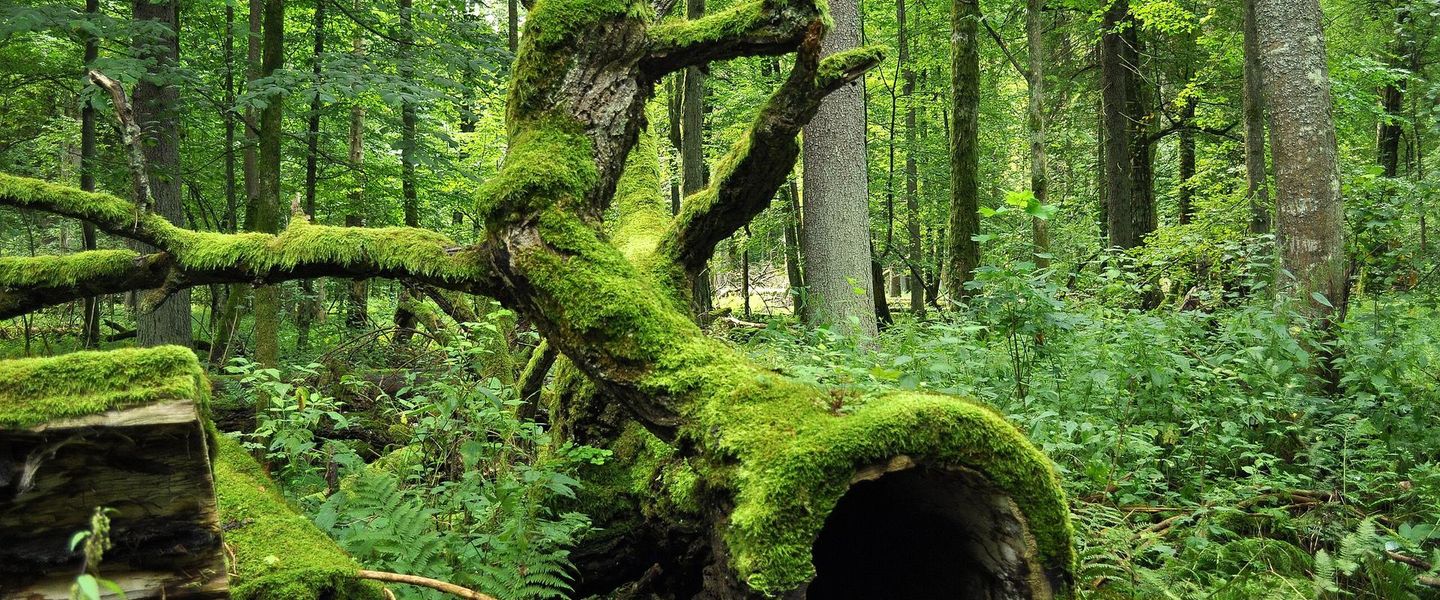


Białowieża Forest in Poland offers ancient woodland, European bison, village culture, wildlife walks and heritage sights near Białowieża and Hajnówka.
Primeval Woodland and Wildlife
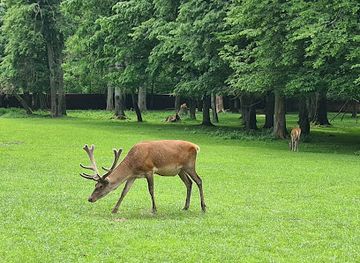
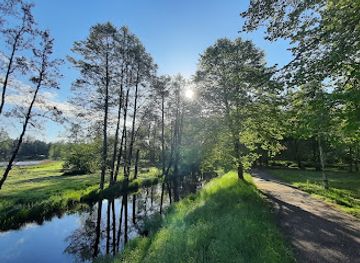
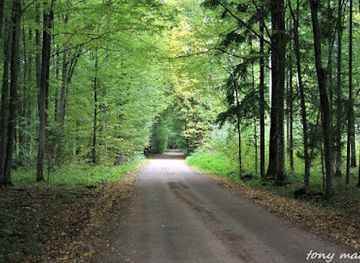
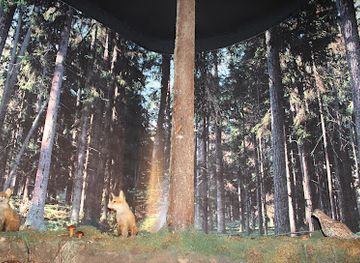
Białowieża Forest occupies a broad tract of woodland on Poland’s eastern border with Belarus, with the village of Białowieża and the town of Hajnówka serving as the principal Polish gateways. It is one of Europe’s most important surviving lowland forests, a mosaic of old deciduous woodland, swamp forest, meadows, glades and streams shaped by centuries of limited human interference. The forest is internationally associated with the European bison, or żubr, which was reintroduced here in the twentieth century and now forms one of the region’s defining natural symbols. Sightings are never guaranteed, particularly in dense woodland, but the forest’s ecological importance extends far beyond one species, encompassing rich birdlife, fungi, insects and veteran trees.Read more about Białowieża Forest
Protected Landscapes and Forest Culture
Villages, Heritage and Slower Travel
When is the best time to visit Białowieża Forest?
Best: June–August · 24–25°C| Month | High (°C) | Rainfall (mm) |
|---|---|---|
| January | 1 | 30 |
| February | 3 | 25 |
| March | 7 | 35 |
| April | 14 | 40 |
| May | 20 | 45 |
| June (best) | 24 | 50 |
| July (best) | 25 | 55 |
| August (best) | 24 | 50 |
| September | 19 | 45 |
| October | 13 | 40 |
| November | 8 | 35 |
| December | 3 | 25 |
Getting to and around Białowieża Forest
How to get there
Transportation
Best attractions in Białowieża Forest
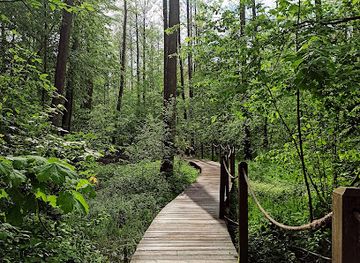
Białowieża National Park is the central attraction on the Polish side of the forest, with old woodland, wet habitats and marked visitor routes that reveal how natural forest processes operate. The former palace grounds in Białowieża form a landscaped contrast to the surrounding woodland, while the nearby European Bison Show Reserve provides an introduction to characteristic mammals in large enclosures. Hajnówka is a useful gateway to the wider forest and home to the striking Holy Trinity Orthodox Church, whose contemporary form reflects the region’s religious heritage. Around Białowieża, village roads and forest tracks lead towards open meadows, small settlements and cycling routes, although access differs between protected zones. The forest is also an attraction for birdwatchers, botanists and photographers interested in veteran trees, fungi and seasonal changes, with sightings and conditions varying rather than being guaranteed.
-
Tourist attraction
Miejsce Mocy
Explore Miejsce Mocy in Białowieża, a serene tourist attraction that blends nature's beauty with mystical ambiance for a rejuvenating experience.
-
Tourist attraction
Skansen Architektury Drewnianej Ludności Ruskiej Podlasia
Explore the stunning architecture and rich cultural heritage of the Skansen Architektury Drewnianej Ludności Ruskiej in the heart of Podlasie, Poland.
-
Tourist attraction
Dworek Gubernatora Grodzieńskiego
Discover the historical elegance of Dworek Gubernatora Grodzieńskiego, a captivating landmark in Białowieża that offers a glimpse into Poland's rich cultural heritage.
-
Nature preserve
Royal Oak Trail
Discover the Royal Oak Trail: A Natural Oasis in Białowieża, Poland, Perfect for Nature Lovers and Wildlife Enthusiasts.
Best landmarks in Białowieża Forest
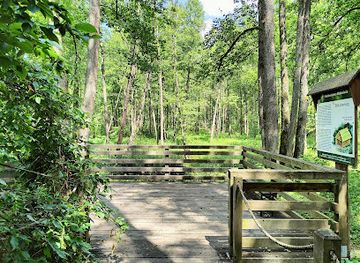
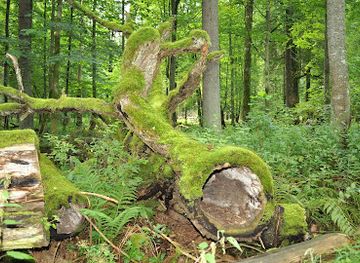
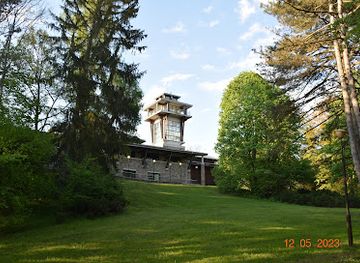
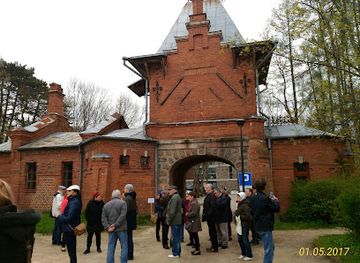
The most important landmark is the ancient woodland of Białowieża National Park, where veteran trees, fallen timber and naturally regenerating forest express the ecological character for which the area is internationally known. The Palace Park in Białowieża marks the site of the former imperial hunting residence and preserves a more formal historical landscape beside the village. The European Bison Show Reserve is a recognised wildlife landmark linked with the species’ return to the region. In Hajnówka, the Holy Trinity Orthodox Church is a prominent architectural and cultural point of reference, while the town’s open-air railway heritage reflects the forest’s history of timber transport. The border forest itself is also a landmark of conservation history: a continuous ecological landscape divided by a modern international boundary.
-
Tourist attraction
Rezerwat Pokazowy Żubrów
Explore Rezerwat Pokazowy Żubrów - A UNESCO World Heritage Site and a Sanctuary for the Majestic European Bison in Poland's Primeval Forest.
-
National park
Białowieża National Park
Explore Białowieża National Park, a UNESCO site with stunning landscapes, diverse wildlife, and the iconic European bison in Poland's primeval forest.
-
Museum
Natural-Forest Museum. Bialowieza National Park
Explore the Natural-Forest Museum in Białowieża National Park, a haven for nature enthusiasts showcasing Europe's last primeval forest and its incredible biodiversity.
-
Park
Palace Park in Białowieża
Explore the majestic Palace Park in Białowieża, a UNESCO-listed treasure showcasing Poland's natural beauty and rich royal heritage.
Explore Białowieża Forest on the map
Plan your trip on one map. See where the top attractions, landmarks, restaurants and hotels are, and book hotels and experiences in a few clicks.
Best hotels in Białowieża Forest
Best restaurants in Białowieża Forest
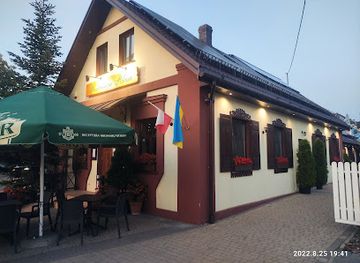
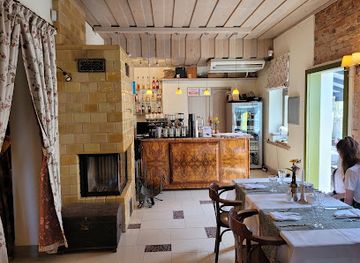
Dining in Białowieża and Hajnówka reflects the mixed cultural history of Podlasie, where Polish, Belarusian, Ukrainian and Eastern European traditions meet. Menus may include kartacze, potato babka, kiszka ziemniaczana, pierogi, soups, locally produced honey and the layered spit cake known as sękacz. In Białowieża, restaurants, guesthouse dining rooms and cafés serve visitors exploring the national park, while Hajnówka has a broader everyday choice of restaurants, bakeries and shops. Traditional village inns and small eateries are often more relevant to the region than a formal gastronomic district. Forest products and locally sourced ingredients appear in some regional cooking, but menus vary by establishment and season. Visitors travelling to remote trailheads should plan food and water rather than assume that refreshments will be available beside the forest.
-
Family-friendly
Restauracja Carska
Savor authentic Polish cuisine in a family-friendly atmosphere at Restauracja Carska in Białowieża.
-
Polish
Restauracja Pokusa
Discover authentic Polish cuisine at Restauracja Pokusa in Białowieża – where tradition meets flavor amidst stunning natural beauty.
-
Family-friendly
GOSPODA POD ŻUBREM
Experience the best of Polish cuisine at GOSPODA POD ŻUBREM in Białowieża - perfect for families seeking delicious meals in a cozy setting.
-
Eastern European
Babushka Bistro
Experience authentic Eastern European cuisine at Babushka Bistro in Białowieża, where every dish tells a story.
Best bars in Białowieża Forest
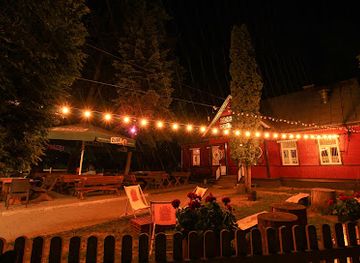
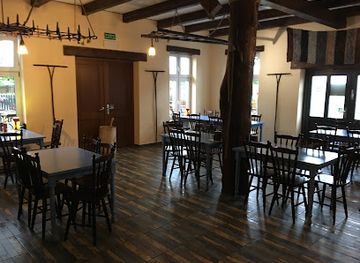
Białowieża Forest is a quiet rural destination rather than a nightlife centre. Evening activity is concentrated in the pubs, restaurant bars and guesthouse dining rooms of Białowieża, where the atmosphere is generally suited to conversation after a day outdoors rather than late-night clubbing. Hajnówka offers a larger local population and a wider range of ordinary cafés, bars and cultural venues, although entertainment remains modest compared with Poland’s cities. Seasonal concerts, village celebrations and Orthodox or regional cultural events may add to the evening calendar, but programmes vary and should be checked locally. In the forest villages, darkness and quiet are part of the experience, and visitors staying outside the main settlements should not expect extensive late-night transport or a broad choice of open venues.
-
Family-friendly
Restauracja Carska
Experience the rich flavors of Polish cuisine in a family-friendly atmosphere at Restauracja Carska, a culinary gem in Białowieża.
-
Polish
Restauracja Pokusa
Discover the authentic taste of Poland at Restauracja Pokusa in Białowieża, where traditional recipes meet warm hospitality.
-
Family-friendly
GOSPODA POD ŻUBREM
Discover the family-friendly dining experience at Gospoda Pod Żubrem in Białowieża, offering traditional Polish cuisine in a cozy atmosphere.
-
Eastern European
Restauracja Stoczek 1929
Experience exquisite Eastern European cuisine at Restauracja Stoczek 1929 in Białowieża, where tradition meets modern culinary artistry.
Best nightclubs in Białowieża Forest
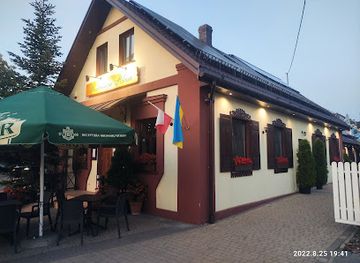
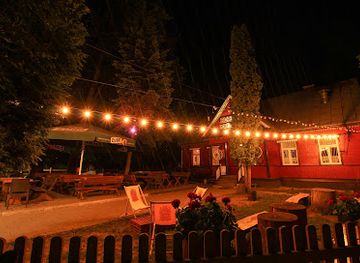
Białowieża Forest is a quiet rural destination rather than a nightlife centre. Evening activity is concentrated in the pubs, restaurant bars and guesthouse dining rooms of Białowieża, where the atmosphere is generally suited to conversation after a day outdoors rather than late-night clubbing. Hajnówka offers a larger local population and a wider range of ordinary cafés, bars and cultural venues, although entertainment remains modest compared with Poland’s cities. Seasonal concerts, village celebrations and Orthodox or regional cultural events may add to the evening calendar, but programmes vary and should be checked locally. In the forest villages, darkness and quiet are part of the experience, and visitors staying outside the main settlements should not expect extensive late-night transport or a broad choice of open venues.
-
Polish
Restauracja Pokusa
Experience authentic Polish cuisine in the heart of Białowieża at Restauracja Pokusa, where tradition meets taste in a charming setting.
-
Bar
BIESIADA
Discover the vibrant atmosphere and local flavors at BIESIADA, the quintessential bar experience in Białowieża, Poland.
-
Tourist attraction
Miejsce Mocy
Explore Miejsce Mocy in Białowieża, a serene sanctuary of nature and spirituality, perfect for rejuvenation and connection with the earth.
-
Travel agency
PTTK BIALOWIEZA-GUIDE SERVICE IN NATIONAL PARK-WILD LIFE IN THE PRIMEVAL FOREST
Explore the enchanting Białowieża National Park, a UNESCO World Heritage Site, and encounter the wildlife of Europe's last primeval forest.

Best shops in Białowieża Forest
Shopping is modest and locally focused, with the main choices found in Białowieża and Hajnówka rather than in the forest itself. Visitors may find regional honey, preserves, herbal products, woodland-themed crafts, postcards, books and small works by local artists, alongside practical food supplies and outdoor equipment. Podlasie is associated with textiles, woven goods, carved wood and other rural crafts, although the range differs between individual workshops and shops. Hajnówka provides the wider selection of everyday retail and regional products, while Białowieża’s smaller outlets are geared more towards visitors and local produce. Markets and craft events may be seasonal rather than permanent. Do not remove plants, fungi, antlers, wood or other natural materials from protected areas, even if they appear to have commercial or decorative value.
-
Tourist attraction
Rezerwat Pokazowy Żubrów
Experience the beauty of nature and the grandeur of European bison at Rezerwat Pokazowy Żubrów in Białowieża, a true gem of wildlife conservation.
-
National park
Białowieża National Park
Discover Białowieża National Park, a UNESCO World Heritage site filled with stunning landscapes, rich biodiversity, and the majestic European bison.
-
Museum
Natural-Forest Museum. Bialowieza National Park
Discover the ecological treasures of Białowieża National Park at the Natural-Forest Museum, where nature and knowledge beautifully intertwine.
-
Tourist attraction
Żebra żubra
Discover the breathtaking landscapes and wildlife of Żebra Żubra in the enchanting Białowieża Forest, a haven for nature lovers and hikers.
Get your free copy of our complete guide to Białowieża Forest, delivered straight to you.
Everything on this page, from attractions and restaurants to essentials and local phrases, in one PDF you can read offline, print or share.
Already have an account? Sign in
Your Białowieża Forest guide is ready.
We'll send it to · Not you? Sign out

Getting your guide ready…
We are putting together a fresh copy of the Białowieża Forest guide. This can take up to a minute.
This can take a few moments. If your browser asks, choose Allow so the download can start. You'll find the guide in your Downloads folder.
Nothing happened? Download it again
Sorry, the guide is taking longer than usual. Please try again in a minute, or get it by email instead.
Białowieża Forest essentials
Currency and Payment
Safety
Emergency Situations
Do's and Don'ts
Local Tips
From Eve
Local phrases worth knowing
You don't need to get them perfect. A few words go a long way, and locals appreciate the effort.
Basics
| English | Local | Say it |
|---|---|---|
| Hello | Cześć | [cheh-shch] |
| Goodbye | Do widzenia | [doh vee-dzen-ya] |
| Yes | Tak | [tahk] |
| No | Nie | [nyeh] |
| Please/You're welcome | Proszę | [pro-sheh] |
| Thank you | Dziękuję | [jen-koo-yeh] |
| Excuse me/Sorry | Przepraszam | [psheh-prah-sham] |
| How are you? | Jak się masz? | [yahk syeh mahsh] |
| Fine. And you? | Dobrze. A ty? | [doh-bzeh ah tih] |
| Do you speak English? | Czy mówisz po angielsku? | [chi moo-vish poh ahn-gyehl-skoo] |
| I don't understand | Nie rozumiem | [nyeh roh-zoo-myem] |
Eating & Drinking
| English | Local | Say it |
|---|---|---|
| I'd like to see the menu, please | Chciałbym zobaczyć menu, proszę | [h-chaow-bim zoh-bah-chich meh-noo, pro-sheh] |
| I don't eat meat | Nie jem mięsa | [nyeh yem myen-sa] |
| Cheers! | Na zdrowie! | [nah zdrov-yeh] |
| I would like to pay, please | Chciałbym zapłacić, proszę | [h-chaow-bim zah-plah-cheech, pro-sheh] |
Emergencies
| English | Local | Say it |
|---|---|---|
| Help! | Pomocy! | [poh-moh-tsi] |
| Go away! | Idź sobie! | [eed-sh soh-bye] |
| Call the Police! | Zadzwoń po policję! | [zahd-vohn poh poh-leets-yeh] |
| Call a doctor! | Zadzwoń po doktora! | [zahd-vohn poh dohk-toh-rah] |
| I'm lost | Zgubiłem się | [zgoo-bi-wehm syeh] |
| I'm ill | Jestem chory | [yeh-stem hoh-ri] |
Shopping
| English | Local | Say it |
|---|---|---|
| I'd like to buy... | Chciałbym kupić... | [h-chaow-bim koo-pich] |
| I'm just looking | Tylko się rozglądam | [tih-koh syeh rohz-gwah-dam] |
| How much is it? | Ile to kosztuje? | [ee-leh toh kohs-too-yeh] |
| That's too expensive | To jest za drogie | [toh yest zah dro-geh] |
| Can you lower the price? | Czy możesz obniżyć cenę? | [chi moo-zhesh ohb-nee-zhich tseh-neh] |
Time & Numbers
| English | Local | Say it |
|---|---|---|
| What time is it? | Która jest godzina? | [k-toh-rah yest goh-dzee-nah] |
| It's one o'clock | Jest pierwsza | [yest pyehr-vshah] |
| Half past (10) | Pół do jedenastej | [poow do yeh-neh-nahs-teh-y] |
| Morning | Rano | [rah-no] |
| Afternoon | Popołudnie | [poh-poo-wood-nyeh] |
| Evening | Wieczór | [vyeh-choor] |
| Yesterday | Wczoraj | [v-choh-rye] |
| Today | Dziś | [jeesh] |
| Tomorrow | Jutro | [yoo-tro] |
| 1 | Jeden | [yeh-den] |
| 2 | Dwa | [dvah] |
| 3 | Trzy | [tshih] |
| 4 | Cztery | [ch-teh-ri] |
| 5 | Pięć | [pyench] |
| 6 | Sześć | [shesh-ch] |
| 7 | Siedem | [shye-dehm] |
| 8 | Osiem | [oh-shyem] |
| 9 | Dziewięć | [dzyeh-vyench] |
| 10 | Dziesięć | [dzyeh-shyench] |
Transport & Directions
| English | Local | Say it |
|---|---|---|
| Where's a/the...? | Gdzie jest... | [gdzyeh yest] |
| What's the address? | Jaki jest adres? | [yah-ki yest ah-dresh] |
| Can you show me (on the map)? | Czy możesz mi pokazać (na mapie)? | [chi moo-zhesh mee poh-kah-zatch (nah mah-pyeh)] |
| When's the next (bus)? | Kiedy jest następny (autobus)? | [kyeh-dih yest nah-stehp-nih (ow-toh-boos)] |
| A ticket (to ....) | Bilet (do ...) | [bee-leht (doh)] |
History of Białowieża Forest
A Forest Shaped by Nature
Białowieża Forest developed on the lowlands of what is now the Polish-Belarusian border, where fertile soils, wetlands and a relatively mild continental climate supported a complex mixture of broad-leaved woodland. Its surviving old-growth character is not evidence that the forest has been untouched by people: communities have hunted, gathered, grazed animals and used timber here for centuries. The significance of the modern forest lies in the survival of large areas where natural processes, including fallen trees, regeneration and the work of fungi and insects, remain unusually visible. These processes helped make Białowieża an important reference landscape for European forest science and conservation.
Royal Hunting Grounds
Medieval rulers of the Grand Duchy of Lithuania and later the Polish-Lithuanian Commonwealth treated Białowieża as a valuable hunting landscape. Royal privileges and restrictions limited ordinary access in parts of the forest, helping preserve large mammals and mature woodland even while surrounding settlements farmed clearings and used forest resources. The forest’s name is commonly linked with the Polish settlement of Białowieża, traditionally associated with a royal white tower or hunting lodge, although the surviving village developed through later phases of settlement. Hunting, forestry and the movement of people across the borderlands became recurring influences on the area’s history.
Imperial Forestry and Wartime Losses
After the partitions of the Polish-Lithuanian Commonwealth, Białowieża came under Russian rule and the forest became an imperial hunting preserve. A palace complex and associated park were developed at Białowieża in the nineteenth century, while administrative forestry increasingly affected the surrounding woodland. The First World War brought extensive German logging and major disruption, including severe losses of large trees and wildlife. After Poland regained independence, conservationists and state authorities began rebuilding protection for the remaining forest. Hunting pressure, war damage and commercial forestry had already altered the landscape, making the surviving older stands especially significant.
National Park and the Return of the Bison
A forest reserve was established in the early interwar period, and Białowieża National Park was formally created in 1932, one of the earliest national parks in Poland. The European bison had disappeared from the wild by the early twentieth century, after centuries of hunting and habitat pressure, although animals survived in captivity. A carefully managed breeding and reintroduction programme began in the interwar and post-war periods, eventually restoring free-ranging herds to Białowieża. The species remains a conservation success, but its recovery is part of a wider effort to protect the forest’s complete ecological system rather than a single emblematic animal.
A Transboundary Heritage Landscape
The forest was divided by the Polish-Belarusian border after the Second World War, but its ecological continuity extends across that political boundary. Poland’s Białowieża National Park was inscribed on the UNESCO World Heritage List in 1979, with the Belarusian section added in 1992 to create a transboundary property. In the decades since, debate has continued over how natural processes, timber management, public access and protection from disturbances should be balanced. The forest’s modern identity therefore combines scientific research, national and international conservation, local livelihoods and carefully managed tourism.
Białowieża Forest in Photos
Browse through our photo collection highlighting the charm and character of the destination.
Cities in Białowieża Forest
The towns and cities of Białowieża Forest, and the easiest places to base yourself.

Swipe for more cities
Neighbouring destination travel guides
The closest destinations to Białowieża Forest, if you have time for more than one.
-
-

-

-

-


Swipe for more destinations
Explore more

Explore more of Podlachia
Explore Podlachia: A serene escape in northeastern Poland, where ancient forests, diverse cultures, and tranquil rivers create an unforgettable adventure.
Explore Podlachia
Explore more of Poland
Discover Poland's rich history, vibrant cities, and scenic landscapes, from the medieval streets of Kraków to the serene beauty of the Tatra Mountains and Masurian Lakes.
Explore Poland