

Free Podlachia Travel Guide & Mobile App
Explore Podlachia with free travel guides. Discover regional history, expert tips, proposed trips, and audio guides on web or mobile app.


Explore Podlachia in north-eastern Poland for primeval forest, wetlands, lakes, wooden villages, Orthodox heritage and distinctive borderland cuisine.
Read more about Podlachia
When is the best time to visit Podlachia?
Best: June–August · 24–26°C| Month | High (°C) | Rainfall (mm) |
|---|---|---|
| January | 2 | 25 |
| February | 2 | 25 |
| March | 8 | 30 |
| April | 14 | 35 |
| May | 20 | 45 |
| June (best) | 24 | 55 |
| July (best) | 26 | 65 |
| August (best) | 25 | 65 |
| September | 20 | 55 |
| October | 14 | 45 |
| November | 8 | 35 |
| December | 3 | 30 |
Getting to and around Podlachia
How to get there
Transportation
Top city travel guides in Podlachia
The cities of Podlachia, and the easiest places to base yourself.
-

-


Swipe for more cities
Destinations in Podlachia
Resorts, valleys and scenic spots worth a trip of their own.
-

-

-


Swipe for more destinations
Best attractions in Podlachia
Podlachia’s attractions are shaped as much by landscape as by monuments. Białowieża Forest is the region’s foremost natural draw, offering guided walks, wildlife observation and opportunities to learn about the European bison and the principles of old-growth conservation. The Biebrza and Narew valleys provide wetland trails, birdwatching, canoeing and broad views across reedbeds and meadows, while Wigry National Park and the Augustów Canal appeal to walkers, cyclists and paddlers. Białystok contributes museums, galleries, theatres and the Branicki Palace complex, and Supraśl combines the edge of Knyszyn Forest with monastery heritage and cultural museums. Tykocin is a rewarding historic-town visit, with preserved streets, religious buildings and Jewish heritage. The Tatar villages of Bohoniki and Kruszyniany introduce a different strand of regional history, while the eastern towns of Bielsk Podlaski and Hajnówka reflect Podlachia’s strong Orthodox and Belarusian cultural connections. Across the region, wooden villages, small open-air museums, riverside paths and seasonal nature experiences make slower travel especially productive.
-
Tourist attraction
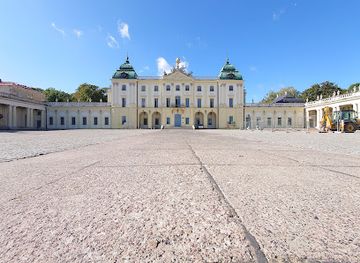
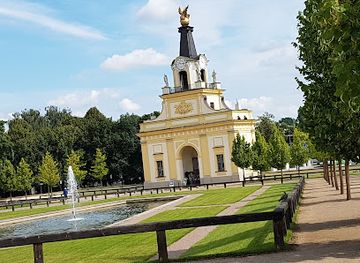
Branicki Palace
Explore the magnificent Branicki Palace in Białystok, a stunning Baroque masterpiece surrounded by beautiful gardens and rich history.
-
Tourist attraction
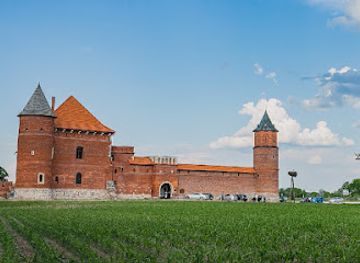
Tykocin Castle
Discover the grandeur of Tykocin Castle, a historic gem in Poland, blending rich heritage with stunning architecture and local culinary delights.
-
Tourist attraction
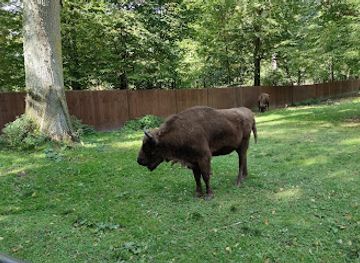
Rezerwat Pokazowy Żubrów
Explore the stunning Rezerwat Pokazowy Żubrów in Białowieża, where European bison roam freely in a breathtaking natural setting, perfect for wildlife enthusiasts.
-
Tourist attraction
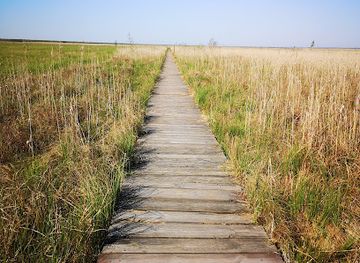
Biebrzański Park Narodowy
Explore Biebrzański Park Narodowy, Poland's largest national park, where stunning wetlands and rich wildlife await your discovery.
Best landmarks in Podlachia
The Branicki Palace and its formal gardens in Białystok are Podlachia’s most prominent urban landmark, an eighteenth-century residence that reflects the ambitions of the region’s magnate aristocracy. In Supraśl, the Orthodox Monastery of the Annunciation and its church form a powerful architectural and religious presence beside the river and forest. Tykocin’s historic synagogue and church, together with its market-town layout, recall the community life that once made the settlement an important regional centre. The wooden mosques at Bohoniki and Kruszyniany are rare and significant reminders of Poland’s Lipka Tatar heritage. In Białowieża, the Palace Park and former imperial-era buildings provide a historic counterpoint to the surrounding forest, while the primeval woodland itself is a landmark of European environmental importance. Further south, the Holy Mountain at Grabarka is one of the most important Orthodox pilgrimage sites in Poland, marked by thousands of votive crosses and a forested religious landscape.
-
Museum
Branicki Palace
Discover the grandeur of Branicki Palace in Białystok, Poland: a stunning Baroque masterpiece surrounded by magnificent gardens, perfect for history and art lovers.
-
Farmstay
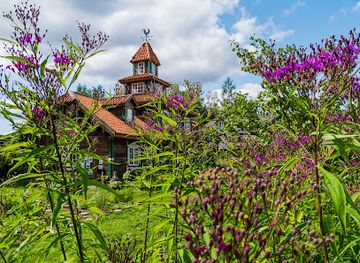
Ziołowy Zakątek
Discover the charm of rural Poland at Ziołowy Zakątek, a serene farmstay retreat offering local cuisine, nature experiences, and cultural immersion.
-
National park
Wigierski Park Narodowy
Explore the breathtaking landscapes and rich biodiversity of Wigierski Park Narodowy, a true gem of Poland's natural heritage.
-
National park
Biebrzański Park Narodowy
Discover the breathtaking landscapes and rich biodiversity of Biebrzański National Park, Poland's largest national park, perfect for nature lovers and adventurers.


Explore Podlachia on the map
Plan your trip on one map. See where the top cities, national parks and sights are, and book hotels and experiences in a few clicks.
Best hotels in Podlachia
Best restaurants in Podlachia
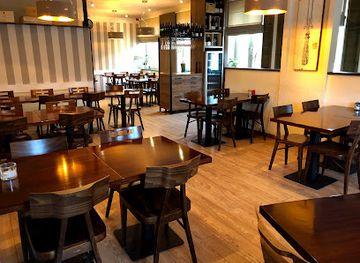
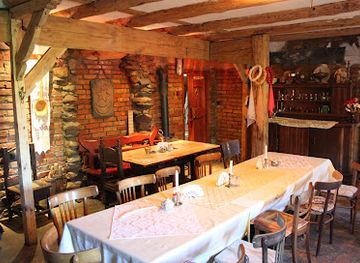
Podlachia’s food reflects the meeting of Polish, Belarusian, Lithuanian, Jewish, Orthodox and Tatar traditions rather than a single uniform cuisine. Potatoes feature prominently in babka ziemniaczana, kiszka ziemniaczana and kartacze, substantial dumplings often served with savoury accompaniments. Rye soups, pickled vegetables, smoked meats, mushrooms, honey and forest berries reflect the agricultural and wooded environment. In the Tatar villages of Bohoniki and Kruszyniany, visitors may encounter dishes associated with Lipka Tatar culinary traditions, including the pastry pierekaczewnik. Sękacz, a layered spit-baked cake, is a familiar regional speciality and is often sold for sharing. Białystok offers the widest choice of contemporary restaurants, cafés and bakeries, while market towns and rural inns are useful places to look for local produce and traditional cooking. Menu terminology and availability vary, so asking about regional dishes is often more productive than expecting every restaurant to serve the same specialities.
-
Restaurant
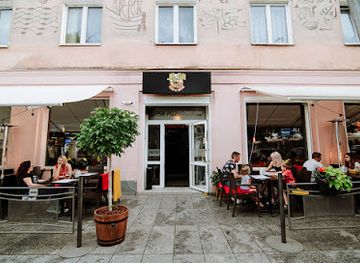
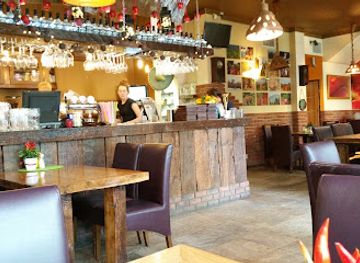
Jaga Pizza&Bistro
Experience the best of Polish cuisine and gourmet pizzas at Jaga Pizza&Bistro in Białystok - a true culinary delight.
-
Restaurant
Ogródek Pod Jabłoniami
Experience authentic Polish flavors at Ogródek Pod Jabłoniami in Augustów - where delicious cuisine meets serene surroundings.
-
Restaurant
Sztuka Mięsa
Discover exquisite steaks and a welcoming atmosphere at Sztuka Mięsa in Białystok – where culinary art meets tradition.
-
Restaurant
Tatarska Jurta
Discover authentic Tatar cuisine at Tatarska Jurta in Kruszyniany – a delightful blend of culture and flavor awaits you.
Best bars in Podlachia
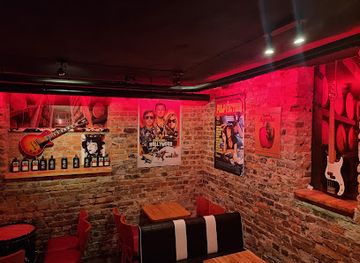
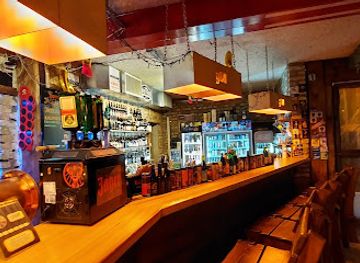
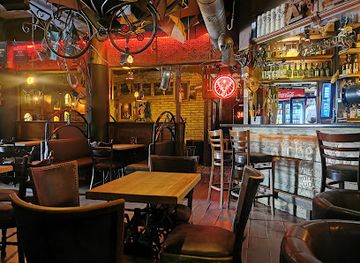
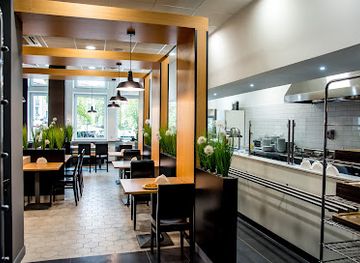
Evening life in Podlachia is concentrated in Białystok, where the central streets offer pubs, cafés, cocktail bars, live music and a modest late-night scene shaped partly by the city’s student population. The atmosphere is urban without resembling the scale of Warsaw or Kraków. In Suwałki, Łomża, Augustów and other larger towns, evenings generally centre on restaurants, cafés, traditional pubs and occasional cultural performances rather than a dense club district. Smaller destinations such as Białowieża, Tykocin and Supraśl are more suited to quiet dinners, guesthouse bars and seasonal outdoor gatherings. Breweries and locally focused drinks may appear on menus, but nightlife is not the main reason to visit the rural parts of the region. Summer brings more activity around the lakes and waterways, while outside the warm season many smaller venues operate on a quieter schedule.
-
Brewpub
Pub Fiction & BackStage
Discover Białystok's vibrant nightlife at Pub Fiction & BackStage, a unique brewpub offering craft beers and live entertainment in a lively setting.
-
Brewpub
33 Krany
Experience the best of Białystok at 33 Krany, where craft beer meets a vibrant atmosphere and delicious food.
-
Pub
ALCHEMIA PUB
Experience the vibrant brewpub culture at Alchemia Pub in Białystok, where craft beer and seasonal flavors create a unique culinary journey.
-
Bar
Bar Podlasie - Białostocka Gastronomia PSS Społem Białystok
Experience authentic Polish dishes and local drinks at Bar Podlasie, the heart of Białystok's culinary scene.
Best nightclubs in Podlachia
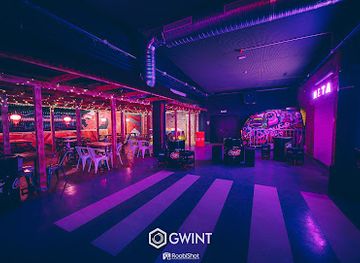
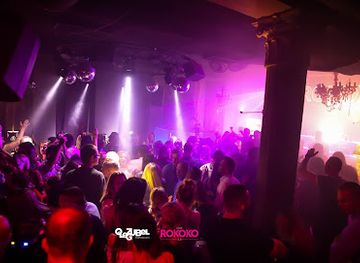
Evening life in Podlachia is concentrated in Białystok, where the central streets offer pubs, cafés, cocktail bars, live music and a modest late-night scene shaped partly by the city’s student population. The atmosphere is urban without resembling the scale of Warsaw or Kraków. In Suwałki, Łomża, Augustów and other larger towns, evenings generally centre on restaurants, cafés, traditional pubs and occasional cultural performances rather than a dense club district. Smaller destinations such as Białowieża, Tykocin and Supraśl are more suited to quiet dinners, guesthouse bars and seasonal outdoor gatherings. Breweries and locally focused drinks may appear on menus, but nightlife is not the main reason to visit the rural parts of the region. Summer brings more activity around the lakes and waterways, while outside the warm season many smaller venues operate on a quieter schedule.
-
Disco club
Klub GWINT
Discover the vibrant nightlife of Białystok at Klub GWINT, where music, dance, and unforgettable memories await.
-
Night club
Rokoko 2.0 Białystok Club
Immerse yourself in the vibrant nightlife of Białystok at Rokoko 2.0, where music and dance create unforgettable memories.
-
Disco club
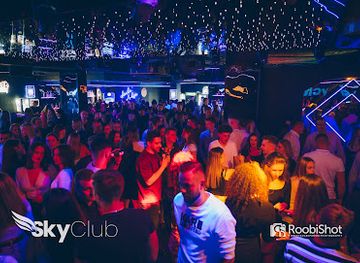
SkyClub - Dyskoteka & Drink Bar - Białystok
Discover the pulsating nightlife of Białystok at SkyClub, where music, dance, and vibrant energy come together for an unforgettable club experience.
-
Night club
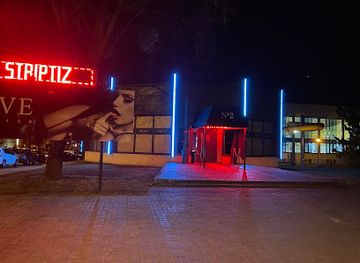
Prive Club gogo striptiz
Discover the vibrant nightlife at Prive Club gogo striptiz in Białystok, where thrilling performances and a lively atmosphere await.
Best shops in Podlachia
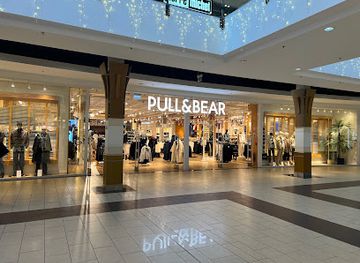
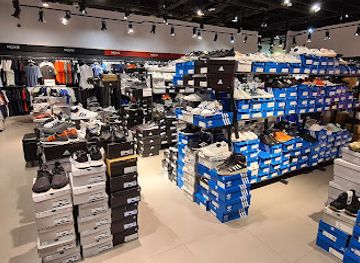
Shopping in Podlachia is strongest in Białystok, whose central streets and retail areas combine national chains with independent cafés, bookshops, galleries and food shops. Smaller market towns offer a more practical selection and are useful for local honey, preserves, smoked products, bread and seasonal fruit. Around Białowieża, Supraśl and the Augustów lake district, visitors can find woodwork, woven goods, ceramics, amber items and nature-themed souvenirs, though quality and provenance vary. Regional food products make more useful gifts than generic woodland symbols: look for sękacz, honey, berry preserves and packaged versions of local potato or baking specialities. Market days and small producers’ stalls are often seasonal, so rural shopping requires flexibility. In villages with Belarusian, Orthodox or Tatar heritage, crafts and religious items should be bought respectfully and with attention to whether they are contemporary products or objects connected with active worship.
-
Shopping mall
ALFA Centrum Handlowe
Discover Białystok's vibrant shopping scene at ALFA Centrum Handlowe, where fashion, dining, and entertainment come together in one modern space.
-
Shopping mall
Galeria Jurowiecka
Explore the vibrant Galeria Jurowiecka in Białystok, a premier shopping mall offering diverse stores, dining options, and cultural events.
-
Outlet mall
Outlet Center Bialystok
Discover unbeatable deals and a fantastic shopping experience at Outlet Center Bialystok, a premier destination for bargain hunters.
-
Souvenir store
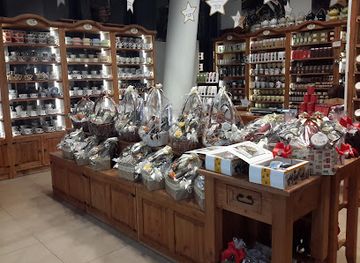
SLJEDZIK Pamiątki Souvenirs
Discover authentic Polish souvenirs at SLJEDZIK Pamiątki in Białystok, a treasure trove of handcrafted keepsakes and local artistry.

Get your free copy of our complete guide to Podlachia, delivered straight to you.
Everything on this page, from attractions and restaurants to essentials and local phrases, in one PDF you can read offline, print or share.
Already have an account? Sign in
Your Podlachia guide is ready.
We'll send it to · Not you? Sign out

Getting your guide ready…
We are putting together a fresh copy of the Podlachia guide. This can take up to a minute.
This can take a few moments. If your browser asks, choose Allow so the download can start. You'll find the guide in your Downloads folder.
Nothing happened? Download it again
Sorry, the guide is taking longer than usual. Please try again in a minute, or get it by email instead.
Podlachia essentials
Currency and Payment
Safety
Emergency Situations
Do's and Don'ts
Local Tips
From Eve
Local phrases worth knowing
You don't need to get them perfect. A few words go a long way, and locals appreciate the effort.
Basics
| English | Local | Say it |
|---|---|---|
| Hello | Cześć | [cheh-shch] |
| Goodbye | Do widzenia | [doh vee-dzen-yah] |
| Yes | Tak | [tahk] |
| No | Nie | [nyeh] |
| Please/You're welcome | Proszę | [proh-sheh] |
| Thank you | Dziękuję | [jen-koo-yeh] |
| Excuse me/Sorry | Przepraszam | [psheh-prah-sham] |
| How are you? | Jak się masz? | [yak shay mahsh] |
| Fine. And you? | Dobrze. A ty? | [doh-bzheh. ah tih] |
| Do you speak English? | Czy mówisz po angielsku? | [chih moo-veesh poh ahn-gyehl-skoo] |
| I don't understand | Nie rozumiem | [nyeh roh-zoo-myem] |
Eating & Drinking
| English | Local | Say it |
|---|---|---|
| I'd like to see the menu, please | Chciałbym zobaczyć menu, proszę | [hchah-wbihm zoh-bah-chihch meh-noo, proh-sheh] |
| I don't eat meat | Nie jem mięsa | [nyeh yem myen-sah] |
| Cheers! | Na zdrowie! | [nah zdroh-vyeh] |
| I would like to pay, please | Chciałbym zapłacić, proszę | [hchah-wbihm zah-pwah-cheech, proh-sheh] |
Emergencies
| English | Local | Say it |
|---|---|---|
| Help! | Pomocy! | [poh-moh-tsih] |
| Go away! | Idź stąd! | [ee-dzh stohnd] |
| Call the Police! | Zadzwoń po policję! | [zahdz-voyn poh poh-leet-see-eh] |
| Call a doctor! | Zadzwoń po lekarza! | [zahdz-voyn poh leh-kah-rzah] |
| I'm lost | Zgubiłem się | [zgoo-bee-wem shay] |
| I'm ill | Jestem chory | [yes-tem khoh-rih] |
Shopping
| English | Local | Say it |
|---|---|---|
| I'd like to buy... | Chciałbym kupić... | [hchah-wbihm koo-peach] |
| I'm just looking | Tylko się rozglądam | [tihl-koh shay roh-zglah-dahm] |
| How much is it? | Ile to kosztuje? | [ee-leh toh kosh-too-yeh] |
| That's too expensive | To jest za drogie | [to yest zah droh-gyeh] |
| Can you lower the price? | Czy możesz obniżyć cenę? | [chih moh-zhesh ob-nee-zhihch tseh-neh] |
Time & Numbers
| English | Local | Say it |
|---|---|---|
| What time is it? | Która godzina? | [ktoo-rah goh-dzi-nah] |
| It's one o'clock | Jest pierwsza godzina | [yest pyerv-shah goh-dzi-nah] |
| Half past (10) | Wpół do (11) | [f-poo do (yeden-naście)] |
| Morning | Poranek | [poh-ra-nek] |
| Afternoon | Popołudnie | [poh-poh-ood-nyeh] |
| Evening | Wieczór | [vyeh-choor] |
| Yesterday | Wczoraj | [fcho-rah-y] |
| Today | Dzisiaj | [dji-shah-y] |
| Tomorrow | Jutro | [yoo-troh] |
| 1 | 1 | [1] |
| 2 | 2 | [2] |
| 3 | 3 | [3] |
| 4 | 4 | [4] |
| 5 | 5 | [5] |
| 6 | 6 | [6] |
| 7 | 7 | [7] |
| 8 | 8 | [8] |
| 9 | 9 | [9] |
| 10 | 10 | [10] |
Transport & Directions
| English | Local | Say it |
|---|---|---|
| Where's a/the...? | Gdzie jest...? | [gd-yeh yest] |
| What's the address? | Jakie jest adres? | [yah-kee yest ah-dres] |
| Can you show me (on the map)? | Czy możesz mi pokazać (na mapie)? | [chih moh-zhesh mee poh-kah-zach (nah mah-pyeh)] |
| When's the next (bus)? | Kiedy jest następny (autobus)? | [kyeh-dih yest nah-stemp-ny (ow-toh-boos)] |
| A ticket (to ....) | Bilet (do ....) | [bee-let (doh ....)] |
History of Podlachia
Early Settlement and the Baltic-Slavic Frontier
Podlachia has long occupied a meeting zone between Baltic and Slavic peoples. Archaeological evidence records prehistoric settlement, fortified sites and changing networks of farming, hunting and trade. In the early medieval period, communities associated with the Yotvingians and other Baltic groups lived alongside East Slavic populations, while later colonisation brought stronger Polish and Ruthenian influences. The region’s forests and wetlands slowed dense settlement in some areas, helping preserve distinctive landscapes and a complex cultural geography.
The Grand Duchy of Lithuania and Medieval Borderlands
From the late medieval period, much of present-day Podlaskie was connected to the Grand Duchy of Lithuania and its administrative and commercial networks. Settlements developed along routes between Lithuania, Ruthenia and the Polish lands, while towns, churches and estates gradually expanded. The frontier character of the area was not simply military: it also encouraged movement of merchants, farmers and religious communities. Several later cultural traditions, including Orthodox and Belarusian influences, have roots in this political landscape.
The Polish-Lithuanian Commonwealth
After the Union of Lublin in 1569, Podlachia became part of the Polish Crown within the Polish-Lithuanian Commonwealth. Magnate families developed estates, towns and religious foundations, while royal and private settlements attracted Polish, Jewish, Ruthenian, Lithuanian, German and Tatar inhabitants. Tykocin grew as a trading and Jewish centre, and Białystok expanded under the Branicki family, whose eighteenth-century residence and gardens still shape the city. The period established much of the region’s layered architectural and demographic heritage.
Jewish, Tatar and Orthodox Communities
For centuries, Podlachia was home to substantial Jewish communities as well as Orthodox Christians, Roman Catholics and Lipka Tatars. Jewish merchants and artisans were central to the economic life of towns including Tykocin and Białystok. Tatar communities preserved Islam, agricultural traditions and mosques at Bohoniki and Kruszyniany, while Orthodox monasteries and churches remained important in the east. These communities did not exist in isolation, but their institutions and material culture helped make Podlachia one of Poland’s most diverse historical regions.
Partitions, Industry and the Railway Age
Following the partitions of Poland, Podlachia was incorporated chiefly into the Russian Empire, and the region’s political and economic development followed imperial patterns. Białystok became an important textile and manufacturing centre in the nineteenth century, attracting workers and entrepreneurs from several communities. New roads and railways connected the city with Warsaw, Vilnius and other markets. Industrial growth altered the urban landscape, while rural districts remained strongly agricultural and retained timber construction, traditional crafts and dispersed settlement.
War, Occupation and the Destruction of Communities
The First and Second World Wars brought military occupation, displacement and profound demographic change. During the Second World War, German and Soviet occupations devastated towns and villages, while the Holocaust destroyed the Jewish communities that had shaped urban and commercial life for generations. The region also experienced resistance, forced labour and post-war population movements. Contemporary museums, memorials, surviving synagogues and restored religious buildings preserve parts of this history, although many communities and cultural networks can no longer be recovered.
Post-war Poland and the Conservation of Nature
After 1945, Podlachia became part of the Polish People’s Republic and later the modern Republic of Poland. Białystok developed as an administrative, educational and industrial centre, while many rural communities continued to depend on agriculture and forestry. Conservation gained increasing importance: Białowieża Forest, the Biebrza wetlands, the Narew valley and the Suwałki lake district became protected landscapes. Since Poland joined the European Union, improved infrastructure and tourism have brought new visitors, while debates over forestry, borders and rural development continue.
Podlachia in Photos
Browse through our photo collection highlighting the charm and character of the destination.
Neighbouring regions of Podlachia
The closest regions to Podlachia, if you have time for more than one.
-

-

-

-

-


Swipe for more regions
Explore more

Explore more of Poland
Discover Poland's rich history, vibrant cities, and scenic landscapes, from the medieval streets of Kraków to the serene beauty of the Tatra Mountains and Masurian Lakes.
Explore Poland