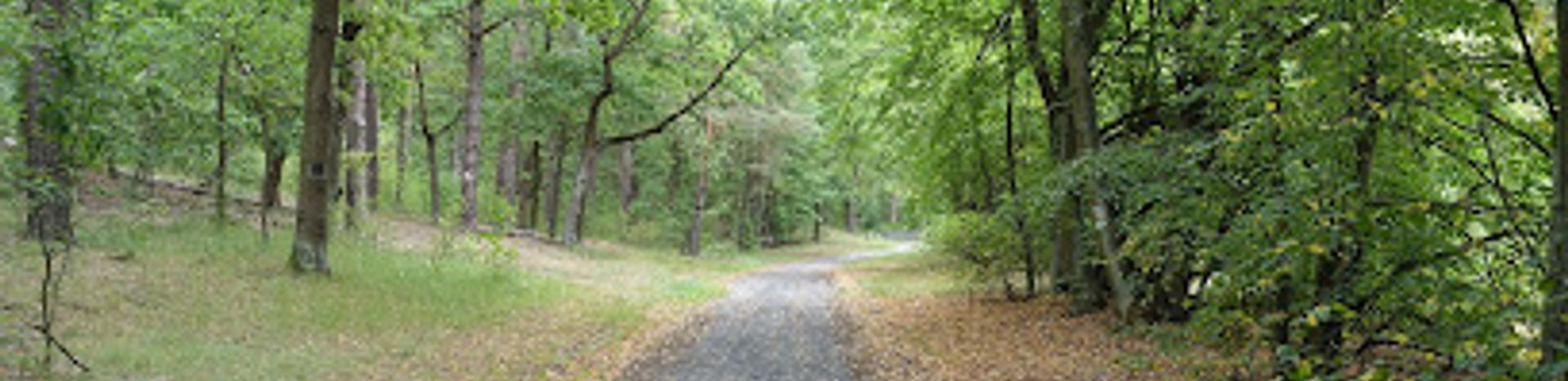
Explore the Enchantment of Skansen Budownictwa Puszczańskiego in Granica
Discover the rich heritage of Poland at Skansen Budownictwa Puszczańskiego, an open-air museum showcasing traditional wooden architecture and local culture.
Nestled in the scenic region of Granica, the Skansen Budownictwa Puszczańskiego offers visitors a unique glimpse into the traditional wooden architecture and vibrant culture of the Puszcza region. This open-air museum invites tourists to wander through beautifully preserved structures, each telling a story of the area's rich history and craftsmanship.
A brief summary to Skansen budownictwa puszczańskiego w Granicy
- Granica, 05-085, PL
- +48227250123
- Visit website
Local tips
- Plan your visit during weekends for special events and workshops that provide a more immersive experience.
- Wear comfortable shoes as the museum covers a large area with uneven terrain.
- Consider bringing a picnic to enjoy in the beautiful outdoor spaces available.
- Check the museum's website for any seasonal activities or exhibits that may enhance your visit.
- Take your time to interact with the exhibits and read the informative signage to fully appreciate the craftsmanship.

Getting There
-
Car
If you are driving to Skansen budownictwa puszczańskiego w Granicy, start by entering the Kampinos National Park. Navigate to the town of Granica using GPS or a map application. The coordinates for the Skansen are approximately 52.2863° N, 20.4532° E. From the main entrance of the park, take the DK7 road (National Road 7) towards Granica. Follow signs for Granica, and once you arrive in the town, look for signs directing you to the open-air museum. Parking is available on-site, and there may be a small fee for parking.
-
Public Transportation
To reach Skansen budownictwa puszczańskiego w Granicy by public transport, first take a train or bus to the nearest major town, which is Sochaczew. From Sochaczew, you can catch a local bus that goes to Granica. Be sure to check the local bus schedule in advance as services may be limited. Once you arrive in Granica, look for signs leading you to the museum. It is a short walk from the bus stop to the Skansen. You may need to pay for the bus ticket, which typically costs around 10-15 PLN.
Discover more about Skansen budownictwa puszczańskiego w Granicy
Iconic landmarks you can’t miss

Skansen budownictwa puszczańskiego w Granicy
0.0 km
Discover the rich heritage of Poland at Skansen Budownictwa Puszczańskiego, an open-air museum showcasing traditional wooden architecture and local culture.
Ośrodek Dydaktyczno-Muzealny Kampinoskiego Parku Narodowego i Muzeum Puszczy Kampinoskiej
0.2 km
Discover the wonders of nature at Kampinos National Park Educational and Museum Center in Granica, a treasure trove of biodiversity and cultural history.
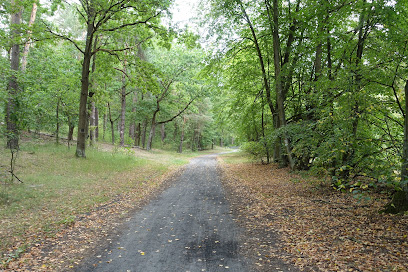
Ścieżka dydaktyczna Skrajem puszczy
0.3 km
Experience breathtaking hikes and serene nature at Skrajem Puszczy, a pristine area in the Kampinos National Park, perfect for nature lovers and adventurers.
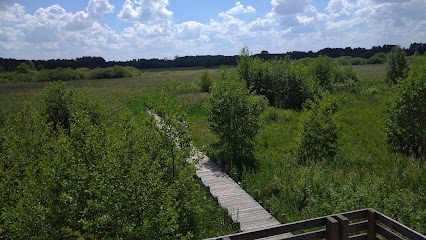
Tor Tubingowy Kampinos
2.3 km
Experience the thrill of sliding at Tor Tubingowy Kampinos, the ultimate playground adventure for families and fun-seekers in Poland.
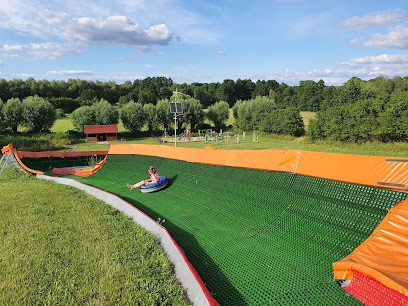
Kampinos Forest
10.3 km
Explore the lush landscapes and rich biodiversity of Kampinos Forest, a serene escape near Warsaw, Poland, perfect for nature lovers and outdoor activities.
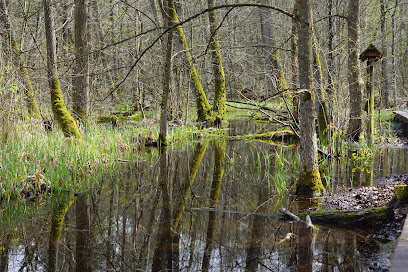
Warsaw Modlin Airport
22.3 km
Discover Warsaw Modlin Airport, your gateway to Poland with modern amenities and easy access to the vibrant capital city.
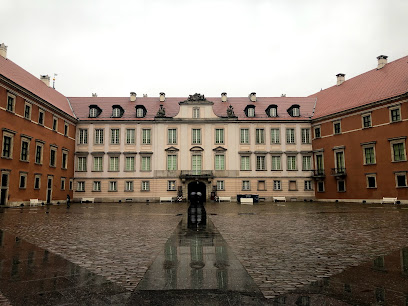
Rezerwat przyrody Kępy Kazuńskie
22.8 km
Explore the tranquil beauty of Kępy Kazuńskie Nature Reserve, a wildlife haven perfect for nature enthusiasts and eco-tourists seeking adventure.
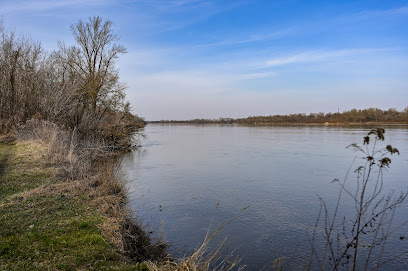
Park Rozrywki Pepeland Muzeum z PRL-u
26.7 km
Experience endless fun and adventure at Park Rozrywki Pepeland, a family-friendly amusement park with rides, a zoo, and delightful playgrounds in Dziekanów Nowy.
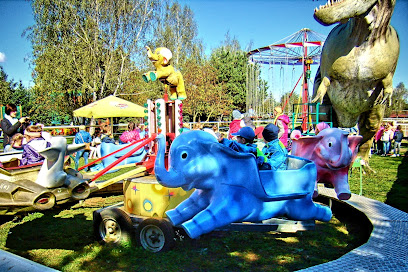
First Warsaw Golf
28.1 km
Experience the challenge and beauty of one of Poland's finest golf courses at First Warsaw Golf, a must-visit destination for golfing enthusiasts.
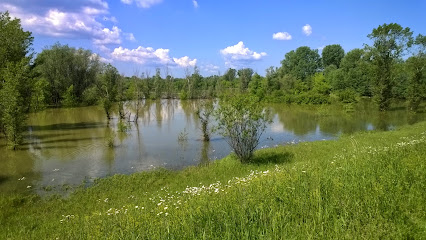
Las Młociński
30.9 km
Explore the lush landscapes and vibrant wildlife of Las Młociński National Forest, a serene escape in the heart of Warsaw, perfect for nature lovers and families.
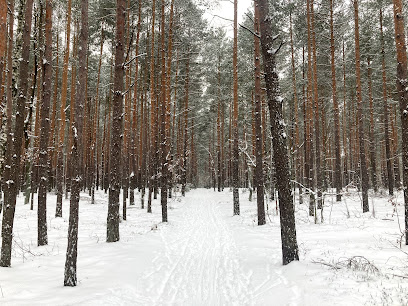
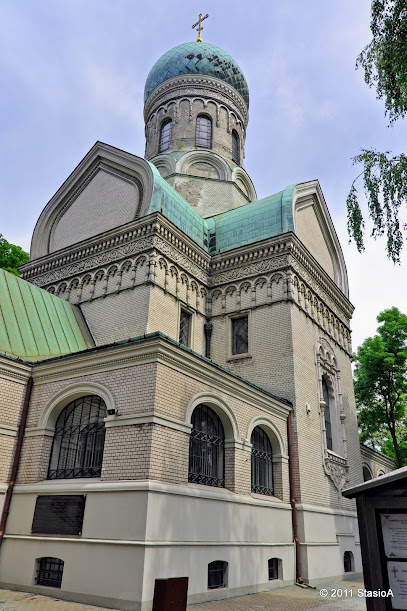
St. John Climacus's Orthodox Church, Warsaw
34.2 km
Discover the serene beauty and rich history of St. John Climacus's Orthodox Church in Warsaw, a must-visit spiritual and cultural landmark.
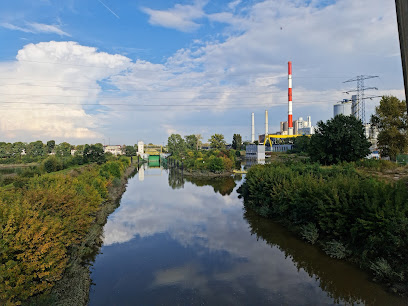
Żerański Footbridge
36.0 km
Explore the stunning Żerań Footbridge in Warsaw, a blend of modern architecture and breathtaking river views, perfect for photography and leisurely strolls.
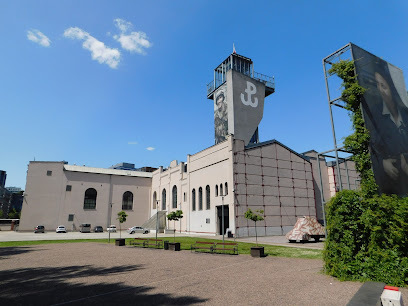
The Warsaw Rising Museum
36.4 km
Explore the Warsaw Rising Museum, an immersive journey through the heroic history of Poland's fight for freedom during World War II.
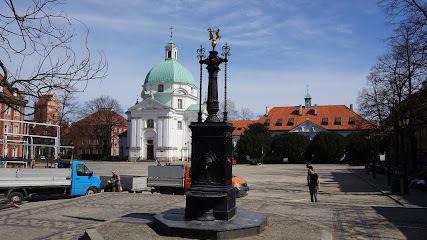
Umschlagplatz Monument
36.7 km
Explore the Umschlagplatz Monument in Warsaw, a significant war memorial honoring the Jewish community and a testament to resilience and remembrance.
Plaque commemorating the symbolic gesture of West German Chancellor Willy Brandt in 1970
36.9 km
Explore the historic commemorative plaque of Willy Brandt in Warsaw, a poignant symbol of reconciliation and a must-visit for history enthusiasts.
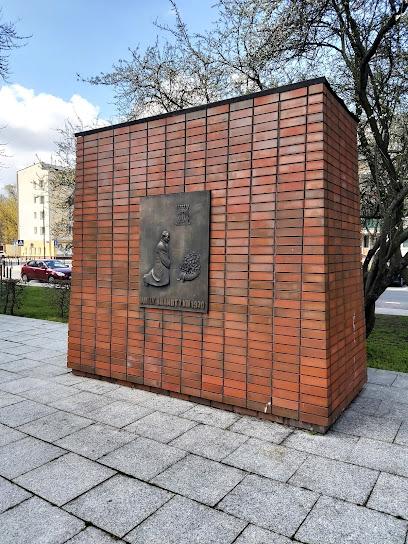
Unmissable attractions to see

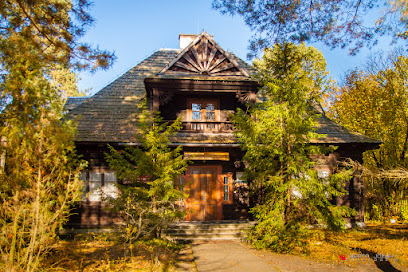
Chata Kampinoska
0.3 km
Explore the enchanting Chata Kampinoska in Granica, Poland, where nature meets culture in a picturesque setting.
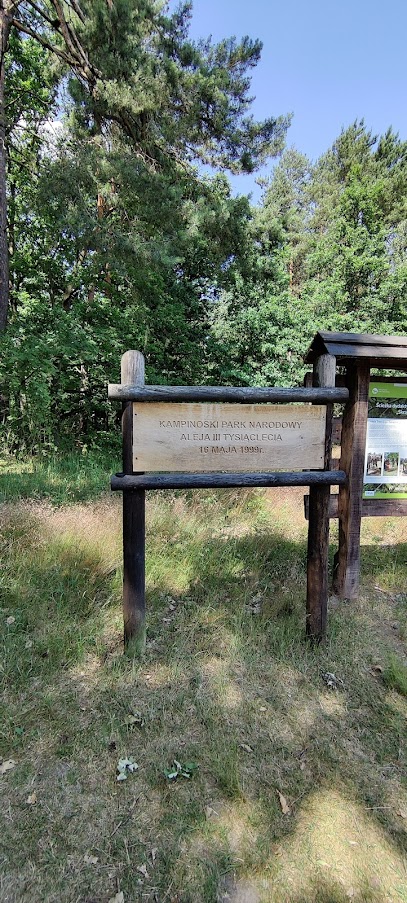
Wieża widokowa
0.4 km
Discover awe-inspiring views and serene nature at Wieża Widokowa in Kampinos National Park, Poland's hidden gem for scenic escapes.
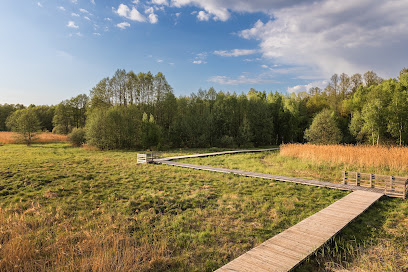
Stary dąb z obrazem Św.Teresy
4.3 km
Discover the tranquility of Stary Dąb z obrazem Św. Teresy, where nature meets spirituality in a picturesque Polish setting.
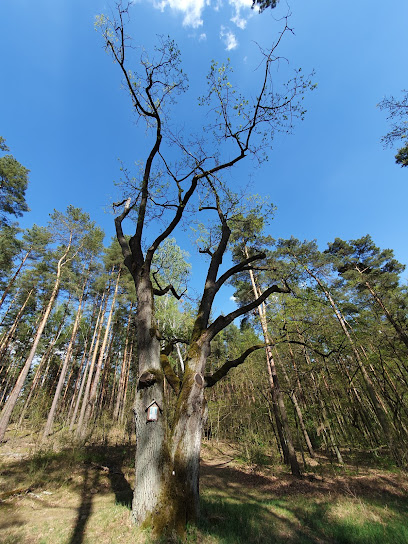
Sosna Powstańców 1863
5.5 km
Explore Sosna Powstańców 1863: A serene tourist attraction in Poland blending history, culture, and stunning natural beauty.
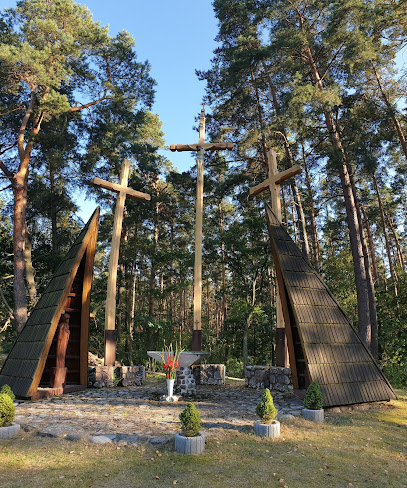
mostek nad Łasicą w Górkach
5.9 km
Discover the tranquility of Mostek nad Łasicą, a stunning bridge in Górki, Poland, surrounded by breathtaking landscapes and serene nature.
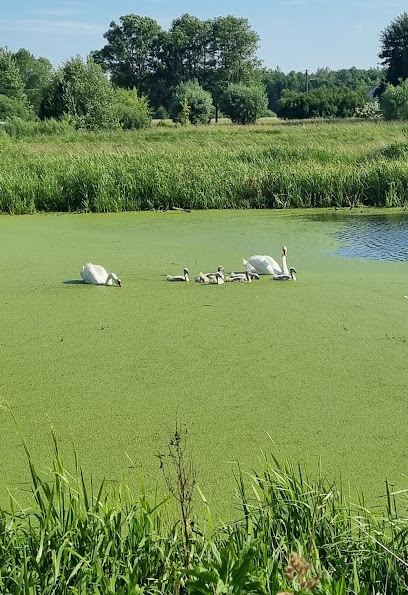
Krzyż przydrożny z ławką
9.0 km
Explore the historic Wayside Cross of Kępiaste, a serene spot reflecting Poland's cultural and spiritual heritage amidst stunning natural beauty.

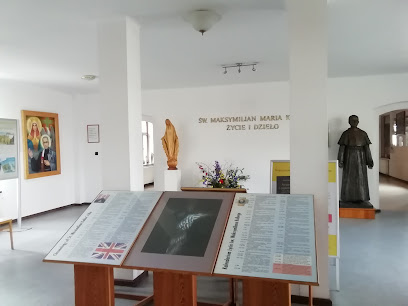
St. Maximilian Kolbe Museum
9.4 km
Explore the inspiring legacy of St. Maximilian Kolbe at this poignant museum dedicated to his remarkable life and sacrifice during World War II.
Żelazowa Wola
9.7 km
Explore Żelazowa Wola, the serene birthplace of Chopin, where music history meets lush landscapes and tranquil gardens.
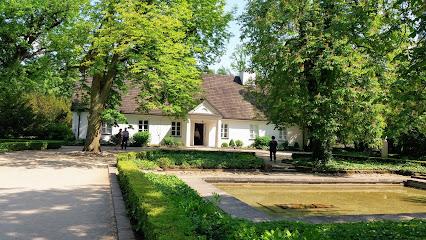
Dom Urodzenia Fryderyka Chopina
10.2 km
Experience the enchanting birthplace of Chopin, a cultural gem in Poland, where music and history come alive amidst stunning gardens.
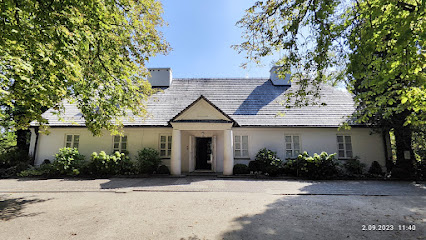
Park w Żelazowej Woli
10.2 km
Explore the serene beauty of Park w Żelazowej Woli, a tribute to Chopin surrounded by lush gardens and cultural heritage.
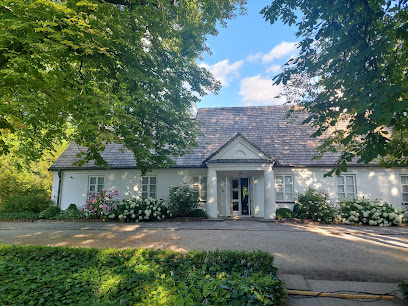
Punkt widokowy
11.0 km
Discover the stunning panoramic views of Punkt Widokowy in Łubiec, Poland. A perfect spot for nature lovers and photographers, this scenic lookout offers tranquility and beauty.
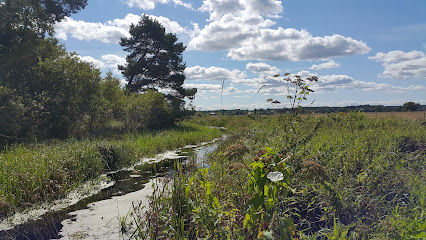
Kampinos National Park
13.5 km
Explore the breathtaking landscapes and rich biodiversity of Kampinos National Park, a serene escape near Warsaw for outdoor enthusiasts and nature lovers alike.
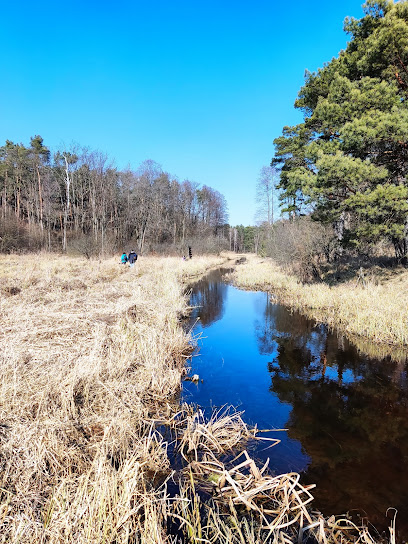
Most na kanale Łasica - Brzozówka
15.2 km
Experience the tranquil allure of Most na kanale Łasica in Brzozówka, a serene escape for nature lovers and photography enthusiasts.
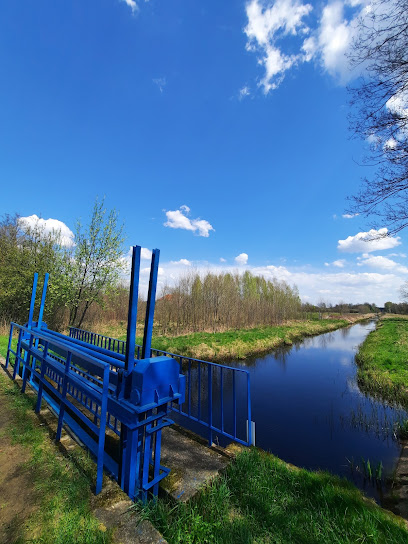
Zaborow/rower Kampinos
15.3 km
Experience the natural wonders of Zaborów, the perfect blend of adventure and tranquility near Kampinos National Park.
Piaskowa Góra
15.3 km
Discover the natural beauty and adventure waiting for you at Piaskowa Góra, Wiersze's top tourist attraction, perfect for outdoor enthusiasts.
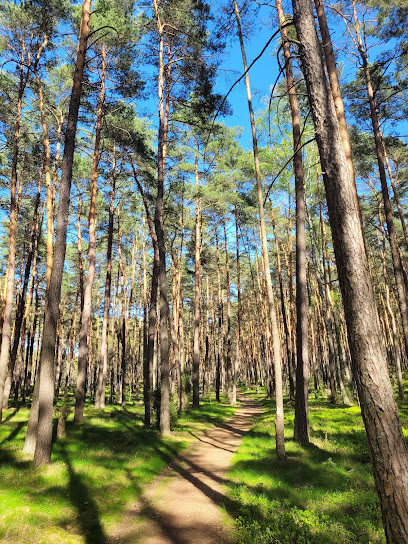
Essential places to dine

Turystyczna
2.3 km
Experience authentic Polish cuisine at Turystyczna in Kampinos - a cozy restaurant perfect for food lovers seeking local flavors.
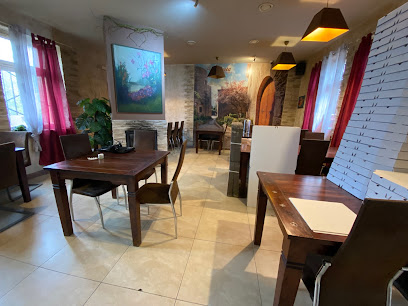
Restauracja Dziupla - Truskaw
21.6 km
Experience authentic Polish cuisine at Restauracja Dziupla in Truskaw - where every dish tells a story.
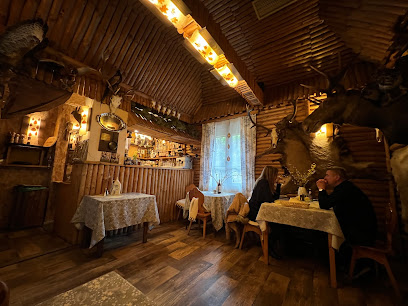
Riviera Resort
32.0 km
Discover Riviera Resort: A stunning event venue in Olszewnica Nowa offering exceptional hospitality and picturesque settings for all occasions.
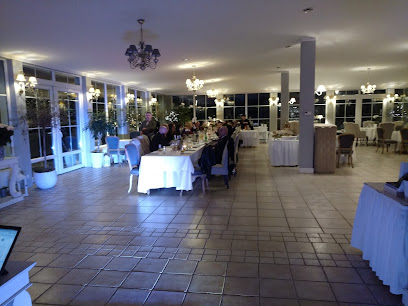
Restauracja PapuGar
35.5 km
Experience authentic Polish cuisine with a modern twist at Restauracja PapuGar in Warsaw - where tradition meets innovation.
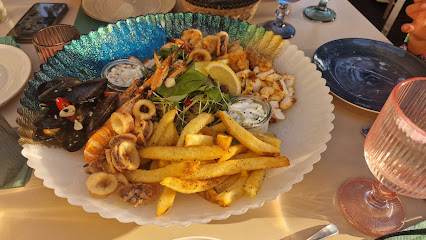
Restauracja U Jakuba
36.0 km
Experience authentic Polish and Ukrainian cuisine at Restauracja U Jakuba in Warsaw - where tradition meets flavor.
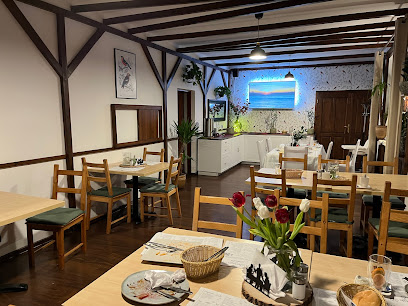
Oberża Pod Złotym Prosiakiem
36.3 km
Experience authentic Polish cuisine at Oberża Pod Złotym Prosiakiem in Nieborów - where tradition meets flavor.
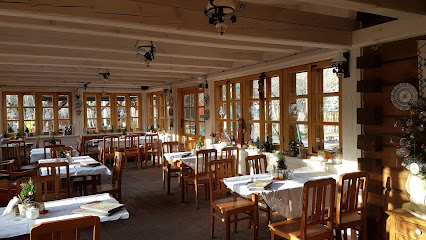
STIXX Bar & Grill
36.7 km
Discover culinary delights at STIXX Bar & Grill in Warsaw - where exquisite seafood meets premium steaks amidst live music and vibrant ambiance.
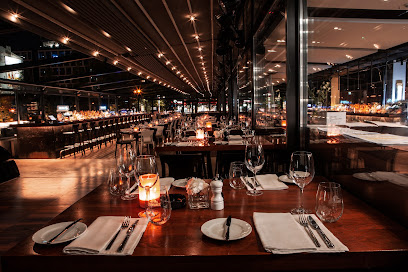
Czerwony Wieprz | restauracja polska Warszawa Śródmieście
36.9 km
Experience authentic Polish cuisine at Czerwony Wieprz in Warsaw’s Wola district - a culinary journey through tradition.
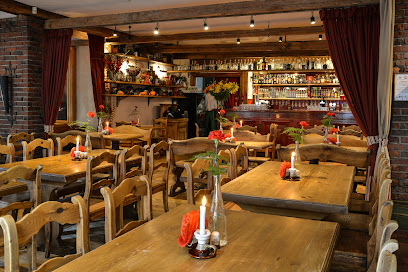
Le Cedre Wola - Lebanese Restaurant
36.9 km
Savor authentic Lebanese cuisine at Le Cedre Wola – where tradition meets flavor in a cozy atmosphere.
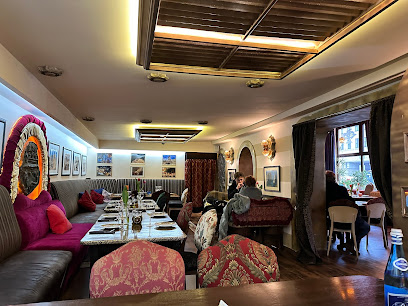
STÓŁ bistro
37.0 km
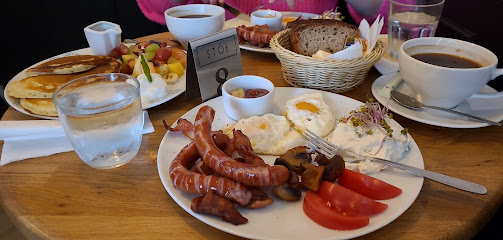
Experience the essence of Warsaw's culinary scene at STÓŁ Bistro - a cozy spot for breakfast, lunch, cocktails & coffee delights.
WARSZE by Bracia Wiśniewscy
37.0 km
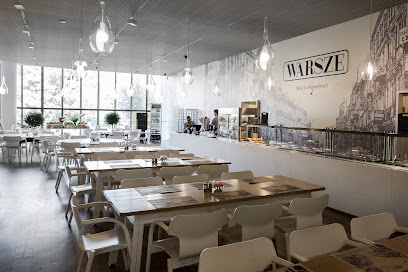
Experience authentic Polish cuisine at WARSZE by Bracia Wiśniewscy, where tradition meets modern dining in the heart of Warsaw.
POLIN Museum of the History of Polish Jews
37.0 km
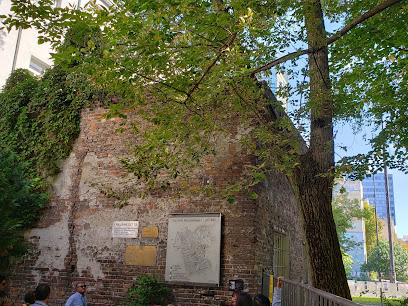
Discover over a thousand years of Jewish history at Warsaw's POLIN Museum - an enlightening journey through culture and heritage.
Pizzeria na Nowolipkach
37.1 km
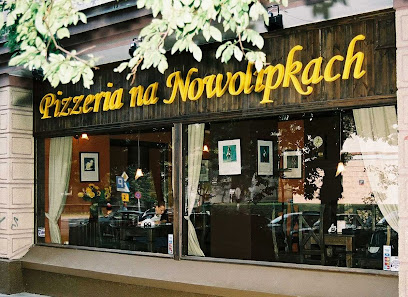
Experience authentic Italian flavors at Pizzeria na Nowolipkach in Warsaw - your go-to spot for delicious pizza and warm hospitality.
Restauracja Primitivo Kuchnia i Wino - kuchnia śródziemnomorska Warszawa
37.1 km
Experience authentic Mediterranean flavors at Restauracja Primitivo in Warsaw, where exquisite cuisine meets a vibrant atmosphere.
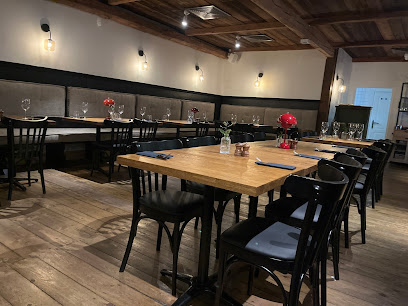
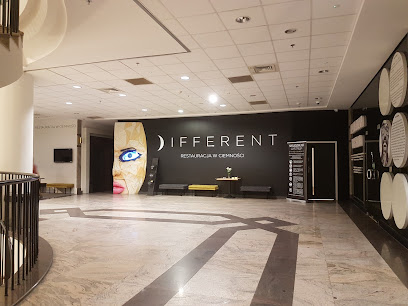
DIFFERENT restauracja w ciemności
37.2 km
Experience culinary delight in complete darkness at DIFFERENT restauracja w ciemności, where every bite is an adventure for your senses.
Markets, malls and hidden boutiques

Kampinoski Park Narodowy
0.1 km
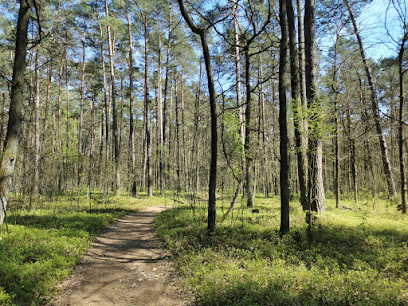
Discover the natural beauty and diverse wildlife of Kampinoski National Park, a peaceful retreat just outside Warsaw, perfect for outdoor adventures and relaxation.
Biedronka
9.1 km
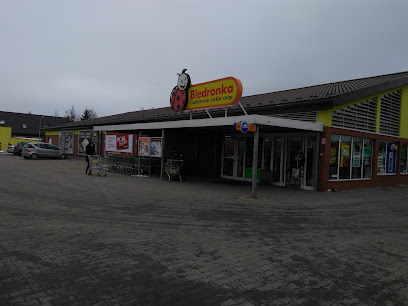
Explore Biedronka in Leszno, where you can find a variety of groceries, local specialties, and everyday essentials at discount prices.
Amusement Park Julinek
9.4 km
Explore the thrills of Amusement Park Julinek, where adventure meets fun with rides, playgrounds, and year-round activities for the whole family.
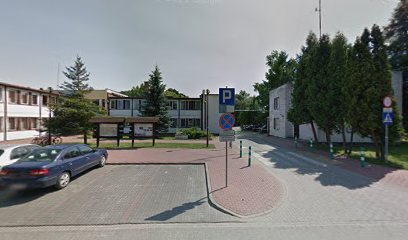
Gminny Ośrodek Pomocy Społecznej
9.6 km
Discover the heart of community support at Gminny Ośrodek Pomocy Społecznej in Leszno, a place dedicated to local social welfare and assistance.
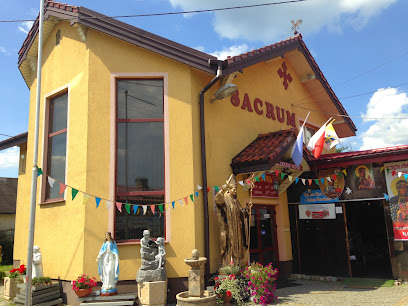
Sacrum s.c. Teresa Kąpińska Janusz Kapiński
9.7 km
Discover spiritual treasures and unique gifts at Sacrum s.c. in Leszno, where tranquility meets tradition in a charming church supply store.
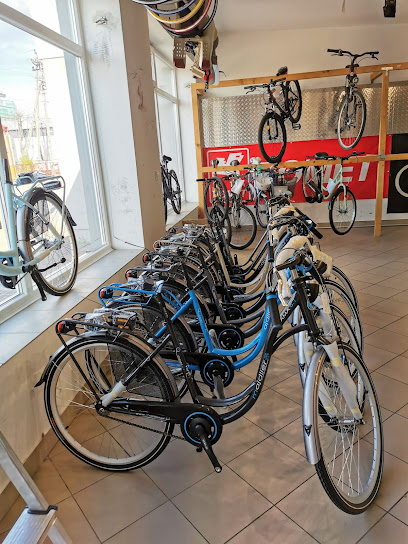
RCS Rowery Części Serwis
9.8 km
Discover the ultimate cycling experience at RCS Rowery Części Serwis, your premier bicycle store in Leszno, Poland.
Autovip R.Mielczarek A.Wierzbicka Sp.J.
15.4 km
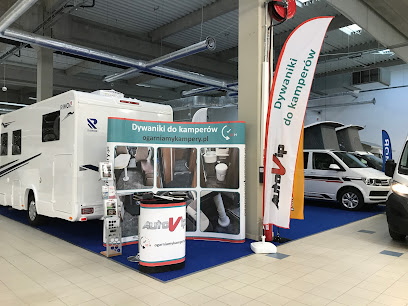
Visit Autovip for unparalleled automotive services and parts in the heart of Zaborów, Poland, ensuring your vehicle runs smoothly and efficiently.
metalRoute
16.2 km
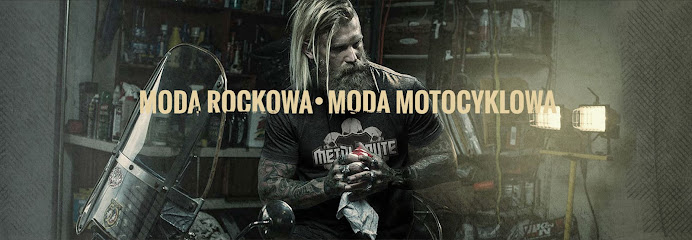
Discover a unique blend of fashion and local craftsmanship at metalRoute, Feliksów’s premier clothing store for stylish travelers.
Aroma-Mix
18.0 km
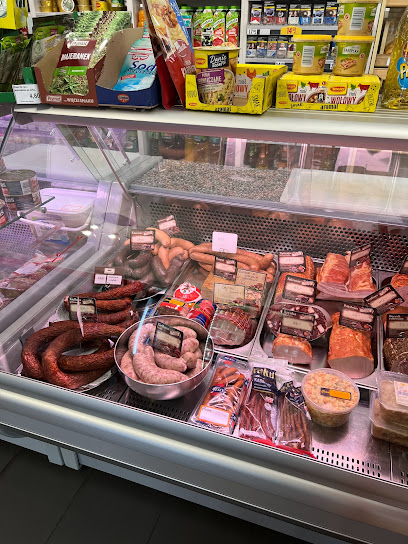
Discover the delightful blend of grocery shopping and authentic Polish dining at Aroma-Mix in Wólka Czosnowska for an unforgettable culinary experience.
Duży Ben
18.6 km
Discover Duży Ben in Jesionka - Your gateway to local and international spirits, craft beers, and unique tasting experiences.
Polana Opaleń
28.5 km
Discover the peaceful sanctuary of Polana Opaleń, a perfect picnic ground surrounded by lush forests in Laski, Poland.
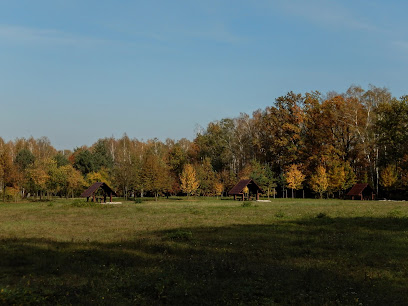
Factory Ursus
31.5 km
Explore Factory Ursus, Warsaw's premier outlet mall for unbeatable shopping deals and delightful dining experiences.
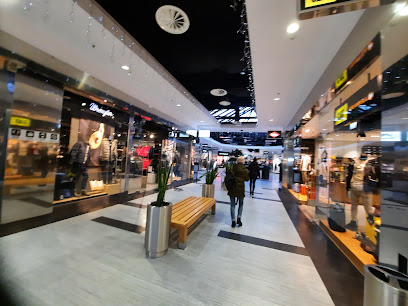
Galeria Młociny
32.4 km
Discover the shopping paradise of Galeria Młociny in Warsaw, where retail therapy meets culinary delights and entertainment.
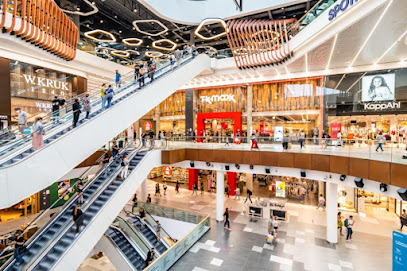
Centrum Skorosze
32.4 km
Explore Centrum Skorosze, Warsaw's vibrant shopping mall, offering a blend of retail, dining, and entertainment for an unforgettable experience.
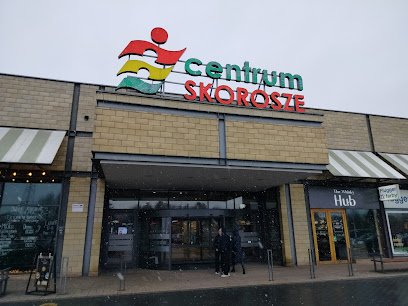
British Shop in Warsaw
32.7 km
Explore the unique offerings of the British Shop in Warsaw, where British culture meets Polish hospitality in a delightful shopping experience.
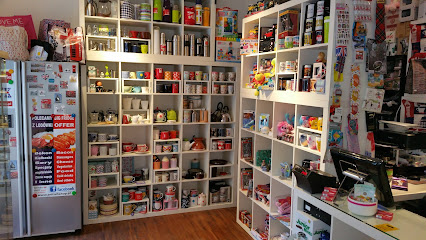
Essential bars & hidden hideouts

Zajazd w Granicy ER-MAG Bar Ogniska Kuligi. Kampinoski Park Narodowy
0.4 km
Experience the authentic flavors of Poland at Zajazd w Granicy ER-MAG, nestled in the heart of Kampinos National Park.
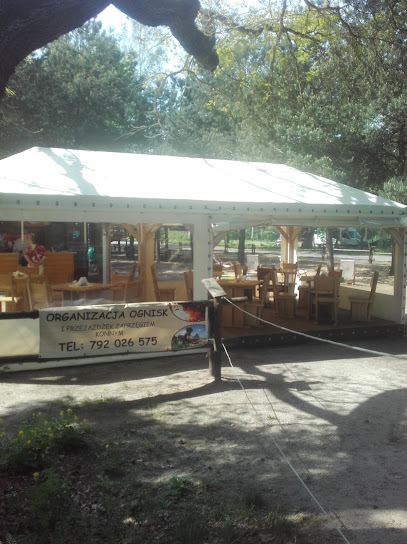
Jubilatka. Zajazd, bar. Sitarska E.
9.2 km
Discover the charm of Jubilatka, a cozy bar in Poland offering local drinks and a warm atmosphere perfect for tourists seeking relaxation.
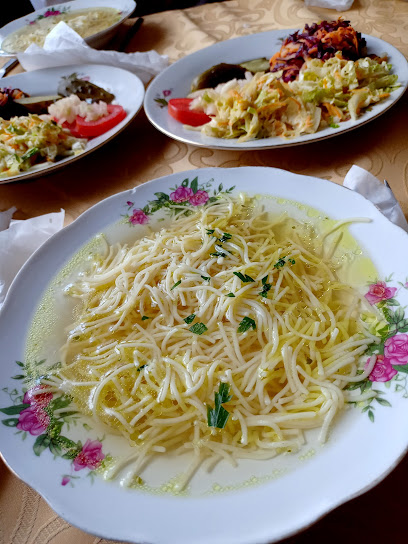
PUB 579
9.9 km
Discover the vibrant atmosphere of PUB 579 in Leszno, where locals and tourists alike enjoy exceptional drinks and warm hospitality.
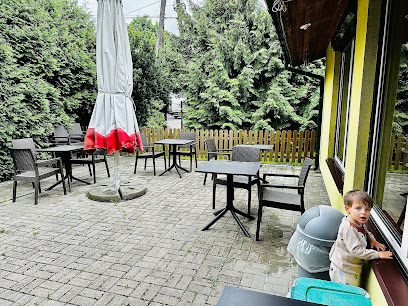
Grill Bar & Ognisko
11.4 km
Discover the authentic taste of Poland at Grill Bar & Ognisko in Roztoka, where grilled delights and warm hospitality await every visitor.
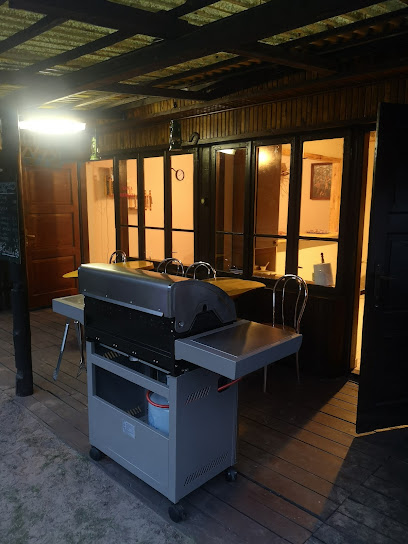
KURCZAK Z ROŻNA
12.4 km
Experience the authentic taste of Poland at KURCZAK Z ROŻNA in Białuty, offering delicious roasted chicken and a cozy bar atmosphere.
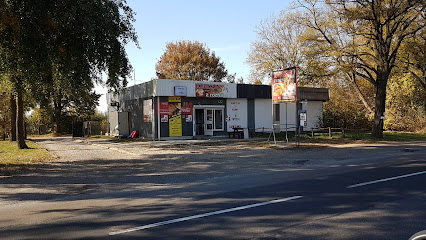
Pod Akacją Bar
19.3 km
Discover the charm of Borzęcin Duży at Pod Akacją Bar, a cozy retreat for tourists to enjoy local drinks and snacks in a welcoming atmosphere.
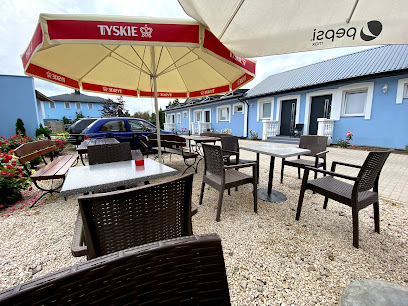
Bar Tomas
19.4 km
Discover Bar Tomas in Płochocin, where delicious pizzas and a cozy atmosphere await you for a delightful dining experience.
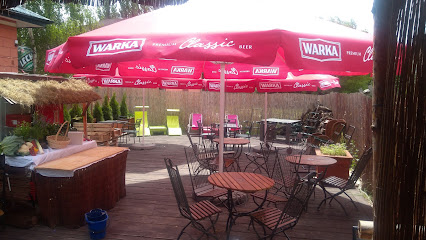
Biker Pub Restauracja Grill & Bar Kampinos
20.5 km
Experience the perfect blend of cycling culture and delicious cuisine at Biker Pub Restauracja Grill & Bar Kampinos, a must-visit for every traveler.
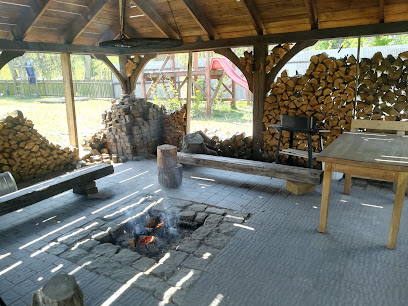
Fat & Bike Truskaw.
21.3 km
Experience the vibrant atmosphere and local flavors at Fat & Bike Truskaw, your go-to bar for relaxation in the heart of Poland.
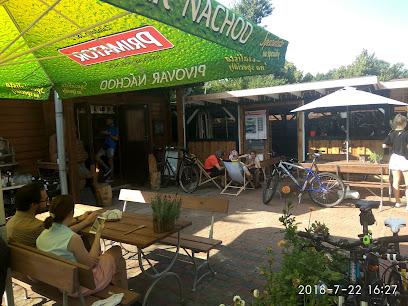
Best Fly Bar
22.3 km
Best Fly Bar: A lively bar in Nowy Dwór Mazowiecki offering delicious pizzas, coffee, and a welcoming atmosphere for all tourists.
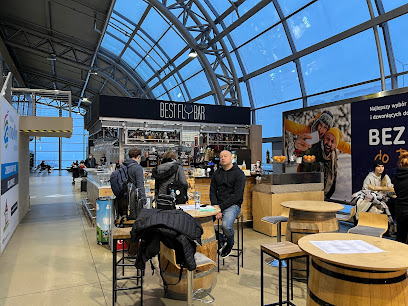
Błysk. PUH. Paradziński J.
24.1 km
Discover the lively Błysk Bar in Nowy Dwór Mazowiecki, where great drinks and a vibrant atmosphere await every traveler.
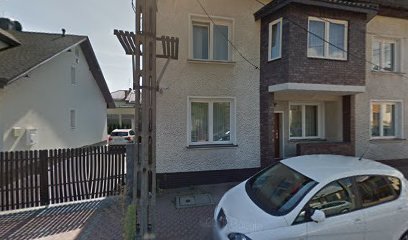
PUB U Bossa
24.3 km
Discover the lively PUB U Bossa, a brewpub and disco club in Nowy Dwór Mazowiecki, perfect for great beer, karaoke, and unforgettable nights.
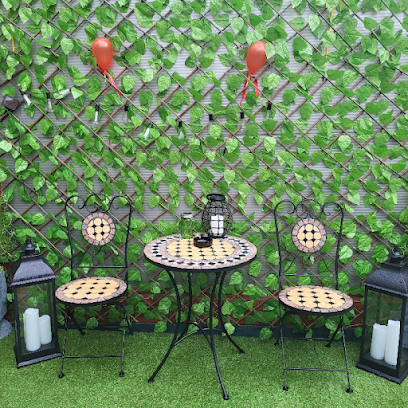
Bar Samoobsługowy Ławeczki Izabelin
24.6 km
Discover Bar Samoobsługowy Ławeczki in Izabelin - a self-service bar offering a cozy atmosphere and a delightful selection of local beverages.
Zacne wino
24.8 km
Discover Zacne Wino in Izabelin C for an unforgettable wine experience, offering a selection of local and international wines in a cozy atmosphere.
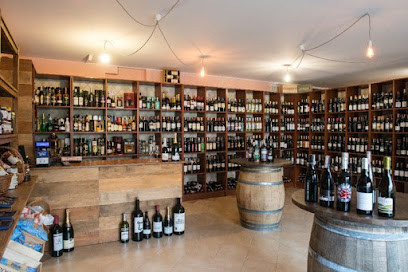
Casa de Manhattan
25.1 km
Experience the lively atmosphere and exquisite cocktails at Casa de Manhattan, the top bar in Ożarów Mazowiecki for a memorable night out.