

Czuby (Lublin) Travel Guide - Free
Explore Czuby in Lublin with Evendo's free guide. Find the best shops, historic streets, restaurants, and gems on web or mobile.


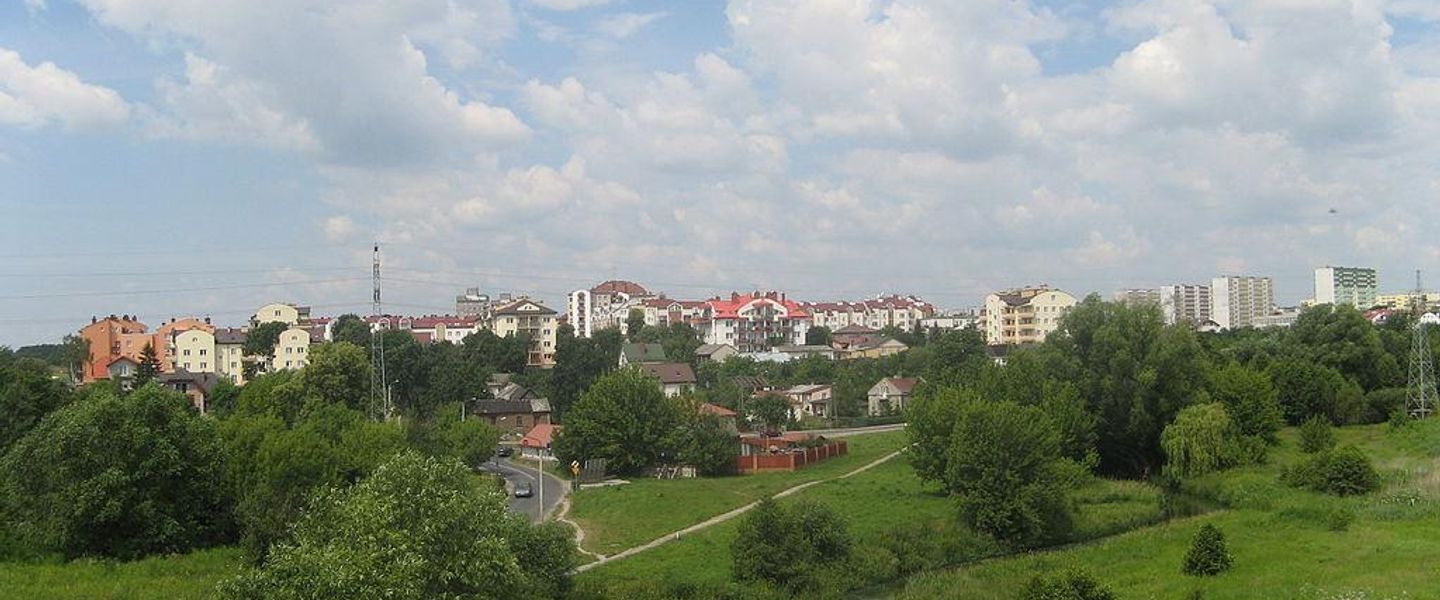


Czuby in Lublin offers leafy housing estates, the Jana Pawła II park, ravine walks and easy access to the Bystrzyca valley and city centre and local cafés.
Modern Lublin Beyond the Centre
\n\nCzuby occupies Lublin’s south-western side, a broad district of post-war housing estates, newer apartment developments and generous green spaces. It is not an old-town quarter built around a single monument; its identity comes from everyday urban life, planned residential streets and the contrast between substantial blocks, quiet footpaths and open landscapes. The district is commonly understood as Czuby Północne and Czuby Południowe, with the boundaries blending into neighbouring Rury, Węglin and the areas around Zemborzyce.\n\nEstates, Ravines and Open Space
\n\nThe streets around Jana Pawła II, Filaretów, Armii Krajowej and the residential roads leading towards Szmaragdowa combine schools, local shops, churches, playgrounds and small service businesses. Much of the district is arranged in the spacious style associated with late twentieth-century Polish housing estates, where mature trees and planted courtyards soften the scale of the buildings. Park Jana Pawła II is one of Czuby’s principal public spaces, while the district’s ravines and paths provide informal walking routes between residential areas.\n\nEveryday Culture and Local Orientation
\n\nCzuby is primarily a place where Lublin residents live rather than a concentrated sightseeing quarter, and that is precisely what makes it useful for understanding the city beyond the historic centre. Visitors will find a quieter rhythm, practical local retail and access to footpaths leading towards the Bystrzyca valley. Public transport, including trolleybuses and buses on the main avenues, connects the district with central Lublin, while the southern edge leads towards the wider recreational landscape around Zalew Zemborzycki. The neighbourhood suits visitors interested in contemporary urban form, local routines and green walks rather than a sequence of monumental attractions.Best attractions in Czuby
Czuby’s attractions are primarily open-air and urban rather than museum-based. Park Jana Pawła II provides the district’s most recognisable setting, with broad lawns, planted areas, paths and space for everyday recreation around the southern estates. The ravines and green corridors threaded between housing developments offer a closer look at Lublin’s characteristic use of valleys and open land within the built-up city. Visitors interested in architecture can walk through Czuby Północne and Czuby Południowe to observe the different generations of apartment blocks, courtyards, schools and later infill development. Paths towards the Bystrzyca valley extend the experience beyond the estate landscape, although routes and surfaces vary. Czuby is best approached as a neighbourhood walk revealing contemporary Lublin, its residential planning and local routines, rather than as a district containing a dense collection of formal tourist sights.
-
Tourist attraction
Park im. Św. Jana Pawła II w Lublinie
Discover the tranquility of Park im. Św. Jana Pawła II in Lublin, a lush escape offering scenic beauty and recreational activities for all.
2 min walk · 0.2 km from neighbourhood centre
-
Tourist attraction
Nature Reserve Stasin
Explore the natural beauty of Nature Reserve Stasin, a tranquil retreat near Lublin, perfect for hiking, birdwatching, and immersing in Polish nature.
14 min walk · 1.1 km from neighbourhood centre
-
Tourist attraction
Strzykawka
Explore Strzykawka in Lublin, where culture and community come together in a vibrant tourist attraction that promises a unique Polish experience.
5 min drive · 1.7 km from neighbourhood centre
-
Tourist attraction
Mini park z dębem szypułkowym i mini tor rowerowy
Explore the serenity of Mini Park with a majestic sycamore tree and a fun bike track, perfect for families and nature lovers in Lublin.
9 min walk · 0.7 km from neighbourhood centre


Best landmarks in Czuby
Czuby’s landmarks are significant mainly for what they reveal about Lublin’s modern urban growth. Park Jana Pawła II is the district’s principal civic and landscape reference point, anchoring the southern estates with open space rather than a historic square. The large residential complexes of Czuby Północne and Czuby Południowe form a defining architectural landscape, combining late twentieth-century apartment blocks, schools, churches, service buildings and planted courtyards. The roads around Jana Pawła II, Filaretów and Armii Krajowej demonstrate how transport corridors structure the district, while the ravines preserve traces of the terrain that preceded mass construction. None of these features functions like an Old Town monument; together they create a local record of planned housing, changing building practices and Lublin’s expansion beyond its historic core.
-
State park
Wąwóz Rury
Explore the stunning landscapes and rich wildlife at Wąwóz Rury, a captivating state park in Lublin, perfect for nature lovers and adventure seekers.
18 min walk · 1.5 km from neighbourhood centre
-
Tourist attraction
Strzykawka
Explore Strzykawka in Lublin, a vibrant hub of art and culture, perfect for tourists seeking authentic Polish experiences and charming local attractions.
5 min drive · 1.7 km from neighbourhood centre
-
Tourist attraction
Dąb Św. Jana Pawła II
Explore Dąb Św. Jana Pawła II, a serene tribute to Pope John Paul II in Lublin, where nature and spirituality converge for a peaceful experience.
6 min walk · 0.5 km from neighbourhood centre


Explore Czuby on the map
A handpicked selection of must-see spots in Czuby, mapped for you.
Best hotels in Czuby
Best restaurants in Czuby
Czuby’s food scene reflects its residential purpose: everyday dining is spread through estate service areas and along the main avenues rather than concentrated on one historic restaurant street. Visitors can expect practical cafés, bakeries, takeaway counters, family-oriented restaurants and small food businesses serving residents, with larger shopping and dining clusters becoming more common towards the surrounding commercial corridors. The district’s apartment estates also mean that opening times and individual businesses can change, so current local listings are useful when planning a meal. Czuby is not primarily known for a distinctive regional cuisine of its own; its culinary interest lies in the ordinary Polish urban mix of morning bakery purchases, informal lunches, coffee stops and convenient evening food. For a broader restaurant choice, central Lublin and the streets around the Old Town remain more concentrated and are reached by public transport.
-
Restaurant
Restauracja Bursztynowa°1
Experience authentic Polish cuisine blended with international flavors at Restauracja Bursztynowa in Lublin.
10 min walk · 0.8 km from neighbourhood centre
-
Pizza
La Strega
Experience authentic Italian flavors at La Strega, Lublin's beloved pizza restaurant known for its wood-fired pies and inviting atmosphere.
9 min walk · 0.7 km from neighbourhood centre
-
Pizza
Plackarnia
Savor authentic Italian flavors at Plackarnia in Lublin – where every pizza slice is crafted with passion and every dessert is a delight.
1 min walk · 0.1 km from neighbourhood centre
-
Restaurant
Che Pasta
Experience authentic Italian cuisine at Che Pasta in Lublin – where every dish tells a delicious story.
13 min walk · 1.0 km from neighbourhood centre


Best bars in Czuby
Czuby has a restrained evening scene shaped by its role as a large residential district. Local cafés, casual restaurants and neighbourhood pubs provide places for an uncomplicated drink or meal, but there is no dense strip of late-night venues comparable with Lublin’s Old Town. The main avenues and commercial spaces are busier than the interior estate courtyards, while Park Jana Pawła II and the ravines are public recreation areas rather than nightlife destinations. Evening walks should respect residents living close to shared paths and apartment entrances. Visitors seeking live music, clubs, cocktail bars or a later night will generally find a wider established choice in central Lublin, with Czuby functioning more naturally as a calm base or a place for an early local evening.
-
Bar
Sfera pub i restauracja
Experience the vibrant culinary scene at Sfera Pub i Restauracja in Lublin, blending local flavors with a lively bar atmosphere.
5 min drive · 1.7 km from neighbourhood centre
-
Pub
NEW Basketon Food&Drink
Discover NEW Basketon Food&Drink in Lublin for a perfect blend of bistro dining, pub vibes, and sports entertainment, all in one vibrant location.
6 min drive · 2.0 km from neighbourhood centre
-
Bar
Głodny Królik
Discover Głodny Królik in Lublin: a vibrant bar and fast food haven serving fresh, delicious meals with a local twist.
9 min walk · 0.8 km from neighbourhood centre
-
Bar
Bar Różana 20 24/7
Experience the vibrant nightlife at Bar Różana, Lublin’s 24/7 bar offering a lively atmosphere and a wide selection of drinks in a welcoming setting.
14 min walk · 1.1 km from neighbourhood centre


Best shops in Czuby
Shopping in Czuby is geared towards residents and daily needs rather than destination retail. Small shops, bakeries, pharmacies, convenience stores, cafés and service businesses occupy ground floors and local commercial pavilions around the housing estates and main roads. The experience is useful for observing how Polish residential districts function, with errands distributed through several centres instead of gathered on one traditional market street. Larger retail choices are available on the surrounding commercial corridors and in other parts of Lublin, but should not be confused with a single central Czuby shopping quarter. Visitors may find local food for a picnic or a walk in the parks, while specialist boutiques, antiques and craft shopping are better sought in central Lublin. Stock and business names change, so current maps are preferable to relying on a fixed list of shops.
-
Clothing store
PEPCO
Explore PEPCO in Lublin for trendy clothing at unbeatable prices, perfect for fashion-forward tourists seeking style on a budget.
9 min walk · 0.7 km from neighbourhood centre
-
Gift shop
Action Lublin
Discover unique gifts, home goods, and DIY supplies at Action Lublin, where creativity meets quality in a charming shopping experience.
7 min walk · 0.6 km from neighbourhood centre
-
Women's clothing store
Vestina Boutique
Explore stylish women's clothing at Vestina Boutique in Lublin, a charming boutique offering unique dresses, outerwear, and personalized service.
9 min walk · 0.7 km from neighbourhood centre
-
Linens store
Pościele lniane Lublin Sen i Len
Explore the elegance of Polish craftsmanship at Pościele lniane Lublin Sen i Len, your go-to destination for exquisite linens in Lublin.
6 min walk · 0.5 km from neighbourhood centre


Czuby essentials
Getting There
Getting Around
Safety
Emergency Situations
Do's and Don'ts
Local Tips

From Eve
Local phrases worth knowing
You don't need to get them perfect. A few words go a long way, and locals appreciate the effort.
Basics
| English | Local | Say it |
|---|---|---|
| Hello | Cześć | [che-shch] |
| Goodbye | Do widzenia | [do veed-zen-ya] |
| Yes | Tak | [tak] |
| No | Nie | [nye] |
| Please/You're welcome | Proszę | [pro-she] |
| Thank you | Dziękuję | [jen-koo-yeh] |
| Excuse me/Sorry | Przepraszam | [pshay-pra-sham] |
| How are you? | Jak się masz? | [yak sheh mah-sh] |
| Fine. And you? | Dobrze. A ty? | [dob-zheh. ah ti] |
| Do you speak English? | Czy mówisz po angielsku? | [chi mo-veesh po an-giel-skoo] |
| I don't understand | Nie rozumiem | [nye ro-zoo-myem] |
Eating & Drinking
| English | Local | Say it |
|---|---|---|
| I'd like to see the menu, please | Poproszę kartę, proszę | [po-pro-she kar-teh, pro-sheh] |
| I don't eat meat | Nie jem mięsa | [nye yem myen-sa] |
| Cheers! | Na zdrowie! | [nah zdrow-yeh] |
| I would like to pay, please | Chciałbym zapłacić, proszę | [h-chyaw-bim za-pla-chich, pro-sheh] |
Emergencies
| English | Local | Say it |
|---|---|---|
| Help! | Pomoc! | [po-mots] |
| Go away! | Idź sobie! | [eej so-beh] |
| Call the Police! | Zadzwoń po policję! | [zad-zvon po po-leet-syeh] |
| Call a doctor! | Zadzwoń po doktora! | [zad-zvon po dok-to-ra] |
| I'm lost | Zgubiłem się | [zgoo-byem sheh] |
| I'm ill | Jestem chory | [yes-tem hoh-ri] |
Shopping
| English | Local | Say it |
|---|---|---|
| I'd like to buy... | Chciałbym kupić... | [h-chyaw-bim koo-pich...] |
| I'm just looking | Tylko się rozglądam | [ti-ko sheh ro-zgwa-dam] |
| How much is it? | Ile to kosztuje? | [ee-leh to kosh-tu-yeh] |
| That's too expensive | To zbyt drogie | [to zbit dro-gyeh] |
| Can you lower the price? | Czy mogę liczyć na obniżkę ceny? | [chi mo-geh lee-chich na ob-nee-sh-keh cheh-ni] |
Time & Numbers
| English | Local | Say it |
|---|---|---|
| What time is it? | Która jest godzina? | [ktoo-ra yesst goh-dzee-nah] |
| It's one o'clock | Jest pierwsza | [yesst pyer-vsheh] |
| Half past (10) | Pół do dziesiątej | [poo do dzhe-shon-teh] |
| Morning | Rano | [rah-no] |
| Afternoon | Popołudnie | [po-pol-ood-nyeh] |
| Evening | Wieczór | [vyetch-oor] |
| Yesterday | Wczoraj | [v-cho-rye] |
| Today | Dziś | [jeesh] |
| Tomorrow | Jutro | [yoo-tro] |
| 1 | Jeden | [ye-den] |
| 2 | Dwa | [dva] |
| 3 | Trzy | [tshy] |
| 4 | Cztery | [ch-ter-ry] |
| 5 | Pięć | [pyench] |
| 6 | Sześć | [sheh-shch] |
| 7 | Siedem | [shye-dem] |
| 8 | Osiem | [o-shyem] |
| 9 | Dziewięć | [dzyev-nyench] |
| 10 | Dziesięć | [dzye-shon-tyench] |
Transport & Directions
| English | Local | Say it |
|---|---|---|
| Where's a/the...? | Gdzie jest... | [g-dzhe yesst] |
| What's the address? | Jaki jest adres? | [yah-ki yesst ah-dres] |
| Can you show me (on the map)? | Czy możesz mi pokazać (na mapie)? | [chi mo-zhesh mi po-ka-zach (na ma-pye)] |
| When's the next (bus)? | Kiedy jest następny (autobus)? | [kye-dy yesst nas-ten-ny au-to-boos] |
| A ticket (to ....) | Bilet (do ...) | [bee-let (do ...)] |
History of Czuby
From Open Land to Expansion Area
Before Czuby became a large residential district, this south-western part of Lublin consisted largely of fields, gardens and areas of open land on the city’s expanding edge. Its later development formed part of the post-war pressure to provide housing for a growing urban population. The name Czuby was already associated with the area, but the neighbourhood’s modern identity emerged through planned construction rather than an old village centre or medieval commercial street.
The Post-War Housing Estates
Large-scale residential construction transformed Czuby during the later decades of the twentieth century. Multi-storey blocks, schools, local services and landscaped communal spaces were arranged in estates that are now commonly distinguished as Czuby Północne and Czuby Południowe. The planning approach separated much everyday activity from heavy traffic and retained broad areas for greenery, playgrounds and pedestrian movement. This period established Czuby as one of Lublin’s principal residential districts and gave it the spacious, modernist character still visible today.
New Roads and Urban Connections
As the estates expanded, roads such as Filaretów, Armii Krajowej and the avenues around Jana Pawła II connected Czuby with central Lublin and the city’s western and southern approaches. Public transport became essential to the district’s relationship with the rest of the city, including the extension and adaptation of trolleybus and bus services along the main corridors. Retail pavilions, schools, churches and other everyday institutions gradually made the estates more self-sufficient, even as many residents continued to commute elsewhere in Lublin.
A Changing Residential Landscape
Since the political and economic changes of the 1990s, Czuby has combined its established housing estates with newer apartment construction, renovated communal spaces and changing patterns of local commerce. Private development has added density in some parts of the district, while mature trees, ravines and parks remain important elements of its environmental character. Today Czuby is best understood as a substantial residential landscape within Lublin: less a historic quarter than a record of the city’s late twentieth-century growth and its continuing outward development.
Czuby in Photos
Browse through our photo collection highlighting the charm and character of the destination.
Neighbourhoods near Czuby
The closest neighbourhoods to Czuby, if you have time for more than one stop.
-
-

-


Swipe for more neighbourhoods
Explore more

Explore more of Lublin
Lublin, Poland, blends a medieval Old Town, Union of Lublin history, castle architecture, Jewish heritage, lively cafés and cultural discoveries in eastern Poland.
Explore Lublin