

Bronowice (Lublin) Travel Guide - Free
Explore Bronowice in Lublin with Evendo's free guide. Find the best shops, historic streets, restaurants, and gems on web or mobile.


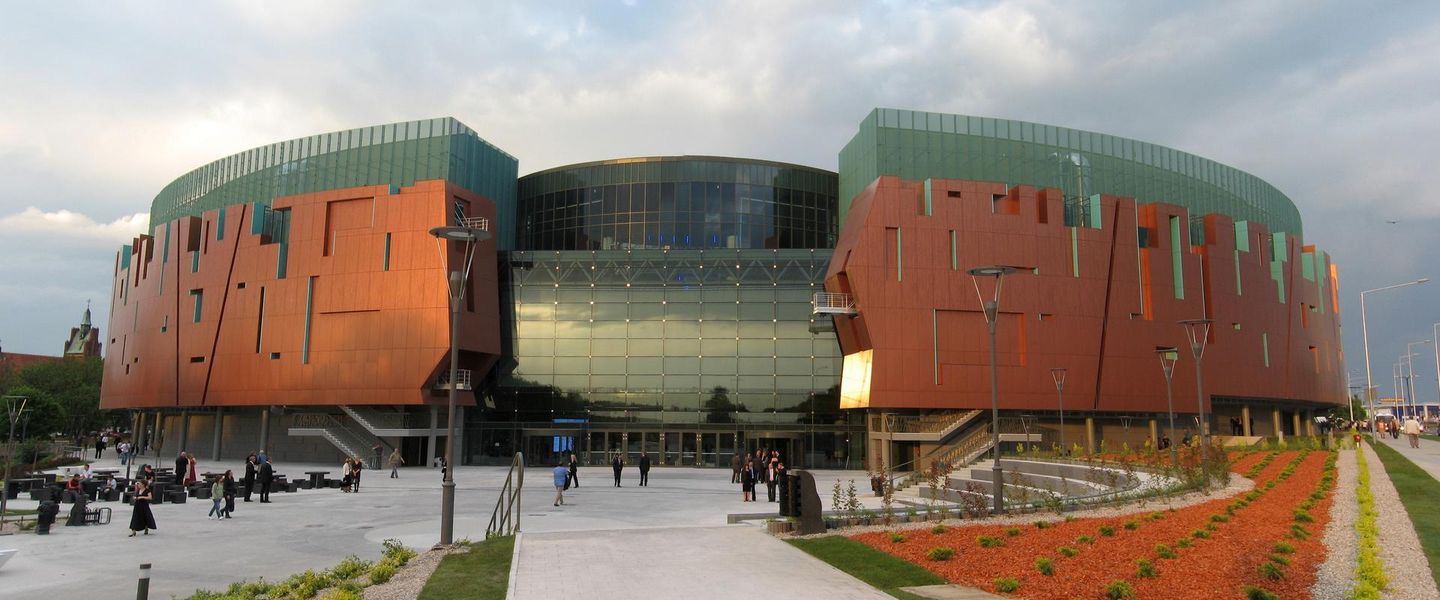


Bronowice in Lublin combines Bystrzyca riverside walks, Park Bronowice, local history and easy access to the Old Town and eastern city districts.
A Riverside Neighbourhood East of the Centre
Bronowice occupies a broad stretch east of central Lublin, shaped by the Bystrzyca river and by the roads leading towards the city’s eastern districts. It is less a sightseeing quarter than a lived-in part of the city: apartment blocks, older houses, schools, local shops and busy transport corridors share space with open riverbanks and the greenery of Park Bronowice. The district’s position makes it useful to visitors who want access to the centre without staying in the Old Town itself.Read more about Bronowice
From Village Landscape to Urban District
Green Space and Local Rhythms
Explore Bronowice on the map
A handpicked selection of must-see spots in Bronowice, mapped for you.
Best hotels in Bronowice
Bronowice essentials
Getting There
Getting Around
Safety
Emergency Situations
Do's and Don'ts
Local Tips

From Eve
Local phrases worth knowing
You don't need to get them perfect. A few words go a long way, and locals appreciate the effort.
Basics
| English | Local | Say it |
|---|---|---|
| Hello | Cześć | [Cheshch] |
| Goodbye | Do widzenia | [Do veed-zen-ya] |
| Yes | Tak | [Tak] |
| No | Nie | [Nyeh] |
| Please/You're welcome | Proszę | [Proh-sheh] |
| Thank you | Dziękuję | [Jen-koo-yeh] |
| Excuse me/Sorry | Przepraszam | [Pzheh-prah-sham] |
| How are you? | Jak się masz? | [Yak sheh mah-sh] |
| Fine. And you? | Dobrze. A ty? | [Doh-bzheh. Ah tih] |
| Do you speak English? | Mówisz po angielsku? | [Mo-veesh poh ahn-gyehl-skoo] |
| I don't understand | Nie rozumiem | [Nyeh roh-zoo-myem] |
Eating & Drinking
| English | Local | Say it |
|---|---|---|
| I'd like to see the menu, please | Chciałbym zobaczyć menu, proszę | [H-chyah-bim zoh-bah-chich meh-noo, proh-sheh] |
| I don't eat meat | Nie jem mięsa | [Nyeh yem myen-sa] |
| Cheers! | Na zdrowie! | [Nah zdrov-yeh] |
| I would like to pay, please | Chciałbym zapłacić, proszę | [H-chyah-bim zah-pwah-cheech, proh-sheh] |
Emergencies
| English | Local | Say it |
|---|---|---|
| Help! | Pomocy! | [Poh-mo-tsi] |
| Go away! | Odejdź! | [Oh-deh-dsh] |
| Call the Police! | Zadzwoń po policję! | [Zahd-voon poh poh-leet-syeh] |
| Call a doctor! | Zadzwoń po lekarza! | [Zahd-voon poh leh-kah-zah] |
| I'm lost | Zgubiłem się | [Zgoo-bee-wem sheh] |
| I'm ill | Jestem chory | [Yeh-stem hoh-ri] |
Shopping
| English | Local | Say it |
|---|---|---|
| I'd like to buy... | Chciałbym kupić... | [H-chyah-bim koo-peech] |
| I'm just looking | Tylko się rozglądam | [Tzih-koh sheh rohz-gwah-dam] |
| How much is it? | Ile to kosztuje? | [Ee-leh toh kosh-too-yeh] |
| That's too expensive | To za drogie | [Toh zah droh-gyeh] |
| Can you lower the price? | Czy możesz obniżyć cenę? | [Chih moh-zhesh ohb-nee-zhich cheh-neh] |
Time & Numbers
| English | Local | Say it |
|---|---|---|
| What time is it? | Która jest godzina? | [Ktoh-rah yest goh-dzee-nah] |
| It's one o'clock | Jest pierwsza | [Yest pyeh-roov-shah] |
| Half past (10) | Północ (10) | [Poo-wohnts (10)] |
| Morning | Rano | [Rah-noh] |
| Afternoon | Popołudnie | [Poh-poo-wood-nyeh] |
| Evening | Wieczór | [Vyeh-choor] |
| Yesterday | Wczoraj | [V-choh-rye] |
| Today | Dzisiaj | [Jee-shai] |
| Tomorrow | Jutro | [Yoo-tro] |
| 1 | Jeden | [Yeh-den] |
| 2 | Dwa | [Dvah] |
| 3 | Trzy | [Tshih] |
| 4 | Cztery | [Ch-teh-ri] |
| 5 | Pięć | [Pyehnch] |
| 6 | Sześć | [Sheshch] |
| 7 | Siedem | [Shed-em] |
| 8 | Osiem | [Oh-syem] |
| 9 | Dziewięć | [Jee-vyenhch] |
| 10 | Dziesięć | [Jeh-shyehnch] |
Transport & Directions
| English | Local | Say it |
|---|---|---|
| Where's a/the...? | Gdzie jest... | [Gd-yeh yest] |
| What's the address? | Jaki jest adres? | [Yah-kee yest ah-drehs] |
| Can you show me (on the map)? | Czy możesz mi pokazać (na mapie)? | [Chih moh-zhesh mee poh-kah-zach (nah mah-pyeh)] |
| When's the next (bus)? | Kiedy jest następny (autobus)? | [Kye-dih yest nah-stemp-ny ah-oo-toh-boos] |
| A ticket (to ....) | Bilet (do ....) | [Bee-let (doh)] |
History of Bronowice
The Former Village of Bronowice
Bronowice began as a settlement and estate outside the historic core of Lublin, associated with agricultural land and the valley of the Bystrzyca. The name survived as the area was gradually drawn into the city’s expanding orbit. Its location east of the centre allowed it to retain a more open, semi-rural character for longer than the streets immediately around the Old Town, while roads and crossings over the river connected it increasingly closely with Lublin’s markets and civic life.
Industrial Growth Along the Bystrzyca
During the nineteenth and early twentieth centuries, Lublin’s expansion brought workshops, manufacturing activity, railway connections and new roads closer to Bronowice. The river valley was valuable both as a transport corridor and as open land on the city’s edge. Industrial development did not erase the older settlement pattern entirely, but it changed the relationship between the district and the centre, making Bronowice part of a wider eastern approach shaped by work, commerce and movement rather than solely by agriculture.
Post-War Urban Expansion
The largest transformation came with twentieth-century urbanisation, especially after the Second World War, when Lublin needed additional housing and modern infrastructure. Older houses and open plots were joined by apartment blocks, schools, shops and broad traffic routes. Park Bronowice and the Bystrzyca corridor became important local recreational spaces within this built-up landscape. The result is a district whose identity rests less on a preserved historic core than on the coexistence of earlier village traces, post-war planning and later residential development.
A Contemporary Residential District
Today Bronowice is understood primarily as a residential and practical urban district rather than a separate historic town. Its proximity to central Lublin, the railway area and eastern transport routes has kept it well connected, while the river and park provide a modest landscape counterpoint to the surrounding roads and buildings. Redevelopment has brought newer homes and changing commercial uses, but the district remains recognisably local in scale, with daily services and established housing areas more prominent than visitor-oriented businesses.
Bronowice in Photos
Browse through our photo collection highlighting the charm and character of the destination.
Neighbourhoods near Bronowice
The closest neighbourhoods to Bronowice, if you have time for more than one stop.
-

-
-


Swipe for more neighbourhoods
Explore more

Explore more of Lublin
Lublin, Poland, blends a medieval Old Town, Union of Lublin history, castle architecture, Jewish heritage, lively cafés and cultural discoveries in eastern Poland.
Explore Lublin