

Free Al Shamal Travel Guide & Mobile App
Plan your Al Shamal trip with Evendo. Get free guides to top attractions, restaurants, hotels, and bars. Web access or download the mobile app.


Al Shamal, Qatar’s northern outpost, offers quiet coastlines, pearling history, Al Zubarah heritage and open landscapes for thoughtful sightseeing.
A Northern Gulf Setting
Al Shamal lies at the northern tip of Qatar, where the peninsula narrows towards a coast of shallow bays, limestone headlands and open desert. It is a small, dispersed settlement rather than a densely built city, and its appeal rests on the quiet scale of the landscape. The surrounding municipality includes coastal communities, working maritime areas and broad stretches of undeveloped terrain that offer a different perspective on Qatar from the urban life of Doha.Read more about Al Shamal
Maritime Heritage and Open Landscapes
Exploring the Wider Municipality
When is the best time to visit Al Shamal?
Best: December–February · 24–27°C| Month | High (°C) | Rainfall (mm) |
|---|---|---|
| January (best) | 24 | 0 |
| February (best) | 24 | 0 |
| March | 28 | 0 |
| April | 32 | 0 |
| May | 37 | 0 |
| June | 40 | 0 |
| July | 41 | 0 |
| August | 41 | 0 |
| September | 39 | 0 |
| October | 34 | 0 |
| November | 30 | 0 |
| December (best) | 27 | 0 |
Getting to and around Al Shamal
How to get there
Transportation
Best attractions in Al Shamal
Sightseeing in Al Shamal centres on the character of northern Qatar rather than a long list of urban attractions. The town and nearby Al Ruwais offer glimpses of maritime life, with working coastal areas and broad views across the Gulf. The defining excursion is Al Zubarah Archaeological Site, where walls, streets and foundations evoke the scale of a former pearling and trading settlement; its small museum adds context to the ruins and the surrounding landscape. Along the coast, Fuwairit Beach provides a striking setting of pale sand and clear water, although access and conservation arrangements should be checked before travelling. The northern shoreline also includes quiet bays, tidal flats and open desert where birdlife and seasonal vegetation can be observed with care. Al Shamal Park and local public spaces offer a modest pause within the settlement, while roads towards the peninsula’s tip reveal the region’s spare, expansive geography.
-
Park
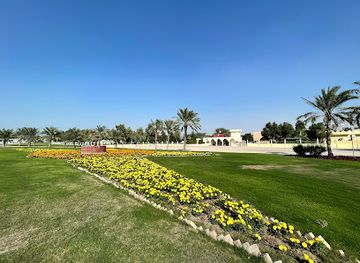
Al Shamal Park
Experience the tranquility of Al Shamal Park in Al Ruwais, a lush green escape perfect for relaxation and family outings in Qatar.
6 min drive · 1.9 km from city centre
-
Beach
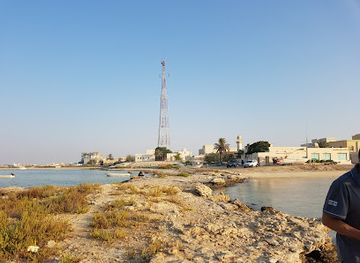
Al Ruwais Beach
Discover the tranquil beauty of Al Ruwais Beach, where golden sands meet crystal-clear waters for a perfect day of relaxation and adventure.
8 min walk · 0.7 km from city centre
Best landmarks in Al Shamal
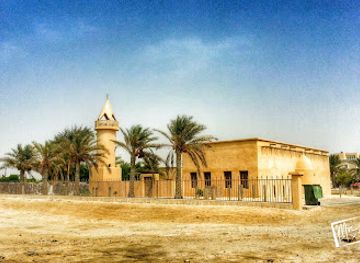
The most significant landmark associated with the wider Al Shamal area is Al Zubarah Archaeological Site, a protected historic settlement whose surviving walls and foundations represent Qatar’s pearling and trading past. Al Zubarah Fort, restored near the archaeological landscape, is a recognisable defensive structure and an important symbol of the country’s heritage. In the modern town, public buildings and mosques are generally low-rise and functional, reflecting the scale of a northern settlement rather than monumental urban architecture. Al Ruwais port provides another meaningful point of reference: its maritime setting connects contemporary northern life with the fishing and pearling economy that shaped coastal Qatar. The coastline itself is a cultural landmark, marked by traditional landing places, limestone shorelines and open views across the Gulf. Together these places show how settlement, commerce, religion and maritime work developed across the peninsula.
-
Cafe
Arsan Café
Discover the charm of Arsan Café in Al Ruwais, offering a delightful blend of local and international flavors in a cozy setting.
7 min walk · 0.5 km from city centre
-
Park
Al Shamal Park
Discover the tranquility of Al Shamal Park in Al Ruwais, a perfect scenic escape with lush greenery, playgrounds, and picnic areas for all ages.
6 min drive · 1.9 km from city centre
-
Market
Shamal
Explore Shamal Market in Al Ruwais for an authentic Qatari experience filled with local crafts, delicious foods, and vibrant culture.
6 min drive · 2.1 km from city centre
-
Internet cafe
Al shamal
Experience the charm of Al Shamal, a delightful internet cafe in Madīnat ash Shamāl, perfect for tourists craving connectivity and relaxation amidst their travels.
6 min drive · 2.1 km from city centre

Explore Al Shamal on the map
Plan your Al Shamal trip on one map. See where the top attractions, landmarks, restaurants, bars and hotels are, find what's near where you're staying, and book hotels and experiences in a few clicks.
Best hotels in Al Shamal
Best restaurants in Al Shamal
Al Shamal’s dining scene is modest and practical, reflecting its small population and dispersed settlements rather than a concentration of destination restaurants. Local cafés and casual eateries serve Qatari and wider Gulf staples such as rice dishes, grilled meat, seafood, flatbreads, dates and karak tea, alongside South Asian and Middle Eastern cooking shaped by Qatar’s multicultural population. Fresh fish and simple seafood meals have a natural connection with the northern coast, while tea shops and small restaurants provide informal places to stop during a road journey. Al Ruwais and other larger local centres are more likely to offer everyday food services than remote beaches or heritage sites. Visitors travelling to Al Zubarah or the far northern coast should plan meals and carry water, as dining choices become increasingly limited away from settled areas.
-
Restaurant
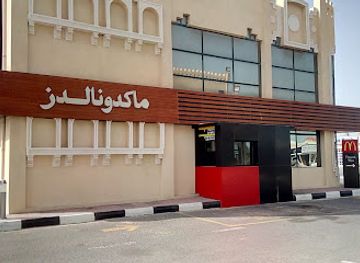
McDonald's
Discover the comfort of global flavors at McDonald's in Doha's Al Ruwais Shopping Center - where convenience meets familiarity.
7 min walk · 0.5 km from city centre
-
Restaurant
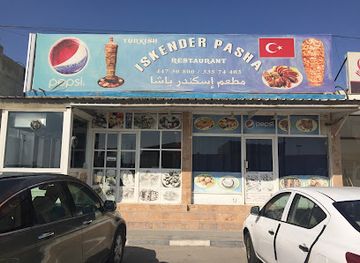
Iskender Pasha Restaurant
Experience authentic local cuisine at Iskender Pasha Restaurant in Al Ruwais – where every dish tells a story.
7 min drive · 2.2 km from city centre
-
Restaurant
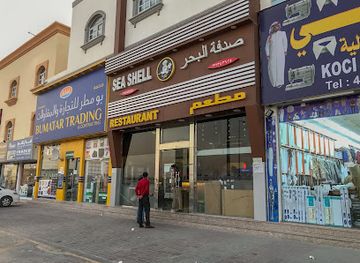
sea shell restaurant
Discover authentic Qatari flavors at Sea Shell Restaurant in Al Ruwais - where every meal feels like home.
6 min drive · 2.0 km from city centre
-
Asian
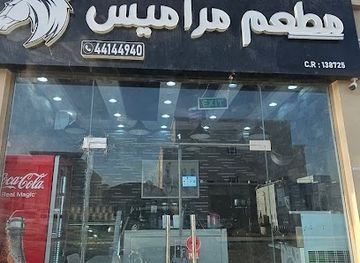
Baeed Al Maramees Cafeteria
Discover authentic Asian flavors at Baeed Al Maramees Cafeteria in Al Ruwais - a culinary gem offering delicious dishes and warm hospitality.
5 min drive · 1.7 km from city centre


Best bars in Al Shamal
Al Shamal does not have a conventional nightlife district, nightclub scene or bar culture comparable with Doha. Evening life is quieter and tends to centre on family visits, local cafés, tea shops and informal gatherings rather than late-night entertainment. Qatar’s licensing rules also mean that alcohol is not part of ordinary public nightlife, and visitors should not expect bars at coastal settlements. After sunset, the region’s appeal lies in its calm outdoor setting: a drive along the coast, conversation over karak tea or quiet stargazing away from urban lighting. Organised cultural performances and larger entertainment programmes are more likely to be found in Doha or at occasional national events than in Al Shamal itself, so evening plans should take the area’s limited facilities and long distances into account.
-
Restaurant
Iskender Pasha Restaurant
Discover the rich culinary heritage of Al Ruwais at Iskender Pasha Restaurant, where traditional flavors and warm hospitality await.
7 min drive · 2.2 km from city centre
-
Restaurant
sea shell restaurant
Discover authentic flavors at Sea Shell Restaurant in Al Ruwais, where delicious dishes meet affordability in a welcoming atmosphere.
6 min drive · 2.0 km from city centre
-
Restaurant
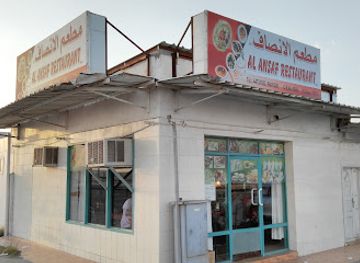
Al Ansaf Restaurant
Discover the flavors of Al Ruwais at Al Ansaf Restaurant, where authentic cuisine meets a welcoming atmosphere for an unforgettable dining experience.
6 min drive · 1.8 km from city centre
-
Restaurant
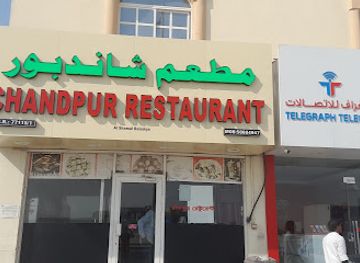
Chandpur restaurant
Experience the authentic flavors of Al Ruwais at Chandpur Restaurant, a must-visit culinary haven for food lovers.
6 min drive · 2.0 km from city centre
Best shops in Al Shamal
Shopping in Al Shamal is focused on everyday local needs rather than major retail districts. Small groceries, practical shops, pharmacies and cafés serve residents and travellers, while larger selections of clothing, electronics, branded goods and specialist souvenirs are found in Doha or the main urban centres farther south. The most distinctive purchases are likely to be food products and modest regional gifts rather than a dedicated craft-market experience: dates, Arabic coffee, spices and packaged sweets can reflect Qatari hospitality, while fishing communities may offer a more direct connection with the coast than formal retail outlets. Visitors should not expect a traditional souq on the scale of Doha’s Souq Waqif or extensive boutique shopping. For a northern road trip, fuel, water and provisions are more important practical purchases than browsing opportunities, particularly before travelling towards remote beaches and heritage sites.
-
Supermarket
Al Meera - Al Shamaal
Experience the essence of local shopping at Al Meera - Al Shamaal, your go-to supermarket for fresh produce and everyday essentials in Abu az Zuluf.
6 min drive · 1.9 km from city centre
-
Bakery
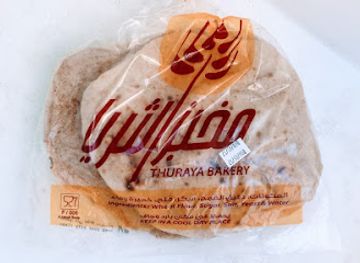
THURAYA BAKERY
Discover the flavors of Qatar at Thuraya Bakery, where tradition meets taste in every delightful bite.
7 min drive · 2.5 km from city centre
-
Tire shop
Q-Tire
Explore Q-Tire in Al Ruwais for top-notch tire services and unbeatable customer care, ensuring your vehicle is ready for any adventure.
7 min drive · 2.3 km from city centre
-
Grocery store
Al badiya supermarket & vegitable
Discover fresh produce and local flavors at Al Badiya Supermarket & Vegetable in Al Ruwais, where the essence of Qatari culture comes alive.
6 min drive · 1.9 km from city centre

Get your free copy of our complete guide to Al Shamal, delivered straight to you.
Everything on this page, from attractions and restaurants to essentials and local phrases, in one PDF you can read offline, print or share.
Already have an account? Sign in
Your Al Shamal guide is ready.
We'll send it to · Not you? Sign out

Getting your guide ready…
We are putting together a fresh copy of the Al Shamal guide. This can take up to a minute.
This can take a few moments. If your browser asks, choose Allow so the download can start. You'll find the guide in your Downloads folder.
Nothing happened? Download it again
Sorry, the guide is taking longer than usual. Please try again in a minute, or get it by email instead.
Al Shamal essentials
Currency and Payment
Safety
Emergency Situations
Do's and Don'ts
Local Tips
From Eve
Local phrases worth knowing
You don't need to get them perfect. A few words go a long way, and locals appreciate the effort.
Basics
| English | Local | Say it |
|---|---|---|
| Hello | مرحبا | [marhaba] |
| Goodbye | وداعا | [wadaean] |
| Yes | نعم | [naam] |
| No | لا | [laa] |
| Please/You're welcome | من فضلك | [min fadlik] |
| Thank you | شكرا | [shukran] |
| Excuse me/Sorry | عذرا | [atharana] |
| How are you? | كيف حالك؟ | [kayf halak?] |
| Fine. And you? | بخير. وانت؟ | [bikhayr. wa ant?] |
| Do you speak English? | هل تتحدث الانجليزية؟ | [hal tatahadath alinjlezia?] |
| I don't understand | انا لا افهم | [ana la afham] |
Eating & Drinking
| English | Local | Say it |
|---|---|---|
| I'd like to see the menu, please | اريد ان ارى القائمة، من فضلك | [urid an ara alqaima, min fadlik] |
| I don't eat meat | انا لا اكل اللحوم | [ana la akl allahum] |
| Cheers! | في صحتك! | [fi sahtak!] |
| I would like to pay, please | اريد ان ادفع، من فضلك | [urid an adfa, min fadlik] |
Emergencies
| English | Local | Say it |
|---|---|---|
| Help! | النجدة! | [alnajdah!] |
| Go away! | اذهب بعيدا! | [athhab baedan!] |
| Call the Police! | اتصل بالشرطة! | [itasil bialshurta!] |
| Call a doctor! | اتصل بالطبيب! | [itasil bialtabib!] |
| I'm lost | انا ضائع | [ana daea] |
| I'm ill | انا مريض | [ana mareed] |
Shopping
| English | Local | Say it |
|---|---|---|
| I'd like to buy... | اريد ان اشتري... | [urid an ashtari...] |
| I'm just looking | انا فقط اتطلع | [ana faqat atatala] |
| How much is it? | كم سعره؟ | [kam siroh?] |
| That's too expensive | هذا غالي جدا | [hadha ghali jiddan] |
| Can you lower the price? | هل يمكنك تخفيض السعر؟ | [hal yumkinuk takhfiz alsiroh?] |
Time & Numbers
| English | Local | Say it |
|---|---|---|
| What time is it? | كم الساعة؟ | [kam alsaa?] |
| It's one o'clock | الساعة الواحدة | [alsaa alwahida] |
| Half past (10) | النصف بعد (10) | [alnusf baed (10)] |
| Morning | صباح | [sabah] |
| Afternoon | بعد الظهر | [baed aldhuhur] |
| Evening | مساء | [masa] |
| Yesterday | أمس | [ams] |
| Today | اليوم | [alyawm] |
| Tomorrow | غدا | [ghadan] |
| 1 | واحد | [wahid] |
| 2 | اثنان | [ithnan] |
| 3 | ثلاثة | [thalatha] |
| 4 | أربعة | [arbaah] |
| 5 | خمسة | [khamsah] |
| 6 | ستة | [sittah] |
| 7 | سبعة | [sabah] |
| 8 | ثمانية | [thamania] |
| 9 | تسعة | [tisah] |
| 10 | عشرة | [asharah] |
Transport & Directions
| English | Local | Say it |
|---|---|---|
| Where's a/the...? | أين؟ | [ayna?] |
| What's the address? | ما هو العنوان؟ | [ma hu alenwan?] |
| Can you show me (on the map)? | هل يمكنك اظهار لي (على الخريطة)؟ | [hal yumkinuk athar li (ala alkhareeta)?] |
| When's the next (bus)? | متى يأتي الحافلة التالية؟ | [mata yaati alhafila altaliya?] |
| A ticket (to ....) | تذكرة (الى ....) | [tazkirat (ila ....)] |
History of Al Shamal
Coastal Communities Before the Town
The northern Qatar peninsula supported small coastal communities whose livelihoods depended on fishing, pearling, boat building and seasonal movement between wells and shorelines. Fresh water was scarce, so settlements developed around reliable wells and accessible landing places rather than forming a continuous urban area. Families connected to the sea maintained links with other Gulf ports, while inland routes supported the movement of livestock and supplies. The physical environment—flat limestone terrain, shallow bays and exposed desert—shaped both settlement patterns and economic life. Al Shamal’s modern identity grew from this network of northern communities rather than from a single ancient urban foundation.
Al Zubarah and Regional Trade
The most important historic settlement in northern Qatar is Al Zubarah, west of present-day Al Shamal. Flourishing mainly in the late eighteenth and nineteenth centuries, it became a pearling and trading centre connected to wider Gulf commerce. Its prosperity reflected the importance of pearl fishing, maritime exchange and the movement of goods along the Arabian Gulf. Competition between regional powers contributed to conflict and eventual decline, leaving extensive archaeological remains beneath the desert. The site was inscribed on the UNESCO World Heritage List in 2013. Although Al Zubarah is not within the town of Al Shamal, its history provides essential context for understanding the northern peninsula.
Pearling, Fishing and Gulf Change
During the nineteenth and early twentieth centuries, northern Qatar remained closely tied to the sea. Men from coastal settlements joined pearling voyages during the season, while fishing and small-scale trade supported households between expeditions. The introduction of cultured pearls, economic changes in the Gulf and the development of the oil industry weakened the traditional pearling economy during the twentieth century. These changes gradually shifted communities towards government employment, modern services and road-based connections. The older relationship with the sea nevertheless remains visible in the region’s ports, boat traditions and continued importance of fishing.
Roads and Modern Administration
The transformation of Qatar during the twentieth century brought paved roads, electricity, public education and new administrative structures to the northern settlements. Improved road connections reduced the isolation created by distance and harsh terrain, linking Al Shamal more closely with the rest of the peninsula and with Doha. Modern housing and public buildings expanded around older coastal communities, while traditional economic activities continued on a smaller scale. The town’s contemporary character therefore reflects both state-led development and the persistence of a maritime northern identity.
A Northern Heritage Landscape
In the contemporary period, attention to northern Qatar has increasingly included archaeology, conservation and environmental protection. Al Zubarah’s excavated remains provide evidence of Gulf trade and pearling, while beaches, mangroves and coastal habitats have gained importance as ecological assets. The area around Al Shamal remains less urbanised than Doha, allowing historic sites and open landscapes to be experienced within the same broad setting. This combination of archaeology, maritime memory and fragile coastal environments now shapes the region’s cultural identity and visitor interest.
Al Shamal in Photos
Browse through our photo collection highlighting the charm and character of the destination.
Cities near Al Shamal
The closest cities to Al Shamal, if you have time for more than one stop.
-

-

-

-

-


Swipe for more cities
Explore more

Explore more of Qatar
Discover Qatar, where modern marvels meet ancient traditions in a land of luxury, culture, and natural beauty.
Explore Qatar