

Free Al Khor Travel Guide & Mobile App
Plan your Al Khor trip with Evendo. Get free guides to top attractions, restaurants, hotels, and bars. Web access or download the mobile app.


Al Khor, Qatar, combines a historic pearl-fishing harbour, mangrove wetlands, family parks, Al Bayt Stadium and calm coastal sightseeing beyond Doha.
A Harbour Shaped by the Sea
Al Khor lies on Qatar’s north-eastern coast, around 50 kilometres north of Doha, beside a broad natural bay whose sheltered waters supported fishing, pearling and maritime trade long before the discovery of oil. The town retains a distinctly coastal character: working boats gather near the harbour, the Corniche opens towards the water, and seafood remains closely connected with everyday life. Its atmosphere is quieter and more spacious than that of the capital, making it a useful base for exploring Qatar’s northern shoreline.Read more about Al Khor
Wetlands, Parks and Open Horizons
Sport and Contemporary Qatar
When is the best time to visit Al Khor?
Best: December–February · 24–25°C| Month | High (°C) | Rainfall (mm) |
|---|---|---|
| January (best) | 24 | 0 |
| February (best) | 25 | 0 |
| March | 26 | 0 |
| April | 31 | 0 |
| May | 37 | 0 |
| June | 41 | 0 |
| July | 43 | 0 |
| August | 43 | 0 |
| September | 39 | 0 |
| October | 35 | 0 |
| November | 29 | 0 |
| December (best) | 25 | 0 |
Getting to and around Al Khor
How to get there
Transportation
Best attractions in Al Khor
Al Khor’s attractions reflect its coastal setting and modern role in northern Qatar. The Corniche and harbour provide an easy introduction to the town, with views across the bay, fishing boats and open promenades suited to an evening stroll. Al Bayt Stadium is the city’s most recognisable contemporary sight, its sweeping tent-like design referencing regional nomadic traditions. Al Khor Family Park offers landscaped recreation and family facilities, while nearby Al Thakhira mangroves introduce visitors to tidal channels and one of Qatar’s most distinctive coastal habitats. Purple Island, outside the central urban area, combines shallow waters, mudflats and archaeological traces associated with earlier coastal activity; access depends on tides and conditions. The town’s beaches, parks and seafood waterfront add quieter experiences, creating a contrast with Doha’s dense urban attractions and giving visitors a broader view of Qatar’s northern environment.
-
Beach pavillion
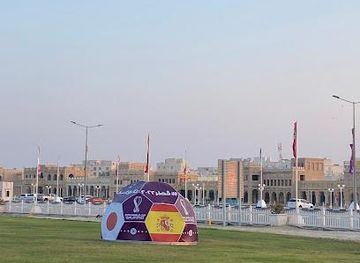
Al Khor Corniche in qatar
Explore the breathtaking Al Khor Corniche, a vibrant waterfront in Qatar perfect for relaxation, recreation, and enjoying stunning views of the Arabian Gulf.
7 min walk · 0.6 km from city centre
-
Park
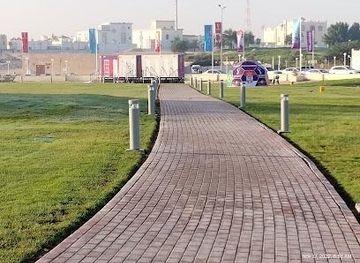
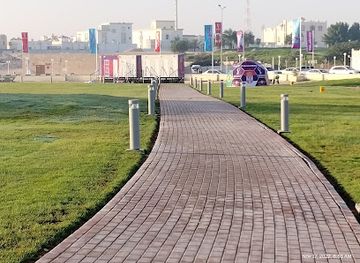
Corniche Al Khor Park
Explore the lush landscapes and scenic waterfront views at Corniche Al Khor Park, the perfect urban oasis in Al Khor, Qatar.
5 min drive · 1.7 km from city centre
-
Island
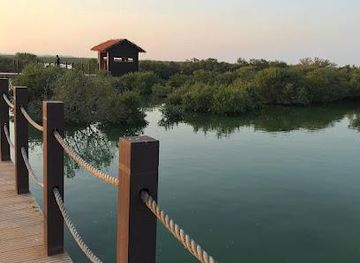
Purple Island
Explore the breathtaking beauty of Purple Island, Qatar's hidden treasure, where nature meets tranquility and adventure awaits.
10 min drive · 3.5 km from city centre
-
Park
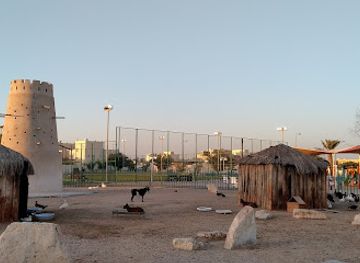
Al Tawasul Traditional Park
Discover the charm of Al Tawasul Traditional Park, a serene green escape in Al Khor blending nature with Qatari cultural heritage.
13 min walk · 1.0 km from city centre
Best landmarks in Al Khor
Al Khor’s landmarks tell the story of a maritime settlement adapting to contemporary Qatar. The harbour and Corniche are the town’s defining civic spaces, linking present-day public life with the fishing and pearling economy that once sustained local families. Al Bayt Stadium is the most prominent modern landmark: its tent-inspired silhouette recalls the bayt al sha'ar, a woven dwelling associated with the region’s nomadic heritage, while its scale reflects Qatar’s recent sporting development. The Al Khor area also contains mosque architecture, family parks and waterfront structures that express the town’s modern expansion rather than a preserved historic core. Beyond the built centre, the tidal landscapes of Al Thakhira and Purple Island function as environmental landmarks, revealing the shallow coastal habitats and archaeological setting that shaped settlement in northern Qatar.
-
Shopping mall
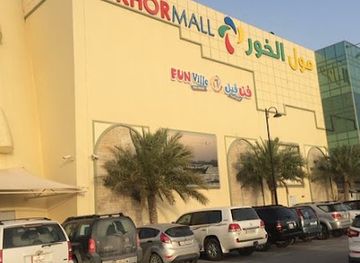
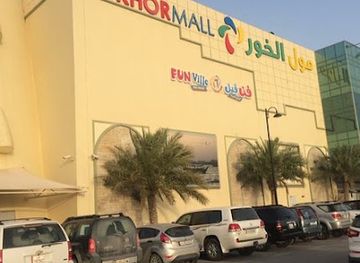
Al Khor Mall
Experience the diverse shopping and dining options at Al Khor Mall, a vibrant hub in Qatar offering a blend of local culture and modern retail.
5 min drive · 1.7 km from city centre
-
Beach pavillion
Al Khor Corniche
Explore the serene Al Khor Corniche, a coastal paradise in Qatar, perfect for relaxing walks, family outings, and breathtaking sunset views.
7 min walk · 0.6 km from city centre
-
Public beach
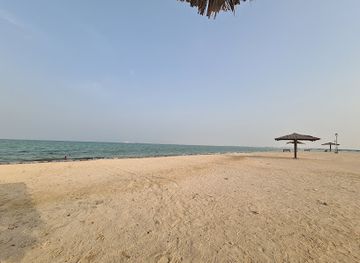
Al Ferkiah Beach
Discover the serene beauty of Al Ferkiah Beach, a public oasis in Qatar perfect for relaxation, picnics, and stunning sunset views.
7 min drive · 2.2 km from city centre
-
Park
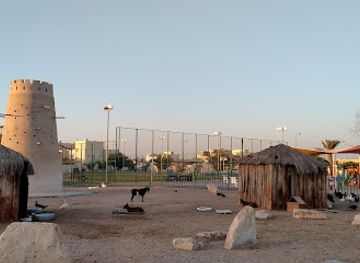
Al Tawasul Traditional Park
Unwind at Al Tawasul Traditional Park, a lush green oasis in Al Khor that celebrates Qatari culture amidst serene landscapes.
13 min walk · 1.0 km from city centre
Explore Al Khor on the map
Plan your Al Khor trip on one map. See where the top attractions, landmarks, restaurants, bars and hotels are, find what's near where you're staying, and book hotels and experiences in a few clicks.
Best hotels in Al Khor
Best restaurants in Al Khor
Al Khor’s dining scene is closely linked to the sea, with seafood restaurants and casual eateries reflecting the town’s long association with fishing and pearling. Grilled fish, prawns and other Gulf seafood sit alongside Qatari dishes such as machboos, in which spiced rice is served with meat or fish, and harees, a slow-cooked wheat and meat dish traditionally associated with festive meals. Cafés offer karak tea, Arabic coffee, pastries and light snacks, while South Asian and wider Middle Eastern cuisines reflect Qatar’s diverse resident communities. The harbour area and central commercial streets are useful places to look for informal meals, although the scene is less concentrated than in Doha. Dining tends to be relaxed and family-oriented, with takeaway counters and modest restaurants complementing hotel and modern café options.
-
Indian
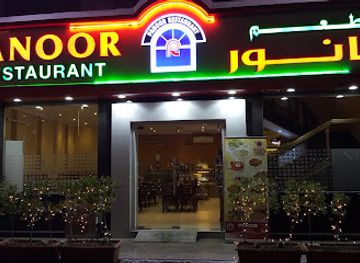
Panoor Restaurant
Discover authentic Indian flavors at Panoor Restaurant in Al Khor - a delightful dining experience awaits!
6 min drive · 2.0 km from city centre
-
Turkish
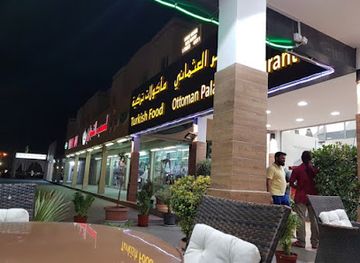
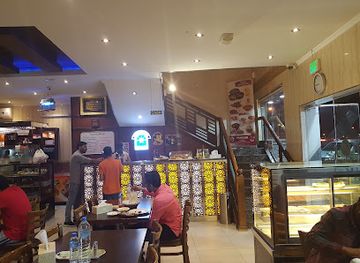
Ottoman Palace Restaurant
Experience the exquisite fusion of Turkish, Filipino, and Lebanese flavors at Ottoman Palace Restaurant in Al Khor.
6 min drive · 1.9 km from city centre
-
Turkish
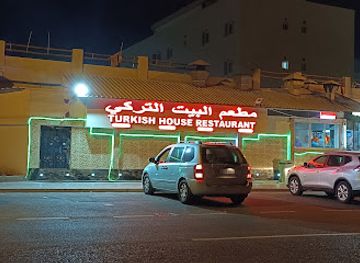
Turkish House Restaurant
Experience the rich flavors of Turkey at Al Khor's beloved dining gem - Turkish House Restaurant.
14 min walk · 1.2 km from city centre
-
Indian
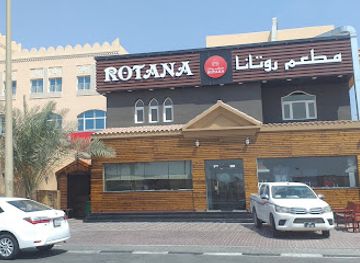
Rotana Restaurant
Experience the rich flavors of Indian, Chinese, and Filipino cuisines at Rotana Restaurant in Al Khor – A true culinary delight for every traveler.
6 min drive · 1.8 km from city centre
Best bars in Al Khor
Al Khor has a restrained evening scene rather than a concentrated nightlife district. After sunset, activity centres on the Corniche, family parks, cafés and restaurants, where residents gather for tea, conversation and late meals in the cooler air. Traditional entertainment is more likely to involve socialising, food and occasional cultural or sporting events than nightclubs. Alcohol is available only through licensed venues in Qatar, generally associated with eligible hotels and hospitality properties, and it is not permitted in public spaces. The town’s quieter character makes waterfront walks and café visits more typical evening activities than bar-hopping. Visitors seeking larger choices of live entertainment, hotel lounges or international nightlife will find a broader selection in Doha, while Al Khor offers a slower local rhythm after dark.
-
Indian
Panoor Restaurant
Experience the vibrant and authentic tastes of India at Panoor Restaurant, a culinary gem in Al Khor offering a wide range of delicious Indian dishes.
6 min drive · 2.0 km from city centre
-
Turkish
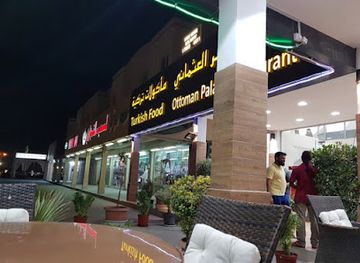
Ottoman Palace Restaurant
Experience the rich flavors of Turkish, Filipino, and Lebanese cuisine at Ottoman Palace Restaurant in Al Khor, a unique dining destination.
6 min drive · 1.9 km from city centre
-
Seafood
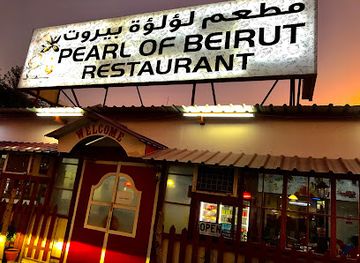
Pearl of Beirut Restaurant
Discover the vibrant flavors of the sea at Pearl of Beirut Restaurant, where fresh seafood meets stunning coastal views in Al Khor.
6 min drive · 1.9 km from city centre
-
Restaurant
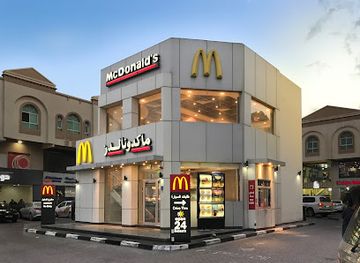
McDonald's Al Khor
Discover the comforting flavors of McDonald's Al Khor, offering a diverse menu of favorites and a welcoming atmosphere for all visitors.
6 min drive · 2.0 km from city centre
Best nightclubs in Al Khor
Al Khor has a restrained evening scene rather than a concentrated nightlife district. After sunset, activity centres on the Corniche, family parks, cafés and restaurants, where residents gather for tea, conversation and late meals in the cooler air. Traditional entertainment is more likely to involve socialising, food and occasional cultural or sporting events than nightclubs. Alcohol is available only through licensed venues in Qatar, generally associated with eligible hotels and hospitality properties, and it is not permitted in public spaces. The town’s quieter character makes waterfront walks and café visits more typical evening activities than bar-hopping. Visitors seeking larger choices of live entertainment, hotel lounges or international nightlife will find a broader selection in Doha, while Al Khor offers a slower local rhythm after dark.
-
Recreation center
Al Dhakhira Clubhouse
Discover leisure and community at Al Dhakhira Clubhouse, where sports, social events, and relaxation come together in a vibrant atmosphere.
11 min drive · 3.6 km from city centre
Best shops in Al Khor
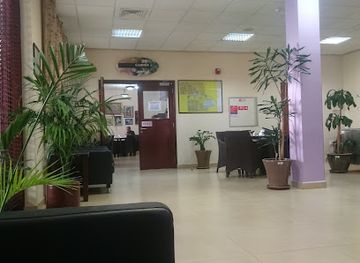
Shopping in Al Khor is practical and local in character, centred on everyday shops, supermarkets, small businesses and commercial streets rather than a major luxury retail district. The harbour and fish-market area offer the strongest connection with the town’s maritime identity, although visitors should treat such places as working environments and respect local activity. Food products, dates, spices, sweets, coffee and packaged Gulf specialities make useful reminders of Qatar, while larger modern retail facilities provide clothing, household goods and cafés. Traditional crafts and souvenirs are more widely curated in Doha than in Al Khor, but locally flavoured gifts can still be found through independent shops and seasonal stalls. Al Khor Mall and other contemporary retail spaces serve residents and families, complementing the more informal character of the waterfront and central neighbourhoods.
-
Shopping mall
Al Khor Mall
Discover Al Khor Mall: A vibrant shopping and entertainment hub in Al Khor, offering a variety of stores, dining, and fun for the whole family.
5 min drive · 1.7 km from city centre
-
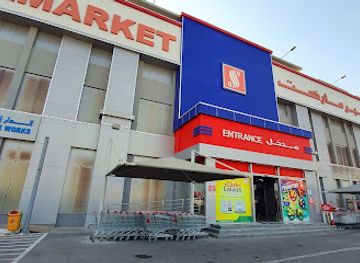
Hypermarket
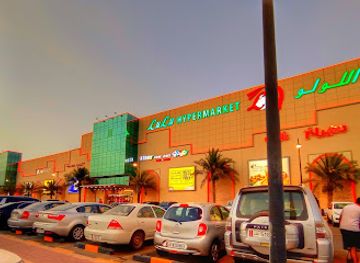
Lulu Hypermarket - Al Khor
Experience a world of shopping at Lulu Hypermarket Al Khor, where local culture meets global flavors in a vibrant market setting.
5 min drive · 1.8 km from city centre
-
Department store
Ansar Gallery- Al Khor
Experience the vibrant shopping atmosphere at Ansar Gallery - Al Khor, where diverse products meet local culture in an unforgettable retail adventure.
8 min drive · 2.5 km from city centre
-
Hypermarket
Safari Hypermarket
Experience the vibrant atmosphere of Safari Hypermarket in Al Khor, where shopping meets culture and culinary delights await.
6 min drive · 2.0 km from city centre
Get your free copy of our complete guide to Al Khor, delivered straight to you.
Everything on this page, from attractions and restaurants to essentials and local phrases, in one PDF you can read offline, print or share.
Already have an account? Sign in
Your Al Khor guide is ready.
We'll send it to · Not you? Sign out

Getting your guide ready…
We are putting together a fresh copy of the Al Khor guide. This can take up to a minute.
This can take a few moments. If your browser asks, choose Allow so the download can start. You'll find the guide in your Downloads folder.
Nothing happened? Download it again
Sorry, the guide is taking longer than usual. Please try again in a minute, or get it by email instead.
Al Khor essentials
Currency and Payment
Safety
Emergency Situations
Do's and Don'ts
Local Tips
From Eve
Local phrases worth knowing
You don't need to get them perfect. A few words go a long way, and locals appreciate the effort.
Basics
| English | Local | Say it |
|---|---|---|
| Hello | مرحبا | [marhaban] |
| Goodbye | وداعا | [wadaeana] |
| Yes | نعم | [naam] |
| No | لا | [laa] |
| Please/You're welcome | من فضلك/على الرحب والسعة | [min fadlik/ala arrahb wasaah] |
| Thank you | شكرا | [shukran] |
| Excuse me/Sorry | عذرا | [aadhraan] |
| How are you? | كيف حالك؟ | [kaifa halak?] |
| Fine. And you? | بخير. وأنت؟ | [bikhayr. waant?] |
| Do you speak English? | هل تتحدث الإنجليزية؟ | [hal tatahadath al'inglizia?] |
| I don't understand | أنا لا أفهم | [ana la afham] |
Eating & Drinking
| English | Local | Say it |
|---|---|---|
| I'd like to see the menu, please | أود أن أرى القائمة، من فضلك | [awad an ara alqaimah, min fadlik] |
| I don't eat meat | أنا لا آكل اللحوم | [ana la aakul allahum] |
| Cheers! | صحة | [saha] |
| I would like to pay, please | أود أن أدفع، من فضلك | [awad an adfaa, min fadlik] |
Emergencies
| English | Local | Say it |
|---|---|---|
| Help! | النجدة! | [alnajdah!] |
| Go away! | انصرف! | [ansarif!] |
| Call the Police! | اتصل بالشرطة! | [iatisil bialshurtah!] |
| Call a doctor! | اتصل بالطبيب! | [iatisil bialtabib!] |
| I'm lost | لقد ضللت الطريق | [laqad dalalt altariq] |
| I'm ill | أنا مريض | [ana mareed] |
Shopping
| English | Local | Say it |
|---|---|---|
| I'd like to buy... | أريد أن أشتري... | [urid an ashtari...] |
| I'm just looking | أنا فقط أتطلع | [ana faqat atatallaa] |
| How much is it? | كم سعره؟ | [kam siarah?] |
| That's too expensive | هذا غالي جدا | [hadha ghali jiddan] |
| Can you lower the price? | هل يمكنك خفض السعر؟ | [hal yumkinuk khafd alsira?] |
Time & Numbers
| English | Local | Say it |
|---|---|---|
| What time is it? | كم الساعة؟ | [kam alsaaah?] |
| It's one o'clock | الساعة الواحدة | [alsaaah alwaahidah] |
| Half past (10) | النصف بعد (10) | [alnussf baad (10)] |
| Morning | الصباح | [alsabah] |
| Afternoon | الظهر | [alzhuhr] |
| Evening | المساء | [almasaa] |
| Yesterday | أمس | [ams] |
| Today | اليوم | [alyawm] |
| Tomorrow | غدا | [ghadan] |
| 1 | واحد | [wahid] |
| 2 | اثنان | [ithnan] |
| 3 | ثلاثة | [thulatha] |
| 4 | أربعة | [arbaah] |
| 5 | خمسة | [khamsah] |
| 6 | ستة | [sittah] |
| 7 | سبعة | [sabaah] |
| 8 | ثمانية | [thamaania] |
| 9 | تسعة | [tisah] |
| 10 | عشرة | [asharah] |
Transport & Directions
| English | Local | Say it |
|---|---|---|
| Where's a/the...? | أين...؟ | [ayn...?] |
| What's the address? | ما هو العنوان؟ | [ma hu al'anaan?] |
| Can you show me (on the map)? | هل يمكنك أن تريني (على الخريطة)؟ | [hal yumkinuk an turayni (ala alkhareetah)?] |
| When's the next (bus)? | متى يكون الحافلة التالية؟ | [mata yakun alhafilat altaliat?] |
| A ticket (to ....) | تذكرة (إلى...) | [tazkirah (ila...)] |
History of Al Khor
A Settlement beside the Bay
Al Khor developed beside a sheltered inlet on Qatar’s north-eastern coast. Its name is associated with the Arabic word for a creek or bay, reflecting the geography that made the location useful for fishing, boat building and maritime travel. Like other coastal settlements on the peninsula, the town’s early growth was tied to access to the sea rather than to abundant inland resources. Families lived close to the shoreline, using shallow waters and nearby islands as fishing grounds. The bay also provided a natural setting for the exchange of goods between coastal communities. Although much of the historic fabric has been altered by modern development, the harbour and waterfront remain the clearest reminders of the environmental conditions that shaped Al Khor’s origins.
Pearling and Maritime Livelihoods
For centuries, pearling formed one of the most important economic activities along Qatar’s coast, and Al Khor was among the settlements whose households depended on the seasonal sea trade. Divers descended from wooden boats to collect oysters, while boat crews, merchants, sailmakers and shore-based workers supported the industry. Fishing and the preparation of seafood remained essential alongside pearling. The work was demanding and its rewards were uncertain, with income influenced by weather, ocean conditions and market demand. Pearls connected Al Khor to wider Gulf trading networks, linking the town with ports across the region. The harbour’s continued working character and the prominence of seafood in local cuisine preserve elements of this maritime inheritance.
Trade, Decline and Social Change
The pearling economy weakened sharply during the early twentieth century as cultured pearls transformed international markets, while economic hardship and regional disruption affected coastal communities. Al Khor, like many settlements in Qatar, experienced a period of reduced prosperity before the country’s oil revenues began to transform infrastructure and living standards. Roads, public services, schools and modern housing gradually changed the scale and appearance of the town. This period also brought stronger administrative links with Doha and the wider state. Traditional occupations did not disappear immediately, but they increasingly coexisted with government employment, construction, commerce and other sectors associated with Qatar’s rapid development.
Oil Wealth and Northern Expansion
Qatar’s oil and later natural-gas wealth accelerated national modernisation after the middle of the twentieth century. Al Khor gained improved roads, public facilities, parks and residential areas, becoming an important urban centre for the northern part of the country. Its proximity to the extensive gas-related development around Ras Laffan also connected the town to one of Qatar’s major industrial zones, although the industrial area is separate from the historic harbour and public waterfront. The expansion brought new communities and services while reshaping the relationship between the old coastal settlement and its wider hinterland. Modern Al Khor therefore combines a fishing town’s origins with the infrastructure of a rapidly urbanising Gulf state.
A Contemporary Coastal City
In the twenty-first century, Al Khor has gained renewed visibility through investment in public spaces, sport and regional tourism. Al Bayt Stadium, built for the 2022 FIFA World Cup, introduced an internationally recognisable architectural symbol inspired by the traditional tents of the region. At the same time, attention to Al Thakhira’s mangroves, coastal habitats and nearby Purple Island has encouraged interest in the environmental history of the northern shore. The city’s identity now rests on several overlapping layers: a pearling and fishing heritage, the transformations brought by oil and gas, and a contemporary interest in family recreation, sport and nature-based visits.
Al Khor in Photos
Browse through our photo collection highlighting the charm and character of the destination.
Cities near Al Khor
The closest cities to Al Khor, if you have time for more than one stop.
-

-

-

-

-


Swipe for more cities
Explore more

Explore more of Qatar
Discover Qatar, where modern marvels meet ancient traditions in a land of luxury, culture, and natural beauty.
Explore Qatar