

Free Al Wakrah Travel Guide & Mobile App
Plan your Al Wakrah trip with Evendo. Get free guides to top attractions, restaurants, hotels, and bars. Web access or download the mobile app.


Al Wakrah, Qatar, combines pearl-diving heritage, seaside souqs, family beaches and Al Janoub Stadium with easy access to Doha’s cultural attractions.
A Coastal Town Shaped by the Sea
Al Wakrah lies south of Doha on Qatar’s eastern coast, with a character rooted in fishing, pearling and maritime trade. Once a modest settlement of dhow crews and pearl divers, it has grown into a substantial urban centre while retaining a recognisable historic waterfront. The compact area around Souq Al Wakrah brings together restored traditional-style buildings, shaded lanes, small courtyards and restaurants facing the sea. Beyond the souq, broad residential districts and modern roads reflect the city’s rapid expansion during Qatar’s oil and gas era.Read more about Al Wakrah
Heritage, Sport and Public Spaces
Position within Qatar
When is the best time to visit Al Wakrah?
Best: December–February · 23–26°C| Month | High (°C) | Rainfall (mm) |
|---|---|---|
| January (best) | 23 | 12 |
| February (best) | 25 | 9 |
| March | 28 | 9 |
| April | 34 | 6 |
| May | 40 | 4 |
| June | 45 | 0 |
| July | 45 | 0 |
| August | 45 | 0 |
| September | 41 | 0 |
| October | 36 | 0 |
| November | 31 | 1 |
| December (best) | 26 | 7 |
Getting to and around Al Wakrah
How to get there
Transportation
Best attractions in Al Wakrah
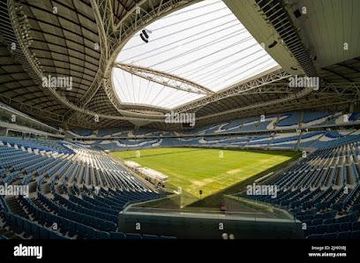
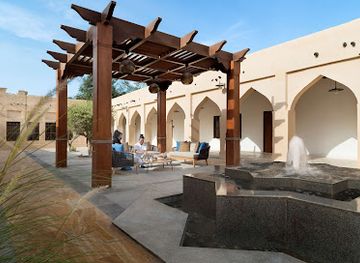
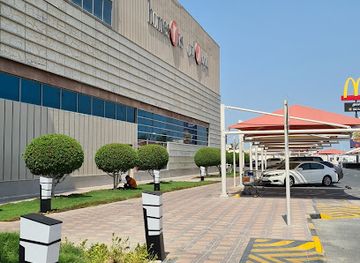
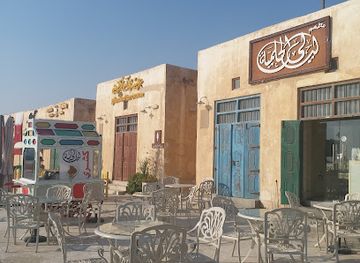
Souq Al Wakrah is the city’s principal visitor attraction, combining heritage-style lanes, courtyards, small shops and restaurants with a broad seafront promenade beside the old port. Traditional boats and coastal views give the area a strong maritime setting, while the nearby Al Wakrah Old Mosque provides a quieter point of historical interest. Al Janoub Stadium offers a striking contrast: its sweeping roof and curved profile reference the sails of Qatar’s traditional dhows, and the surrounding district illustrates the city’s modern expansion. Family-oriented beaches and landscaped public areas provide space for informal recreation, particularly during the cooler months. Visitors interested in contemporary shopping can also explore Ezdan Mall Al Wakrah, which serves the growing residential city. The attractions are spread across Al Wakrah rather than concentrated in one pedestrian centre, so a taxi or short drive usually links the waterfront, stadium and commercial districts more efficiently than walking between them.
-
Stadium
Al Janoub Stadium
Experience the breathtaking architecture and electrifying atmosphere of Al Janoub Stadium, a standout venue in Qatar's vibrant sports scene.
7 min drive · 2.4 km from city centre
-
Tourist attraction
Souq Wakra
Explore Souq Wakra, a vibrant marketplace in Al Wakrah offering a blend of traditional Qatari culture, delicious food, and stunning sea views for an unforgettable experience.
5 min drive · 1.6 km from city centre
-
Park
Al Ghasham Public Park
Discover tranquility at Al Ghasham Public Park in Al Wakrah, a perfect retreat for relaxation, picnics, and enjoying nature’s beauty.
12 min walk · 1.0 km from city centre
-
Park
Al Janoub Stadium Park
Discover the serene Al Janoub Stadium Park in Al Wukair, a perfect blend of nature and recreation for tourists seeking relaxation and outdoor fun.
8 min drive · 2.5 km from city centre


Best landmarks in Al Wakrah
Al Wakrah Old Mosque is one of the clearest reminders of the settlement’s religious and communal foundations, standing close to the historic waterfront and heritage quarter. Souq Al Wakrah’s traditional-style façades, narrow passages and courtyard forms create a modern landmark that evokes the town’s fishing and pearling past, while the adjacent old port preserves the visual relationship between the settlement and the sea. Farther inland, Al Janoub Stadium is Al Wakrah’s defining contemporary structure. Its flowing roof and shell-like silhouette were designed by Zaha Hadid Architects with references to the sails and forms of Qatari dhows, making the building a symbolic link between maritime history and present-day international sport. Together, these places express the city’s contrasting architectural identity: mosque, souq and port recall local traditions, while the stadium marks large-scale modern development.
-
Historical landmark
Al Wakrah Old Souq
Explore the vibrant Al Wakrah Old Souq, a historical landmark of Qatar filled with traditional crafts, delicious cuisine, and rich cultural heritage.
17 min walk · 1.4 km from city centre
-
Hotel
Souq Al Wakra Hotel Qatar by Tivoli
Discover the elegance and cultural richness of Souq Al Wakra Hotel Qatar by Tivoli, offering a luxurious stay in the heart of Al Wakrah Souq.
5 min drive · 1.6 km from city centre
-
Shopping mall
Ezdan Mall (Al Wakra)
Shop, dine, and enjoy at Ezdan Mall in Al Wakrah, the ultimate shopping destination for tourists with diverse offerings and entertainment.
15 min walk · 1.2 km from city centre
-
Marina
Al Wakrah Port
Explore the stunning Al Wakrah Port, a blend of traditional Qatari charm and modern marina amenities, perfect for a memorable tourist experience.
5 min drive · 1.7 km from city centre
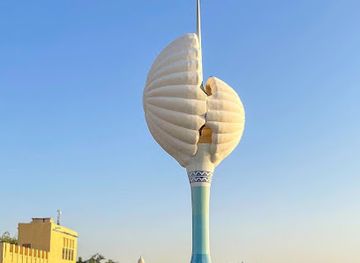
Explore Al Wakrah on the map
Plan your Al Wakrah trip on one map. See where the top attractions, landmarks, restaurants, bars and hotels are, find what's near where you're staying, and book hotels and experiences in a few clicks.
Best hotels in Al Wakrah
Best restaurants in Al Wakrah
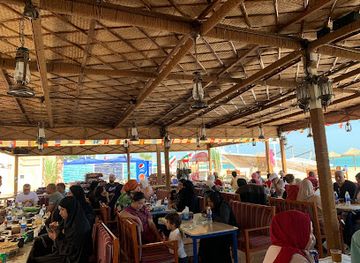
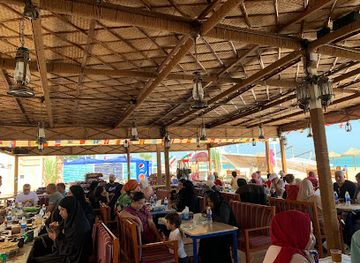
Al Wakrah’s food culture reflects its coastal origins and Qatar’s wider Gulf traditions. Around Souq Al Wakrah, restaurants occupy heritage-style buildings and the waterfront, with grilled fish, prawns and other seafood complementing Qatari and regional dishes such as machboos, a spiced rice preparation often served with fish or meat, and harees, a slow-cooked wheat and meat dish. Dates, Arabic coffee, flatbreads and grilled meats are common across the city, while South Asian, Arab and international cuisines reflect Qatar’s diverse population. The souq is the most atmospheric area for a leisurely meal, particularly in the evening, whereas malls and residential districts provide cafés, fast-casual restaurants and family dining. Traditional food is often shared, and portions and service styles vary considerably between casual eateries and more formal establishments.
-
Afghani
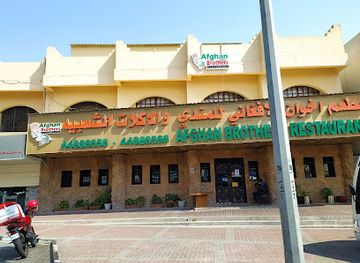
Afghan Brothers Restaurant
Experience authentic Afghani cuisine at Afghan Brothers Restaurant in Al Wakrah – a culinary gem offering rich flavors and warm hospitality.
18 min walk · 1.5 km from city centre
-
Restaurant
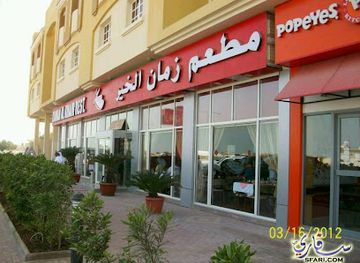
Zaman Al Khair Restaurant
Experience the essence of Qatari cuisine at Zaman Al Khair Restaurant in Al Wakrah – where tradition meets flavor.
7 min drive · 2.2 km from city centre
-
Seafood
Danat Al Bahar BBQ Fish
Experience the freshest seafood delights at Danat Al Bahar BBQ Fish in Al Wakrah's bustling souq, where tradition meets flavor.
16 min walk · 1.3 km from city centre
-
Yemenite
Al Fanar Restaurant
Savor the rich flavors of authentic Yemenite cuisine at Al Fanar Restaurant in Al Wakrah's vibrant Souq.
17 min walk · 1.3 km from city centre
Best bars in Al Wakrah
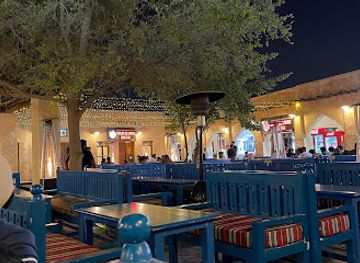
Al Wakrah has a comparatively restrained evening scene, centred on family promenades, cafés, restaurants and late walks around Souq Al Wakrah rather than dedicated nightclubs. The waterfront becomes the city’s main social setting after sunset, with outdoor seating and views towards the port creating an unhurried atmosphere. Qatar’s alcohol regulations mean that public drinking is not permitted and licensed alcohol venues are generally associated with approved hotels, making Al Wakrah very different from nightlife districts in many international cities. Evening entertainment is more likely to involve dining, coffee, dessert, shopping or a visit to a cultural or sporting event than clubbing. Visitors seeking a broader choice of live entertainment and licensed hotel venues usually look towards Doha, while Al Wakrah offers a quieter coastal night shaped by restaurants and public spaces.
-
Afghani
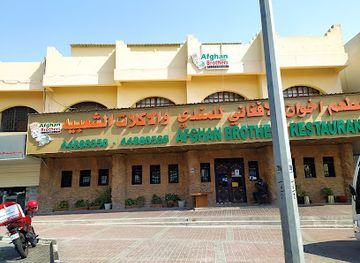
Afghan Brothers Restaurant
Experience the rich flavors of authentic Afghani cuisine at Afghan Brothers Restaurant in Al Wakrah, a culinary gem that delights every palate.
18 min walk · 1.5 km from city centre
-
Seafood
Danat Al Bahar BBQ Fish
Experience the ultimate seafood delight at Danat Al Bahar BBQ Fish, where fresh, grilled fish meets Qatari hospitality in Al Wakrah.
16 min walk · 1.3 km from city centre
-
Yemenite
Al Fanar Restaurant
Discover the authentic taste of Yemen at Al Fanar Restaurant in Al Wakrah, where every dish tells a story of rich culinary heritage.
17 min walk · 1.3 km from city centre
-
Seafood
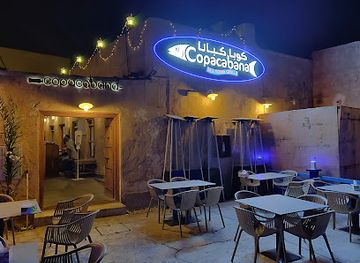
Copacabana
Discover the essence of Brazilian cuisine at Copacabana, a seafood haven in Al Wakrah that tantalizes your taste buds with every bite.
19 min walk · 1.5 km from city centre
Best nightclubs in Al Wakrah
Al Wakrah has a comparatively restrained evening scene, centred on family promenades, cafés, restaurants and late walks around Souq Al Wakrah rather than dedicated nightclubs. The waterfront becomes the city’s main social setting after sunset, with outdoor seating and views towards the port creating an unhurried atmosphere. Qatar’s alcohol regulations mean that public drinking is not permitted and licensed alcohol venues are generally associated with approved hotels, making Al Wakrah very different from nightlife districts in many international cities. Evening entertainment is more likely to involve dining, coffee, dessert, shopping or a visit to a cultural or sporting event than clubbing. Visitors seeking a broader choice of live entertainment and licensed hotel venues usually look towards Doha, while Al Wakrah offers a quieter coastal night shaped by restaurants and public spaces.
-
Sports club
Al Wakrah Sports Club
Discover the exhilarating world of sports at Al Wakrah Sports Club, where the passion for football and athleticism thrives in Qatar.
5 min drive · 1.6 km from city centre
-
Bar
Krossroads Wakrah
Experience the vibrant nightlife at Krossroads Wakrah, where exceptional drinks and lively ambiance create unforgettable moments in Al Wakrah.
15 min walk · 1.2 km from city centre
-
Lounge
Waves pool lounge
Discover the serene Waves Pool Lounge in Al Wakrah, where relaxation meets vibrant entertainment amidst stunning poolside views.
15 min walk · 1.2 km from city centre
-
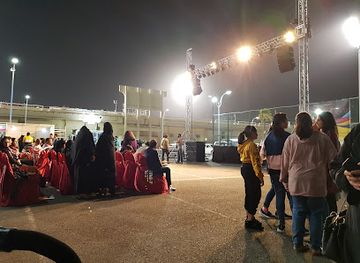
Event management company
Doha Clubs
Dive into the exhilarating nightlife of Doha Clubs in Al Wakrah, where every event is an unforgettable experience in Qatar's dynamic entertainment scene.
14 min walk · 1.1 km from city centre


Best shops in Al Wakrah
Shopping in Al Wakrah ranges from heritage-oriented retail around Souq Al Wakrah to contemporary malls serving the city’s expanding population. The souq’s small shops and market-style spaces offer traditional garments, perfumes, spices, dates, decorative objects and gifts, although stock and individual businesses change over time. Its appeal lies as much in the setting beside the waterfront as in the purchases themselves. For air-conditioned shopping, Ezdan Mall Al Wakrah provides fashion, services, cafés and everyday retail in a modern environment. Visitors interested in Qatari-inspired goods should look for textiles, incense, Arabic coffee accessories and locally presented food products, while remembering that many items in the market are imported rather than made in the city. Bargaining may be possible in some traditional retail settings, but it is not a universal expectation across Qatar’s shops and malls.
-
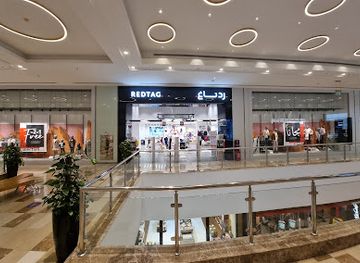
Shopping mall
Ezdan Mall (Al Wakra)
Discover unparalleled shopping and dining experiences at Ezdan Mall in Al Wakrah, where tradition meets modernity in a vibrant atmosphere.
15 min walk · 1.2 km from city centre
-
Supermarket
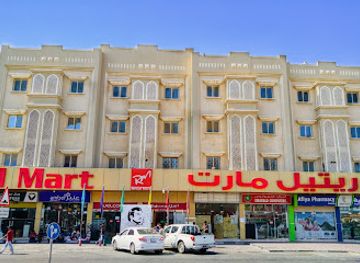
Retail Mart
Discover the perfect blend of local flavors and international products at Retail Mart in Al Wakrah, where shopping becomes an experience.
11 min walk · 0.9 km from city centre
-
Grocery store
سوق اغريشات
Discover the cultural heart of Al Wakrah at Souq Al Wakrah, where tradition meets vibrant local life and delicious cuisine.
18 min walk · 1.4 km from city centre
-
Hypermarket
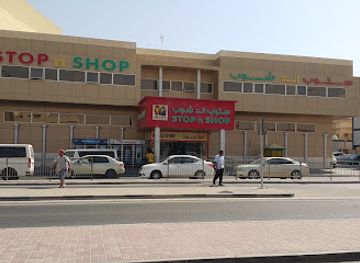
Stop and Shop
Discover the ultimate shopping experience at Stop and Shop, Al Wakrah's premier hypermarket and shopping destination, perfect for all your needs.
12 min walk · 0.9 km from city centre
Get your free copy of our complete guide to Al Wakrah, delivered straight to you.
Everything on this page, from attractions and restaurants to essentials and local phrases, in one PDF you can read offline, print or share.
Already have an account? Sign in
Your Al Wakrah guide is ready.
We'll send it to · Not you? Sign out

Getting your guide ready…
We are putting together a fresh copy of the Al Wakrah guide. This can take up to a minute.
This can take a few moments. If your browser asks, choose Allow so the download can start. You'll find the guide in your Downloads folder.
Nothing happened? Download it again
Sorry, the guide is taking longer than usual. Please try again in a minute, or get it by email instead.
Al Wakrah essentials
Currency and Payment
Safety
Emergency Situations
Do's and Don'ts
Local Tips
From Eve
Local phrases worth knowing
You don't need to get them perfect. A few words go a long way, and locals appreciate the effort.
Basics
| English | Local | Say it |
|---|---|---|
| Hello | مرحبا | [Marhaba] |
| Goodbye | وداعا | [Wadaa'an] |
| Yes | نعم | [Naam] |
| No | لا | [La] |
| Please/You're welcome | من فضلك | [Min fadlik] |
| Thank you | شكرا لك | [Shukran lak] |
| Excuse me/Sorry | عذرا | [Aadhran] |
| How are you? | كيف حالك؟ | [Kif halak?] |
| Fine. And you? | بخير. وأنت؟ | [Bikhayr. Wa anta?] |
| Do you speak English? | هل تتحدث الإنجليزية؟ | [Hal tatahadath al'inglizia?] |
| I don't understand | لا أفهم | [La afham] |
Eating & Drinking
| English | Local | Say it |
|---|---|---|
| I'd like to see the menu, please | أود أن أرى القائمة، من فضلك | [Oud 'an 'ara alqa'imah, min fadlik] |
| I don't eat meat | أنا لا آكل اللحم | [Ana la akul allahm] |
| Cheers! | في صحتك! | [Fi sahtak!] |
| I would like to pay, please | أود أن أدفع، من فضلك | [Oud 'an 'udfi', min fadlik] |
Emergencies
| English | Local | Say it |
|---|---|---|
| Help! | النجدة! | [Alnajdah!] |
| Go away! | انصرف! | [Ansarf!] |
| Call the Police! | اتصل بالشرطة! | [Itasl bialshurta!] |
| Call a doctor! | اتصل بالطبيب! | [Itasl bialtabib!] |
| I'm lost | لقد ضاعت الطريق | [Laqad da'at altariq] |
| I'm ill | أنا مريض | [Ana mareed] |
Shopping
| English | Local | Say it |
|---|---|---|
| I'd like to buy... | أريد شراء... | [Uriid shira...] |
| I'm just looking | أنا فقط أتفرج | [Ana faqat 'atafarij] |
| How much is it? | كم سعره؟ | [Kam siroh?] |
| That's too expensive | هذا غالي جدا | [Hatha ghali jiddan] |
| Can you lower the price? | هل يمكنك خفض السعر؟ | [Hal yumkinuk khifd alsir?] |
Time & Numbers
| English | Local | Say it |
|---|---|---|
| What time is it? | كم الساعة؟ | [Kam alssaa'ah?] |
| It's one o'clock | الساعة الواحدة | [Alssaa'ah alwahidah] |
| Half past (10) | نصف (عشرة) | [Nisf (easharah)] |
| Morning | صباح | [Sabah] |
| Afternoon | بعد الظهر | [Ba'd aldhuhur] |
| Evening | مساء | [Masaa] |
| Yesterday | أمس | [Ams] |
| Today | اليوم | [Alyawm] |
| Tomorrow | غدا | [Ghadan] |
| 1 | واحد | [Wahid] |
| 2 | اثنين | [Ithnayn] |
| 3 | ثلاثة | [Thalathah] |
| 4 | أربعة | [Arba'ah] |
| 5 | خمسة | [Khamsah] |
| 6 | ستة | [Sittah] |
| 7 | سبعة | [Sab'ah] |
| 8 | ثمانية | [Thamaniah] |
| 9 | تسعة | [Tis'ah] |
| 10 | عشرة | [Easharah] |
Transport & Directions
| English | Local | Say it |
|---|---|---|
| Where's a/the...? | أين ال... | [Ayna al...] |
| What's the address? | ما هو العنوان؟ | [Ma hu al'anaan?] |
| Can you show me (on the map)? | هل يمكنك أن تريني (على الخريطة)؟ | [Hal yumkinuk 'an tareeni (ealaa alkhariitah)?] |
| When's the next (bus)? | متى يأتي الحافلة القادمة؟ | [Mata yaati alhaafilah alqaadimah?] |
| A ticket (to ....) | تذكرة (إلى ...) | [Tadhkirah (iilaa ...)] |
History of Al Wakrah
A Settlement of Fishers and Pearl Divers
Al Wakrah developed as a coastal settlement on Qatar’s eastern shore, supported by fishing, pearling and small-scale maritime commerce. Before the discovery of oil transformed the peninsula, communities along this coast depended heavily on the sea for food, income and contact with neighbouring ports. Wooden dhows carried divers and sailors into the Gulf, while the shoreline provided landing places for catches and pearl harvests. The town’s traditional mosque, domestic buildings and waterfront layout reflect this maritime economy, even though much of the historic fabric has been altered or reconstructed. Al Wakrah’s identity was therefore shaped less by monumental political power than by the daily work of seafarers, merchants and families whose livelihoods depended on seasonal conditions in the Gulf.
Pearling and Gulf Commerce
During the nineteenth and early twentieth centuries, pearling formed one of the most important economic foundations of Qatar’s coastal communities, including Al Wakrah. Divers, boat owners, traders and shore-based workers participated in an economy that connected Qatar with ports across the Gulf. The trade was demanding and vulnerable to debt, weather and fluctuating prices, while social life followed the movements of the pearling season. Al Wakrah’s port served local maritime activity and helped sustain the settlement’s links with the wider Gulf world. The collapse of the natural pearl trade in the early twentieth century, intensified by the spread of cultured pearls and wider economic pressures, weakened this traditional system and encouraged communities to seek new forms of work.
Oil, Gas and Urban Transformation
The development of Qatar’s oil industry from the mid-twentieth century, followed later by the expansion of natural-gas production, changed Al Wakrah’s economic and physical character. Employment, public investment and improved infrastructure drew people towards expanding urban centres, while roads, utilities, schools and modern housing gradually altered the historic settlement. Fishing remained part of the city’s identity, but it no longer defined the local economy as completely as it had during the pearling era. Traditional waterfront structures and older residential forms survived alongside planned neighbourhoods and commercial development. This transition explains the contrast visible today between the low-rise heritage quarter and the broad urban districts that now connect Al Wakrah to Doha and southern Qatar.
Preserving the Historic Waterfront
As Al Wakrah expanded, attention turned towards retaining visible reminders of its coastal past. The area around Souq Al Wakrah was developed as a heritage-oriented waterfront with traditional-style buildings, lanes, courtyards and restaurants arranged near the old port. Although the present souq is a modern reconstruction rather than an untouched historic quarter, it presents the forms and atmosphere associated with the town’s maritime history. The old mosque and surviving heritage references add religious and social context to the waterfront setting. This preservation approach reflects a broader effort in Qatar to maintain local architectural memory while providing public spaces suited to contemporary urban life.
Al Janoub Stadium and a Global Moment
Al Wakrah entered a new phase of international visibility through Al Janoub Stadium, inaugurated in 2019 as a venue for the 2022 FIFA World Cup. Designed by Zaha Hadid Architects with Patrik Schumacher, the building draws inspiration from the sails and hulls of traditional Qatari dhows, linking a contemporary sporting project to the city’s seafaring history. Its construction formed part of the wider infrastructure and urban investment associated with hosting the tournament. The stadium now stands as a major modern landmark in Al Wakrah, representing the city’s transformation from a pearling and fishing settlement into a connected urban centre while preserving a visual connection with its coastal origins.
Al Wakrah in Photos
Browse through our photo collection highlighting the charm and character of the destination.
Cities near Al Wakrah
The closest cities to Al Wakrah, if you have time for more than one stop.
-

-

-

-

-


Swipe for more cities
Explore more

Explore more of Qatar
Discover Qatar, where modern marvels meet ancient traditions in a land of luxury, culture, and natural beauty.
Explore Qatar