

Katara Cultural Village Travel Guide - Free Web & App
Your ultimate guide to Katara Cultural Village. Discover top landmarks, proposed trips, and local tips. Free on the web or via the Evendo companion app.


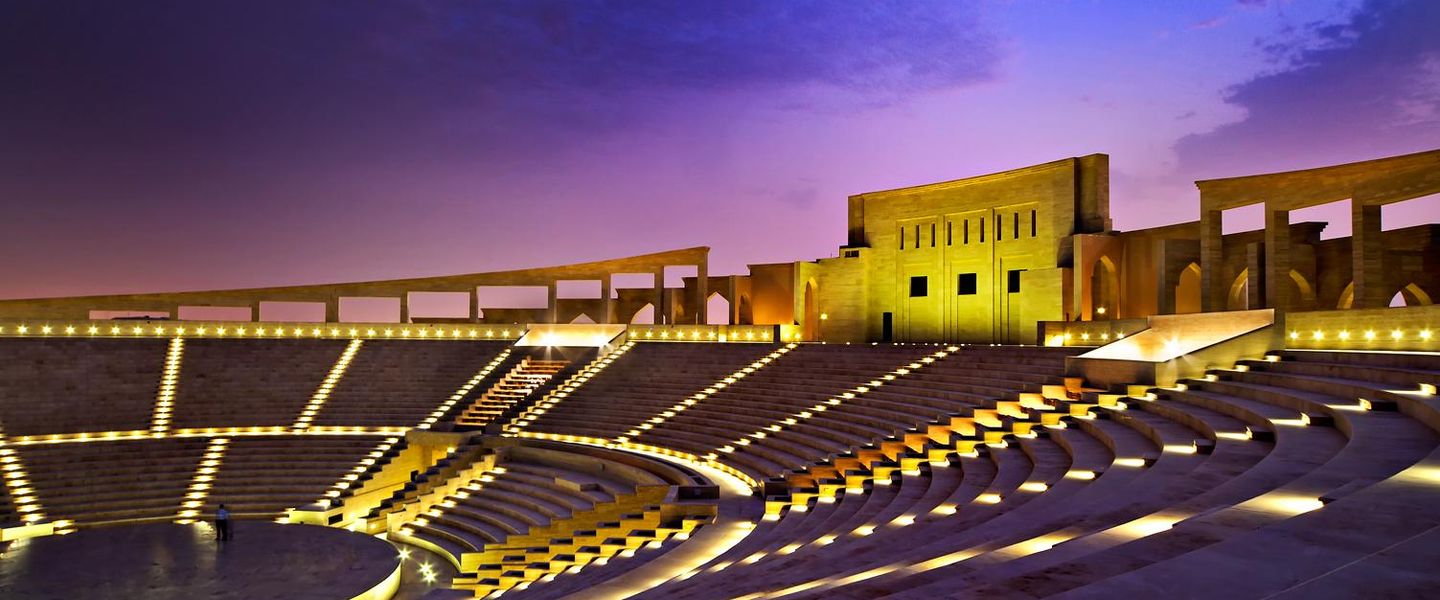


Katara Cultural Village in Qatar brings together art galleries, theatres, mosques, beaches, dining and festivals on Doha’s eastern waterfront for curious travellers.
A Cultural District by the Gulf
Katara Cultural Village occupies a broad waterfront site between West Bay and The Pearl-Qatar on Doha’s eastern coast. Conceived as a meeting place for art, heritage and international cultural exchange, it combines galleries, performance spaces, mosques, restaurants, public courtyards and a long sandy beach within a walkable urban setting. Its architecture draws on traditional Qatari forms while accommodating exhibitions, concerts, festivals and educational events throughout the year.Read more about Katara Cultural Village
Architecture, Performance and Heritage
Exploring Katara
When is the best time to visit Katara Cultural Village?
Best: December–February · 28–30°C| Month | High (°C) | Rainfall (mm) |
|---|---|---|
| January (best) | 28 | 10 |
| February (best) | 29 | 12 |
| March | 31 | 8 |
| April | 37 | 3 |
| May | 42 | 0 |
| June | 45 | 0 |
| July | 46 | 0 |
| August | 45 | 0 |
| September | 42 | 0 |
| October | 38 | 0 |
| November | 34 | 1 |
| December (best) | 30 | 6 |
Getting to and around Katara Cultural Village
How to get there
Transportation
Best attractions in Katara Cultural Village
Katara Cultural Village’s attractions are concentrated within a thoughtfully planned waterfront district rather than scattered across a natural landscape. The Katara Amphitheatre is the principal architectural draw, combining a classical theatre form with Gulf setting and hosting performances when programmed. The ornate Katara Mosque and Golden Mosque provide striking examples of contemporary religious architecture, while the pigeon towers and decorated public buildings add distinctive visual detail. Art galleries and cultural institutions introduce exhibitions, music and educational activity, with programmes changing throughout the year. Katara Beach offers a separate seaside experience, subject to local access arrangements and applicable charges or activity rules. Visitors can also explore courtyards, sculptures, promenades and views across Doha Bay, then continue towards nearby West Bay or The Pearl-Qatar outside the cultural village itself. The appeal lies in combining architecture, performance, visual art, public space and the Gulf shoreline within one urban cultural quarter.
-
 Beach
BeachKatara Beach
Discover the beauty of Katara Beach in Doha, where golden sands meet rich cultural experiences for an unforgettable getaway.
-
Beach
Katara Beach
Experience the beauty and tranquility of Katara Beach in Doha, where golden sands meet azure waters, offering relaxation and adventure for all.
-
Tourist attraction
Katara Multi-Purpose Hall
Discover the vibrant cultural scene at the Katara Multi-Purpose Hall, where art, performance, and stunning coastal views converge in Doha.
-
Tourist attraction
Al Legtaifiya Park
Discover the beauty and tranquility of Al Legtaifiya Park, a stunning green space in Doha perfect for relaxation, recreation, and family fun.


Best landmarks in Katara Cultural Village
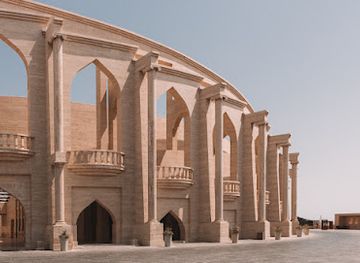
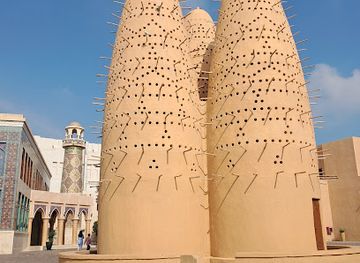
Katara’s most important landmarks are contemporary cultural and architectural features rather than archaeological remains. The Katara Amphitheatre forms the visual centre of the district, its stepped stone seating and monumental stage opening towards the sky and surrounding buildings. The Katara Mosque is recognised for its elaborate patterned tilework, while the Golden Mosque adds another highly decorative religious structure to the complex; both should be approached with appropriate dress and respect. Pigeon towers recall a traditional Gulf architectural element, even though the surrounding district is modern. Katara Beach establishes the village’s relationship with Doha Bay, and the waterfront promenade provides views across the coastal urban landscape. Together, these landmarks express Qatar’s effort to present heritage, Islamic architectural references and contemporary cultural production within a purpose-built public setting.
-
Tourist attraction
Katara Multi-Purpose Hall
Explore the Katara Multi-Purpose Hall in Doha, where art, culture, and community converge in a stunning architectural masterpiece.
-
Tourist attraction
Katara Mosque
Discover the architectural beauty and spiritual tranquility of Katara Mosque in Doha, a must-visit cultural landmark for every traveler.
-
Hotel
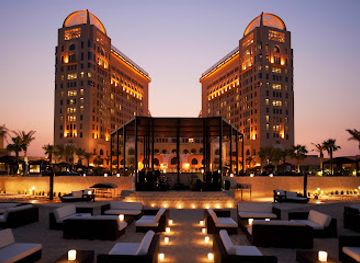
The Chedi Katara Hotel & Resort - a GHM hotel
Experience unparalleled luxury and cultural richness at The Chedi Katara Hotel & Resort in Doha, where modern elegance meets tradition.
-
Diner
Khan Farouk Tarab Cafe
Experience the vibrant flavors of Egypt at Khan Farouk Tarab Cafe in Doha, where every meal is a delightful journey into authentic cuisine.

Explore Katara Cultural Village on the map
Plan your trip on one map. See where the top attractions, landmarks, restaurants and hotels are, and book hotels and experiences in a few clicks.
Best hotels in Katara Cultural Village
Best restaurants in Katara Cultural Village
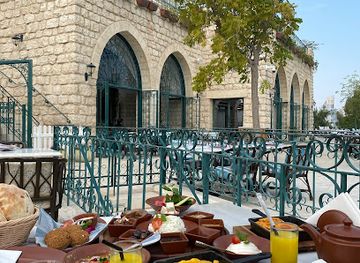
Katara provides a more varied dining setting than many cultural attractions in Doha, with restaurants and cafés distributed around its courtyards and waterfront areas. The choice reflects Qatar’s international population and Gulf location, with menus ranging from regional Arabic and Qatari influences to wider Middle Eastern and international cuisines. Visitors may find coffee, desserts, casual meals and more formal dining, although individual venues and their opening arrangements can change. The district is also a useful place to experience the relationship between food, hospitality and public space in contemporary Doha, particularly around the promenade and evening cultural programmes. For a broader selection of everyday Qatari dishes, markets and restaurants, visitors can continue into Doha’s established neighbourhoods; Katara itself is better understood as a curated cultural and leisure dining setting than as a traditional food quarter.
-
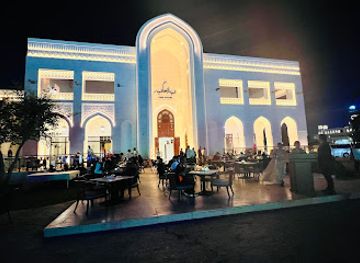
Restaurant
Bayt El Talleh Restaurant
Experience authentic Middle Eastern cuisine with stunning views at Bayt El Talleh Restaurant in Doha's Katara Cultural Village.
-
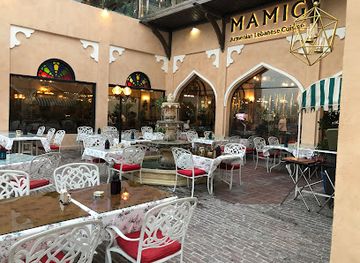
Armenian
Mamig Armenian & Lebanese Restaurant
Experience authentic Armenian and Lebanese cuisine at Mamig Restaurant in Doha's Katara Cultural Village—where flavors meet tradition.
-
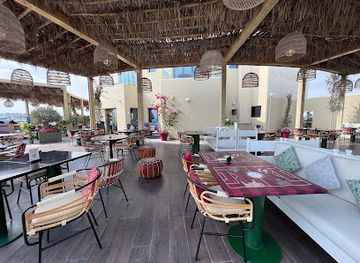
Restaurant
Feeh Al'Aafia - فيه العافية
Discover exquisite Middle Eastern flavors at Feeh Al'Aafia in Doha's cultural hub.
-
Restaurant
Boho Social
Discover Boho Social: Doha's premier destination for fresh salads and unique desserts in a vibrant cultural setting.
Best bars in Katara Cultural Village
Katara is not a nightclub district and its evening character is shaped more by cultural programming, restaurants, cafés and waterfront walks than by late-night entertainment. Concerts, theatrical performances, festivals and special events can bring considerable activity after sunset, but schedules vary and should be checked through official channels. Qatar’s licensing regulations also mean that nightlife is not comparable with many international resort destinations; alcohol service, where legally available, is restricted to authorised venues rather than forming the identity of the cultural village. Visitors seeking a quieter evening can enjoy illuminated architecture, open-air spaces and dining, while larger entertainment choices are generally found in Doha’s hotels and other commercial districts outside Katara. The atmosphere remains family-oriented and culturally focused rather than centred on bars or clubs.
-
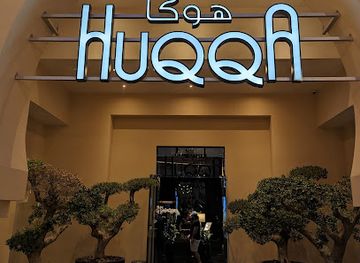
Hookah bar
Huqqa Qatar
Experience luxury dining and premium hookah at Huqqa Qatar, a vibrant hub of Middle Eastern culture in the heart of Doha.
-
Pub
Belgian Café Doha
Experience the best of Belgian cuisine and a lively pub atmosphere at Belgian Café Doha, where great food meets good company.
-
Restaurant
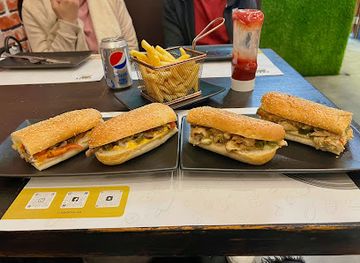
Crazy Bites كريزي بايتس
Discover delicious street food at Crazy Bites in Katara Cultural Village, where culinary delights meet vibrant cultural experiences in Doha.
-
Bar
Oyster Bay Restaurant
Discover the exquisite flavors and serene ambiance of Oyster Bay Restaurant in Doha, perfect for a luxurious dining experience by the pool.

Best shops in Katara Cultural Village
Shopping at Katara is limited and cultural in character rather than comparable with Doha’s major malls or traditional souqs. Visitors may encounter art, books, cultural merchandise, crafts and food-related products through galleries, exhibitions, event stalls or specialist outlets, but the exact offer depends on the current programme. The district’s public spaces and institutions are better suited to browsing and discovering cultural work than to a dedicated shopping itinerary. For a much broader range of Qatari handicrafts, textiles, perfumes, spices and souvenirs, Doha’s Souq Waqif and modern shopping centres are more established options outside Katara. Travellers should distinguish temporary festival markets and exhibition sales from permanent retail facilities, as event-based shopping may not be available on every visit.
-
Cultural association
Katara Cultural Village
Experience the fusion of art, culture, and heritage at Katara Cultural Village, Doha's vibrant cultural hub.
-
Shopping mall
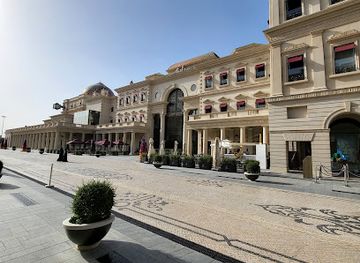
Katara Plaza
Experience the best of luxury shopping, exquisite dining, and cultural events at Katara Plaza, a premier destination in Doha.
-
Department store
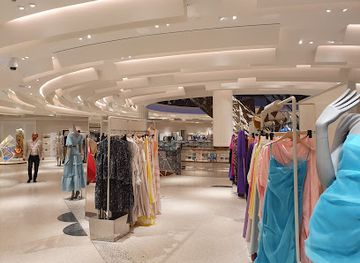
Galeries Lafayette
Explore Galeries Lafayette in Doha, an upscale department store offering luxury brands, gourmet foods, and a unique shopping experience at Katara.
-
Store
Snan Food Hall
Experience the flavors of Doha at Snan Food Hall, where culinary diversity meets vibrant atmosphere, perfect for food lovers and adventurers alike.


Get your free copy of our complete guide to Katara Cultural Village, delivered straight to you.
Everything on this page, from attractions and restaurants to essentials and local phrases, in one PDF you can read offline, print or share.
Already have an account? Sign in
Your Katara Cultural Village guide is ready.
We'll send it to · Not you? Sign out

Getting your guide ready…
We are putting together a fresh copy of the Katara Cultural Village guide. This can take up to a minute.
This can take a few moments. If your browser asks, choose Allow so the download can start. You'll find the guide in your Downloads folder.
Nothing happened? Download it again
Sorry, the guide is taking longer than usual. Please try again in a minute, or get it by email instead.
Katara Cultural Village essentials
Currency and Payment
Safety
Emergency Situations
Do's and Don'ts
Local Tips
From Eve
Local phrases worth knowing
You don't need to get them perfect. A few words go a long way, and locals appreciate the effort.
Basics
| English | Local | Say it |
|---|---|---|
| Hello | مرحبا | [Marhaba] |
| Goodbye | وداعا | [Wada'an] |
| Yes | نعم | [Na'am] |
| No | لا | [La] |
| Please/You're welcome | من فضلك / على الرحب والسعة | [Min fadlik / 'ala al-rahb wasi'a] |
| Thank you | شكرا لك | [Shukran lak] |
| Excuse me/Sorry | عذرا | [A'ithran] |
| How are you? | كيف حالك؟ | [Kayf halak?] |
| Fine. And you? | بخير. وأنت؟ | [Bikhayr. Wa ant?] |
| Do you speak English? | هل تتحدث الإنجليزية؟ | [Hal tatahadath al-Injlizia?] |
| I don't understand | أنا لا أفهم | [Ana la afham] |
Eating & Drinking
| English | Local | Say it |
|---|---|---|
| I'd like to see the menu, please | أريد أن أرى القائمة، من فضلك | [Uriid an ara al-qaimah, min fadlik] |
| I don't eat meat | أنا لا آكل اللحم | [Ana la aakol al-lahm] |
| Cheers! | في صحتك! | [Fi sahtak!] |
| I would like to pay, please | أريد أن أدفع، من فضلك | [Uriid an adfa', min fadlik] |
Emergencies
| English | Local | Say it |
|---|---|---|
| Help! | النجدة! | [Al-najdah!] |
| Go away! | انصرف! | [Ansarf!] |
| Call the Police! | اتصل بالشرطة! | [Itsal bialshurta!] |
| Call a doctor! | اتصل بالطبيب! | [Itsal bialtabib!] |
| I'm lost | أنا ضائع | [Ana dae'] |
| I'm ill | أنا مريض | [Ana mareed] |
Shopping
| English | Local | Say it |
|---|---|---|
| I'd like to buy... | أود أن أشتري... | [Oud an ashtari...] |
| I'm just looking | أنا فقط أتطلع | [Ana faqat atatla'] |
| How much is it? | كم سعره؟ | [Kam sa'ruh?] |
| That's too expensive | هذا غالي جدا | [Hatha ghali jiddan] |
| Can you lower the price? | هل يمكنك تخفيض السعر؟ | [Hal yumkinuk takhfid al-sa'ur?] |
Time & Numbers
| English | Local | Say it |
|---|---|---|
| What time is it? | كم الساعة؟ | [Kam al-sa'ah?] |
| It's one o'clock | الواحدة | [Al-wahidah] |
| Half past (10) | العاشرة والنصف | [Al-ashirah wal-nisf] |
| Morning | صباح | [Sabah] |
| Afternoon | مساء | [Masa'] |
| Evening | مساء | [Masa'] |
| Yesterday | أمس | [Ams] |
| Today | اليوم | [Al-yawm] |
| Tomorrow | غدا | [Ghadan] |
| 1 | واحد | [Wahid] |
| 2 | اثنان | [Ithnan] |
| 3 | ثلاثة | [Thalatha] |
| 4 | أربعة | [Arba'a] |
| 5 | خمسة | [Khamsa] |
| 6 | ستة | [Sitta] |
| 7 | سبعة | [Sab'a] |
| 8 | ثمانية | [Thamaniya] |
| 9 | تسعة | [Tisa'a] |
| 10 | عشرة | [Ashara] |
Transport & Directions
| English | Local | Say it |
|---|---|---|
| Where's a/the...? | أين...؟ | [Ayna...?] |
| What's the address? | ما هو العنوان؟ | [Ma huwa al-uniwan?] |
| Can you show me (on the map)? | هل يمكنك أن تريني (على الخريطة)؟ | [Hal yumkinuk an tarini (ala al-kharitah)?] |
| When's the next (bus)? | متى الحافلة القادمة؟ | [Mata al-hafila al-qadimah?] |
| A ticket (to ....) | تذكرة (إلى...) | [Tazkirah (ila...)] |
History of Katara Cultural Village
A Name with Ancient Associations
The name Katara is connected with historical spellings of Qatar. Classical geographical sources used forms resembling Catara or Katara when referring to the peninsula or wider Gulf setting, although the precise development of the name remains a subject for historical and linguistic study. The modern cultural district uses this association to frame contemporary artistic activity within Qatar’s long relationship with the sea, regional exchange and cultural identity. Katara Cultural Village is therefore not an ancient settlement preserved in place, but a modern institution that deliberately draws on national and regional heritage.
The Foundation and Its Cultural Mission
Katara Cultural Village was developed in Doha as a major cultural and arts destination and opened to the public in 2010. Its creation formed part of Qatar’s broader investment in museums, performance, education and international cultural exchange during a period of rapid urban development. Rather than reproducing one historical quarter, the project brought together architectural references from Qatar and the wider Islamic world with contemporary galleries, theatres and public spaces. The result was intended to provide a venue for local, regional and international artists while making culture a visible part of Doha’s expanding waterfront.
Architecture as Cultural Interpretation
Katara’s buildings and public spaces were designed to evoke aspects of Qatari and regional architectural heritage without functioning as a single preserved historic ensemble. The Katara Mosque, Golden Mosque, pigeon towers and other structures use ornament, colour, courtyards and traditional visual motifs to create a distinctive cultural setting. The Katara Amphitheatre adds another layer, adapting the form of a classical Greek theatre to an open-air Gulf environment. Together, these buildings reflect a modern interpretation of heritage: historical references are presented as settings for present-day performance, worship, education and public life.
A Contemporary Cultural Platform
Since its opening, Katara has become associated with exhibitions, theatre, music, festivals, workshops and public celebrations, complementing Doha’s larger museum and arts institutions. Its programme has included events connected with national culture as well as international artistic exchange, and the district has provided a setting for organisations such as the Qatar Philharmonic Orchestra and Qatar Music Academy. This cultural role continues to evolve alongside Doha’s urban waterfront. Visitor experience is consequently shaped not only by the permanent architecture but also by changing exhibitions, performances, seasonal festivals and educational programmes.
Katara Cultural Village in Photos
Browse through our photo collection highlighting the charm and character of the destination.
Neighbouring destination travel guides
The closest destinations to Katara Cultural Village, if you have time for more than one.
-

-

-

-

-


Swipe for more destinations
Explore more

Explore more of Qatar
Discover Qatar, where modern marvels meet ancient traditions in a land of luxury, culture, and natural beauty.
Explore Qatar