

Free Neves Travel Guide & Mobile App
Plan your Neves trip with Evendo. Get free guides to top attractions, restaurants, hotels, and bars. Web access or download the mobile app.


Neves, São Tomé and Príncipe, offers volcanic coastlines, plantation heritage, Atlantic views and a quieter base for exploring the island’s west.
A Coastal Town in Lembá
Neves lies on the western coast of São Tomé Island, in the Lembá district, where steep volcanic landscapes descend towards the Gulf of Guinea. Smaller and quieter than the capital, São Tomé, it is a working coastal town shaped by fishing, local commerce, port activity and the roads that connect the island’s north-western settlements. The shoreline combines dark volcanic rock, open ocean views and pockets of beach, while dense tropical vegetation rises inland towards the island’s mountainous interior.Read more about Neves
Plantations, Industry and Island Life
Exploring the Western Coast
When is the best time to visit Neves?
Best: January–March · 30°C| Month | High (°C) | Rainfall (mm) |
|---|---|---|
| January (best) | 30 | 124 |
| February (best) | 30 | 133 |
| March (best) | 30 | 143 |
| April | 30 | 151 |
| May | 30 | 161 |
| June | 30 | 170 |
| July | 29 | 179 |
| August | 29 | 188 |
| September | 30 | 197 |
| October | 30 | 205 |
| November | 30 | 214 |
| December | 30 | 223 |
Getting to and around Neves
How to get there
Transportation
Best attractions in Neves
Neves offers a quieter kind of sightseeing, centred on its working waterfront, Atlantic setting and access to São Tomé’s western landscapes. The town’s harbour area reveals the practical rhythm of a coastal community, with fishing activity, local commerce and views across the Gulf of Guinea. Inland and along the surrounding roads, former roças and plantation buildings provide atmospheric reminders of the island’s cocoa economy, although many are partly ruined or on private land and should be viewed respectfully. The steep, forested backdrop makes even ordinary journeys scenic, especially towards Ponta Figo and the northern coast. South of Neves, the volcanic blowhole at Boca de Inferno demonstrates the force of the Atlantic against the island’s lava-built shoreline, while the road towards Lagoa Azul opens onto a different coastal landscape farther north. Small churches, village streets and informal markets add a human dimension to exploration, though Neves has fewer formal museums and ticketed attractions than São Tomé city.
-
Scenic spot
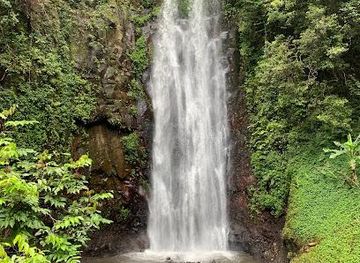
Saint Nicholas Waterfall
Experience the serene beauty of Saint Nicholas Waterfall in Monte Café, a breathtaking natural wonder surrounded by lush tropical landscapes.
32 min drive · 12 km from city centre
-
Museum
Museu Do Cafe
Explore the Museu Do Cafe in Monte Café, where coffee's rich history and cultural significance come to life through engaging exhibits and tastings.
32 min drive · 12 km from city centre
-
Botanical garden
Jardim Botânico do Bom Sucesso
Discover the beauty and tranquility of Jardim Botânico do Bom Sucesso, a botanical garden in Milagrosa showcasing diverse plant species and serene landscapes.
30 min drive · 10 km from city centre
-
Museum
São Sebastião Museum
Discover the maritime heritage and rich cultural history of São Tomé at the iconic São Sebastião Museum, housed in a historic 16th-century fort.
41 min drive · 21 km from city centre


Best landmarks in Neves
Neves’s most significant landmarks are connected to its role as a coastal settlement and to the wider plantation history of São Tomé. The waterfront and harbour express the town’s continuing relationship with fishing, shipping and national infrastructure, while the local church of Nossa Senhora da Conceição reflects the Catholic heritage established during Portuguese rule. Around the town and in the wider Lembá district, former roças preserve the spatial language of plantation life through estate houses, workers’ quarters, chapels, drying areas and agricultural buildings, though their condition and public access vary considerably. The volcanic coast itself is a natural landmark: nearby Boca de Inferno, south of Neves, is a sea-carved blowhole where waves surge through the island’s rugged lava formations. Forested slopes, old plantation roads and ocean-facing viewpoints complete a landscape in which geography and colonial history are inseparable from the town’s identity.
-
Restaurant
Papa-Figo
Experience the vibrant flavors of São Tomé at Papa-Figo, where local ingredients meet culinary creativity for an unforgettable dining experience.
41 min drive · 21 km from city centre
-
Hotel
Omali São Tomé
Experience the luxury of Omali São Tomé, where stunning ocean views meet exquisite hospitality on the beautiful Praia do Lagarto.
38 min drive · 18 km from city centre
-
Scenic spot
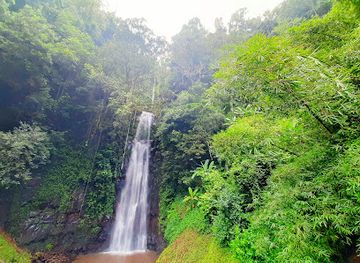
Saint Nicholas Waterfall
Explore the breathtaking Saint Nicholas Waterfall in Monte Café, a serene escape surrounded by lush nature and stunning views, perfect for nature lovers and adventurers alike.
32 min drive · 12 km from city centre
-
Island
Sao Tome Island
Explore the breathtaking São Tomé Island, a hidden paradise filled with lush rainforests, beautiful beaches, and vibrant local culture.
33 min drive · 13 km from city centre



Explore Neves on the map
Plan your Neves trip on one map. See where the top attractions, landmarks, restaurants, bars and hotels are, find what's near where you're staying, and book hotels and experiences in a few clicks.
Best hotels in Neves
Best restaurants in Neves
Dining in Neves is generally informal and local, with small restaurants, cafés and family-run food outlets serving meals shaped by São Tomé’s Atlantic setting and Portuguese-African culinary heritage. Fresh fish and seafood are central where available, often accompanied by rice, breadfruit, banana, cassava or plantain. Chicken, stewed meat and beans are also common, while tropical fruit such as banana, papaya, pineapple and breadfruit reflects the island’s fertile climate. Calulu, a slow-cooked dish prepared with fish or meat, greens, palm oil and other ingredients, is one of the country’s best-known traditional foods, although recipes vary between households. Coffee and cocoa are significant parts of São Tomé’s agricultural identity and may appear in drinks or locally produced goods. Neves has no large restaurant quarter; food is more closely connected with neighbourhood life, accommodation and daily commerce than with a formal dining scene.
-
Restaurant
Petisqueira Santola
Discover authentic local cuisine at Petisqueira Santola in Neves – where every dish tells a story of flavor and tradition.
1 min walk · 0.1 km from city centre
-
Chocolate artisan
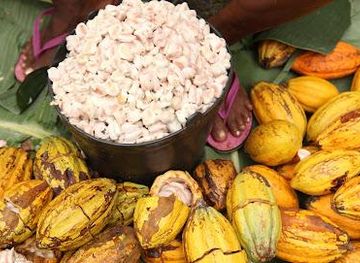
Claudio Corallo - Cacao & Caffe São Tomé e Príncipe
Savor pure bean-to-bar chocolate mastery at Claudio Corallo's waterfront haven, where São Tomé's volcanic Amelonado cocoa transforms into world-class bars amid tropical island vibes.
39 min drive · 19 km from city centre
-
Restaurant
vive bo vida
Experience authentic local cuisine at Vive Bo Vida in Neves - where every dish tells a story of flavor and tradition.
7 min walk · 0.6 km from city centre
-
Restaurant
Restaurante Muxima Wame
Discover authentic regional cuisine at Restaurante Muxima Wame in Neves - a must-visit for food lovers seeking traditional flavors.
6 min walk · 0.5 km from city centre



Best bars in Neves
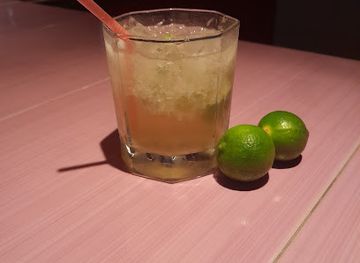
Neves has a modest evening scene rather than a concentrated nightlife district. After sunset, social life is usually found in small neighbourhood bars, cafés and informal gathering places, where conversation, music and local drinks matter more than elaborate cocktails or nightclub production. Portuguese-language popular music and São Toméan styles may be heard alongside African and international music, while football and community events can shape the atmosphere on particular evenings. There are few reasons to expect a late-closing club circuit, and opening patterns are informal and changeable. The waterfront and main roads may be pleasant for an early evening stroll, but lighting and transport become limited outside central areas. Visitors seeking a broader choice of live music, cultural performances or late bars will generally find more options in São Tomé city, while Neves is better suited to relaxed evenings close to one’s accommodation.
-
Bar
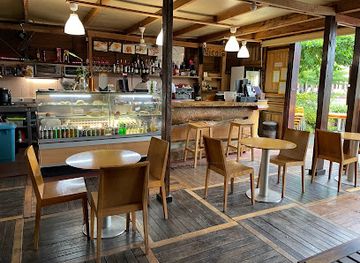
Pico Mocambo
Experience the vibrant nightlife at Pico Mocambo, a cultural hub in São Tomé known for its lively atmosphere and delicious drinks.
41 min drive · 21 km from city centre
-
Restaurant
Petisqueira Santola
Discover the rich flavors of Neves at Petisqueira Santola, where fresh seafood meets warm hospitality in a charming coastal setting.
1 min walk · 0.1 km from city centre
-
Pizza
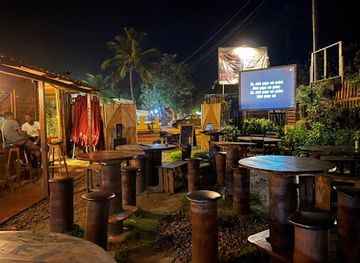
90 Graus Esplanada Bar
Discover the vibrant flavors of São Tomé e Príncipe at 90 Graus Esplanada Bar, renowned for its delicious pizzas and inviting atmosphere.
41 min drive · 21 km from city centre
-
Restaurant
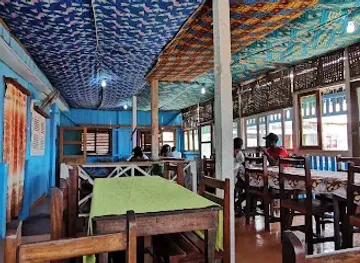
Zima restaurante Bar
Experience the vibrant culinary scene at Zima Restaurante Bar, where exceptional cocktails and mouth-watering dishes await in São Tomé.
40 min drive · 20 km from city centre
Best nightclubs in Neves
Neves has a modest evening scene rather than a concentrated nightlife district. After sunset, social life is usually found in small neighbourhood bars, cafés and informal gathering places, where conversation, music and local drinks matter more than elaborate cocktails or nightclub production. Portuguese-language popular music and São Toméan styles may be heard alongside African and international music, while football and community events can shape the atmosphere on particular evenings. There are few reasons to expect a late-closing club circuit, and opening patterns are informal and changeable. The waterfront and main roads may be pleasant for an early evening stroll, but lighting and transport become limited outside central areas. Visitors seeking a broader choice of live music, cultural performances or late bars will generally find more options in São Tomé city, while Neves is better suited to relaxed evenings close to one’s accommodation.
-
Disco club
Discoteca Beach Club
Discover the electrifying nightlife of Discoteca Beach Club in São Tomé, where unforgettable parties meet stunning beach views.
41 min drive · 21 km from city centre
-
Disco club
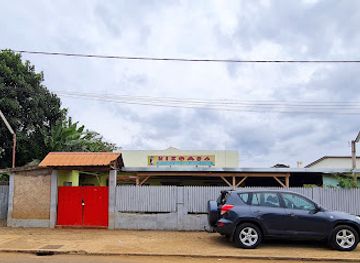
Discoteca Kizomba
Dance the night away at Discoteca Kizomba, São Tomé's vibrant disco club known for its lively atmosphere and eclectic music.
39 min drive · 19 km from city centre
-
Disco club
DJ Cabelo
Explore São Tomé's nightlife at DJ Cabelo, a vibrant disco club where unforgettable dance experiences and lively music await every visitor.
37 min drive · 17 km from city centre
-
Disco club
Discoteca Africana
Experience the vibrant nightlife of São Tomé at Discoteca Africana, where music and dance create unforgettable memories.
40 min drive · 20 km from city centre


Best shops in Neves
Shopping in Neves is practical and local rather than centred on a formal retail district. Small shops and market stalls provide everyday food, household items, drinks and fresh produce, while the waterfront and main roads are the most likely places to encounter informal commerce. Visitors may find locally grown bananas, plantains, cassava, tropical fruit, cocoa and coffee, depending on season and supply. São Toméan crafts, woven articles, carved objects and small food products are more widely available in the capital and at organised cultural outlets than in Neves, so expectations should remain modest. Purchases from local producers can offer a more direct connection with the island’s agricultural economy, but visitors should ask about provenance rather than assuming that every cocoa or coffee product was made nearby. Cash in dobra is essential for small transactions, and bargaining should be polite and restrained where it occurs.
-
Hotel
Omali São Tomé
Discover the ultimate tropical getaway at Omali São Tomé, where luxury meets natural beauty on the stunning Praia do Lagarto.
38 min drive · 18 km from city centre
-
Scenic spot
Saint Nicholas Waterfall
Experience the breathtaking beauty of Saint Nicholas Waterfall in Monte Café, a must-visit scenic spot for nature lovers and adventure seekers.
32 min drive · 12 km from city centre
-
Restaurant
Casa Museu Almada Negreiros
Explore the artistic legacy of Almada Negreiros at Casa Museu Almada Negreiros in São Tomé, where art and history intertwine seamlessly.
32 min drive · 12 km from city centre
-
Restaurant
Petisqueira Santola
Discover the flavors of São Tomé at Petisqueira Santola, where the freshest seafood meets vibrant local culture in a cozy setting.
1 min walk · 0.1 km from city centre


Get your free copy of our complete guide to Neves, delivered straight to you.
Everything on this page, from attractions and restaurants to essentials and local phrases, in one PDF you can read offline, print or share.
Already have an account? Sign in
Your Neves guide is ready.
We'll send it to · Not you? Sign out

Getting your guide ready…
We are putting together a fresh copy of the Neves guide. This can take up to a minute.
This can take a few moments. If your browser asks, choose Allow so the download can start. You'll find the guide in your Downloads folder.
Nothing happened? Download it again
Sorry, the guide is taking longer than usual. Please try again in a minute, or get it by email instead.
Neves essentials
Currency and Payment
Safety
Emergency Situations
Do's and Don'ts
Local Tips
From Eve
Local phrases worth knowing
You don't need to get them perfect. A few words go a long way, and locals appreciate the effort.
Basics
| English | Local | Say it |
|---|---|---|
| Hello | Olá | [oh-lah] |
| Goodbye | Adeus | [ah-deh-oos] |
| Yes | Sim | [seem] |
| No | Não | [nah-oh] |
| Please/You're welcome | Por favor/De nada | [pohr fah-vohr/deh nah-dah] |
| Thank you | Obrigado/Obrigada | [oh-bree-gah-doh/oh-bree-gah-dah] |
| Excuse me/Sorry | Com licença/Desculpe | [kohm lee-sehn-sah/dehs-kool-peh] |
| How are you? | Como está? | [koh-moh ehs-tah] |
| Fine. And you? | Estou bem. E você? | [ehs-toh-ooh behn/eh voh-seh] |
| Do you speak English? | Fala inglês? | [fah-lah een-glehs] |
| I don't understand | Não entendo | [nah-oh ehn-tehn-doh] |
Eating & Drinking
| English | Local | Say it |
|---|---|---|
| I'd like to see the menu, please | Gostaria de ver o menu, por favor | [gohs-tah-ee-ah deh vehr oh meh-noo/por fah-vohr] |
| I don't eat meat | Não como carne | [nah-oh koh-moh kahr-neh] |
| Cheers! | Saúde! | [sah-ooh-deh] |
| I would like to pay, please | Gostaria de pagar, por favor | [gohs-tah-ee-ah deh pah-gahr/por fah-vohr] |
Emergencies
| English | Local | Say it |
|---|---|---|
| Help! | Ajuda! | [ah-joo-dah] |
| Go away! | Vai embora! | [vah-ee ehm-boh-rah] |
| Call the Police! | Chame a Polícia! | [shah-meh ah poh-lee-see-ah] |
| Call a doctor! | Chame um médico! | [shah-meh oom meh-dee-koo] |
| I'm lost | Estou perdido | [ehs-toh pehr-dee-doo] |
| I'm ill | Estou doente | [ehs-toh doo-ehn-teh] |
Shopping
| English | Local | Say it |
|---|---|---|
| I'd like to buy... | Gostaria de comprar... | [gohs-tah-ee-ah deh kohm-prahr] |
| I'm just looking | Estou só a olhar | [ehs-toh soo ah oh-lahr] |
| How much is it? | Quanto custa? | [kwahn-too kooh-stah] |
| That's too expensive | Isso é muito caro | [ee-soh eh moo-ee-tooh kahr-oo] |
| Can you lower the price? | Pode baixar o preço? | [poh-deh bahy-shahr oh preh-soo] |
Time & Numbers
| English | Local | Say it |
|---|---|---|
| What time is it? | Que horas são? | [keh oh-rahz sah-oh] |
| It's one o'clock | É uma hora | [eh oo-mah oh-rah] |
| Half past (10) | Meio-dia e meia | [may-oh dee-ah eh may-ah] |
| Morning | Manhã | [mah-nyah] |
| Afternoon | Tarde | [tahr-deh] |
| Evening | Noite | [noy-teh] |
| Yesterday | Ontem | [ohn-tehm] |
| Today | Hoje | [oh-zheh] |
| Tomorrow | Amanhã | [ah-mah-nyah] |
| 1 | Um | [oom] |
| 2 | Dois | [doh-ees] |
| 3 | Três | [trehs] |
| 4 | Quatro | [kwah-troh] |
| 5 | Cinco | [seen-koh] |
| 6 | Seis | [saysh] |
| 7 | Sete | [seh-teh] |
| 8 | Oito | [oy-toh] |
| 9 | Nove | [noh-veh] |
| 10 | Dez | [dehs] |
Transport & Directions
| English | Local | Say it |
|---|---|---|
| Where's a/the...? | Onde fica o/a...? | [ohn-deh fee-kah oh/ah] |
| What's the address? | Qual é o endereço? | [kwahl eh oh ehn-deh-reh-soo] |
| Can you show me (on the map)? | Pode mostrar-me (no mapa)? | [poh-deh mohs-trahr-meh/noo mah-pah] |
| When's the next (bus)? | Quando é o próximo (autocarro)? | [kwahn-doh eh oh proh-see-moh/ow-toh-kah-roo] |
| A ticket (to ....) | Um bilhete (para ....) | [oom beel-eh-teh/pah-rah] |
History of Neves
An Uninhabited Island Before Settlement
São Tomé was uninhabited before Portuguese navigators reached the Gulf of Guinea in the late fifteenth century. Portuguese settlement began during the reign of King Afonso V, and the island’s geography quickly influenced its development: coastal landing places supported communication and trade, while the humid interior suited plantation agriculture. Neves emerged much later as part of the island’s western settlement pattern rather than as an ancient urban centre. Its history is therefore closely linked to the wider transformation of São Tomé from an uninhabited tropical island into a colonial plantation society, with population, commerce and political authority concentrated along accessible coastal routes.
Plantations and Portuguese Colonial Rule
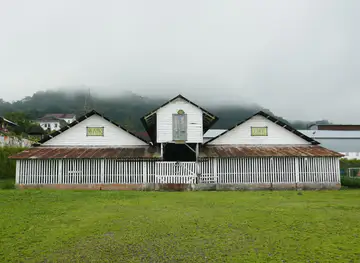
During the colonial period, São Tomé’s economy was organised around roças, large agricultural estates that combined plantations, housing, processing buildings and administrative facilities. Sugar dominated the early economy, while cocoa became especially important from the nineteenth century onwards. The western districts, including the area around present-day Neves, were connected to this plantation network by roads, tracks and coastal transport. The system depended on coerced and contract labour from other parts of Africa and left a lasting social and architectural legacy. Although many estates later declined, plantation buildings, overgrown roads and cultivated landscapes still reveal how colonial agriculture shaped the island.
The Cocoa Economy and Western São Tomé
By the late nineteenth and early twentieth centuries, cocoa had made São Tomé one of the world’s important producing regions. Portuguese-owned plantations expanded across the island, and the western coast became part of an economy linked to export ports and international markets. The prosperity was sharply unequal: estate owners and administrators benefited from cocoa revenues, while plantation workers faced harsh conditions that attracted international criticism, particularly after reports on labour abuses in the early twentieth century. Neves developed within this wider commercial landscape as a coastal settlement associated with transport, local administration, fishing and access to the agricultural interior.
Independence and National Transformation
São Tomé and Príncipe became independent from Portugal on 12 July 1975 after the Portuguese Revolution of 1974 and the end of colonial rule. The new state took control of the plantation estates, many of which were reorganised as state farms. The transition altered land ownership and administration but could not immediately reverse the decline of the plantation economy. In Neves and the surrounding Lembá district, daily life continued to reflect both the legacy of the roças and the needs of a modernising island nation. Portuguese remains the official language, while local Creole traditions and African cultural influences shape community life.
A Contemporary Port and Coastal Community
Modern Neves is a practical coastal settlement rather than a monumental historic city. Its port, roads, fishing activity, local businesses and energy infrastructure give it national importance beyond its modest size. The town also forms part of the route towards the island’s north-western forests, plantation landscapes and volcanic coastline. Contemporary Neves reflects the layered history of São Tomé: colonial agricultural structures coexist with post-independence public life, small-scale commerce and infrastructure serving the wider country. Its significance lies less in a single preserved historic quarter than in the way its harbour, landscape and surrounding settlements reveal the continuing relationship between the island’s coast and interior.
Neves in Photos
Browse through our photo collection highlighting the charm and character of the destination.
Cities near Neves
The closest cities to Neves, if you have time for more than one stop.
-

-

-
-

-


Swipe for more cities
Explore more

Explore more of Sao Tome and Principe
Discover the untouched beauty of Sao Tome and Principe, where lush rainforests, pristine beaches, and rich cultural heritage await in this tranquil island paradise.
Explore Sao Tome and Principe