

Free Ribeira Afonso Travel Guide & Mobile App
Plan your Ribeira Afonso trip with Evendo. Get free guides to top attractions, restaurants, hotels, and bars. Web access or download the mobile app.


Discover Ribeira Afonso in Sao Tome and Principe, where lush nature, pristine beaches, and rich cultural heritage await in a serene and unspoiled paradise.
Read more about Ribeira Afonso
When is the best time to visit Ribeira Afonso?
Best: January–March · 29°C| Month | High (°C) | Rainfall (mm) |
|---|---|---|
| January (best) | 29 | 61 |
| February (best) | 29 | 62 |
| March (best) | 29 | 63 |
| April | 29 | 64 |
| May | 29 | 65 |
| June | 29 | 65 |
| July | 29 | 66 |
| August | 29 | 67 |
| September | 29 | 68 |
| October | 29 | 69 |
| November | 30 | 71 |
| December | 30 | 72 |
Getting to and around Ribeira Afonso
How to get there
Transportation
Best attractions in Ribeira Afonso
Ribeira Afonso in Sao Tome and Principe offers visitors a unique blend of history, culture, and natural beauty. From the well-preserved colonial architecture to the vibrant marketplaces, visitors can immerse themselves in the local way of life. Explore the lush rainforests and pristine beaches, or take a boat tour along the scenic coastline to spot diverse marine life. Don't miss the chance to taste the delicious local cuisine and interact with friendly locals, making your visit to Ribeira Afonso an unforgettable experience.
-
Tourist attraction
Hellmouth
Explore Hellmouth in Ribeira Afonso, a natural wonder of geological formations and lush landscapes, perfect for adventurous travelers and nature enthusiasts.
10 min drive · 3.4 km from city centre
-
Beach
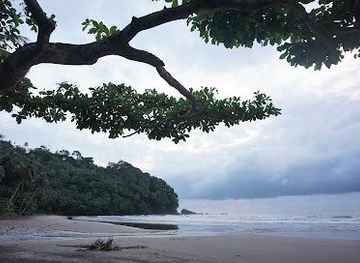
Praia das Sete Ondas
Discover the serene beauty of Praia das Sete Ondas, a tropical paradise in São Tomé perfect for relaxation, adventure, and unforgettable sunsets.
11 min walk · 0.8 km from city centre
-
Beach
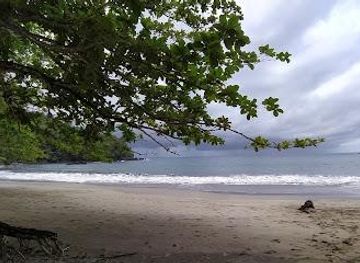
Praia Micondo
Experience the breathtaking beauty and tranquility of Praia Micondo, a pristine beach paradise perfect for relaxation and adventure in São Tomé and Príncipe.
12 min drive · 3.9 km from city centre
-
Open air museum
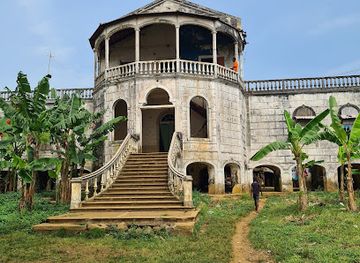
Roça Água-Izé
Explore the exquisite blend of history, nature, and culture at Roça Água-Izé, a must-visit attraction in São Tomé's open-air museum.
11 min drive · 3.6 km from city centre


Best landmarks in Ribeira Afonso
Ribeira Afonso in Sao Tome and Principe offers visitors a unique blend of natural beauty and historical significance. From the stunning waterfalls and lush rainforests to the well-preserved colonial architecture and ancient ruins, there is something for everyone to explore and enjoy. Don't miss the chance to visit the iconic Forte de São Sebastião, take a boat ride along the scenic river, or hike to the top of Pico Cão Grande for panoramic views of the city and surrounding landscape. Ribeira Afonso is a hidden gem waiting to be discovered by adventurous travelers seeking a one-of-a-kind experience.
-
Beach
Praia das Sete Ondas
Experience the breathtaking beauty and vibrant culture of Praia das Sete Ondas, a must-visit beach destination for every traveler seeking relaxation and adventure.
11 min walk · 0.8 km from city centre
-
Beach
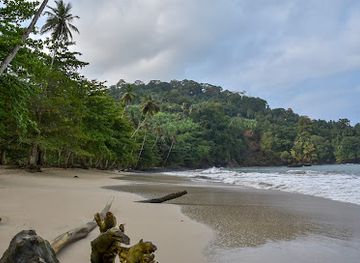
Praia Micondo
Experience the pristine shores of Praia Micondo, a breathtaking beach on São Tomé Island, perfect for relaxation and adventure amidst stunning natural beauty.
12 min drive · 3.9 km from city centre
-
Open air museum
Roça Água-Izé
Discover the rich history and tranquil beauty of Roça Água-Izé, an open-air museum in São Tomé that showcases the island's cultural heritage.
11 min drive · 3.6 km from city centre
-
 Hotel
HotelRoça Santo António Ecolodge
Experience the tranquility and beauty of Roça Santo António Ecolodge in São Tomé, a perfect blend of eco-friendly accommodations and rich cultural heritage.
15 min drive · 5.1 km from city centre

Explore Ribeira Afonso on the map
Plan your Ribeira Afonso trip on one map. See where the top attractions, landmarks, restaurants, bars and hotels are, find what's near where you're staying, and book hotels and experiences in a few clicks.
Best hotels in Ribeira Afonso
Best restaurants in Ribeira Afonso
Ribeira Afonso boasts a vibrant dining scene that offers a delightful fusion of local flavors and international influences. Visitors can savor fresh seafood dishes at charming seaside restaurants, indulge in traditional Creole cuisine at cozy cafes, and sample exotic fruits and spices at bustling markets. From casual eateries to upscale dining establishments, Ribeira Afonso has something to offer every palate, promising a culinary adventure that is as diverse as the city itself.
-
Restaurant
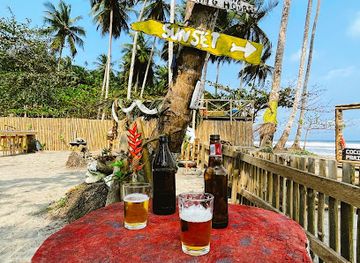
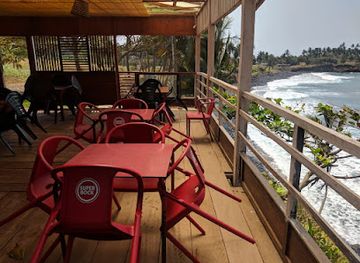
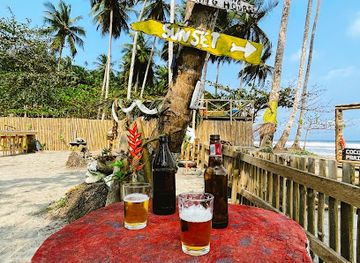
COCONUT'S BAR
Experience delicious local cuisine with stunning ocean views at Coconut's Bar in Ribeira Afonso.
11 min walk · 0.9 km from city centre
-
Restaurant
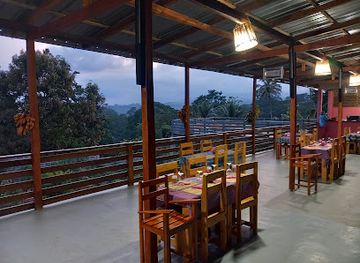
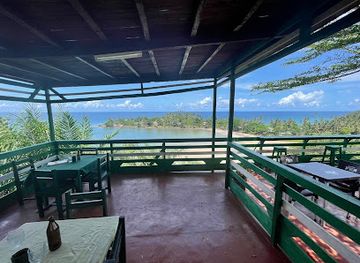
Complexo Mirador
Experience authentic St. Tomé cuisine with breathtaking views at Complexo Mirador - a culinary gem in Ribeira Afonso.
9 min drive · 3.0 km from city centre
-
Family-friendly
Casa Cantagalo Restaurante Leve Leve
Discover family-friendly dining at Casa Cantagalo Restaurante Leve Leve in Santana - where delicious meals create lasting memories.
18 min drive · 6.1 km from city centre
-
Restaurant
Raio do Sol
Experience authentic local cuisine at Raio do Sol in Santana – where flavors meet warmth and hospitality.
11 min drive · 3.6 km from city centre
Best bars in Ribeira Afonso
As the sun sets in Ribeira Afonso, the city transforms into a vibrant hub of nightlife. Visitors can expect a lively atmosphere filled with music, dancing, and delicious local drinks. From cozy bars offering traditional cocktails to bustling nightclubs with top DJs, there is something for every taste. The streets come alive with street performers, food vendors, and excited locals, creating an unforgettable experience for anyone looking to immerse themselves in the city's nightlife scene.
-
Restaurant
COCONUT'S BAR
Experience the vibrant flavors of São Tomé at Coconut's Bar, a tropical dining oasis in Ribeira Afonso, perfect for all food lovers.
11 min walk · 0.9 km from city centre
-
Restaurant
Complexo Mirador
Experience culinary excellence at Complexo Mirador, where stunning views and delectable dishes create unforgettable dining moments in Ribeira Afonso.
9 min drive · 3.0 km from city centre
-
Restaurant
Bar De Tia Rute
Savor the authentic flavors of Ribeira Afonso at Bar De Tia Rute, a local treasure for delightful culinary experiences.
1 min walk · 0.1 km from city centre
-
Bar
Café Messia Alves
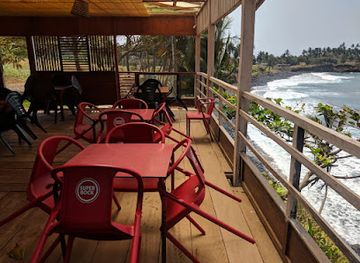
Discover the vibrant atmosphere of Café Messia Alves, where refreshing drinks meet breathtaking coastal views in the heart of Santana.
23 min drive · 7.5 km from city centre

Best nightclubs in Ribeira Afonso
As the sun sets in Ribeira Afonso, the city transforms into a vibrant hub of nightlife. Visitors can expect a lively atmosphere filled with music, dancing, and delicious local drinks. From cozy bars offering traditional cocktails to bustling nightclubs with top DJs, there is something for every taste. The streets come alive with street performers, food vendors, and excited locals, creating an unforgettable experience for anyone looking to immerse themselves in the city's nightlife scene.
-
Restaurant
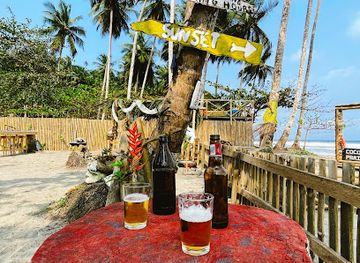
COCONUT'S BAR
Experience the essence of São Tomé and Príncipe at Coconut's Bar, where authentic flavors meet breathtaking views in Ribeira Afonso.
11 min walk · 0.9 km from city centre
-
Bar
Onda Levi Surf
Experience the vibrant surf culture at Onda Levi Surf, where stunning ocean views and refreshing drinks await on Praia Sete Ondas.
11 min walk · 0.9 km from city centre
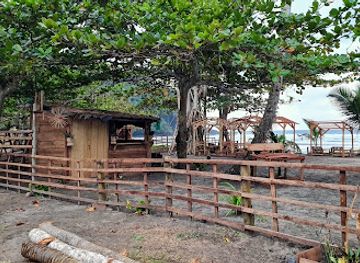
Best shops in Ribeira Afonso
Ribeira Afonso offers a unique shopping experience for visitors, with vibrant markets selling colorful textiles, handmade crafts, and local produce. Visitors can explore the bustling streets filled with vendors selling traditional souvenirs, spices, and unique artwork. The lively atmosphere and authentic products make shopping in Ribeira Afonso a must-do for tourists looking to immerse themselves in the local culture and take home a piece of Sao Tome and Principe.
-
Gift shop
Liga de arte escultura TIVO
Explore Liga de Arte Escultura TIVO for unique gifts and local art, embodying the vibrant culture of São João dos Angolares in every handcrafted piece.
24 min drive · 7.9 km from city centre
-
Market
Mercado
Discover the vibrant Mercado of Ribeira Afonso, where local culture, fresh produce, and artisanal crafts come together in a colorful market experience.
2 min walk · 0.1 km from city centre
-
Grocery store
ALTO- DOURO RS
Experience the authentic taste of Ribeira Afonso at ALTO - DOURO RS, where local flavors and fresh produce await every visitor.
1 min walk · 0.1 km from city centre
-
Store
Loja de Manuel
Explore Loja de Manuel in Ribeira Afonso for authentic crafts and local products that capture the essence of São Tomé and Príncipe.
2 min walk · 0.1 km from city centre

Get your free copy of our complete guide to Ribeira Afonso, delivered straight to you.
Everything on this page, from attractions and restaurants to essentials and local phrases, in one PDF you can read offline, print or share.
Already have an account? Sign in
Your Ribeira Afonso guide is ready.
We'll send it to · Not you? Sign out

Getting your guide ready…
We are putting together a fresh copy of the Ribeira Afonso guide. This can take up to a minute.
This can take a few moments. If your browser asks, choose Allow so the download can start. You'll find the guide in your Downloads folder.
Nothing happened? Download it again
Sorry, the guide is taking longer than usual. Please try again in a minute, or get it by email instead.
Ribeira Afonso essentials
Currency and Payment
Safety
Emergency Situations
Do's and Don'ts
Local Tips
From Eve
Local phrases worth knowing
You don't need to get them perfect. A few words go a long way, and locals appreciate the effort.
Basics
| English | Local | Say it |
|---|---|---|
| Hello | Olá | [oh-lah] |
| Goodbye | Adeus | [ah-deh-oos] |
| Yes | Sim | [seem] |
| No | Não | [nah-oo] |
| Please/You're welcome | Por favor/De nada | [por fah-vohr/deh nah-dah] |
| Thank you | Obrigado | [oh-bree-gah-doo] |
| Excuse me/Sorry | Com licença/Desculpe | [kohm lee-sen-sah/deh-skool-peh] |
| How are you? | Como está? | [koh-moh ehs-tah] |
| Fine. And you? | Estou bem. E você? | [ehs-toh-oo beyn/eh voh-seh] |
| Do you speak English? | Fala inglês? | [fah-lah een-glehsh] |
| I don't understand | Não entendo | [nah-oo ehn-tehn-doo] |
Eating & Drinking
| English | Local | Say it |
|---|---|---|
| I'd like to see the menu, please | Gostaria de ver o cardápio, por favor | [goh-stah-ree-ah deh vehr oo kahr-dah-pee-oo/por fah-vohr] |
| I don't eat meat | Não como carne | [nah-oo koh-moo kahr-neh] |
| Cheers! | Saúde! | [sow-deh] |
| I would like to pay, please | Gostaria de pagar, por favor | [goh-stah-ree-ah deh pah-gahr/por fah-vohr] |
Emergencies
| English | Local | Say it |
|---|---|---|
| Help! | Socorro! | [soh-koh-roh] |
| Go away! | Vá embora! | [vah ehm-boh-rah] |
| Call the Police! | Chame a polícia! | [shah-meh ah poh-lee-see-ah] |
| Call a doctor! | Chame um médico! | [shah-meh oom meh-dee-koo] |
| I'm lost | Estou perdido | [ehs-toh pehr-dee-doo] |
| I'm ill | Estou doente | [ehs-toh doo-ehn-teh] |
Shopping
| English | Local | Say it |
|---|---|---|
| I'd like to buy... | Gostaria de comprar... | [goh-stah-ree-ah deh kohm-prahr] |
| I'm just looking | Estou só olhando | [ehs-toh soh oh-lhahn-doo] |
| How much is it? | Quanto custa? | [kwahn-too koos-tah] |
| That's too expensive | Isso é muito caro | [ee-soh eh moo-ee-too kahr-oo] |
| Can you lower the price? | Pode baixar o preço? | [poh-deh by-shahr oo preh-soo] |
Time & Numbers
| English | Local | Say it |
|---|---|---|
| What time is it? | Que horas são? | [keh oh-rahz sah-oo] |
| It's one o'clock | É uma hora | [eh oo-mah oh-rah] |
| Half past (10) | Meio-dia e meia | [meh-oh-dee-ah eh may-ah] |
| Morning | Manhã | [mah-nyah] |
| Afternoon | Tarde | [tahr-deh] |
| Evening | Noite | [noy-teh] |
| Yesterday | Ontem | [ohn-tehm] |
| Today | Hoje | [oh-zhey] |
| Tomorrow | Amanhã | [ah-mah-nyah] |
| 1 | Um | [oom] |
| 2 | Dois | [doh-eesh] |
| 3 | Três | [trehs] |
| 4 | Quatro | [kwah-troh] |
| 5 | Cinco | [seen-koh] |
| 6 | Seis | [saysh] |
| 7 | Sete | [seh-teh] |
| 8 | Oito | [oy-toh] |
| 9 | Nove | [noh-veh] |
| 10 | Dez | [dehz] |
Transport & Directions
| English | Local | Say it |
|---|---|---|
| Where's a/the...? | Onde fica...? | [ohn-deh fee-kah] |
| What's the address? | Qual é o endereço? | [kwahl eh oo ehn-deh-reh-soo] |
| Can you show me (on the map)? | Pode me mostrar (no mapa)? | [poh-deh meh moh-strahr/noh mah-pah] |
| When's the next (bus)? | Quando é o próximo (ônibus)? | [kwahn-doo eh oo proh-kshee-moo/ohn-ee-boos] |
| A ticket (to ....) | Um bilhete (para ....) | [oom beel-yeh-teh/pah-rah] |
History of Ribeira Afonso
Formation and Early Settlement
Ribeira Afonso, a quaint village in the district of Cantagalo on São Tomé Island, was established during the early periods of Portuguese colonization in the 16th century. The fertile lands and strategic location along the river made it an attractive settlement for agricultural development, particularly for sugarcane plantations.
Agricultural Significance in the Colonial Era
During the 17th and 18th centuries, Ribeira Afonso became one of the key agricultural hubs in São Tomé, primarily producing sugarcane and later cocoa. The village's plantations contributed significantly to the island's economy, utilizing both enslaved African labor and later, indentured labor from Cape Verde and Angola.
Influence of the Catholic Church
The Catholic Church played a vital role in the cultural and social development of Ribeira Afonso. The establishment of missions and churches in the village helped in spreading Christianity and European cultural values among the local population. The Church also provided education and healthcare services, which were essential for the community’s development.
Resistance and Rebellion
The harsh conditions and exploitation faced by laborers on the plantations led to several uprisings and acts of resistance throughout the 19th century. Notably, the 1953 Batepá Massacre was a significant event where forced labor and colonial oppression led to widespread violence and loss of life in the region, impacting Ribeira Afonso and surrounding areas.
Post-Independence Developments
Following São Tomé and Príncipe's independence from Portugal in 1975, Ribeira Afonso saw various changes in its socio-economic structure. The nationalization of plantations and a shift towards cooperative farming aimed to improve local livelihoods. Efforts have been made to preserve the cultural heritage and historical significance of the village while promoting sustainable development.
Cultural Heritage and Festivals
Ribeira Afonso is rich in cultural traditions, with local festivals and celebrations playing a crucial role in community life. The 'Auto de Floripes,' a traditional theatrical performance with roots in Portuguese culture, is a highlight, reflecting the village's historical ties and cultural fusion. Additionally, local music, dance, and culinary traditions offer a vibrant glimpse into the area's diverse heritage.
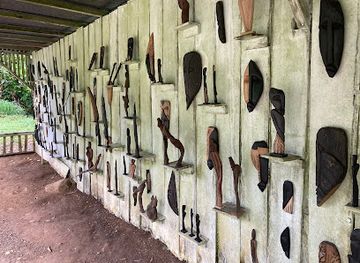
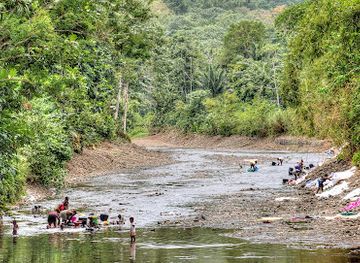
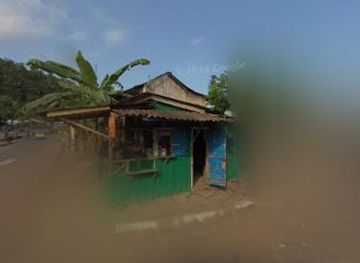
Ribeira Afonso in Photos
Browse through our photo collection highlighting the charm and character of the destination.
Cities near Ribeira Afonso
The closest cities to Ribeira Afonso, if you have time for more than one stop.
-
 Angolares
Discover Angolares: A harmonious blend of history, culture, and natural splendor on the southeastern coast of São Tomé Island.
27 min drive · 9.0 km from city centre
Angolares
Discover Angolares: A harmonious blend of history, culture, and natural splendor on the southeastern coast of São Tomé Island.
27 min drive · 9.0 km from city centre
-
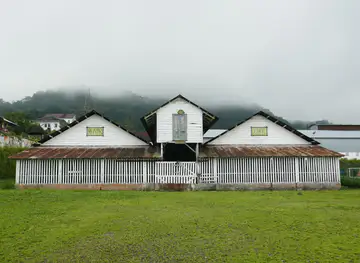 Trindade
Discover Trindade, a serene town in São Tomé and Príncipe, perfect for nature lovers, adventure seekers, and those looking to experience authentic local culture.
31 min drive · 11 km from city centre
Trindade
Discover Trindade, a serene town in São Tomé and Príncipe, perfect for nature lovers, adventure seekers, and those looking to experience authentic local culture.
31 min drive · 11 km from city centre
-
 Sao Tome City
Explore the hidden charms of São Tomé City, where colonial history meets tropical beauty, offering a unique travel experience in the heart of the Gulf of Guinea.
36 min drive · 16 km from city centre
Sao Tome City
Explore the hidden charms of São Tomé City, where colonial history meets tropical beauty, offering a unique travel experience in the heart of the Gulf of Guinea.
36 min drive · 16 km from city centre
-
 Guadalupe
Discover the serene beauty and rich culture of Guadalupe in São Tomé and Príncipe, where pristine beaches, vibrant markets, and lush landscapes await your exploration.
42 min drive · 22 km from city centre
Guadalupe
Discover the serene beauty and rich culture of Guadalupe in São Tomé and Príncipe, where pristine beaches, vibrant markets, and lush landscapes await your exploration.
42 min drive · 22 km from city centre
-
 Neves
Discover Neves, a serene town in Sao Tome and Principe, offering lush landscapes, pristine beaches, and rich cultural experiences for a memorable getaway.
45 min drive · 25 km from city centre
Neves
Discover Neves, a serene town in Sao Tome and Principe, offering lush landscapes, pristine beaches, and rich cultural experiences for a memorable getaway.
45 min drive · 25 km from city centre
Swipe for more cities

