

Free Pujehun Travel Guide & Mobile App
Plan your Pujehun trip with Evendo. Get free guides to top attractions, restaurants, hotels, and bars. Web access or download the mobile app.


Pujehun, Sierra Leone offers a quiet base for exploring Mende culture, southern Sierra Leone's rural landscapes, local markets and community life.
A Southern District Capital
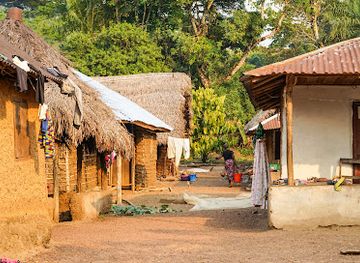
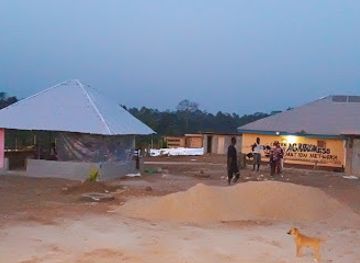
Pujehun is a modest town in southern Sierra Leone and the administrative centre of Pujehun District, close to the country's borderlands with Liberia. Its appeal lies less in monumental sightseeing than in the opportunity to encounter everyday life in a rural regional centre: market trading, roadside transport, small eateries and the steady movement of people between town and surrounding communities. The landscape is shaped by tropical vegetation, cultivated land and waterways, with long distances between settlements giving the area a distinctly spacious character.Read more about Pujehun
Mende Country and Local Life
A Base for Rural Exploration
When is the best time to visit Pujehun?
Best: January–March · 32–33°C| Month | High (°C) | Rainfall (mm) |
|---|---|---|
| January (best) | 32 | 0 |
| February (best) | 33 | 0 |
| March (best) | 33 | 0 |
| April | 33 | 0 |
| May | 34 | 0 |
| June | 34 | 0 |
| July | 35 | 0 |
| August | 35 | 0 |
| September | 35 | 0 |
| October | 36 | 0 |
| November | 36 | 0 |
| December | 37 | 0 |
Getting to and around Pujehun
How to get there
Transportation
Best attractions in Pujehun
Pujehun has few conventional visitor attractions, but its everyday places provide the clearest introduction to the town. The central market is the most immediate point of interest, with stalls selling rice, cassava, palm-oil ingredients, fruit, household goods and clothing amid the conversation of traders and travellers. Nearby streets and transport stands reveal how the district capital connects to villages and farming communities across the south. Beyond the centre, the surrounding countryside offers tropical vegetation, cultivated plots, waterways and small settlements rather than formal sightseeing sites; visits should be arranged respectfully with local guidance. Religious buildings and civic facilities contribute to the town's sense of place, although they are primarily community spaces rather than tourist monuments. Pujehun's appeal is therefore observational and cultural: it lies in seeing regional commerce, tasting local food, learning about Mende life and experiencing the slower rhythm of a rural Sierra Leonean centre.
-
Campground
Eco Camp in Ghiuba to Tiwai Island
Experience the natural beauty and tranquility of Eco Camp at Ghiuba to Tiwai Island, a sustainable haven for eco-conscious travelers in Sierra Leone.
1 h 5 min drive · 45 km from city centre
-
National forest
Kamboi Hills
Explore the breathtaking beauty and tranquility of Kamboi Hills, a national forest in Sierra Leone perfect for nature lovers and adventure seekers.
1 h 40 min drive · 80 km from city centre
-
Tourist attraction
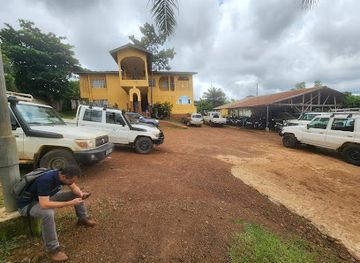
Gola Rainforest National Park Head Office
Explore the Gola Rainforest National Park Head Office, your gateway to Sierra Leone's stunning biodiversity and conservation efforts.
1 h 41 min drive · 81 km from city centre
-
 Nature preserve
Kambui Hills Forest Reserve
Experience the unparalleled beauty of Kambui Hills Forest Reserve, a pristine nature preserve in Sierra Leone, perfect for eco-tourism and wildlife exploration.
1 h 31 min drive · 71 km from city centre
Best landmarks in Pujehun
Pujehun's landmarks are primarily civic and communal rather than monumental. The district administrative centre represents the town's role as a seat of local government, while the central market reflects its continuing importance as a place where rural produce, household goods and information circulate. Main-road transport areas are also useful orientation points, linking Pujehun with Bo, Zimmi and surrounding communities. Mosques and churches contribute to the town's social geography, although they are active places of worship and should be approached with appropriate dress and permission. There is no widely recognised concentration of grand colonial buildings, castles or preserved historic monuments; the significance of Pujehun lies in the way these modest public spaces express the development of a southern district capital and its connections with Mende communities.
-
National forest
Gola Forest Reserve
Explore Gola Forest Reserve, a national forest in Sierra Leone, where breathtaking biodiversity and serene landscapes await every eco-tourist.
1 h 41 min drive · 81 km from city centre
-
Children's camp
Tiwai Island Wildlife Sanctuary
Explore Sierra Leone's Tiwai Island Wildlife Sanctuary for a family-friendly adventure amidst diverse wildlife and stunning natural beauty.
1 h 6 min drive · 46 km from city centre
-
Corporate office
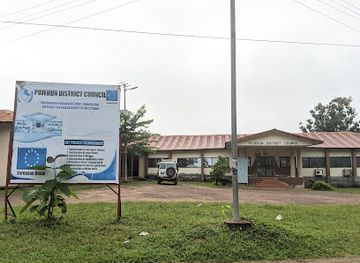
Pujehun District Council
Explore the heart of governance and community at the Pujehun District Council, where local culture and administrative initiatives come together.
8 min walk · 0.7 km from city centre
-
Nature preserve
Kambui Hills Forest Reserve
Discover the serene beauty of Kambui Hills Forest Reserve, a nature lover's paradise in Kenema, Sierra Leone, teeming with wildlife and breathtaking landscapes.
1 h 31 min drive · 71 km from city centre
Explore Pujehun on the map
Plan your Pujehun trip on one map. See where the top attractions, landmarks, restaurants, bars and hotels are, find what's near where you're staying, and book hotels and experiences in a few clicks.
Best hotels in Pujehun
Best restaurants in Pujehun
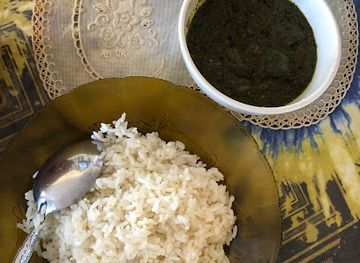
Dining in Pujehun is informal and closely tied to local markets, household cooking and small daytime eateries rather than a developed restaurant scene. Rice is central to meals and is commonly served with cassava-leaf, potato-leaf or other vegetable stews, often enriched with palm oil, fish, meat or stock. Fried plantain, cassava, groundnut-based sauces, beans and peppery soups may appear alongside jollof rice and simple grilled or fried fish. Roadside sellers and market cooks provide practical meals for residents and travellers, while tea stalls and small cafés offer snacks and drinks. Menus can be limited and ingredients seasonal, so asking what has been cooked that day is more useful than expecting a fixed list. Food hygiene varies; choose busy stalls where dishes are freshly prepared, and drink treated or bottled water.
-
Restaurant
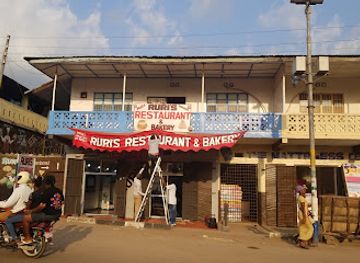
Ruri's Restaurant
Experience exquisite flavors at Ruri's Restaurant in Bo - where local meets international cuisine in a warm and inviting atmosphere.
1 h 27 min drive · 67 km from city centre
-
Restaurant
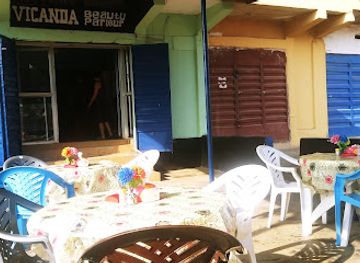
Vicanda Parlour Restaurant
Savor the flavors of Sierra Leone at Vicanda Parlour Restaurant in Bo – where local cuisine meets international flair.
1 h 26 min drive · 66 km from city centre
-
Restaurant
Restaurat Luz Andina-UNI
Experience authentic local cuisine at Restaurante Luz Andina-UNI in Bo, where tradition meets flavor in every dish.
1 h 26 min drive · 66 km from city centre
-
Restaurant
Taiama
Discover authentic Sierra Leonean flavors at Taiama, a premier restaurant in Bo offering an unforgettable dining experience amidst rich cultural heritage.
1 h 27 min drive · 67 km from city centre
Best bars in Pujehun
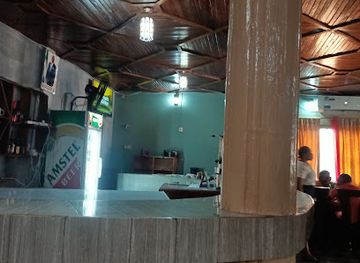
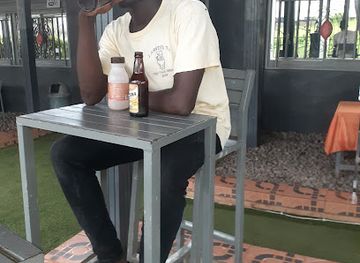
Pujehun has a small-scale evening scene centred on local social life rather than nightclubs or a formal entertainment quarter. Small bars, palm-wine settings and roadside drinking spots may become meeting places after work, while music from radios and locally played recordings supplies much of the atmosphere. Restaurants and food sellers generally operate more actively during the day and early evening, and options become quieter away from the centre. Visitors should avoid assuming that every venue is suitable for photography or late-night conversation, and should arrange transport back to their accommodation before dark. Community, religious and family events may provide more meaningful evening encounters than commercial nightlife, but dates and access depend on local invitation and current schedules.
-
Restaurant
Unique
Discover a delightful blend of local and international cuisine at Unique, a charming restaurant in the heart of Kenema, Sierra Leone.
1 h 43 min drive · 83 km from city centre
-
Bar
Charlie P. Investment
Discover the vibrant nightlife of Kenema at Charlie P. Investment, where local culture meets a welcoming bar experience in Sierra Leone.
1 h 43 min drive · 83 km from city centre
-
Restaurant
Hancess Bar and Restaurant
Explore the diverse flavors of Sierra Leone at Hancess Bar and Restaurant in Bo, where local cuisine meets warm hospitality.
1 h 27 min drive · 67 km from city centre
-
Bar
Leonco Bar & Restaurant
Discover the vibrant flavors and warm hospitality at Leonco Bar & Restaurant in Bo, Sierra Leone – a true taste of local culture.
1 h 25 min drive · 65 km from city centre
Best nightclubs in Pujehun
Pujehun has a small-scale evening scene centred on local social life rather than nightclubs or a formal entertainment quarter. Small bars, palm-wine settings and roadside drinking spots may become meeting places after work, while music from radios and locally played recordings supplies much of the atmosphere. Restaurants and food sellers generally operate more actively during the day and early evening, and options become quieter away from the centre. Visitors should avoid assuming that every venue is suitable for photography or late-night conversation, and should arrange transport back to their accommodation before dark. Community, religious and family events may provide more meaningful evening encounters than commercial nightlife, but dates and access depend on local invitation and current schedules.
-
Night club
Day 1 Lounge
Experience the vibrant nightlife at Day 1 Lounge in Bo, a premier night club offering music, dance, and local culture in Sierra Leone.
1 h 26 min drive · 66 km from city centre
-
Night club
Chapter One club and Restaurant
Dive into the energetic nightlife of Bo at Chapter One Club and Restaurant, where music, dancing, and delicious cuisine await.
1 h 28 min drive · 68 km from city centre
-
Club
Karima night club
Discover the heart of Kenema's nightlife at Karima Night Club with vibrant music, engaging locals, and an unforgettable atmosphere.
1 h 41 min drive · 81 km from city centre

Best shops in Pujehun
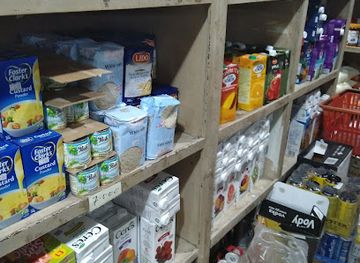
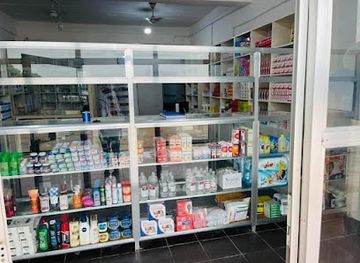
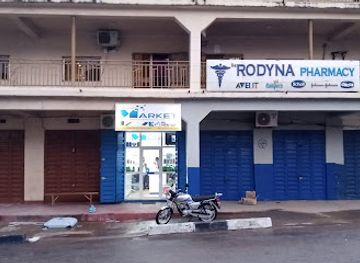
Shopping in Pujehun is practical, local and market-based. The central market and surrounding stalls are the main places to look for rice, cassava, fruit, vegetables, palm-oil products, dried fish, household supplies, clothing and basic travel provisions. Small shops stock packaged foods and everyday necessities, while roadside sellers may offer seasonal produce brought in from nearby farms. Visitors may find woven items, locally made household objects or agricultural products, but the town is not a dedicated craft-shopping destination and selection changes with supply. Bargaining can form part of informal market transactions, but it should remain courteous and proportionate. Packaged regional food products are generally easier to carry than fragile handicrafts, and travellers should avoid buying protected wildlife products or anything whose origin is unclear.
-
Grocery store
Bo Mini Market
Explore the local culture at Bo Mini Market in Sierra Leone, where fresh produce and traditional delicacies await your discovery.
1 h 27 min drive · 67 km from city centre
-
Home goods store
Bellah section
Explore Bellah Section in Matru for unique home goods that reflect the artistry and culture of Sierra Leone.
1 h 18 min drive · 58 km from city centre
-
Shopping mall
Walters Plaza
Explore Walters Plaza in Bo, Sierra Leone - a premier shopping mall offering a blend of local culture, diverse shops, and delicious cuisine for every traveler.
1 h 25 min drive · 65 km from city centre
-
Cell phone store
Smart Market SL
Explore Smart Market SL in Bo, Sierra Leone: Your one-stop destination for top-quality mobile phones and accessories.
1 h 27 min drive · 67 km from city centre
Get your free copy of our complete guide to Pujehun, delivered straight to you.
Everything on this page, from attractions and restaurants to essentials and local phrases, in one PDF you can read offline, print or share.
Already have an account? Sign in
Your Pujehun guide is ready.
We'll send it to · Not you? Sign out

Getting your guide ready…
We are putting together a fresh copy of the Pujehun guide. This can take up to a minute.
This can take a few moments. If your browser asks, choose Allow so the download can start. You'll find the guide in your Downloads folder.
Nothing happened? Download it again
Sorry, the guide is taking longer than usual. Please try again in a minute, or get it by email instead.
Pujehun essentials
Currency and Payment
Safety
Emergency Situations
Do's and Don'ts
Local Tips
From Eve
Local phrases worth knowing
You don't need to get them perfect. A few words go a long way, and locals appreciate the effort.
Basics
| English | Local | Say it |
|---|---|---|
| Hello | Kushe | [Koo-shey] |
| Goodbye | Deh-bra | [Deh-bra] |
| Yes | Ee | [Ee] |
| No | Nah | [Nah] |
| Please/You're welcome | A deh | [Ah-deh] |
| Thank you | Tenki | [Ten-kee] |
| Excuse me/Sorry | Sori | [Sor-ee] |
| How are you? | How di bodi? | [How dee boh-dee?] |
| Fine. And you? | A deh. An yu? | [Ah-deh. An yoo?] |
| Do you speak English? | Yu sabi tok Inglish? | [Yoo sah-bee toke In-gleesh?] |
| I don't understand | A no sabi | [Ah no sah-bee] |
Eating & Drinking
| English | Local | Say it |
|---|---|---|
| I'd like to see the menu, please | A go lek si di menu, abeg | [Ah goh lek see dee men-oo, ah-beg] |
| I don't eat meat | A no luv eit miit | [Ah no loov ayt meet] |
| Cheers! | Kilu! | [Kee-loo] |
| I would like to pay, please | A go lek fo pai, abeg | [Ah goh lek foh pie, ah-beg] |
Emergencies
| English | Local | Say it |
|---|---|---|
| Help! | Foh! | [Foh!] |
| Go away! | Go kamot! | [Go ka-moht!] |
| Call the Police! | Fon polis! | [Fon poh-lees!] |
| Call a doctor! | Fon doktor! | [Fon dok-tor!] |
| I'm lost | A lost | [Ah lost] |
| I'm ill | A sik | [Ah seek] |
Shopping
| English | Local | Say it |
|---|---|---|
| I'd like to buy... | A go lek fo ba... | [Ah goh lek foh bah...] |
| I'm just looking | A deh luk o | [Ah deh look oh] |
| How much is it? | Na ow u tay? | [Nah oh woo tie?] |
| That's too expensive | Dat tin tu diar | [Dat teen too dee-ar] |
| Can you lower the price? | Yu fit kam dian di frai? | [Yoo feet kam dee-an dee fry?] |
Time & Numbers
| English | Local | Say it |
|---|---|---|
| What time is it? | Ow de tay? | [Oh deh tie?] |
| It's one o'clock | Na wan tay | [Nah wahn tie] |
| Half past (10) | Na haf ten | [Nah haf ten] |
| Morning | Mornin | [Morn-in] |
| Afternoon | Aftanun | [Af-ta-noon] |
| Evening | Ivinin | [Ee-vee-neen] |
| Yesterday | Dey bifo | [Day bee-foh] |
| Today | Dey | [Day] |
| Tomorrow | Tanoro | [Tah-noh-roh] |
| 1 | Wan | [Wahn] |
| 2 | Tu | [Too] |
| 3 | Tri | [Tree] |
| 4 | Fo | [Foh] |
| 5 | Fayv | [Fayv] |
| 6 | Seks | [Sehks] |
| 7 | Seven | [Seh-ven] |
| 8 | Eyt | [Ayt] |
| 9 | Nain | [Nayn] |
| 10 | Ten | [Tehn] |
Transport & Directions
| English | Local | Say it |
|---|---|---|
| Where's a/the...? | Na we de... | [Nah way deh...] |
| What's the address? | Na di addres? | [Nah dee add-res?] |
| Can you show me (on the map)? | Yu fit sho mi (pan di map)? | [Yoo feet show mee (pan dee map)?] |
| When's the next (bus)? | Wen di neks wan kam? | [When dee necks wahn kam?] |
| A ticket (to ....) | Wan tiket (go ...) | [Wahn tee-ket (goh ...)] |
History of Pujehun
Mende Communities and Early Settlement
The area around present-day Pujehun has long formed part of the cultural landscape of southern Sierra Leone, where Mende-speaking communities developed farming settlements, trading relationships and local systems of authority. Rice cultivation, palm products and other agricultural activities shaped connections between villages and wider markets. Like much of the region, the town's history is better understood through the relationship between its surrounding communities and regional routes than through a single founding event. Oral traditions, family histories and customary leadership remain important to understanding local identity, although the details of early settlement are not always recorded in written sources.
Colonial Administration in the South
During British colonial rule, administrative boundaries and official centres increasingly organised the territory that became Pujehun District. Roads, trading points and government services linked rural communities with district headquarters, while the colonial economy encouraged the movement of agricultural products through regional markets. These changes did not replace existing Mende institutions and customs, but placed them within a new political framework controlled from the colonial capital and local administrative offices. Pujehun's present role as a district capital reflects this longer process of formal administration, even though the town remains closely connected to surrounding villages and farming communities.
Independence and Regional Development
Sierra Leone became independent in 1961, and Pujehun continued as an administrative and commercial centre in the south. Post-independence development brought efforts to extend education, health services, roads and public administration beyond the larger towns, though provision remained uneven across rural districts. Local economic life continued to depend heavily on agriculture and small-scale trade, with rice, palm products and other produce moving through markets and along difficult road connections. The town's character today reflects this combination of district-level government functions, modest commerce and strong links with the countryside.
Civil War and Disrupted Communities
The Sierra Leone Civil War, fought from 1991 to 2002, caused severe displacement and disruption across the country, including the southern districts. Communities in and around Pujehun experienced the wider consequences of insecurity, interrupted farming, damaged services and the movement of civilians seeking safety. The conflict altered family networks and local economies even after the fighting ended. National disarmament, demobilisation and reconstruction programmes subsequently supported the return of people and the gradual restoration of public life. Contemporary Pujehun is therefore also shaped by resilience and by the continuing work of rebuilding services and livelihoods.
Reconstruction and Contemporary Pujehun
Since the end of the war, Pujehun has remained a relatively small district capital whose importance rests on administration, trade and its links with rural settlements. Improvements in roads, communications and public services have developed gradually, while challenges such as seasonal isolation and limited infrastructure continue to influence daily life. The Ebola outbreak of 2014–16 also placed extraordinary pressure on communities across Sierra Leone and affected the country's health systems and social relationships. Today, local identity is expressed through Mende cultural life, religious communities, markets and agricultural connections rather than through a large concentration of monumental heritage.
Pujehun in Photos
Browse through our photo collection highlighting the charm and character of the destination.
Cities near Pujehun
The closest cities to Pujehun, if you have time for more than one stop.
-

-

-

-

-


Swipe for more cities
Explore more

Explore more of Sierra Leone
Discover Sierra Leone, a West African treasure with pristine beaches, lush rainforests, rich history, and vibrant cultures, offering unforgettable adventures and warm hospitality.
Explore Sierra Leone