

Free Kenema Travel Guide & Mobile App
Plan your Kenema trip with Evendo. Get free guides to top attractions, restaurants, hotels, and bars. Web access or download the mobile app.


Kenema, Sierra Leone, reveals Mende culture, eastern markets, diamond history, rainforest landscapes and gateways to Gola Forest and Tiwai Island.
An Eastern Sierra Leonean Crossroads
Kenema lies in Sierra Leone’s Eastern Province, among low hills, cultivated land and the forested landscapes associated with the Mende heartland. It is a regional commercial centre rather than a conventional sightseeing city, and its character is best understood through everyday life: market trading, shared taxis, roadside food stalls, churches and mosques, and the constant movement of people travelling between towns and rural communities. The city also serves as an important base for exploring the wider eastern region, including the Gola Rainforest National Park and Tiwai Island, although both are excursions beyond Kenema itself.Read more about Kenema
Mende Culture and Urban Life
From Railway Town to Regional Centre
When is the best time to visit Kenema?
Best: December–February · 31°C| Month | High (°C) | Rainfall (mm) |
|---|---|---|
| January (best) | 31 | 2 |
| February (best) | 31 | 2 |
| March | 32 | 3 |
| April | 32 | 7 |
| May | 32 | 11 |
| June | 32 | 19 |
| July | 31 | 29 |
| August | 31 | 41 |
| September | 32 | 31 |
| October | 32 | 23 |
| November | 31 | 9 |
| December (best) | 31 | 4 |
Getting to and around Kenema
How to get there
Transportation
Best attractions in Kenema
Kenema’s attractions are rooted in everyday eastern Sierra Leonean life rather than a dense collection of formal monuments. The central market provides the clearest introduction to the city’s trading culture, with stalls selling rice, cassava, vegetables, palm products, cloth and household goods. Around the town, churches, mosques, schools and civic buildings reveal the religious and institutional character of a regional centre, while the former railway corridor recalls the transport system that once linked the interior with Freetown. Visitors interested in contemporary history can learn about the city’s role during the Ebola epidemic through local institutions and conversations with residents, approached with sensitivity. Kenema is also a useful base for organised journeys towards Gola Rainforest National Park and Tiwai Island, where forest habitats and wildlife offer a very different experience from the town. These are regional excursions rather than attractions within Kenema itself and require advance transport planning.
-
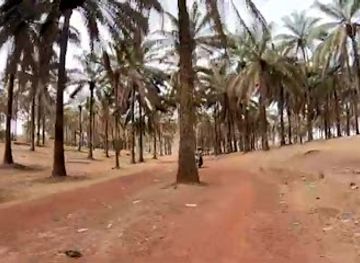
City park
Kenema palmtree park
Experience the serene beauty of Kenema Palmtree Park, a tranquil escape in the heart of Kenema, Sierra Leone, perfect for relaxation and leisure.
5 min drive · 1.5 km from city centre
Best landmarks in Kenema
Kenema’s most meaningful landmarks are civic, religious and historical rather than grand architectural monuments. The central market is a defining urban landmark, representing the town’s role as a commercial meeting point for surrounding farming communities and eastern trade routes. The city’s mosques and churches, including prominent local Christian congregations, reflect the coexistence of Muslim and Christian communities, although visitors should treat places of worship as active religious spaces rather than sightseeing sites. Eastern Polytechnic is an important educational institution and part of Kenema’s modern civic identity. The former railway route and railway-related remnants, where visible, recall the system that supported colonial administration and interior commerce before rail services ended. Kenema Government Hospital also carries historical significance because the city became an important centre of Sierra Leone’s Ebola treatment and public-health response. These sites are best understood through local context and respectful observation.
-
Hotel
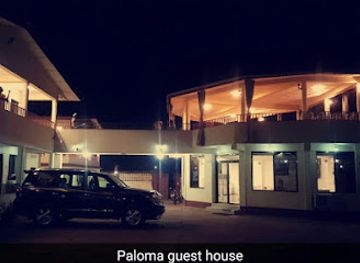
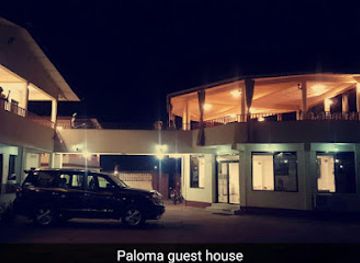
PALOMA GUEST HOUSE
Discover the charm of Kenema at Paloma Guest House, the perfect blend of comfort, convenience, and local culture in Sierra Leone.
6 min walk · 0.5 km from city centre
-
Hotel
DORWAILA INN & SUITE
Experience the perfect blend of comfort and convenience at Dorwaila Inn & Suite in Kenema, a tranquil escape in Sierra Leone.
5 min drive · 1.5 km from city centre
-
Hotel
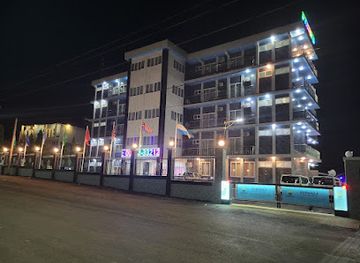
Capitol Hotel
Experience comfort and convenience at Capitol Hotel in Kenema, the perfect hub for your travels in Sierra Leone.
8 min walk · 0.6 km from city centre
-
Shopping mall
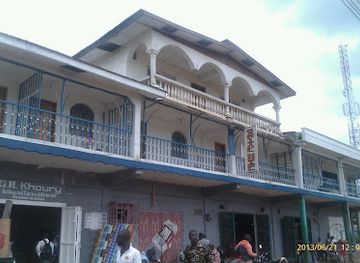
Kenema Shopping Plaza
Discover the vibrant shopping scene at Kenema Shopping Plaza, where local culture meets modern retail in the heart of Sierra Leone.
4 min walk · 0.3 km from city centre
Explore Kenema on the map
Plan your Kenema trip on one map. See where the top attractions, landmarks, restaurants, bars and hotels are, find what's near where you're staying, and book hotels and experiences in a few clicks.
Best hotels in Kenema
Best restaurants in Kenema
Kenema’s food scene is centred on Sierra Leonean home cooking, informal eateries and hotel restaurants rather than a large international dining sector. Rice is the everyday staple, commonly served with cassava-leaf, potato-leaf, groundnut or okra sauces, while fried plantain, beans, grilled fish and chicken provide familiar additions. Fufu and other cassava-based foods may appear alongside soups and stews, and roadside stalls offer simple breakfasts, snacks and drinks. The central market is important for ingredients and prepared food, though visitors should choose busy, clean-looking vendors and drink treated or bottled water. Dining times and menus can be flexible, especially outside larger hotels, and locally sourced palm oil, rice and vegetables shape the flavours of many meals. Eating with local residents or a trusted host can provide useful guidance on dishes, portions and customary table manners.
-
Hotel
PALOMA GUEST HOUSE
Discover comfort and convenience at Paloma Guest House in Kenema - your perfect home away from home while exploring Sierra Leone's vibrant culture.
6 min walk · 0.5 km from city centre
-
Hotel
DORWAILA INN & SUITE
Discover comfort and hospitality at Dorwaila Inn & Suite in Kenema - your perfect retreat while exploring Sierra Leone's rich culture.
5 min drive · 1.5 km from city centre
-
Restaurant
Unique
Explore Kenema's vibrant culinary scene at Unique Restaurant, where traditional flavors meet modern dining experiences.
7 min walk · 0.6 km from city centre
-
Bar
Charlie P. Investment
Experience the vibrant nightlife at Charlie P. Investment in Kenema, where local culture meets refreshing drinks in an inviting atmosphere.
9 min walk · 0.7 km from city centre
Best bars in Kenema
Kenema’s evening scene is modest and social, with activity concentrated around hotel bars, local drinking spots, restaurants and informal gatherings rather than a large club circuit. Music, football broadcasts and conversation are central to many nights, and some venues play Sierra Leonean and wider West African popular music. The atmosphere can change considerably between weekdays and weekends, while public activity generally diminishes away from the central areas after dark. Visitors should choose established venues recommended by trusted local contacts, keep personal belongings secure and arrange transport back to their accommodation before late evening. Alcohol is available, but nightlife is not the main reason to visit Kenema; cultural events, community gatherings and live music may be more significant than purpose-built entertainment districts. Ask before photographing performers or patrons, and observe local expectations around dress and behaviour.
-
Hotel
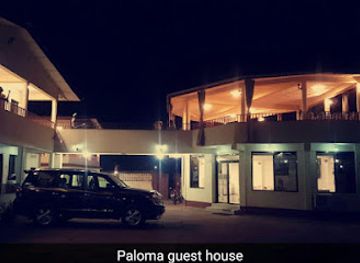
PALOMA GUEST HOUSE
Experience the warmth and comfort of Paloma Guest House in Kenema, Sierra Leone, your perfect base for exploring local attractions.
6 min walk · 0.5 km from city centre
-
Restaurant
Unique
Experience the authentic flavors of Sierra Leone at Unique Restaurant in Kenema, where every dish tells a story.
7 min walk · 0.6 km from city centre
-
Bar
Charlie P. Investment
Discover the lively atmosphere of Charlie P. Investment in Kenema, where local culture meets refreshing drinks and friendly conversations.
9 min walk · 0.7 km from city centre
-
Family-friendly
Goat modern
Experience the vibrant atmosphere and delicious local flavors at Goat Modern, the perfect family-friendly dining destination in Kenema, Sierra Leone.
5 min walk · 0.4 km from city centre

Best nightclubs in Kenema
Kenema’s evening scene is modest and social, with activity concentrated around hotel bars, local drinking spots, restaurants and informal gatherings rather than a large club circuit. Music, football broadcasts and conversation are central to many nights, and some venues play Sierra Leonean and wider West African popular music. The atmosphere can change considerably between weekdays and weekends, while public activity generally diminishes away from the central areas after dark. Visitors should choose established venues recommended by trusted local contacts, keep personal belongings secure and arrange transport back to their accommodation before late evening. Alcohol is available, but nightlife is not the main reason to visit Kenema; cultural events, community gatherings and live music may be more significant than purpose-built entertainment districts. Ask before photographing performers or patrons, and observe local expectations around dress and behaviour.
-
 Club
Karima night club
Dive into the electrifying nightlife of Kenema at Karima Night Club, where music, dancing, and unforgettable memories await.
5 min drive · 1.6 km from city centre
Best shops in Kenema
Shopping in Kenema is concentrated around the central market, roadside stalls and small independent businesses rather than enclosed malls or a specialised luxury-retail district. Market traders sell rice, cassava, vegetables, fruit, palm products, spices, household necessities and imported clothing, while tailors and fabric sellers reflect the importance of dress and textile culture in Sierra Leonean life. Visitors may find locally made baskets, carved objects, woven goods and simple craft items, though quality and availability vary. The market is also a place to observe the movement of produce from surrounding agricultural communities into the town. Bargaining can be part of informal trading, but it should be courteous and realistic. Food products, textiles and practical household goods are generally more characteristic purchases than mass-produced souvenirs, and customers should check items carefully before paying.
-
Shopping mall
Kenema Shopping Plaza
Discover Kenema Shopping Plaza - a vibrant hub for shopping, dining, and local culture in Sierra Leone, perfect for every tourist's itinerary.
4 min walk · 0.3 km from city centre
-
Shopping mall
Choithram Super Market
Discover the vibrant Choithram Super Market in Kenema, a hub of local culture, delicious foods, and unique shopping experiences.
1 min walk · 0.1 km from city centre
-
Shopping mall
Kenema Super Market
Discover vibrant shopping and local culture at Kenema Super Market, a must-visit destination in Sierra Leone for tourists.
11 min walk · 0.8 km from city centre
-
Coffee store
Capitol Trading Co.
Discover the rich flavors of locally sourced brews at Capitol Trading Co. in Kenema, a cozy coffee store perfect for relaxation.
7 min walk · 0.6 km from city centre
Get your free copy of our complete guide to Kenema, delivered straight to you.
Everything on this page, from attractions and restaurants to essentials and local phrases, in one PDF you can read offline, print or share.
Already have an account? Sign in
Your Kenema guide is ready.
We'll send it to · Not you? Sign out

Getting your guide ready…
We are putting together a fresh copy of the Kenema guide. This can take up to a minute.
This can take a few moments. If your browser asks, choose Allow so the download can start. You'll find the guide in your Downloads folder.
Nothing happened? Download it again
Sorry, the guide is taking longer than usual. Please try again in a minute, or get it by email instead.
Kenema essentials
Currency and Payment
Safety
Emergency Situations
Do's and Don'ts
Local Tips
From Eve
Local phrases worth knowing
You don't need to get them perfect. A few words go a long way, and locals appreciate the effort.
Basics
| English | Local | Say it |
|---|---|---|
| Hello | Yaa | [yah] |
| Goodbye | Debaa | [deh-bah] |
| Yes | Ehn | [ehn] |
| No | Nah | [nah] |
| Please/You're welcome | Kata | [ka-tah] |
| Thank you | Tenki | [ten-kee] |
| Excuse me/Sorry | Sowi | [soh-wee] |
| How are you? | How di bodi? | [how dee boh-dee] |
| Fine. And you? | Fine. Na yu? | [feen. nah yoo] |
| Do you speak English? | Yu sabi tok Engrish? | [yoo sa-bee tok en-grish] |
| I don't understand | A no sabi | [ah no sa-bee] |
Eating & Drinking
| English | Local | Say it |
|---|---|---|
| I'd like to see the menu, please | Ah wan see di menu, abeg | [ah wahn see dee meh-noo, ah-beg] |
| I don't eat meat | A no de eat mɔt | [ah no deh eet moht] |
| Cheers! | Up | [oop] |
| I would like to pay, please | Ah go pay, abeg | [ah goh pay, ah-beg] |
Emergencies
| English | Local | Say it |
|---|---|---|
| Help! | Fɔl oh! | [fohl oh] |
| Go away! | Go lef! | [goh lehf] |
| Call the Police! | Kɔl polis! | [kohl poh-lees] |
| Call a doctor! | Kɔl dokta! | [kohl dohk-tah] |
| I'm lost | A loss | [ah loss] |
| I'm ill | A sik | [ah seek] |
Shopping
| English | Local | Say it |
|---|---|---|
| I'd like to buy... | Ah wan buy... | [ah wahn buy] |
| I'm just looking | A de luk | [ah deh look] |
| How much is it? | Ehn di wɔn cost? | [ehn dee wohn cost] |
| That's too expensive | Dɔt tɔɔ much | [doht too much] |
| Can you lower the price? | Yu fit reduce di price? | [yoo fit ree-dooce dee price] |
Time & Numbers
| English | Local | Say it |
|---|---|---|
| What time is it? | Na waik tan? | [nah wah-ick tahn] |
| It's one o'clock | Na wan taim | [nah wahn tah-eem] |
| Half past (10) | Half past (10) | [half past (10)] |
| Morning | Mɔnin | [moh-neen] |
| Afternoon | Aftanun | [ahf-tah-noon] |
| Evening | Ivinin | [ee-vee-neen] |
| Yesterday | Yeside | [yeh-see-deh] |
| Today | Tide | [tee-deh] |
| Tomorrow | Tamoro | [tah-moh-roh] |
| 1 | 1 | [1] |
| 2 | 2 | [2] |
| 3 | 3 | [3] |
| 4 | 4 | [4] |
| 5 | 5 | [5] |
| 6 | 6 | [6] |
| 7 | 7 | [7] |
| 8 | 8 | [8] |
| 9 | 9 | [9] |
| 10 | 10 | [10] |
Transport & Directions
| English | Local | Say it |
|---|---|---|
| Where's a/the...? | Wey di...? | [wey dee] |
| What's the address? | Wat na di addres? | [waht nah dee add-rehs] |
| Can you show me (on the map)? | Yu fit show mi? (na di map) | [yoo fit show mee? (nah dee map)] |
| When's the next (bus)? | Na wen di nɛkst (bɔs)? | [nah wen dee neckst (bohs)] |
| A ticket (to ....) | Wan tikɛt (go ...) | [wahn tee-keh-t (goh)] |
History of Kenema
Mende Communities and Forest Landscapes
Before the development of the modern town, the wider Kenema area was inhabited predominantly by Mende communities whose livelihoods were connected to farming, forest resources and regional exchange. Mende society developed distinctive systems of education, initiation, authority and artistic expression, including traditions associated with the Sande and Poro societies. These institutions are culturally important but may involve private or restricted practices that visitors should not attempt to observe without explicit permission. The agricultural landscape around Kenema, shaped by rice cultivation, tree crops and smallholder farming, continues to reflect this long relationship between communities and the eastern forests.
Colonial Administration and Commercial Growth
Kenema expanded during the colonial period as British administration consolidated control over the eastern interior and developed transport and commercial links with coastal Sierra Leone. Roads, administrative offices, trading businesses and mission institutions helped turn the settlement into a regional centre. The railway connecting Freetown with the interior strengthened this role by moving passengers and agricultural produce, while traders from different parts of Sierra Leone and neighbouring territories added to the town’s commercial life. Colonial development was shaped by extraction and administrative priorities, and it operated within a wider system of taxation and labour control that transformed local economies and political relationships.
Railways, Agriculture and Mineral Trade
During the twentieth century, Kenema became increasingly important as a distribution point for the eastern region’s agricultural and mineral economies. Produce from surrounding farming communities moved through the town, while the discovery and exploitation of diamonds in eastern Sierra Leone brought new flows of labour, capital and commerce. Kenema was not the country’s principal diamond field, but its roads, businesses and markets connected mining districts with wider trading networks. The railway later declined and eventually ceased operating, leaving road transport as the principal means of linking Kenema with Bo, Kailahun, Koidu and Freetown.
War and the Strain of Displacement
Sierra Leone’s civil war, fought from 1991 to 2002, deeply affected the Eastern Province. Communities experienced violence, displacement, disruption of farming and the collapse or weakening of public services. Kenema, as a substantial town and administrative centre, also became associated with the movement of displaced people and humanitarian relief. The conflict damaged infrastructure and trust across the region, while its effects continued after the formal end of the war. Reconstruction gradually restored roads, schools, health services and commerce, but the war remains an important part of local memory and of the modern history visitors encounter in eastern Sierra Leone.
Ebola and Public Health Resilience
The Ebola epidemic that spread through West Africa from 2014 placed Kenema at the centre of Sierra Leone’s public-health emergency. The city’s hospital and treatment facilities cared for patients and supported surveillance and clinical work at a time when health workers faced exceptional risks. The epidemic disrupted markets, travel, education, religious gatherings and family life throughout the region. Its aftermath brought renewed attention to infection control, community communication and the capacity of local health services. Kenema’s recent identity is therefore shaped not only by trade and regional administration, but also by the resilience of communities and medical staff during a major international health crisis.
Kenema in Photos
Browse through our photo collection highlighting the charm and character of the destination.
Cities near Kenema
The closest cities to Kenema, if you have time for more than one stop.
-

-

-

-

-


Swipe for more cities
Explore more

Explore more of Sierra Leone
Discover Sierra Leone, a West African treasure with pristine beaches, lush rainforests, rich history, and vibrant cultures, offering unforgettable adventures and warm hospitality.
Explore Sierra Leone