

Telok Ayer (Chinatown) Travel Guide - Free
Explore Telok Ayer in Chinatown with Evendo's free guide. Find the best shops, historic streets, restaurants, and gems on web or mobile.


Telok Ayer in Singapore’s Chinatown pairs historic temples, shophouses, hawker food and lively CBD evenings along streets shaped by the former waterfront.
A Historic Edge of Singapore’s Chinatown
Telok Ayer occupies a compact stretch between Singapore’s historic Chinatown and the modern Central Business District. Its name recalls the former Telok Ayer Bay, a waterfront once used by immigrants and traders arriving by sea before successive land-reclamation projects pushed the shoreline southwards. Today, Telok Ayer Street runs through a dense cityscape of preserved shophouses, offices, cafés and places of worship, creating an unusually layered urban experience.Read more about Telok Ayer
Religious Architecture Along Telok Ayer Street
Food, Evening Streets and Everyday City Life
Best attractions in Telok Ayer
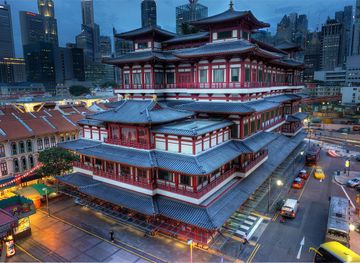
Telok Ayer’s attractions are concentrated rather than sprawling, making the area well suited to a close architectural walk. Thian Hock Keng is the principal sight, with carved stonework, painted ornament and an entrance courtyard associated with the Hokkien community’s maritime faith. Along the same historic corridor, Al-Abrar Mosque and Nagore Dargah offer a striking sequence of South Indian Muslim heritage buildings, while Telok Ayer Chinese Methodist Church adds another layer to the street’s religious history. The conserved shophouses of Telok Ayer Street and Boon Tat Street provide the backdrop, now housing offices, galleries and dining rooms. Nearby Lau Pa Sat, just beyond the neighbourhood’s strictest boundary, offers a landmark food-hall experience, while the streets towards Club Street and Ann Siang Hill extend the walk into Chinatown’s restaurant and nightlife quarter.
-
 Tourist attraction
Sri Mariamman Temple
Explore the stunning Sri Mariamman Temple, Singapore's oldest Hindu temple, where spirituality meets vibrant cultural heritage in the heart of Chinatown.
4 min walk · 0.3 km from neighbourhood centre
-
Museum
Fuk Tak Chi Museum
Explore the rich Chinese heritage of Singapore at Fuk Tak Chi Museum, showcasing fascinating artifacts and historical tales of early immigrants.
3 min walk · 0.3 km from neighbourhood centre
-
Tourist attraction
Chinatown Market - Wall Mural Art by Yip Yew Chong
Experience the captivating wall mural art by Yip Yew Chong in Chinatown, Singapore, where history and creativity come alive.
5 min walk · 0.4 km from neighbourhood centre
-
Park
Telok Ayer Park
Explore the tranquil charm of Telok Ayer Park, where historical landmarks meet lush greenery in the heart of Chinatown, Singapore.
4 min walk · 0.3 km from neighbourhood centre


Best landmarks in Telok Ayer
Telok Ayer’s landmarks embody the port settlement’s religious and architectural diversity. Thian Hock Keng, completed in the 1840s, is the defining Chinese temple, its elaborate southern Chinese decorative language expressing the Hokkien community’s sea-linked origins. Al-Abrar Mosque, dating from 1827, is one of the neighbourhood’s important early Muslim institutions, while Nagore Dargah, established in the 1830s, preserves the memory of South Indian Muslim communities in Singapore. Telok Ayer Chinese Methodist Church contributes a later Christian presence to the same historic streetscape. The conserved shophouses are landmarks in their own right: their narrow plots, covered walkways and continuous façades show how commercial and residential life was once organised in the old town. The vanished shoreline is an invisible landmark, recalled by the neighbourhood’s name and its original relationship with the bay.
-
Taoist temple
Thian Hock Keng Temple
Discover the rich cultural heritage of Singapore at Thian Hock Keng Temple, a stunning Taoist temple in the heart of Chinatown.
1 min walk · 0.1 km from neighbourhood centre
-
Museum
Singapore Musical Box Museum
Explore the enchanting Singapore Musical Box Museum, home to a rich collection of musical boxes that tell tales through timeless melodies.
1 min walk · 0.1 km from neighbourhood centre
-
Park
Ann Siang Hill Park
Experience the serene beauty of Ann Siang Hill Park, a peaceful retreat in the heart of Singapore's Chinatown, perfect for relaxation and exploration.
2 min walk · 0.1 km from neighbourhood centre
-
Park
Telok Ayer Green
Experience the serene beauty of Telok Ayer Green, a lush urban park in Singapore's Chinatown, blending nature, history, and culture.
1 min walk · 0.1 km from neighbourhood centre


Explore Telok Ayer on the map
A handpicked selection of must-see spots in Telok Ayer, mapped for you.
Best hotels in Telok Ayer
Best restaurants in Telok Ayer
Telok Ayer’s dining scene reflects its position between historic Chinatown and Singapore’s financial centre. Weekday lunches draw office workers to hawker food, noodle shops, cafés and compact restaurants, while conserved shophouses along Telok Ayer Street, Boon Tat Street and the surrounding lanes accommodate everything from Chinese cooking and South-east Asian flavours to contemporary international menus. Lau Pa Sat, immediately nearby in the Downtown Core, is a major reference point for hawker dining, though it is not the same as the neighbourhood’s temple-lined core. The streets towards Club Street and Ann Siang Hill add a denser evening restaurant scene, with wine bars and modern dining rooms in restored buildings. Visitors will find more choice than the small footprint initially suggests, but the character is strongly shaped by office demand at lunchtime and social dining after dark.
-
Restaurant
Birds of a Feather
Discover authentic Sichuan flavors in Singapore’s Chinatown at Birds of a Feather – where every dish tells a story.
2 min walk · 0.1 km from neighbourhood centre
-
Barbecue
Meatsmith Telok Ayer
Experience mouthwatering barbecue delights at Meatsmith Telok Ayer in Singapore's vibrant Chinatown—where tradition meets modern culinary artistry.
1 min walk · 0.1 km from neighbourhood centre
-
Restaurant
Umami 10
Discover Umami 10: where traditional Japanese flavors meet modern tapas in the heart of Singapore's Chinatown.
1 min walk · 0.1 km from neighbourhood centre
-
Restaurant
Fu Lin Bar & Kitchen
Discover Fu Lin Bar & Kitchen: A unique blend of Asian flavors and lively nightlife in Singapore's Chinatown.
1 min walk · 0.1 km from neighbourhood centre


Best bars in Telok Ayer
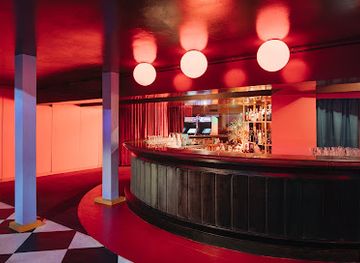
Telok Ayer is not principally a late-night clubbing district; its evening identity is built around restaurants, wine bars, cocktail rooms and convivial shophouse venues. Boon Tat Street and the streets leading towards Club Street and Ann Siang Hill become the main after-work corridors, with a mix of polished bars, informal drinking spaces and dining-led venues. These adjacent streets are often grouped with Telok Ayer in visitor itineraries, although they have their own Chinatown character and lie towards the neighbourhood’s western edge. The atmosphere is generally social rather than centred on large dance clubs, while the CBD’s office presence makes weekday evenings especially noticeable. Later at night, quieter stretches around the temples and residential shophouses call for lower voices and consideration for worshippers and residents.
-
Cocktail bar
Employees Only Singapore
Discover Employees Only Singapore, a chic cocktail bar in Chinatown renowned for its innovative drinks and vibrant atmosphere, perfect for a night out.
2 min walk · 0.1 km from neighbourhood centre
-
Bar
Fu Lin Bar & Kitchen
Discover the best of Asian cuisine and vibrant nightlife at Fu Lin Bar & Kitchen in the heart of Chinatown, Singapore.
1 min walk · 0.1 km from neighbourhood centre
-
French
Napoleon Wine Bistro
Experience the art of French dining at Napoleon Wine Bistro, where exquisite cuisine and fine wines create unforgettable moments in Singapore's Chinatown.
1 min walk · 0.1 km from neighbourhood centre
-
Cocktail bar
Bitters & Love
Discover the essence of Singapore's nightlife at Bitters & Love, where innovative cocktails and a vibrant atmosphere await.
2 min walk · 0.1 km from neighbourhood centre


Best nightclubs in Telok Ayer
Telok Ayer is not principally a late-night clubbing district; its evening identity is built around restaurants, wine bars, cocktail rooms and convivial shophouse venues. Boon Tat Street and the streets leading towards Club Street and Ann Siang Hill become the main after-work corridors, with a mix of polished bars, informal drinking spaces and dining-led venues. These adjacent streets are often grouped with Telok Ayer in visitor itineraries, although they have their own Chinatown character and lie towards the neighbourhood’s western edge. The atmosphere is generally social rather than centred on large dance clubs, while the CBD’s office presence makes weekday evenings especially noticeable. Later at night, quieter stretches around the temples and residential shophouses call for lower voices and consideration for worshippers and residents.
-
Gay bar
Tantric Bar
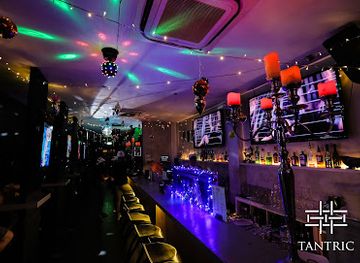
Discover the vibrant nightlife of Tantric Bar in Singapore's Chinatown, a welcoming gay bar with eclectic music and lively energy.
7 min walk · 0.6 km from neighbourhood centre
-
Night club
Cherry Discotheque
Dive into the vibrant nightlife of Singapore at Cherry Discotheque, where electrifying music and a lively atmosphere await you.
2 min walk · 0.2 km from neighbourhood centre
-
Night club
TUFF CLUB
Discover TUFF CLUB, Singapore's hottest nightlife spot where music, drinks, and energy collide for an unforgettable experience.
3 min walk · 0.3 km from neighbourhood centre
-
Gay bar
Lluvia
Experience the vibrant nightlife of Singapore at Lluvia, a lively gay bar in Chinatown offering great drinks, entertainment, and a welcoming atmosphere.
1 min walk · 0.1 km from neighbourhood centre


Best shops in Telok Ayer
Shopping in Telok Ayer is modest and specialised rather than concentrated in a traditional retail market. The conserved shophouses on Telok Ayer Street, Boon Tat Street and nearby CBD lanes now favour cafés, restaurants, professional offices and lifestyle businesses, with occasional opportunities to browse design-led goods, books, gifts and small independent retail alongside dining. The area’s most meaningful “shopping” experience is often architectural: old façades, temple surroundings and ground-floor businesses reveal how commercial streets have been adapted without losing their historic form. For a broader market atmosphere, Chinatown’s larger shopping streets and food centres lie nearby, while Lau Pa Sat offers a food-focused stop just beyond the neighbourhood. Visitors should not expect a dedicated craft bazaar or extensive fashion district within Telok Ayer itself; its retail character is compact, urban and closely tied to the working CBD.
-
Shopping mall
Cross Street Exchange
Discover a vibrant shopping and dining experience at Cross Street Exchange, Singapore's dynamic retail hub in the heart of the city.
4 min walk · 0.3 km from neighbourhood centre
-
Gift shop
Yue Hwa Chinese Products (Chinatown)
Explore Yue Hwa Chinese Products in Chinatown, Singapore for authentic Chinese goods, groceries, and unique souvenirs that reflect rich cultural heritage.
8 min walk · 0.6 km from neighbourhood centre
-
Gift shop
The Tintin Shop
Explore The Tintin Shop in Singapore - a must-visit destination for fans of the iconic comic series, offering unique collectibles and stationery.
5 min walk · 0.4 km from neighbourhood centre
-
Lingerie store
Perk by Kate
Explore the exquisite lingerie collection at Perk by Kate in Chinatown, Singapore, where style meets sophistication in a luxurious shopping experience.
1 min walk · 0.1 km from neighbourhood centre


Telok Ayer essentials
Getting There
Getting Around
Safety
Emergency Situations
Do's and Don'ts
Local Tips

From Eve
Local phrases worth knowing
You don't need to get them perfect. A few words go a long way, and locals appreciate the effort.
Basics
| English | Local | Say it |
|---|---|---|
| Hello | 你好 | [Nǐ hǎo] |
| Goodbye | 再见 | [Zài jiàn] |
| Yes | 是的 | [Shì de] |
| No | 不 | [Bù] |
| Please/You're welcome | 请 | [Qǐng] |
| Thank you | 谢谢 | [Xièxiè] |
| Excuse me/Sorry | 对不起 | [Duìbùqǐ] |
| How are you? | 你好吗? | [Nǐ hǎo ma?] |
| Fine. And you? | 很好。你呢? | [Hěn hǎo. Nǐ ne?] |
| Do you speak English? | 你会说英语吗? | [Nǐ huì shuō yīngyǔ ma?] |
| I don't understand | 我听不懂 | [Wǒ tīng bù dǒng] |
Eating & Drinking
| English | Local | Say it |
|---|---|---|
| I'd like to see the menu, please | 请给我看菜单 | [Qǐng gěi wǒ kàn càidān] |
| I don't eat meat | 我不吃肉 | [Wǒ bù chī ròu] |
| Cheers! | 干杯! | [Gān bēi!] |
| I would like to pay, please | 请给我付款 | [Qǐng gěi wǒ fùkuǎn] |
Emergencies
| English | Local | Say it |
|---|---|---|
| Help! | 救命! | [Jiùmìng!] |
| Go away! | 走开! | [Zǒu kāi!] |
| Call the Police! | 叫警察! | [Jiào jǐngchá!] |
| Call a doctor! | 叫医生! | [Jiào yīshēng!] |
| I'm lost | 我迷路了 | [Wǒ mílù le] |
| I'm ill | 我生病了 | [Wǒ shēngbìng le] |
Shopping
| English | Local | Say it |
|---|---|---|
| I'd like to buy... | 我想买... | [Wǒ xiǎng mǎi...] |
| I'm just looking | 我只是看看 | [Wǒ zhǐshì kàn kàn] |
| How much is it? | 多少钱? | [Duōshǎo qián?] |
| That's too expensive | 太贵了 | [Tài guì le] |
| Can you lower the price? | 可以便宜点吗? | [Kěyǐ piányi diǎn ma?] |
Time & Numbers
| English | Local | Say it |
|---|---|---|
| What time is it? | 现在几点了? | [Xiànzài jǐ diǎn le?] |
| It's one o'clock | 一点钟 | [Yī diǎn zhōng] |
| Half past (10) | 十点半 | [Shí diǎn bàn] |
| Morning | 早上 | [Zǎoshang] |
| Afternoon | 下午 | [Xiàwǔ] |
| Evening | 晚上 | [Wǎnshang] |
| Yesterday | 昨天 | [Zuótiān] |
| Today | 今天 | [Jīntiān] |
| Tomorrow | 明天 | [Míngtiān] |
| 1 | 一 | [Yī] |
| 2 | 二 | [Èr] |
| 3 | 三 | [Sān] |
| 4 | 四 | [Sì] |
| 5 | 五 | [Wǔ] |
| 6 | 六 | [Liù] |
| 7 | 七 | [Qī] |
| 8 | 八 | [Bā] |
| 9 | 九 | [Jiǔ] |
| 10 | 十 | [Shí] |
Transport & Directions
| English | Local | Say it |
|---|---|---|
| Where's a/the...? | ...在哪里? | [...Zài nǎlǐ?] |
| What's the address? | 地址是什么? | [Dìzhǐ shì shénme?] |
| Can you show me (on the map)? | 你可以给我看地图吗? | [Nǐ kěyǐ gěi wǒ kàn dìtú ma?] |
| When's the next (bus)? | 下一班(车)什么时候? | [Xià yī bān (chē) shénme shíhòu?] |
| A ticket (to ....) | 一张票(到...) | [Yī zhāng piào (dào...)] |
History of Telok Ayer
The Bay Before Reclamation
Telok Ayer takes its name from the Malay words telok ayer, meaning water bay, a reference to the inlet that once curved along Singapore’s southern shore. In the early colonial town, the area stood close to the landing places used by arriving migrants and traders. The shoreline was gradually altered through reclamation, particularly during the twentieth century, leaving today’s Telok Ayer Street inland from the water. Although the original bay has disappeared from the streetscape, its memory explains the neighbourhood’s maritime associations and its early concentration of immigrant communities, businesses and religious institutions.
Temples and Immigrant Institutions
Chinese, Indian Muslim and other migrant communities established enduring institutions in Telok Ayer during the nineteenth century. Thian Hock Keng was built between 1839 and 1842 by Hokkien immigrants and dedicated to Mazu, the sea goddess traditionally associated with safe voyages. Al-Abrar Mosque dates from 1827 and served Tamil Muslim worshippers, while Nagore Dargah was established in the 1830s as a shrine associated with South Indian Muslim communities. Their close proximity reflects the practical and plural character of the early port settlement, where religious buildings also functioned as centres of welfare, identity and community life.
From Waterfront Quarter to Business District
As reclamation extended Singapore’s land southwards and the port’s commercial geography changed, Telok Ayer lost its direct relationship with the sea. Streets that had supported maritime trade became part of a larger commercial district linking Chinatown with the financial centre. The surrounding shophouses accommodated wholesalers, provision shops, clan associations, offices and food businesses, while redevelopment elsewhere introduced larger commercial buildings. Telok Ayer’s surviving religious architecture became increasingly important as evidence of the older urban landscape, even as the area’s economic role shifted from port-edge commerce towards office and service-sector activity.
Conservation and Contemporary Renewal
Late twentieth-century conservation efforts helped preserve Telok Ayer Street’s historic buildings and religious landmarks amid rapid redevelopment in central Singapore. Restored shophouses gradually found new uses as restaurants, cafés, bars, studios and offices, particularly along the streets leading towards Club Street and Ann Siang Hill. This renewal brought visitors and evening trade but also changed the balance between commercial activity and long-established religious and community uses. Telok Ayer now forms part of a carefully conserved historic precinct beside the CBD, with its architectural and multicultural inheritance visible within a highly modern urban setting.
Telok Ayer in Photos
Browse through our photo collection highlighting the charm and character of the destination.
Neighbourhoods near Telok Ayer
The closest neighbourhoods to Telok Ayer, if you have time for more than one stop.
-
-


Swipe for more neighbourhoods
Explore more
Explore more of Chinatown
Chinatown Singapore blends temple heritage, hawker flavours, heritage shophouses and lively streets with easy access to the city’s cultural heart.
Explore Chinatown