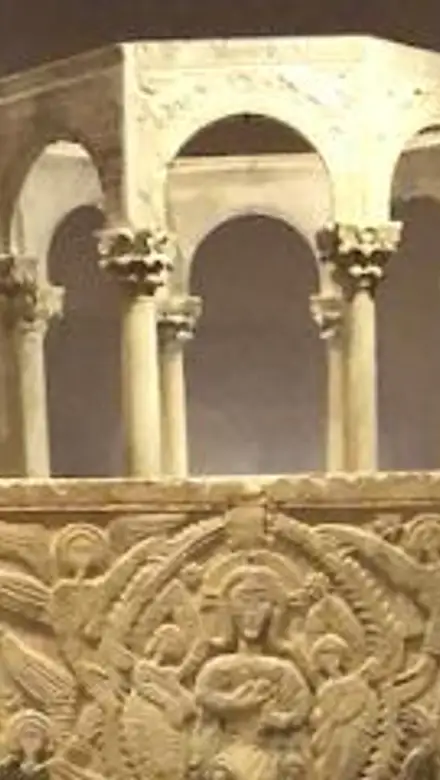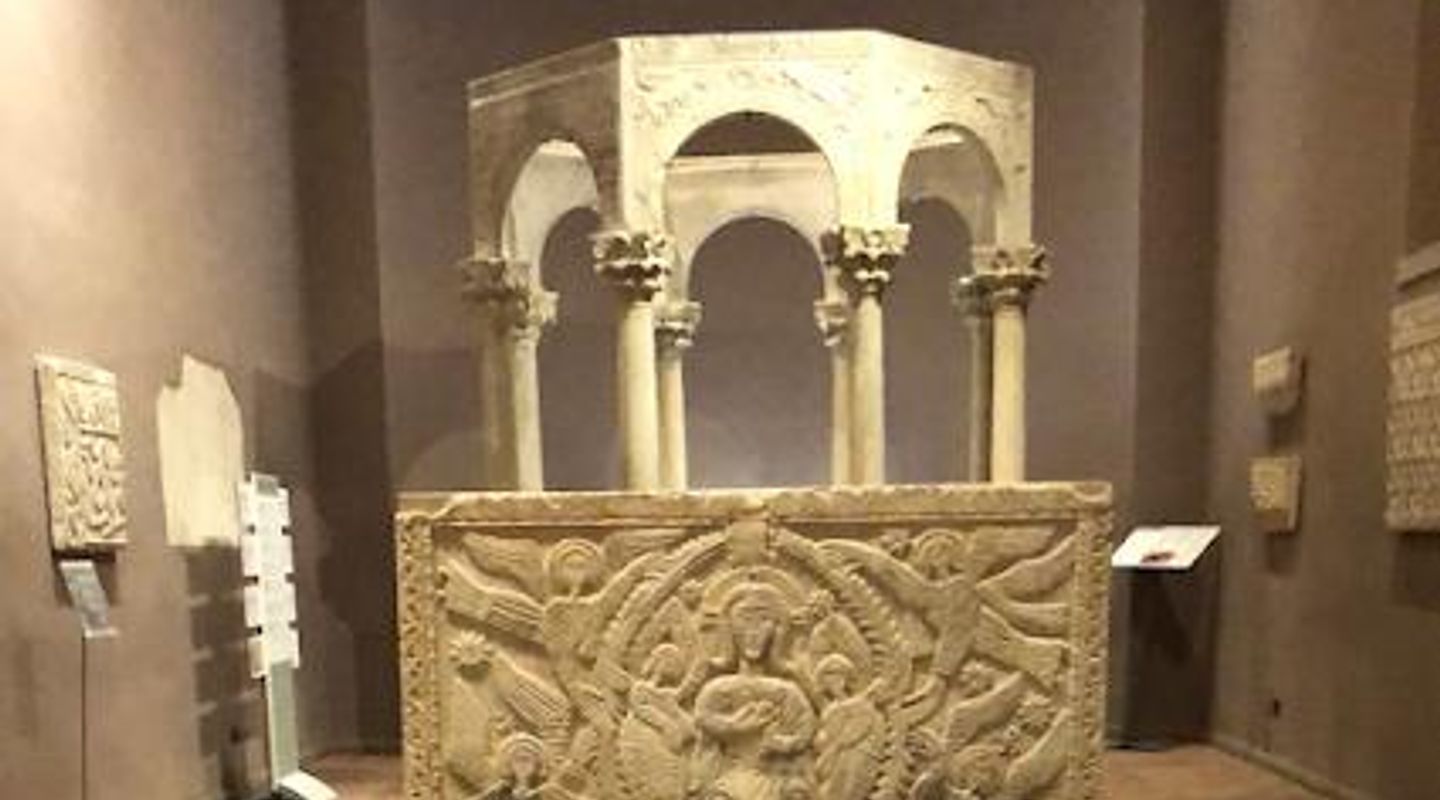
Museo Cristiano, Nova Gorica Travel Guide
Explore the rich religious heritage at Museo Cristiano in Cividale del Friuli, a must-visit museum showcasing exquisite art and artifacts.
Nestled in the charming historic town of Cividale del Friuli, Museo Cristiano offers a captivating journey through religious art and history. With its stunning collections, it's a must-visit for any tourist exploring this beautiful region of Italy.
A brief summary to Museo Cristiano
- Via Giovanni Battista Candotti, 1, Cividale del Friuli, Province of Udine, 33043, IT
- Click to display
- Click to display
- Wednesday 10 am-1 pm
- Thursday 10 am-1 pm
- Friday 10 am-1 pm
- Saturday 10 am-1 pm
- Sunday 10 am-1 pm

Know before you go
Hi, I'm Eve. Here are a few practical things to know before exploring Museo Cristiano.
- Visit during weekdays for a quieter experience, as weekends can be busier with tourists.
- Make sure to check the opening hours before your visit, as the museum has specific closing times.
- Consider joining a guided tour to gain deeper insights into the history and significance of the exhibits.
- Don't miss the chance to explore the surrounding historic streets of Cividale del Friuli after your museum visit.
Do you manage this location?
Take control to get all the benefits, like improved information, better appearance, and stronger visibility across AI-powered discovery. Learn more about listing your business on Evendo
Activate your presenceOther nearby places you may find interesting
The closest places of the same kind, if this one is not quite what you had in mind.
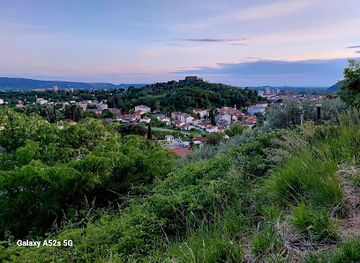


Explore Museo Cristiano on the Map
A handpicked selection of must-see spots near Museo Cristiano, mapped for you.
Unlock the Best of Museo Cristiano
Buy tickets
-
No tickets available
Book tours with entry
-
No tours available
Book tours without entry

Getting There
-
Bus
From Nova Gorica, head to the main bus station located at Železniška postaja Nova Gorica. Take the bus towards Cividale del Friuli, which typically departs every hour. After approximately 30 minutes, you will arrive at Cividale del Friuli bus station. Once you disembark, exit the bus station and turn left onto Via Giuseppe Mazzini. Continue straight until you reach the intersection with Via Giovanni Battista Candotti. Turn right onto Via Giovanni Battista Candotti and walk about 500 meters. The Museo Cristiano will be on your left at number 1.
-
Train
From Nova Gorica, head to the main train station, Železniška postaja Nova Gorica. Board a train towards Udine. After about 20 minutes, you will arrive at the Udine train station. From Udine, transfer to a regional train heading to Cividale del Friuli. The journey will take around 15 minutes. Once you arrive at Cividale del Friuli station, exit the station and walk straight down Via Fornalis until it intersects with Via Giovanni Battista Candotti. Turn right onto Via Giovanni Battista Candotti and walk for about 400 meters. The Museo Cristiano will be on your left at number 1.
-
Walking
If you are in central Nova Gorica, start at the main square, Trg Edvarda Kardelja. Head east on Ulica Tolminskih Puntarjev until you reach the intersection with Via Mladinskih delavcev. Turn right and continue until you reach the roundabout. Take the first exit onto Ulica Gregorčičeva and walk straight until you reach the train tracks. Cross the tracks and follow the path to the bus station where you can catch a bus to Cividale del Friuli. From Cividale's bus station, follow the directions provided in the bus guidance above.
Discover more about Museo Cristiano













Your all‑in‑one travel companion app
Explore expert travel guides, compare and book tours, experiences, hotels, and more—all from the palm of your hand. Download now for seamless trip planning wherever your wanderlust takes you.


Explore More of Nova Gorica
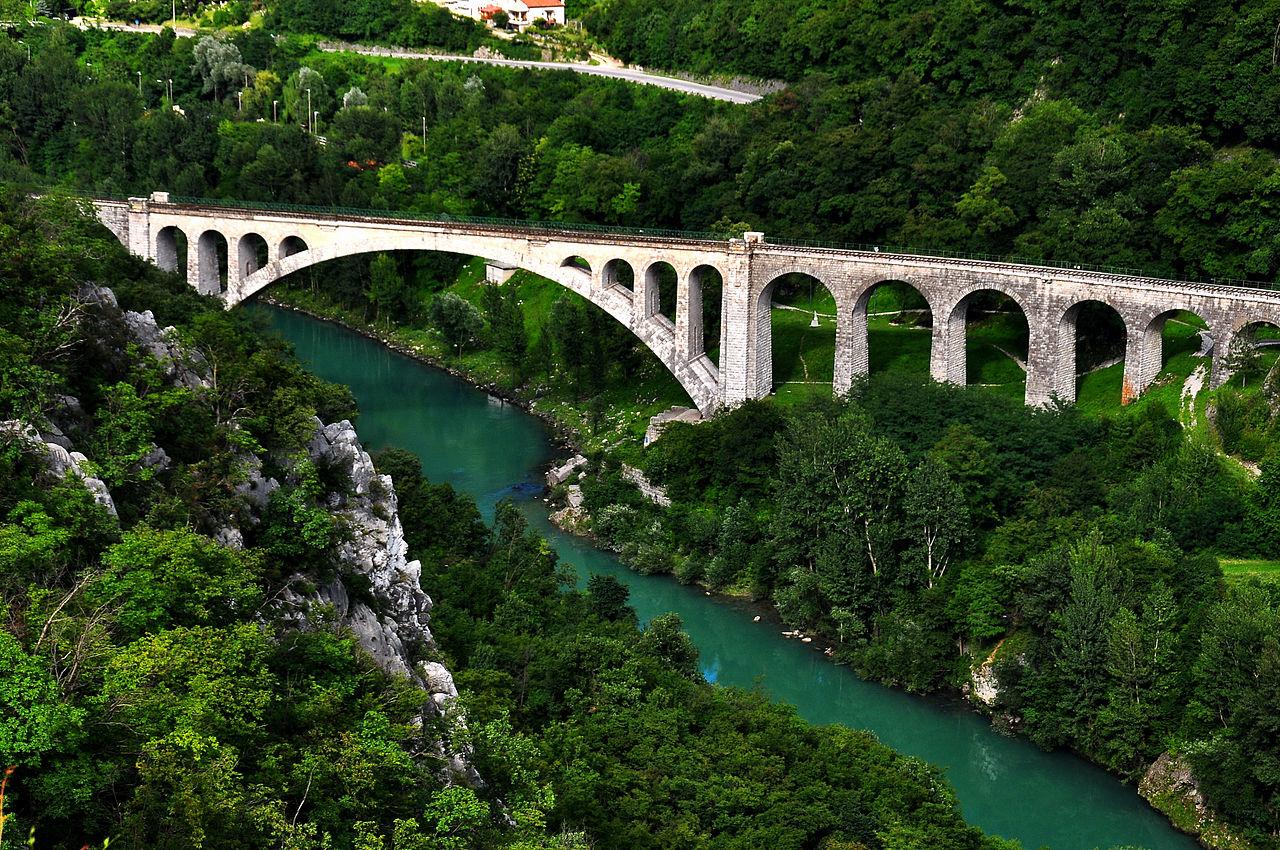
Looking beyond Museo Cristiano? Discover Nova Gorica for broader travel guides, local hot-spots, and regional highlights.
Explore Nova Gorica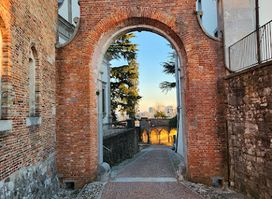
Discover the rich cultural heritage of Udine at Casa Della Confraternita, a historical landmark showcasing the beauty of Italian architecture and local traditions.
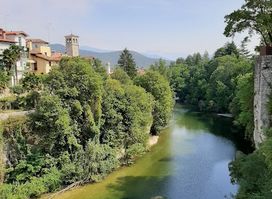
Discover the Cathedral of Santa Maria Assunta in Cividale del Friuli, a stunning blend of medieval architecture and rich cultural history.