
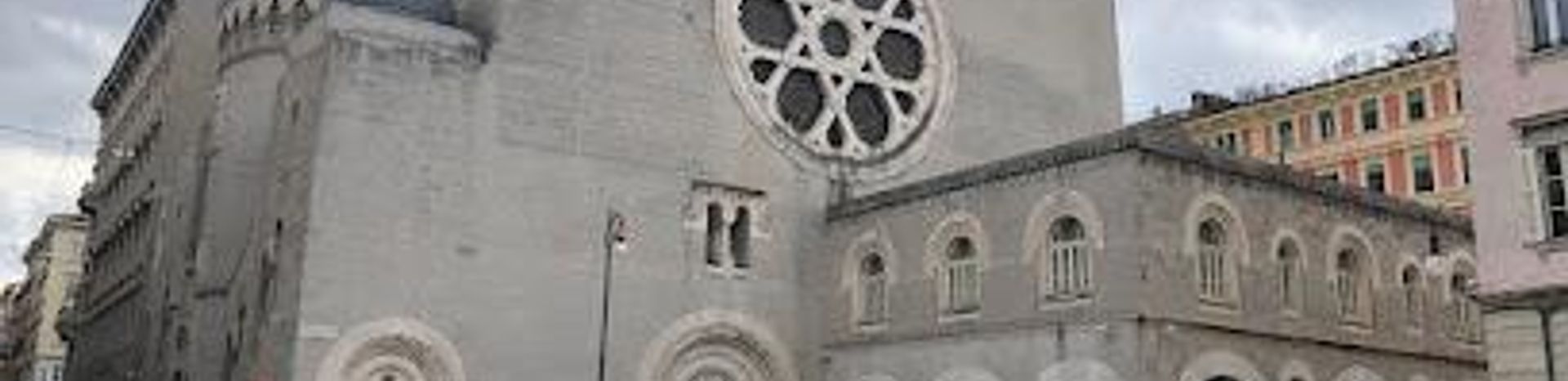
Discover the Trieste Synagogue: A Jewel of Architectural Wonder
Explore the Trieste Synagogue, an architectural gem showcasing the rich Jewish heritage and cultural history of Trieste, Italy.
The Trieste Synagogue is an architectural marvel and a significant place of worship that offers visitors a unique glimpse into the city's rich Jewish heritage and its cultural tapestry. As a tourist attraction, it stands out for its stunning design and historical importance, making it a must-visit for anyone exploring Trieste.
A brief summary to Trieste Synagogue
- Via S. Francesco D'Assisi, 19, Trieste, Province of Trieste, 34133, IT
- Click to display
- Click to display

Know before you go
Hi, I'm Eve. Here are a few practical things to know before exploring Trieste Synagogue.
- Check the synagogue's visiting hours before your visit, as they may vary.
- Consider joining a guided tour to fully appreciate the historical context and significance of the synagogue.
- Respect the sacred nature of the site by dressing modestly during your visit.
- Take time to explore the nearby Jewish Museum for a deeper understanding of Trieste's Jewish community.
Do you manage this location?
Take control to get all the benefits, like improved information, better appearance, and stronger visibility across AI-powered discovery. Learn more
Activate your presence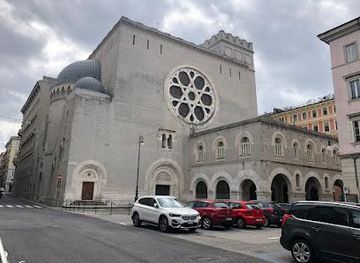
Getting There
-
Walking
From the center of Nova Gorica, head towards the main bus station, which is located at the address: Ulica Tolminskih Puntarjev 2. From the bus station, walk towards the pedestrian bridge that leads to Italy, known as the Solkan Bridge. Cross the bridge and continue straight until you reach the intersection. Turn left onto Via Nazionale and follow it until you reach the border with Italy. Once you cross the border, continue on Via Nazionale until you reach the train station in Gorizia (Stazione di Gorizia). From the train station, you can take a train to Trieste. After arriving at Trieste train station, exit and head towards the bus terminal. Take bus line 20 or 21 towards the city center. Get off at the stop 'Piazza della Libertà' and walk towards Via S. Francesco D'Assisi. The Trieste Synagogue is located at Via S. Francesco D'Assisi, 19, which is just a short walk from the bus stop.
-
Bus
Start from the main bus station in Nova Gorica at Ulica Tolminskih Puntarjev 2. Take a bus heading to Gorizia (Gorizia is the Italian name for Nova Gorica). Once in Gorizia, you can walk to the train station (Stazione di Gorizia). From there, take a train to Trieste. When you arrive at Trieste train station, exit and walk towards the bus terminal. Board bus line 20 or 21 towards the city center. Get off at 'Piazza della Libertà' and proceed to Via S. Francesco D'Assisi. The Trieste Synagogue is located at number 19, a short distance from the bus stop.
-
Train
From Nova Gorica, walk to the main bus station (Ulica Tolminskih Puntarjev 2) and take a bus to the Gorizia train station (Stazione di Gorizia). Once you arrive, purchase a ticket for a train to Trieste. The journey is approximately 30 minutes. After arriving at Trieste train station, follow the signs to the bus terminal and take bus line 20 or 21 towards the city center. Disembark at 'Piazza della Libertà.' From there, walk to Via S. Francesco D'Assisi, where the Trieste Synagogue is located at number 19.
Discover more about Trieste Synagogue
Explore the best of what Trieste Synagogue has to offer













More about Coastal Karst
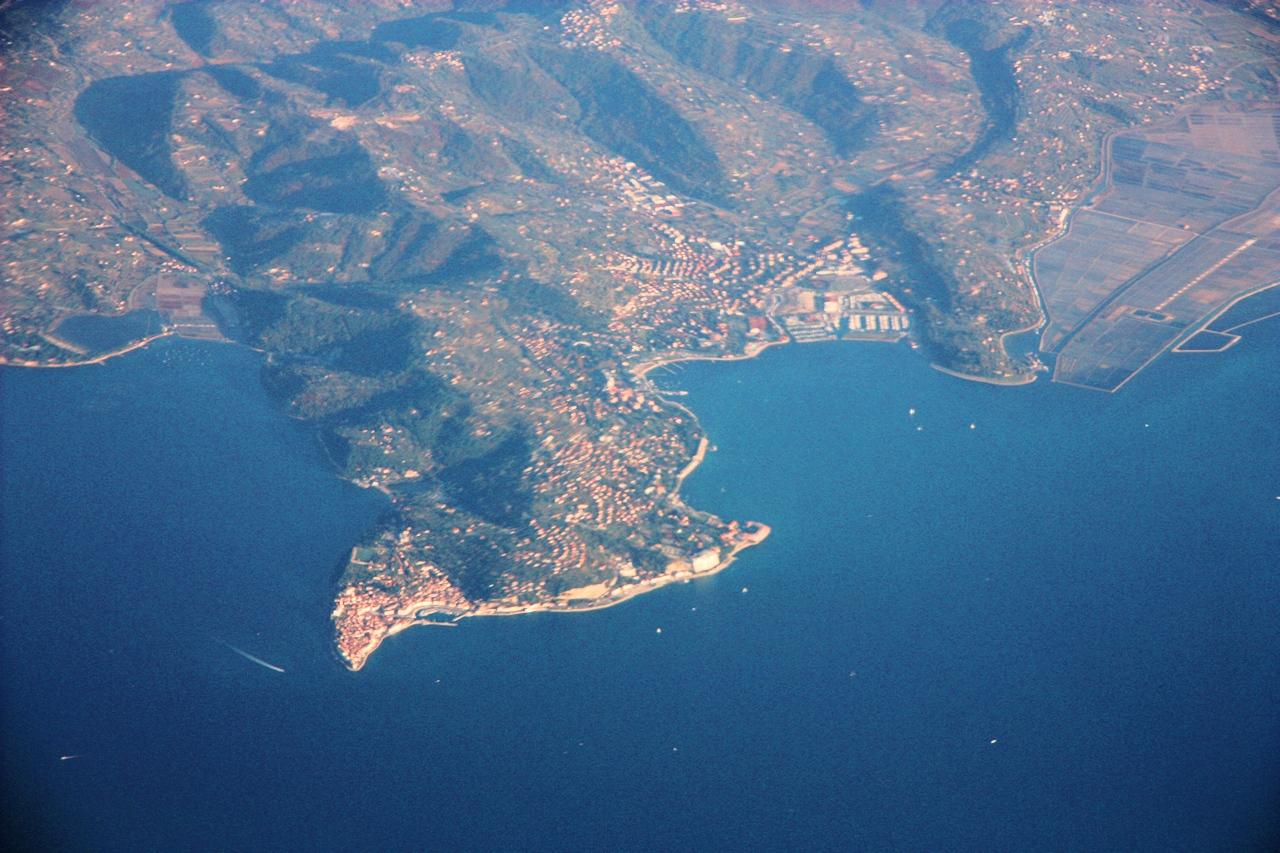
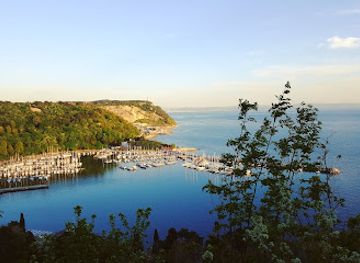
Explore the Coastal-Karst region of Slovenia, where the Adriatic Sea meets rugged limestone landscapes, offering caves, coastal towns, and outdoor adventures.
Tell me more about Coastal Karst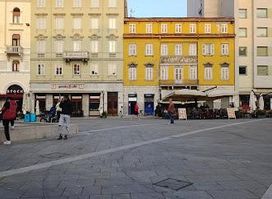
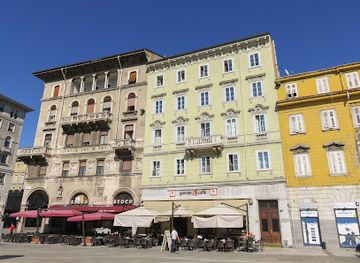
Discover the serene beauty of Piazza Goldoni, a charming square in Trieste, perfect for relaxation and cultural exploration.
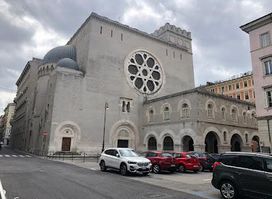
Explore the Trieste Synagogue, a stunning architectural gem and significant cultural landmark in Trieste, Italy, steeped in rich Jewish heritage.
