
Coastal-Karst, Slovenia Travel Guide
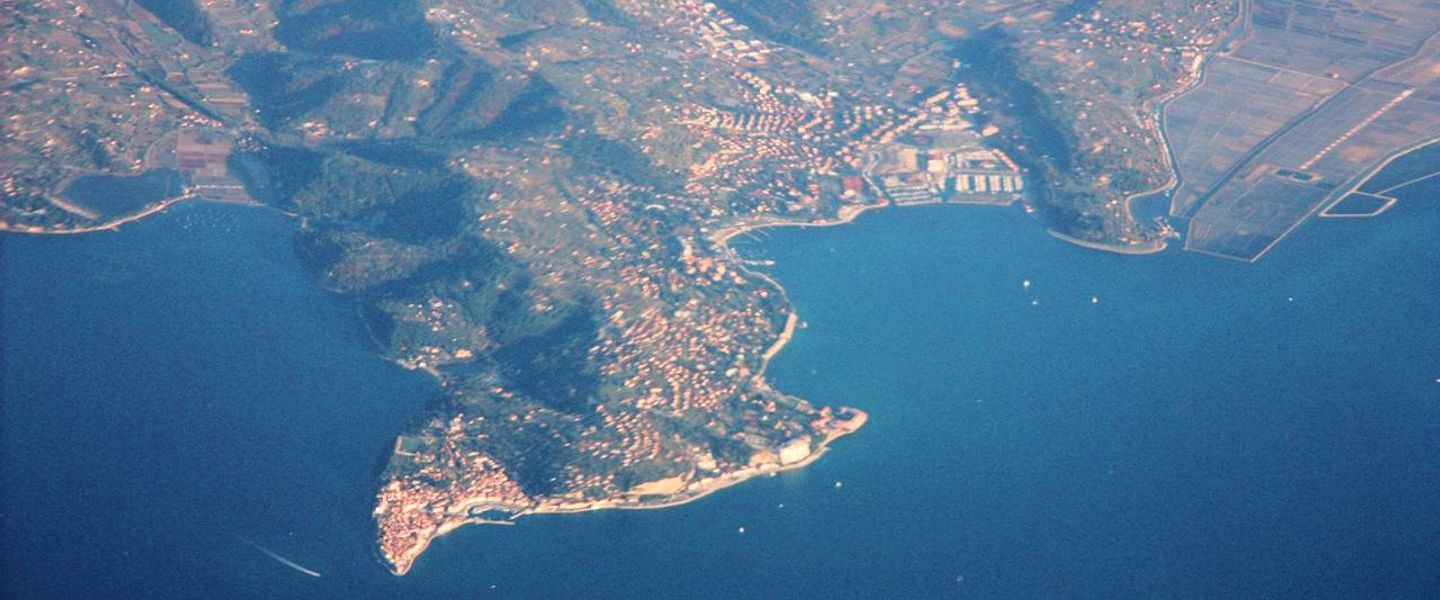
Explore the Coastal-Karst region of Slovenia, where the Adriatic Sea meets rugged limestone landscapes, offering caves, coastal towns, and outdoor adventures.
Nestled between the sparkling Adriatic Sea and the rugged limestone landscapes, the Coastal-Karst region of Slovenia offers a unique blend of natural beauty, cultural heritage, and outdoor adventure. This picturesque area is renowned for its dramatic cliffs, mysterious caves, and serene coastal towns, making it a paradise for nature lovers and explorers alike. One of the highlights of the region is the Škocjan Caves, a UNESCO World Heritage site that boasts one of the largest underground canyons in the world. The caves are a marvel of nature, with their impressive stalactites, stalagmites, and hidden chambers that will leave you in awe. The nearby Lipica Stud Farm, home to the famous Lipizzaner horses, offers a glimpse into Slovenia's rich equestrian tradition. The coastal towns of Piran, Koper, and Izola are perfect for a leisurely stroll, featuring narrow cobblestone streets, charming squares, and historic architecture. These towns are also known for their delicious seafood, with many seaside restaurants serving freshly caught fish and traditional Slovenian dishes. For those looking to relax, the warm Mediterranean climate and crystal-clear waters provide ideal conditions for swimming, sunbathing, and sailing. Outdoor enthusiasts will find plenty of opportunities for hiking, biking, and rock climbing in the Coastal-Karst region. The area's diverse landscapes, including rolling hills, dense forests, and dramatic cliffs, offer a variety of trails and routes for all skill levels. The Sečovlje Salina Nature Park, with its salt pans and rich biodiversity, is another must-visit for nature lovers and bird watchers.

Know before you go
Hi, I'm Eve. Here are a few practical things to know before exploring Coastal-Karst.
- Visit the Škocjan Caves early in the morning to avoid crowds.
- Wear comfortable shoes for exploring the coastal towns and caves.
- Try the local seafood at a seaside restaurant for an authentic culinary experience.
- Bring binoculars for bird watching at the Sečovlje Salina Nature Park.
- Check the weather forecast before planning outdoor activities to ensure the best experience.
Top City Travel Guides in Coastal-Karst
The cities of Coastal-Karst, and the easiest places to base yourself.


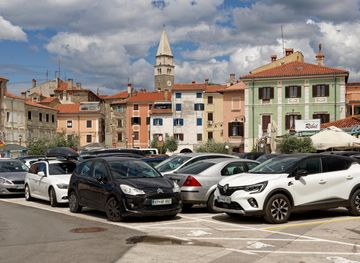


Destinations in Coastal-Karst
Resorts, valleys and scenic spots worth a trip of their own.


Explore Coastal-Karst: Things to Do, Places to Eat, Hotels & More
Handpicked recommendations for top attractions, local dining, accommodations, and more

Top Attractions & Sightseeing in Coastal-Karst
Top-rated picks
Best Attractions

Unity of Italy Square
Explore the stunning Unity of Italy Square in Trieste, a historical landmark that showcases breathtaking architecture and vibrant culture.

Miramare Castle
Explore the stunning Miramare Castle in Trieste, Italy - a blend of history, romance, and breathtaking coastal views.

Skocjan Caves
Explore the breathtaking Skocjan Caves in Slovenia, a UNESCO World Heritage site featuring stunning geological formations and rich cultural history.

Pinewood of Barcola
Explore the Pinewood of Barcola: A serene park along Trieste's Adriatic coast, perfect for relaxation, picnics, and stunning views.

Best landmarks in Coastal-Karst
Top-rated picks
Best Landmarks
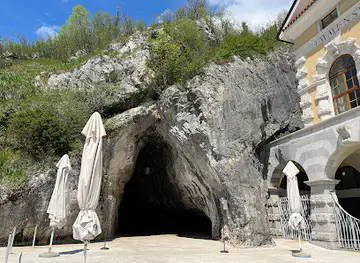
Postojna Cave
Explore the breathtaking beauty of Postojna Cave, a natural wonder in Slovenia, featuring stunning formations and unique wildlife in an enchanting underground ecosystem.

Ljubljana Castle
Experience the stunning views and rich history of Ljubljana Castle, a must-visit attraction in Slovenia's enchanting capital.

Bled Castle
Experience the breathtaking views and rich history at Bled Castle, a must-visit medieval gem overlooking the enchanting Lake Bled.

Triglav National Park
Explore the breathtaking Triglav National Park, a natural gem in Slovenia with stunning landscapes, outdoor adventures, and rich biodiversity.

Best restaurants in Coastal-Karst
Top-rated picks
Best Restaurants

Eataly Trieste
Waterfront Italian food haven in historic Trieste warehouse: shop premium produce, dine on fresh pizza and seafood with Adriatic views, and learn in cooking classes.

Trattoria Caprese Trieste
Authentic Neapolitan pizzas and pasta in Trieste's lively Piazza della Borsa, blending southern Italian flavors with Adriatic views and casual charm.
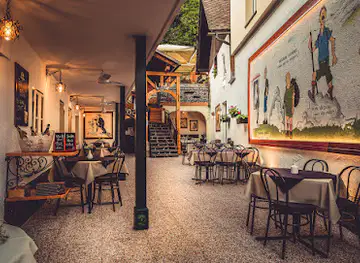
Gostilna Pri Planincu
Experience authentic Slovenian cuisine at Gostilna Pri Planincu in Bled—where tradition meets breathtaking views.

Vila Preseren
Discover Vila Preseren: A premier restaurant offering local flavors with stunning views over Lake Bled in Slovenia.

Best bars in Coastal-Karst
Top-rated picks
Best Bars

Cafinho Piran
Discover the vibrant flavors and stunning views at Cafinho Piran, a must-visit bar and brunch restaurant on Slovenia's beautiful coastline.

Captain's Cabin
Experience the nautical charm of Captain's Cabin, a must-visit bar in Ljubljana offering a delightful selection of drinks in a cozy atmosphere.

bar Bled
Experience the essence of Bled at Bar Bled, where delightful drinks and a vibrant atmosphere await in Slovenia's picturesque town.

Bar 'Shooters'
Discover the vibrant nightlife of Ljubljana at Bar 'Shooters,' the ultimate destination for cocktails and late-night fun in Slovenia's capital.

Best nightclubs in Coastal-Karst
Top-rated picks
Best Nightclubs

Klub K4
Discover the electric atmosphere and unforgettable nights at Klub K4, Ljubljana's iconic night club with top DJs and lively crowds.

Cirkus Klub
Discover the vibrant nightlife of Ljubljana at Cirkus Klub, where electrifying music and an energetic crowd create unforgettable experiences.

Gala Hala / Kapa - Društvo za kulturno in umetniško produkcijo
Discover Ljubljana's vibrant nightlife at Gala Hala, a lively night club and live music venue showcasing local talent and culture.

Pegas Club
Discover the lively Pegas Club in Sežana, Slovenia, a must-visit night club offering vibrant atmosphere, eclectic music, and an unforgettable nightlife experience.

Best shops in Coastal-Karst
Top-rated picks
Best Shops

Postojna Cave
Discover the enchanting underground world of Postojna Cave, a natural masterpiece in Slovenia filled with stunning formations and unique wildlife.

BTC City Ljubljana
Experience the ultimate shopping and entertainment destination in Slovenia at BTC City Ljubljana, where culture, leisure, and style converge.

Predjama Castle
Discover the captivating blend of nature and history at Predjama Castle, a medieval marvel built into a cliffside cave in Slovenia.

Skocjan Caves
Explore the stunning Skocjan Caves, a UNESCO World Heritage site, showcasing breathtaking underground landscapes and rich historical significance.

Explore Coastal-Karst on the Map
A handpicked selection of must-see spots in Coastal-Karst, mapped for you.
Coastal-Karst Essentials
-
Coastal-Karst is located in the southwestern part of Slovenia. The nearest international airport is Ljubljana Jože Pučnik Airport, approximately 85 kilometers away. From the airport, you can rent a car or take a shuttle bus to the region. Alternatively, you can reach the area by train or bus from major cities like Ljubljana or Trieste (Italy). The journey by road or rail typically takes between 1 to 2 hours, offering scenic views of the Slovenian countryside.
-
Once in Coastal-Karst, you can get around using a variety of transportation options. Renting a car is highly recommended for exploring the region at your own pace. Public buses connect most towns and villages, and taxis are available but can be costly for long distances. Biking is also a popular option due to the region's well-maintained cycling paths. For short trips within towns, walking is often the best way to experience the area's charm.
-
The official currency in Slovenia is the Euro (EUR). Credit and debit cards are widely accepted in hotels, restaurants, and larger shops, but it's advisable to carry some cash, especially when visiting smaller towns and rural areas. ATMs are readily available in most towns across Coastal-Karst, and currency exchange services can be found at banks and major tourist spots.
-
Coastal-Karst is generally a very safe destination for tourists. However, as with any travel destination, standard precautions should be taken. Keep an eye on your belongings, especially in crowded areas such as markets and tourist attractions. There are no specific high-crime areas targeting tourists, but it is always best to stay vigilant and avoid poorly lit areas at night.
-
In case of an emergency, dial 112 for immediate assistance. This number connects you to police, medical, and fire services. Hospitals and medical facilities are available in larger towns such as Koper and Sežana. It is strongly recommended to have travel insurance that covers medical emergencies. For minor health issues, pharmacies are available in most towns where over-the-counter medications can be purchased.
-
Fashion: Do dress comfortably and modestly. When visiting churches or religious sites, avoid wearing revealing clothing. Religion: Do respect local religious customs. It is customary to cover your head and shoulders when entering religious places. Public Transport: Do be courteous and offer your seat to the elderly or those in need. Don’t eat or drink on public transport. Greetings: Do greet people with a friendly 'Dober dan' (Good day) or a handshake. Eating & Drinking: Do try local dishes and wines. Don’t refuse food or drink offered by locals, as it is considered impolite.
-
To experience Coastal-Karst like a local, visit the local markets where you can buy fresh produce and traditional Slovenian goods. Engage with the locals, as they are often friendly and willing to share their knowledge about the region's history and culture. Don’t miss the opportunity to explore the Škocjan Caves, a UNESCO World Heritage site. For a unique experience, take part in a wine tasting tour in the renowned Karst wine region, known for its Teran wine. Additionally, exploring the scenic coastal towns of Piran and Izola will provide a deeper insight into the local way of life.
When is the best time to visit Coastal-Karst?
Useful Local Phrases for Coastal-Karst
You don't need to speak the language perfectly. Even learning a few simple words can make conversations warmer—and locals usually appreciate the effort.
— Eve

Here are the phrases I use most often in Coastal-Karst. Try a few—you'll be surprised how far they go! 😊
❤️
-
- HelloAhoj
[ahoy] - GoodbyeZbogom
[zbogom] - YesDa
[dah] - NoNe
[neh] - Please/You're welcomeMolim
[moh-leem] - Thank youHvala
[hva-lah] - Excuse me/SorryIzvinite
[iz-vee-nee-teh] - How are you?Kako ste?
[kah-koh steh] - Fine. And you?Dobro. A vi?
[doh-broh. ah vee?] - Do you speak English?Govoriš li engleski?
[goh-vo-reesh lee en-gles-kee?] - I don't understandNe razumem
[neh rah-zoo-mehm]
- HelloAhoj
-
- I'd like to see the menu, pleaseHteo bih da vidim meni, molim
[hteh-oh bih dah vee-deem meh-nee, moh-leem] - I don't eat meatNe jedem meso
[neh yeh-dem meh-so] - Cheers!Živeli!
[zhee-veh-lee] - I would like to pay, pleaseHteo bih da platim, molim
[hteh-oh bih dah plah-teem, moh-leem]
- I'd like to see the menu, pleaseHteo bih da vidim meni, molim
-
- Help!Pomoć!
[poh-mohch] - Go away!Odlazi!
[od-lah-zee] - Call the Police!Pozovite policiju!
[poh-zoh-vee-teh poh-lee-tsee-yoo] - Call a doctor!Pozovite doktora!
[poh-zoh-vee-teh dok-toh-rah] - I'm lostIzgubio sam se
[iz-goo-bee-oh sahm seh] - I'm illBolestan sam
[bo-leh-stahn sahm]
- Help!Pomoć!
-
- I'd like to buy...Hteo bih da kupim...
[hteh-oh bih dah koo-peem...] - I'm just lookingSamo gledam
[sah-moh gled-am] - How much is it?Koliko košta?
[koh-lee-koh koh-shtah?] - That's too expensiveTo je preskupo
[toh yeh preh-skoo-poh] - Can you lower the price?Možeš li smanjiti cenu?
[moh-zhesh lee sman-yee-tee tseh-noo?]
- I'd like to buy...Hteo bih da kupim...
-
- What time is it?Koliko je sati?
[koh-lee-koh yeh sah-tee?] - It's one o'clockJedan je sat
[yeh-dahn yeh saht] - Half past (10)Pola (10)
[poh-lah (10)] - MorningJutro
[yoo-troh] - AfternoonPopodne
[poh-poh-dneh] - EveningVeče
[veh-cheh] - YesterdayJuče
[yoo-cheh] - TodayDanas
[dah-nahs] - TomorrowSutra
[soo-trah] - 1Jedan
[yeh-dahn] - 2Dva
[dva] - 3Tri
[tree] - 4Četiri
[cheh-tee-ree] - 5Pet
[peht] - 6Šest
[shest] - 7Sedam
[seh-dahm] - 8Osam
[oh-sahm] - 9Devet
[deh-vet] - 10Deset
[deh-set]
- What time is it?Koliko je sati?
-
- Where's a/the...?Gde je...?
[gdeh yeh...?] - What's the address?Koja je adresa?
[koh-yah yeh ah-dreh-sah?] - Can you show me (on the map)?Možeš li mi pokazati (na mapi)?
[moh-zhesh lee mee poh-kah-zah-tee (nah mah-pee)?] - When's the next (bus)?Kada je sledeći (autobus)?
[kah-dah yeh sleh-deh-chee (ow-toh-boos)?] - A ticket (to ....)Jedna karta (do....)
[yeh-dnah kar-tah (doh....)]
- Where's a/the...?Gde je...?
History of Coastal-Karst
-
The Coastal-Karst region of Slovenia has evidence of human habitation dating back to the prehistoric era. Archaeological finds from caves such as the Divje Babe Flute, believed to be one of the oldest musical instruments in the world, suggest that early humans settled in this area and left behind a rich legacy of artifacts and cave art.
-
During the Roman period, the Coastal-Karst region was an important area for trade and military strategy. The city of Tergeste, known today as Trieste, was established as a Roman colony in the 1st century BC. The remnants of Roman architecture, including roads, villas, and a forum, can still be found in the area, attesting to its historical significance.
-
The medieval period saw the construction of many fortifications and castles in the Coastal-Karst region, including the renowned Predjama Castle. This era was marked by the dominance of the Venetian Republic, which controlled much of the coastline and influenced the region's architecture, culture, and economy. The town of Piran is a well-preserved example of Venetian architecture and town planning.
-
In the 19th century, the Coastal-Karst region became part of the Habsburg Monarchy and later the Austro-Hungarian Empire. This period brought significant economic development, including the establishment of the port of Trieste as a major commercial hub. The region's infrastructure improved, and cultural institutions flourished under Habsburg rule.
-
The Coastal-Karst region was a significant battleground during World War I, particularly along the Isonzo Front. The brutal battles fought here left a lasting impact on the landscape and the local population. War memorials and museums, such as the Kobarid Museum, preserve the memory of these events and provide insight into the region's wartime history.
-
After World War II, the Coastal-Karst region became part of the Socialist Federal Republic of Yugoslavia. This era saw industrialization and modernization efforts, as well as the development of tourism along the Adriatic coast. The unique blend of Slovenian, Italian, and Balkan influences during the Yugoslav period is still evident in the region's culture and cuisine.
-
Following the dissolution of Yugoslavia, Slovenia gained independence in 1991. The Coastal-Karst region has since developed into a prominent tourist destination, known for its natural beauty, historical sites, and cultural heritage. The area boasts a combination of scenic coastal towns, dramatic karst landscapes, and a vibrant cultural scene that attracts visitors from around the world.
Neighbouring Regions of Coastal-Karst
The closest regions to Coastal-Karst, if you have time for more than one.




Your all‑in‑one travel companion app
Explore expert travel guides, compare and book tours, experiences, hotels, and more—all from the palm of your hand. Download now for seamless trip planning wherever your wanderlust takes you.


Explore More of Slovenia

Looking beyond Coastal-Karst? Discover Slovenia for broader travel guides, local hot-spots, and regional highlights.
Explore SloveniaCoastal-Karst in Photos
Browse through our photo collection highlighting the charm and character of the destination.




Discover the Enchanting Coastal-Karst Region of Slovenia
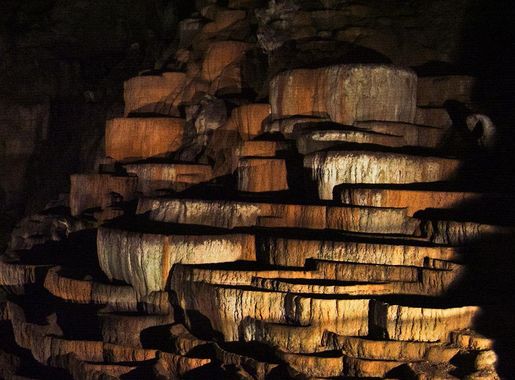
Nestled between the sparkling Adriatic Sea and the rugged limestone landscapes, the Coastal-Karst region of Slovenia offers a unique blend of natural beauty, cultural heritage, and outdoor adventure. This picturesque area is renowned for its dramatic cliffs, mysterious caves, and serene coastal towns, making it a paradise for nature lovers and explorers alike. One of the highlights of the region is the Škocjan Caves, a UNESCO World Heritage site that boasts one of the largest underground canyons in the world. The caves are a marvel of nature, with their impressive stalactites, stalagmites, and hidden chambers that will leave you in awe. The nearby Lipica Stud Farm, home to the famous Lipizzaner horses, offers a glimpse into Slovenia's rich equestrian tradition. The coastal towns of Piran, Koper, and Izola are perfect for a leisurely stroll, featuring narrow cobblestone streets, charming squares, and historic architecture. These towns are also known for their delicious seafood, with many seaside restaurants serving freshly caught fish and traditional Slovenian dishes. For those looking to relax, the warm Mediterranean climate and crystal-clear waters provide ideal conditions for swimming, sunbathing, and sailing. Outdoor enthusiasts will find plenty of opportunities for hiking, biking, and rock climbing in the Coastal-Karst region. The area's diverse landscapes, including rolling hills, dense forests, and dramatic cliffs, offer a variety of trails and routes for all skill levels. The Sečovlje Salina Nature Park, with its salt pans and rich biodiversity, is another must-visit for nature lovers and bird watchers.