

Free Mauldin Travel Guide & Mobile App
Plan your Mauldin trip with Evendo. Get free guides to top attractions, restaurants, hotels, and bars. Web access or download the mobile app.


Discover Mauldin, South Carolina: A charming city with scenic parks, a vibrant cultural scene, and delicious dining options, perfect for a relaxing and enriching getaway.
Read more about Mauldin
When is the best time to visit Mauldin?
Best: April–May, October · 21–27°C| Month | High (°C) | Rainfall (mm) |
|---|---|---|
| January | 11 | 108 |
| February | 14 | 113 |
| March | 18 | 122 |
| April (best) | 23 | 103 |
| May (best) | 27 | 113 |
| June | 31 | 112 |
| July | 34 | 136 |
| August | 33 | 125 |
| September | 28 | 120 |
| October (best) | 21 | 93 |
| November | 16 | 96 |
| December | 12 | 103 |
Getting to and around Mauldin
How to get there
Transportation
Best attractions in Mauldin
Mauldin in South Carolina offers a unique blend of history, culture, and outdoor activities for visitors to explore. From the historic Mauldin Cultural Center showcasing local art and performances, to the scenic trails and parks like Sunset Park and Springfield Park perfect for hiking and picnicking, there is something for everyone to enjoy. Don't miss the Mauldin Sports Center for a variety of sports and fitness activities, or the Mauldin Market for a taste of local produce and crafts. With friendly locals and a welcoming atmosphere, Mauldin is a hidden gem waiting to be discovered.
-
Tourist attraction
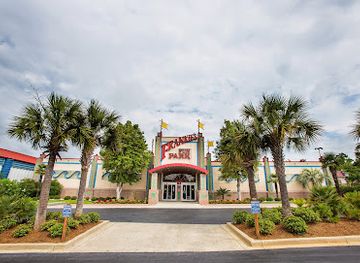
Frankie's Fun Park
Experience the ultimate fun at Frankie's Fun Park with thrilling rides, laser tag, mini-golf, and more in Greenville, SC.
14 min drive · 4.6 km from city centre
-
Tourist attraction
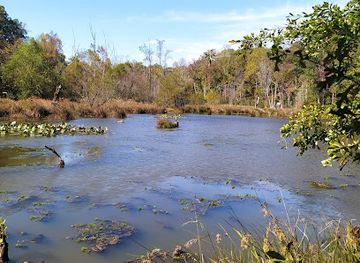
Conestee Nature Preserve
Experience the tranquility of Conestee Nature Preserve, a stunning natural escape in Greenville, SC, perfect for outdoor enthusiasts and families.
14 min drive · 4.6 km from city centre
-
Tourist attraction
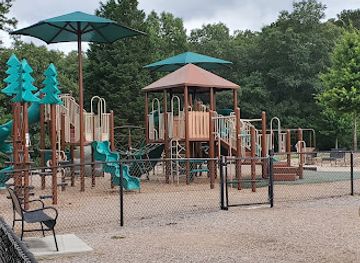
Conestee Park
Experience the tranquility and ecological diversity of Conestee Park, an ecological park in Greenville, SC, perfect for nature walks, birdwatching, and family outings.
13 min drive · 4.3 km from city centre
-
Tourist attraction
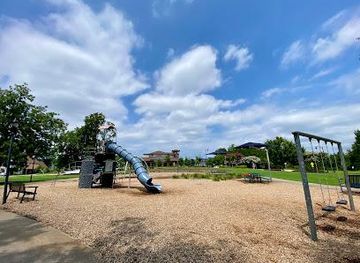
Legacy Park
Discover the serene beauty and recreational charm of Legacy Park, a top tourist attraction in Greenville, SC, perfect for families and nature lovers.
18 min drive · 6.0 km from city centre
Best landmarks in Mauldin
Mauldin in South Carolina offers visitors a rich tapestry of history and culture, with landmarks such as the Mauldin Cultural Center, which hosts art exhibitions and live performances, and the historic Mauldin House, a beautifully preserved antebellum home. Nature lovers can explore the scenic Lake Conestee Nature Park, while history buffs can visit the Simpsonville Historical Society Museum. The city also boasts a variety of shops and restaurants, providing visitors with a taste of local cuisine and a chance to shop for unique souvenirs.
-
Barbecue
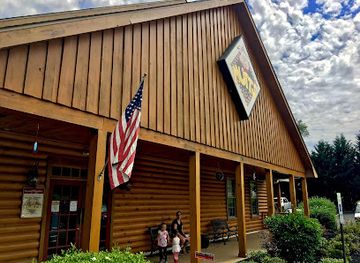
Mutt's BBQ Mauldin
Discover the taste of authentic Southern barbecue at Mutt's BBQ Mauldin, offering a buffet of mouthwatering meats and family-friendly dining.
8 min walk · 0.6 km from city centre
-
Seafood
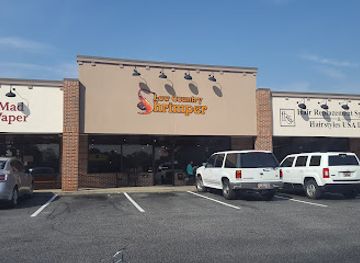
Low Country Shrimper
Experience the best of Lowcountry seafood at Low Country Shrimper in Mauldin, SC, where every dish is a taste of coastal tradition.
2 min walk · 0.1 km from city centre
-
Colombian
El Carriel
Experience authentic Colombian cuisine and delightful breakfast dishes at El Carriel in Mauldin, a must-visit destination for food enthusiasts.
12 min walk · 1.0 km from city centre
-
Tattoo shop
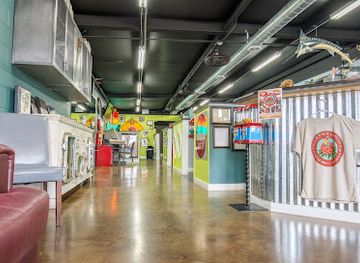
Main Street Tattoo
Discover the artistry at Main Street Tattoo in Mauldin, SC, where body art meets gallery-quality creativity in a welcoming atmosphere.
9 min walk · 0.8 km from city centre
Explore Mauldin on the map
Plan your Mauldin trip on one map. See where the top attractions, landmarks, restaurants, bars and hotels are, find what's near where you're staying, and book hotels and experiences in a few clicks.
Best hotels in Mauldin
Best restaurants in Mauldin
Mauldin offers a diverse dining scene that caters to all tastes and preferences. From classic Southern comfort food to international cuisine, visitors can expect to indulge in a culinary adventure like no other. Local diners and cafes showcase the best of regional flavors, while upscale restaurants provide a fine dining experience. Food trucks and street vendors add a touch of excitement to the dining scene, offering unique and delicious options for those on the go. With a mix of traditional favorites and innovative dishes, Mauldin's dining scene is sure to impress even the most discerning foodies.
-
Restaurant
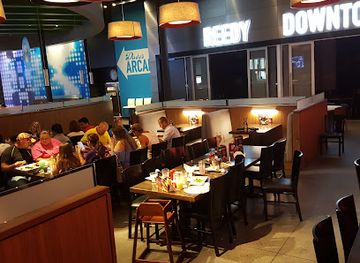
Dave & Buster's Greenville
Experience dining like never before at Dave & Buster's Greenville - where great food meets thrilling entertainment!
18 min drive · 5.9 km from city centre
-
Fast Food
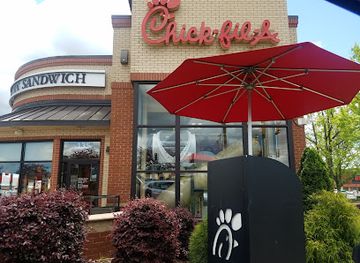
Chick-fil-A
Experience mouthwatering chicken dishes and warm hospitality at Chick-fil-A Mauldin – your go-to fast-food destination in South Carolina.
11 min walk · 0.9 km from city centre
-
New American
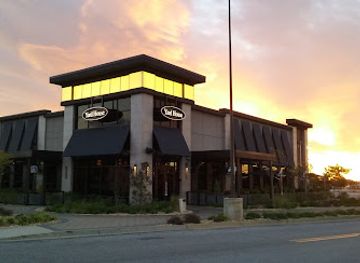
Yard House
Experience New American cuisine at Yard House in Greenville with diverse menu options and an extensive craft beer selection.
17 min drive · 5.8 km from city centre
-
Japanese steakhouse
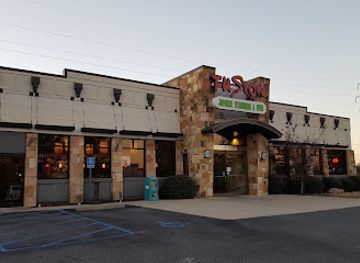
Fusion Japanese Steakhouse and Sushi Bar
Experience the perfect blend of traditional Japanese cuisine and modern Asian fusion at Fusion Japanese Steakhouse in Greenville.
14 min drive · 4.8 km from city centre
Best bars in Mauldin
Mauldin may be a small city, but its nightlife scene packs a big punch. Visitors can expect a variety of lively bars and nightclubs to choose from, each offering a unique atmosphere and entertainment options. Whether you're looking for a cozy pub to enjoy a craft beer, a trendy cocktail lounge with live music, or a high-energy dance club to dance the night away, Mauldin has it all. With friendly locals, great music, and delicious drinks, the nightlife in Mauldin is sure to leave visitors wanting more.
-
Seafood
Low Country Shrimper
Experience the best of Southern seafood cuisine at Low Country Shrimper, a must-visit destination for seafood lovers in South Carolina.
2 min walk · 0.1 km from city centre
-
Barbecue
Wholy Smoke Family Restaurant
Indulge in mouthwatering barbecue and authentic American dishes at Wholy Smoke Family Restaurant in Mauldin, SC - a family-friendly dining experience.
5 min drive · 1.7 km from city centre
-
Restaurant
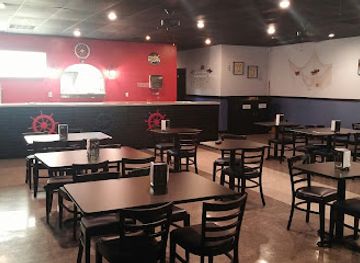
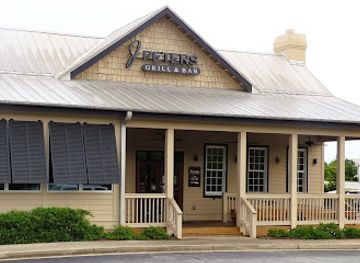
J Peters Grill & Bar - Mauldin
Experience the delicious flavors and inviting atmosphere at J Peters Grill & Bar in Mauldin, perfect for food lovers and casual diners alike.
10 min drive · 3.5 km from city centre
-
Colombian
El Carriel
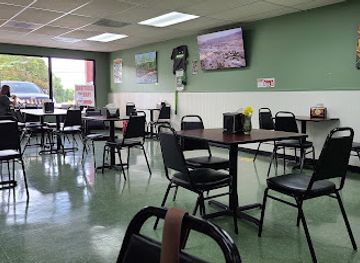
Discover El Carriel, a Colombian restaurant in Mauldin, SC, serving authentic dishes and breakfast delights in a vibrant atmosphere.
12 min walk · 1.0 km from city centre
Best nightclubs in Mauldin
Mauldin may be a small city, but its nightlife scene packs a big punch. Visitors can expect a variety of lively bars and nightclubs to choose from, each offering a unique atmosphere and entertainment options. Whether you're looking for a cozy pub to enjoy a craft beer, a trendy cocktail lounge with live music, or a high-energy dance club to dance the night away, Mauldin has it all. With friendly locals, great music, and delicious drinks, the nightlife in Mauldin is sure to leave visitors wanting more.
-
Bar
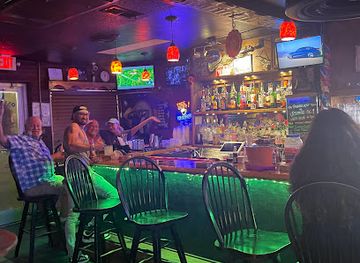
Mauldin Pub
Experience the lively atmosphere of Mauldin Pub, where great drinks, karaoke nights, and friendly locals await you in Greenville, SC.
6 min drive · 2.1 km from city centre
-
Bar
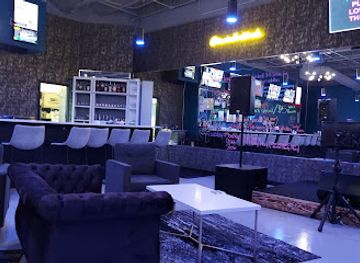
Social Latitude
Experience the vibrant blend of entertainment, dining, and nightlife at Social Latitude in Greenville, SC—a must-visit for fun seekers.
16 min drive · 5.3 km from city centre
Best shops in Mauldin
The shopping scene in Mauldin offers a unique blend of local boutiques, antique shops, and well-known retailers, providing visitors with a diverse shopping experience. From charming Main Street stores to modern shopping centers, visitors can find everything from handmade crafts to high-end fashion. Don't miss the opportunity to explore the vibrant farmer's markets and specialty food stores, where you can sample local delicacies and unique products. With a mix of historic charm and modern convenience, Mauldin's shopping scene is sure to delight tourists looking for a one-of-a-kind shopping adventure.
-
Department store
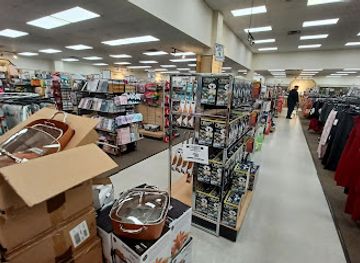
Hamrick's of East Greenville, SC
Discover unbeatable deals on stylish clothing for the whole family at Hamrick's of East Greenville, SC, a top-rated discount department store.
14 min drive · 4.6 km from city centre
-
Clothing store
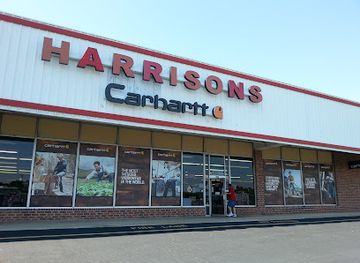
Harrison's - Mauldin
Explore Harrison's - Mauldin for the finest in Western apparel, men's clothing, and quality footwear in a charming Southern setting.
10 min walk · 0.8 km from city centre
-
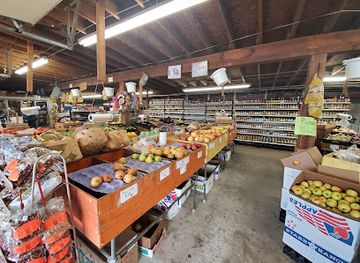
Market
Mauldin Open Air Market
Explore the Mauldin Open Air Market for an authentic taste of local produce, artisan crafts, and community spirit in South Carolina.
6 min drive · 2.0 km from city centre
-
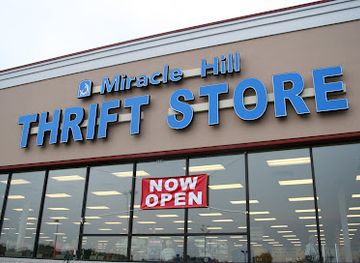
Thrift store
Miracle Hill Thrift Store
Explore unique finds and support a great cause at Miracle Hill Thrift Store in Mauldin, SC—your destination for second-hand treasures.
10 min walk · 0.8 km from city centre
Get your free copy of our complete guide to Mauldin, delivered straight to you.
Everything on this page, from attractions and restaurants to essentials and local phrases, in one PDF you can read offline, print or share.
Already have an account? Sign in
Your Mauldin guide is ready.
We'll send it to · Not you? Sign out

Getting your guide ready…
We are putting together a fresh copy of the Mauldin guide. This can take up to a minute.
This can take a few moments. If your browser asks, choose Allow so the download can start. You'll find the guide in your Downloads folder.
Nothing happened? Download it again
Sorry, the guide is taking longer than usual. Please try again in a minute, or get it by email instead.
Mauldin essentials
Currency and Payment
Safety
Emergency Situations
Do's and Don'ts
Local Tips
From Eve
Local phrases worth knowing
You don't need to get them perfect. A few words go a long way, and locals appreciate the effort.
Basics
| English | Local | Say it |
|---|---|---|
| Hello | Hey y'all | [Hey yawl] |
| Goodbye | See ya later | [See yuh lay-tur] |
| Yes | Yessir | [Yes-sir] |
| No | Nah | [Nah] |
| Please/You're welcome | Please and thank ya kindly | [Please and thank yuh kine-lee] |
| Thank you | Thank ya | [Thank yuh] |
| Excuse me/Sorry | Pardon me | [Par-dun me] |
| How are you? | How y'all doin'? | [How yawl doo-in] |
| Fine. And you? | Fine. How 'bout y'all? | [Fine. How bowt yawl] |
| Do you speak English? | Ya speak English? | [Yuh speak Ing-glish] |
| I don't understand | I ain't catchin' what ya sayin' | [I aint ketch-in what yuh say-in] |
Eating & Drinking
| English | Local | Say it |
|---|---|---|
| I'd like to see the menu, please | Can I check out the menu? | [Can I check out the menu] |
| I don't eat meat | I don't do meat | [I don't do meat] |
| Cheers! | Cheers y'all! | [Cheers yawl] |
| I would like to pay, please | I'm ready to settle up | [I'm ready to settle up] |
Emergencies
| English | Local | Say it |
|---|---|---|
| Help! | Somebody help me! | [Somebody help me] |
| Go away! | Git outta here! | [Git outta here] |
| Call the Police! | Get the cops! | [Get the cops] |
| Call a doctor! | We need a doc! | [We need a doc] |
| I'm lost | I'm turned around | [I'm turned around] |
| I'm ill | I'm feelin' poorly | [I'm feelin poorly] |
Shopping
| English | Local | Say it |
|---|---|---|
| I'd like to buy... | I wanna purchase... | [I wanna purchase] |
| I'm just looking | I'm just browsin' | [I'm just browsin] |
| How much is it? | What's the damage? | [What's the damage] |
| That's too expensive | That's a bit steep | [That's a bit steep] |
| Can you lower the price? | Can ya do a deal? | [Can ya do a deal] |
Time & Numbers
| English | Local | Say it |
|---|---|---|
| What time is it? | What time we got? | [What time we got] |
| It's one o'clock | It's one | [It's one] |
| Half past (10) | Ten-thirty | [Ten-thur-tee] |
| Morning | Mornin' | [Mornin] |
| Afternoon | Afternoon | [Afternoon] |
| Evening | Evenin' | [Evenin] |
| Yesterday | Yest'day | [Yest-day] |
| Today | Today | [Today] |
| Tomorrow | Tomorrah | [Tomorrah] |
| 1 | One | [One] |
| 2 | Two | [Two] |
| 3 | Three | [Three] |
| 4 | Four | [Four] |
| 5 | Five | [Five] |
| 6 | Six | [Six] |
| 7 | Seven | [Seven] |
| 8 | Eight | [Eight] |
| 9 | Nine | [Nine] |
| 10 | Ten | [Ten] |
Transport & Directions
| English | Local | Say it |
|---|---|---|
| Where's a/the...? | Where can I find...? | [Where can I find] |
| What's the address? | What's the address here? | [What's the address here] |
| Can you show me (on the map)? | Can ya show me (on the map)? | [Can ya show me (on the map)] |
| When's the next (bus)? | When's the next (bus) comin'? | [When's the next (bus) comin] |
| A ticket (to ....) | A ticket (to ....) | [A ticket (to ....)] |
History of Mauldin
Early Beginnings and Indigenous Heritage
Long before European settlers arrived, the area now known as Mauldin was inhabited by the Cherokee people. The land was rich with natural resources, and the Cherokee thrived on hunting, fishing, and agriculture. Their presence is still felt today through various archaeological sites and cultural remnants scattered throughout the region.
The Arrival of European Settlers
In the mid-18th century, European settlers began to arrive in the area, drawn by the fertile land and abundant natural resources. The town was initially settled by Scotch-Irish immigrants who established farms and small communities. This period marked the beginning of Mauldin as a burgeoning settlement.
The Founding of Mauldin
Mauldin was officially founded in 1786 and named after South Carolina’s Lieutenant Governor W. L. Mauldin. The town grew steadily throughout the 19th century, becoming a hub for local agriculture and trade. The establishment of a post office in 1886 further cemented its status as an important local center.
The Impact of the Civil War
The Civil War had a significant impact on Mauldin. Many local men enlisted to fight for the Confederacy, and the town faced economic hardships during and after the war. The Reconstruction period that followed brought about significant changes, including the emancipation of enslaved individuals and the restructuring of the local economy.
The Railroad Era and Economic Growth
The arrival of the Greenville and Laurens Railroad in the late 19th century was a turning point for Mauldin. The railroad connected the town to larger markets and facilitated the transport of goods, leading to economic growth and an influx of new residents. This period saw the establishment of various businesses and industries in the area.
20th Century Developments
Throughout the 20th century, Mauldin continued to grow and modernize. The town saw the development of new infrastructure, including schools, roads, and public facilities. The mid-20th century brought about suburbanization, with many new neighborhoods and residential areas emerging as people moved away from urban centers.
Cultural Evolution and Modern Day
In recent decades, Mauldin has developed a vibrant cultural scene, with numerous festivals, art events, and community activities. The Mauldin Cultural Center, established in 2004, has become a focal point for the arts and community engagement. Today, Mauldin is a thriving suburban city that blends its rich history with modern amenities and a strong sense of community.
Mauldin in Photos
Browse through our photo collection highlighting the charm and character of the destination.
Cities near Mauldin
The closest cities to Mauldin, if you have time for more than one stop.
-

-

-

-

-


Swipe for more cities
Explore more

Explore more of South Carolina
Explore South Carolina: A blend of historic charm, natural beauty, and southern hospitality. From Charleston's cobblestone streets to Myrtle Beach's sandy shores, adventure awaits.
Explore South Carolina