

Fort Mill, South Carolina Travel Guide
Discover Fort Mill, South Carolina: A blend of Southern charm, rich history, and natural beauty, perfect for a peaceful yet engaging getaway.
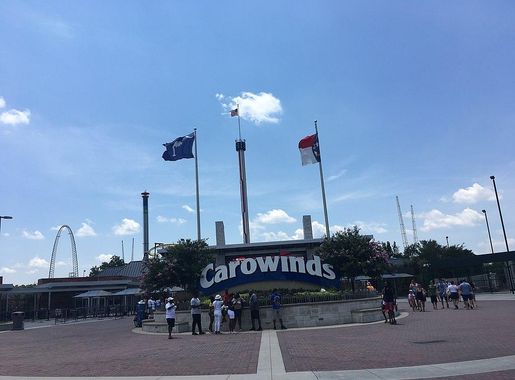
Nestled in the heart of South Carolina, Fort Mill offers a delightful blend of history, culture, and natural beauty. This charming town is known for its friendly atmosphere and scenic landscapes, making it an ideal destination for tourists seeking a peaceful yet engaging getaway. Fort Mill's historic downtown area is a must-visit. Stroll along Main Street and discover a variety of quaint shops, local eateries, and charming boutiques. The town's rich history is evident in its well-preserved buildings, some of which date back to the 19th century. Don't miss a visit to the Fort Mill History Museum to learn about the town's past and its role in the American Revolution. Nature enthusiasts will find plenty to love in Fort Mill. The Anne Springs Close Greenway is a sprawling nature preserve offering over 2,100 acres of woodlands, lakes, and trails. Whether you enjoy hiking, biking, or horseback riding, the Greenway provides a perfect backdrop for outdoor adventures. Additionally, the nearby Lake Wylie offers opportunities for boating, fishing, and picnicking. Families will appreciate the variety of attractions in Fort Mill. Carowinds, a popular amusement park, is just a short drive away and offers thrilling rides and entertainment for all ages. The town also hosts several annual events and festivals, such as the South Carolina Strawberry Festival, which features live music, local vendors, and, of course, plenty of delicious strawberries.

Know before you go
Hi, I'm Eve. Here are a few practical things to know before exploring Fort Mill.
- Visit the Fort Mill History Museum to get an in-depth look at the town's past.
- Take advantage of the outdoor activities at Anne Springs Close Greenway.
- Check the calendar for local events and festivals during your visit.
- Spend a day at Carowinds amusement park for family-friendly fun.
- Explore the shops and restaurants along Main Street for a taste of local culture.
Explore Fort Mill: Things to Do, Places to Eat, Hotels & More
Handpicked recommendations for top attractions, local dining, accommodations, and more

Best attractions in Fort Mill
Top-rated picks
Best Attractions

Carowinds
Experience the thrill of Carowinds, North Carolina's ultimate amusement and water park with world-class rides and family-friendly attractions.

Bank of America Stadium
Experience the thrill of NFL games and major events at Bank of America Stadium, the ultimate sports and entertainment destination in Charlotte, NC.

Charlotte Motor Speedway
Experience the thrill of racing at Charlotte Motor Speedway, North Carolina's premier car racing track, where excitement meets entertainment in a historic venue.

Spectrum Center
Discover the excitement of Charlotte's Spectrum Center, a dynamic arena for sports, concerts, and unforgettable entertainment experiences.

Best landmarks in Fort Mill
Top-rated picks
Best Landmarks

Walter Y. Elisha Park
Explore the serene landscapes and recreational activities at Walter Y. Elisha Park in Fort Mill, SC – your perfect escape into nature's embrace.

Anne Springs Close Greenway - Adventure Road
Explore the stunning trails and family-friendly activities at Anne Springs Close Greenway, a premier nature preserve in Fort Mill, SC.

Harris Street Park
Discover the charm and tranquility of Harris Street Park, a picturesque city park in Fort Mill, South Carolina, perfect for relaxation and outdoor activities.

Doby Bridge Park
Explore Doby Bridge Park: A serene city park in Fort Mill, SC, offering beautiful landscapes, recreational activities, and a peaceful escape for all visitors.

Best restaurants in Fort Mill
Top-rated picks
Best Restaurants

Captain Steve's Family Seafood Restaurant in Fort Mill, SC
Discover authentic Southern seafood at Captain Steve's Family Seafood Restaurant in Fort Mill, SC - where flavor meets family-friendly dining.

The Pump House
Discover The Pump House in Rock Hill - where Southern flavors meet stunning views in an inviting atmosphere perfect for dining and events.

Chick-fil-A
Discover Chick-fil-A in Fort Mill: where delicious chicken meals meet family-friendly dining and exceptional service.

Hobo's
Experience the best of American cuisine at Hobo's in Fort Mill - where gourmet burgers meet a vibrant bar atmosphere.

Best bars in Fort Mill
Top-rated picks
Best Bars

Hobo's
Experience the best of American cuisine at Hobo's in Fort Mill, SC, where delicious hamburgers and a vibrant atmosphere await every diner.

Carolina Ale House
Discover Carolina Ale House, a vibrant sports bar in Fort Mill, SC, offering delicious food and a lively atmosphere perfect for sports fans and families alike.

Fish Market
Experience the freshest seafood and lively atmosphere at Fish Market in Fort Mill, SC - a must-visit destination for food lovers.

Towne Tavern At Fort Mill
Experience the best of American cuisine and sports entertainment at Towne Tavern in Fort Mill, SC, with delicious chicken wings and a vibrant atmosphere.

Best nightclubs in Fort Mill
Top-rated picks
Best Nightclubs

Carolina Ale House
Experience the ultimate sports bar vibe at Carolina Ale House, where delicious food and thrilling games come together in Fort Mill, SC.

Mulligan's Sports Bar and Grille
Experience the best of American cuisine and sports entertainment at Mulligan's Sports Bar and Grille in Fort Mill, SC.

Small Bar
Discover the vibrant atmosphere of Small Bar in Fort Mill, where delicious drinks and great food create an unforgettable experience.

Blue Olive Lounge Fort Mill / Tega Cay
Experience the vibrant nightlife at Blue Olive Lounge in Fort Mill, SC, featuring cocktails, karaoke, and a lively atmosphere perfect for socializing.

Best shops in Fort Mill
Top-rated picks
Best Shops

Concord Mills
Discover Concord Mills, North Carolina's premier shopping, dining, and entertainment destination, perfect for tourists and locals alike.

Charlotte Premium Outlets
Discover the best deals at Charlotte Premium Outlets, where savings meet style in a vibrant shopping environment.

Cabela's
Explore Cabela's in Fort Mill, SC, your ultimate destination for all things outdoor, from fishing to camping and everything in between.

The Peach Stand
Discover the taste of Southern charm at The Peach Stand, a gourmet grocery store, bakery, and restaurant in Fort Mill, SC.

Explore Fort Mill on the Map
A handpicked selection of must-see spots in Fort Mill, mapped for you.
Fort Mill Essentials
-
Fort Mill is conveniently located in the northern part of South Carolina, close to the North Carolina border. The nearest major airport is Charlotte Douglas International Airport (CLT), which is about 20 miles away. From the airport, you can rent a car, take a taxi, or use ride-sharing services to reach Fort Mill. There are also several bus services that connect Charlotte to Fort Mill.
-
Fort Mill is a small town, so many attractions are within walking distance or a short drive away. Renting a car is the most convenient way to get around. Local taxi services and ride-sharing options like Uber and Lyft are also available. Public transportation options are limited, but there are some local bus services that connect Fort Mill to nearby towns and cities.
-
The official currency in Fort Mill, as in the rest of the United States, is the US Dollar (USD). Credit and debit cards are widely accepted in most establishments, including restaurants, hotels, and shops. ATMs are readily available for withdrawing cash. It's a good idea to carry some cash for smaller vendors or in case you visit areas where card payments are not accepted.
-
Fort Mill is generally a safe destination for tourists. However, as with any travel destination, it's important to take standard safety precautions. Avoid walking alone at night in poorly lit areas and always keep an eye on your belongings. While Fort Mill doesn't have specific high-crime areas targeting tourists, it's best to stay vigilant and aware of your surroundings.
-
In case of emergency, dial 911 for immediate assistance. Fort Mill has local police and fire departments as well as medical facilities like the Piedmont Medical Center. It is advisable to have travel insurance that covers medical emergencies. There are several pharmacies around town where you can purchase over-the-counter medications for minor health issues.
-
Fashion: Do dress comfortably, especially in the warmer months. Casual attire is generally acceptable, but avoid overly revealing clothing in public spaces. Religion: Do respect local customs and traditions, especially when visiting religious sites. Public Transport: Do be respectful to drivers and other passengers. Don't rely heavily on public transport as it is limited. Greetings: Do greet people with a friendly smile and a handshake. Southerners are known for their hospitality. Eating & Drinking: Do try the local cuisine, especially Southern comfort food. Don't forget to tip your servers, as it is customary in the US.
-
To experience Fort Mill like a local, visit the Anne Springs Close Greenway for hiking, biking, and other outdoor activities. Explore local farmers' markets for fresh produce and handmade goods. Engage with locals at community events and festivals, which are often held throughout the year. Don't miss visiting the historic downtown area and the Fort Mill History Museum to get a deeper understanding of the town's heritage.
When is the best time to visit Fort Mill?
Useful Local Phrases for Fort Mill
You don't need to speak the language perfectly. Even learning a few simple words can make conversations warmer—and locals usually appreciate the effort.
— Eve

Here are the phrases I use most often in Fort Mill. Try a few—you'll be surprised how far they go! 😊
❤️
-
- HelloHey y'all
[Hey y'all] - GoodbyeSee ya later
[See ya later] - YesYep
[Yep] - NoNah
[Nah] - Please/You're welcomePlease/You're welcome
[Please/You're welcome] - Thank youThank ya
[Thank ya] - Excuse me/SorryExcuse me/Sorry
[Excuse me/Sorry] - How are you?How y'all doin'?
[How y'all doin'?] - Fine. And you?I'm good. How 'bout you?
[I'm good. How 'bout you?] - Do you speak English?Ya speak English?
[Ya speak English?] - I don't understandI don't git it
[I don't git it]
- HelloHey y'all
-
- I'd like to see the menu, pleaseCan I see the menu, please?
[Can I see the menu, please?] - I don't eat meatI don't eat meat
[I don't eat meat] - Cheers!Cheers!
[Cheers!] - I would like to pay, pleaseI'm ready to pay, please
[I'm ready to pay, please]
- I'd like to see the menu, pleaseCan I see the menu, please?
-
- Help!Help!
[Help!] - Go away!Git outta here!
[Git outta here!] - Call the Police!Call the Police!
[Call the Police!] - Call a doctor!Call a doc!
[Call a doc!] - I'm lostI'm lost
[I'm lost] - I'm illI'm sick
[I'm sick]
- Help!Help!
-
- I'd like to buy...I wanna buy...
[I wanna buy...] - I'm just lookingI'm just lookin'
[I'm just lookin'] - How much is it?How much is it?
[How much is it?] - That's too expensiveThat's too pricey
[That's too pricey] - Can you lower the price?Can ya lower the price?
[Can ya lower the price?]
- I'd like to buy...I wanna buy...
-
- What time is it?What time is it?
[What time is it?] - It's one o'clockIt's one o'clock
[It's one o'clock] - Half past (10)Half past (10)
[Half past (10)] - MorningMornin'
[Mornin'] - AfternoonAfternoon
[Afternoon] - EveningEvenin'
[Evenin'] - YesterdayYesterday
[Yesterday] - TodayToday
[Today] - TomorrowTomorrow
[Tomorrow] - 1One
[One] - 2Two
[Two] - 3Three
[Three] - 4Four
[Four] - 5Five
[Five] - 6Six
[Six] - 7Seven
[Seven] - 8Eight
[Eight] - 9Nine
[Nine] - 10Ten
[Ten]
- What time is it?What time is it?
-
- Where's a/the...?Where's a/the...?
[Where's a/the...?] - What's the address?What's the address?
[What's the address?] - Can you show me (on the map)?Can you show me (on the map)?
[Can you show me (on the map)?] - When's the next (bus)?When's the next (bus)?
[When's the next (bus)?] - A ticket (to ....)A ticket (to ....)
[A ticket (to ....)]
- Where's a/the...?Where's a/the...?
History of Fort Mill
-
Long before European settlers arrived, the area now known as Fort Mill was inhabited by the Catawba Nation. The Catawba were known as the 'River People' and were one of the most powerful tribes in the Southeast. They lived along the banks of the Catawba River, which provided them with sustenance and trade routes. The tribe's history is deeply intertwined with the land, and their legacy remains prominent in the area.
-
The first European settlers arrived in the Fort Mill area in the mid-18th century. These early settlers were primarily Scots-Irish immigrants who were attracted to the fertile land and the promise of new opportunities. They established farms and small communities, gradually transforming the landscape. By the late 1700s, the area had become a bustling agricultural hub, producing crops that were essential to the growing colonies.
-
Fort Mill derives its name from a colonial-era fort built by the British during the French and Indian War, and a grist mill on nearby Steele Creek. The fort was constructed to protect settlers from attacks by Native American tribes allied with the French. Although the fort itself no longer exists, its legacy endures through the town's name and historical records.
-
In the late 19th century, Fort Mill became a significant player in the textile industry. The town's first textile mill, the Fort Mill Manufacturing Co., was established in 1887. This mill marked the beginning of an era that would see Fort Mill become a thriving textile town. The industry brought economic growth, job opportunities, and an influx of workers, shaping the town's development well into the 20th century.
-
Confederate Park, established in 1891, is one of Fort Mill's most notable landmarks. It was created to honor the town's Confederate veterans and is home to several monuments and memorials. The park is also known for its scenic beauty, with lush greenery and walking paths. It remains a place of historical significance and local pride.
-
The Spratt Building, constructed in 1911, stands as a testament to Fort Mill's early 20th-century growth. Located on Main Street, the building has housed various businesses and remains a focal point of the town's commercial district. Main Street itself is lined with historic buildings, offering a glimpse into Fort Mill's past and its evolution over the years.
-
The Anne Springs Close Greenway is a 2,100-acre nature preserve that highlights the area's natural beauty and commitment to conservation. Opened to the public in 1995, the Greenway offers trails, lakes, and historic sites, including a replica of a Catawba Indian village and a restored 19th-century cabin. It serves as a recreational haven and a living history museum, celebrating Fort Mill's rich heritage and natural environment.
-
The Close family, particularly Anne Springs Close, has played a significant role in shaping modern Fort Mill. The family's philanthropic efforts have led to the creation of parks, schools, and community centers. Their contributions have had a lasting impact on the town's development and quality of life, ensuring that Fort Mill remains a vibrant and thriving community.
Cities near Fort Mill
The closest cities to Fort Mill, if you have time for more than one stop.


Your all‑in‑one travel companion app
Explore expert travel guides, compare and book tours, experiences, hotels, and more—all from the palm of your hand. Download now for seamless trip planning wherever your wanderlust takes you.


Fort Mill in Photos
Browse through our photo collection highlighting the charm and character of the destination.






Fort Mill: A Charming Southern Escape
Nestled in the heart of South Carolina, Fort Mill offers a delightful blend of history, culture, and natural beauty. This charming town is known for its friendly atmosphere and scenic landscapes, making it an ideal destination for tourists seeking a peaceful yet engaging getaway. Fort Mill's historic downtown area is a must-visit. Stroll along Main Street and discover a variety of quaint shops, local eateries, and charming boutiques. The town's rich history is evident in its well-preserved buildings, some of which date back to the 19th century. Don't miss a visit to the Fort Mill History Museum to learn about the town's past and its role in the American Revolution. Nature enthusiasts will find plenty to love in Fort Mill. The Anne Springs Close Greenway is a sprawling nature preserve offering over 2,100 acres of woodlands, lakes, and trails. Whether you enjoy hiking, biking, or horseback riding, the Greenway provides a perfect backdrop for outdoor adventures. Additionally, the nearby Lake Wylie offers opportunities for boating, fishing, and picnicking. Families will appreciate the variety of attractions in Fort Mill. Carowinds, a popular amusement park, is just a short drive away and offers thrilling rides and entertainment for all ages. The town also hosts several annual events and festivals, such as the South Carolina Strawberry Festival, which features live music, local vendors, and, of course, plenty of delicious strawberries.
Explore More of Upstate

Looking beyond Fort Mill? Discover Upstate for broader travel guides, local hot-spots, and regional highlights.
Explore UpstateExplore More of South Carolina

Looking beyond Fort Mill? Discover South Carolina for broader travel guides, local hot-spots, and regional highlights.
Explore South Carolina