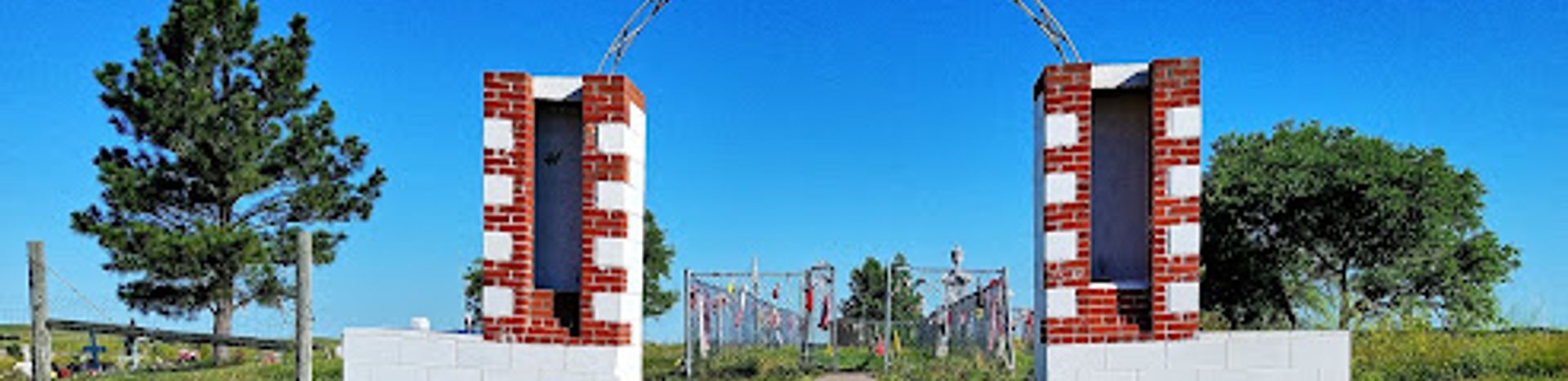
Wounded Knee National Historic Landmark: A Journey Through History
Explore Wounded Knee National Historic Landmark, a powerful site of reflection and remembrance of Native American history and resilience.
Wounded Knee National Historic Landmark offers visitors a profound glimpse into the pivotal events of American history. This site, known for the tragic 1890 massacre of Lakota Sioux, serves as a solemn reminder of cultural resilience and historical significance. Tourists will find a space for reflection, learning, and understanding the complexities of Native American history.
A brief summary to Wounded Knee National Historic Landmark
- Wounded Knee Rd N, Wounded Knee, South Dakota, 57794, US
- Visit website
Local tips
- Wear comfortable shoes as you will be walking on uneven terrain.
- Visit early in the morning or late in the afternoon for a quieter experience.
- Take time to read the informational signs to fully grasp the historical significance.
- Consider bringing a journal to reflect on your thoughts and feelings during your visit.
- Respect the solemn nature of the site; keep noise to a minimum.

Getting There
-
Car
If you are traveling from the city of Sioux Falls, take I-90 W for about 90 miles. Exit onto US-281 N and continue for approximately 90 miles until you reach the junction with SD-34 W. Take SD-34 W for about 50 miles, then merge onto US-83 S. Continue south for about 30 miles until you reach the town of Murdo. From Murdo, take SD-34 W again for approximately 30 miles until you reach the town of Kadoka. From Kadoka, take SD-73 S for about 20 miles. Finally, turn left onto Wounded Knee Rd N, and follow it for about 5 miles to reach the Wounded Knee National Historic Landmark. Please note that gas stations may be sparse along this route, so make sure to fill up before you leave.
-
Public Transportation
There is limited public transportation available in Northeast South Dakota. To reach Wounded Knee National Historic Landmark, your best option is to take a bus from Sioux Falls to Rapid City. Check the schedules for local bus services like Jefferson Lines or Greyhound. Once in Rapid City, you may need to rent a car to continue your journey, as public transit options to Wounded Knee are non-existent. The drive from Rapid City to Wounded Knee is approximately 75 miles via I-90 W, which takes about 1.5 hours. Rental car prices may vary, so check ahead for availability and rates.
-
Taxi/Rideshare
If you're in a nearby town like Pine Ridge, you can use a local taxi service or rideshare app to get to Wounded Knee National Historic Landmark. The fare will depend on your starting location, but expect it to be around $20-$40 for a short trip. It is advisable to confirm the fare with the driver before starting your journey. Keep in mind that some rideshare services may not be readily available in rural areas, so calling a local taxi service may be a more reliable option.
Discover more about Wounded Knee National Historic Landmark
Iconic landmarks you can’t miss

Wounded Knee National Historic Landmark
0.0 km
Explore Wounded Knee National Historic Landmark, a poignant site reflecting on Native American history and the legacy of the Lakota people.
Billy Mills Monument
20.2 km
Explore the legacy of Olympic champion Billy Mills at this historical monument in Pine Ridge, South Dakota, celebrating Native American culture and resilience.
Opening the Sandhills Historical Marker
46.6 km
Discover the Sandhills Historical Marker in Gordon, Nebraska, where history meets the breathtaking beauty of the Sandhills region.
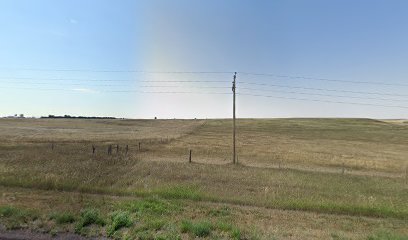
US Forestry Department
62.0 km
Experience the best of nature at the U.S. Forestry Campground in Chadron, Nebraska, a prime spot for camping, hiking, and outdoor fun.
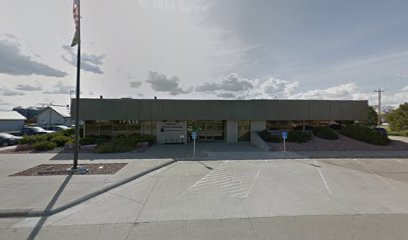
Badlands / White River KOA Holiday
70.4 km
Discover the beauty of South Dakota at Badlands / White River KOA Holiday, your gateway to adventure and nature near Badlands National Park.
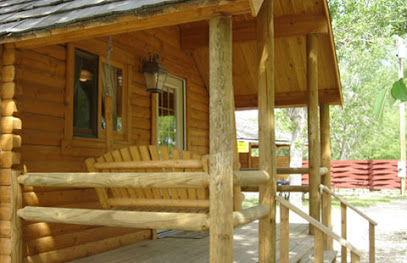
Cedar Pass Campground
75.0 km
Discover the beauty of Cedar Pass Campground in South Dakota, a perfect retreat for nature lovers and outdoor adventures amidst the stunning Badlands.
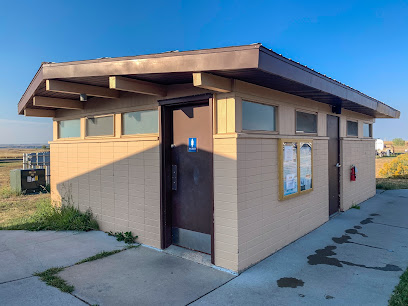
Badlands Natural History Association
75.6 km
Explore the Badlands Natural History Association: Uncover the geological marvels and rich biodiversity of South Dakota's iconic landscapes.
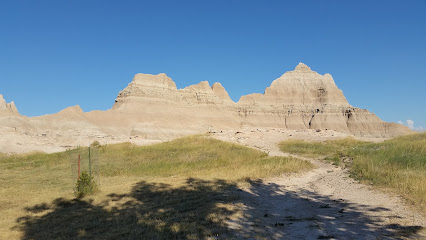
Badlands National Park
79.3 km
Discover the breathtaking landscapes and unique geological wonders of Badlands National Park, a must-visit destination in South Dakota for nature lovers.
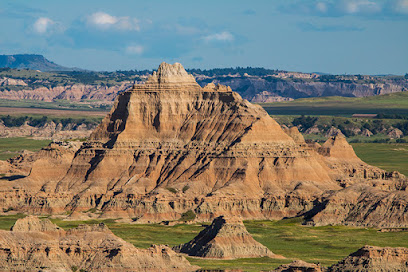
Ancient Hunters Overlook
81.2 km
Discover the breathtaking beauty and rich history of Ancient Hunters Overlook in South Dakota, a must-visit destination for nature lovers and photographers alike.
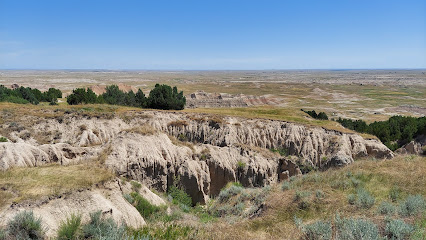
Pinnacles Overlook
81.6 km
Experience the breathtaking views and serene landscapes at Pinnacles Overlook in Badlands National Park, South Dakota.
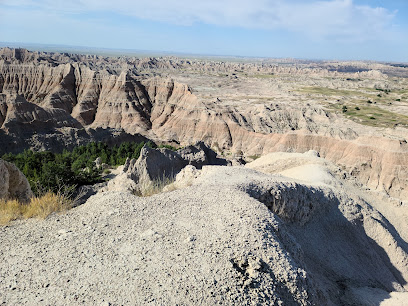
Sage Creek Wilderness Area
81.9 km
Discover the pristine landscapes and diverse wildlife of Sage Creek Wilderness Area in South Dakota, a must-visit nature preserve for all nature enthusiasts.
Unmissable attractions to see

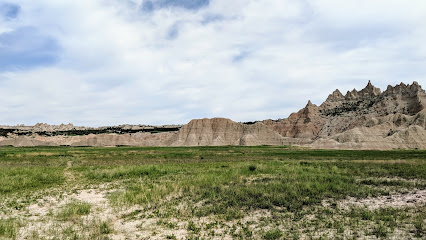
The Heritage Center at Maȟpíya Lúta | Red Cloud
19.3 km
Explore the Heritage Center at Maṕíya Lúta for an authentic experience of Native American art and culture in Pine Ridge, South Dakota.
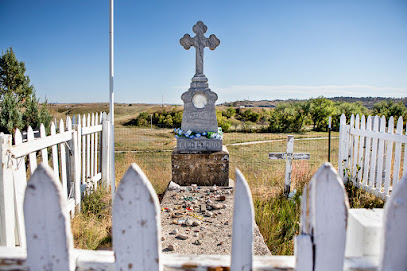
WK4-Directions/Toby Eaglebull Memorial skatepark
20.7 km
Discover the vibrant energy of Toby Eaglebull Memorial Skatepark in Pine Ridge, South Dakota, where skateboarding meets community spirit and stunning landscapes.
White River Visitor Center
42.4 km
Explore the White River Visitor Center: Your Gateway to the Stunning Badlands National Park in South Dakota.
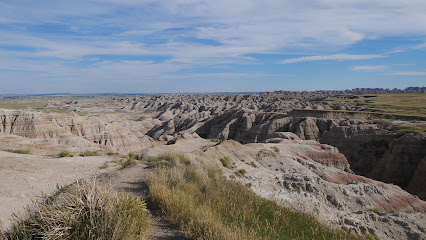
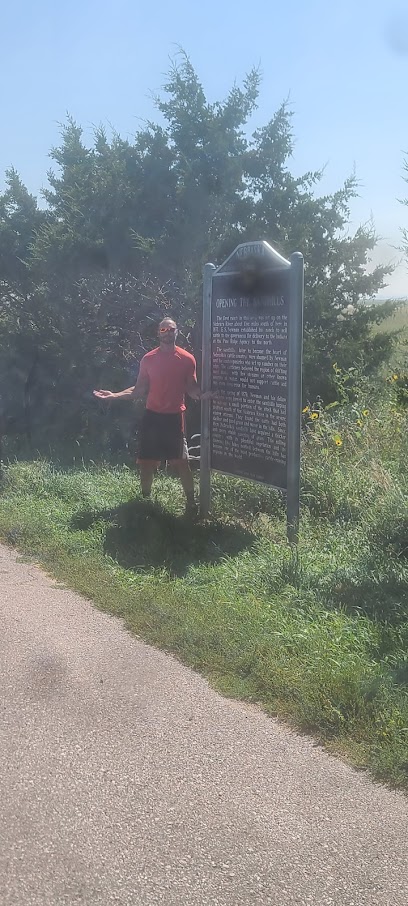
Opening the Sandhills Historical Landmark
47.7 km
Uncover the rich heritage of Nebraska’s Sandhills at the Sandhills Historical Landmark, a serene spot for history lovers amidst stunning natural beauty.
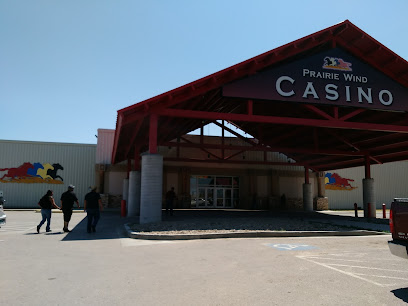
Prairie Wind Casino & Hotel
51.1 km
Discover the thrill of gaming and the warmth of Lakota hospitality at Prairie Wind Casino & Hotel in Pine Ridge, South Dakota.
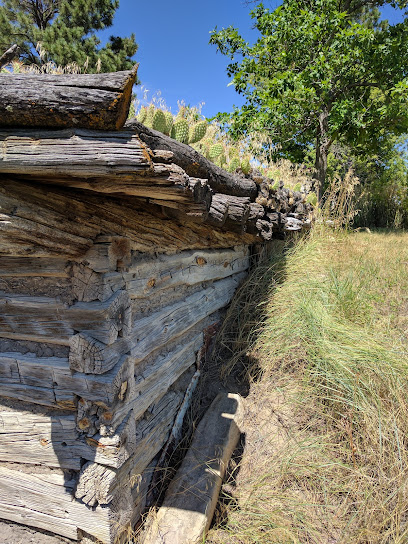
Museum of the Fur Trade
57.9 km
Discover the fascinating history of the fur trade at the Museum of the Fur Trade in Chadron, Nebraska, where culture and commerce intersect.
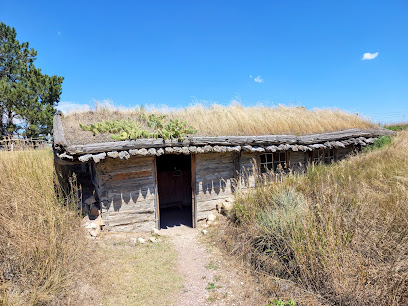
The Bordeaux Trading Post
57.9 km
Explore The Bordeaux Trading Post in Chadron, Nebraska, where history comes alive through fascinating exhibits and the stories of the fur trade.
Bean Broker Coffee House and Pub
62.3 km
Experience the perfect blend of coffee, pizza, and local charm at Bean Broker Coffee House and Pub in Chadron, Nebraska.
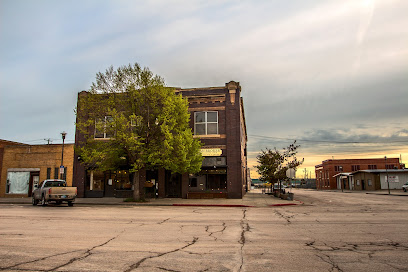
Red Shirt Table Overlook
62.6 km
Experience the stunning vistas at Red Shirt Table Overlook, where nature's beauty unfolds in the heart of South Dakota's Badlands.
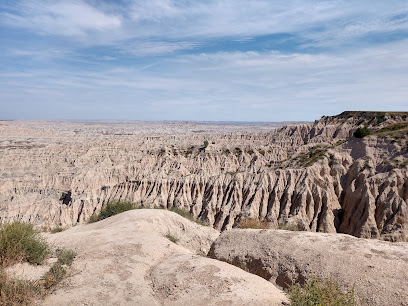
Wilson Park
63.0 km
Explore Wilson Park in Chadron, Nebraska - a tranquil haven for nature lovers, families, and those seeking outdoor adventures in a picturesque setting.
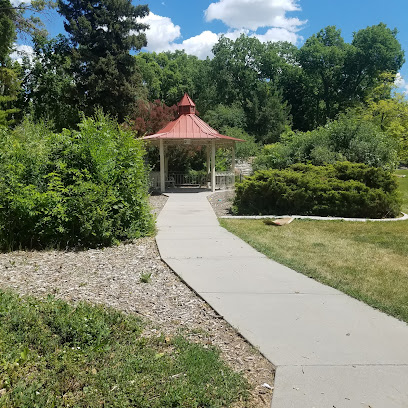
Mari Sandoz High Plains Heritage Center
63.1 km
Explore the captivating history and culture of the American High Plains at the Mari Sandoz High Plains Heritage Center in Chadron, Nebraska.
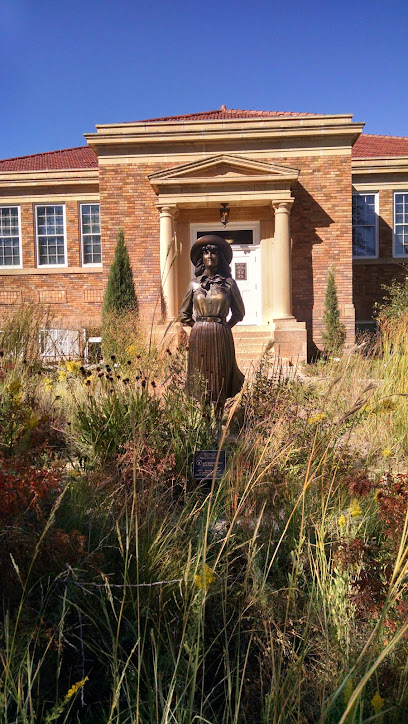
Sheep Mountain Overlook
63.6 km
Experience stunning vistas and breathtaking sunsets at Sheep Mountain Overlook, a must-visit scenic spot in South Dakota's natural landscape.
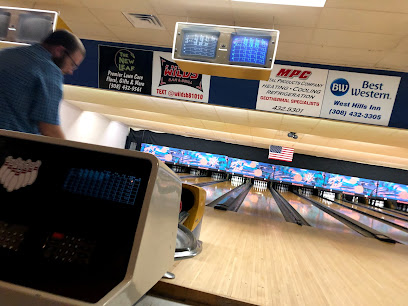
Hilltop Lanes
63.8 km
Experience the ultimate bowling adventure at Hilltop Lanes in Chadron, Nebraska, where fun meets delicious food and drinks for all ages.
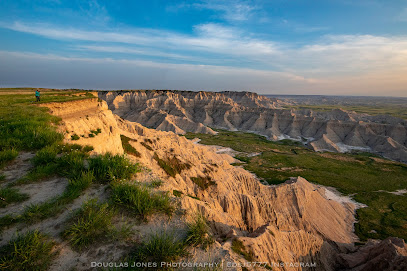
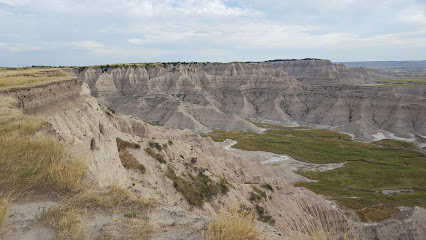
Sheep Mountain Table
64.5 km
Discover the breathtaking vistas and unique geological formations of Sheep Mountain Table in South Dakota, a must-visit for nature lovers and outdoor enthusiasts.
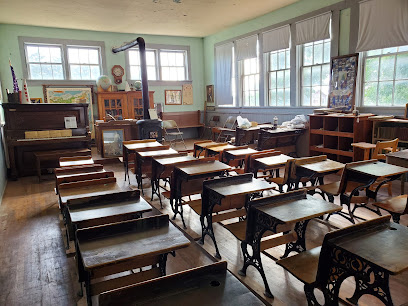
Dawes County Historical Museum
65.9 km
Explore Nebraska's past at the Dawes County Historical Museum, where history comes alive through fascinating exhibits and captivating stories.
Essential places to dine

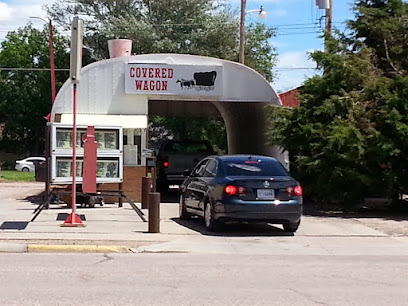
Covered Wagon Drive In
39.5 km
Discover delicious fast food and delightful ice cream at Covered Wagon Drive In in Gordon, Nebraska - A must-visit culinary gem!
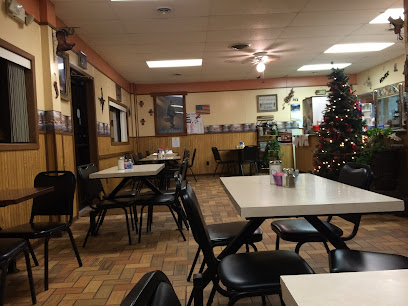
Antelope Creek Cafe
40.4 km
Discover Antelope Creek Cafe in Gordon, NE – where delicious American comfort food meets warm hospitality in a charming diner setting.
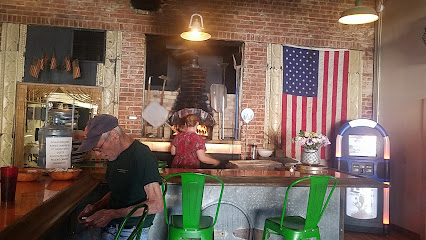
The Twisted Turtle Pub
47.8 km
Experience the best pizza in Rushville at The Twisted Turtle Pub – where flavor meets fun in a welcoming atmosphere.
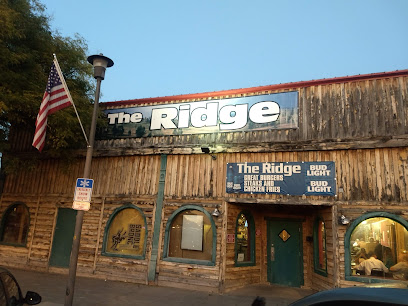
The Ridge
62.2 km
Experience flavorful grilled dishes at The Ridge in Chadron - where great food meets warm hospitality in Nebraska.
Molcajetes Mexican Restaurant
62.3 km
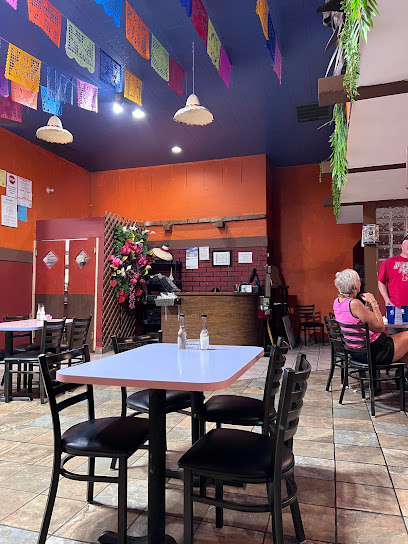
Experience authentic Mexican flavors at Molcajetes Mexican Restaurant in Chadron, Nebraska - where every dish tells a story.
McDonald's
63.4 km
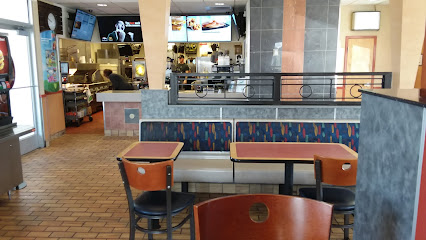
Experience the convenience of fast food at McDonald's in Chadron - your go-to spot for delicious burgers and breakfast on-the-go.
China House Restaurant
63.4 km
Experience authentic Chinese cuisine at China House Restaurant in Chadron, Nebraska – where every dish tells a story.
Country Kitchen Restaurant
63.9 km
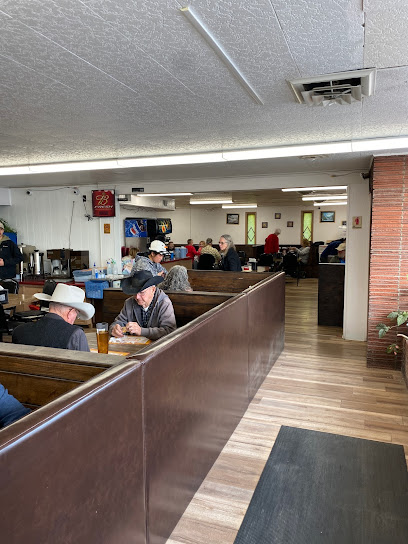
Discover hearty American meals at Country Kitchen Restaurant in Chadron - where family-friendly dining meets delicious comfort food.
Stateline Casino & Heartland Grill
71.8 km
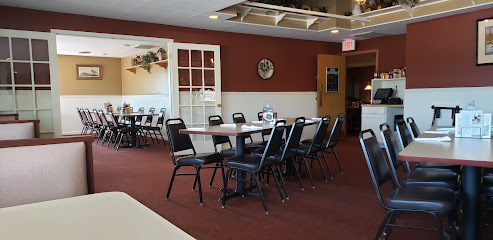
Discover gaming thrills and delightful dining at Stateline Casino & Heartland Grill in South Dakota – where fun meets flavor!
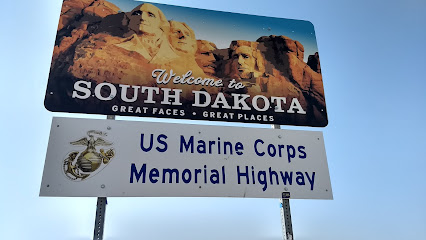
Katie's Kantina
72.0 km
Discover authentic American cuisine at Katie's Kantina in Interior, SD - where every meal is made with love and local ingredients.
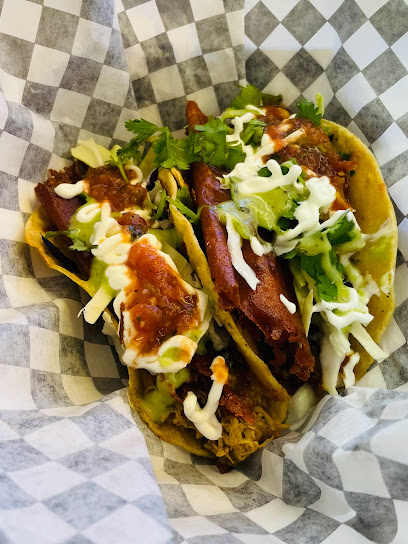
Inferno on the Beach
87.6 km
Experience delicious pizza and vibrant nightlife at Inferno on the Beach in Hot Springs, SD - where flavor meets fun!
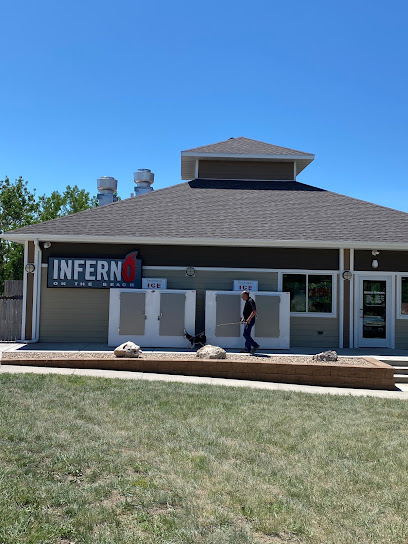
Taco John's
94.1 km
Experience delicious Tex-Mex flavors at Taco John's in Hot Springs - perfect for breakfast or lunch on your travels.
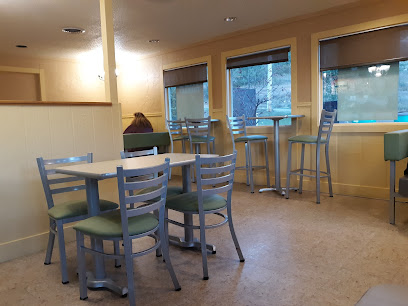
Dairy Queen Grill & Chill
94.2 km
Experience the ultimate comfort food at Dairy Queen Grill & Chill in Hot Springs - where delicious fast food meets delightful ice cream treats.
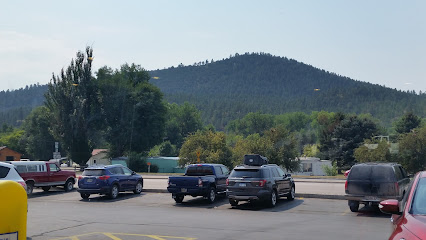
Best Western Plains Motel
94.7 km
Discover comfort at Best Western Plains Motel while exploring South Dakota's stunning Badlands National Park.

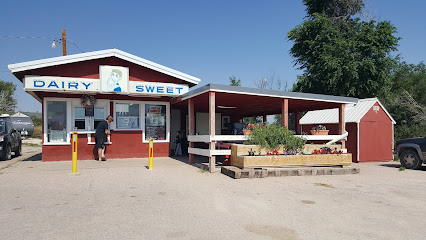
Dairy Sweet
99.0 km
Discover Dairy Sweet in Crawford - where mouth-watering barbecue meets warm hospitality in Nebraska's hidden culinary treasure.
Markets, malls and hidden boutiques

Homer's Eagles Roost
15.4 km
Explore Homer's Eagles Roost in Pine Ridge, SD for a unique cannabis shopping experience with knowledgeable staff and diverse products.

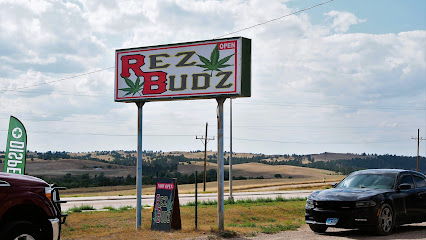
REZ BUDZ
19.8 km
Discover REZ BUDZ in Pine Ridge, a vibrant store showcasing Native American art, crafts, and local culture for a unique shopping experience.
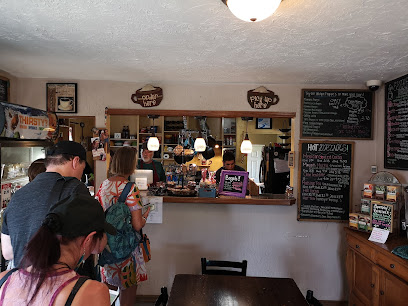
Higher Ground Coffee Shop
20.0 km
Experience the heart of Pine Ridge at Higher Ground Coffee Shop, where local culture meets delicious brews in a cozy atmosphere.
Main Street Cannabis
20.1 km
Explore the vibrant cannabis culture at Main Street Cannabis in Pine Ridge, South Dakota, and discover quality products in a welcoming atmosphere.
Buche Foods/Ace Hardware Pine Ridge
20.2 km
Explore local flavors and fresh ingredients at Buche Foods, a community grocery store in the heart of Pine Ridge, South Dakota.
Oglala Lakota
20.2 km
Experience the vibrant culture and rich heritage of the Oglala Lakota community in the heart of South Dakota's Pine Ridge.
Family Dollar
22.1 km
Discover unbeatable prices and a wide selection of everyday essentials at Family Dollar in Whiteclay, Nebraska, perfect for budget-conscious travelers.
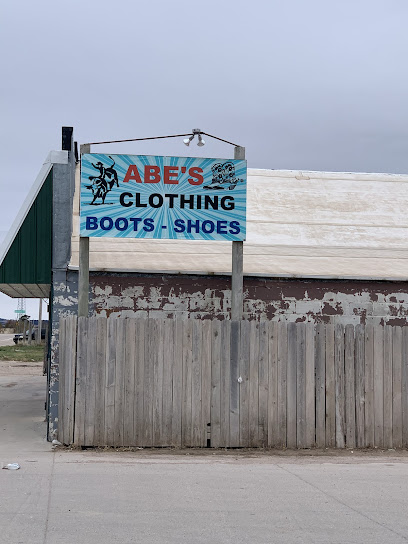
Abe’s
22.3 km
Experience the charm of small-town shopping at Abe's in Whiteclay, Nebraska, offering unique finds and local treasures.
Dollar General
22.3 km
Explore Whiteclay's Dollar General for unbeatable prices on groceries, household essentials, and more, all in a convenient location.
Whiteclay Redevelopment
22.5 km
Explore the vibrant offerings of Whiteclay Redevelopment, a liquor store that embodies the local spirit with a selection of unique beverages.
Whiteclay Grocery Inc
22.7 km
Experience the charm of Whiteclay, Nebraska at Whiteclay Grocery Inc, a local grocery store with a friendly atmosphere and unique local products.
RFH Sales
57.2 km
Explore RFH Sales in Hay Springs for a unique local shopping experience that embodies the heart of Nebraska's community and craftsmanship.
JelliBeanJar
57.6 km
Explore JelliBeanJar, a charming boutique in Hay Springs, Nebraska, showcasing local crafts and gifts that celebrate community creativity.
The New Leaf
61.5 km
Explore The New Leaf in Chadron, NE for exquisite floral arrangements, unique gifts, and a charming shopping experience.
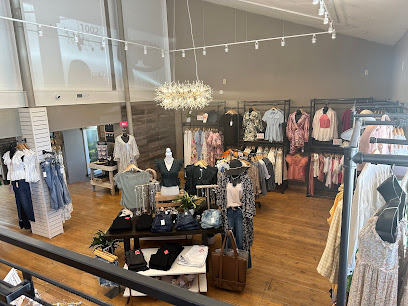
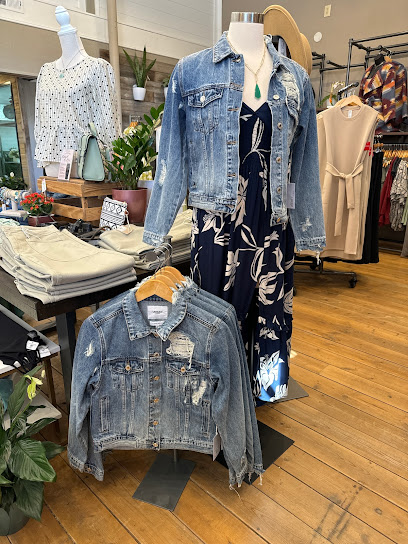
Apricot Lane Boutique
61.6 km
Discover fashion-forward styles and unique gifts at Apricot Lane Boutique in Chadron, Nebraska – where every piece tells a story.
Essential bars & hidden hideouts

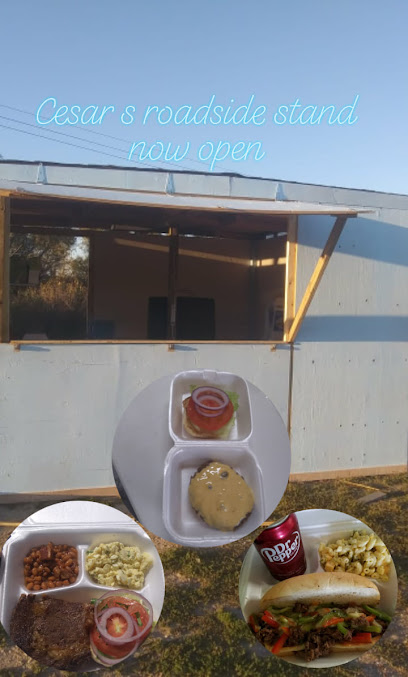
Cesars RoadSide Stand and Grill
19.1 km
Discover the authentic taste of South Dakota at Cesars RoadSide Stand and Grill, famous for its mouthwatering ribeye sandwiches and local charm.
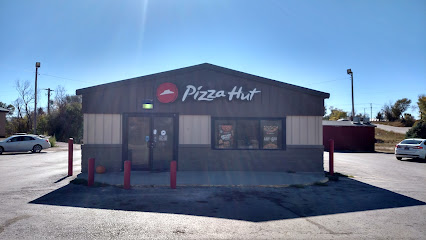
Pizza Hut
19.9 km
Delight in a variety of pizzas and wings at Pizza Hut in Pine Ridge, SD—a favorite dining spot for travelers and locals.
Chester's Chicken And Deli
20.2 km
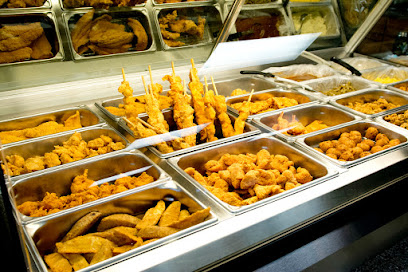
Experience the delicious flavors of Chester's Chicken And Deli in Pine Ridge, SD, where every meal is a taste of local tradition.
BIG DADDY BATS
20.3 km
Discover Big Daddy Bats in Pine Ridge, a gas station with a local touch, offering essentials and a friendly atmosphere for all travelers.
Champs Chicken
20.3 km
Enjoy mouth-watering Southern fried chicken and wings at Champs Chicken in Pine Ridge, a true taste of comfort food in South Dakota.
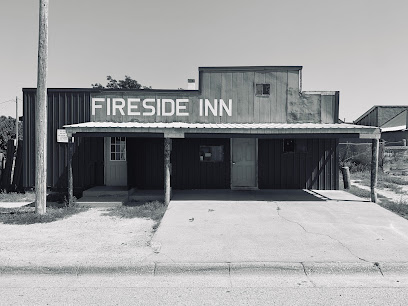
Fireside Inn
22.3 km
Experience the flavors of American cuisine at Fireside Inn in Rushville, Nebraska, where comfort meets culinary excellence.
Subway
40.3 km
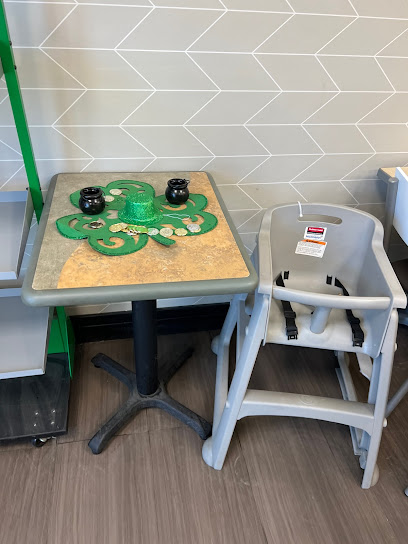
Discover fresh and customizable sandwiches at Subway in Gordon, Nebraska, the perfect spot for a quick and healthy meal on your travels.
Kingdom Grillers BBQ
61.6 km
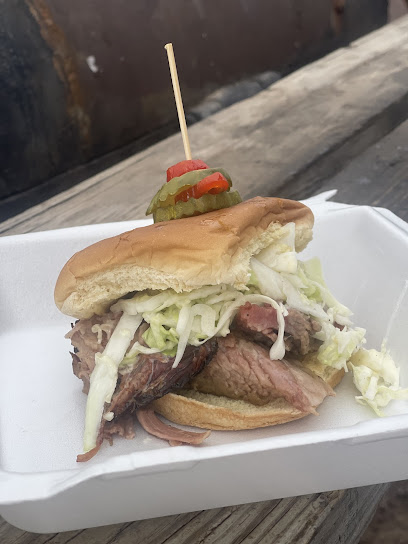
Discover the Best Barbecue in Chadron at Kingdom Grillers BBQ, Where Flavor Meets Tradition in Every Bite.
City s’Liquors & Tap Room
61.7 km
Discover local flavors and a vibrant atmosphere at City s’Liquors & Tap Room, your go-to destination for craft beers and fine spirits in Chadron.
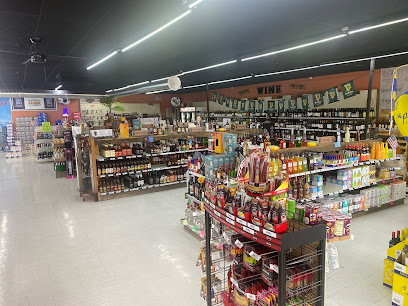
Victorian Inn Bed and Breakfast
62.1 km
Experience the charm of Chadron at Victorian Inn Bed and Breakfast, where comfort meets local hospitality in a cozy Victorian setting.
77 Longbranch Saloon
62.1 km
Discover the welcoming atmosphere and extensive beer selection at 77 Longbranch Saloon in Chadron, Nebraska, a perfect retreat for travelers.
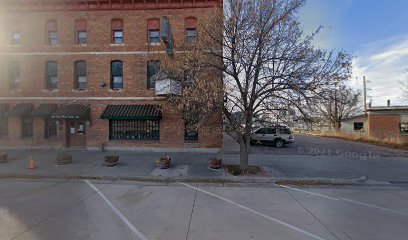
Olde Main Street Inn
62.1 km
Discover the charm of Chadron at Olde Main Street Inn, your cozy retreat for comfort and local experiences in Nebraska.
Favorite Bar
62.2 km
Discover the lively ambiance at Favorite Bar in Chadron, Nebraska, where affordable drinks and a friendly crowd await you for an unforgettable night.
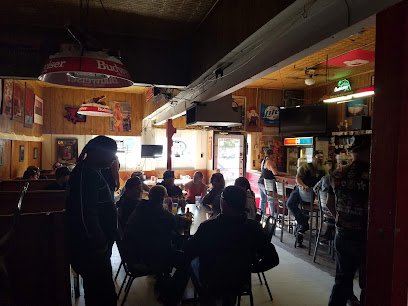
Daylight Donuts
62.2 km
Discover the delightful world of donuts at Daylight Donuts in Chadron, Nebraska, where every bite is a sweet celebration of flavor and freshness.
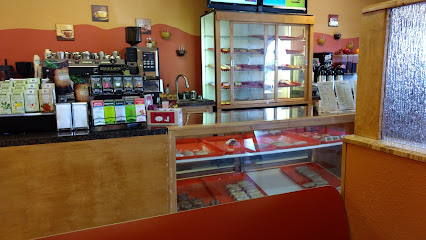
Fryday's 120
62.2 km
Discover Fryday's 120 in Chadron, Nebraska: a grill where delicious flavors meet a cozy atmosphere, perfect for unwinding after your adventures.