

Free Northeast South Dakota Travel Guide & Mobile App
Explore Northeast South Dakota with free travel guides. Discover regional history, expert tips, proposed trips, and audio guides on web or mobile app.


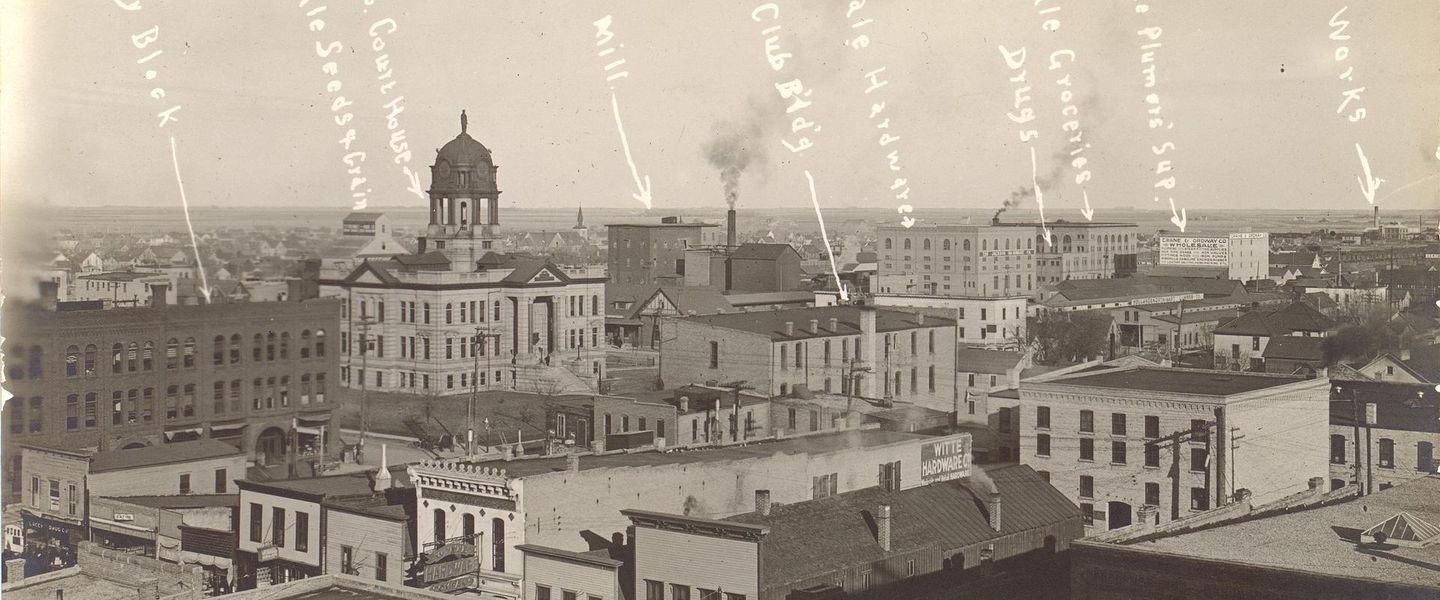


Explore Northeast South Dakota for glacial lakes, prairie wildlife, Dakota history, small-city museums and open-road journeys between Aberdeen and Watertown.
Read more about Northeast South Dakota
Getting to and around Northeast South Dakota
How to get there
Transportation
Top city travel guides in Northeast South Dakota
The cities of Northeast South Dakota, and the easiest places to base yourself.
-

-

-

-

-


Swipe for more cities
Destinations in Northeast South Dakota
Resorts, valleys and scenic spots worth a trip of their own.
-
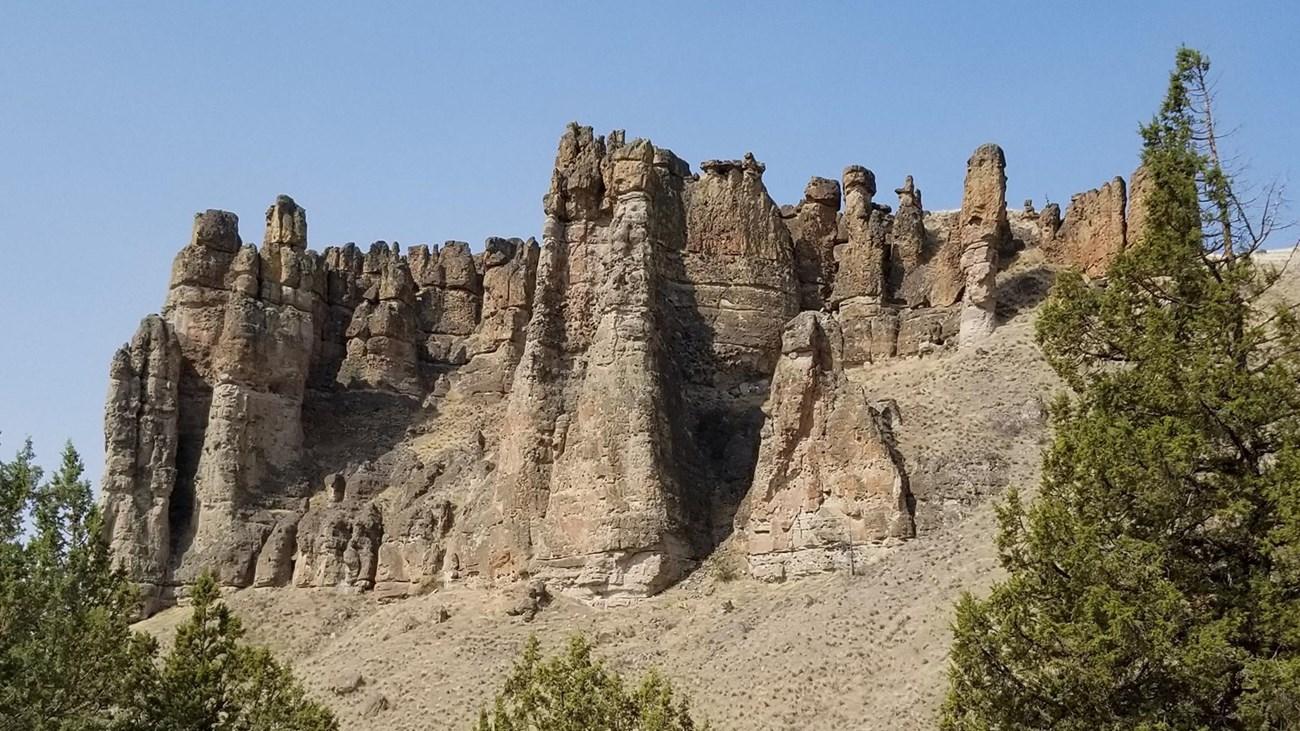 Palisades State Park
 in South Dakota features quartzite cliffs, the Split Rock River, hiking, camping, climbing and scenic landscapes near Garretson and Sioux Falls.
-

-

-


Swipe for more destinations
Best attractions in Northeast South Dakota
Northeast South Dakota's attractions are spread across a working prairie landscape rather than concentrated in one tourism centre. Aberdeen combines the Dacotah Prairie Museum's regional collections with Wylie Park and Storybook Land, making it a practical stop for both cultural interpretation and family recreation. Watertown offers the Redlin Art Center, whose wildlife paintings connect with the region's outdoor identity, while nearby Lake Kampeska supports boating, fishing and lakeside leisure. Around the smaller communities, the glacial lake country becomes the principal attraction: Pickerel Lake Recreation Area, Waubay National Wildlife Refuge and Sand Lake National Wildlife Refuge provide opportunities for fishing, wildlife observation, photography and walking. Fort Sisseton Historic State Park adds military history and preserved nineteenth-century buildings, while Nicollet Tower introduces the elevated prairie landscape of the Coteau des Prairies. Historic town centres, county museums, parks and rural churches broaden the experience, though many sites have seasonal or limited facilities. The best itinerary balances museums and heritage with open-air stops, allowing time for weather, wildlife and the region's considerable driving distances.
-
Memorial park
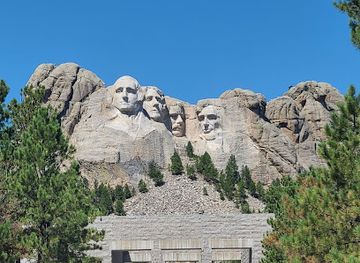
Mount Rushmore National Memorial
Discover the iconic Mount Rushmore National Memorial, a symbol of American history set amidst the stunning Black Hills of South Dakota.
-
National park
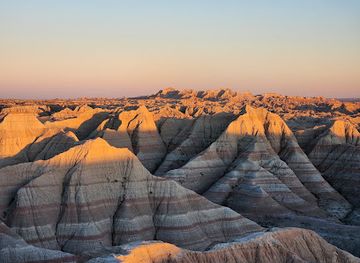
Badlands National Park
Explore the breathtaking landscapes and unique wildlife of Badlands National Park in South Dakota, a must-visit destination for nature lovers.
-
Park
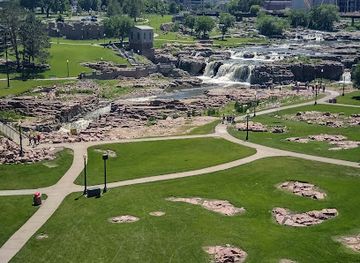
Falls Park
Falls Park: Experience the breathtaking waterfalls and lush landscapes of Sioux Falls, a must-visit destination for nature lovers and adventurers.
-
State park
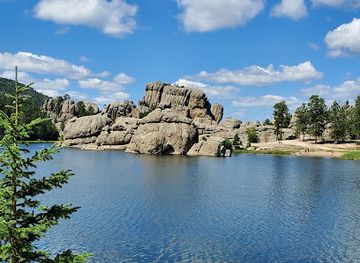
Custer State Park
Explore the natural wonders of Custer State Park in South Dakota, where breathtaking landscapes and diverse wildlife create unforgettable adventures.

Best landmarks in Northeast South Dakota
The most recognisable landmarks of Northeast South Dakota reflect military history, glacial geography and the civic development of small prairie towns. Fort Sisseton Historic State Park is the region's clearest architectural landmark, with preserved military buildings arranged around the former nineteenth-century post on the Coteau des Prairies. Nicollet Tower, near Sisseton, marks the elevated terrain associated with the explorer Joseph Nicollet and provides broad views across the surrounding prairie; it is both a geographical reference point and a reminder of early mapping of the northern plains. In Watertown, the Redlin Art Center is a distinctive contemporary cultural landmark devoted to Terry Redlin's representations of wildlife and rural outdoor life. Aberdeen's Dacotah Prairie Museum is important as a civic repository of regional memory, while older courthouses, commercial blocks, railway-era buildings and grain elevators in communities across the region express the practical architecture of settlement. The chain of lakes itself is a natural landmark system, with Big Stone Lake, Lake Kampeska and the wetlands around Waubay and Sand Lake defining the area's visual identity.
-
State park
Custer State Park
Explore the stunning landscapes and diverse wildlife of Custer State Park, a premier destination for outdoor adventures in South Dakota.
-
Cultural landmark
Dignity of Earth and Sky
Explore the Dignity of Earth and Sky, a stunning tribute to Native American culture in South Dakota, where art meets history along the Missouri River.
-
Monument
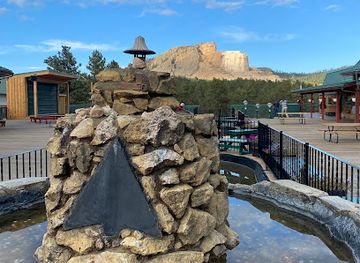
Crazy Horse Memorial
Explore the Crazy Horse Memorial in South Dakota, a magnificent tribute to Native American heritage, culture, and history set against breathtaking Black Hills scenery.
-
Museum
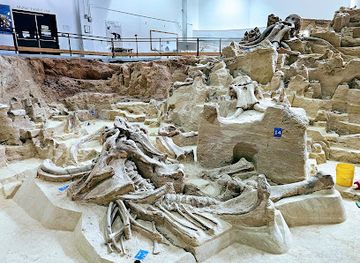
The Mammoth Site
Explore ancient wonders at The Mammoth Site, a premier paleontological museum in Hot Springs, South Dakota, showcasing incredible Ice Age fossils.
Explore Northeast South Dakota on the map
Plan your trip on one map. See where the top cities, national parks and sights are, and book hotels and experiences in a few clicks.
Best hotels in Northeast South Dakota
Best restaurants in Northeast South Dakota
Dining in Northeast South Dakota is rooted in the practical food culture of the northern plains, with family restaurants, cafés, bakeries, diners and traditional pubs providing the most consistent choices in Aberdeen, Watertown, Sisseton and other larger communities. Menus commonly draw on American comfort food, beef, pork, poultry, freshwater fish and locally available grains, while German and Scandinavian settlement history remains visible in some home-style baking and community cooking traditions. Farmers' markets and seasonal stands can offer sweetcorn, vegetables, preserves and baked goods when local growing conditions allow. Rural cafés are useful for breakfast and lunch during road journeys, but opening days and hours vary, particularly outside the main towns. Contemporary restaurants and specialist coffee shops are more concentrated in Aberdeen and Watertown. Visitors should distinguish locally produced ingredients from dishes described simply as regional American fare; the area's culinary character is often expressed through farm supply, community gatherings and everyday baking rather than a single signature dish.
-
Inn
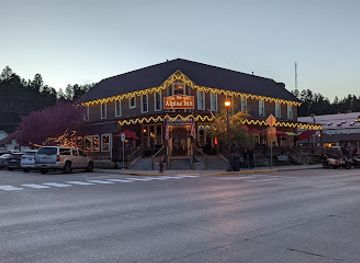
Alpine Inn
Discover comfort and culinary excellence at Alpine Inn in Hill City - your perfect getaway in South Dakota's scenic Black Hills.
-
Bar
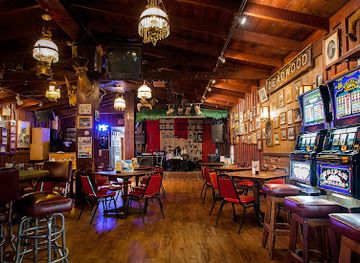
Saloon No. 10
Discover the historic charm and delightful flavors at Saloon No. 10 in Deadwood—where Old West meets modern dining.
-
American
Tally's Silver Spoon
Experience delightful American cuisine at Tally's Silver Spoon in Rapid City - where every meal is crafted with passion and local flavors.
-
Restaurant
The Barrel House
Experience delightful flavors at The Barrel House - Sioux Falls' favorite family restaurant offering delicious meals and craft beverages.
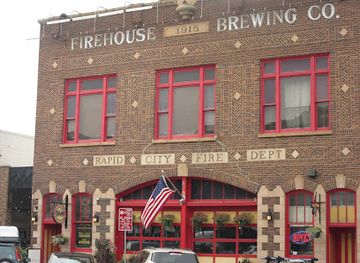

Best bars in Northeast South Dakota
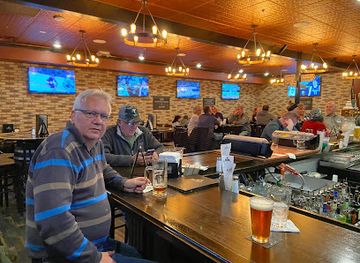
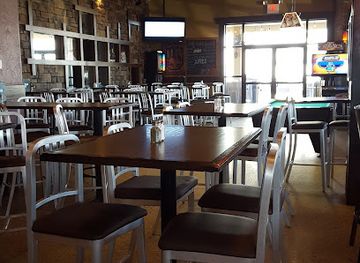
Evening life is concentrated in Aberdeen and Watertown, where restaurants, breweries, traditional bars, cafés and occasional live-music venues provide more choice than in the smaller rural communities. Local pubs often function as informal meeting places and may serve straightforward food alongside regional and national beers. Sisseton, Webster and other towns have a quieter evening rhythm, with dining, community events and established bars generally more important than dedicated nightclubs. The region does not have a large metropolitan club scene, and late-night options can be limited outside the main centres. Summer events, college calendars and local fairs may add temporary entertainment, but programmes and opening arrangements change. Visitors staying in rural areas should plan their return transport carefully and avoid assuming that a venue will be open every night.
-
Pub
Blarney Stone Pub - Sioux Falls
Discover Blarney Stone Pub in Sioux Falls: a vibrant Irish pub with delicious food, great drinks, and a lively atmosphere perfect for tourists.
-
Restaurant
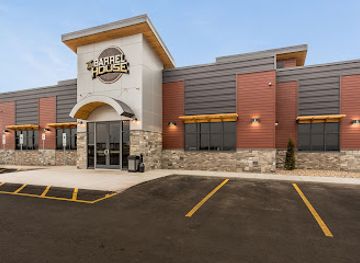
The Barrel House
Experience the best of American cuisine at The Barrel House, Sioux Falls' top family-friendly restaurant and bar & grill.
-
Grill
Crooked Pint Ale House
Discover the vibrant culinary scene at Crooked Pint Ale House, where delicious food meets a wide selection of craft beers in Sioux Falls.
-
Grill
kRav'N
Discover kRav'N in Sioux Falls for an unforgettable dining and entertainment experience with delicious grill favorites and lively casino fun.
Best nightclubs in Northeast South Dakota
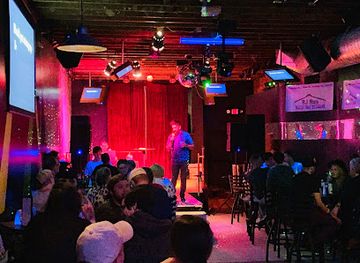
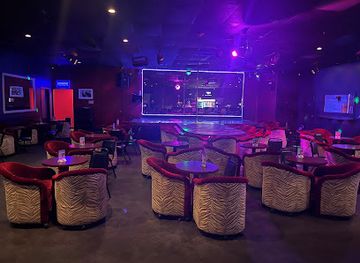
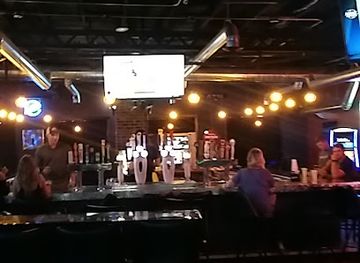
Evening life is concentrated in Aberdeen and Watertown, where restaurants, breweries, traditional bars, cafés and occasional live-music venues provide more choice than in the smaller rural communities. Local pubs often function as informal meeting places and may serve straightforward food alongside regional and national beers. Sisseton, Webster and other towns have a quieter evening rhythm, with dining, community events and established bars generally more important than dedicated nightclubs. The region does not have a large metropolitan club scene, and late-night options can be limited outside the main centres. Summer events, college calendars and local fairs may add temporary entertainment, but programmes and opening arrangements change. Visitors staying in rural areas should plan their return transport carefully and avoid assuming that a venue will be open every night.
-
Bar
PAve
Discover PAve, the ultimate bar and nightclub in Sioux Falls, where lively music, delicious food, and a vibrant atmosphere await you.
-
Night club
Club David
Experience the vibrant nightlife of Sioux Falls at Club David, where music, dancing, and good times await every night of the week.
-
Night club
Scarlett O'Haras Gentlemen's Club
Discover the electrifying nightlife at Scarlett O'Haras Gentlemen's Club, Sioux Falls' premier destination for entertainment and relaxation.
-
Night club
The Wild Hare
Experience the vibrant nightlife at The Wild Hare, Brookings' top night club and bar, offering great drinks and live entertainment.

Best shops in Northeast South Dakota
Shopping in Northeast South Dakota is centred on the high streets, retail districts and practical commercial services of Aberdeen and Watertown, with smaller selections in Sisseton, Webster and other market towns. Independent shops, bookshops, galleries, clothing retailers, outdoor suppliers and cafés are more characteristic than large-scale luxury shopping. Watertown's connection with wildlife art makes regional prints and related art products a natural purchase, while museums and historic sites may stock locally themed books, crafts and educational material. Farmers' markets and seasonal stands can provide produce, preserves, baked goods and locally made items, although availability follows the growing season and individual market schedules. Visitors looking for souvenirs should consider prairie photography, Native and regional history books, artwork, handmade goods or food products rather than generic merchandise. Larger supermarkets and general retailers are useful for road provisions, especially when travelling onwards to lakes, refuges or rural heritage sites where shopping opportunities are sparse.
-
Art gallery
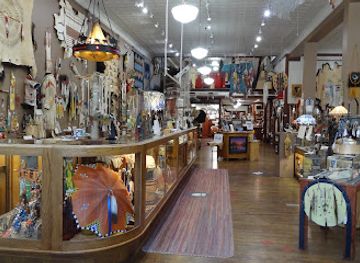
Prairie Edge Trading Co & Galleries
Discover the vibrant world of Native American art and culture at Prairie Edge Trading Co & Galleries in Rapid City, a must-visit for all art lovers.
-
Gift shop
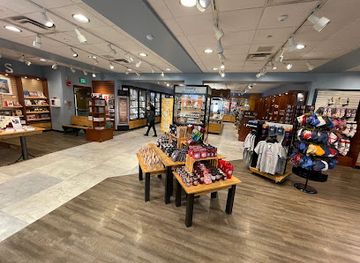
Mount Rushmore Gift Shop
Explore a wide range of unique souvenirs and gifts at the Mount Rushmore Gift Shop, celebrating the spirit of America's iconic National Memorial.
-
Book store
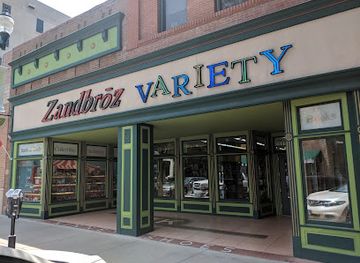
Zandbroz Variety
Explore the charm of Zandbroz Variety in Sioux Falls, where books, gifts, and local art come together in a delightful shopping experience.
-
Antique store
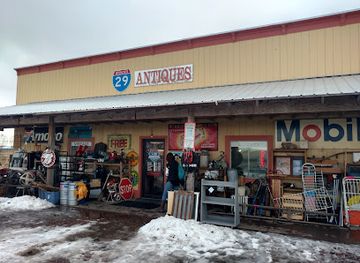
I-29 Antiques & Collectibles
Uncover hidden gems and vintage treasures at I-29 Antiques & Collectibles in Tea, South Dakota, where history comes alive in every corner.
Get your free copy of our complete guide to Northeast South Dakota, delivered straight to you.
Everything on this page, from attractions and restaurants to essentials and local phrases, in one PDF you can read offline, print or share.
Already have an account? Sign in
Your Northeast South Dakota guide is ready.
We'll send it to · Not you? Sign out

Getting your guide ready…
We are putting together a fresh copy of the Northeast South Dakota guide. This can take up to a minute.
This can take a few moments. If your browser asks, choose Allow so the download can start. You'll find the guide in your Downloads folder.
Nothing happened? Download it again
Sorry, the guide is taking longer than usual. Please try again in a minute, or get it by email instead.
Northeast South Dakota essentials
Currency and Payment
Safety
Emergency Situations
Do's and Don'ts
Local Tips
From Eve
Local phrases worth knowing
You don't need to get them perfect. A few words go a long way, and locals appreciate the effort.
Basics
| English | Local | Say it |
|---|---|---|
| Hello | Hi | [Hah] |
| Goodbye | Bye | [Bye] |
| Yes | Yep | [Yep] |
| No | Nope | [Nope] |
| Please/You're welcome | Sure thing | [Shur thing] |
| Thank you | Thanks | [Thangs] |
| Excuse me/Sorry | Sorry | [Sore-ee] |
| How are you? | How's it going? | [How's it goin'?] |
| Fine. And you? | Good, you? | [Good, you?] |
| Do you speak English? | You speak English? | [You speak English?] |
| I don't understand | I don’t get it | [I don’t get it] |
Eating & Drinking
| English | Local | Say it |
|---|---|---|
| I'd like to see the menu, please | Can I see the menu? | [Can I see the menu?] |
| I don't eat meat | I’m a vegetarian | [I'm a vege-tair-ee-an] |
| Cheers! | Cheers! | [Cheers!] |
| I would like to pay, please | Can I get the check? | [Can I get the check?] |
Emergencies
| English | Local | Say it |
|---|---|---|
| Help! | Help! | [Help!] |
| Go away! | Leave me alone! | [Leave me alone!] |
| Call the Police! | Call the cops! | [Call the cops!] |
| Call a doctor! | Get a doctor! | [Get a doctor!] |
| I'm lost | I can’t find my way | [I can't find my way] |
| I'm ill | I’m not feeling well | [I'm not feelin' well] |
Shopping
| English | Local | Say it |
|---|---|---|
| I'd like to buy... | I want to buy... | [I want to buy...] |
| I'm just looking | Just browsing | [Just browsin'] |
| How much is it? | What’s the price? | [What's the price?] |
| That's too expensive | That costs too much | [That costs too much] |
| Can you lower the price? | Can you give me a better price? | [Can you give me a better price?] |
Time & Numbers
| English | Local | Say it |
|---|---|---|
| What time is it? | What time? | [What time?] |
| It's one o'clock | It's one | [It's one] |
| Half past (10) | Half past ten | [Half past ten] |
| Morning | Morning | [Morning] |
| Afternoon | Afternoon | [Afternoon] |
| Evening | Evening | [Evening] |
| Yesterday | Yesterday | [Yesterday] |
| Today | Today | [Today] |
| Tomorrow | Tomorrow | [Tomorrow] |
| 1 | One | [One] |
| 2 | Two | [Two] |
| 3 | Three | [Three] |
| 4 | Four | [Four] |
| 5 | Five | [Five] |
| 6 | Six | [Six] |
| 7 | Seven | [Seven] |
| 8 | Eight | [Eight] |
| 9 | Nine | [Nine] |
| 10 | Ten | [Ten] |
Transport & Directions
| English | Local | Say it |
|---|---|---|
| Where's a/the...? | Where’s the nearest...? | [Where's the nearest...?] |
| What's the address? | What’s the address? | [What's the address?] |
| Can you show me (on the map)? | Can you point it out? | [Can you point it out?] |
| When's the next (bus)? | When’s the next bus? | [When's the next bus?] |
| A ticket (to ....) | A ticket to... | [A ticket to...] |
History of Northeast South Dakota
Dakota Homelands and Indigenous Continuity
Northeast South Dakota lies within the longstanding homeland of Dakota peoples, whose communities, routes and seasonal use of the prairie and lake country predate the United States. The Coteau des Prairies, the major rivers and the numerous wetlands formed part of a wider cultural landscape rather than isolated natural features. Treaties, dispossession and the reservation system transformed Indigenous access to land during the nineteenth century, but Dakota communities and cultural presence remain part of the region's contemporary identity. Visitors should understand that museums and historic sites present only part of this continuing history.
Fur Trade, Forts and the Frontier Era
Before large-scale American settlement, the region was connected to fur-trade routes and military movements linking the northern plains, the Red River country and the Missouri basin. Fort Sisseton, established in 1864 on the Coteau des Prairies, was built to protect travel routes and government interests during a period of conflict and rapid political change. Its surviving buildings and grounds now form one of South Dakota's important historic state parks, illustrating the practical realities of frontier military life rather than the romantic version often associated with the American West.
Railways and Permanent Towns
Railway construction in the late nineteenth century accelerated the creation of towns across northeastern South Dakota. Aberdeen developed as a significant rail and commercial centre, while Watertown, Sisseton, Webster and many smaller communities grew around transport links, grain handling and regional trade. Railways connected farms to wider markets and encouraged the construction of depots, elevators, hotels, banks and stores. Although road travel is now dominant, the street plans, civic buildings and commercial architecture of several towns still reflect the period when rail access determined the location and prospects of a settlement.
Homesteading, Immigration and Agricultural Society
Federal land policies and the expansion of settlement drew farmers from other parts of the United States and from Europe. German, Scandinavian and other immigrant communities influenced local churches, family names, foodways and agricultural practices, while Dakota communities experienced continuing pressure on their lands and institutions. Wheat, corn, livestock and later diversified farming became central to the regional economy. The small towns of northeast South Dakota served as schools, trading centres, county seats and social hubs for a widely dispersed rural population.
The Glacial Lake Landscape and Conservation
The region's large number of lakes, wetlands and shallow depressions was created or shaped by the retreat of the last continental ice sheets. These waters supported settlement, recreation and agriculture but also attracted growing conservation attention as important habitat for migratory birds and other wildlife. Areas such as Sand Lake National Wildlife Refuge and Waubay National Wildlife Refuge demonstrate the continuing effort to protect wetland ecosystems within a productive farming landscape. Their history is therefore both geological and modern, linking natural processes with twentieth-century wildlife management.
Modern Regional Centres and Cultural Memory
During the twentieth and early twenty-first centuries, Aberdeen and Watertown strengthened their roles as service, education, manufacturing and cultural centres for surrounding rural districts. Museums, art collections, parks and historic preservation projects have helped communities interpret changes brought by mechanised farming, population shifts and the decline of some railway functions. The Redlin Art Center in Watertown, for example, reflects a contemporary regional connection to wildlife, outdoor recreation and northern prairie imagery. Today, the region's identity combines working agriculture with heritage tourism, conservation and small-city cultural life.
Northeast South Dakota in Photos
Browse through our photo collection highlighting the charm and character of the destination.
Neighbouring regions of Northeast South Dakota
The closest regions to Northeast South Dakota, if you have time for more than one.
-

-

-

-

-


Swipe for more regions
Explore more

Explore more of South Dakota
Discover South Dakota: From the iconic Mount Rushmore and Crazy Horse Memorial to the stunning Badlands and charming small towns, it's a land of history and natural beauty.
Explore South Dakota