

Gangnam (Seoul) Travel Guide - Free
Explore Gangnam in Seoul with Evendo's free guide. Find the best shops, historic streets, restaurants, and gems on web or mobile.


Gangnam Seoul combines high-rise business streets, Korean fashion, beauty, cafés, nightlife, K-pop culture and nearby temples for a modern city experience.
A District Built for the Modern City
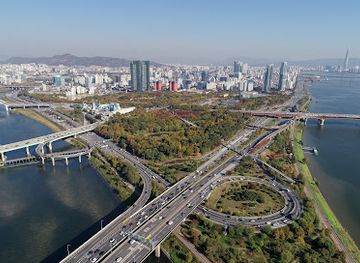
Gangnam, meaning “south of the river”, is best understood as both a celebrated Seoul district and a shorthand for the city’s modern commercial culture. This guide focuses on the central Gangnam area around Gangnam Station, Gangnam-daero and Teheran-ro, while also distinguishing nearby parts of Gangnam-gu such as Sinsa, Apgujeong and Samseong when they are relevant. The landscape is markedly different from the older lanes north of the Han River: broad avenues, dense towers, glass-fronted offices and illuminated retail streets reflect the rapid expansion of southern Seoul from the late twentieth century onwards.Read more about Gangnam
From Business Streets to Night-time Thoroughfares
Contemporary Seoul in Several Registers
Best attractions in Gangnam
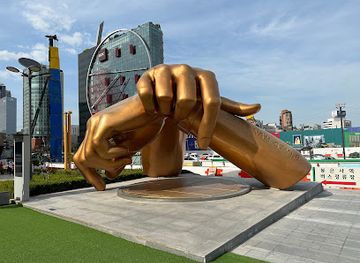
Central Gangnam’s most recognisable public attraction is the Gangnam Style sculpture near Gangnam Station, a playful reference to the song that introduced the district’s name to audiences worldwide. Gangnam-daero itself provides a useful cross-section of Seoul’s commercial life, with large brands, cafés, beauty businesses and illuminated side streets extending north and south of the station. In the wider Gangnam-gu area, the tree-lined styling streets of Garosu-gil, the fashion-oriented avenues of Apgujeong Rodeo and the polished public spaces around COEX offer contrasting ways to explore the district. At Samseong, Bongeunsa Temple provides a quieter historical counterpoint to office towers and convention halls. Because these areas are spread across a substantial district, visitors should plan them as separate excursions rather than assuming that every Gangnam attraction lies within walking distance of Gangnam Station.
-
Tourist attraction
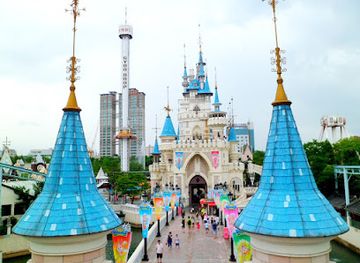
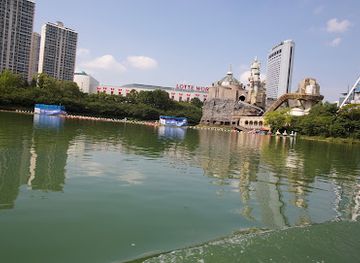
Lotte World
Experience the thrill of Lotte World, Seoul's ultimate amusement park and cultural attraction, where adventure meets excitement in every corner.
14 min drive · 4.5 km from neighbourhood centre
-
Tourist attraction
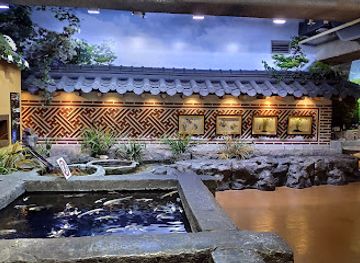
LOTTE WORLD AQUARIUM
Explore the Lotte World Aquarium in Seoul, South Korea, a captivating underwater world filled with diverse marine life and thrilling exhibits for all ages.
15 min drive · 5.1 km from neighbourhood centre
-
Park
Seoul Forest Park
Explore Seoul Forest Park, a lush urban oasis blending nature and art in the heart of Seoul, perfect for relaxation and outdoor adventures.
9 min drive · 3.1 km from neighbourhood centre
-
Tourist attraction
Coex Aquarium
Experience the captivating underwater world at Coex Aquarium, a top tourist attraction in Seoul, showcasing diverse marine life and interactive exhibits.
13 min walk · 1.1 km from neighbourhood centre
Best landmarks in Gangnam
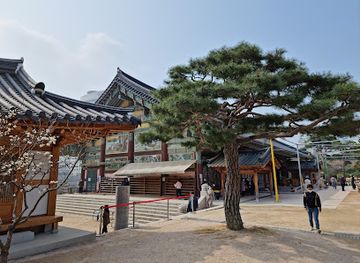
Gangnam’s landmarks express the collision of rapid development and older cultural memory. The bronze Gangnam Style sculpture near Gangnam Station is a contemporary symbol of the district’s global image, while the broad alignment of Gangnam-daero and the office towers along Teheran-ro represent the planned commercial city that emerged south of the Han River. In eastern Gangnam-gu, Bongeunsa Temple is the most important historic landmark, with Buddhist buildings and wooded grounds standing opposite the modern COEX complex. The COEX area also illustrates the district’s role in conventions, retail and international business, although it lies in Samseong rather than beside Gangnam Station. Apgujeong and Cheongdam’s changing façades, luxury retail buildings and high-rise streets are less monumental but significant in showing how fashion, beauty and contemporary consumer culture have shaped Gangnam’s identity.
-
Buddhist temple
Bongeunsa Temple
Explore Bongeunsa Temple in Gangnam, a tranquil Buddhist sanctuary blending history and serenity amid Seoul's vibrant city life.
12 min walk · 0.9 km from neighbourhood centre
-
Park
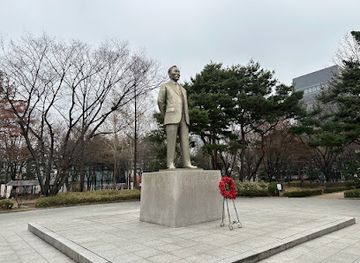
Dosan Park
Immerse yourself in the tranquility and history of Dosan Park, a hidden gem in the heart of Gangnam, Seoul.
17 min walk · 1.3 km from neighbourhood centre
-
Park
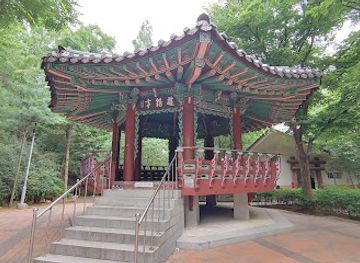
Hakdong Park
Explore the serene beauty of Hakdong Park in Gangnam, a perfect urban escape with lush landscapes and vibrant flora.
6 min drive · 1.9 km from neighbourhood centre
-
Sculpture
Statue of Gangnam Style
Explore the Statue of Gangnam Style, an iconic K-pop landmark in Seoul, capturing the vibrant spirit of South Korean pop culture.
16 min walk · 1.3 km from neighbourhood centre
Explore Gangnam on the map
A handpicked selection of must-see spots in Gangnam, mapped for you.
Best hotels in Gangnam
Best restaurants in Gangnam
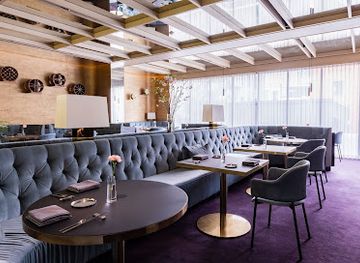
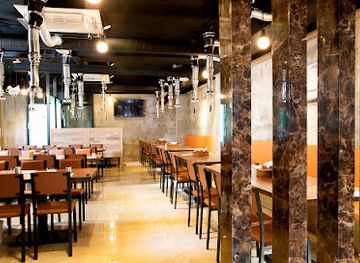
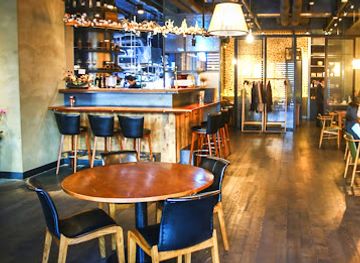
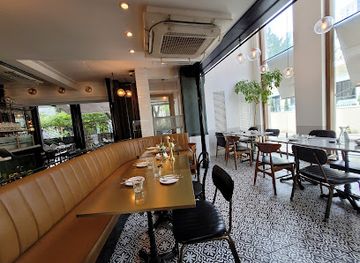
Gangnam’s dining scene reflects Seoul’s corporate wealth, international outlook and culture of meeting after work. Around Gangnam Station, narrow side streets are filled with Korean barbecue restaurants, noodle shops, stews, fried chicken venues, cafés and late-evening eateries serving office workers, students and shoppers. The streets towards Sinsa, Apgujeong and Cheongdam add contemporary Korean cooking, dessert cafés, wine bars and internationally influenced restaurants, although these are distinct nearby areas rather than one compact dining quarter. Teheran-ro has a particularly practical weekday rhythm, with lunch restaurants and after-work gatherings woven into the office landscape. Visitors will find both informal meals and more polished dining rooms, but individual businesses and menus change frequently. Local dining customs commonly involve shared dishes, self-service side dishes and ordering through a tablet or counter system, so watching how nearby diners proceed can be useful when English instructions are limited.
-
Korean
Jungsik Seoul
Experience the elegance of modern Korean cuisine at Jungsik Seoul, where tradition meets innovation in every exquisite dish.
14 min walk · 1.1 km from neighbourhood centre
-
Korean
Yang Good
Experience the vibrant flavors of Korea at Yang Good - where tradition meets modernity in every bite.
6 min drive · 2.0 km from neighbourhood centre
-
Korean
Mingles
Experience innovative Korean cuisine at Mingles in Gangnam—where tradition meets modern gastronomy.
12 min walk · 0.9 km from neighbourhood centre
-
Italian
Pairing Room
Discover authentic Italian cuisine at Pairing Room in Gangnam—where exquisite flavors meet elegant dining experiences.
11 min walk · 0.9 km from neighbourhood centre
Best bars in Gangnam
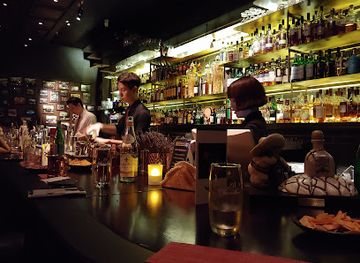
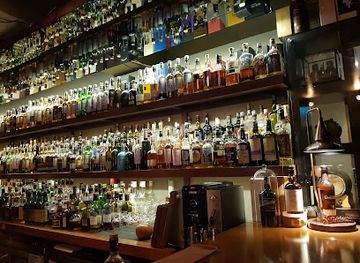
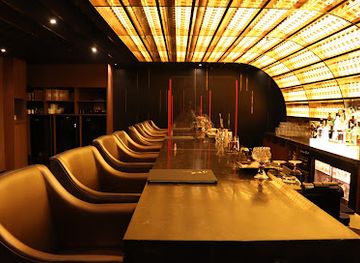
After dark, central Gangnam becomes a major social district rather than a single concentrated club quarter. The lanes around Gangnam Station contain casual Korean bars, pocha-style drinking spots, beer venues, karaoke rooms and restaurants that support office dinners and student gatherings. Further north, Sinsa, Apgujeong and Cheongdam are associated with more fashion-conscious cocktail bars, lounges and late-night venues, while the entertainment atmosphere around Nonhyeon has its own cluster of restaurants and drinking places. The exact nightlife mix changes quickly, and venues can be spread through upper floors or discreet side-street entrances rather than clearly marked at pavement level. Main roads remain busy late, but residential blocks are close by, so visitors should keep noise down when leaving bars and should use a taxi or late public transport connection rather than wandering unfamiliar roads after drinking.
-
Lounge
Le Chamber
Discover the elegant charm of Le Chamber, a sophisticated lounge in Gangnam offering exquisite cocktails and soothing jazz music for an unforgettable evening.
14 min walk · 1.1 km from neighbourhood centre
-
Bar
MaltBarBARREL
Discover the essence of Seoul's nightlife at MaltBarBARREL, where craft beers and vibrant atmosphere unite in the heart of Gangnam.
13 min walk · 1.0 km from neighbourhood centre
-
Cocktail bar
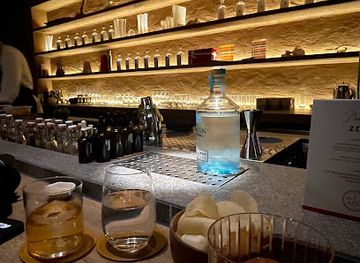
ZEST SEOUL
Experience the essence of Seoul's nightlife at Zest, a chic cocktail bar in the heart of Gangnam offering innovative drinks and a vibrant atmosphere.
13 min walk · 1.1 km from neighbourhood centre
-
Cocktail bar
29 Pub Champion Masstige(No4)
Discover 29 Pub Champion Masstige, a premier cocktail bar in Gangnam, offering an exquisite drink selection and vibrant nightlife.
7 min drive · 2.4 km from neighbourhood centre
Best nightclubs in Gangnam
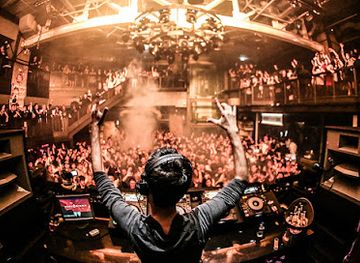
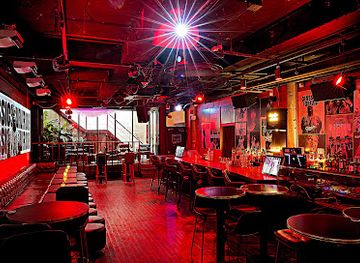
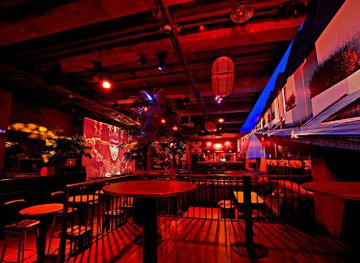
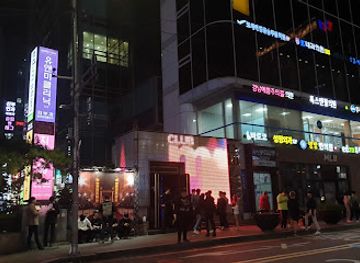
After dark, central Gangnam becomes a major social district rather than a single concentrated club quarter. The lanes around Gangnam Station contain casual Korean bars, pocha-style drinking spots, beer venues, karaoke rooms and restaurants that support office dinners and student gatherings. Further north, Sinsa, Apgujeong and Cheongdam are associated with more fashion-conscious cocktail bars, lounges and late-night venues, while the entertainment atmosphere around Nonhyeon has its own cluster of restaurants and drinking places. The exact nightlife mix changes quickly, and venues can be spread through upper floors or discreet side-street entrances rather than clearly marked at pavement level. Main roads remain busy late, but residential blocks are close by, so visitors should keep noise down when leaving bars and should use a taxi or late public transport connection rather than wandering unfamiliar roads after drinking.
-
Night club
Octagon Club
Dive into the electrifying nightlife of Seoul at the Octagon Club, where world-class DJs and vibrant crowds create unforgettable experiences.
5 min drive · 1.5 km from neighbourhood centre
-
Lounge
Jay & Jason
Experience the essence of Seoul's nightlife at Jay & Jason, a chic lounge blending cocktails and cozy comforts in the heart of Gangnam.
15 min walk · 1.2 km from neighbourhood centre
-
Lounge
NoFlex Seoul
Discover the essence of Seoul's nightlife at NoFlex, an upscale lounge in Gangnam known for its vibrant atmosphere and creative cocktails.
16 min walk · 1.3 km from neighbourhood centre
-
Night club
클럽 아르떼
Dive into the electrifying nightlife of Seoul at 클럽 아르떼, where music, dance, and unforgettable memories await.
8 min drive · 2.7 km from neighbourhood centre
Best shops in Gangnam
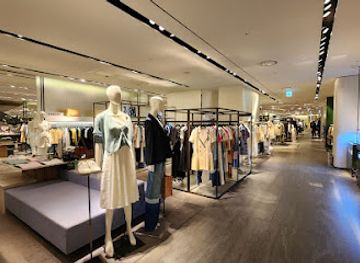
Shopping in Gangnam ranges from practical underground retail to fashion, beauty and design-led streets. The commercial passages around Gangnam Station contain cosmetics shops, clothing retailers, cafés and specialist services, while the station’s underground shopping areas are useful for browsing accessible fashion and everyday goods. Sinsa’s Garosu-gil and adjacent lanes are associated with boutiques, lifestyle stores, cafés and independent labels, and Apgujeong Rodeo and Cheongdam offer a more premium concentration of fashion and beauty businesses. These areas should be treated as nearby neighbourhoods within the wider Gangnam-gu landscape, not as one continuous shopping street. Gangnam is less a traditional market district than a showcase for polished retail, Korean skincare, contemporary fashion and design-conscious consumption. Stock, tenants and shop identities change regularly, so visitors should regard the streetscape itself as part of the experience rather than relying on a fixed list of retailers.
-
Department store
Galleria Department Store Luxury Hall WEST
Discover unparalleled luxury shopping at Galleria Department Store's Luxury Hall WEST in Gangnam, Seoul, featuring top-notch brands and exquisite beauty selections.
18 min walk · 1.4 km from neighbourhood centre
-
General store
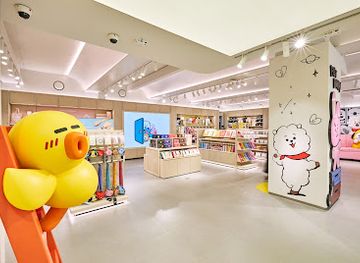
Line Friends Gangnam Flagship Store
Discover the enchanting world of LINE Friends at the Gangnam Flagship Store, where unique products and adorable characters await every visitor.
8 min drive · 2.6 km from neighbourhood centre
-
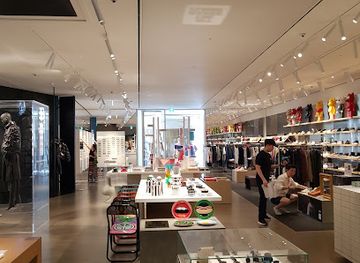
Clothing store
BOONTHESHOP
Discover fashion at its finest at Boontheshop, where luxury meets contemporary style in the heart of Gangnam, Seoul.
13 min walk · 1.1 km from neighbourhood centre
-
Toy store
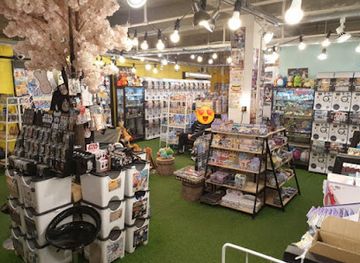
Universe Gacha
Discover a world of toys, anime, and collectibles at Universe Gacha in Gangnam, Seoul - a paradise for enthusiasts and casual shoppers alike.
7 min drive · 2.4 km from neighbourhood centre

From Eve
Local phrases worth knowing
You don't need to get them perfect. A few words go a long way, and locals appreciate the effort.
Basics
| English | Local | Say it |
|---|---|---|
| Hello | 안녕하세요 | [an-nyeong-ha-se-yo] |
| Goodbye | 안녕히 가세요 | [an-nyeong-hi ga-se-yo] |
| Yes | 네 | [ne] |
| No | 아니요 | [a-ni-yo] |
| Please/You're welcome | 부탁합니다 | [bu-tak-ham-ni-da] |
| Thank you | 감사합니다 | [gam-sa-ham-ni-da] |
| Excuse me/Sorry | 죄송합니다 | [joe-song-ham-ni-da] |
| How are you? | 어떻게 지내세요? | [eo-tteoh-ge ji-nae-se-yo] |
| Fine. And you? | 잘 지내고 있어요. 그런데요? | [jal ji-nae-go it-seo-yo. geu-reon-de-yo] |
| Do you speak English? | 영어 할 수 있어요? | [yeong-eo hal su it-seo-yo] |
| I don't understand | 이해하지 못해요 | [i-hae-ha-ji mot-hae-yo] |
Eating & Drinking
| English | Local | Say it |
|---|---|---|
| I'd like to see the menu, please | 메뉴를 보고 싶어요 | [me-nyu-reul bo-go ship-eo-yo] |
| I don't eat meat | 고기를 먹지 않아요 | [go-gi-reul meok-ji an-a-yo] |
| Cheers! | 건배! | [geon-bae!] |
| I would like to pay, please | 계산할게요 | [gye-san-hal-ge-yo] |
Emergencies
| English | Local | Say it |
|---|---|---|
| Help! | 도와주세요! | [do-wa-ju-se-yo!] |
| Go away! | 가라! | [ga-ra!] |
| Call the Police! | 경찰을 불러주세요! | [gyeong-chal-eul bulleo-ju-se-yo!] |
| Call a doctor! | 의사를 불러주세요! | [ui-sa-reul bulleo-ju-se-yo!] |
| I'm lost | 길을 잃었어요 | [gil-eul ilh-eoss-eo-yo] |
| I'm ill | 아파요 | [a-pa-yo] |
Shopping
| English | Local | Say it |
|---|---|---|
| I'd like to buy... | 사고 싶어요... | [sa-go ship-eo-yo...] |
| I'm just looking | 둘러보고 있어요 | [dul-reo-bo-go it-seo-yo] |
| How much is it? | 얼마에요? | [eol-ma-e-yo] |
| That's too expensive | 너무 비싸요 | [neo-mu bi-ssa-yo] |
| Can you lower the price? | 가격을 깎을 수 있어요? | [ga-geul gga-keul su it-seo-yo] |
Time & Numbers
| English | Local | Say it |
|---|---|---|
| What time is it? | 지금 몇 시에요? | [ji-geum myeot si-e-yo?] |
| It's one o'clock | 한 시에요 | [han si-e-yo] |
| Half past (10) | 열 시 반 | [yeol si ban] |
| Morning | 아침 | [a-chim] |
| Afternoon | 오후 | [o-hu] |
| Evening | 저녁 | [jeo-nyeok] |
| Yesterday | 어제 | [eo-je] |
| Today | 오늘 | [o-neul] |
| Tomorrow | 내일 | [nae-il] |
| 1 | 하나 | [ha-na] |
| 2 | 둘 | [dul] |
| 3 | 셋 | [set] |
| 4 | 넷 | [net] |
| 5 | 다섯 | [da-seot] |
| 6 | 여섯 | [yeo-seot] |
| 7 | 일곱 | [il-gob] |
| 8 | 여덟 | [yeo-deol] |
| 9 | 아홉 | [a-hop] |
| 10 | 열 | [yeol] |
Transport & Directions
| English | Local | Say it |
|---|---|---|
| Where's a/the...? | ...이 어디에요? | [...i eo-di-e-yo?] |
| What's the address? | 주소가 뭐에요? | [ju-so-ga mwo-e-yo?] |
| Can you show me (on the map)? | (지도에) 보여주세요? | [(ji-do-e) bo-yeo-ju-se-yo?] |
| When's the next (bus)? | 다음 (버스) 언제와요? | [da-eum (beo-seu) eon-je-wa-yo?] |
| A ticket (to ....) | 표(를 ... 로) | [pyo(reul ... ro)] |
History of Gangnam
The South Bank Before Expansion
The area south of the Han River was historically more rural than the established urban districts north of it, with agricultural land and scattered settlements shaped by the river plain. “Gangnam” simply means south of the river, a geographical description that later became a symbol of Seoul’s transformation. Before large-scale development, movement across the Han and the limited road network kept the southern bank less closely integrated with the central city than it is today.
Seoul’s Planned Southern Growth
From the 1960s, Seoul directed substantial development towards the southern bank as population growth and land pressure increased. New roads, housing districts and public infrastructure reshaped the area, while the opening of the Gyeongbu Expressway in 1970 strengthened connections with the capital’s southern hinterland. This planned expansion helped produce the broad streets, separated blocks and high-density development that distinguish Gangnam from many older parts of Seoul.
Gangnam-gu and the Subway Era
Gangnam-gu was established in 1975 after being separated from the larger Seongdong administrative area, formalising the governance of a rapidly urbanising part of Seoul. Seoul Subway Line 2, opened in stages from the early 1980s, connected Gangnam Station and the southern business districts with the wider metropolitan network. The resulting accessibility encouraged offices, academies, shops, restaurants and apartment development, turning Gangnam from an expanding residential zone into a major metropolitan centre.
Business, Technology and Global Recognition
During the late twentieth and early twenty-first centuries, Teheran-ro became associated with finance, technology and corporate headquarters, while Gangnam Station grew into one of Seoul’s busiest commercial meeting points. Nearby Apgujeong, Cheongdam and Sinsa developed strong identities in fashion, beauty, design and dining. The international success of Psy’s 2012 song “Gangnam Style” gave the district unprecedented global visibility, but the area’s deeper significance lies in the economic and cultural changes that made southern Seoul a defining image of contemporary Korea.
Gangnam in Photos
Browse through our photo collection highlighting the charm and character of the destination.
Neighbourhoods near Gangnam
The closest neighbourhoods to Gangnam, if you have time for more than one stop.
-

-

-

-


Swipe for more neighbourhoods

