

Antiguo Zoo de Madrid, Madrid Travel Guide
Madrid's abandoned zoo ruins in Retiro Park reveal century-old enclosures swallowed by greenery, blending faded grandeur with wild overgrowth for an unforgettable urban decay adventure.
Wander the haunting grounds of Madrid's original zoo in Retiro Park, where overgrown enclosures and faded structures whisper tales of exotic animals and early 20th-century grandeur. This abandoned site blends urban decay with lush greenery, offering a poignant glimpse into the city's natural history amid the park's timeless beauty.
A brief summary to Antiguo Zoo de Madrid
- P.º de Fernán Núñez, 22, Madrid, Retiro, Madrid, 28009, ES
- Free
-
 Outdoor
- Mobile reception: 5 out of 5
- Monday 6 am-12 am
- Tuesday 6 am-12 am
- Wednesday 6 am-12 am
- Thursday 6 am-12 am
- Friday 6 am-12 am
- Saturday 6 am-12 am
- Sunday 6 am-12 am

Know before you go
Hi, I'm Eve. Here are a few practical things to know before exploring Antiguo Zoo de Madrid.
- Enter via Retiro Park's main gates near Puerta de Alcalá for easiest access to the zoo remnants scattered along the eastern edge.
- Visit at dawn or dusk when park crowds thin, enhancing the site's isolated, atmospheric feel without tour groups nearby.
- Combine with a full Retiro loop walk; the old zoo's hidden spots reward those straying from main paths.
- Watch footing on uneven, overgrown terrain—sturdy shoes help navigate cracked pavements and vine-choked stairs.
- Bring a camera for moody shots of rusted cages against leafy backdrops, especially in soft morning light.
Do you manage this location?
Take control to get all the benefits, like improved information, better appearance, and stronger visibility across AI-powered discovery. Learn more about listing your business on Evendo
Activate your presenceOther nearby places you may find interesting
The closest places of the same kind, if this one is not quite what you had in mind.
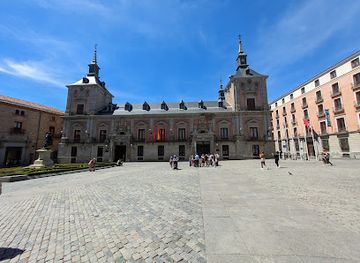
Explore Antiguo Zoo de Madrid on the Map
A handpicked selection of must-see spots near Antiguo Zoo de Madrid, mapped for you.
Getting There
-
Metro
Take Metro Line 2 to Retiro station (10-15 min from Sol), then 10-min walk through park gates to site; €1.50-2 single ticket.
-
Bus
EMT bus lines 203 or C2 from Atocha (15-20 min), stop near park entrance, short walk to ruins; €1.50 fare, frequent service.
-
Walking
From city center like Plaza Mayor, 25-30 min stroll via Paseo del Prado into Retiro; free, scenic route through green spaces.
-
Bicycle
Rent BiciMAD bikes from central stations (20 min ride), park at Retiro racks; €2-3 for 30 min, smooth paths throughout.
For the on-the-go comforts that matter to you
-
 Restrooms
-
 Food Options
-
 Seating Areas
-
 Sheltered Areas
-
 Trash Bins
-
 Information Boards
Discover more about Antiguo Zoo de Madrid
Historical Foundations
The Antiguo Zoo de Madrid, nestled within the expansive Retiro Park, opened its gates in 1770 as one of Europe's pioneering public zoos. Commissioned during the reign of King Carlos III, it aimed to showcase the wonders of the natural world to the Spanish nobility and public alike. Exotic species from distant continents—lions from Africa, elephants from Asia, and monkeys from the Americas—filled its enclosures, symbolizing Spain's global reach during its imperial era. The zoo became a center for early zoological study, attracting scientists and enthusiasts who documented animal behaviors and contributed to budding fields of biology and veterinary science.Architectural Legacy
Spanning several hectares, the zoo featured innovative designs for its time, including iron-and-glass aviaries inspired by London's Crystal Palace and spacious moated enclosures that mimicked natural habitats. The iconic elephant house, with its Moorish arches and tiled facades, stood as a testament to eclectic Spanish architecture blending neoclassical and regional motifs. Pathways lined with mature trees wound through aviaries, reptile houses, and a central pond where flamingos once strutted. These structures, now weathered by decades of neglect, retain intricate ironwork and stone carvings that evoke the opulence of Belle Époque Madrid.Decline and Abandonment
By the mid-20th century, the zoo faced mounting challenges. Urban expansion, animal welfare concerns, and the need for modern facilities led to its closure in 1972. The animals were relocated to the new Casa de Campo Zoo, leaving behind a skeletal framework of cages, tunnels, and pavilions overtaken by ivy and wildflowers. The site transitioned into a relic within Retiro Park, its silence broken only by joggers and picnickers who stumble upon its hidden corners. Preservation efforts have been minimal, allowing nature to reclaim the space in a striking display of entropy.Atmosphere and Vibe
Today, the Antiguo Zoo exudes an eerie, melancholic charm. Overgrown aviaries loom like ghostly skeletons, their bars twisted by rust and vines. Sunlight filters through canopy leaves onto cracked concrete paths, casting dappled shadows on faded murals of giraffes and parrots. The air carries scents of damp earth and blooming jasmine from the surrounding park, mingled with a subtle mustiness from decaying wood. It's a place of quiet reflection, where the buzz of distant city life contrasts with the site's profound stillness, inviting contemplation on humanity's relationship with wildlife.Exploration and Surroundings
Integrated seamlessly into Retiro Park, the old zoo enhances visits to nearby crystal palace and rowboat lake. Explorers can trace original perimeter walls, peer into subterranean tunnels once used for animal transport, and imagine the roars that once echoed here. The site's accessibility from park entrances makes it an ideal detour for those seeking offbeat history amid manicured gardens and statues. Seasonal changes transform it further—spring wildflowers soften the ruins, while autumn foliage adds golden hues to the decay.Cultural Significance
The Antiguo Zoo endures as a cultural touchstone in Madrid's heritage narrative, featured in literature and photography capturing urban exploration themes. It underscores the evolution of zoos from spectacle to conservation, mirroring global shifts in animal ethics. For travelers, it offers a layered experience: historical immersion, architectural appreciation, and a brush with abandonment's artistry, all within one of Spain's most cherished green lungs.












Your all‑in‑one travel companion app
Explore expert travel guides, compare and book tours, experiences, hotels, and more—all from the palm of your hand. Download now for seamless trip planning wherever your wanderlust takes you.


Explore More of Madrid

Looking beyond Antiguo Zoo de Madrid? Discover Madrid for broader travel guides, local hot-spots, and regional highlights.
Explore Madrid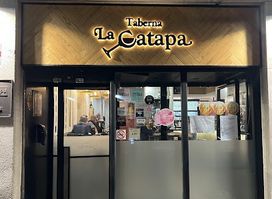
Authentic Spanish plates with fresh twists draw Retiro crowds to La Catapa's vibrant tables on Calle de Menorca.

Madrid's premier food tour operator delivers intimate tastings, winery visits, and tapas trails from Retiro, revealing authentic Spanish cuisine through expert-led explorations.
