
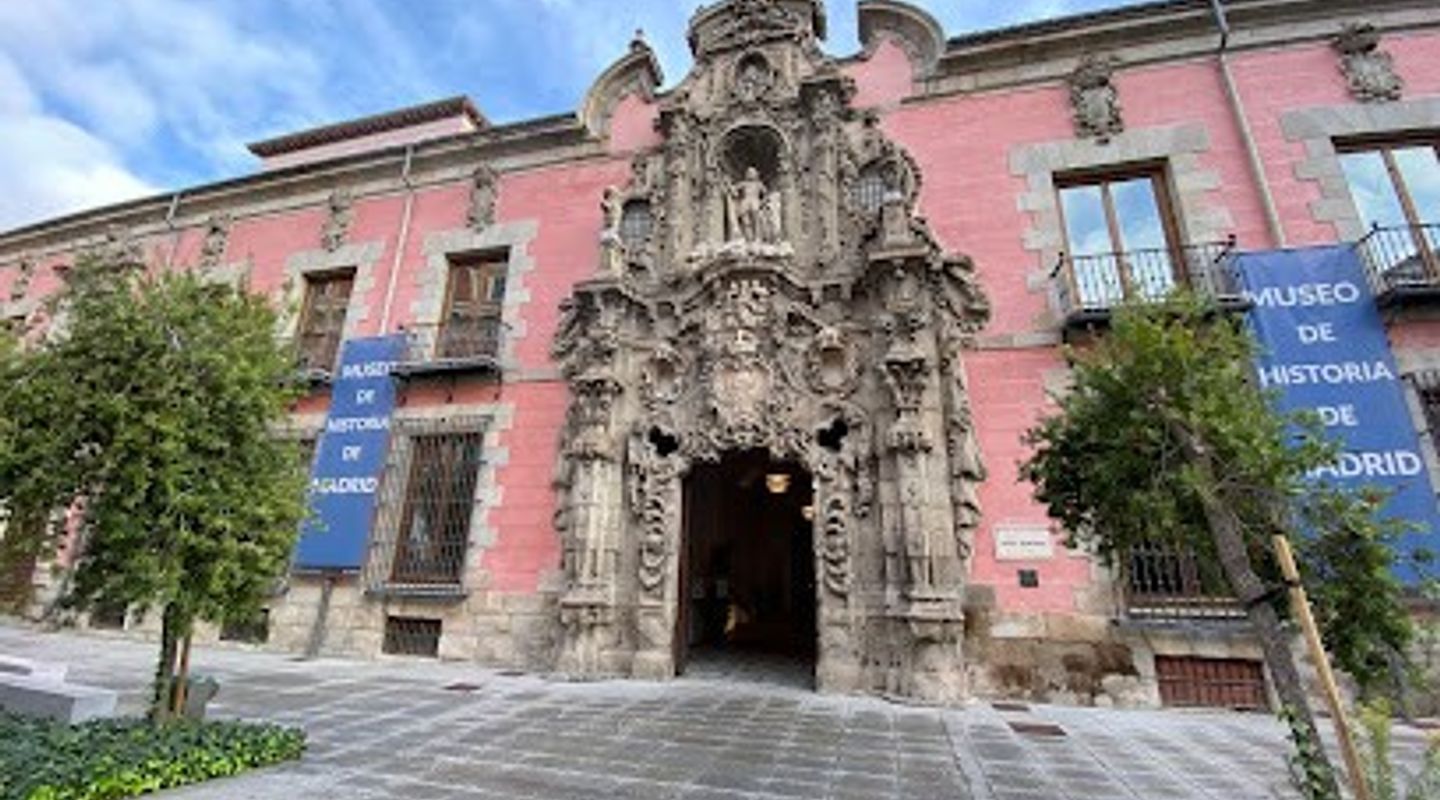
Madrid History Museum, Madrid Travel Guide
Discover five centuries of Madrid's transformation from medieval fortress to European capital in this free, essential cultural institution.
Trace Madrid's transformation from a modest medieval settlement to a vibrant European capital at this comprehensive museum. Free admission and extended evening hours make it an accessible window into the city's rich past, from royal courts to contemporary urban life.
A brief summary to Madrid History Museum
- Calle de Fuencarral, 78, Madrid, Centro, Madrid, 28004, ES
- Click to display
- Click to display
- Free
-
 Indoor
- Mobile reception: 4 out of 5
- Tuesday 10 am-8 pm
- Wednesday 10 am-8 pm
- Thursday 10 am-8 pm
- Friday 10 am-8 pm
- Saturday 10 am-8 pm
- Sunday 10 am-8 pm

Know before you go
Hi, I'm Eve. Here are a few practical things to know before exploring Madrid History Museum.
- Arrive early or visit after 17:00 to avoid peak crowds, particularly on weekends. The museum is less crowded on weekday mornings.
- Rent an audio guide at the entrance for deeper context on specific periods and artifacts. It significantly enhances understanding of Madrid's complex history.
- Plan at least 2-3 hours for a meaningful visit. The collection is extensive, and rushing diminishes the experience.
- Check the museum's website for temporary exhibitions before visiting. These often provide fresh perspectives on Madrid's history and contemporary relevance.
- The museum café offers refreshments. Consider a break mid-visit to process information and rest before continuing through upper floors.
Do you manage this location?
Take control to get all the benefits, like improved information, better appearance, and stronger visibility across AI-powered discovery. Learn more about listing your business on Evendo
Activate your presenceOther nearby places you may find interesting
The closest places of the same kind, if this one is not quite what you had in mind.
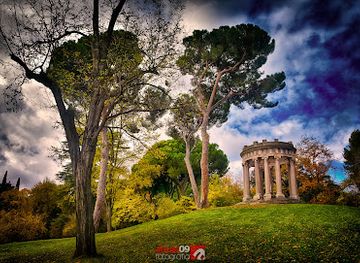
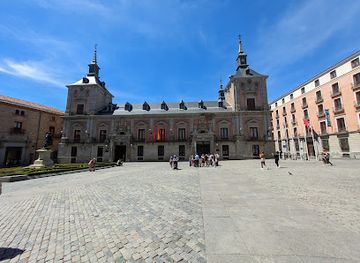
Explore Madrid History Museum on the Map
A handpicked selection of must-see spots near Madrid History Museum, mapped for you.
Unlock the Best of Madrid History Museum
Buy tickets
-
No tickets available
Book tours with entry


Book tours without entry
-
No tours available
Getting There
-
Metro
Take Metro Line 1 or 10 to Chueca station (approximately 10-15 minutes from central Madrid depending on starting point). Exit and walk 3-5 minutes northeast to Calle de Fuencarral. This is the most reliable and economical option.
-
Bus
Multiple bus lines serve the Centro district. Lines 3, 40, and 149 stop near Chueca. Journey time varies from 15-25 minutes depending on traffic and starting location. Buses run frequently throughout the day.
-
Walking
From Plaza Mayor or Puerta del Sol, the museum is approximately 1.2 kilometers north. A 15-20 minute walk through historic neighborhoods allows you to experience the city's street-level character while reaching the museum.
-
Taxi or Ride-Share
Taxis and ride-sharing services are available throughout Madrid. Journey time from central locations is typically 10-15 minutes depending on traffic. This option offers convenience but costs significantly more than public transport.
For the on-the-go comforts that matter to you
-
 Restrooms
-
 Drink Options
-
 Food Options
-
 Seating Areas
-
 Information Boards
-
 Visitor Center
Discover more about Madrid History Museum
A Chronicle of Madrid's Urban Development
The Madrid History Museum occupies a beautifully restored 18th-century palace on Calle de Fuencarral, serving as the definitive repository of the city's five-century narrative. The museum's collection spans from Madrid's origins as a modest Moorish settlement through its emergence as Spain's capital under the Habsburgs, its golden age during the Bourbon period, and its transformation into a modern metropolis. Rather than presenting history as a linear progression, the museum contextualizes Madrid's development within broader European and global movements, revealing how local events connected to international currents.Thematic Galleries and Collections
The permanent exhibition is organized thematically across multiple floors, each dedicated to distinct periods and aspects of Madrid's identity. Early galleries explore the medieval city and its strategic importance, while subsequent sections examine the court's establishment, the city's expansion during the 17th and 18th centuries, and the dramatic transformations of the 19th and 20th centuries. Visitors encounter original documents, architectural fragments, period furnishings, paintings, photographs, and multimedia installations that collectively illustrate how Madrid's physical landscape, social structure, and cultural character evolved. The museum pays particular attention to everyday life across different eras, not merely focusing on elite history but incorporating the experiences of merchants, artisans, workers, and residents.The Building and Its Significance
The palace itself is historically significant, having served various functions throughout its existence. Its neoclassical architecture and carefully preserved interiors contribute to the immersive experience, allowing visitors to appreciate both the content and the container. The restoration work has maintained period details while incorporating modern accessibility features and climate control necessary for artifact preservation.Visitor Experience and Accessibility
The museum operates with extended hours until 20:00 most days, accommodating both morning and evening visits. Free admission removes financial barriers to entry, making it an exceptional cultural resource for residents and visitors alike. The layout is generally navigable, though the multi-floor structure requires some physical mobility. Information panels are available in Spanish and English, with audio guides offering deeper context for those seeking comprehensive interpretation.Educational and Cultural Programming
Beyond the permanent collection, the museum regularly hosts temporary exhibitions, lectures, workshops, and cultural events that engage contemporary issues through historical perspective. These programs connect Madrid's past to present-day urban challenges and opportunities, fostering dialogue between historical scholarship and public discourse.Location and Integration with Madrid's Cultural Landscape
Situated in the Centro district near Plaza de Chueca, the museum sits within Madrid's historic core, surrounded by other cultural institutions, galleries, and the vibrant neighborhood life that characterizes this area. Its central location makes it easily accessible as part of a broader cultural itinerary, whether visited as a standalone destination or integrated into a day exploring the surrounding neighborhoods.












Your all‑in‑one travel companion app
Explore expert travel guides, compare and book tours, experiences, hotels, and more—all from the palm of your hand. Download now for seamless trip planning wherever your wanderlust takes you.


Explore More of Madrid
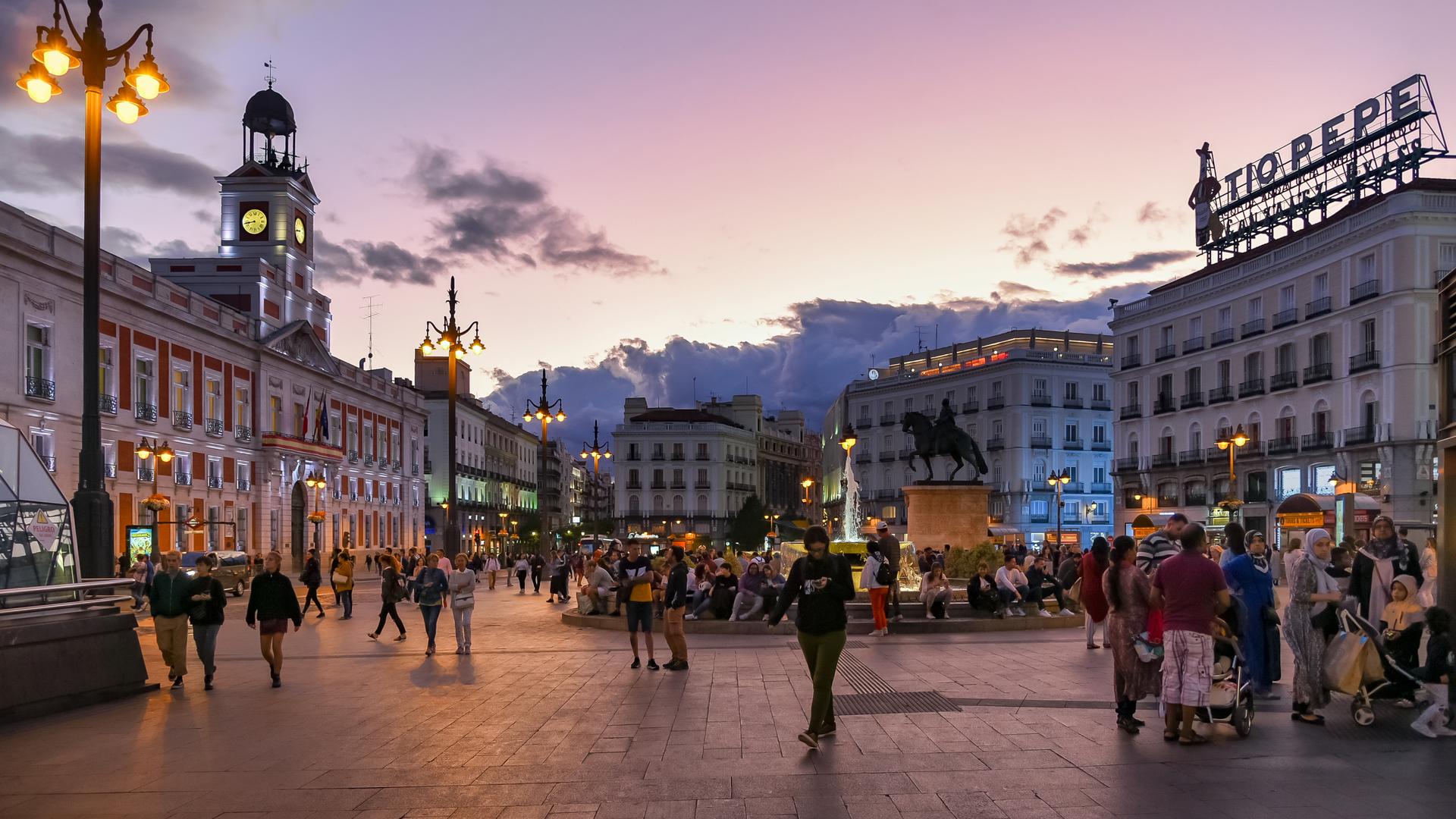
Looking beyond Madrid History Museum? Discover Madrid for broader travel guides, local hot-spots, and regional highlights.
Explore Madrid
Madrid's pop-up fusion of digital and traditional art in a historic hotel, spotlighting emerging creators who redefine contemporary expression through innovative mediums.

Madrid Me Mata fuels Malasaña nights with razor-sharp cocktails and unyielding creative fire, pulling you into the barrio's defiant rhythm where every pour writes a new story.
