Matadero Madrid, Madrid Travel Guide
Industrial heritage meets contemporary creativity in Madrid's most dynamic free cultural space.
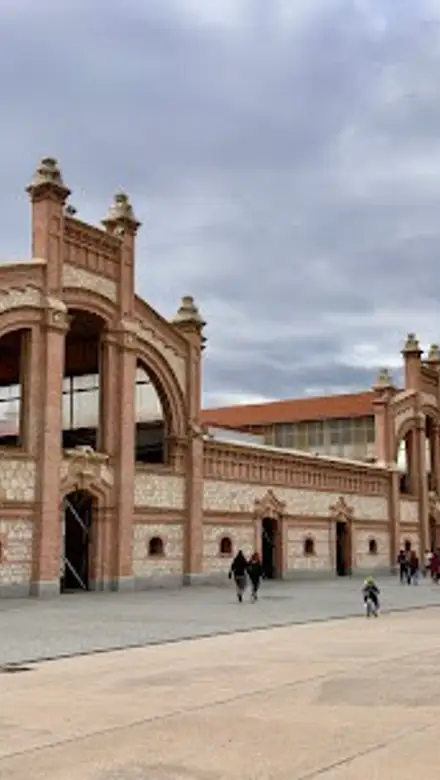
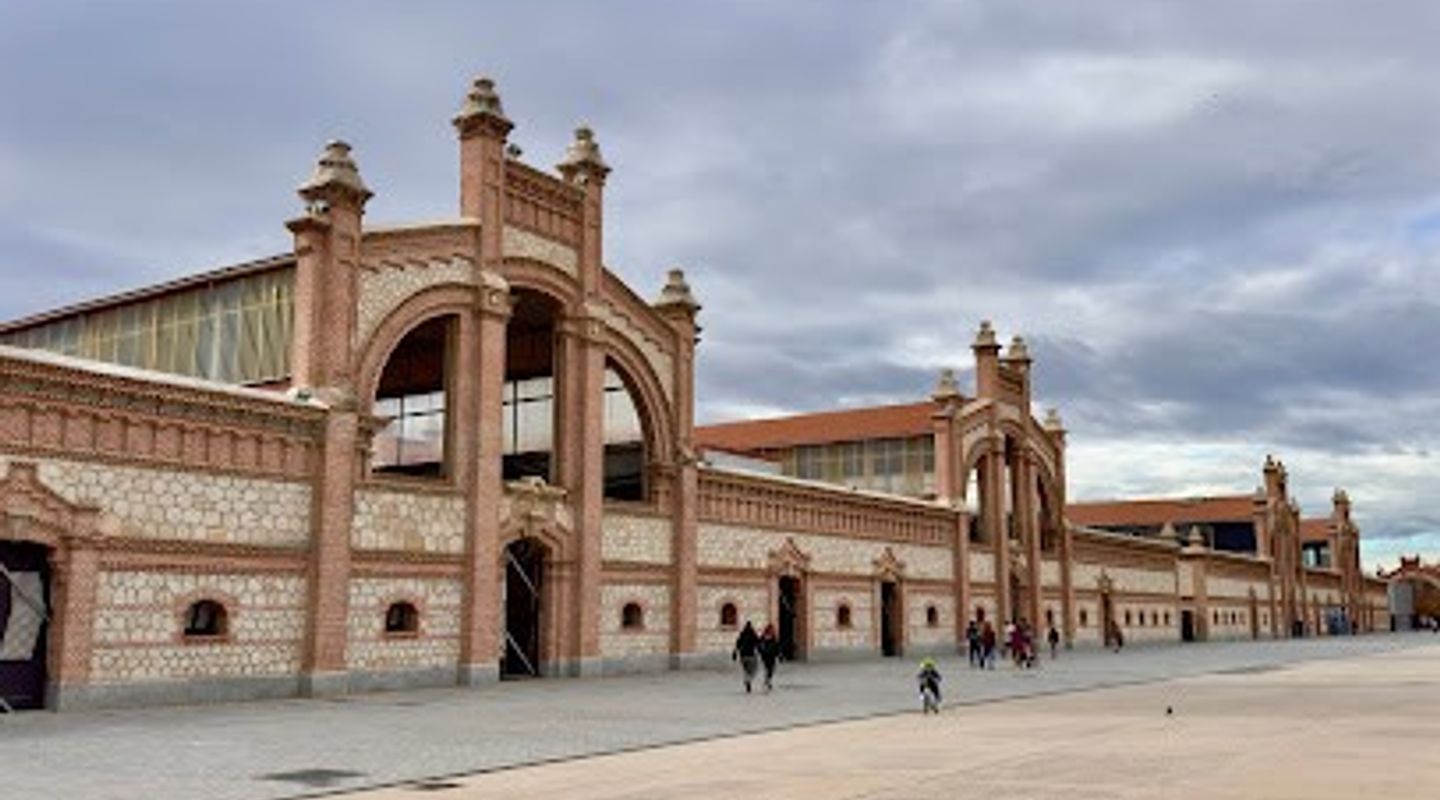
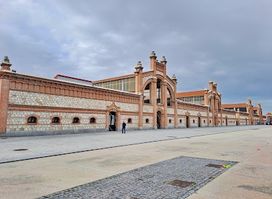
A sprawling cultural complex housed in a beautifully repurposed 19th-century slaughterhouse, Matadero Madrid blends industrial heritage with cutting-edge contemporary art, theater, and dance. This free-entry venue in the Arganzuela neighborhood transforms raw architectural bones into a vibrant creative hub where exhibitions, performances, and experimental projects unfold across multiple galleries and outdoor spaces.
A brief summary to Matadero Madrid
- Pl. de Legazpi, 8, Madrid, Arganzuela, Madrid, 28045, ES
- Click to display
- Click to display
- Free
-
 Mixed
Mixed
- Mobile reception: 5 out of 5
- Monday 9 am-10 pm
- Tuesday 9 am-10 pm
- Wednesday 9 am-10 pm
- Thursday 9 am-10 pm
- Friday 9 am-10 pm
- Saturday 9 am-10 pm
- Sunday 9 am-10 pm

Know before you go
Hi, I'm Eve. Here are a few practical things to know before exploring Matadero Madrid.
- Check the website or social media before visiting to see current exhibitions and performances—programming changes frequently and some events require advance registration or have specific time slots.
- Arrive early on weekends and during major exhibitions, as outdoor areas and popular shows can become crowded, especially in late afternoon and evening.
- Wear comfortable shoes—the complex is large and involves substantial walking across multiple buildings and outdoor courtyards; allow extra time to explore fully.
- Visit during evening hours (after 6 PM) for a different atmosphere; the industrial architecture is beautifully lit at night, and cultural events often peak in early evening.
- Explore the surrounding Arganzuela neighborhood—nearby galleries, cafes, and the Manzanares riverfront complement a Matadero visit and offer additional cultural and dining options.
Do you manage this location?
Take control to get all the benefits, like improved information, better appearance, and stronger visibility across AI-powered discovery. Learn more about listing your business on Evendo
Activate your presenceOther nearby places you may find interesting
The closest places of the same kind, if this one is not quite what you had in mind.
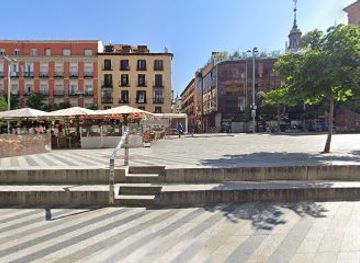
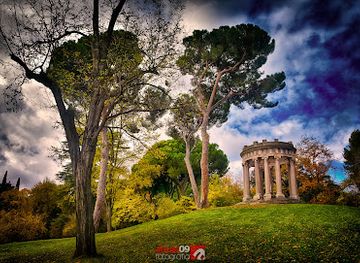
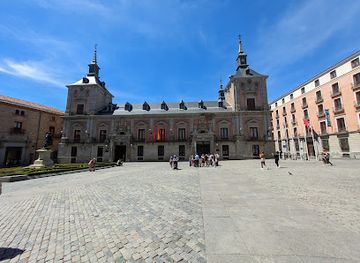
Explore Matadero Madrid on the Map
A handpicked selection of must-see spots near Matadero Madrid, mapped for you.
Unlock the Best of Matadero Madrid
Buy tickets
-
No tickets available
Book tours with entry


Getting There
-
Metro + Walk
Take Metro Line 6 toward Cuatro Caminos and exit at Legazpi station. From the station, it's a 5-minute walk south to Matadero Madrid's main entrance at Plaza de Legazpi. This is the most direct and reliable option. Cost: approximately €1.50 for a single journey.
-
Bus
Multiple bus lines serve the area: Lines 3, 15, 19, 45, and 148 stop near Plaza de Legazpi or within walking distance. Journey time varies (15–30 minutes depending on traffic and starting point), but buses offer flexibility if you're traveling from different parts of Madrid. Cost: approximately €1.50 per journey.
-
Bike or E-Scooter
Madrid's bike-sharing system (BiciMAD) and e-scooter services operate throughout the city. Matadero is accessible via dedicated bike lanes in many areas. This option works well if you're exploring the Arganzuela neighborhood or combining the visit with riverside cycling along the Manzanares.
-
Taxi or Ride-Share
Ride-sharing apps (Uber, Bolt) and traditional taxis are available throughout Madrid. Journey time from central Madrid is typically 15–25 minutes depending on traffic. Cost varies but expect €8–15 from central areas. Useful if traveling with luggage or in groups.
For the on-the-go comforts that matter to you
-
 Restrooms
-
 Drink Options
-
 Food Options
-
 Seating Areas
-
 Sheltered Areas
-
 Information Boards
-
 Visitor Center
Discover more about Matadero Madrid
Industrial Heritage Reimagined
Matadero Madrid occupies the former municipal slaughterhouse of Madrid, a sprawling complex of brick and steel structures built in the 19th century. Rather than demolishing this industrial landmark, the city reimagined it as a contemporary cultural institution, preserving the raw architectural character while infusing it with artistic purpose. The transformation respects the building's history—visible in exposed brickwork, soaring ceilings, and the spatial logic of its original function—while creating flexible spaces for modern creative expression. Walking through Matadero feels like stepping into a living archive where industrial past and artistic present coexist.Diverse Artistic Programming
The venue hosts rotating exhibitions spanning visual art, photography, installation, and experimental media. Beyond static displays, Matadero functions as a laboratory for performance: theater productions, contemporary dance, live music, and multimedia performances regularly activate its stages and open areas. The programming reflects both established and emerging artists, with a particular emphasis on experimental and boundary-pushing work. The scale of the complex allows for simultaneous exhibitions and events, creating a dynamic atmosphere where different artistic disciplines intersect.Open-Air and Public Spaces
Unlike traditional museums, Matadero integrates substantial outdoor areas—courtyards, plazas, and gardens—into its cultural offering. These open spaces host installations, temporary exhibitions, and informal gatherings, making parts of the venue accessible and welcoming to casual visitors. The Plaza de Legazpi, anchoring the complex, serves as a social hub where the boundary between cultural institution and public gathering space blurs. This approach democratizes access to contemporary art and culture.Free Entry and Accessibility
Matadero's commitment to accessibility is reflected in its free-entry policy. This removes financial barriers to experiencing contemporary art and attending performances, positioning it as a genuinely public cultural resource rather than an exclusive venue. The open-door approach attracts diverse audiences—from art enthusiasts to curious locals—and encourages spontaneous discovery.Location and Neighborhood Context
Situated in Arganzuela, a historically working-class neighborhood south of the Manzanares River, Matadero anchors cultural revitalization in an area undergoing transformation. The venue's presence has contributed to the neighborhood's emergence as a creative destination, complementing nearby attractions and fostering a sense of cultural investment in traditionally overlooked parts of Madrid. Its riverside location provides connections to broader urban green spaces and cultural corridors.












Your all‑in‑one travel companion app
Explore expert travel guides, compare and book tours, experiences, hotels, and more—all from the palm of your hand. Download now for seamless trip planning wherever your wanderlust takes you.


Explore More of Madrid
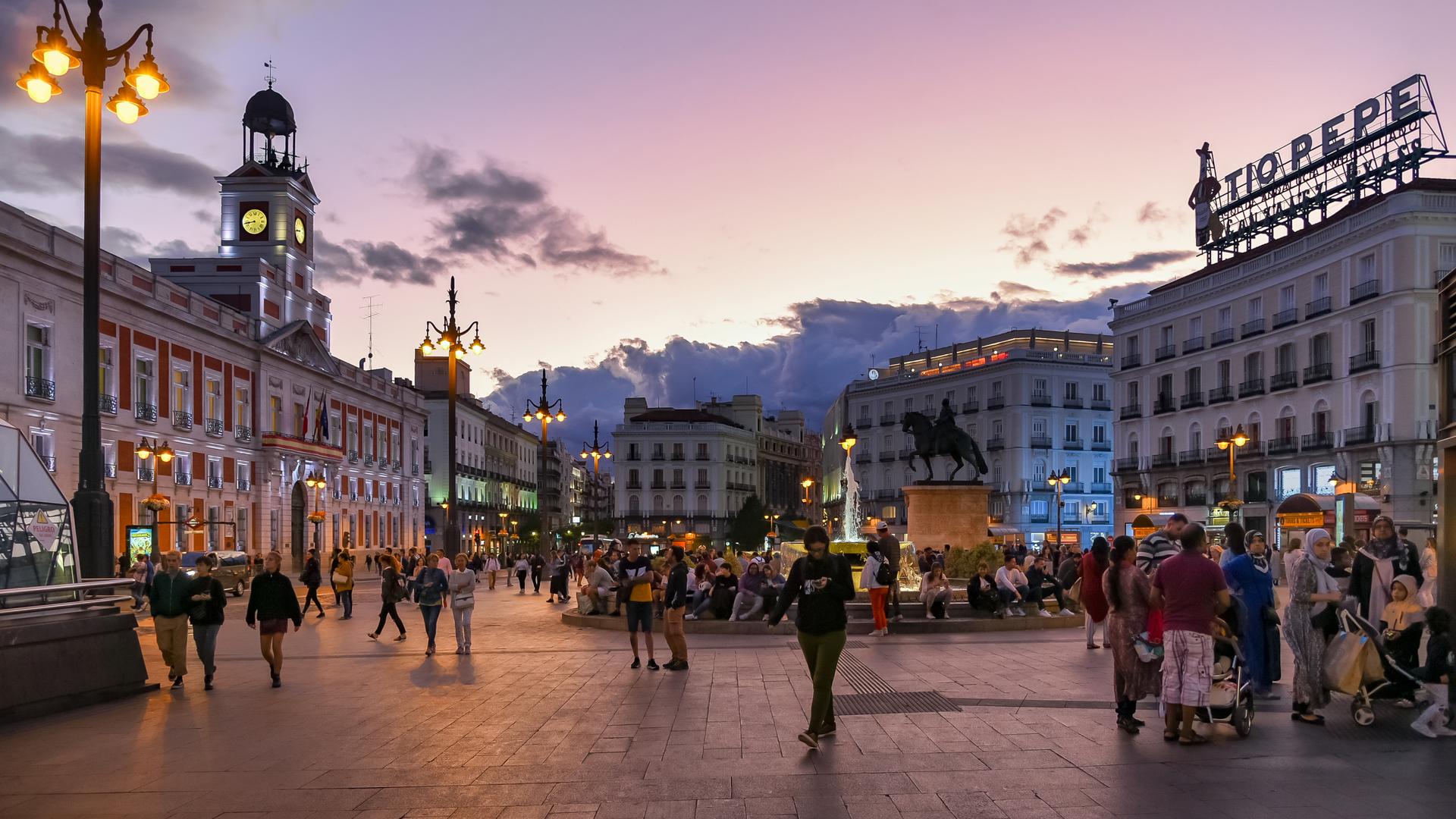
Looking beyond Matadero Madrid? Discover Madrid for broader travel guides, local hot-spots, and regional highlights.
Explore Madrid
Where Madrid's gaming tradition meets contemporary entertainment and European casino culture.
Madrid's premier contemporary dance center in repurposed industrial glory, hosting resident artists who redefine movement through bold choreography and immersive residencies.